Altstadt: The City the Monks Named
90 min · 2.4 km · easy
Munich rewards a slow, walkable trip: two or three days on foot cover the medieval Altstadt, the beer gardens, and the royal and university quarter, and you barely need transit once you are downtown. The old town is compact and flat, the U-Bahn and S-Bahn fill the gaps, and the questions most travelers actually ask (how many days, how to get around, when to come, is it safe, what it costs) all have clean answers. This guide answers them, then points you into the self-guided audio walks that read the city stop by stop. For the full set, see the Munich walking tours hub and the /germany/munich city page.
How many days do you need in Munich?
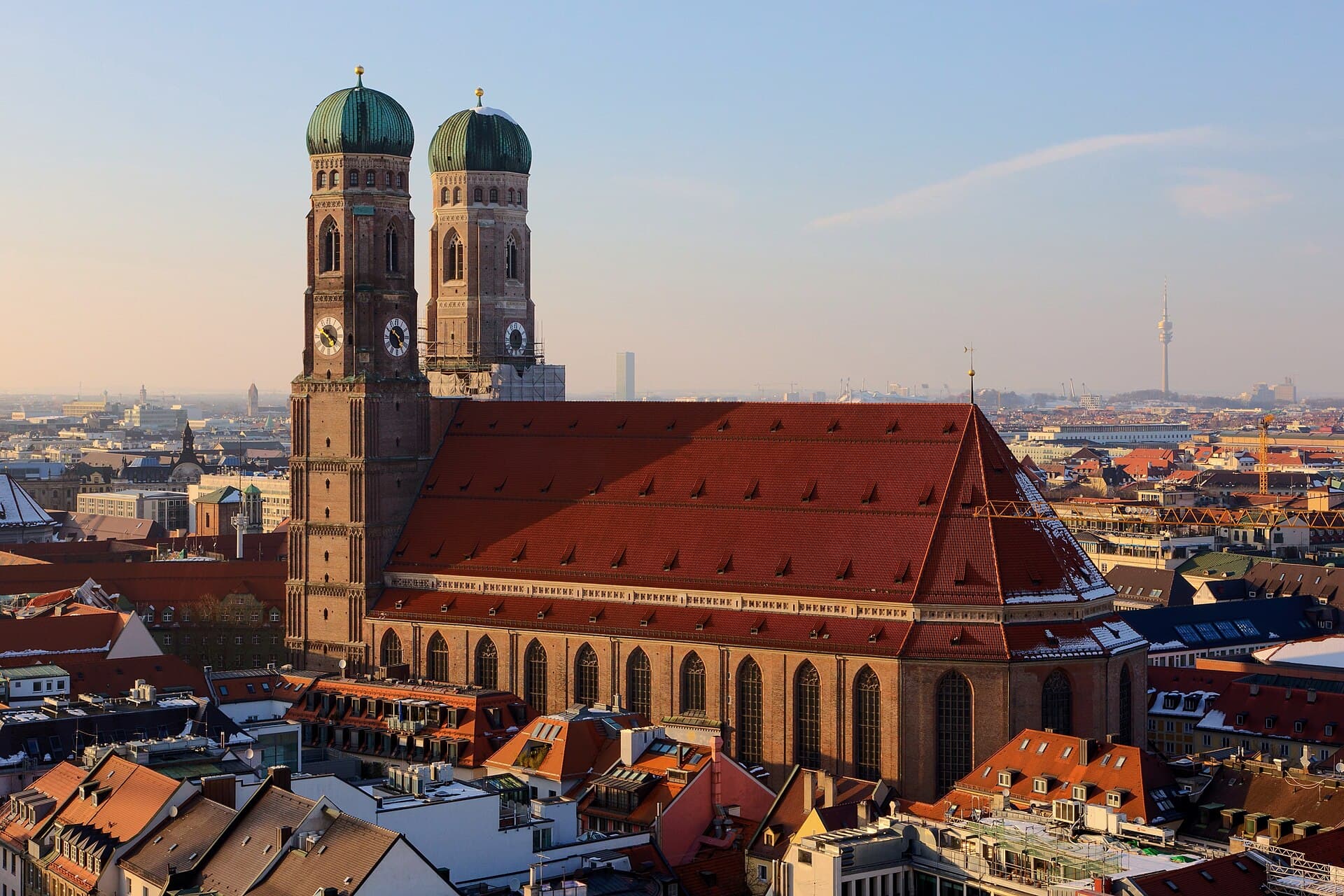
Two full days is the honest minimum for the core, and three is comfortable. Munich's historic center is small enough to cross on foot in twenty minutes, so a first day can hold the Altstadt (Marienplatz, the two town halls, Saint Peter's, the Frauenkirche, the Alter Hof, and a medieval gate) with time to sit. A second day gives you the beer-garden tradition and the English Garden, plus the neoclassical royal quarter around Koenigsplatz and the university district. A third day buys breathing room for a museum, a day trip toward the Alps, or simply a slower pace.
The three Roamer self-guided walks map onto exactly this rhythm. "The City the Monks Named" is a ninety-minute, seven-stop origin walk through the Altstadt over a little more than two kilometers. "The Art of the Beer Garden" is a longer, roughly two-and-a-half-hour route built around Munich's outdoor-drinking tradition. "The Movement and the Rose" is a sober two-hour walk through the royal and university quarter, the ground the Nazi regime called its capital and where students of the White Rose and a lone carpenter resisted. Each is yours to pace: linger where a place holds you, skip what does not.
How do you get around Munich?
Hear a stop from this walk
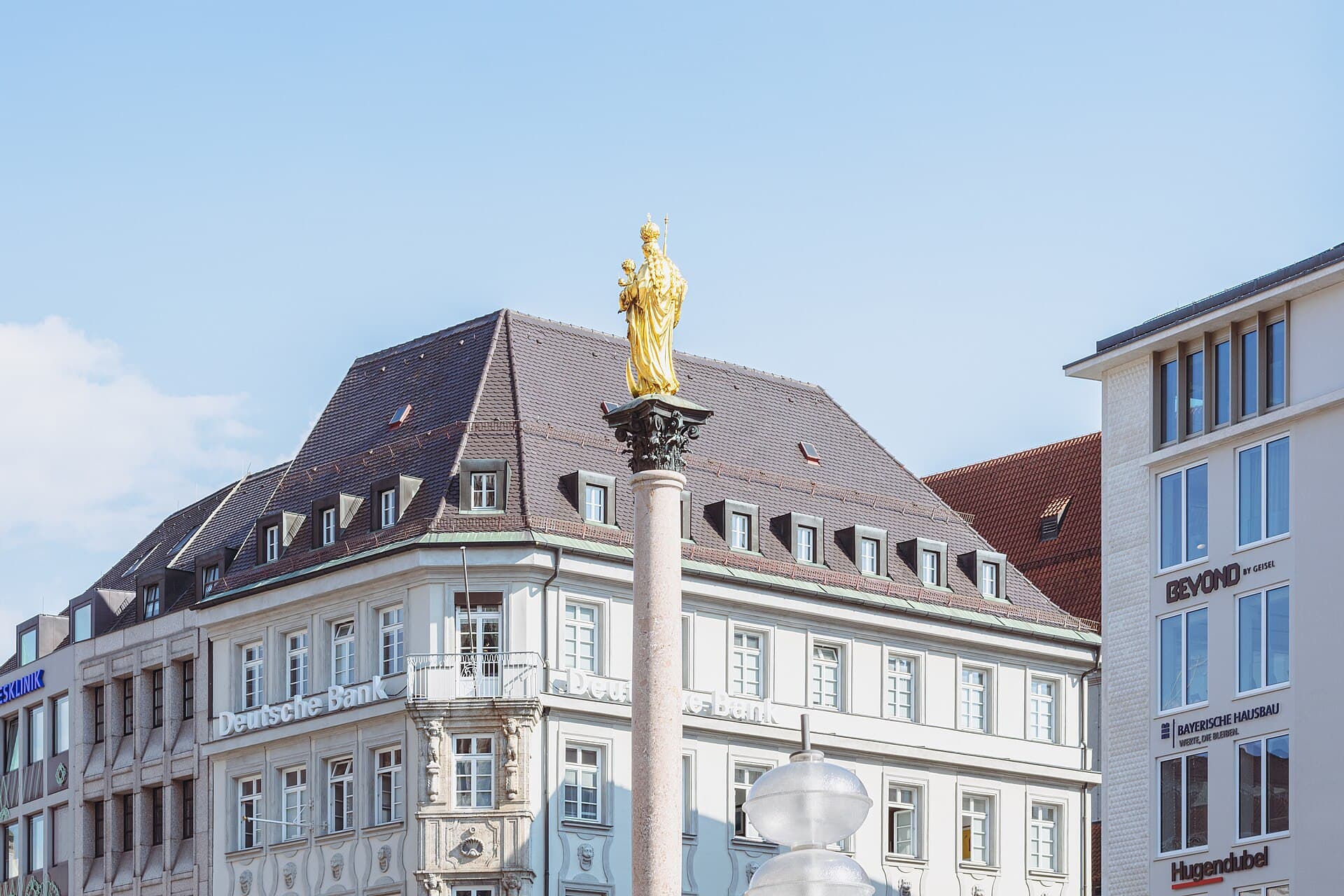
Marienplatz and the Mariensaeule
Walk first. Downtown Munich is one of the easiest European city centers to cover on foot, and the tour route from Marienplatz to Sendlinger Tor never needs a train. For everything beyond the ring, the MVV network (U-Bahn subway, S-Bahn commuter rail, trams, and buses) is fast, frequent, and integrated on one ticket. Munich Airport sits out in fare Zone 5, connected to the center by the S1 and S8 lines in roughly 40 to 45 minutes.
Tickets run by zone, and the city center is Zone M. A single trip within the inner zone costs about 4.20 euros, and a single-day ticket for one adult runs around 10 euros, with a group day ticket (up to five people sharing) at roughly 20 euros. If you are already touring Germany, the nationwide Deutschland-Ticket covers all local and regional transport for 63 euros per calendar month in 2026. Buy and validate before you board: Munich runs an honor system with roving inspectors, and Sendlinger Tor, the final tour stop, is a major interchange where checks are common. From January 2026, children aged 6 to 14 travel free on a single-day ticket (your own children in any number, up to three others).
When is the best time to visit?
Late spring and early autumn are the sweet spots. May and June bring pleasant temperatures, long daylight, and lighter crowds than high summer, which is ideal for the walking routes and for beer gardens once the chestnut trees leaf out. September and October are among the driest months, with pleasant autumn weather, though they also bring the biggest event on the calendar.
Oktoberfest runs September 19 to October 4 in 2026, a 16-day stretch that fills hotels and swells crowds citywide. If the festival is your goal, book lodging months ahead. If it is not, know that the whole city gets busier and pricier during those weeks, and the Altstadt squares are more crowded. Winter (January and February) is the quietest and cheapest window, with empty museums and Alpine skiing about ninety minutes away, at the cost of cold and short days. For the beer-garden walk specifically, aim for late spring through early autumn, when the gardens are actually open.
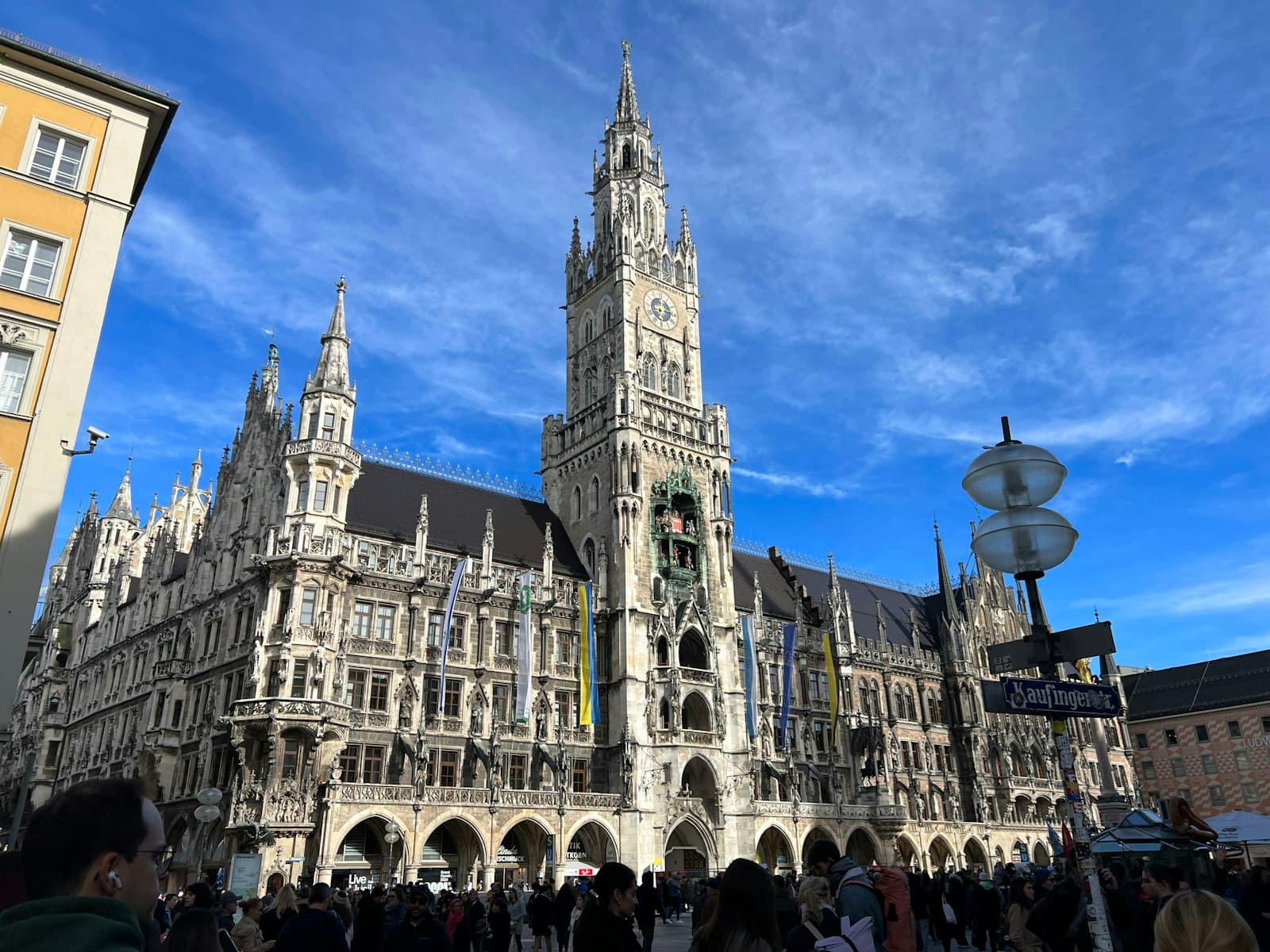
A small timing tip for the Altstadt walk: the Rathaus-Glockenspiel on the New Town Hall turns daily at 11 in the morning and at noon, with an extra performance at 5 in the afternoon from March through October. Time your pause on Marienplatz for the top of the hour to watch the figures move.
Is Munich safe?
Yes. Munich is consistently rated one of the safest major cities in Europe, and violent crime against visitors is rare. The realistic concern is petty theft, mainly pickpocketing in crowded places: Marienplatz, the main train station area, packed U-Bahn cars, and above all Oktoberfest, where thieves work the crowds and target bags left on beer-tent benches. None of this should alarm you. It is the same street sense you would use in any busy capital.
Keep your phone and wallet in a front pocket or a zipped cross-body bag, stay aware in dense crowds, and do not leave valuables unattended on a table or bench. In the Altstadt, the sharper physical risk is traffic, not crime: near-silent cyclists and trams move fast right beside the pavement, and tram tracks and cobbles can catch a heel, so look both ways before stepping off a curb. Inside the churches and the cathedral, dress modestly and keep your voice low, especially during services.
What does a Munich trip cost?
Munich is not a budget city, but the walking itself is nearly free. The three self-guided routes run entirely through public squares, and the headline sights on the Altstadt walk cost little or nothing: Marienplatz, both town halls' exteriors, and the Alter Hof courtyard with its free basement exhibition are all free, and both the Frauenkirche and Saint Peter's are free to enter. The main optional expense on that route is climbing the tower of Saint Peter's, known as Alter Peter, which asks a small fee (around five euros for adults) for 306 steps and no elevator to the viewing platform.
Your real daily costs are lodging, food, and transit. Transit is modest if you walk the center and buy day tickets only when you range out. Budget more during Oktoberfest, when accommodation prices climb sharply. Because the tours are audio-guided and self-paced, they let you spend on what you choose (a tower climb, a beer garden, a museum) rather than on a fixed group schedule.
Sources
Frequently asked questions
- How many days do you need in Munich?
- Two full days is the honest minimum for the core, and three is comfortable. The historic center is small enough to cross on foot in about twenty minutes, so one day covers the Altstadt, a second covers the beer gardens and royal quarter, and a third adds a museum or a day trip toward the Alps.
- How do you get around Munich?
- Walk the center, which is compact and flat, then use the MVV network of U-Bahn subway, S-Bahn trains, trams, and buses for anything beyond it. Tickets are zone-based, with the city center in Zone M, and Munich Airport sits in Zone 5, roughly 40 to 45 minutes out on the S1 and S8 lines.
- How much does Munich public transport cost in 2026?
- A single trip in the inner Zone M costs about 4.20 euros, a single-day ticket for one adult runs around 10 euros, and a group day ticket for up to five people is roughly 20 euros. The nationwide Deutschland-Ticket covers all local and regional transport for 63 euros per calendar month in 2026. Buy and validate before boarding, since Munich uses an honor system with inspectors.
- When is the best time to visit Munich?
- Late spring (May and June) and early autumn offer pleasant weather and lighter crowds, and September and October are among the driest months. Oktoberfest runs September 19 to October 4 in 2026, filling hotels and crowding the city, so book far ahead if that is your goal or come outside those weeks for calmer squares.
- Is Munich safe for tourists?
- Munich is consistently rated one of the safest major cities in Europe, and violent crime against visitors is rare. The realistic concern is pickpocketing in crowded spots like Marienplatz, the main station, packed U-Bahn cars, and Oktoberfest, so keep valuables in a front pocket or zipped cross-body bag and stay aware in crowds.
- Are Munich's main sights free to visit?
- Many are. Marienplatz, both town hall exteriors, and the Alter Hof courtyard with its free basement exhibition cost nothing, and both the Frauenkirche and Saint Peter's Church are free to enter. The main optional cost on the Altstadt walk is climbing the Saint Peter's tower, Alter Peter, for a small fee of around five euros for 306 steps with no elevator.
Ready to experience it?
Altstadt: The City the Monks Named
90 min · 2.4 km · easy
More from Munich
Explore more at your own pace.
The City the Monks Named: How Munich Turns Privilege Into Public Life
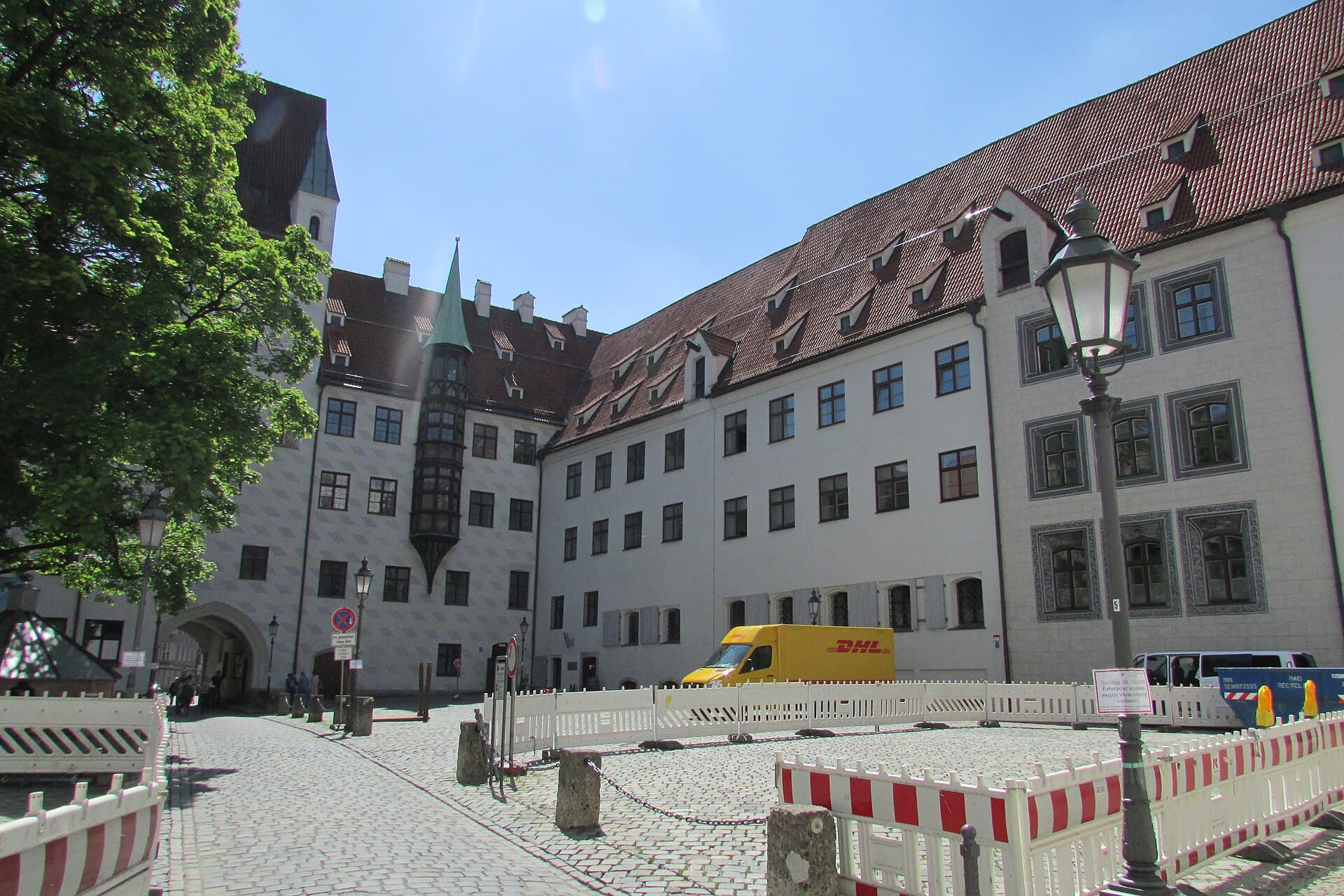
Alter Hof: Where a Burned Bridge Founded Munich
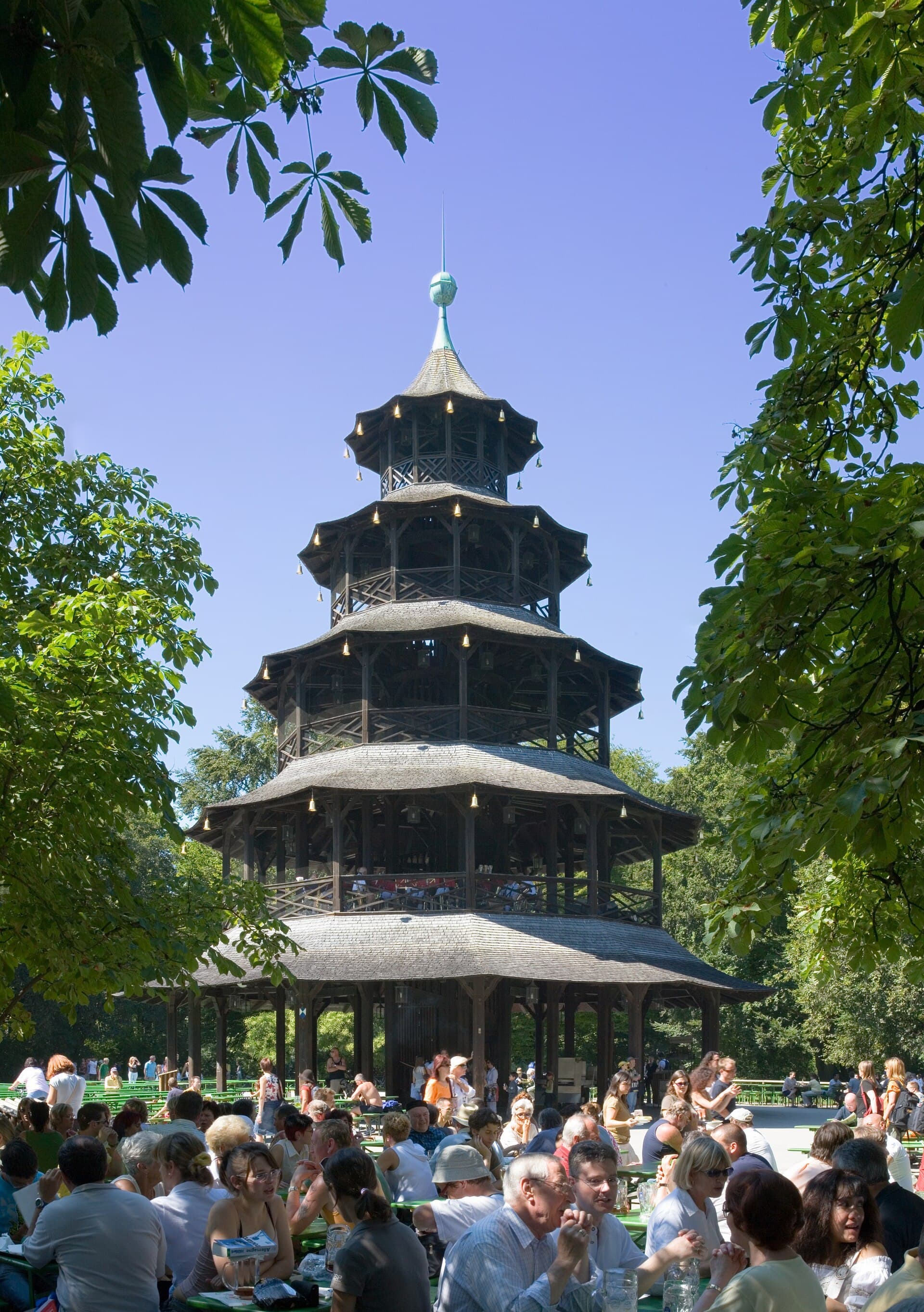
The Chinese Tower Beer Garden: Munich's Whole Idea in One Clearing
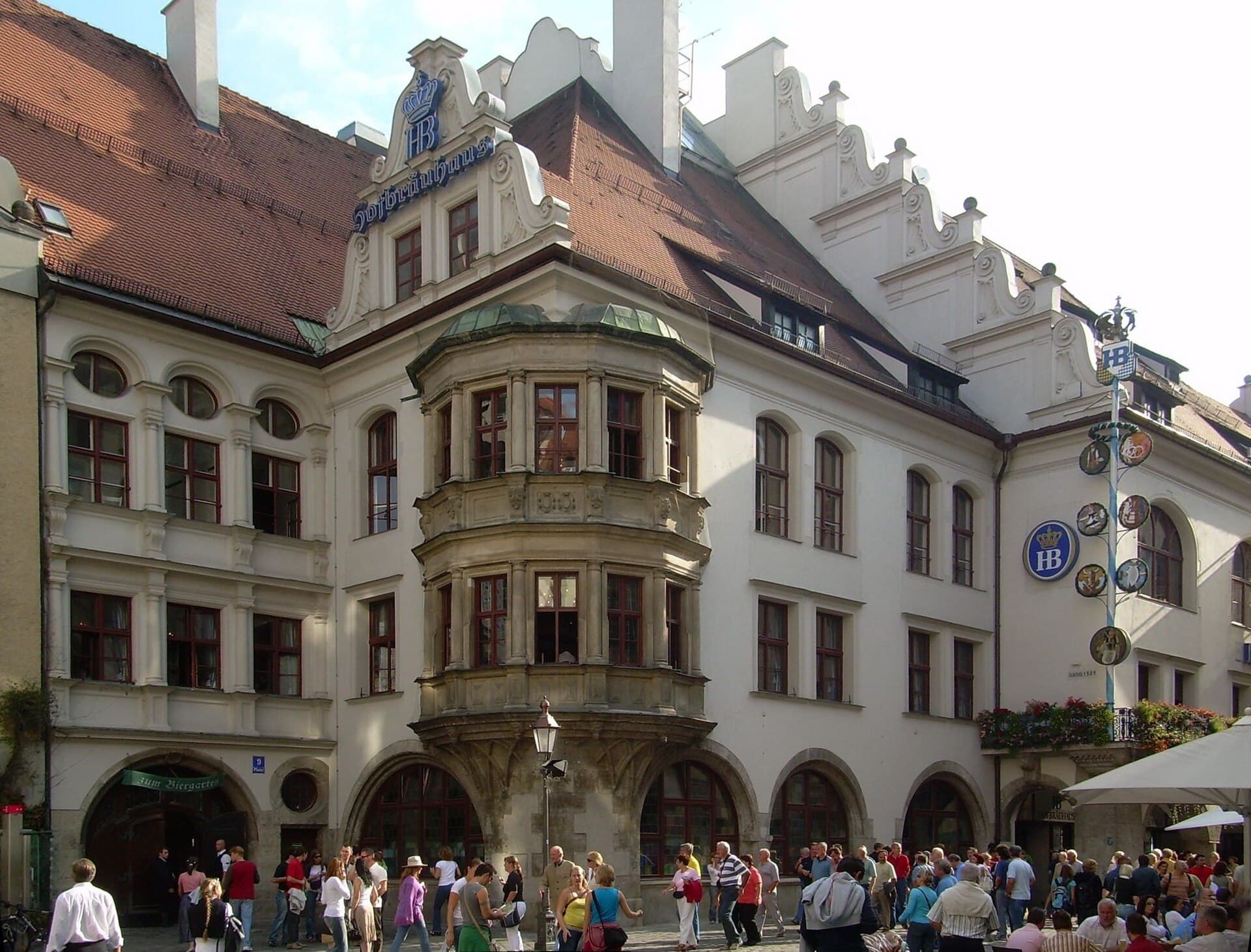
Hofbräuhaus am Platzl: How a Duke's Private Brewery Became Munich's Public Beer Hall
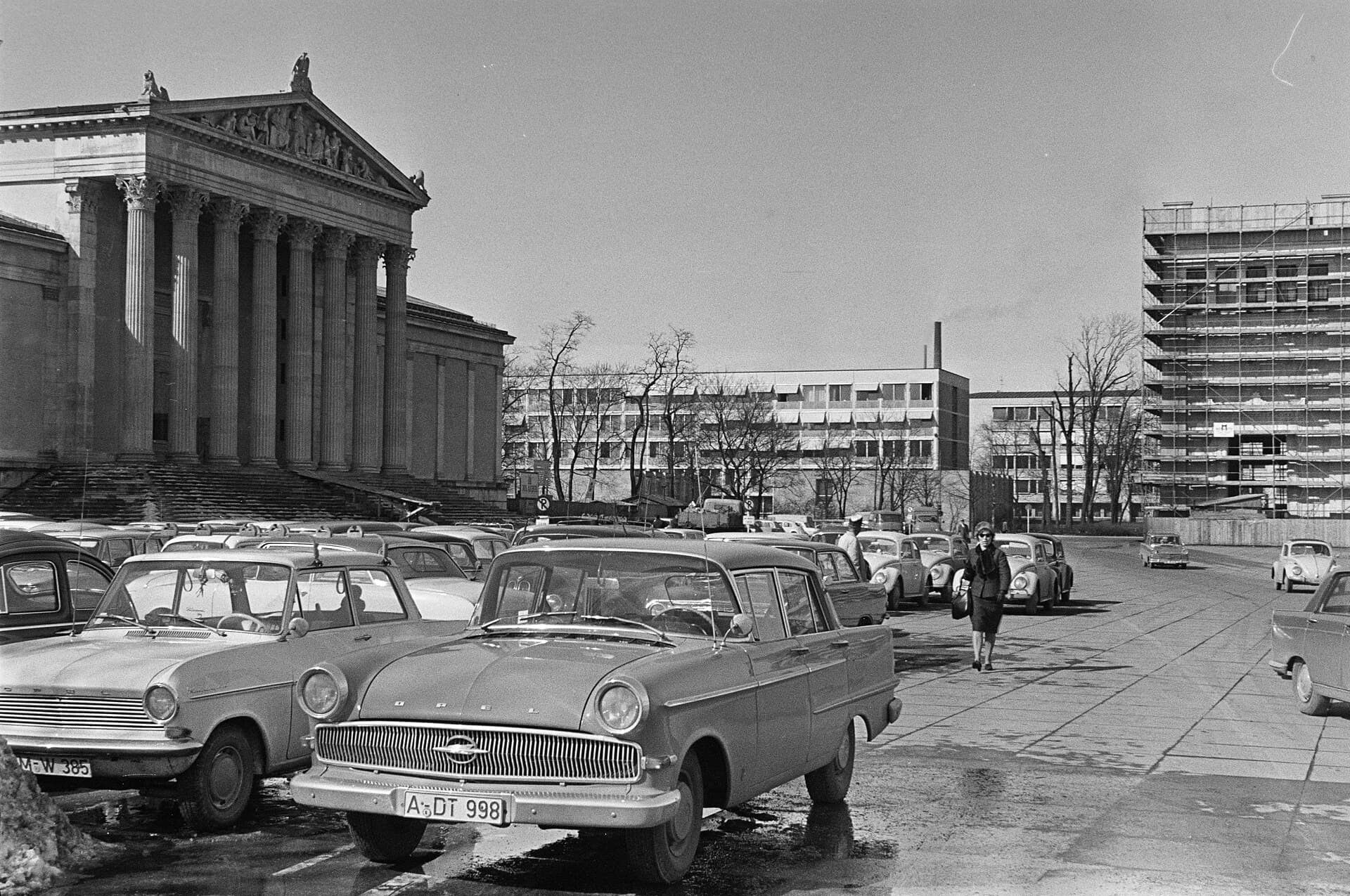
Königsplatz, Munich: The Athens on the Isar the Nazis Paved in Granite