Montrealers argue about smoked meat and bagels the way other cities argue about sports teams. The argument is fun, but it misses what those foods actually are. Schwartz's, Wilensky's and the wood-fired bagel bakeries of Mile End are not just excellent lunches. They are working institutions of a Jewish Montreal that has otherwise largely moved on. Each one preserves a different fragment of that world, and Roamer's Plateau and Mile End walk passes all of them, reading them as history rather than as a food crawl.
The corridor the food remembers
To understand the food you have to understand the street. Boulevard Saint-Laurent, the Main, was Montreal's immigrants' corridor, and Canada made it a national historic site in 1996 for exactly that. Immigrants found work in the garment factories that appeared along it at the end of the nineteenth century, and Yiddish-speaking Eastern European Jews dominated the boulevard until the 1950s. That world has since scattered across the city and the suburbs. What is left in place, on the original blocks, is mostly food. For the wider map, read how to read Montreal along the Main.
Schwartz's: the deli as institutional anchor
Hear a stop from this walk
Rue Clark: Montreal's Outside Staircases
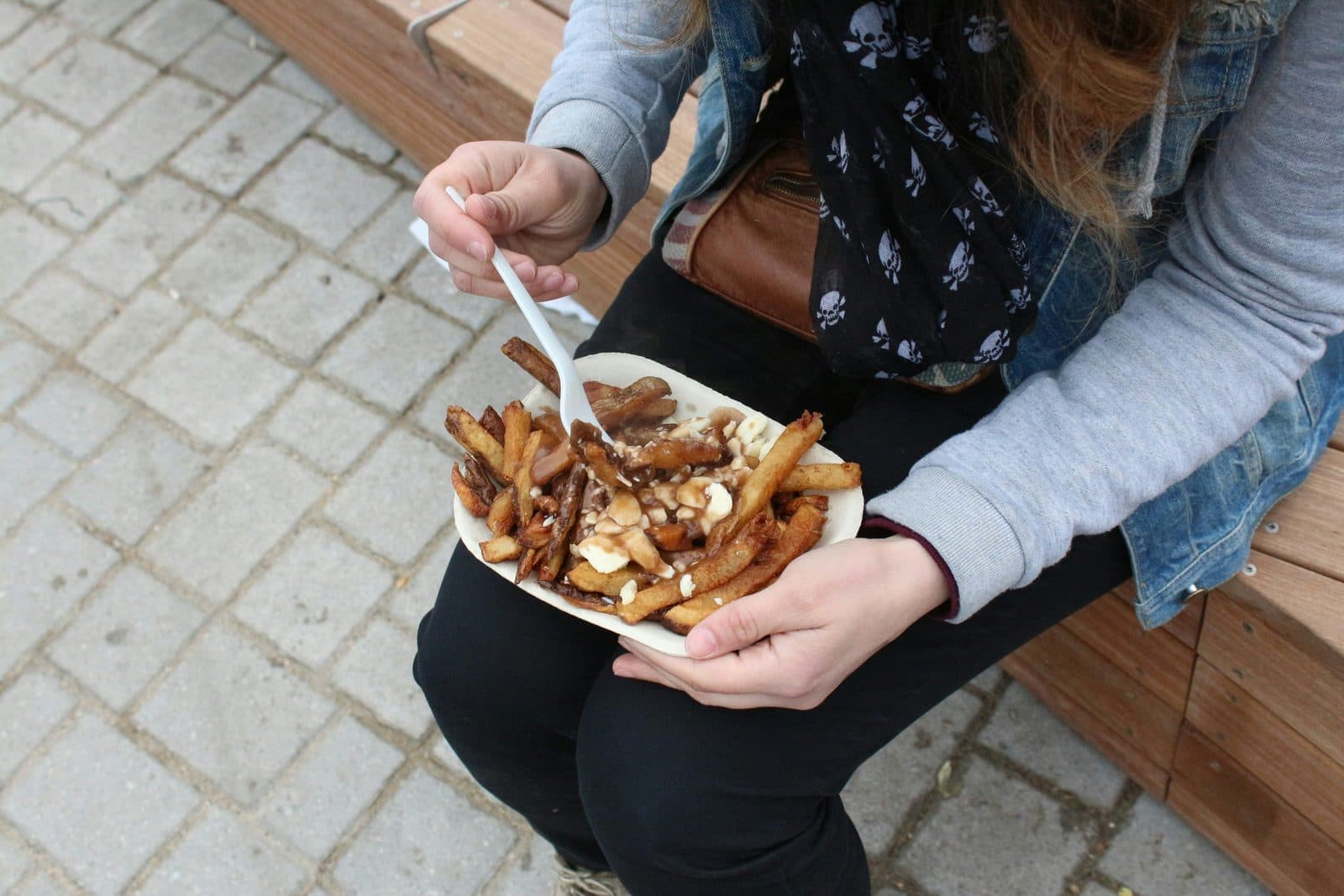
The most famous fragment is Schwartz's, the Montreal Hebrew delicatessen at 3895 Boulevard Saint-Laurent, founded in 1928 by Reuben Schwartz, a Jewish immigrant from Romania who had been a delivery man for other delis. Its signature is Montreal smoked meat: brisket marinated in a spice blend for ten days, smoked overnight, steamed all day and sliced by hand to order. It descends from Romanian pastrama, which is why it tastes distinct from New York pastrami.
The deli is a stop on the Plateau and Mile End walk because it anchors a community whose people have moved on but whose storefront has not. It is still at its original address. Ownership has passed from partner to partner over the decades, most famously in 2012 to a group that included Céline Dion and René Angélil, who promised to keep it the way it was. The queue is almost always there.
Wilensky's: the lunch counter that Richler fixed in fiction
Further north, in the Mile End at the corner of Fairmount and Clark, Wilensky's Light Lunch preserves something narrower and stranger. Founded by Moe Wilensky in 1932 in his father's barbershop and variety store, it has been on this corner since 1952. It serves the Wilensky Special, fried salami and bologna with mustard on a pressed roll, and the mustard is not optional. That rule is the artifact. Mordecai Richler, a regular in his youth, turned the counter into Moe's Cigar Store in The Apprenticeship of Duddy Kravitz, and scenes of the film were shot there. Where Schwartz's preserves a community, Wilensky's preserves a sensibility, the unbending corner-counter world that Richler wrote his way out of and never stopped writing about. His Mile End is the subject of Richler's Mile End.
The bagel: the last thing still warm
The closer is the bagel, and it is the most alive of all these fragments. The Montreal bagel is smaller, denser and sweeter than its New York cousin. At St-Viateur it is rolled by hand on a hardwood surface, simmered in honey water, seeded, baked in a wood-burning oven and cooled on a hardwood plank. St-Viateur Bagel was founded in 1957 by Myer Lewkowicz, a Holocaust survivor who had arrived in Canada in 1953; the shop still quotes him: "At Buchenwald, all I dreamt of was a piece of bread." His original partner, Hyman Seligman, came from the Montreal Bagel Bakery on Saint-Laurent, the bakery Isadore Shlafman had started in 1919. A short walk away, Fairmount Bagel is that 1919 business, moved to Fairmount in 1949, still hand-rolled and wood-fired, and run today by Shlafman's grandchildren.
Two wood-fired bakeries, a few blocks apart, founded by Jewish immigrants thirty-eight years apart, both still hand-rolling and both still run by families. Montrealers argue about which is better. The argument is the surviving twentieth-century form of the corridor's Jewish trade economy.
Eat the map in order
The reason to do this as a walk rather than a food tour is that the order matters. Schwartz's is the community anchor, Wilensky's the preserved sensibility, the bagel the living continuation. Walk them south to north and you are moving from what was memorialized to what is still being made. The food is not the point of the neighborhood. It is what the neighborhood left behind when everything else moved away, and it is the reason you can still stand on these blocks and taste the old Main. Compare all three Montreal routes in the best walking tours in Montreal overview.
Frequently asked questions
- What is Montreal smoked meat and how is it different from pastrami?
- Montreal smoked meat is beef brisket cured with a spice blend, smoked and steamed, then hand-sliced and piled on rye with mustard. It is closer to Romanian pastrama than to New York pastrami, generally leaner and more peppery. Schwartz's, founded in 1928 by the Romanian immigrant Reuben Schwartz at 3895 Boulevard Saint-Laurent, is its most famous home.
- What is the difference between a Montreal bagel and a New York bagel?
- A Montreal bagel is smaller, denser, sweeter and has a larger hole. It is rolled by hand, simmered in honey water and baked in a wood-burning oven, which gives it a chewy, faintly smoky crust. New York bagels are larger, softer, boiled in plain or malted water and baked in a conventional oven. St-Viateur and Fairmount are the two landmark Montreal wood-fired bakeries.
- Is Schwartz's or Wilensky's better for understanding old Montreal?
- They preserve different things. Schwartz's, from 1928, preserves the smoked-meat deli and the immigrant-corridor storefront. Wilensky's, from 1932, preserves a fried salami-and-bologna lunch counter, mustard included and not optional, that Mordecai Richler wrote into his fiction as Moe's Cigar Store. Both are stops on Roamer's Plateau and Mile End walk, which reads them as history rather than as a food crawl.
- Are Saint-Viateur and Fairmount bagels still made the traditional way?
- Yes. Both still roll their bagels by hand, simmer them in honey water and bake them in wood-burning ovens. Fairmount traces itself to Isadore Shlafman's bakery of 1919 and is run by his grandchildren; St-Viateur opened in 1957 and is run by the Morena family. Neither shop's own story mentions the other, but Montrealers have long argued about which is better.
Ready to experience it?
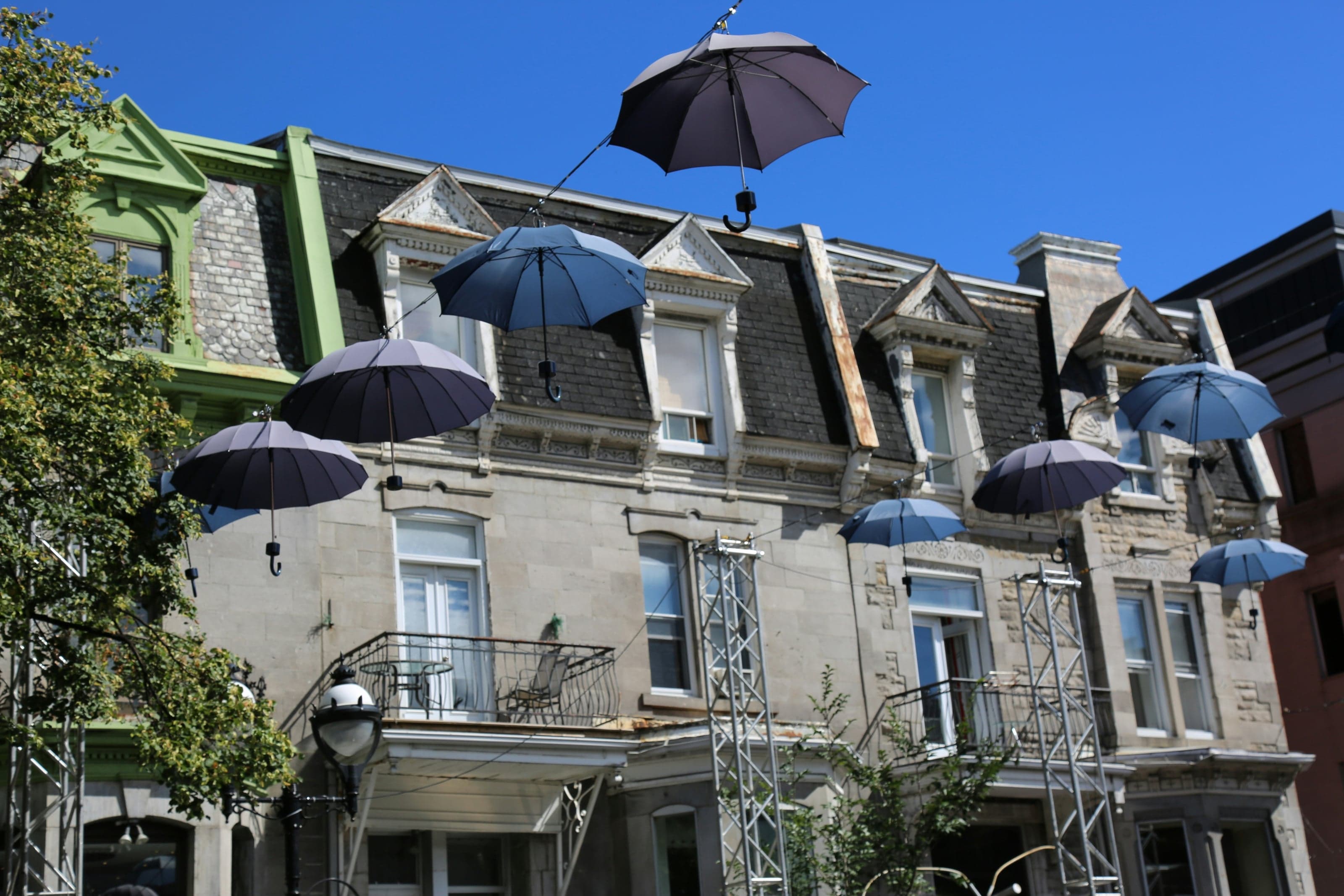
Plateau and Mile End: Outside Staircases, Smoked Meat and Bagels
90 min · 3.6 km · easy
More from Montreal
Explore more at your own pace.
The Future That Bankrupted the City: Reading Montreal's Olympic Park
Richler's Mile End: Moe's Cigar Store and the Bagel Ovens
The Anglophone City Inside the French One: A Companion to the Plateau and Mile End Walk
The City with a Ceiling: A Companion to the Mount Royal Walk
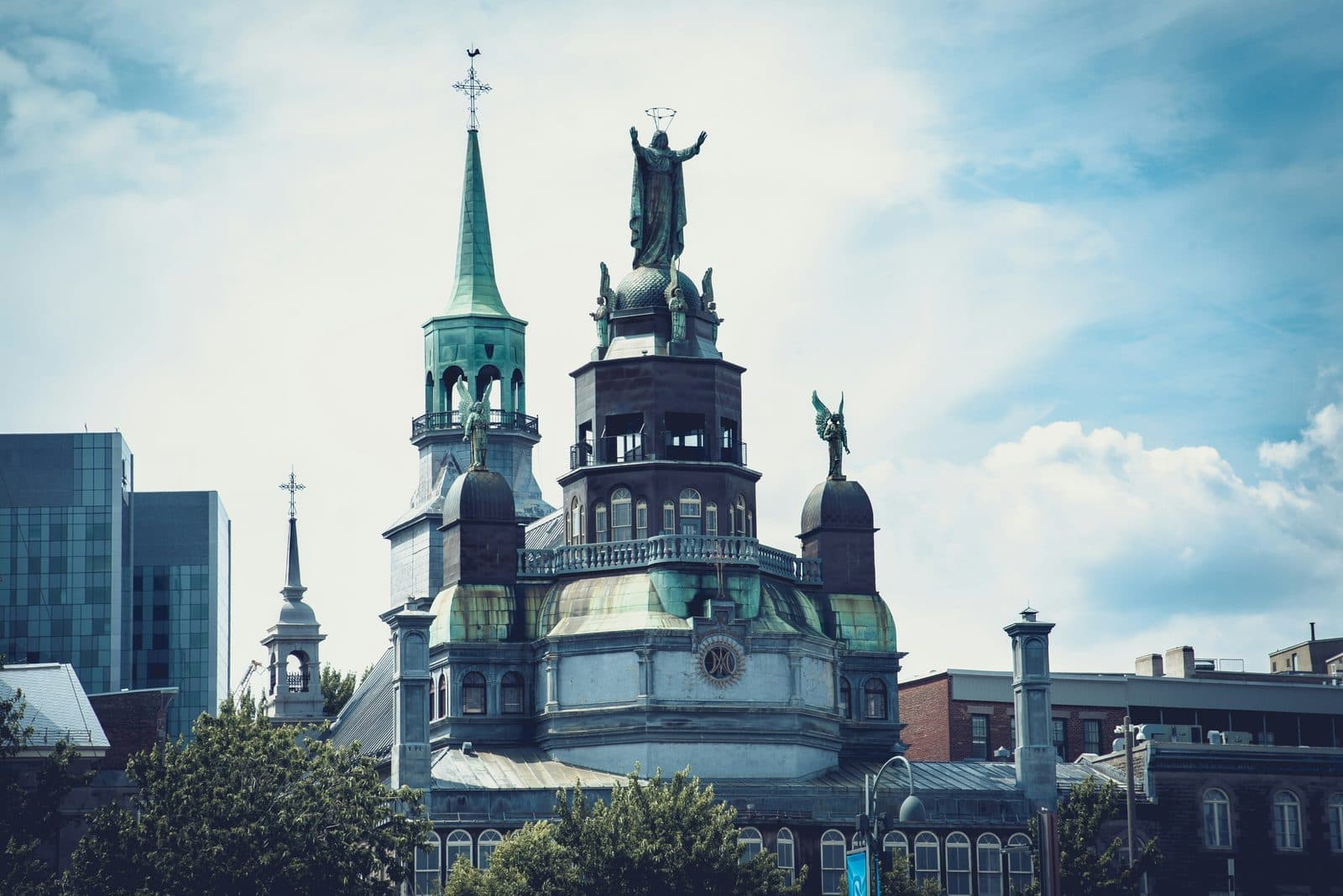
Notre-Dame Basilica: One Church, Two Architects, Fifty Years Apart