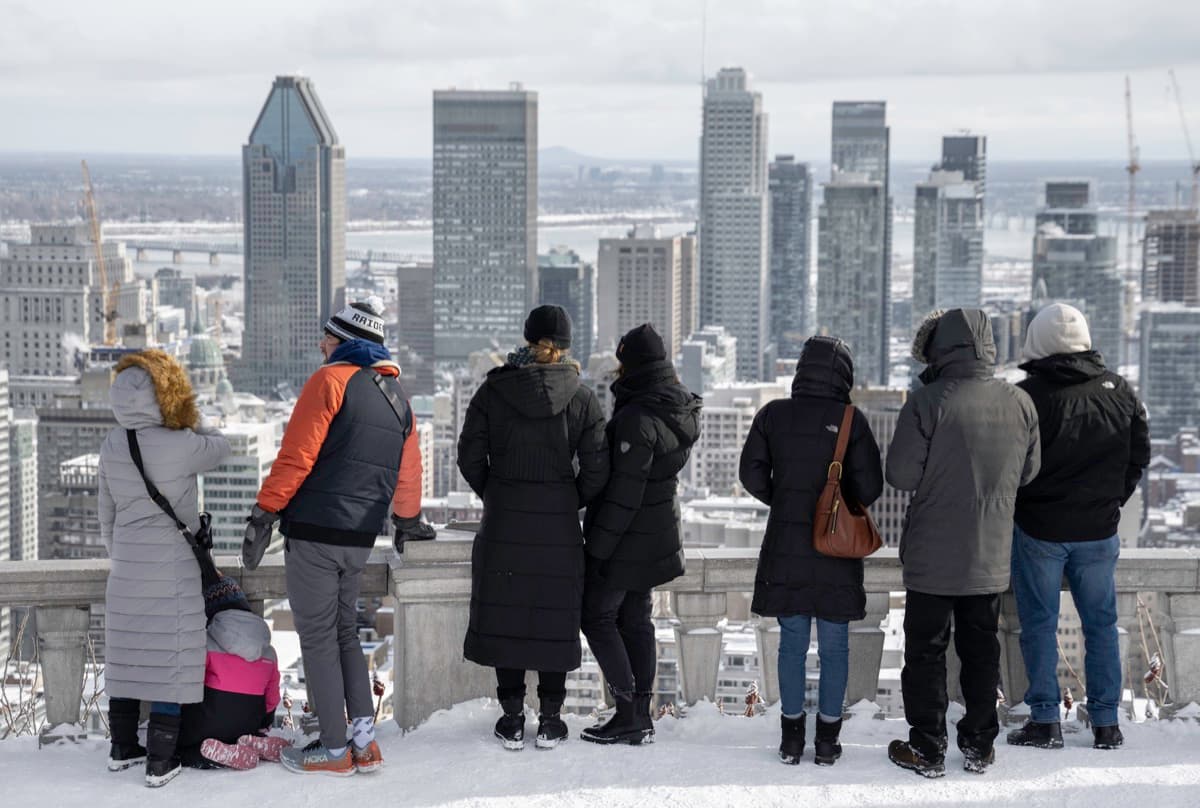
Montreal food is two traditions layered on one island. There is the rural French-Canadian kitchen: poutine, tourtière, and the maple sugar shack, hearty cold-climate cooking born in the countryside and the family kitchen. And there is the immigrant kitchen, above all Jewish, that gave the city its wood-fired bagel and its smoked meat. Eat well here and you are tasting both the terroir and the corridor. This guide covers the dishes worth seeking out and where the food culture lives, and it pairs naturally with a slow walk on one of our Montreal self-guided tours.
The French-Canadian classics
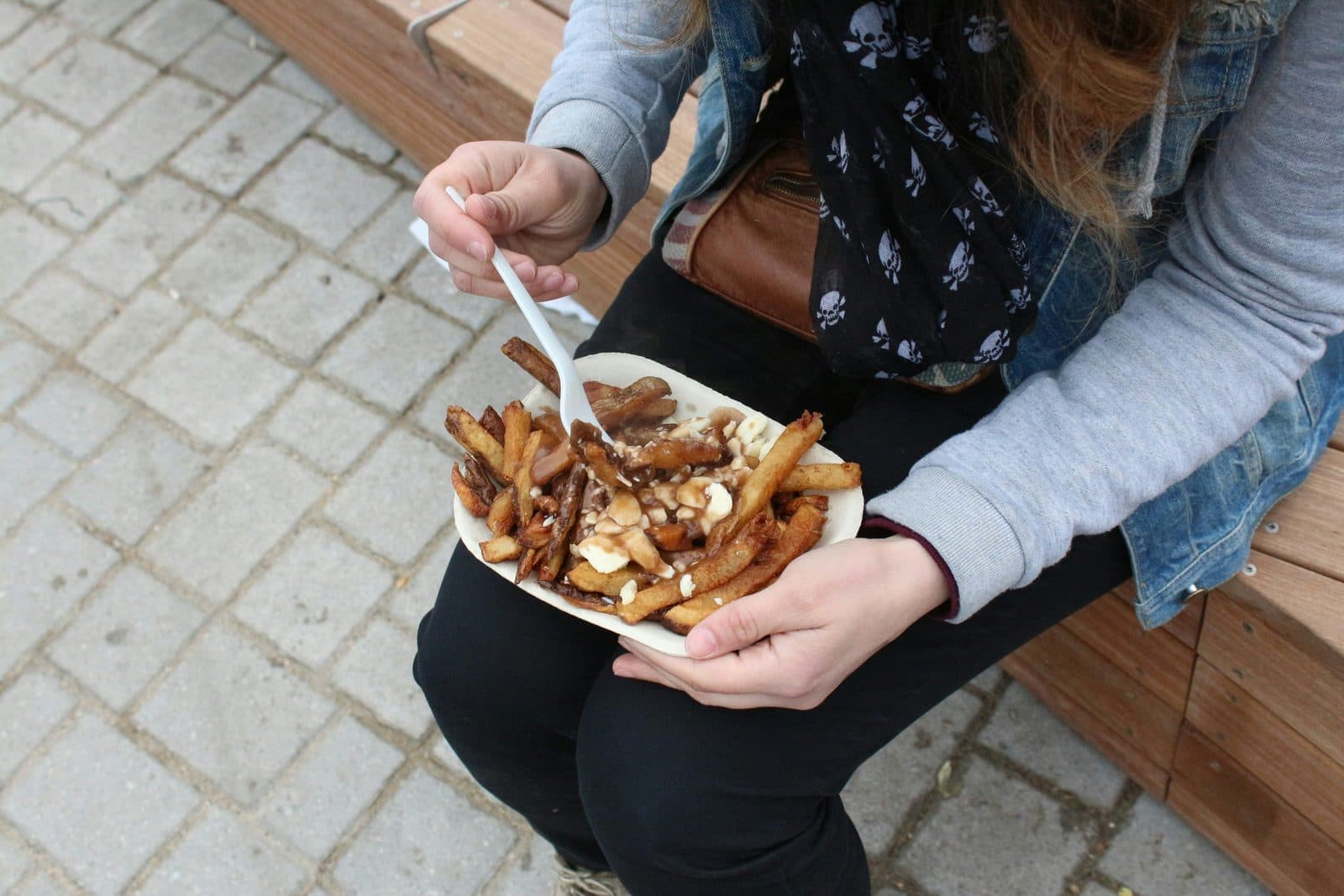
Poutine. The dish everyone comes for: French fries topped with squeaky cheese curds and hot brown gravy. It emerged in rural Centre-du-Québec in the late 1950s, with towns like Warwick and Drummondville both claiming the invention, and it was long mocked as country food before becoming a point of pride. It is meant to be humble and generous. Eat it from a casse-croûte (snack bar) or a late-night counter; the Plateau La Banquise is the famous around-the-clock temple of variations, but a good plain version anywhere does the job.
Tourtière. A savoury French-Canadian meat pie, traditionally spiced ground pork (sometimes with game or beef), most associated with the winter holidays and réveillon feasts. It is comfort food with deep roots in the Québécois kitchen, and you will find it in classic bistros and holiday markets.
The sugar shack and maple. Quebec is maple country, and the cabane à sucre (sugar shack) is its spring ritual: from roughly March into April, when the sap runs, countryside shacks around Montreal serve big communal meals, ham, eggs, beans, pea soup, pancakes, all under fresh syrup, and finish with maple taffy poured hot onto snow. It is seasonal and rustic, a genuine taste of French-Canadian tradition if your visit lands in early spring.
The immigrant kitchen
Hear a stop from this walk
Rue Clark: Montreal's Outside Staircases
The Montreal bagel. Smaller, denser, and sweeter than its New York cousin, rolled by hand, simmered in honey water and baked in a wood-burning oven. The two landmark bakeries, St-Viateur (from 1957) and Fairmount (whose lineage runs to 1919), sit a few blocks apart in Mile End, and Montrealers have argued for generations about which is better. Buy them hot, by the half-dozen, straight from the oven.
Montreal smoked meat. Peppery beef brisket, cured, smoked, steamed, and hand-sliced onto rye with mustard. Its most famous home is Schwartz's, the Hebrew delicatessen founded in 1928 on Boulevard Saint-Laurent, where the queue is almost always out the door. It descends from Romanian pastrama, which is why it tastes distinct from New York pastrami.
These two dishes are not just great lunches; they are the surviving institutions of the Jewish Montreal that dominated Boulevard Saint-Laurent until the 1950s and has since dispersed. The full story, including Wilensky's and the bagel rivalry, is in the Mile End Jewish food map, which this guide complements rather than repeats.
Where the food culture lives
Mile End and the Main, for bagels and smoked meat. The wood-fired bakeries and the lunch counters cluster in Mile End and along Boulevard Saint-Laurent, the historic dividing line between the French east and English west of the city. Walk the Plateau and Mile End tour, which passes Schwartz's, Wilensky's, Fairmount and St-Viateur, and it doubles as a food crawl through the neighbourhood's immigrant past. For the literary backdrop, see Richler's Mile End.
The Plateau, for casual and poutine. The dense neighbourhood south of Mile End is thick with snack bars, cafés, and casual restaurants, and it is a fine place to try poutine and settle into the row-house Montreal most visitors picture. The same Plateau and Mile End walk starts here, at Carré Saint-Louis, and reads the outside staircases on the houses as it goes.
Jean-Talon and Atwater markets, for produce and Quebec specialties. Montreal two great public markets stock maple products, Quebec cheeses, charcuterie, and seasonal produce, and both have prepared-food counters worth a graze.
Eat as you walk
The best way to work through this list is on foot, one neighbourhood at a time. Pair a Mile End morning with a bag of hot bagels and a smoked-meat lunch, an afternoon in the Plateau with a poutine break, and, if you visit in spring, a day trip out to a sugar shack. Route your day with the one day in Montreal itinerary, plan the practical side with the Montreal travel guide, and browse all Montreal tours. Every tour is free to start: the introduction and first stop play in full, and every later stop plays a short preview before an optional purchase.
Frequently asked questions
- What food is Montreal known for?
- Montreal is best known for four things: poutine (French fries with cheese curds and gravy), the Montreal-style bagel (smaller, sweeter, wood-fired), Montreal smoked meat (peppery cured brisket, most famously at Schwartz's), and its French-Canadian classics like tourtière (meat pie) and the maple traditions of the spring sugar shack. It is a city where a rural Québécois kitchen and an immigrant one sit side by side.
- What is the difference between a Montreal bagel and a New York bagel?
- A Montreal bagel is smaller, denser, and sweeter, with a larger hole. It is rolled by hand, simmered in honey water and baked in a wood-burning oven, which gives it a chewy, faintly smoky crust. New York bagels are larger and softer, boiled in plain or malted water and baked in a conventional oven. Saint-Viateur and Fairmount in Mile End are the two landmark wood-fired bakeries.
- Where is the best place to eat poutine in Montreal?
- Poutine is everywhere, from late-night casse-croûtes (snack bars) to sit-down restaurants, and part of its charm is that it is casual, unpretentious food. La Banquise in the Plateau is the famous around-the-clock institution with dozens of variations, but a good version from any neighbourhood snack counter captures the dish. It began in rural Centre-du-Québec in the late 1950s and is meant to be humble, hot, and generous.
- What is a sugar shack and when can you go?
- A sugar shack (cabane à sucre) is a rustic Quebec dining tradition tied to the spring maple harvest, roughly March into April, when sap runs and is boiled down to syrup. Shacks in the countryside around Montreal serve big communal meals of ham, eggs, beans, pea soup, and pancakes drowned in fresh maple syrup, often finished with maple taffy poured on snow. It is seasonal, so it is a spring experience rather than a year-round one.
Ready to experience it?
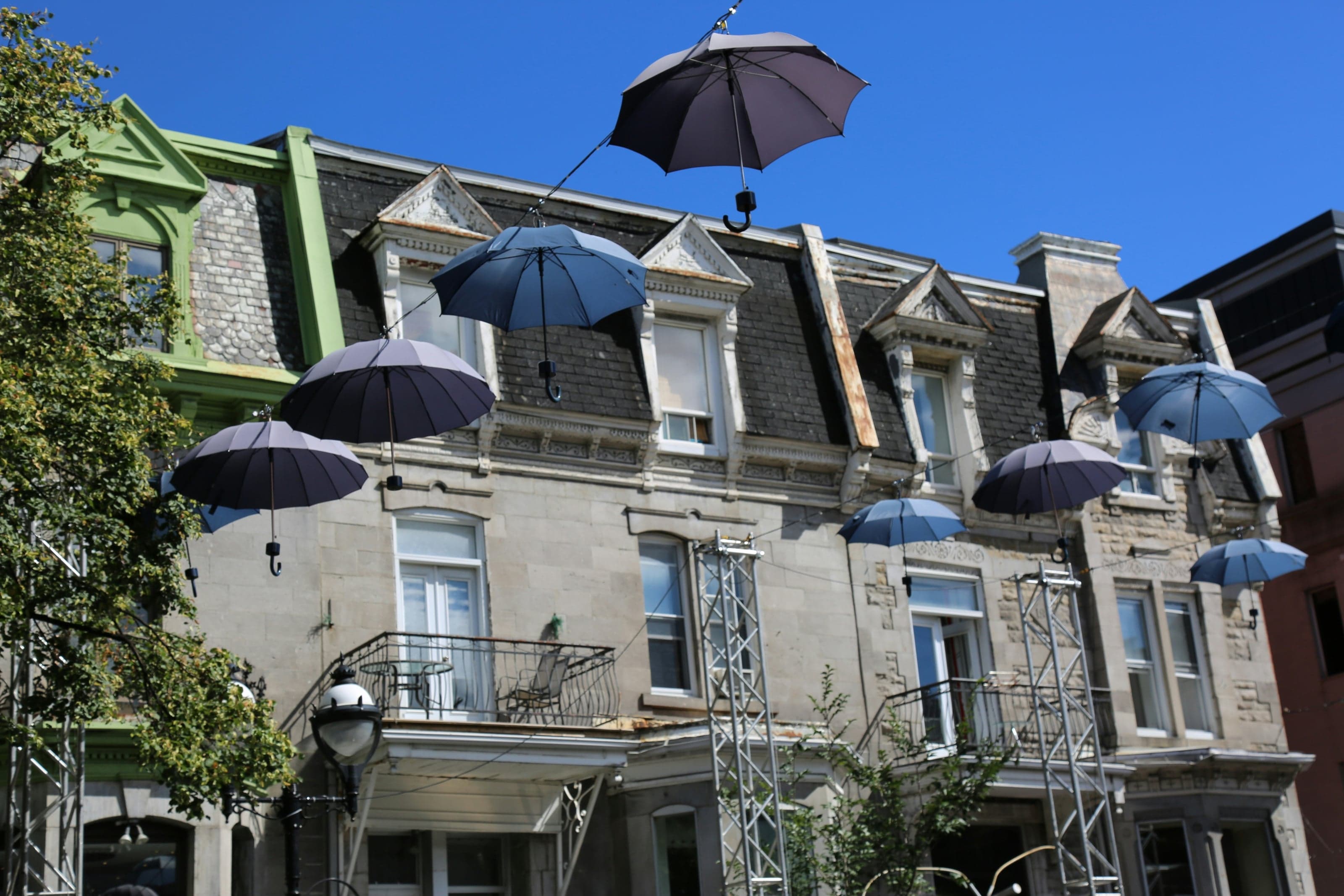
Plateau and Mile End: Outside Staircases, Smoked Meat and Bagels
90 min · 3.6 km · easy
More from Montreal
Explore more at your own pace.
The Deli and the Bagel: Mile End's Jewish Food Map
The Future That Bankrupted the City: Reading Montreal's Olympic Park
Richler's Mile End: Moe's Cigar Store and the Bagel Ovens
The City with a Ceiling: A Companion to the Mount Royal Walk
Notre-Dame Basilica: One Church, Two Architects, Fifty Years Apart