The Sun Stone (Piedra del Sol) is a basalt monolith of about 24 tonnes and roughly 3.6 metres across, found on 17 December 1790 under Mexico City's main square. It uses calendar signs to tell the Mexica story of the five suns, but it is not a working calendar. It stands in Hall 6, the Mexica hall, of the Museo Nacional de Antropología. Its date is debated: 1479, or the reign of Moctezuma II.
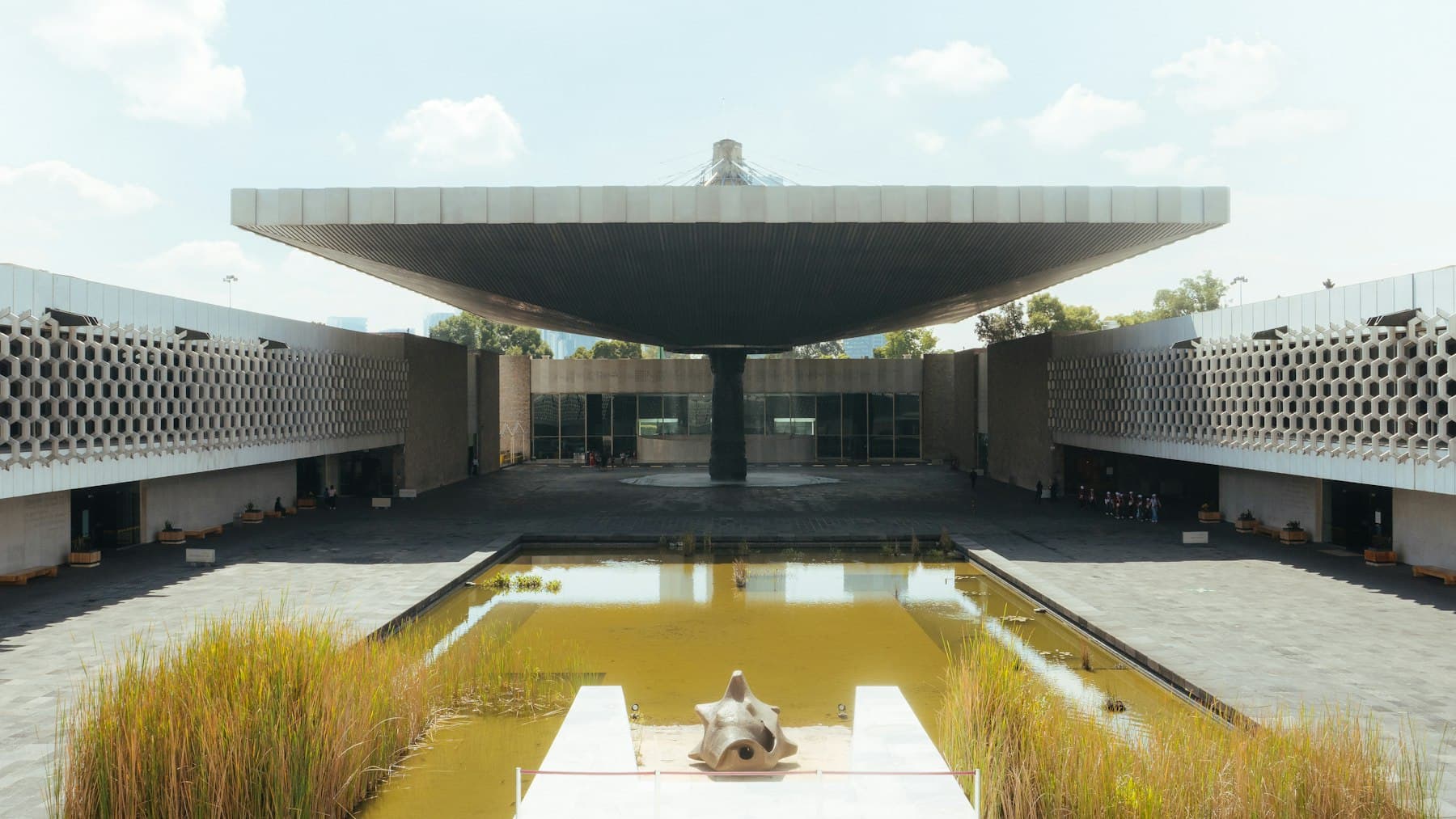
The Sun Stone is a flat disc of basalt, about 24 tonnes and roughly 3.6 metres across, in Hall 6 (the Mexica hall) of Mexico City's Museo Nacional de Antropología. Everyone calls it the Aztec Calendar. It is not a calendar you could read a date from. It uses calendar signs to tell a story about time and the sun.
What you can see
Start at the middle. There is a face, and its protruding tongue may be a sacrificial knife. INAH reads the face as Tonatiuh, the sun god, set inside the sign Nahui Ollin, "Four Movement". That sign belongs to the age the Mexica believed they were living in, the Fifth Sun.
Four squares around the face stand for the four earlier suns. Wikipedia names them Jaguar, Wind, Rain and Water. The Mexica told of worlds that came before this one and ended. Beyond them runs a ring of day signs, the kind used in their ritual calendar. Further out, Arqueologia Mexicana describes a circular band of 32 designs that evoke a Venus sign beside sacrificial knives.
Found face down
Hear a stop from this walk
Palacio Nacional: Three Layers of Power
On 17 December 1790, labourers working on the south side of the Plaza Mayor, near the Palacio Nacional, uncovered the stone. It lay with the carved side down, so at first only a smooth back showed. INAH notes it was found face down, which suggests it was not in its original location, and suggests it may have been hidden after the fall of Tenochtitlan.
It was then fixed to the west side of a tower of the Metropolitan Cathedral, where it stayed until 1885. Military personnel detached it that year and it went to the Museo Nacional, then on to the Galeria de los Monolitos. It reached the present museum in 1964. Antonio de León y Gama published a study of it in 1792, and Wikipedia, citing Alfredo Chavero, credits him with the name "Aztec Calendar".
What it was for
INAH suggests it may also have served as a platform on which people to be sacrificed were laid, tied to offerings to the sun. Arqueologia Mexicana's author argues it worked as a temalacatl and a cuauhxicalli, a stone of sacrifice and a vessel for offerings. These are readings, not settled fact. The stone was also once painted. A 1939 study by Roberto Sieck Flandes found traces of blue, red, green and yellow.
What is still argued
The date. INAH reads a sign for 13 Reed as 1479, in the reign of Axayacatl. Other scholars read a name glyph for Moctezuma II in the central disc, which would put it between about 1502 and 1521. Wikipedia says early scholars thought the 1470s and that modern research suggests 1502 to 1521. We give no year.
The face. Tonatiuh is INAH's reading. Richard Townsend has proposed the earth deity Tlaltecuhtli instead, Wikipedia mentions Yohualtecuhtli, the Lord of the Night, and notes that the museum's public description once assigned the face to the fire god Xiuhtecuhtli. We keep them open.
Your visit
Find Hall 6 on the ground floor and give the stone a few minutes of looking before any reading. The Roamer museum guide tells this piece in the room, at your own pace. Roamer is an independent guide, not affiliated with the museum or INAH. For the square where the stone came out of the ground, try the Mexico City three civilizations walk.
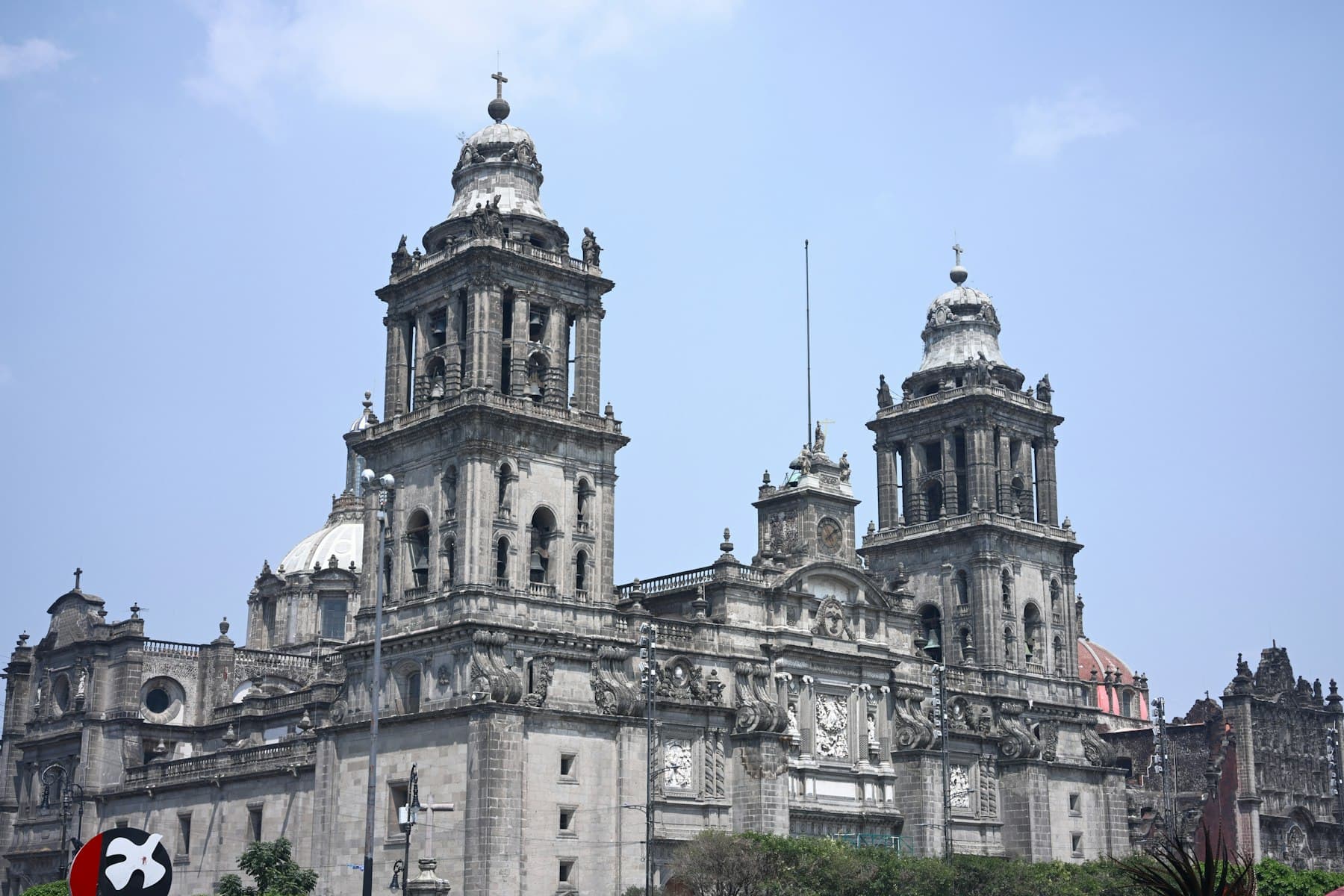
Cover: the Metropolitan Cathedral on the Zócalo, near where the Sun Stone was found in 1790. Photo: Hangyu Tu on Unsplash.
Mexico eSIM· 10% off with ROAMER10
Ready to experience it?
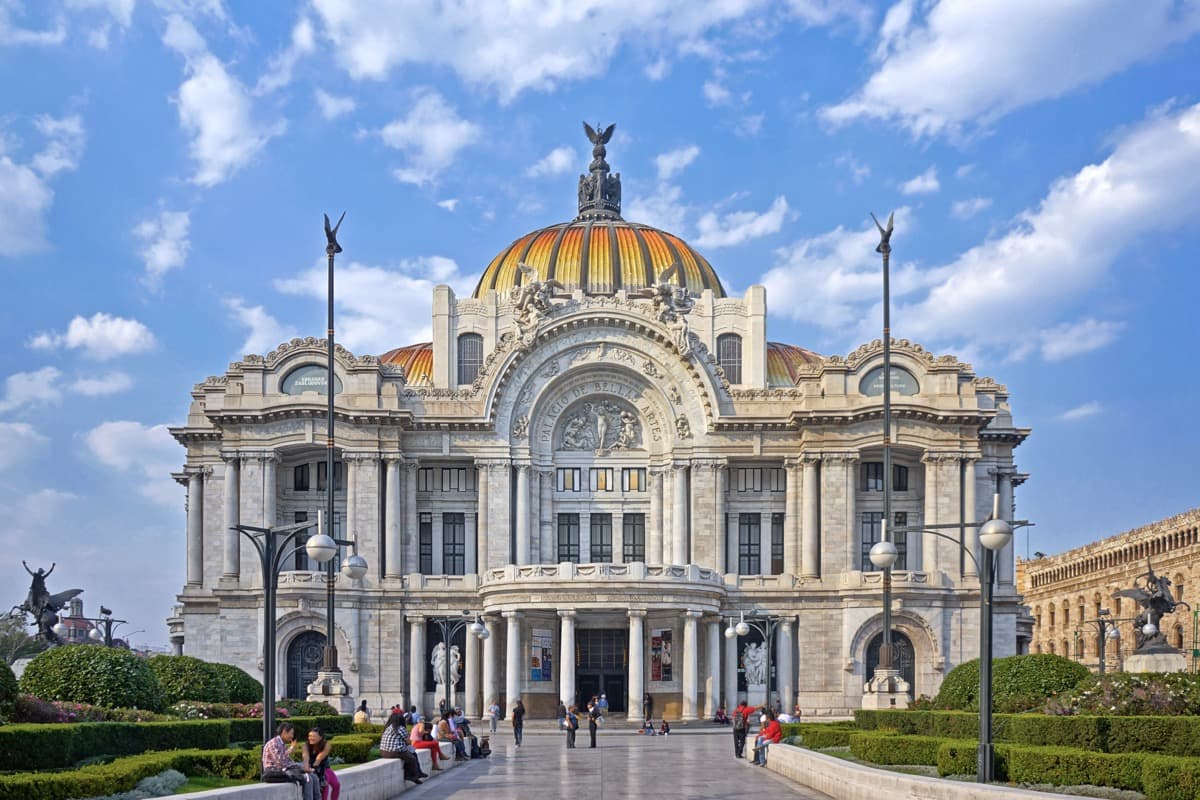
Centro Histórico: Three Civilizations Deep
90 min · 2 km · easy
More from Mexico City
Explore more at your own pace.

Chapultepec Park Guide: Hill, Lakes and Museum Row

Coatlicue: The Statue That Was Buried Twice
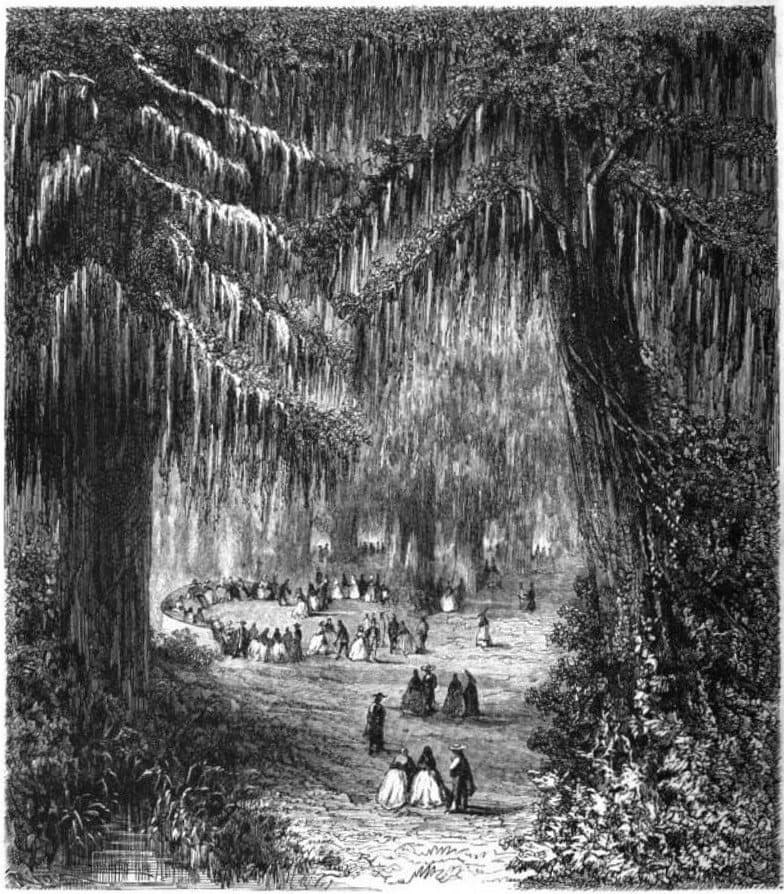
El Sargento: The Dead Ahuehuete Tree of Chapultepec
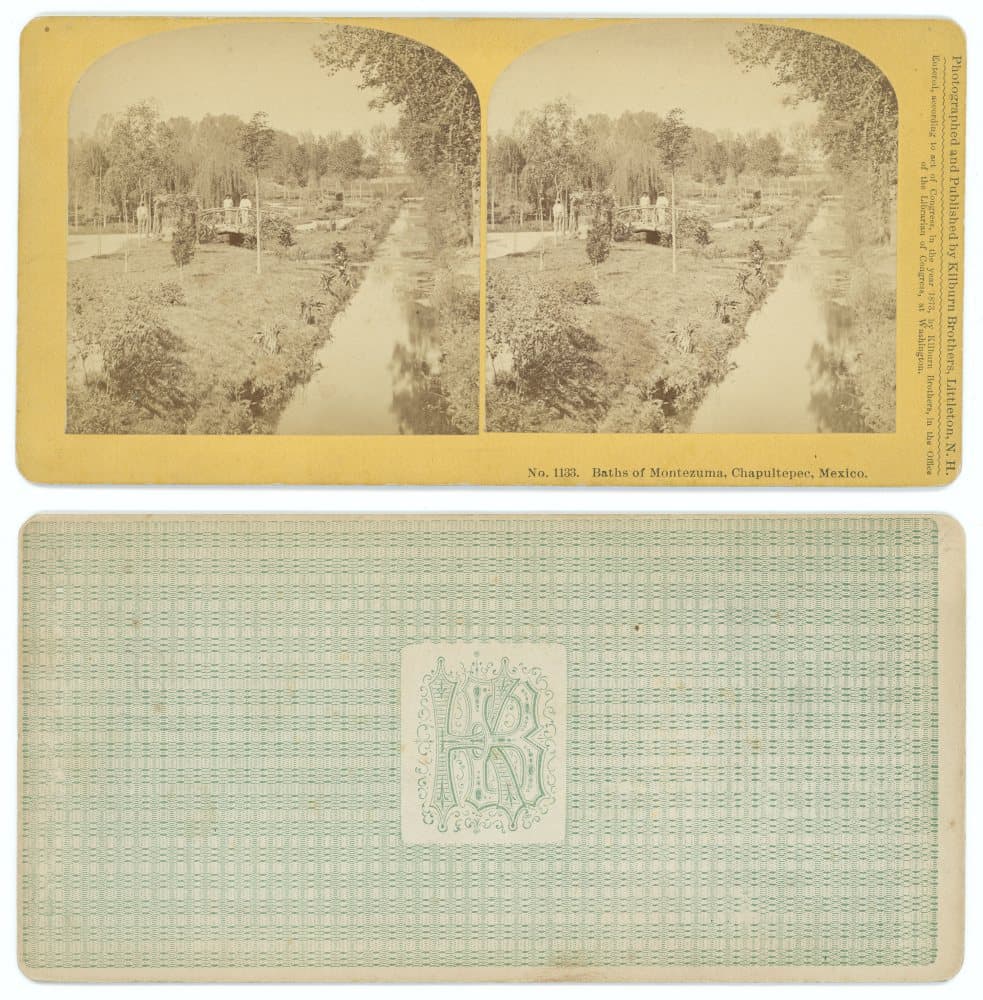
The Baños de Moctezuma: The Bath That Was Never Moctezuma's
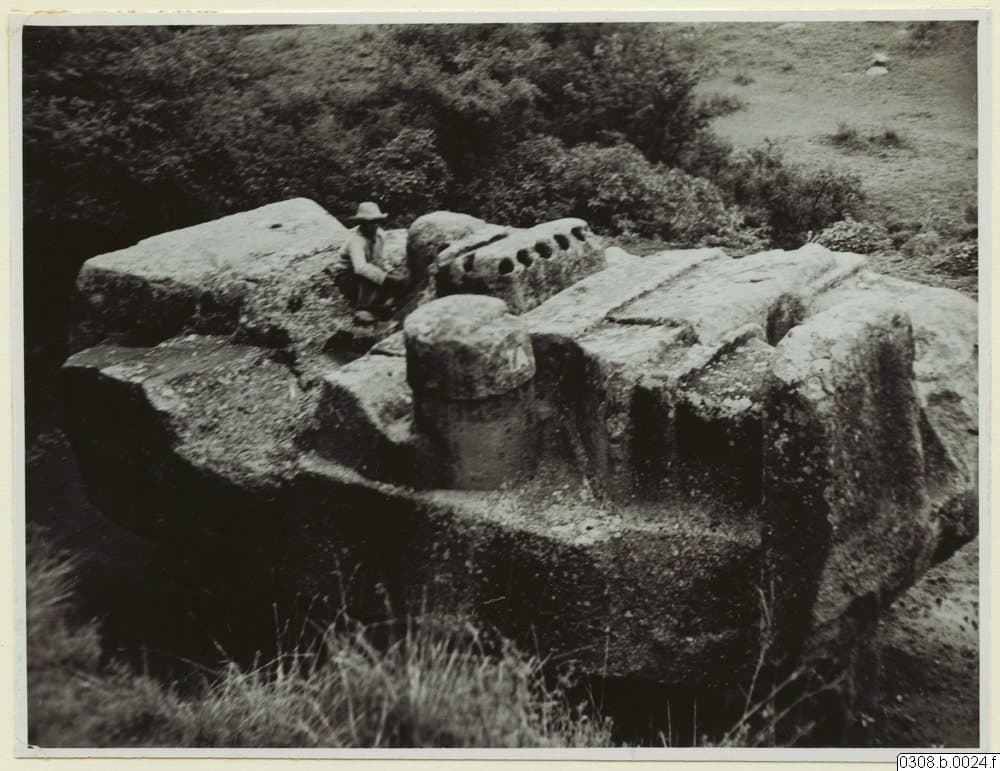
The Tlaloc Monolith: The Stone That Crossed Mexico City in 1964