The Tlaloc monolith outside Mexico City's Museo Nacional de Antropología is a carved stone of about 165 to 168 tons and about seven metres. Until 1964 it lay beside a stream in Coatlinchan, near Texcoco. It reached the city on the night of 16 April 1964, in heavy rain by two reports. Its identity and date are still debated.
The Tlaloc monolith in front of Mexico City's Museo Nacional de Antropología is a single carved stone of about 165 to 168 tons and roughly seven metres. Until 1964 it lay on its back beside a stream in San Miguel Coatlinchan, near Texcoco. It reached Chapultepec on the night of 16 April 1964, and by two reports in a torrential rainstorm. Nobody agrees on who it is, and its date is unresolved, so we give none.
How it moved
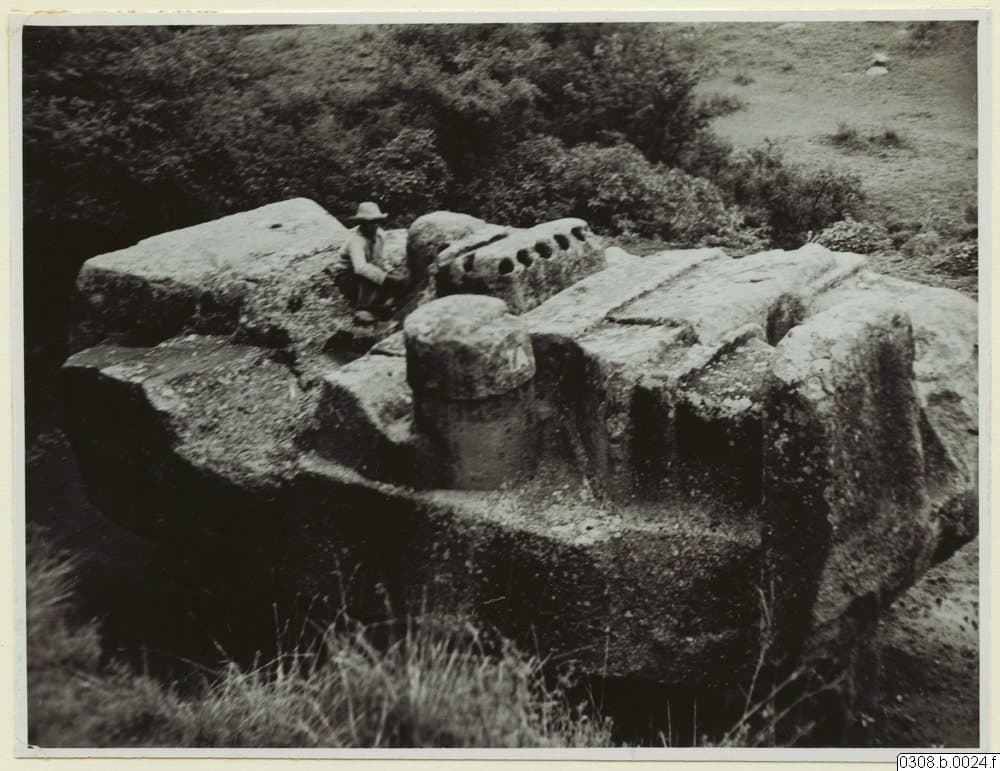
Reports describe a platform about 24 metres long on two trailers, with a 3 metre pit dug to slide the stone onto it. More than 60,000 people are reported to have watched. The people of Coatlinchan resisted: on 23 February 1964 they are reported to have destroyed the moving structures, and the army occupied the town on 16 April. A cry attributed to a chronicler, "Nos han quitado nuestra señora del agua", is quoted in the press. The plaque says the stone was generously donated, but the local protests mean we do not say it was freely given. A photograph of 1 July 1934, held on Wikimedia Commons, shows the stone lying in the Coatlinchan ravine.
Tlaloc, or someone else?
Hear a stop from this walk
Altar a la Patria: Where Reforma Ends
The name Tlaloc, the rain god, goes back to a reading of 1903. A reading of 1889 takes the figure to be Chalchiuhtlicue, goddess of lakes and rivers. We follow neither. The stone is volcanic. The popular story that Coatlinchan has had no rain since 1964 is a myth, so we leave it out.
The Voladores nearby
In the plaza stands a tall pole for the Voladores, the Flyers, a Totonac ritual from Veracruz and Puebla that UNESCO inscribed in 2009. Four men climb the pole, a fifth plays from the top, and the four launch on ropes. Each makes 13 turns, 52 in all, tied to the 52-year Mesoamerican cycle. We could not confirm who performs there today.
The museum behind it
The museum, designed by Pedro Ramírez Vázquez, opened on 17 September 1964. It is a separate visit with its own ticket, and the Roamer walk stays outside.
Hearing it on the walk
On the Roamer walk this stop is "The Stone That Crossed the City". Take it at your own pace, with no group, and skip anything you do not want: the Chapultepec Park audio tour. For the park as a whole, see the Chapultepec Park guide.
Cover: the Tlaloc monolith lying at Coatlinchan, 1 July 1934, photograph by Ola Apenes, CC0, via Wikimedia Commons.
Mexico eSIM· 10% off with ROAMER10
Ready to experience it?
Chapultepec Park: The Hill, the Springs and the Great Oval
120 min · 4.1 km · easy
More from Mexico City
Explore more at your own pace.

Mexico City Travel Guide: How Many Days, Getting Around, When to Go, Is It Safe
One Day in Mexico City: A Perfect Itinerary on Foot

Chapultepec Park Guide: Hill, Lakes and Museum Row
El Sargento: The Dead Ahuehuete Tree of Chapultepec
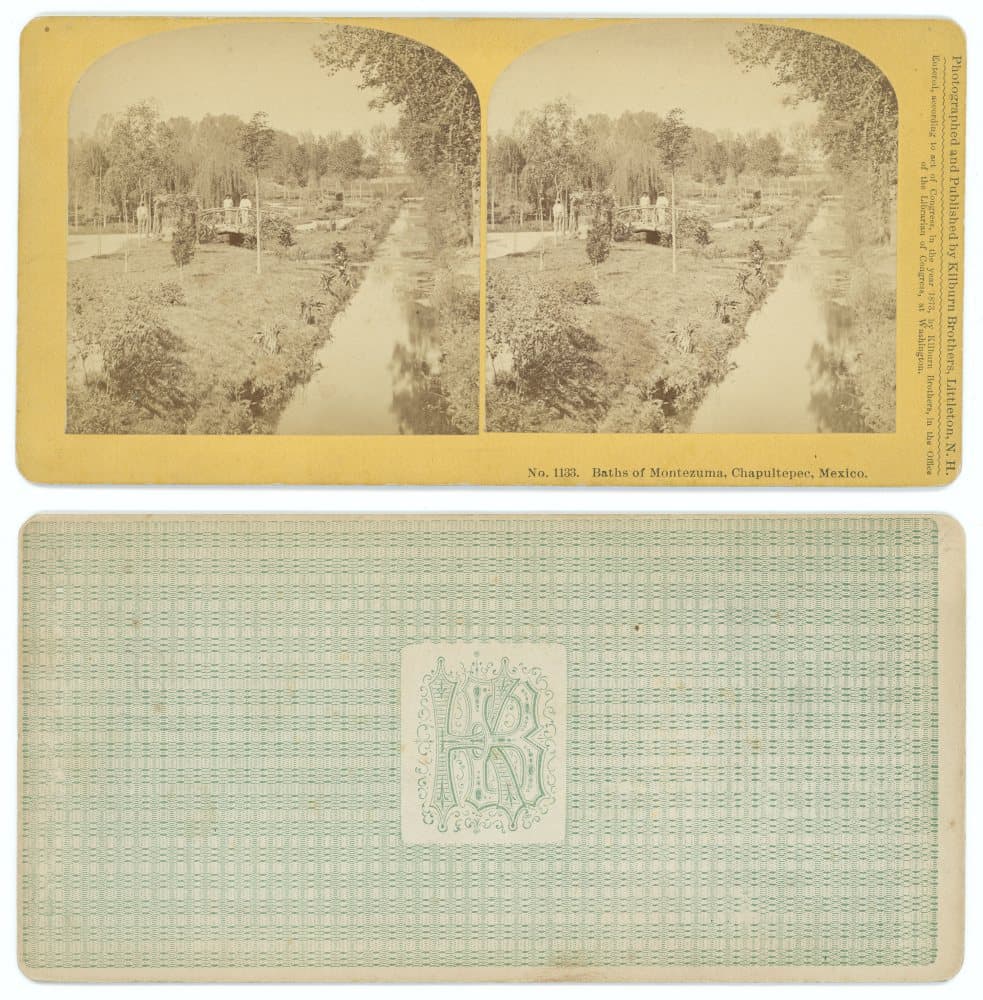
The Baños de Moctezuma: The Bath That Was Never Moctezuma's