Mexico City rewards a little planning. It is enormous, over 21 million people in the metropolitan area, and it sits on a high plateau with its own weather and its own rhythm. This guide answers the questions travelers actually ask before they go, with fact-checked numbers, so you can plan a good trip and skip the guesswork.
How many days do you need in Mexico City?
Three days is the practical minimum. That gives you the Centro Histórico, one or two walkable neighborhoods, and the major museums without sprinting.
- 1 day: enough for the essentials if you plan tightly. See our one day in Mexico City route.
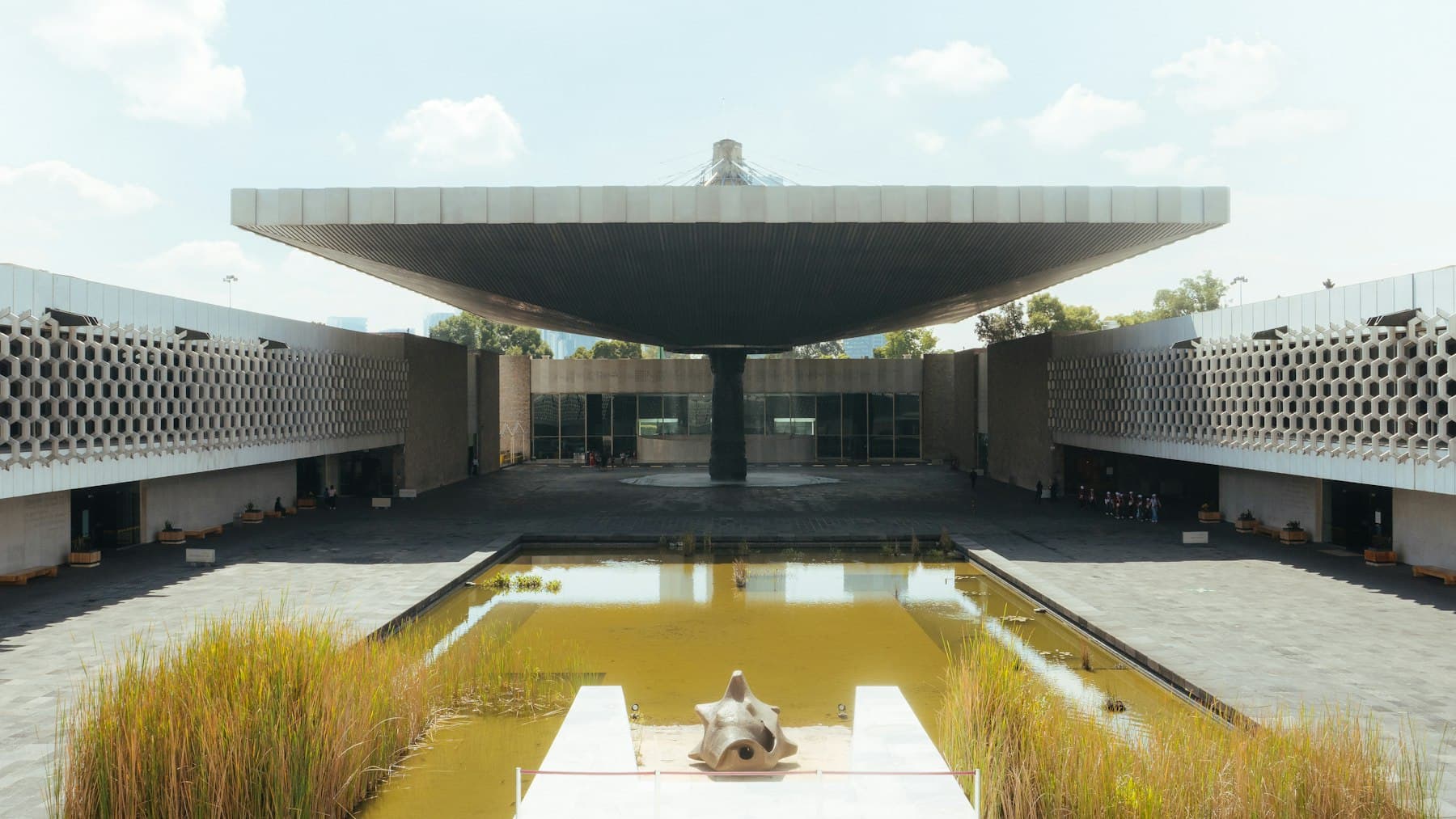
- 3 days: the sweet spot for a short trip. Centro, Coyoacán, Roma, and a museum. If it is one museum, make it the Museo Nacional de Antropología in Chapultepec.
- 4 to 6 days: ideal for a first full visit, with room for a day trip to the Teotihuacán pyramids, Xochimilco, or Frida Kahlo's Casa Azul.
- 7 or more days: you can start living like a local and take slow neighborhood days.
If you have exactly two, the Mexico City in 48 hours framework routes them well.
Getting around Mexico City
Hear a stop from this walk
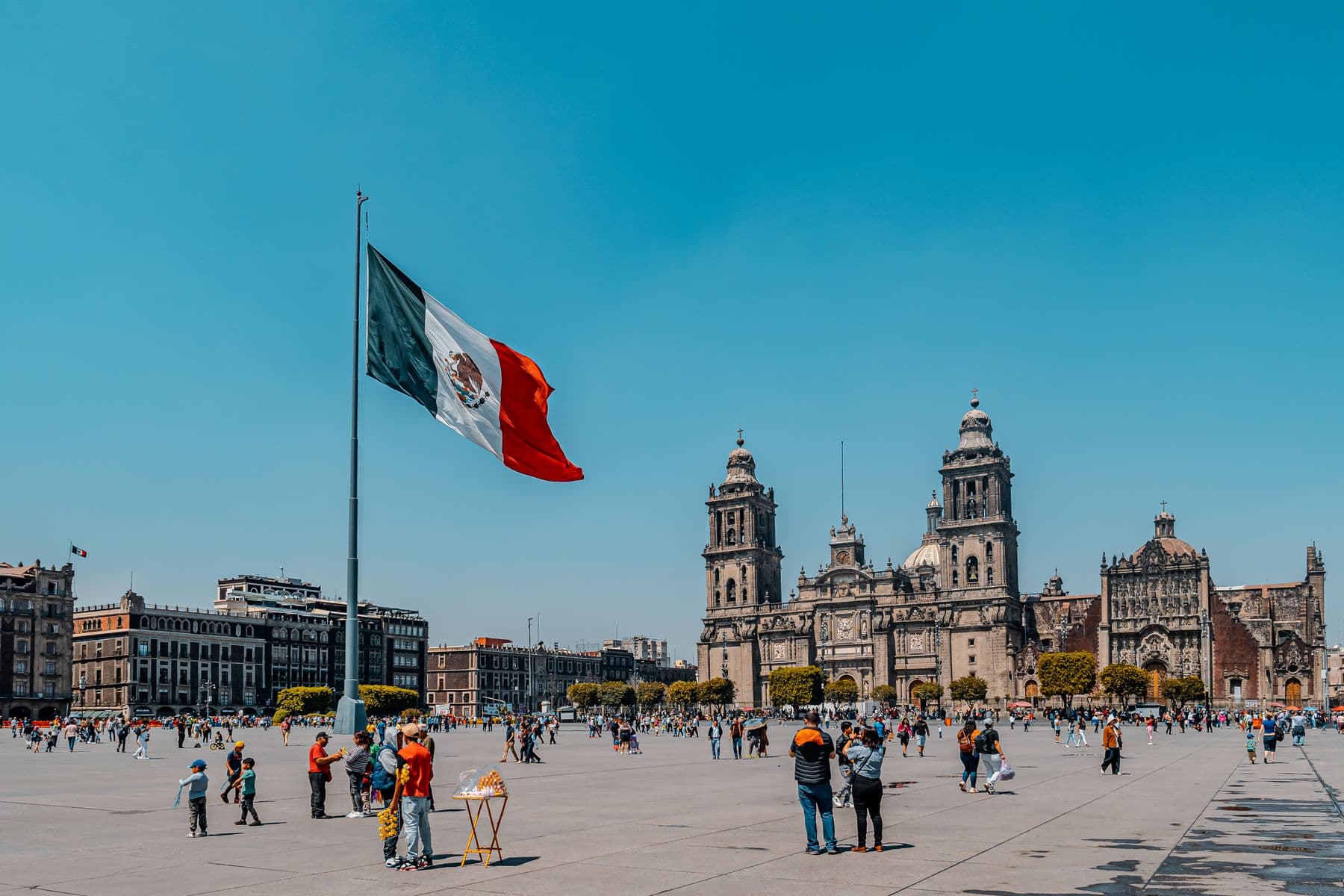
Palacio Nacional: Three Layers of Power
The city is huge, but the parts most visitors want are concentrated and well connected.
- Metro: 5 pesos per ride, flat fare, reaches the Centro Histórico directly. Cheap and fast, though crowded at rush hour. You load a rechargeable Integrated Mobility card at station windows.
- Metrobús: 6 pesos per ride on the same card. Line 4 runs along Paseo de la Reforma and links the airport toward the Centro.
- Uber and Didi: widely used and considered safer than hailing street taxis, because the app logs the driver and the route. This is the recommended way to move at night. Didi is often a little cheaper than Uber.
- Walking: Roma, Condesa, Coyoacán, and the Centro Histórico are all fully walkable, flat, and best explored on foot. This is where a self-guided audio tour shines.
- Ecobici bike-share: 24-hour passes cover unlimited short rides across hundreds of central stations, good for flat neighborhoods like Roma and Condesa.
Because the core neighborhoods are walkable, the most rewarding way to see them is on foot at your own pace. Roamer's Centro Histórico and Roma and Condesa tours are built exactly for that.
The best time to visit Mexico City
Mexico City has two seasons that matter for a walking trip:
- Dry season (mid-November to April): cool, sunny days with little rain. The best weather for walking. March through May is peak and busy, and April brings the famous purple jacaranda blooms across the city.
- Rainy season (May to October): warm days with heavy showers, usually in the afternoon. Mornings often stay clear, so you can plan outdoor time early. Crowds thin and prices drop.
Two dates worth planning around: Día de los Muertos in late October and early November, when the city is at its most vivid, and the city's larger festivals, which push hotels toward capacity. If you want quieter streets and cheaper rooms, aim for the rainy shoulder months and just carry a light layer for the afternoon rain.
Is Mexico City safe?
Handled honestly: for visitors who stay in the central, well-touristed neighborhoods, Mexico City is considered safe in 2026, and tourist-targeted violent crime in those zones is rare. The U.S. State Department keeps Mexico City itself at a Level 2 advisory, the same tier it assigns France or Spain. That is a "exercise increased caution" level, not a "do not travel" one.
What that means in practice:
- Roma Norte, Condesa, Polanco, and Coyoacán are the safest, most convenient areas for first-time visitors, walkable day and night. Roma Norte in particular combines low tourist-crime rates, tree-lined streets, and central access.
- Centro Histórico is busy and rewarding by day and well worth a full morning, but it empties after dark and feels different once the crowds go. Enjoy it in daylight and move to Roma or Condesa for dinner.
- Petty theft like phone snatching is the realistic risk, not violent crime. Keep your phone in your pocket on crowded transit, do not flash valuables, and stay aware in packed markets.
- At night, use Uber or Didi rather than walking through unfamiliar areas or hailing a street taxi.
None of this is unusual for a large capital city. The same common sense you would use in any big city covers most of it. Stick to the central neighborhoods, and you will find the city warm, walkable, and easy.
The altitude tip nobody tells you first
Mexico City sits at 2,240 meters (about 7,350 feet) above sea level. That is high enough that many visitors feel slightly short of breath, tired, or headachy on their first day. It is usually mild and passes within a day or two. To ease it: drink more water than you think you need, go light on alcohol the first evening, and do not overpack your first day. This is one more reason a self-paced walking tour beats a rushed group schedule on arrival day.
Budgeting for Mexico City
Mexico City is affordable by big-city standards. Budget travelers can manage on roughly 40 to 60 US dollars a day eating street food and market meals and riding the Metro. A mid-range day with restaurant meals, ride-share, and paid museums costs more. The single cheapest upgrade to your trip is the walking: Roamer's self-guided audio tours are free to start and 4.99 dollars for lifetime access, with a 30-day pass covering every tour for 19.99 dollars, well under a group-tour price.
Start planning your route
Now that the logistics are settled, pick where to walk. Read our best self-guided walking tours in Mexico City guide to compare routes, plan a day with the one day in Mexico City itinerary, or browse every route at Mexico City walking tours. Hungry already? Our Mexico City food guide covers what to eat and how to eat it safely.
Frequently asked questions
- How many days do you need in Mexico City?
- Three days is the practical minimum to see the Centro Histórico, one or two neighborhoods like Coyoacán or Roma, and the major museums. Four to six days is ideal for a first visit and leaves room for a day trip to the Teotihuacán pyramids or Xochimilco. A single day can still cover the essentials if you plan it tightly.
- How do you get around Mexico City?
- The Metro is the cheapest option at 5 pesos a ride and reaches the Centro Histórico directly, and the Metrobús is 6 pesos. For door-to-door trips, especially at night, Uber and Didi are widely used and considered safer than hailing street taxis because the app records the driver and route. Central neighborhoods like Roma, Condesa, and Coyoacán are fully walkable, and Ecobici bike-share offers 24-hour passes.
- What is the best time to visit Mexico City?
- The dry season from November to April brings cool, sunny days and little rain, which is ideal for walking. March through May is peak season and busy, with April famous for purple jacaranda blooms. The rainy season runs May to October, when afternoons often bring heavy showers but crowds and prices ease. Late October and early November draw visitors for Día de los Muertos.
- Is Mexico City safe for tourists?
- For visitors who stay in central, well-touristed neighborhoods like Roma Norte, Condesa, Polanco, and Coyoacán, Mexico City is considered safe in 2026, and tourist-targeted violent crime in these zones is rare. The U.S. State Department keeps Mexico City at a Level 2 advisory, the same tier as France or Spain. Standard city precautions apply: watch for petty theft like phone snatching, keep valuables out of sight, and use Uber or Didi rather than walking through unfamiliar areas late at night. The Centro Histórico is excellent by day but empties after dark, so head to Roma or Condesa in the evening.
- Do you feel the altitude in Mexico City?
- Yes, mildly. Mexico City sits at 2,240 meters above sea level, so many visitors feel slightly short of breath or tired on their first day. Drink extra water, go easy on alcohol the first evening, and do not pack the first day too tightly. Symptoms usually fade within a day or two.
- How much does a day in Mexico City cost?
- Mexico City is affordable by major-city standards. Budget travelers can manage on roughly 40 to 60 US dollars a day using street food, market meals, and the Metro. A mid-range day with restaurant meals, ride-share, and paid attractions runs higher. Self-guided audio tours cost far less than group tours: each Roamer tour is free to start and 4.99 dollars for lifetime access.
Mexico eSIM· 10% off with ROAMER10
Ready to experience it?
Centro Histórico: Three Civilizations Deep
90 min · 2 km · easy
More from Mexico City
Explore more at your own pace.
Chapultepec Park Guide: Hill, Lakes and Museum Row
Coatlicue: The Statue That Was Buried Twice
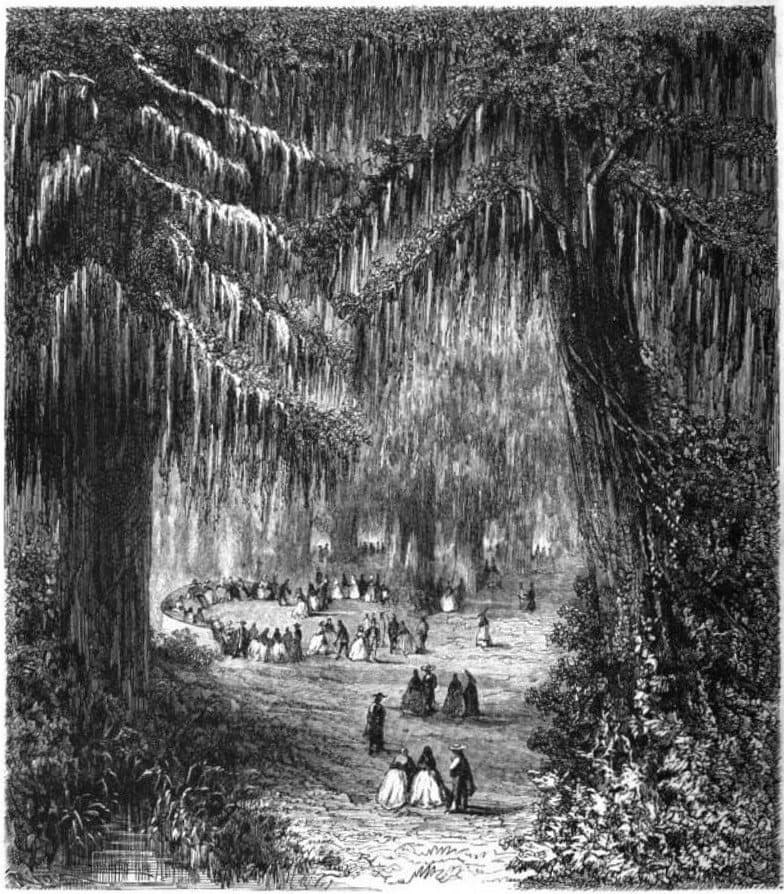
El Sargento: The Dead Ahuehuete Tree of Chapultepec
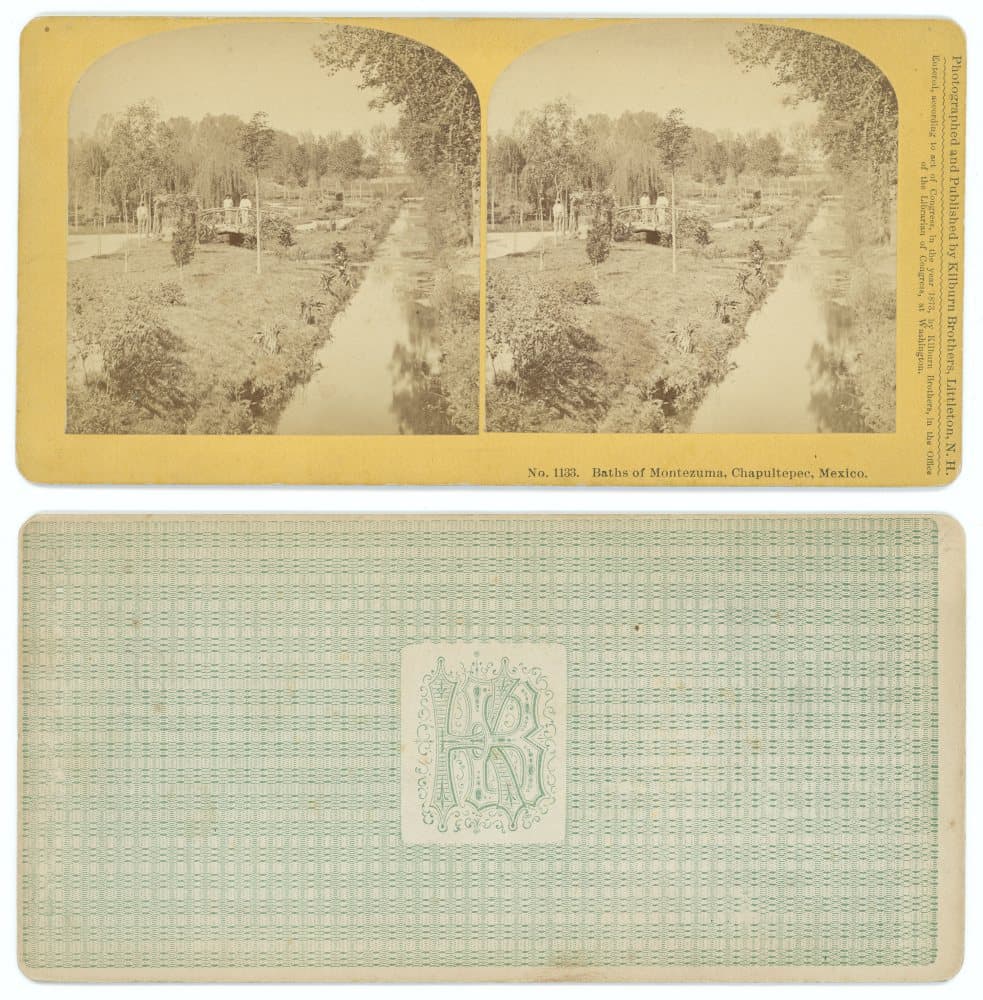
The Baños de Moctezuma: The Bath That Was Never Moctezuma's
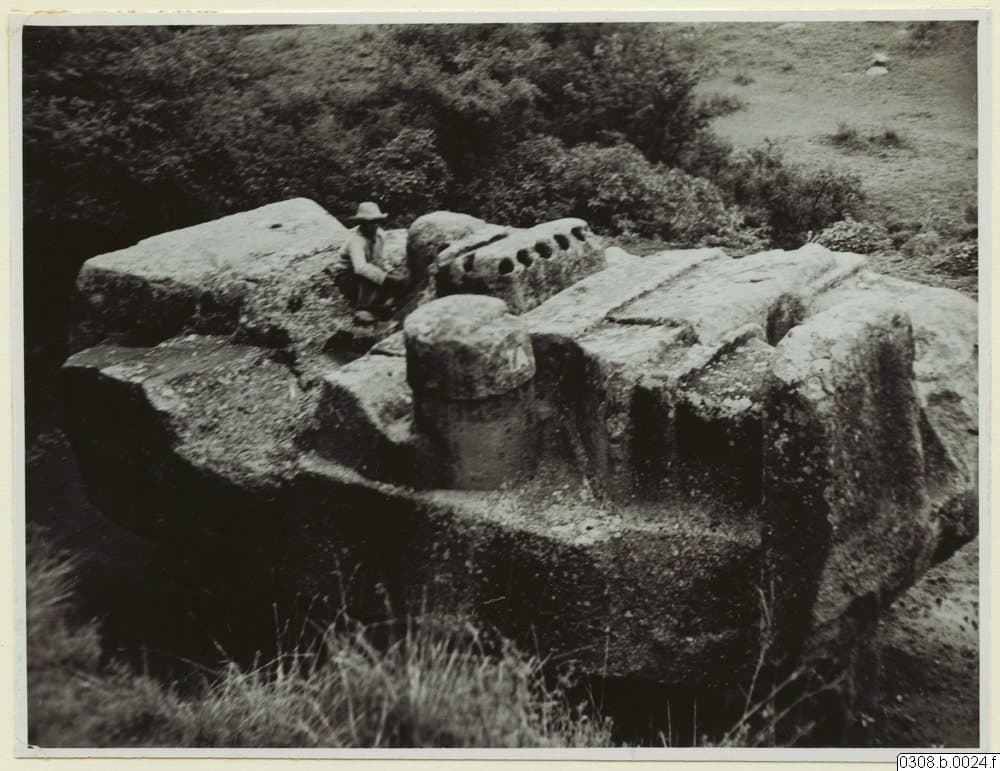
The Tlaloc Monolith: The Stone That Crossed Mexico City in 1964