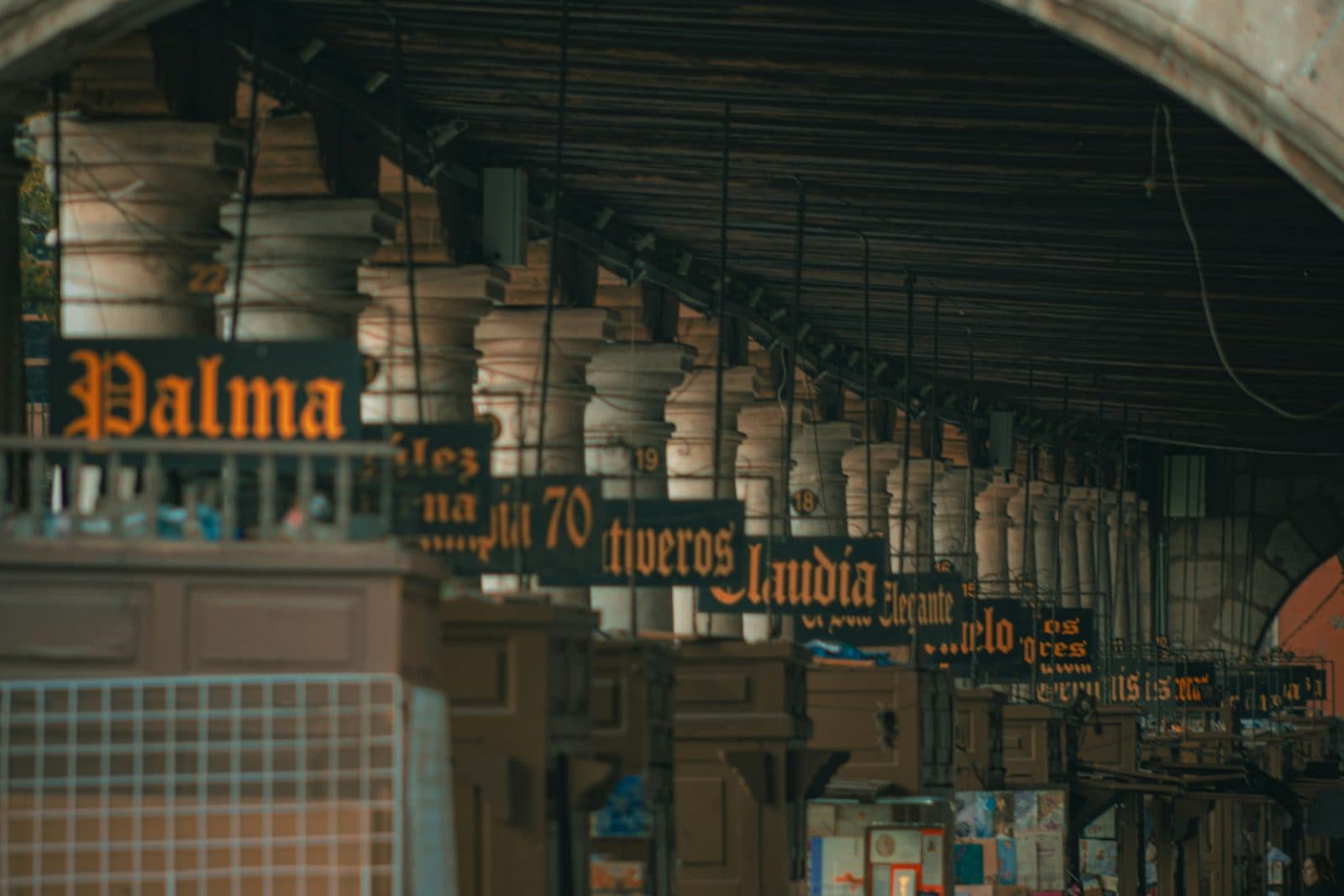
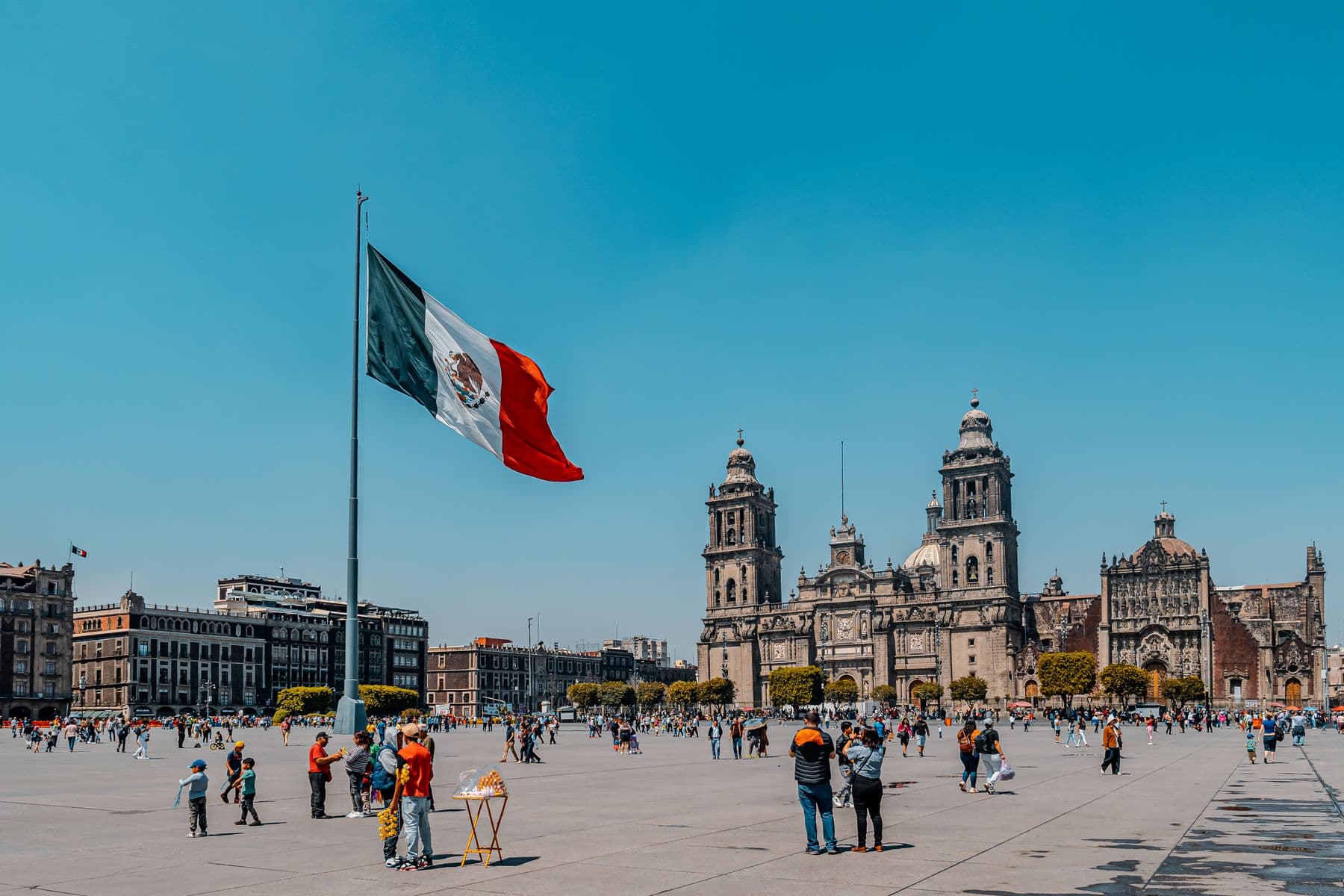
Stand on the Zócalo and pick a building. The cathedral leans visibly. The Palacio Nacional has been jacked up so often that its threshold sits below modern street level. The pawnshop on the northwest corner has shifted away from the buildings beside it. Every façade in the square has a different story about how it has settled. There is one underlying cause. You are standing on the floor of a former lake.
The lake that was
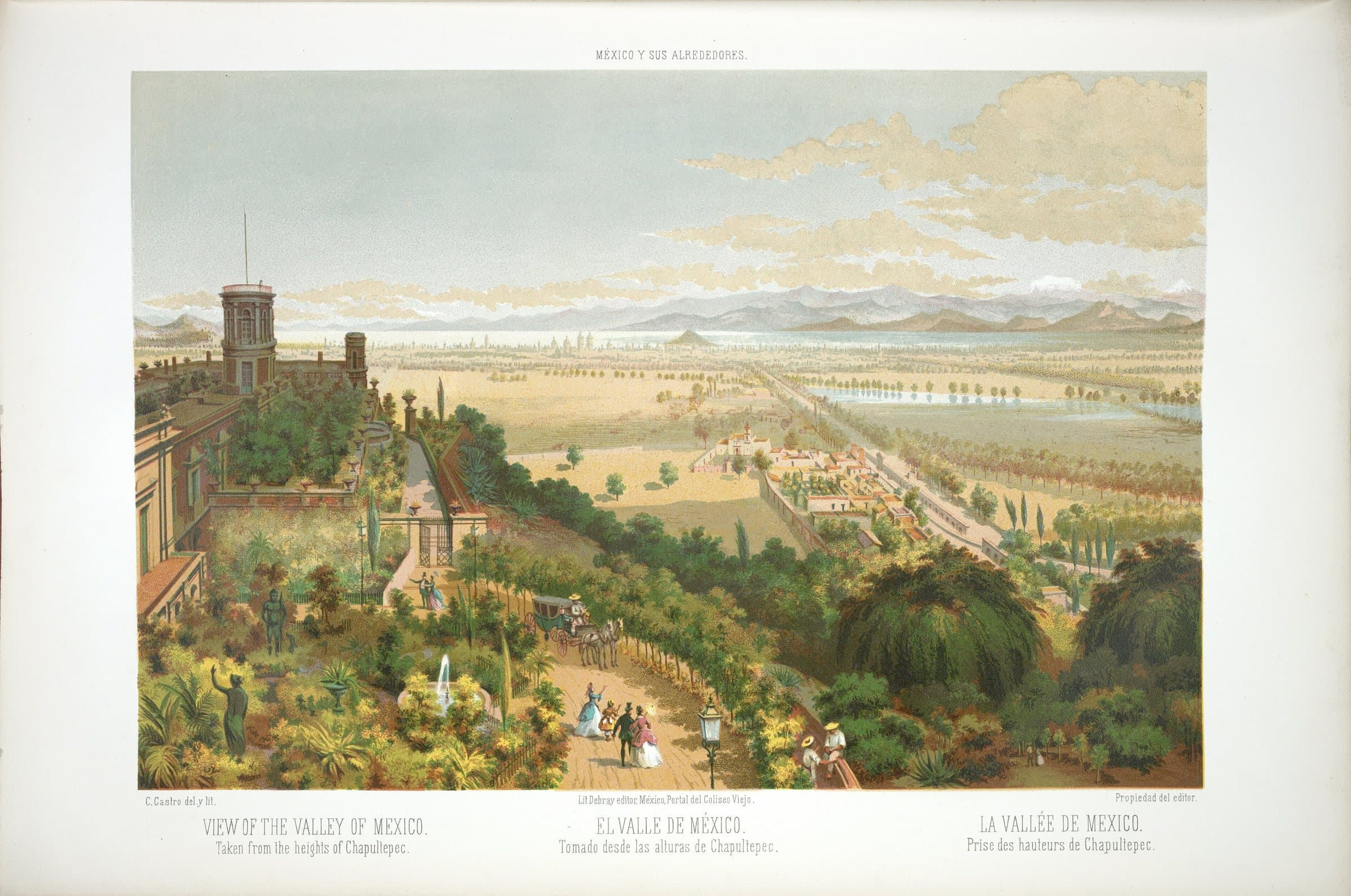
The Valley of Mexico is a closed basin. Water drains in and does not drain out. Until the Spanish arrived, the basin floor held five interconnected lakes, the largest of them Lake Texcoco. The Aztec capital Tenochtitlán was built on an island in Texcoco around 1325. The Aztecs did not fight the lake. They engineered around it. Causeways crossed the water on stone piers. Aqueducts brought fresh water from the springs at Chapultepec. Chinampas, the so-called floating gardens, were raised garden plots fixed in the shallows, producing maize, beans, and amaranth in counted rotations across roughly twelve thousand hectares.
The most important Aztec engineering project was a sixteen-kilometre dike built around 1453 under the orders of Nezahualcóyotl of Texcoco. It separated the brackish eastern lake from the fresh western lake, kept the city's water supply drinkable, and absorbed the seasonal floods. When that dike held, Tenochtitlán worked.
After the 1521 conquest the Spanish drained the lake. The reasons were partly practical, partly contemptuous. Standing water bred mosquitoes. Floods kept destroying the colonial city the Spanish were building on top of the Aztec one. By the mid-seventeenth century the basin had been opened to drain north toward the Tula river, a project that took roughly three centuries to fully execute. By 1900 the great lake was effectively gone.
The clay floor it left behind is the problem.
Why the clay sinks
Hear a stop from this walk
Palacio Nacional: Three Layers of Power
Lake Texcoco's bottom was a mixture of fine clay and volcanic ash, deposited over centuries. The clay is roughly seventy percent water by weight, held in a microstructure of cells that resemble a wet sponge. Place a heavy building on it and the cells compress slowly, expelling water sideways and downward. The building drops. The clay does not bounce back. This is called consolidation. It is the same process that compacts a sponge under a weight.
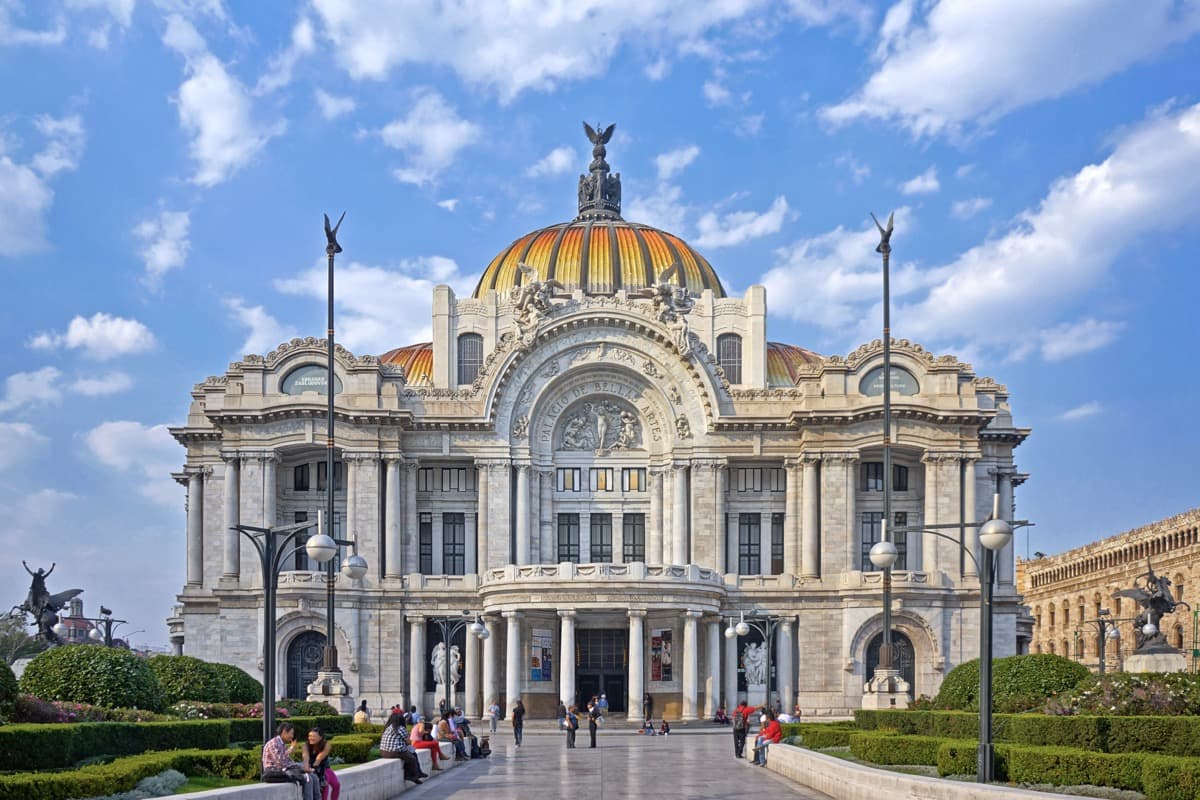
Through the twentieth century, a second mechanism made the sinking faster. The city pumped enormous volumes of groundwater from aquifers below the clay. As the aquifers depleted, the clay above them lost its hydraulic support and consolidated even faster. Through the 1950s, downtown subsidence rates exceeded a centimetre per week. Bellas Artes, the marble opera house at the western end of the historic centre, sank so much that its original ground floor is now twelve steps underground. The current rate in the historic centre is roughly thirty centimetres per year, among the highest of any megacity on Earth.
Why the sinking is uneven
If the whole city sank evenly, no building would visibly tilt. The problem is that the clay does not sink evenly. The cathedral is the cleanest illustration. Parts of its foundation rest on the remains of an Aztec pyramid to the sun god, made of dressed stone, which compresses very little. Other parts of its foundation rest on undisturbed clay, which compresses fast. The result is differential subsidence. The building tilts because half of it is on a stiff substrate and half is on a soft one. Inside, a pendulum suspended from the central dome tracks the tilt as an engineering instrument, not as an art piece. Between 1993 and 1998 engineers drilled shafts under the cathedral and injected concrete into the soft sections, slowing the differential. The cathedral was removed from the World Monuments Fund endangered list in the year 2000. It still sinks. It just no longer tilts.
The same pattern repeats across the centre. The Palacio Nacional sits partly on Aztec palace foundations and partly on clay. The Sagrario chapel, built next to the cathedral in the eighteenth century, sinks at a different rate than the cathedral itself, opening a visible gap between them.
How the past keeps surfacing
The lakebed has one more property. It preserves what is buried in it. The clay is oxygen-poor, which slows decay. Stones, wood, even painted plaster come up looking close to the day they were placed.
That is how Templo Mayor was rediscovered. On February 21, 1978, electrical workers digging two metres down to install transformers struck the Coyolxauhqui stone, a single block three and a quarter metres in diameter, carved in roughly 1469, depicting the dismembered war goddess. The discovery triggered the demolition of thirteen colonial-era buildings and the largest urban archaeological project of the twentieth century. Eduardo Matos Moctezuma's team found not one temple but seven nested inside each other, each built over its predecessor as a new emperor consolidated power. The deepest temple, dated to roughly 1325, has never been excavated. The water table sits above it.
Since the 1978 dig, more has surfaced. In 2006 archaeologists found a twelve-ton monolith of the earth goddess Tlaltecuhtli, broken into four pieces, face up, still carrying traces of red, ochre, white, blue, and black paint. In 2015 the same team uncovered the Huei Tzompantli, the great skull rack, a circular tower six metres in diameter built from human skulls mortared with lime. Analysis of the six hundred catalogued skulls found that thirty-seven percent were female, overturning the standing assumption that sacrifice victims were predominantly male warriors. In 2017, during basement work at the Nacional Monte de Piedad on the northwest corner of the Zócalo, contractors hit basalt slabs from the palace of Axayácatl, Moctezuma's predecessor. The pre-Hispanic layer sits ten feet below the modern surface.
The city does not bury its past. It buries it and then leaks it back.
What the tour walks
The Centro Histórico tour walks eight stops across the most layered square kilometre in the Western Hemisphere. The Palacio Nacional with its three confirmed civilizational floors. The Zócalo, the longest continuously used political plaza in the Americas. The Templo Mayor excavation. The cathedral and its tilt. The Monte de Piedad on the buried Aztec palace. Calle Madero on a buried causeway. Torre Latinoamericana, the 1956 office tower that was the first major structure designed for the lakebed and survived both the 1957 and 1985 earthquakes. And Bellas Artes, sunk twelve steps below its own front door.
Walk it once and the geology stops being an abstraction. The ground is moving. The city above it is improvising.
Mexico eSIM· 10% off with ROAMER10
Ready to experience it?
Centro Histórico: Three Civilizations Deep
90 min · 2 km · easy
More from Mexico City
Explore more at your own pace.
Chapultepec Park Guide: Hill, Lakes and Museum Row
Coatlicue: The Statue That Was Buried Twice
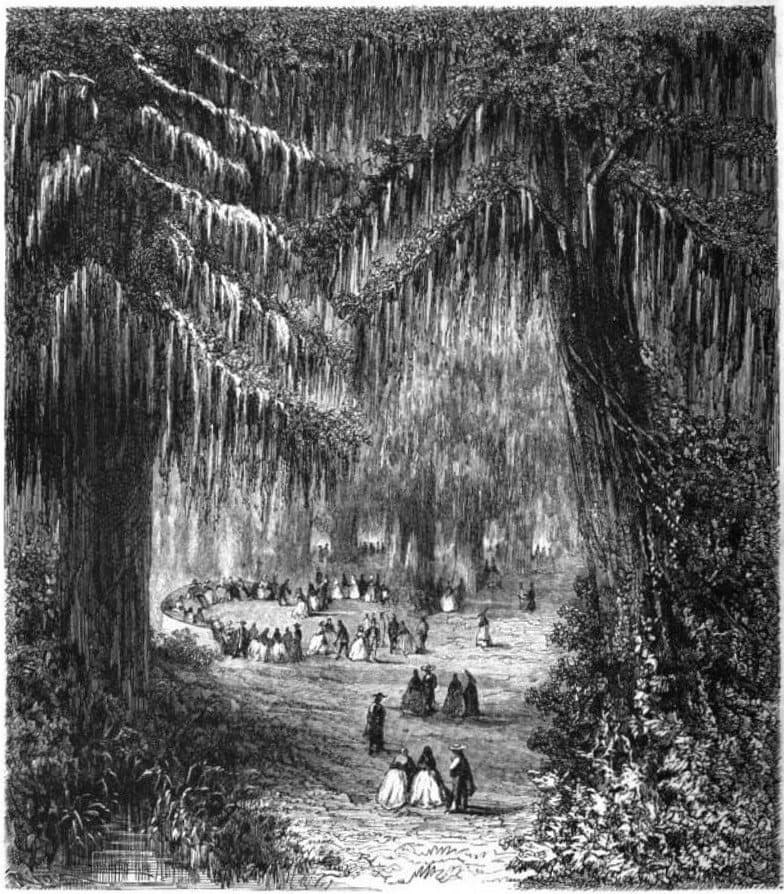
El Sargento: The Dead Ahuehuete Tree of Chapultepec
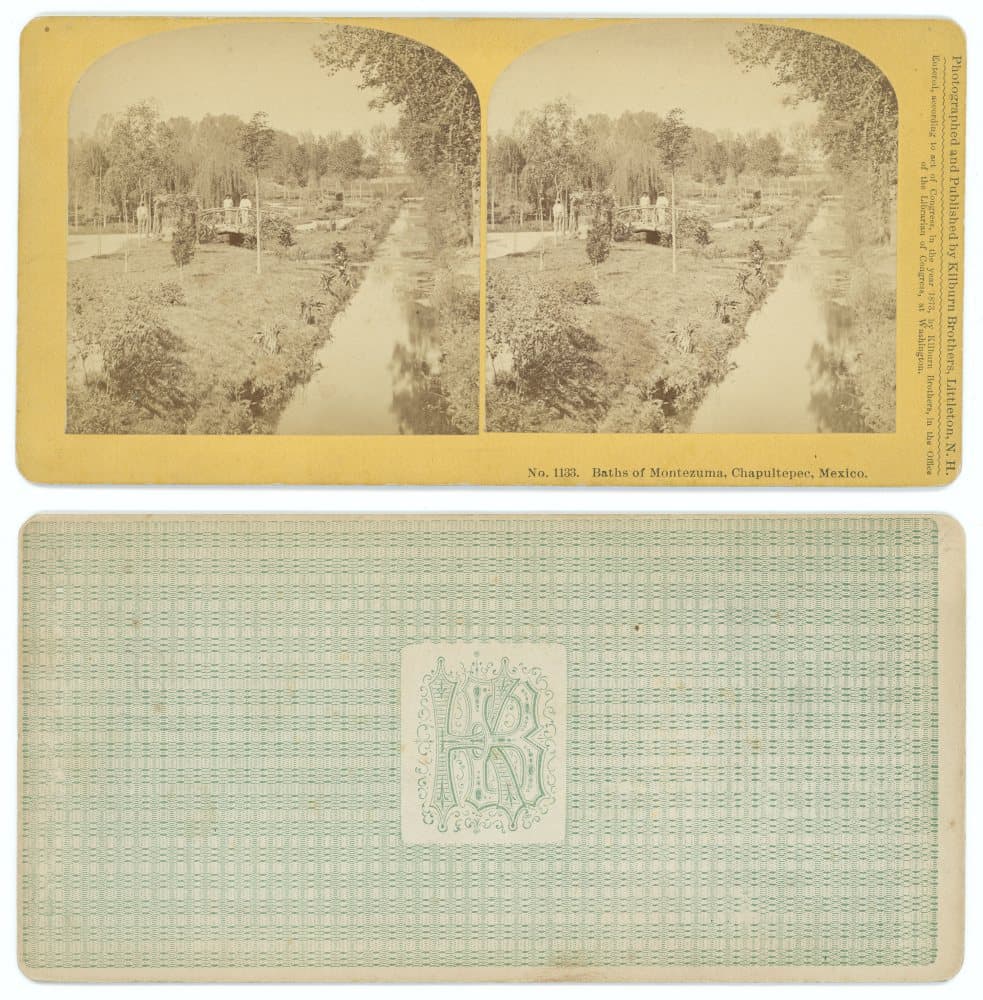
The Baños de Moctezuma: The Bath That Was Never Moctezuma's
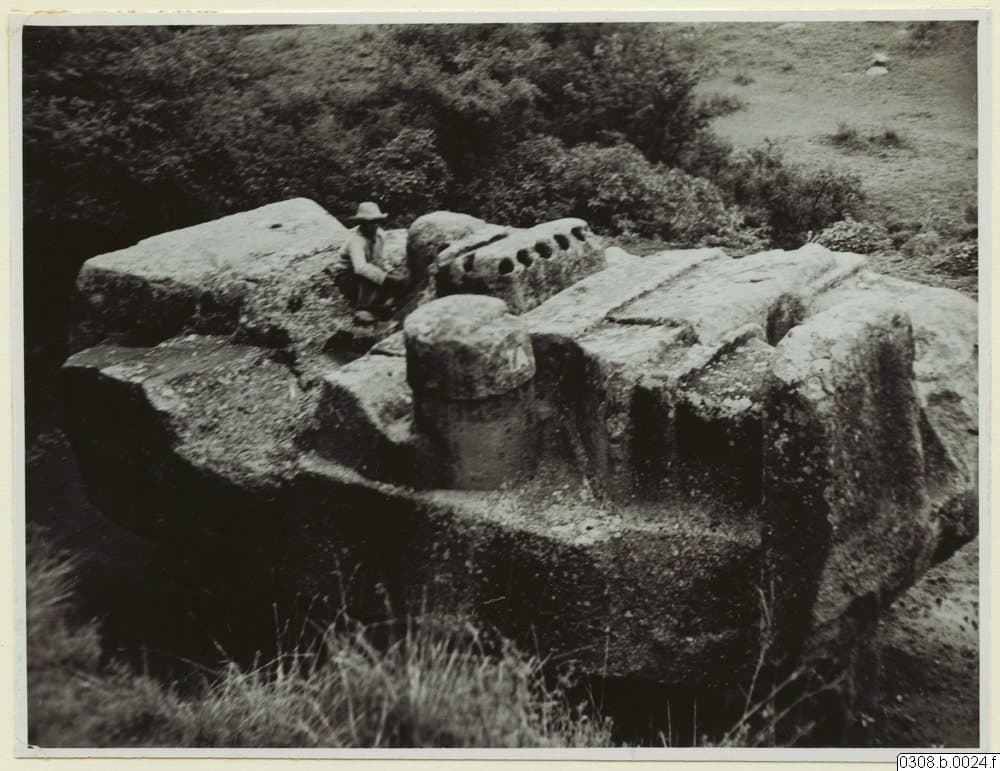
The Tlaloc Monolith: The Stone That Crossed Mexico City in 1964