El Sargento is a dead ahuehuete, or Montezuma cypress, on the slope of Chapultepec hill. A plaque says Nezahualcóyotl planted it around 1460 and that it dried up in 1969, but only the 12.5 metre girth is easy to check. Military college students gave it its nickname, and why it died is still argued.
El Sargento is a dead ahuehuete, a Montezuma cypress, standing as a bare trunk on the slope below Chapultepec's castle. A plaque in front of it says the ruler of Texcoco, Nezahualcóyotl, planted it around 1460, that it is 12.5 metres round the base, and that it dried up in 1969 for lack of water and pollution. The 2025 university article we read says only the base measurement is easy to check.
What the word means
Ahuehuete comes from Nahuatl, atl for water and huehuetl for old, so roughly old man of the water. The species, Taxodium mucronatum, grows beside springs and rivers. A monograph describes it as one of Mexico's longest-lived trees, with some individuals reported at over a thousand years. We do not claim that for this one.
What is and is not known
Hear a stop from this walk
Altar a la Patria: Where Reforma Ends
- The plaque's planting by Nezahualcóyotl is tradition. Nobody wrote it down. A chronicler says Nezahualcóyotl planted several ahuehuetes, and a link to Moctezuma cannot be confirmed.
- A visitor in 1828 estimated the tree at least 400 years old. That is a guide's claim, not a measurement.
- The nickname came from students of the Military College, which once sat on the hill, before about 1900.
- A photograph published in 1904, by Guillermo Kahlo in his book Mexiko, shows six children with their arms around it, barely spanning one side.
- The tree has been dead for more than half a century, and the 2025 article says it is no longer properly a tree.
Why did it die?
The plaque blames lack of water and pollution. The article we read notes that rainfall records stayed roughly steady, so a plain drought does not fit, and suggests that paving and roadworks may have cut off the groundwater. A 1944 warning quoted there already spoke of springs drying up and water leaking from the subsoil. That is the author's inference, not a settled finding.
Next to the tree
Nearby is the Audiorama, a quiet garden of benches, built in 1972 and opened with curated ambient music that changes each day. The Tribuna Monumental, a grandstand inaugurated in 1902, is also close. Audiorama hours are reported inconsistently, so check before you go.
Hearing it on the walk
On the Roamer walk this is the third stop, "The Tree With No Bark". Listen at your own pace, with no group, and skip what you do not want: the Chapultepec Park audio tour. For the oval of living trees that the walk crosses next, see the Chapultepec Park guide.
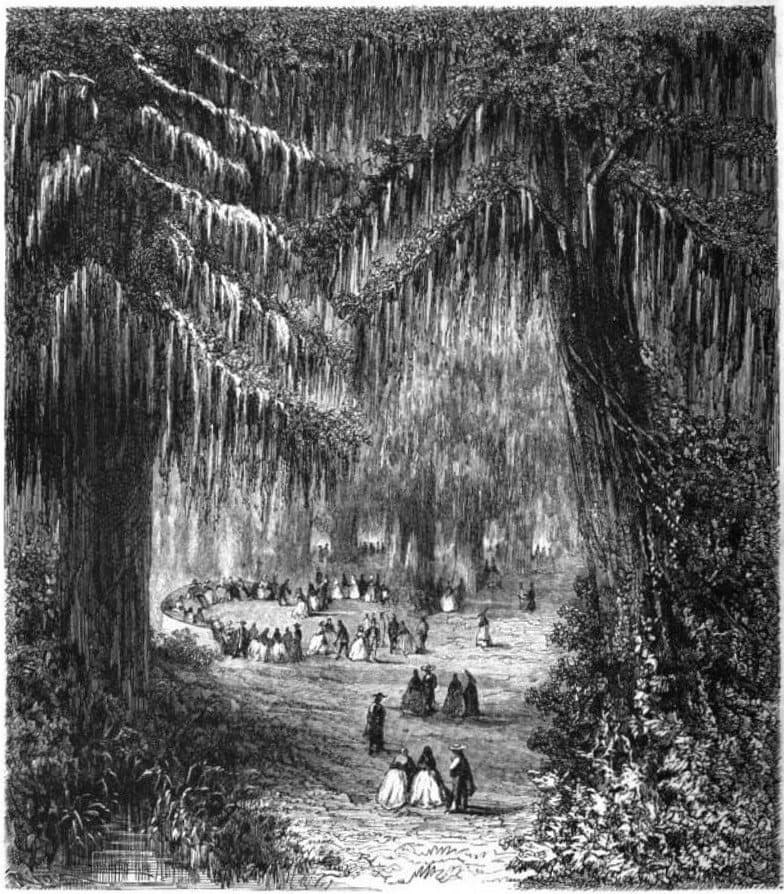
Cover: ahuehuete at Chapultepec, engraving by Édouard Riou in Le Tour du monde, public domain, via Wikimedia Commons.
Mexico eSIM· 10% off with ROAMER10
Ready to experience it?
Chapultepec Park: The Hill, the Springs and the Great Oval
120 min · 4.1 km · easy
More from Mexico City
Explore more at your own pace.

Mexico City Travel Guide: How Many Days, Getting Around, When to Go, Is It Safe
One Day in Mexico City: A Perfect Itinerary on Foot
Chapultepec Park Guide: Hill, Lakes and Museum Row
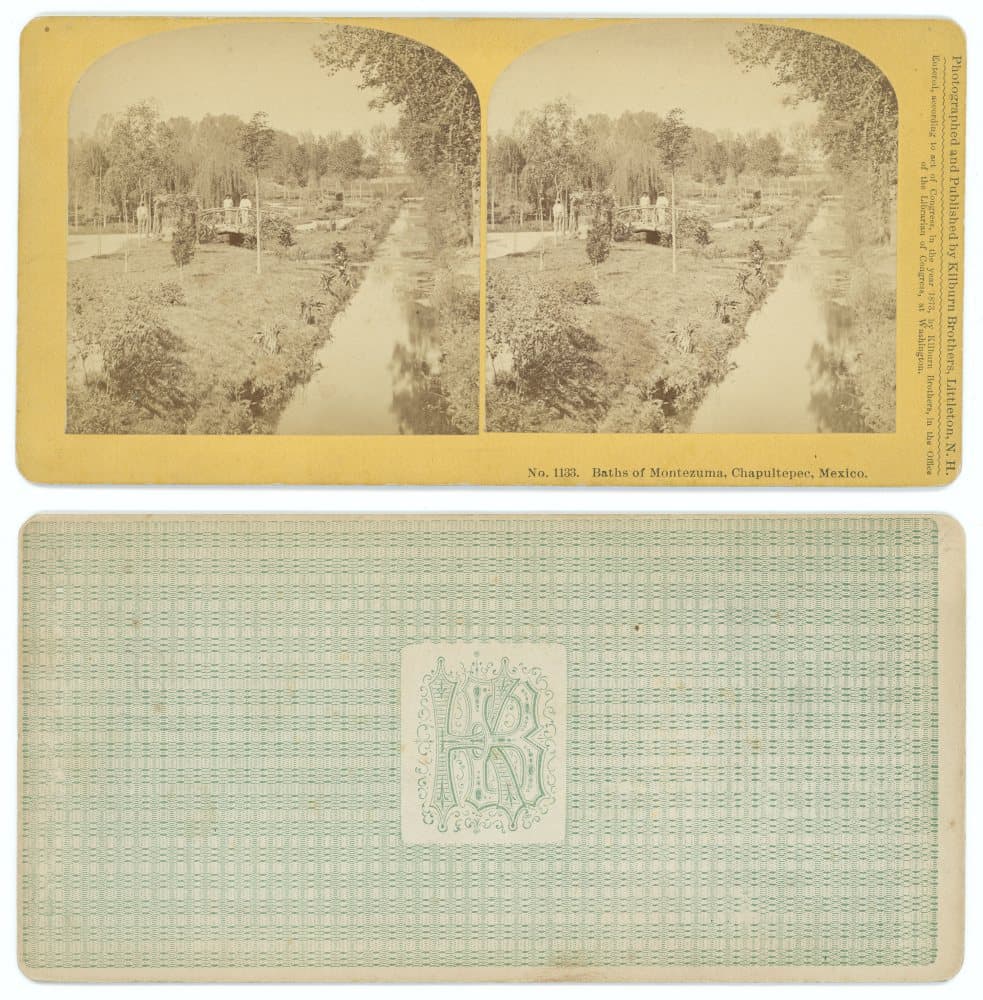
The Baños de Moctezuma: The Bath That Was Never Moctezuma's
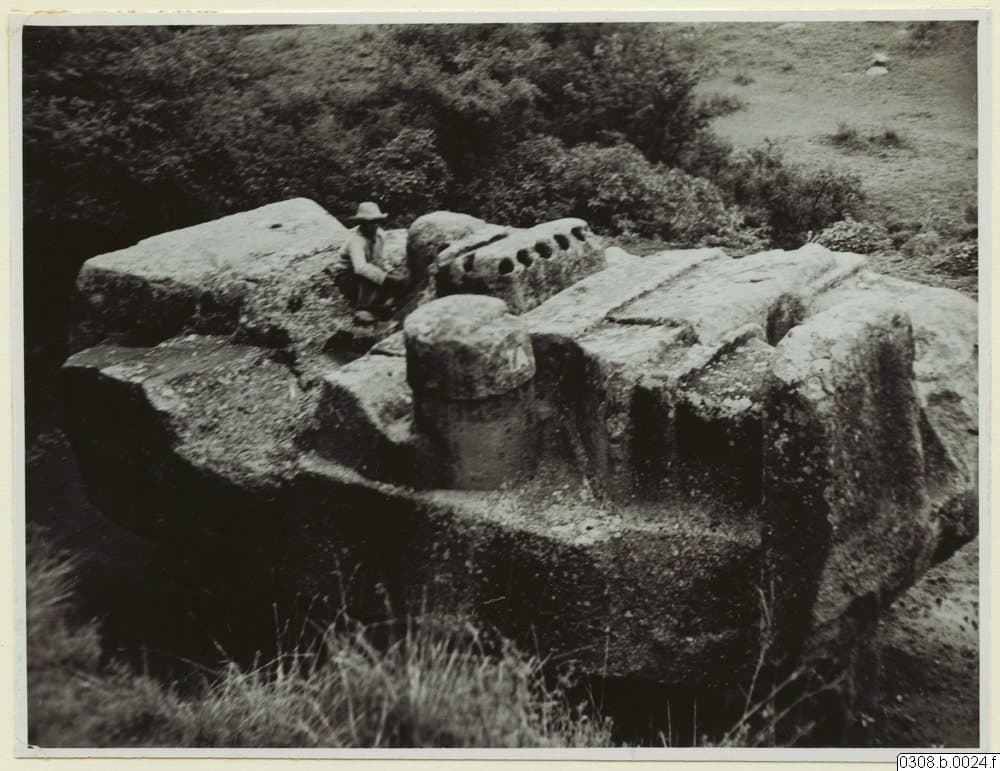
The Tlaloc Monolith: The Stone That Crossed Mexico City in 1964