The Coatlicue statue is a Mexica sculpture of andesite, found on 13 August 1790 in Mexico City's main square. It was taken to the university, then buried again after people came to make offerings. It is in Hall 6, the Mexica hall, of the Museo Nacional de Antropología. The goddess has no head: two snake heads face each other where it should be.
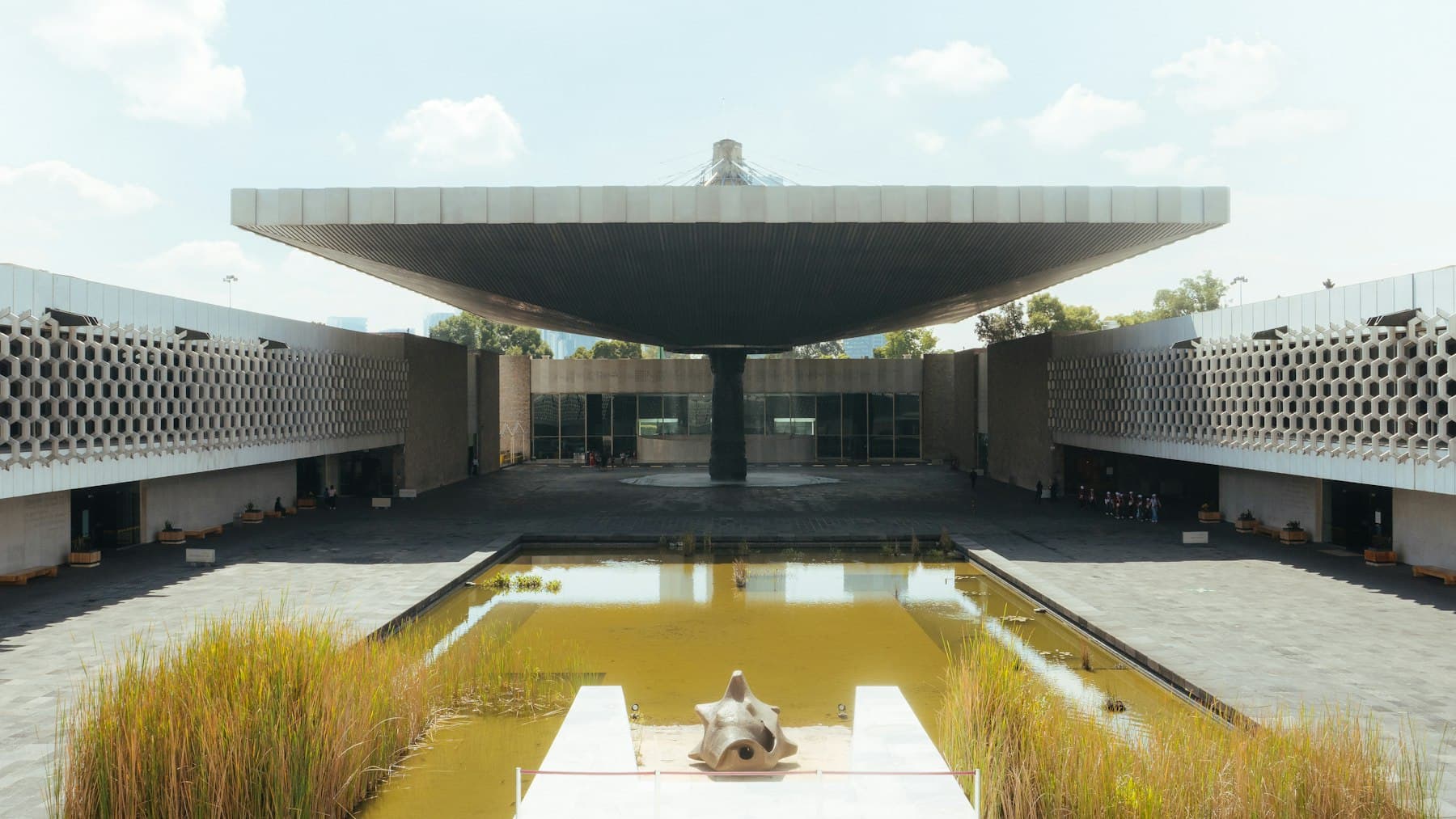
Coatlicue stands in Hall 6, the Mexica hall, of Mexico City's Museo Nacional de Antropología. The first thing you notice is what is missing. She has no head.
What you can see
Where the head should be, two snake heads rise from the neck and face each other. The museum's catalogue record adds that her hands, on raised arms, also end in snake heads. The skirt is woven snakes, and that gives her name: Coatlicue, "Snakes-Her-Skirt". Across her chest hangs a necklace of hands and hearts with a skull at the centre. Her feet end in eagle claws.
The INAH record gives andesite as the material and dates the piece to the Late Postclassic, 1200 to 1521. It lists the height as 350 centimetres and the width as 130. Wikipedia gives 2.52 metres, so we treat the height as unsettled and do not quote one in the room.
Found, then hidden
Hear a stop from this walk
Palacio Nacional: Three Layers of Power
Workers found her on 13 August 1790, in the main plaza of Mexico City, during drainage and paving works ordered by the viceroy Revillagigedo. A halberdier of the viceregal palace, José Gómez, described it as having neither feet nor head.
She was sent to the university courtyard. According to a letter of 1805 by Benito María Moxó y Francoly, Indigenous visitors were making offerings there in secret, entry was banned but visitors still got in, and the decision was taken to bury her again. Wikipedia adds that the clergy did not want to encourage the old religion. Around 1803 Alexander von Humboldt had her uncovered to draw her and take a cast, before she was reburied. Sources disagree on the year of that visit, so treat 1803 as approximate.
Antonio de León y Gama published a book on this statue and the Sun Stone, found in the same square a few months later, in 1792.
Who is she?
In Mexica myth she is the mother of Huitzilopochtli, the patron god of Tenochtitlan. The headless form is read in more than one way. Elizabeth Boone argues that figures like this are tzitzimime, star beings who would devour people if the sun failed. Cecelia Klein argues they were decapitated because they sacrificed themselves to set the sun moving. We give neither as the answer.
Why the story matters
Most pieces in this hall simply came out of the ground. Coatlicue went back into it, buried again after people came to make offerings, and she was brought up for visitors and scholars only later. That is why we tell her story from the day she was found.
Your visit
She is in Hall 6 on the ground floor, the same hall as the Sun Stone, so you can see both in one pass. The Roamer museum guide tells this piece in the room, at your own pace. Roamer is an independent guide, not affiliated with the museum or INAH. For the square where she was found, try the Mexico City three civilizations walk.
Cover: the Zócalo, where Coatlicue was found in 1790. Photo: Jimmy Elizarraras on Pexels.
Mexico eSIM· 10% off with ROAMER10
Ready to experience it?
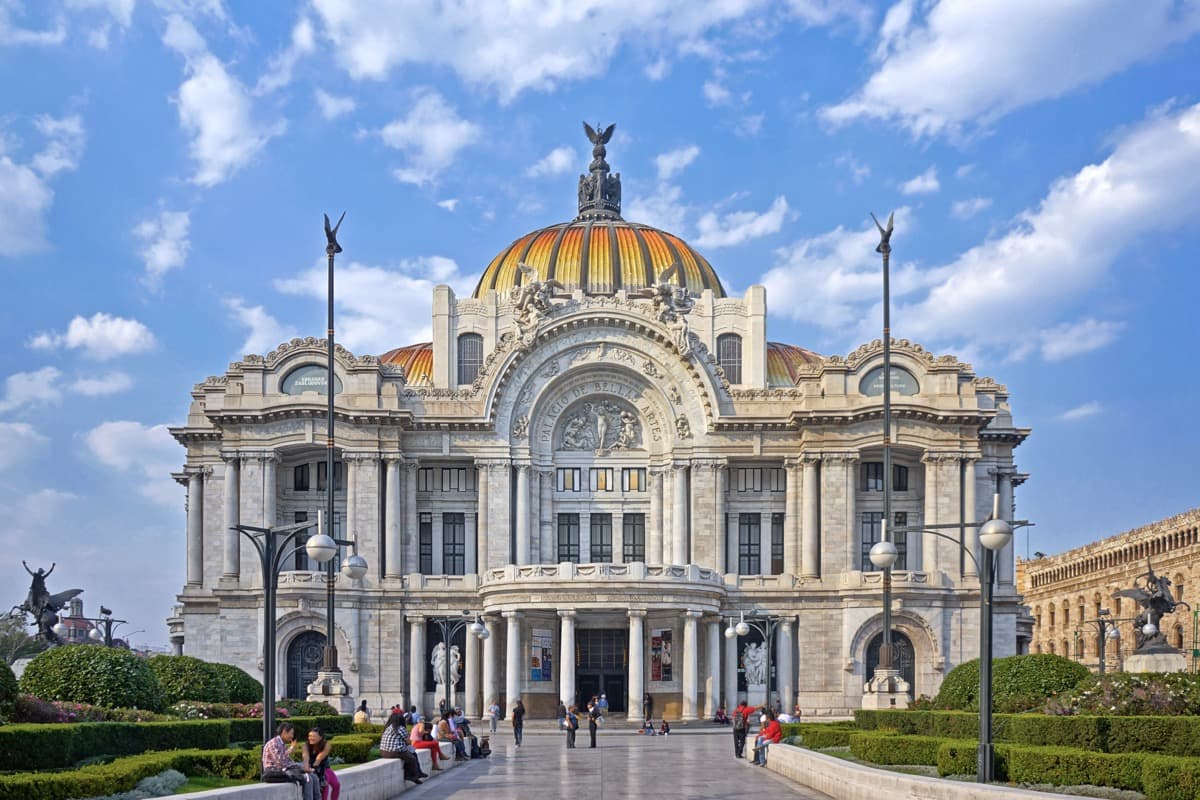
Centro Histórico: Three Civilizations Deep
90 min · 2 km · easy
More from Mexico City
Explore more at your own pace.

Chapultepec Park Guide: Hill, Lakes and Museum Row
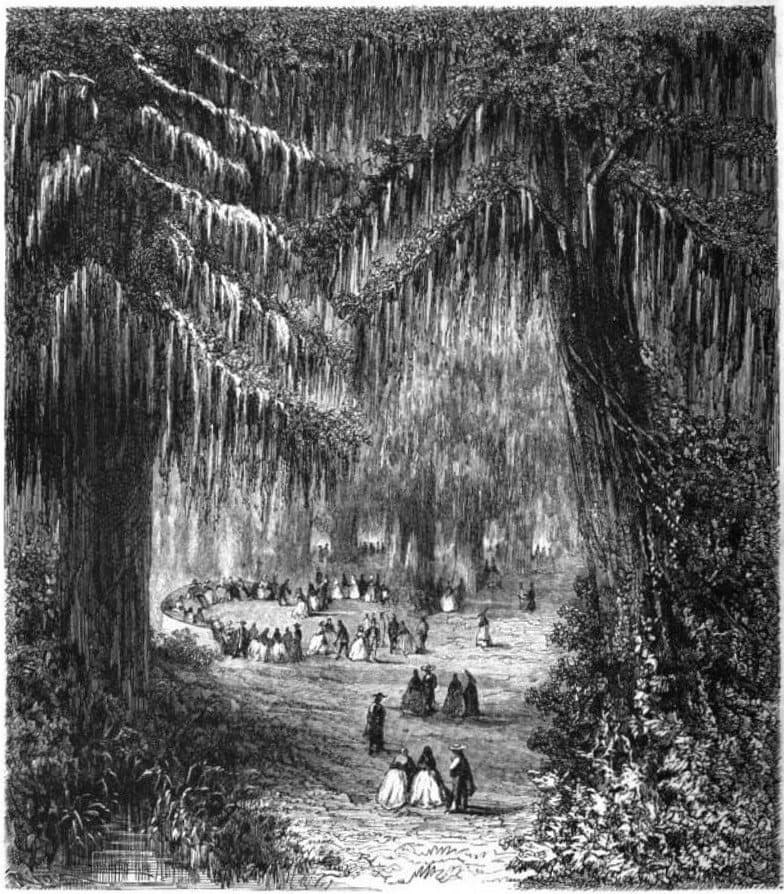
El Sargento: The Dead Ahuehuete Tree of Chapultepec

Moctezuma's Headdress: The Original Is in Vienna, the Copy Is in Mexico City
The Baños de Moctezuma: The Bath That Was Never Moctezuma's
The Tlaloc Monolith: The Stone That Crossed Mexico City in 1964