The original feather headdress attributed to Moctezuma II is in the Weltmuseum Wien in Vienna. The one on display in Hall 6 of Mexico City's Museo Nacional de Antropología is a replica made by the feather artist Francisco Moctezuma and delivered to the museum on 19 October 1940. In 2021 Austria declined a loan request, citing the risk of damage in transport. Mexico has pressed for a loan or return more than once.
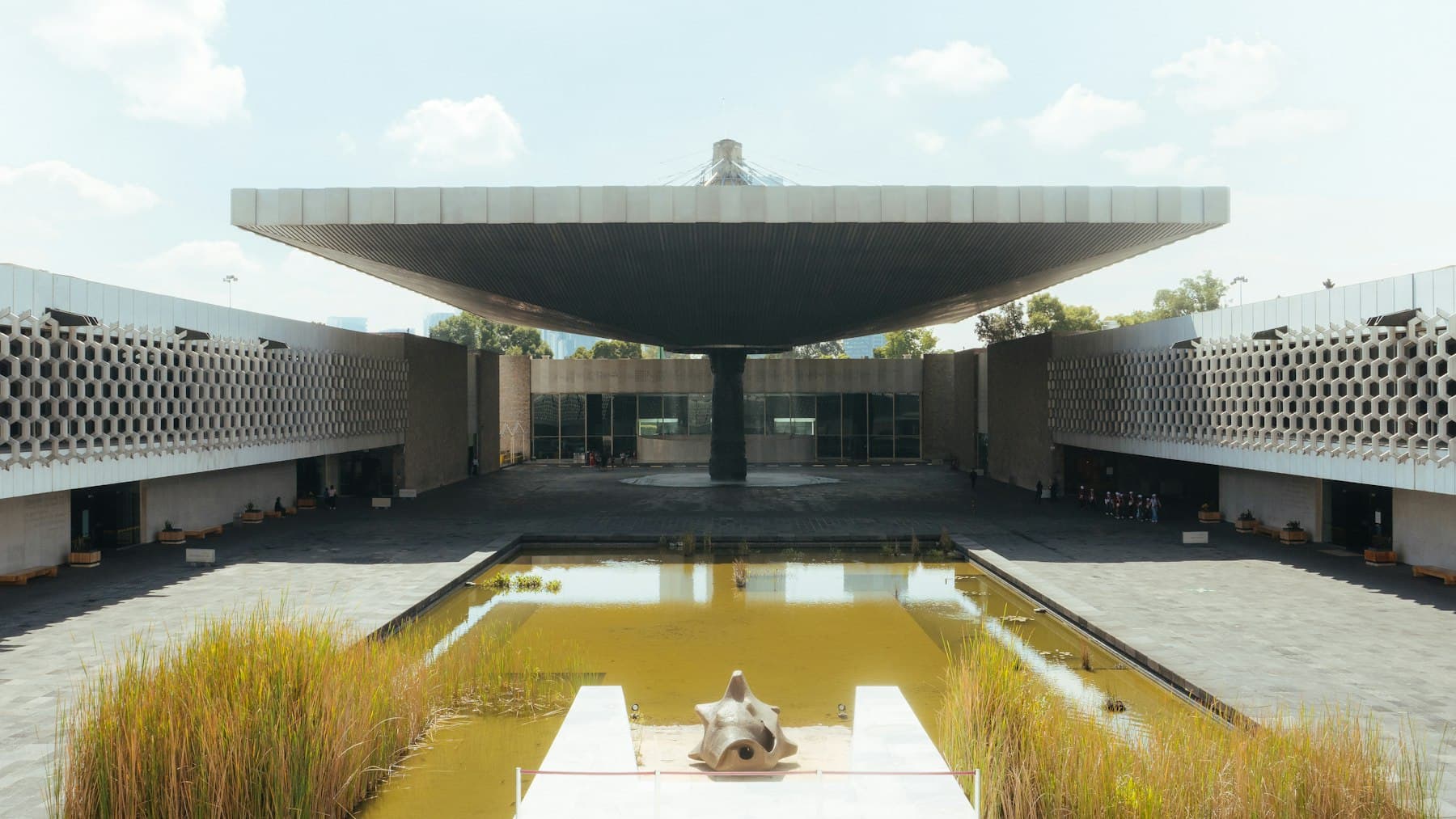
If you are looking for Moctezuma's headdress, the original is in Vienna, not in Mexico City. The one you can see in Hall 6, the Mexica hall, of the Museo Nacional de Antropología is a replica.
What you can see
Look for the long green tail feathers of the quetzal rising from the top and the small plates of gold tied on. The museum's replica was made by Francisco Moctezuma, a feather artist, an amanteca in the old craft tradition. According to Chilango, he never saw the original and worked from photographs and images. It was commissioned by Abelardo L. Rodríguez, a former president of Mexico, who paid for it himself, and it was delivered to the museum on 19 October 1940.
Where the original is
Hear a stop from this walk
Palacio Nacional: Three Layers of Power
The headdress is recorded in the 1596 inventory of the collection of Archduke Ferdinand II of Tyrol at Ambras Castle near Innsbruck. Chilango, citing El País, says it stayed there into the eighteenth century. Wikipedia says it was deposited in Vienna at the beginning of the nineteenth century, and that it has belonged to the Museum of Ethnology, now the Weltmuseum Wien, since 1928. Wikipedia describes it as made of quetzal, cotinga, squirrel cuckoo and roseate spoonbill feathers with small gold ornaments, and fragile.
Was it Moctezuma's?
Not proven. Wikipedia notes there is no known evidence that it belonged to Moctezuma II. Wikipedia, citing the art historian Khadija von Zinnenburg Carroll, adds that many Mexica rulers never wore the same crown twice. A Mexican academic review calls the object a headdress, a priestly cape or a standard in different accounts, and Austrian press reports that the Weltmuseum considers a priest the likelier owner. The name stuck anyway, in Mexico and abroad.
The question of a return
Here is what the sources record, with dates.
- 1991. Chilango, citing El País, says the Mexican government demanded the return of the headdress and received no response.
- January 2011. Sabine Haag, then director of Vienna's Kunsthistorisches Museum, said that talks on a temporary transfer had been going on for some time. She floated a loan in exchange for an Aztec piece and Maximilian's golden carriage, and said Mexico had made no formal request for return. Chilango describes a Mexican proposal of the same kind, a loan in exchange for the carriage now in Chapultepec Castle.
- 2020. The request was renewed, according to Chilango and Wikipedia.
- August 2021. Austria's State Secretariat for Culture, reported by the dpa agency, declined a loan request linked to the 500th anniversary of the fall of Tenochtitlan. It cited the considerable risk of damage in transport and a scientific assessment with Austrian and Mexican participation, made years earlier, that found the object extremely fragile.
Austria's position rests on a joint Austrian and Mexican project of 2010 to 2012. Falter reports a 2012 assessment by a TU Wien professor of mechanics and mechatronics, and the Weltmuseum says a safe transport arrangement is practically not feasible. Xokonoschtletl Gómora, a descendant of the Aztecs who has campaigned for its return, says the assessment is too old and its author knows nothing about feathers, and he asks for a new one from an expert who is neither Mexican nor Austrian. Falter notes that Mexican experts also agree the crown is in poor condition. According to the same report, the Weltmuseum says a new assessment or a return is not currently on the agenda. Wikipedia also records protests in Vienna between 1992 and 2002.
Your visit
Hall 6 is on the ground floor, and the replica sits in a case of its own. Look at the replica as a piece of twentieth-century craft in its own right. The Roamer museum guide tells this piece in the room, at your own pace. Roamer is an independent guide, not affiliated with the museum or INAH. For the old centre where Moctezuma's city stood, see the Mexico City three civilizations walk.
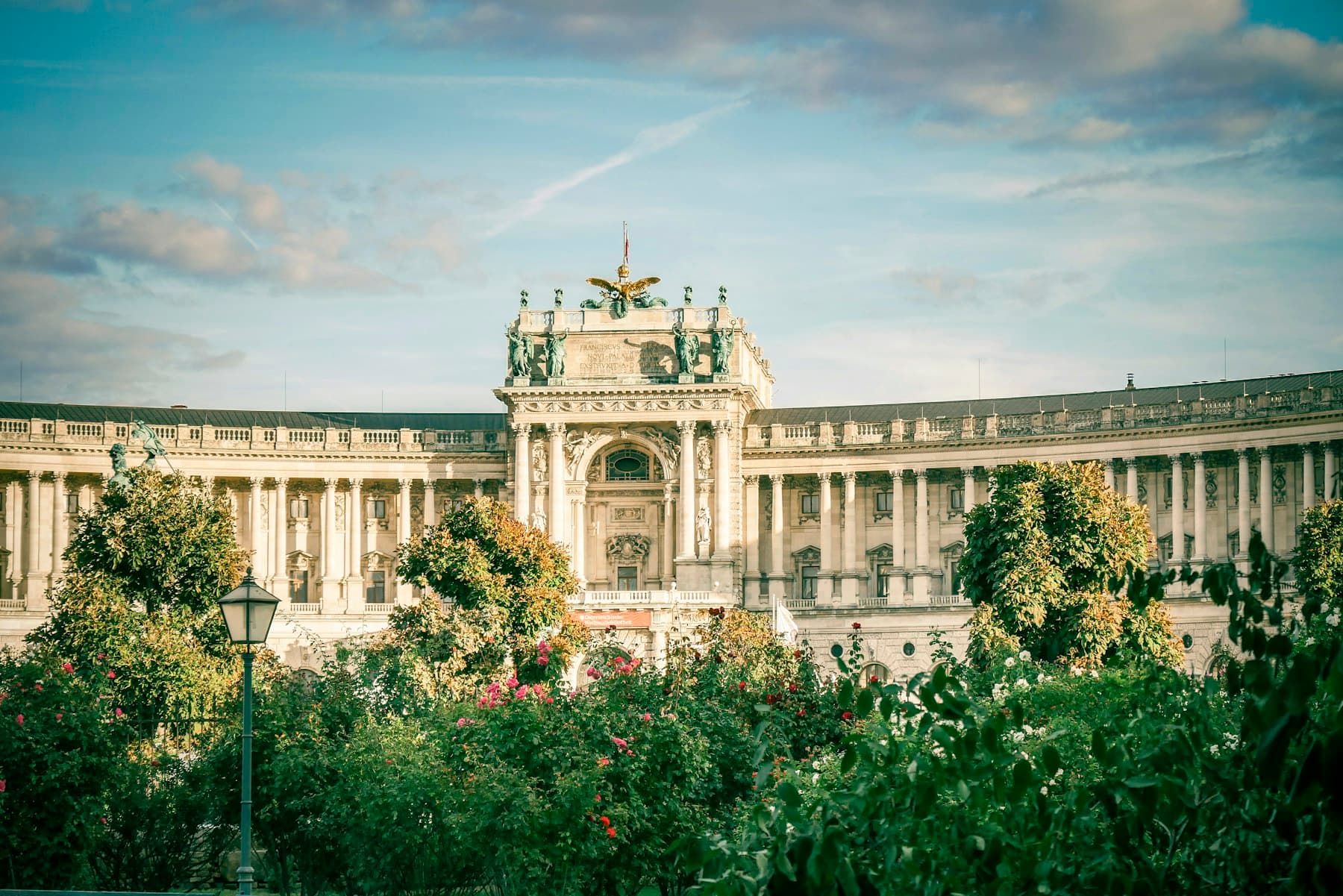
Cover: the Neue Burg in Vienna, home of the Weltmuseum Wien. Photo: Andreas on Unsplash.
Mexico eSIM· 10% off with ROAMER10
Ready to experience it?
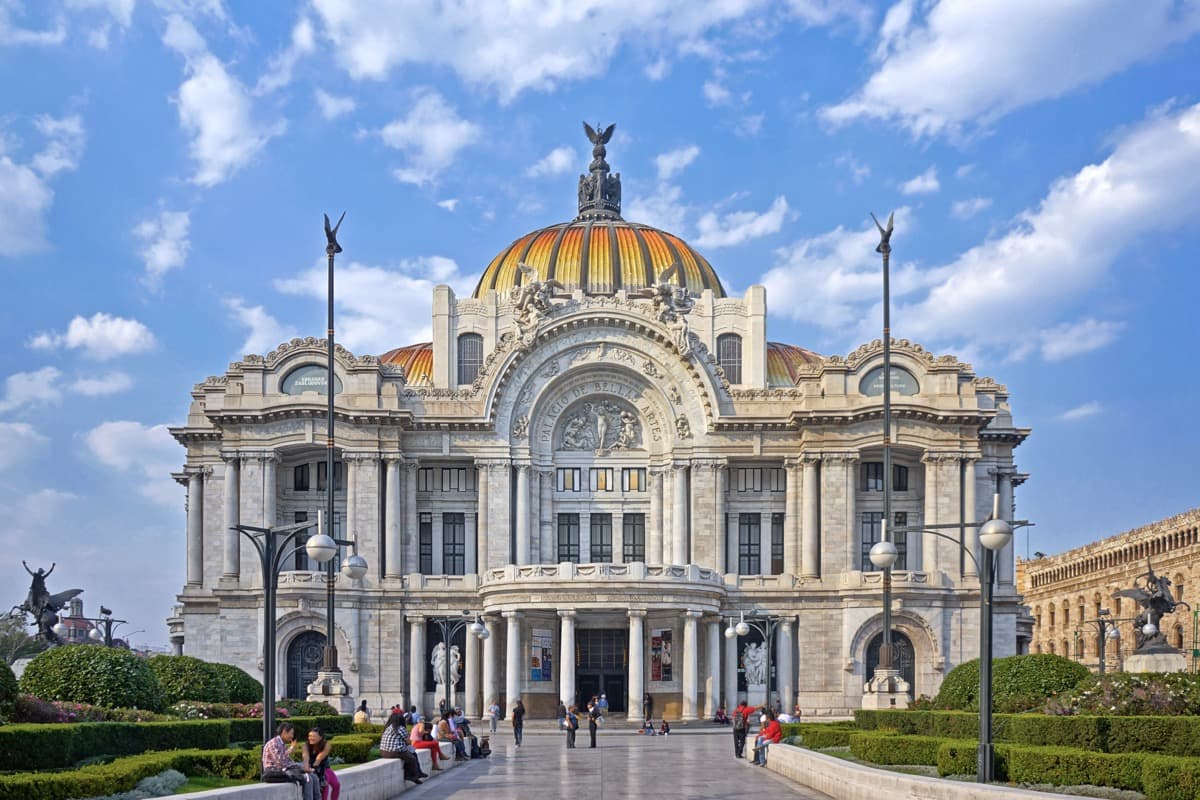
Centro Histórico: Three Civilizations Deep
90 min · 2 km · easy
More from Mexico City
Explore more at your own pace.

Chapultepec Park Guide: Hill, Lakes and Museum Row
Coatlicue: The Statue That Was Buried Twice
El Sargento: The Dead Ahuehuete Tree of Chapultepec
The Baños de Moctezuma: The Bath That Was Never Moctezuma's
The Tlaloc Monolith: The Stone That Crossed Mexico City in 1964