Pakal's jade death mask is a mosaic of about 200 pieces of green jade, with shell eyes and obsidian irises, about 25 centimetres tall. It covered the face of K'inich Janaab' Pakal, who died in 683, and was found in his tomb at Palenque in 1952. It is in Hall 9, the Maya hall, of the Museo Nacional de Antropología in Mexico City.
Pakal's jade mask is about 25 centimetres tall and is the original, not a copy. It is in Hall 9, the Maya hall, of Mexico City's Museo Nacional de Antropología, shown beside a reconstruction of the king's burial.
What you can see
The face is a mosaic of green jade, fitted piece by piece into a calm, even expression. The museum's record counts about 200 fragments, shaped to form the forehead, cheekbones, nose, eyelids and lips. Wikipedia counts over 346, so the number depends on who counts and how. We say "about 200", the museum's figure.
The eyes are shell, and each iris is a small disc of dark obsidian. The museum's record, published on Google Arts and Culture, says the mouth is slightly open and the two upper central incisors are cut to form the ik sign. The same record reads the face as the Maize God, whom the dead ruler personified.
The king
Hear a stop from this walk
Palacio Nacional: Three Layers of Power
The mask covered the face of K'inich Janaab' Pakal of Palenque. INAH, citing the inscriptions, says he was born on 23 March 603, began to rule around 615 and died, quite old, in 683.
Alberto Ruz Lhuillier found the tomb in 1952, at the bottom of a stairway packed with rubble under the Temple of the Inscriptions. Wikipedia says the skeleton lay in the sarcophagus wearing a jade mask and bead necklaces.
A mask put back together
This is the part labels skip. INAH's restorer Laura Filloy Nadal describes the work done around 2000, when the mask was prepared for an exhibition at the Antiguo Colegio de San Ildefonso. Under the jade pieces her team found layers of polyurethane foam, plasticine and ochre, red and yellow pastes that earlier restorers had used to hold the stones in place. Slides from Ruz's team in 1952 showed that stucco had been there originally, perhaps as the glue.
A temporary ceramic mount was shown in November 2001. When the mask came back to the museum, it was remounted in acrylic resin, and INAH says that mount remains today. So what you see is jade of about the seventh century, arranged by modern hands, working from the evidence they had.
The lid you may see beside it
Hall 9 also holds a replica of Pakal's tomb. INAH calls it a replica of the tomb with a recreated sarcophagus, so the sarcophagus and its lid in the hall are reproductions, and the originals are at Palenque. Wikipedia describes the lid's imagery: Pakal lies on the earth monster, over open jaguar jaws that stand for Xibalba, the underworld, and above him a celestial bird perches on a cosmic tree.
Your visit
Head for Hall 9 on the ground floor and look at the eyes first, then at the teeth. The Roamer museum guide tells this piece in the room, at your own pace. Roamer is an independent guide, not affiliated with the museum or INAH.
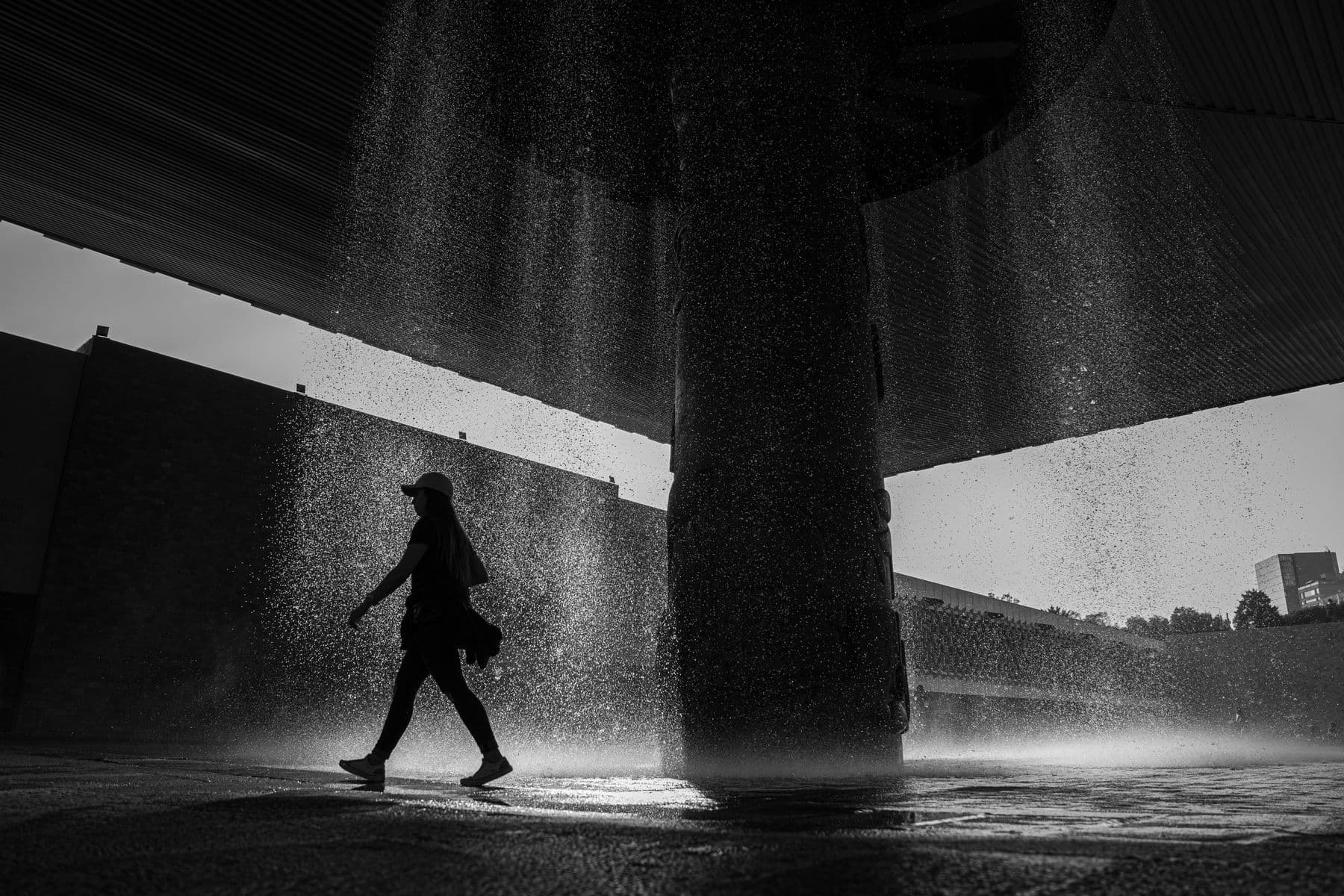
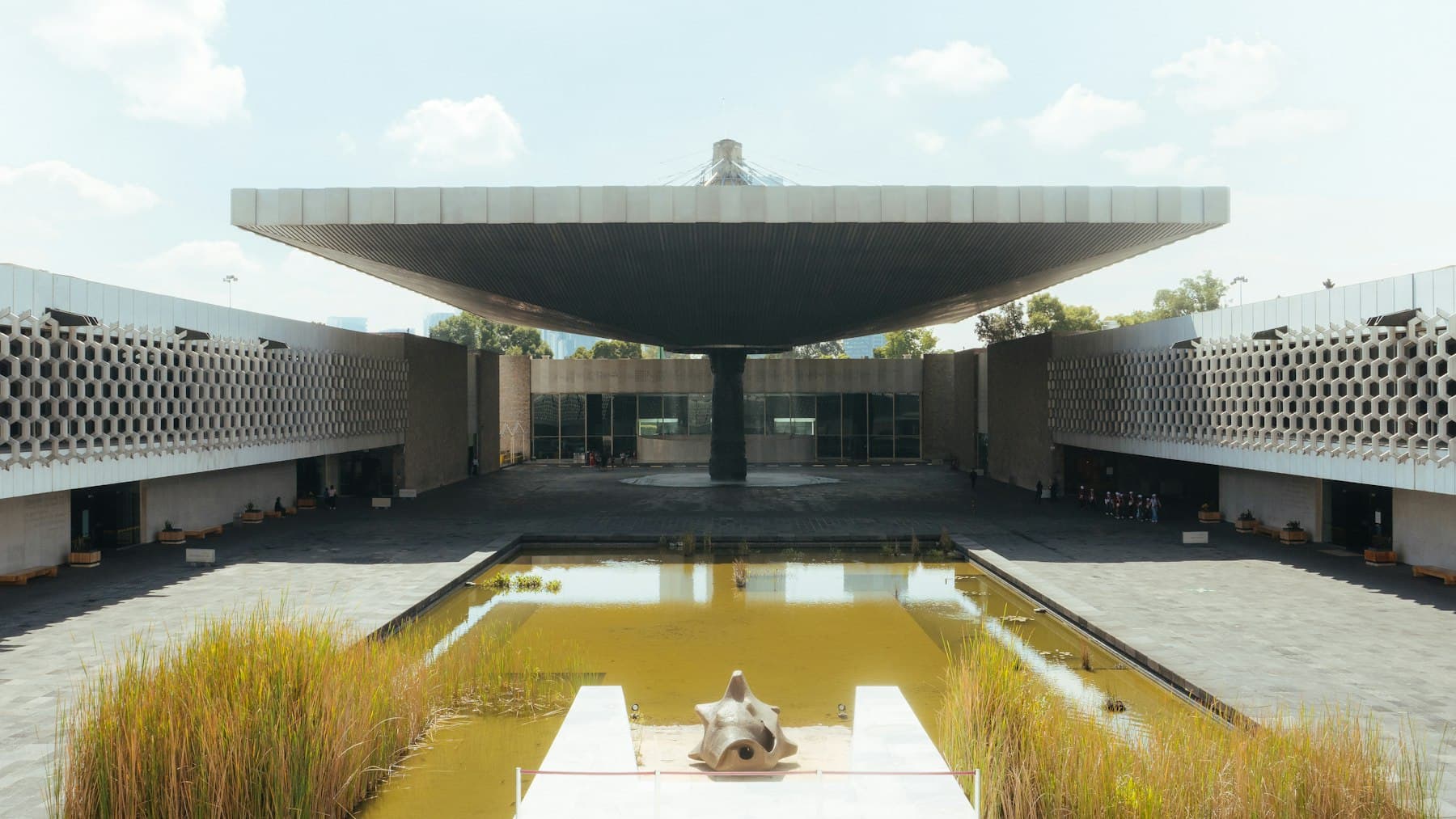
Cover: under the Umbrella in the patio of the Museo Nacional de Antropología. Photo: Jonatan Bermudez Pascuas on Pexels.
Mexico eSIM· 10% off with ROAMER10
Ready to experience it?
Centro Histórico: Three Civilizations Deep
90 min · 2 km · easy
More from Mexico City
Explore more at your own pace.

Chapultepec Park Guide: Hill, Lakes and Museum Row

Coatlicue: The Statue That Was Buried Twice
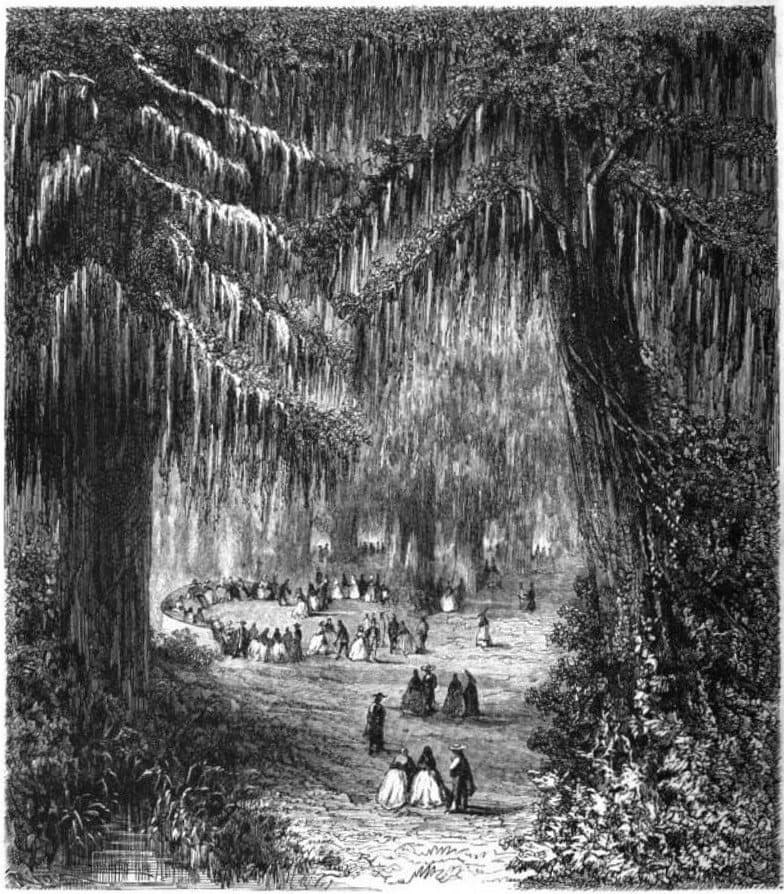
El Sargento: The Dead Ahuehuete Tree of Chapultepec
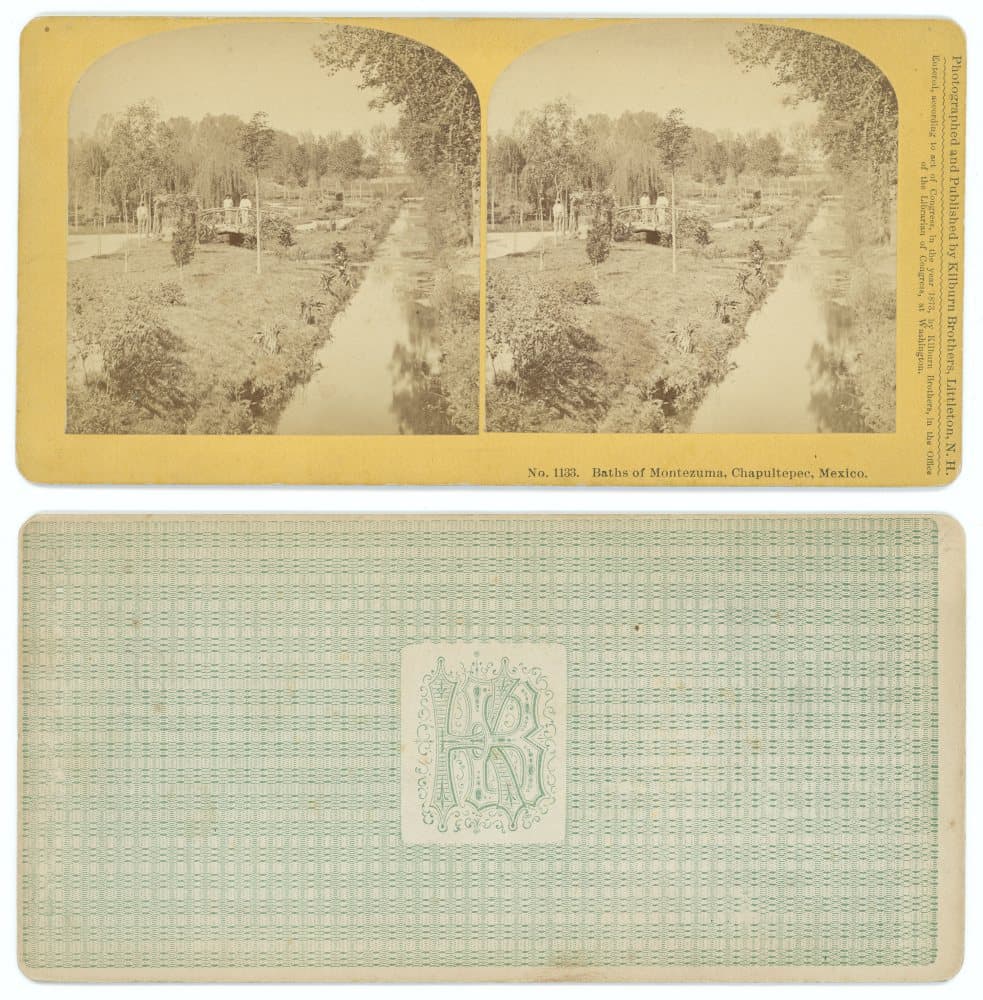
The Baños de Moctezuma: The Bath That Was Never Moctezuma's
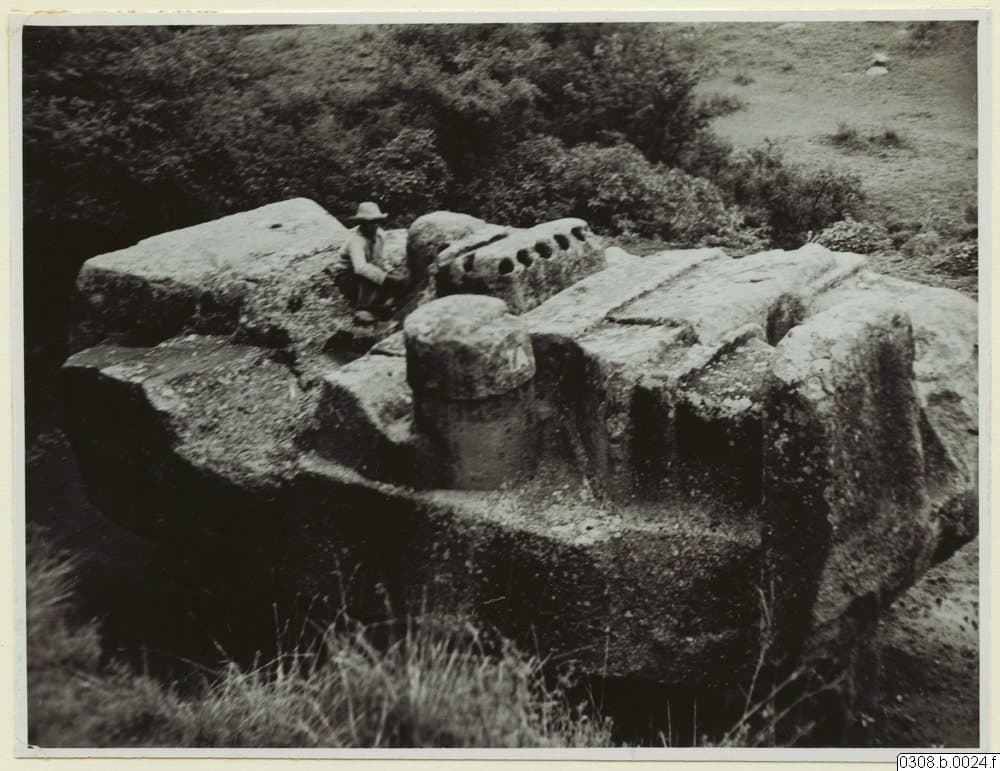
The Tlaloc Monolith: The Stone That Crossed Mexico City in 1964