The Medieval Mile: Castle to Cathedral
120 min · 2.3 km · moderate
Kilkenny packs a whole medieval world into a single mile on the river Nore, and for a few years in the sixteen forties this river town was the effective capital of Ireland. The city grew around two poles: a church of Saint Canice, whose sixth-century monastery gave Kilkenny its Irish name, Cill Chainnigh, the church of Canice, and a castle of the Anglo-Norman Butlers, Earls and later Dukes of Ormond, who held the place for roughly six centuries. Read those two poles and the narrow lanes between them, and you read the whole city: the lordly spine of castle, charters, and cathedral, and behind it the working and sometimes dark underlife of merchants, brewers, and the accused. Two self-guided walks let you do exactly that at your own pace. The Medieval Mile climbs the grand spine from castle to cathedral, and the Slips walk drops into the shadow-city that ran alongside it.
The spine: castle, charters, cathedral
The grand story runs uphill in a little over two kilometres. It starts at Kilkenny Castle, on a terrace that has commanded the Nore crossing since the twelfth century. The first castle here was a wooden one raised by the Anglo-Norman lord Richard de Clare, known as Strongbow; the great stone castle that followed owed its major development to William Marshal, who married Strongbow's daughter Isabel in eleven eighty-nine, and it was completed about twelve sixty. In thirteen ninety-one James Butler bought it, and from then the Butler family held it for roughly six hundred years. That hold ended in nineteen sixty-seven, when Arthur Butler, sixth Marquess of Ormonde, sold the castle for fifty pounds to a local restoration committee, in effect a gift to the people of Kilkenny. Three of the four original corner round towers still stand.
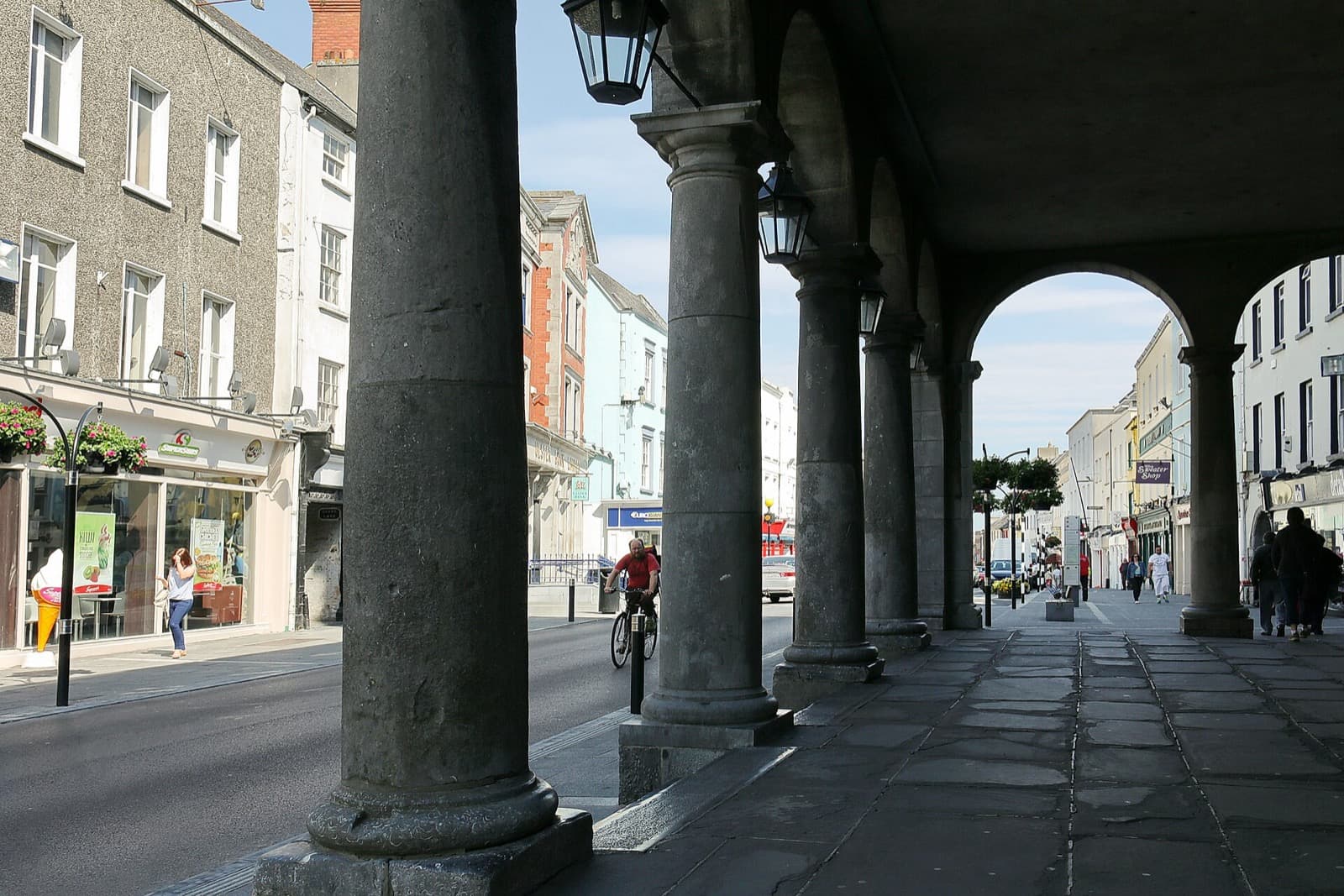
From the castle gates the Medieval Mile climbs the High Street, and the buildings along it are the machinery of a self-governing medieval town. The Tholsel, the arcaded old town hall and toll-house, was built in seventeen sixty-one on a civic site used since medieval times. This is where Kilkenny proved, in writing, that it had the right to govern itself: the town's earliest surviving book, the Liber Primus Kilkenniensis, runs from twelve thirty-one to fifteen thirty-eight and opens with an early thirteenth-century charter of William Marshal, first Earl of Pembroke, granting the burgesses their liberties. A little further up, Rothe House is one of the finest survivals of Tudor Ireland, three linked merchant homes built by John Rothe Fitz-Piers between fifteen ninety-four and sixteen ten around three cobbled courtyards, described as Ireland's only surviving complete burgage plot. The merchant families who ran the town are gathered again at Saint Mary's, the citizens' parish church founded in twelve oh two, deconsecrated in nineteen fifty-seven and reopened in twenty seventeen as the Medieval Mile Museum, which holds one of Ireland's finest collections of medieval and Tudor carved tombs, including memorials of the Rothe, Archer, and Shee families.
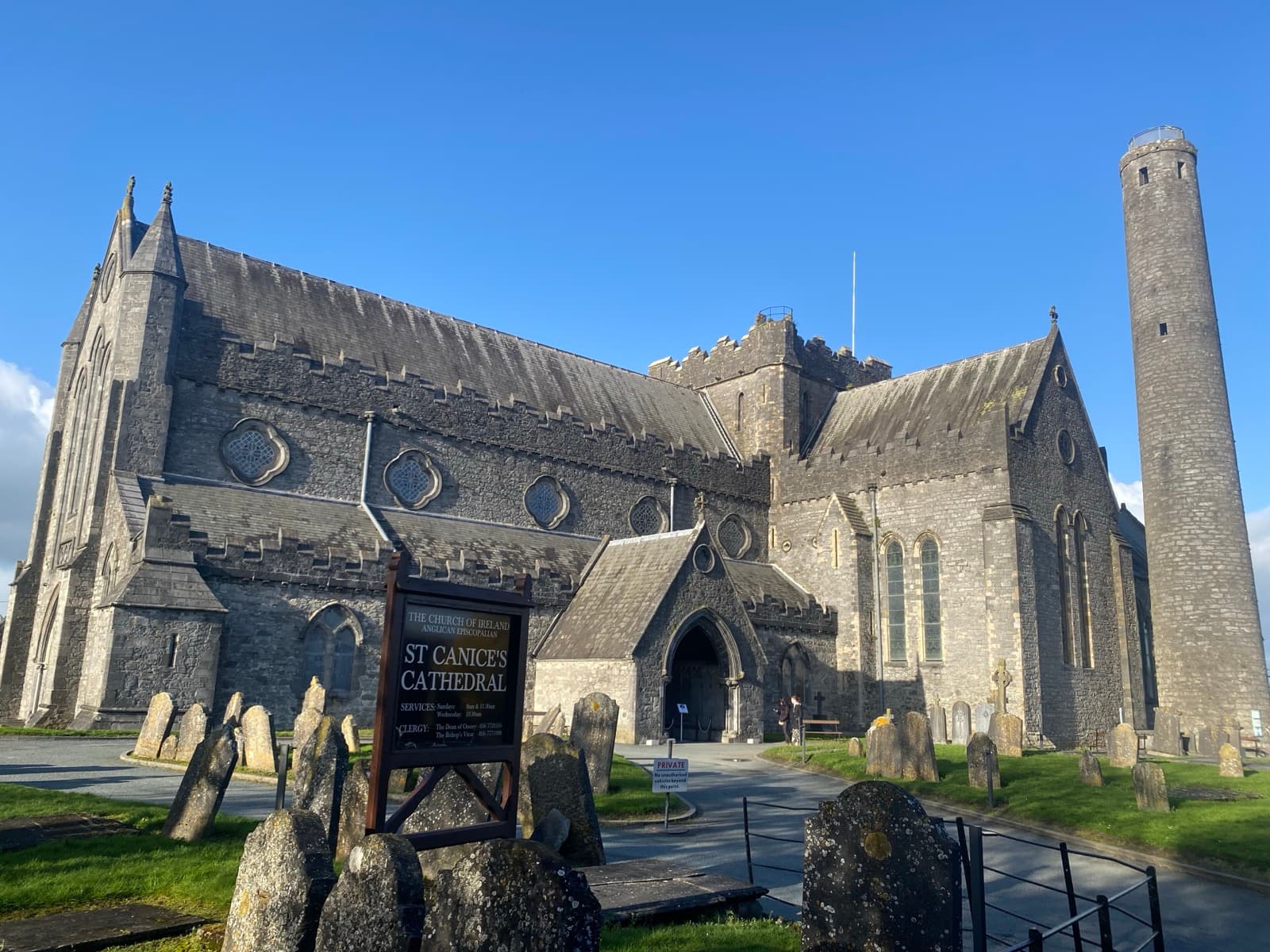
The Mile ends where the city began. Saint Canice's Cathedral, a Church of Ireland Gothic church built roughly between twelve oh two and twelve eighty-five, stands on the site of the sixth-century monastery of Saint Canice, who lived from about five hundred and fifteen to six hundred. Beside it rises a round tower about thirty metres high, dated to around the ninth century, the oldest standing structure in the city, older than every wall and lane below it. The cathedral's own account records it as one of only two round towers in Ireland that visitors can still climb, up one hundred and twenty-one steps. Walk the spine end to end and the arc closes: from the Butler castle on the river to the church that named the whole city.
The underlife: the witch, the ale, and the capital
Hear a stop from this walk
Saint Canice's Cathedral and the Round Tower: The Thousand-Year Church That Named the City
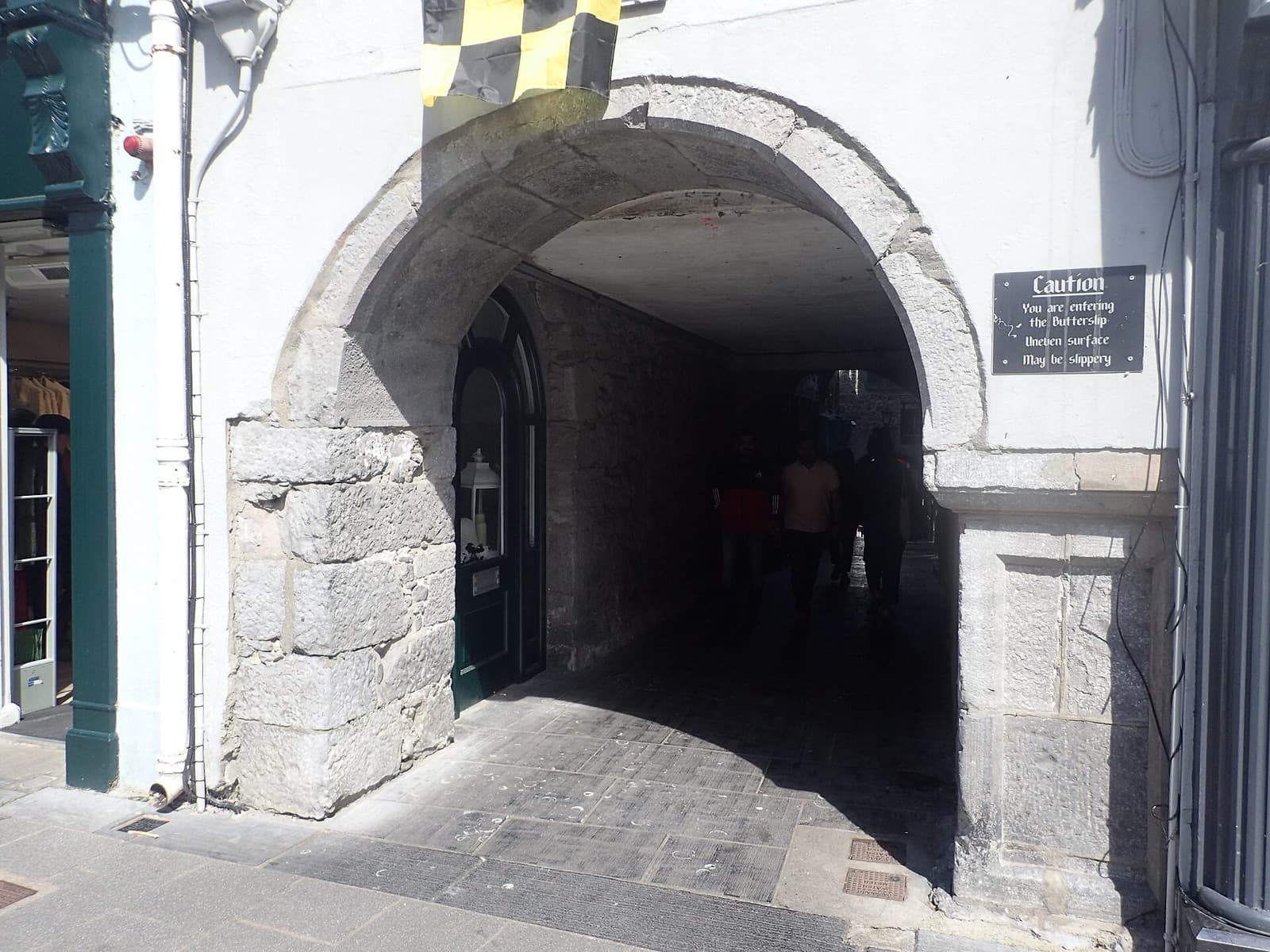
Behind that ceremonial mile winds the other Kilkenny, threaded by the narrow medieval passages locals call slips. The best known is the Butter Slip, a dark stepped lane built in sixteen sixteen and named for the butter vendors who traded in its cool shade on market days. These service lanes are where the everyday and often harder city moved, and the Slips walk reads its human history plainly.
The starkest stop is Kyteler's, on Saint Kieran's Street, traditionally linked to Dame Alice Kyteler, a wealthy moneylender married four times. In thirteen twenty-four she was accused of witchcraft and heresy before Richard de Ledrede, the English-born Franciscan Bishop of Ossory, in one of the earliest such cases in Ireland. Much tourism copy gets this badly wrong: Alice, wealthy and well-connected, escaped, most likely to England or Flanders. The person who died was her maidservant, Petronilla de Meath, a young woman of around twenty-four who was tortured, flogged through six parishes, and burnt at the stake on the third of November, thirteen twenty-four, recorded in academic scholarship as the first known death by fire for heresy in Ireland and the British Isles. The Franciscan chronicler John Clyn noted it as unprecedented. She deserves to be remembered as a person, not a ghost-tour thrill.
The slips hold the city's other faces too. The Shee Alms House on Rose Inn Street, one of the few surviving Tudor almshouses in Ireland, was founded in fifteen eighty-two by the merchant Sir Richard Shee to shelter twelve poor persons, the charitable counterweight to the town's wealth. Grace's Castle, a Norman townhouse built by William le Gras before twelve ten, became the County Gaol and then a courthouse, and still serves as the county courthouse today: centuries of the accused and the confined on one site. And by the Nore, the ruin of Saint Francis Abbey, a Franciscan friary founded between twelve thirty-one and twelve thirty-four, is where the friars brewed ale from the fourteenth century. A commercial brewery operated on those grounds from seventeen ten until twenty thirteen, so the ale that carried Kilkenny's name into the world flowed from this quiet corner for six hundred years.
The years Kilkenny governed Ireland
Both stories converge on the sixteen forties. After the rebellion of sixteen forty-one, a Confederate Catholic government formed here, drawing together Old English, native Irish, and some New English Catholics. The Confederation of Kilkenny held its first General Assembly in October, sixteen forty-two, met near the Market Yard on the street now called Parliament Street, and governed roughly two-thirds of Ireland until sixteen forty-nine. It called itself an assembly rather than a parliament because it had not been summoned by the king, yet it formed two houses of Lords and Commons and struck its own coinage bearing no royal image. Rothe House on the Medieval Mile is a suspected meeting site of the Confederation's Ecclesiastical Assembly, which is why the grand walk and the shadow walk belong to the same history. The reckoning came fast: Oliver Cromwell landed in Ireland in August, sixteen forty-nine, and the Siege of Kilkenny ran from the twenty-second to the twenty-eighth of March, sixteen fifty, when a garrison of around three hundred under Sir Walter Butler surrendered the city to Cromwell's force of some four thousand and marched away with colours flying. Kilkenny's brief time as a capital ended.
Why walk it at your own pace
Kilkenny rewards slowness because the whole city sits inside one compact mile, and the two layers, spine and slips, are best read against each other. On the Medieval Mile you climb from castle to cathedral through charters and merchant houses; on the Slips walk you drop into the lanes where the witch trial, the almshouse, and the brewing friary sit. Do them in either order, linger where a story holds you, and the medieval capital comes into focus as a single place. For the full set of routes through the city, start from Kilkenny walking tours.
Sources
- Kilkenny Castle, Office of Public Works (heritageireland.ie): history of the Butler seat and its transfer in nineteen sixty-seven.
- Medieval Mile Museum, Kilkenny (medievalmilemuseum.ie): Saint Mary's collection of carved tombs and the Confederation of Kilkenny's first General Assembly.
- Saint Canice's Cathedral and Round Tower (stcanicescathedral.ie): cathedral dating, the sixth-century monastery, and the climbable round tower.
- Bernadette Williams and academic scholarship on the Kyteler case and the burning of Petronilla de Meath, thirteen twenty-four.
- Heritage Ireland, Saint Francis Abbey: Franciscan foundation and the friars' brewing of ale.
Frequently asked questions
- Why is Kilkenny called Ireland's medieval capital?
- For a few years in the sixteen forties Kilkenny was the effective capital of Catholic Ireland. After the rebellion of sixteen forty-one, the Confederation of Kilkenny held its first General Assembly in October, sixteen forty-two, and governed roughly two-thirds of Ireland until sixteen forty-nine, when Oliver Cromwell's conquest ended it.
- What is the Medieval Mile in Kilkenny?
- The Medieval Mile is the roughly two-kilometre spine that runs from Kilkenny Castle on the river Nore uphill to Saint Canice's Cathedral. Along it stand the Tholsel town hall, the Tudor merchant complex Rothe House, Saint Mary's Medieval Mile Museum, and the friars' Black Abbey.
- Who was Petronilla de Meath?
- Petronilla de Meath was the maidservant of Dame Alice Kyteler, a wealthy moneylender accused of witchcraft in thirteen twenty-four. Alice escaped, but Petronilla, a young woman of around twenty-four, was flogged and burnt at the stake in Kilkenny on the third of November, thirteen twenty-four, recorded as the first known death by fire for heresy in Ireland and the British Isles.
- How did Kilkenny get its name?
- Kilkenny comes from the Irish Cill Chainnigh, meaning the church of Canice. The city grew around the sixth-century monastery of Saint Canice, who lived from about five hundred and fifteen to six hundred, on the hilltop where Saint Canice's Cathedral now stands.
- Can you climb the round tower at Saint Canice's Cathedral?
- Yes. The round tower beside Saint Canice's Cathedral is about thirty metres high and dates to around the ninth century, making it the oldest standing structure in Kilkenny. According to the cathedral's own account it is one of only two round towers in Ireland that visitors can still climb, up one hundred and twenty-one steps and internal ladders.
Ready to experience it?
The Medieval Mile: Castle to Cathedral
120 min · 2.3 km · moderate
More from Kilkenny
Explore more at your own pace.
Kilkenny Travel Guide: Days, Transport, Best Time, Safety, and Budget
One Day in Kilkenny: A Walkable Medieval Mile, Morning to Evening
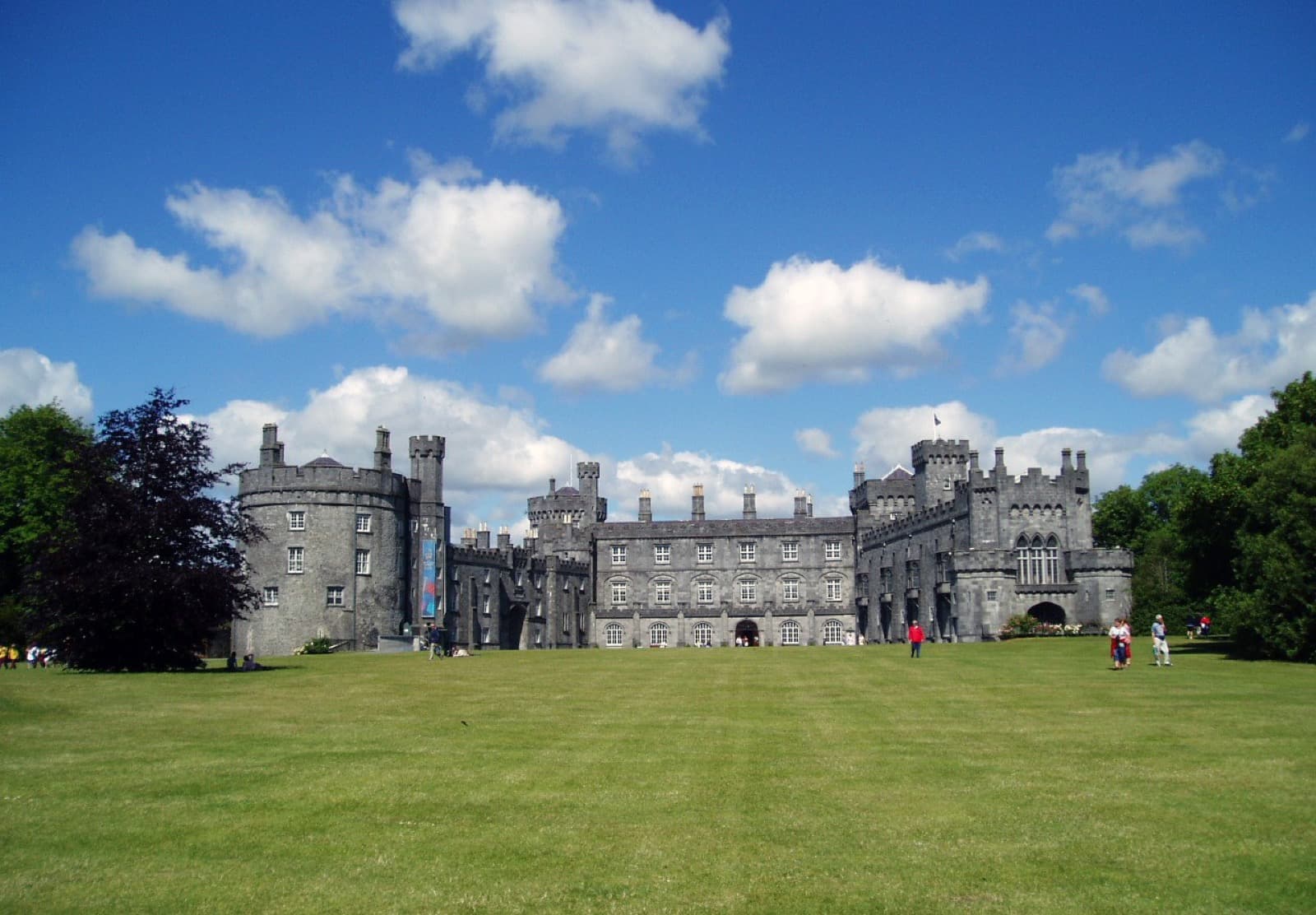
Kilkenny Castle and the Medieval Mile: One River Crossing, One Family, Six Hundred Years
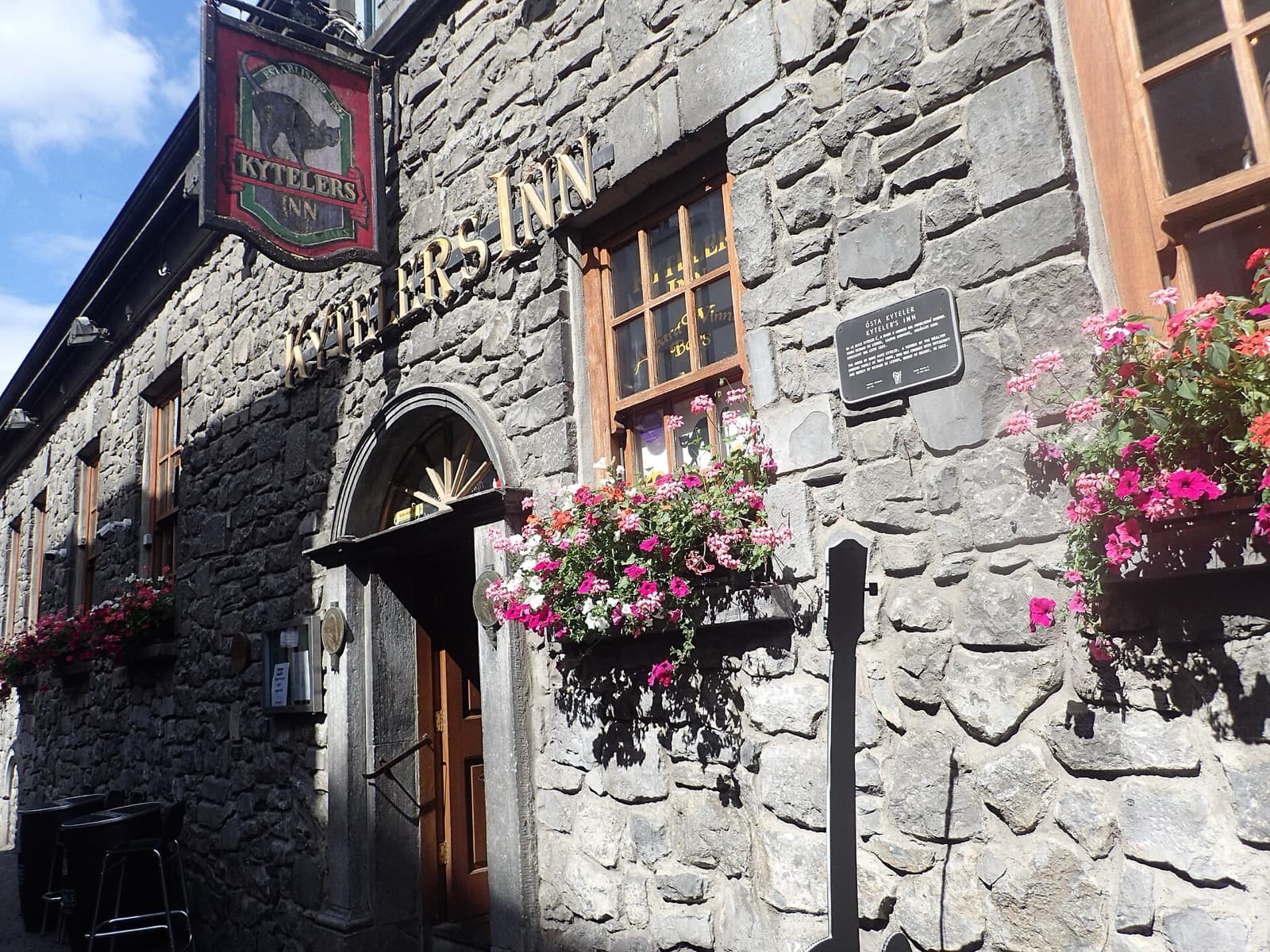
Kyteler's Inn and the Servant Who Burned in Kilkenny's Place
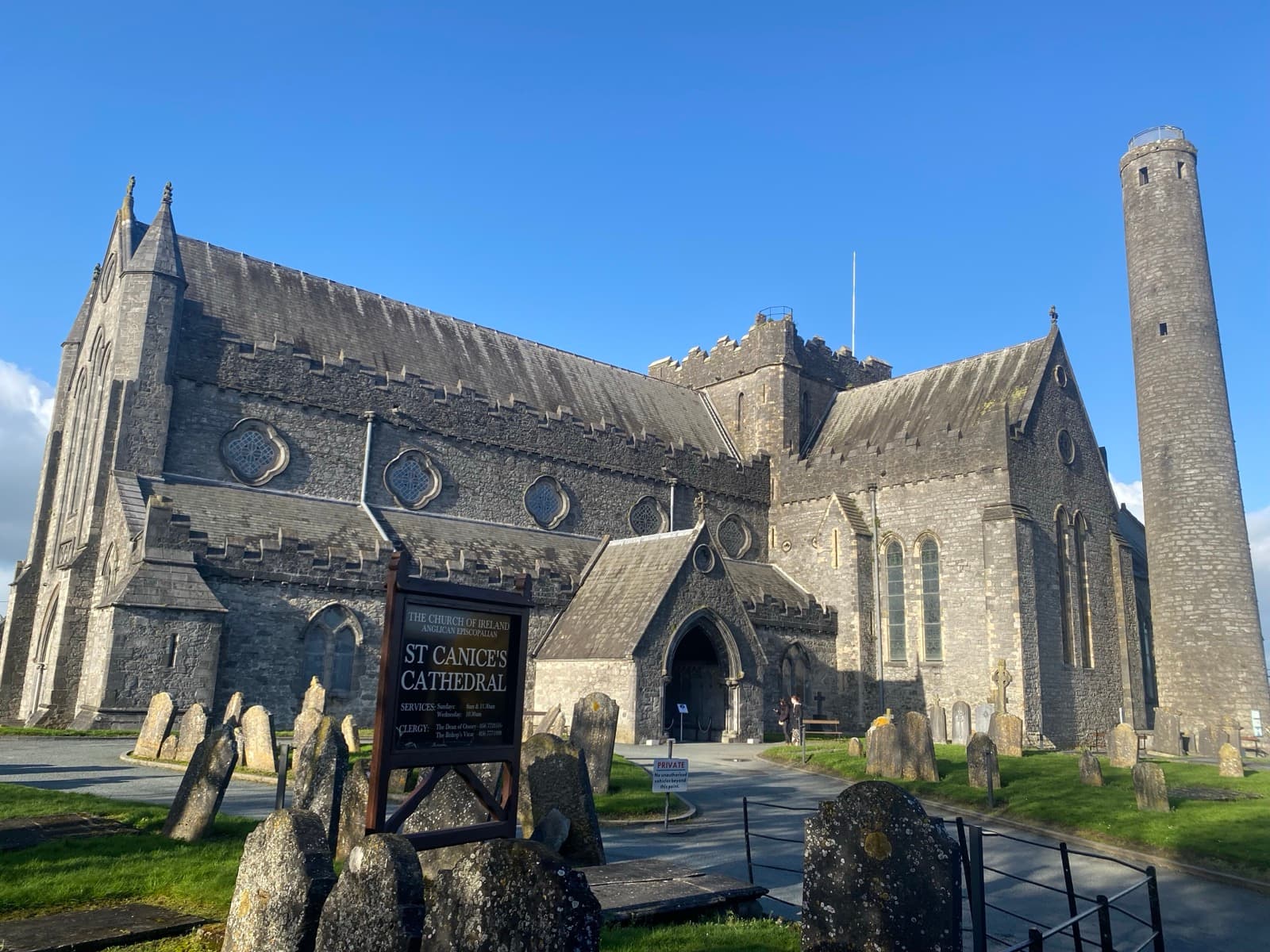
St Canice's Cathedral and Round Tower: The Hilltop Church That Named Kilkenny