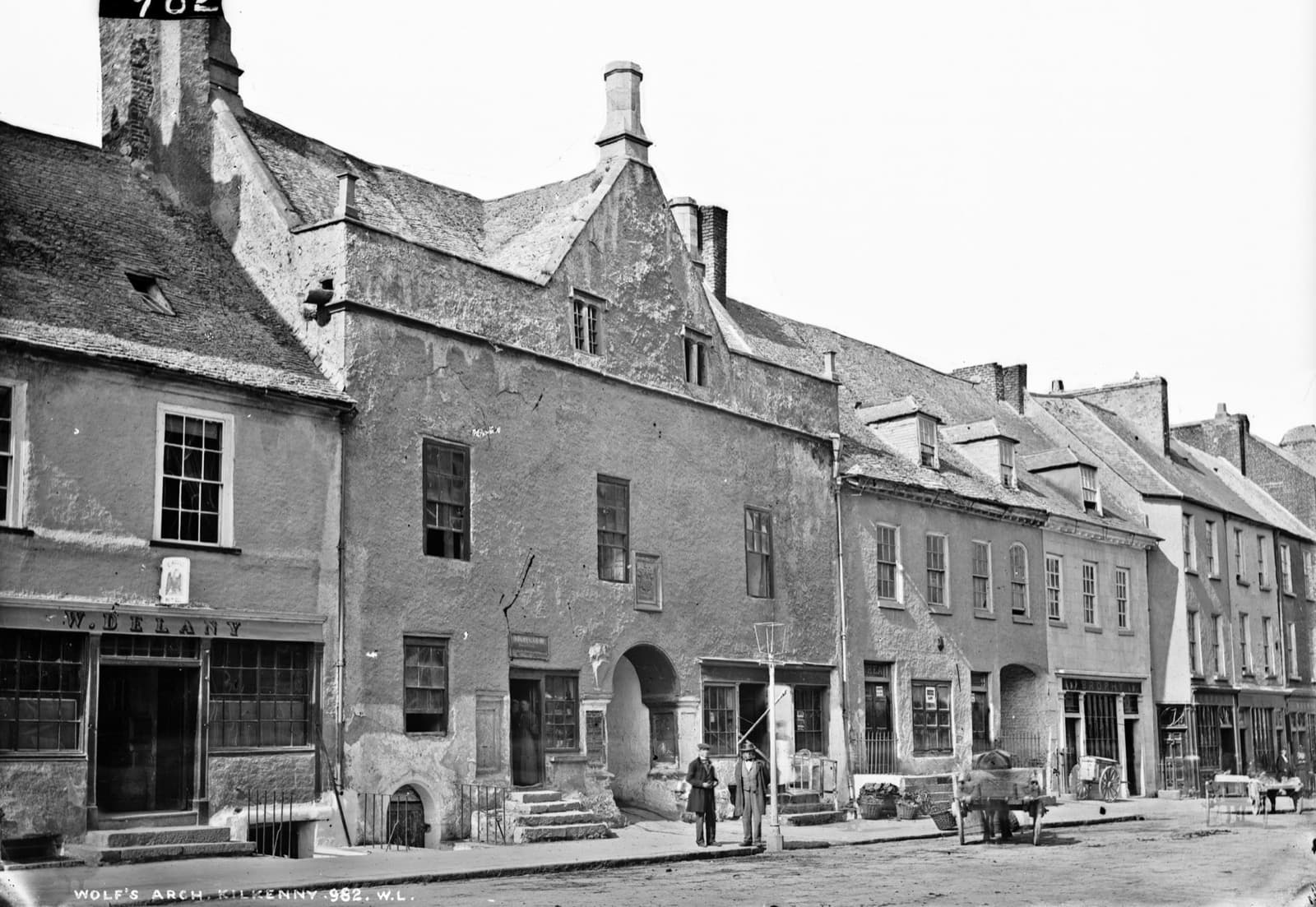
Behind Kilkenny's grand Medieval Mile runs the other city, read down its narrow medieval slips: a servant burned in her mistress's place, a merchant's almshouse, a brewing friary, and the few years this river town was the capital of Catholic Ireland.
Start · The Butter Slip: Down the Lane of the Butter Sellers
DirectionsStops
- 1
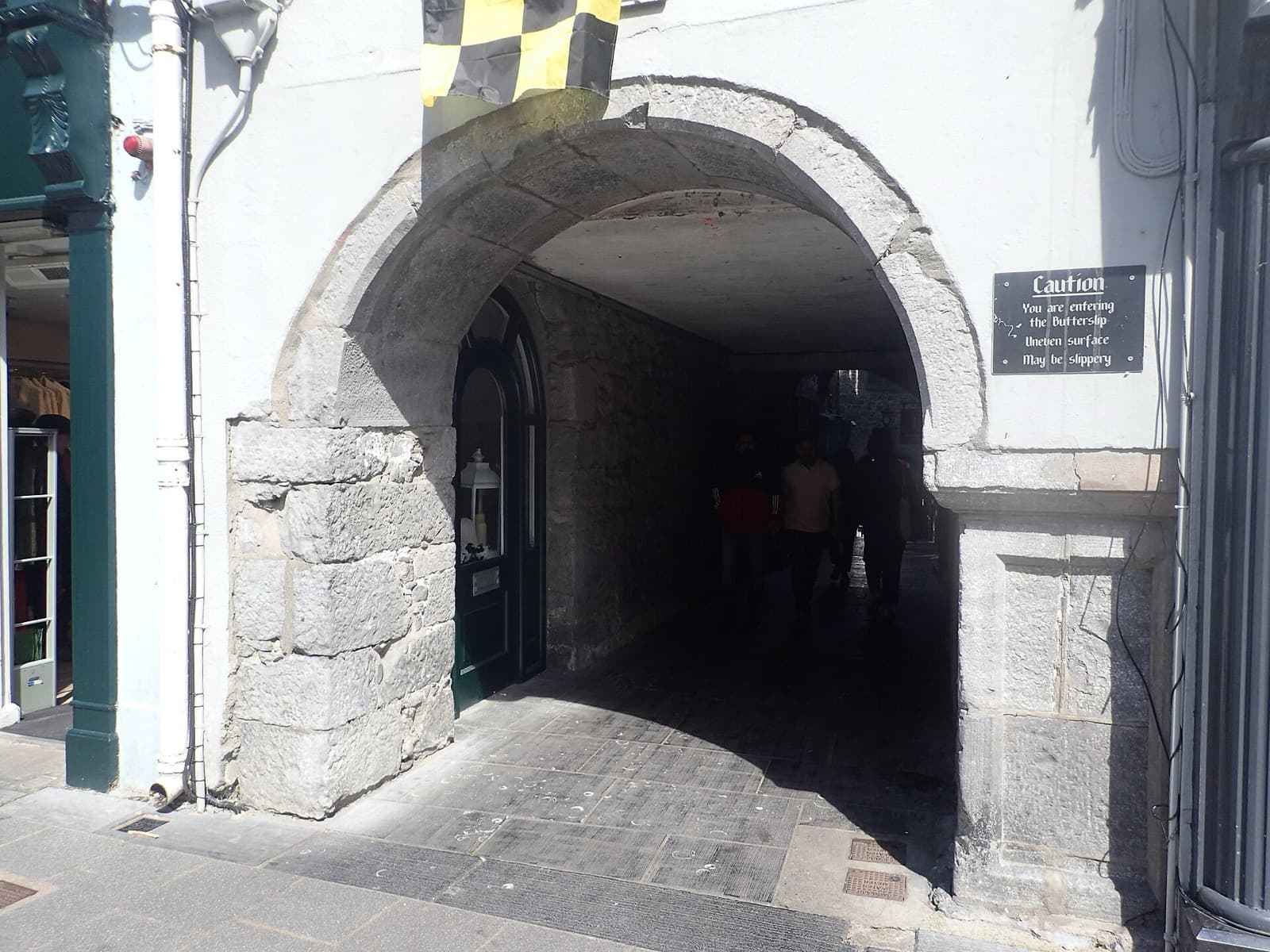
The Butter Slip: Down the Lane of the Butter Sellers
A dark, stepped medieval lane built in sixteen sixteen, the best known of the narrow passages the locals call slips.
- 2
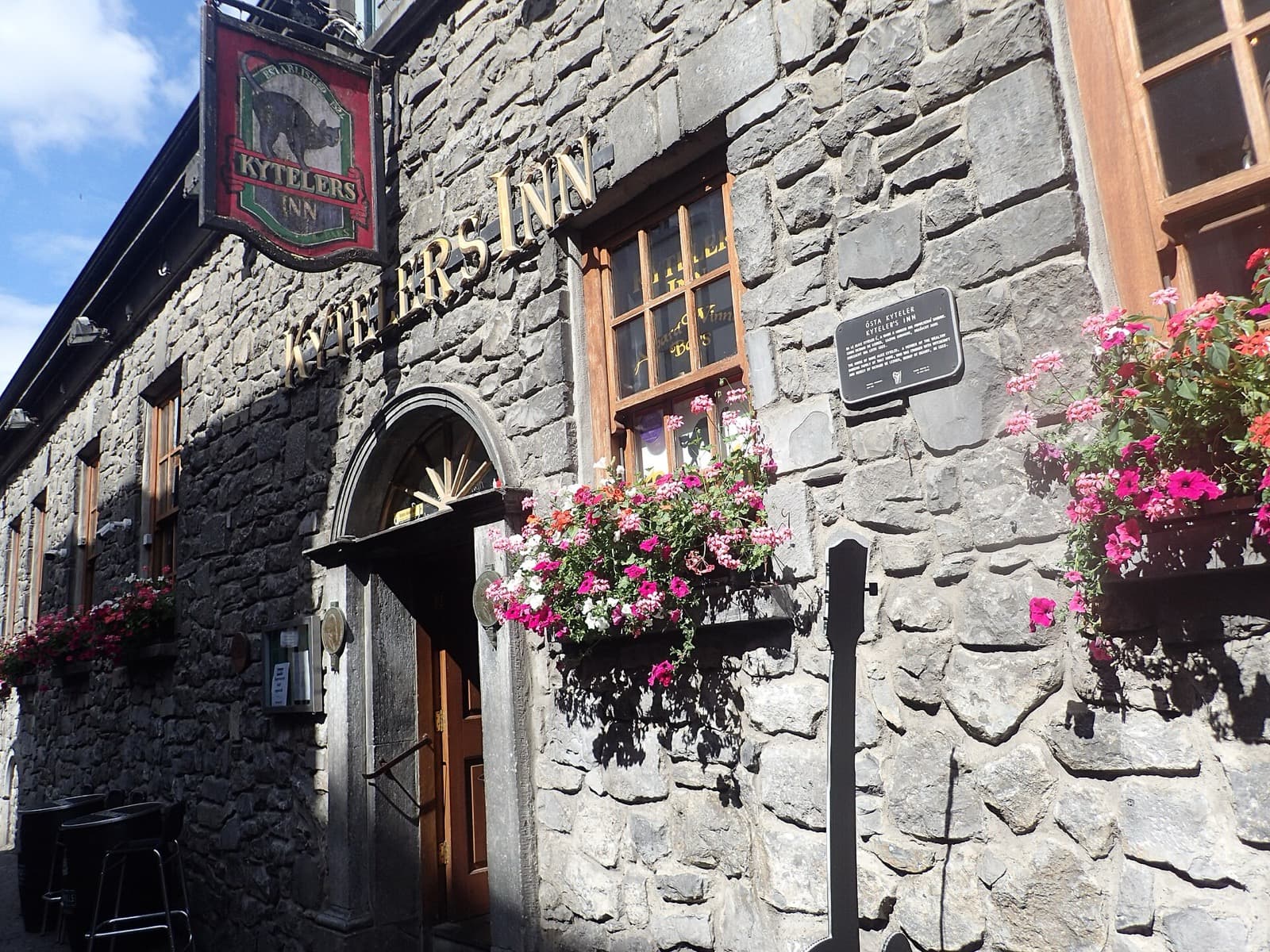
Kyteler's Inn: The Witch Who Fled and the Servant Who Burned
The site traditionally linked to Dame Alice Kyteler, accused of witchcraft in thirteen twenty-four, who escaped while her servant Petronilla de Meath was burned at the stake.
- 3
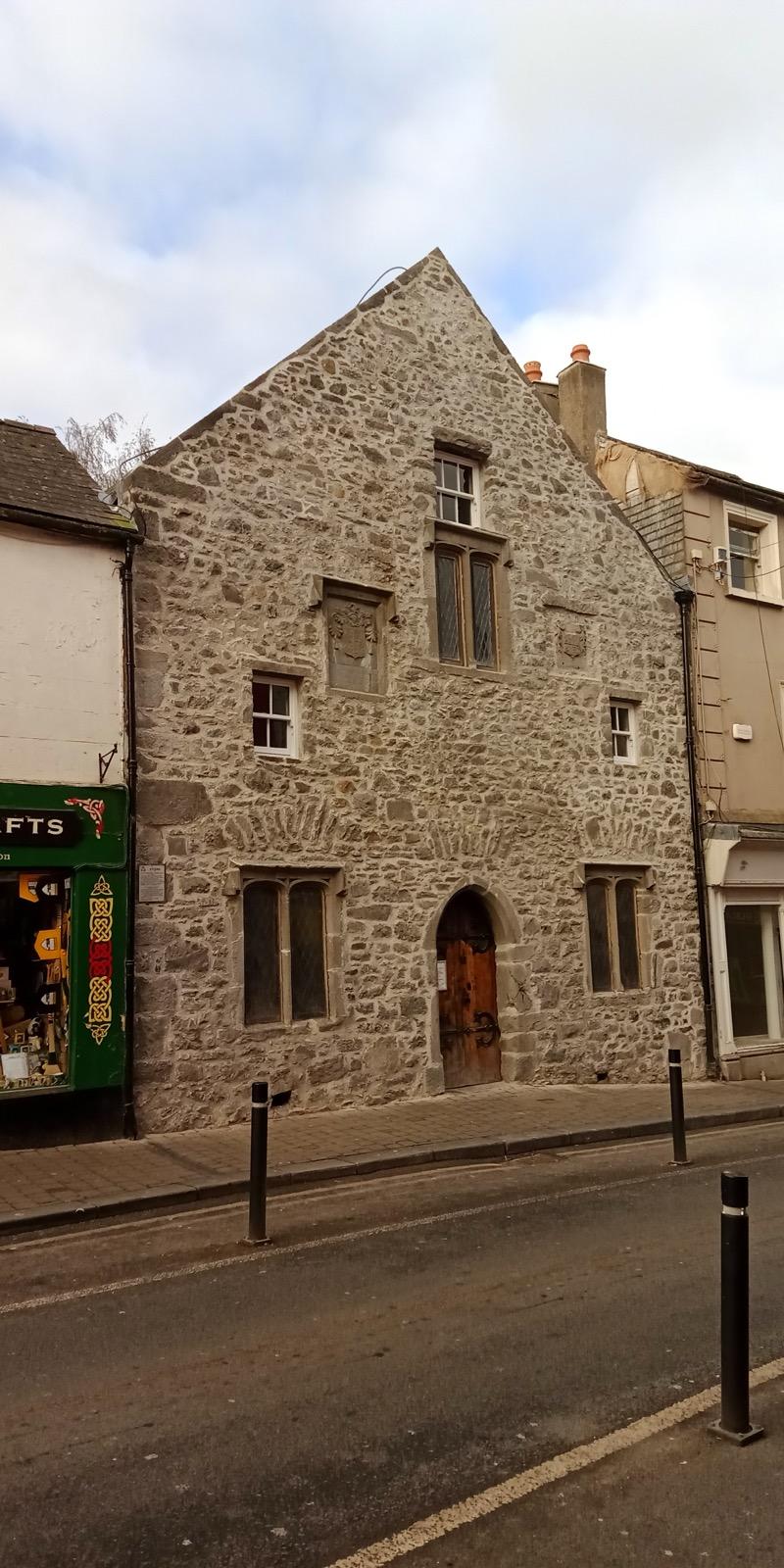
The Shee Alms House: A Merchant's Shelter for the Poor
A rare surviving Tudor almshouse on Rose Inn Street, founded in fifteen eighty-two by the merchant Sir Richard Shee to house twelve poor persons.
- 4
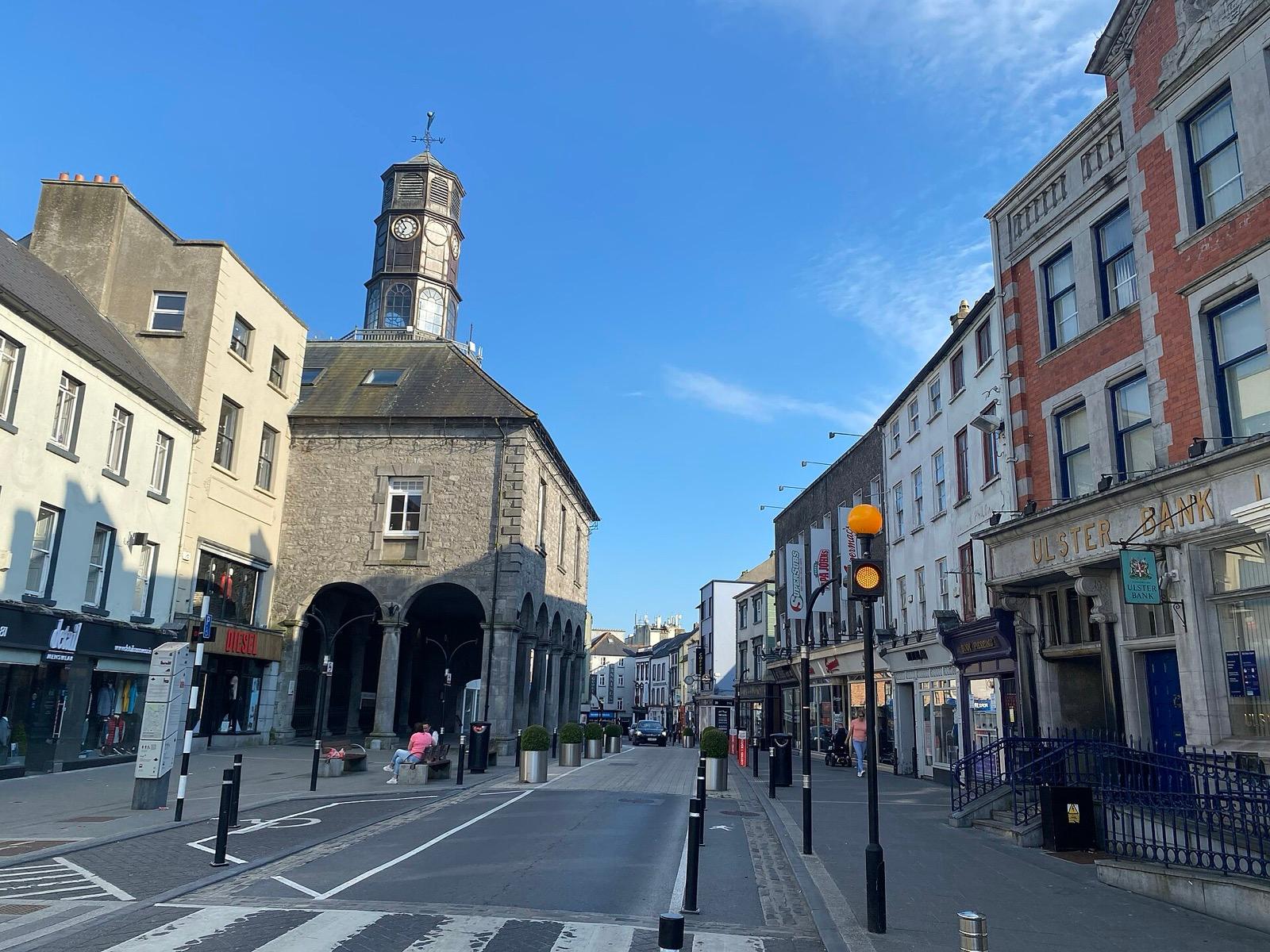
Parliament Street: When Kilkenny Was the Capital of Catholic Ireland
The street named for the Confederate assembly that made Kilkenny the effective capital of Catholic Ireland in the sixteen forties, until Cromwell took the city in sixteen fifty.
- 5
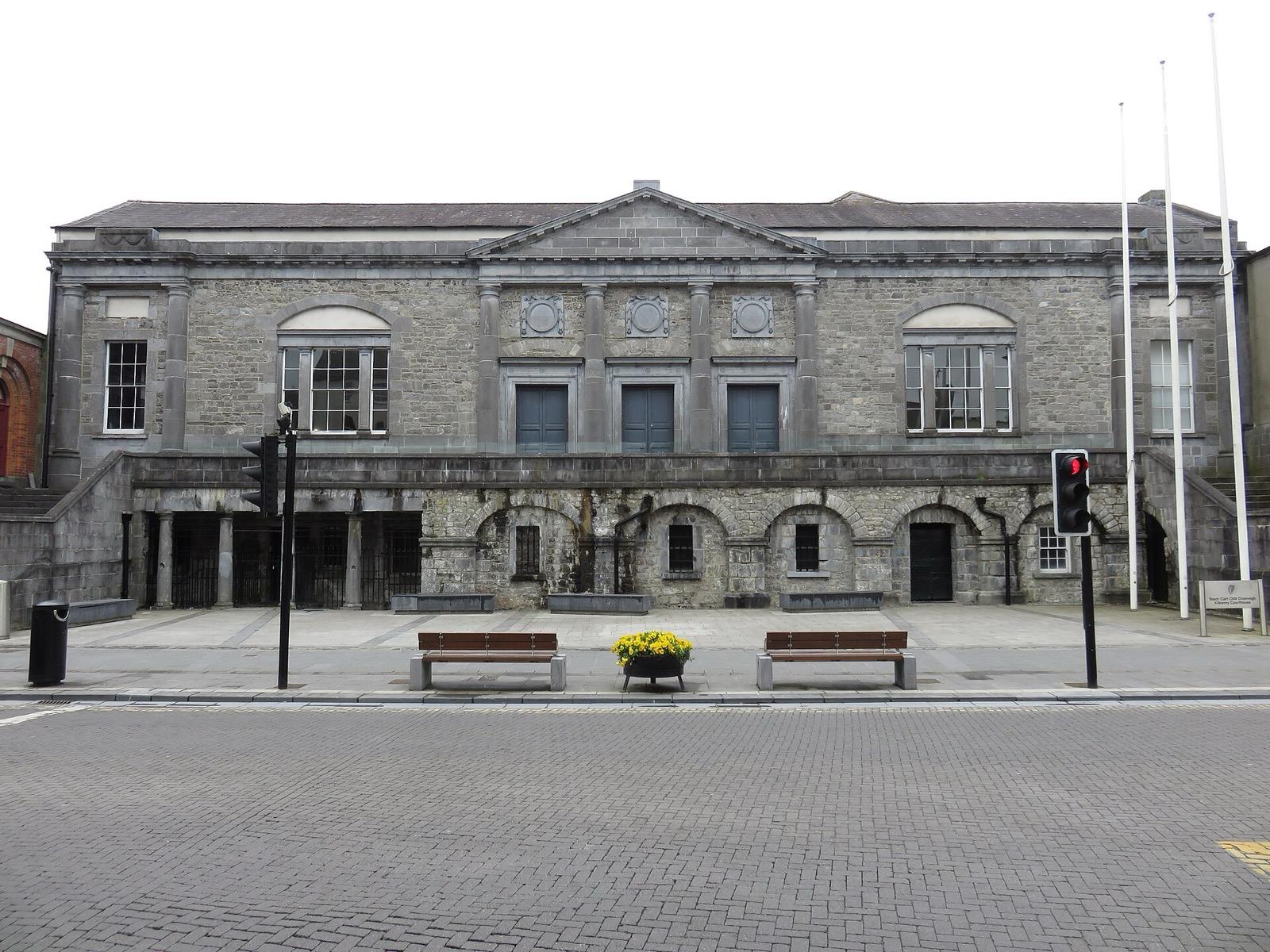
Grace's Castle: The Norman Keep That Became the County Jail
A Norman townhouse-castle built before twelve ten that became the County Gaol and then the courthouse, with medieval fabric surviving over its old cellars.
- 6
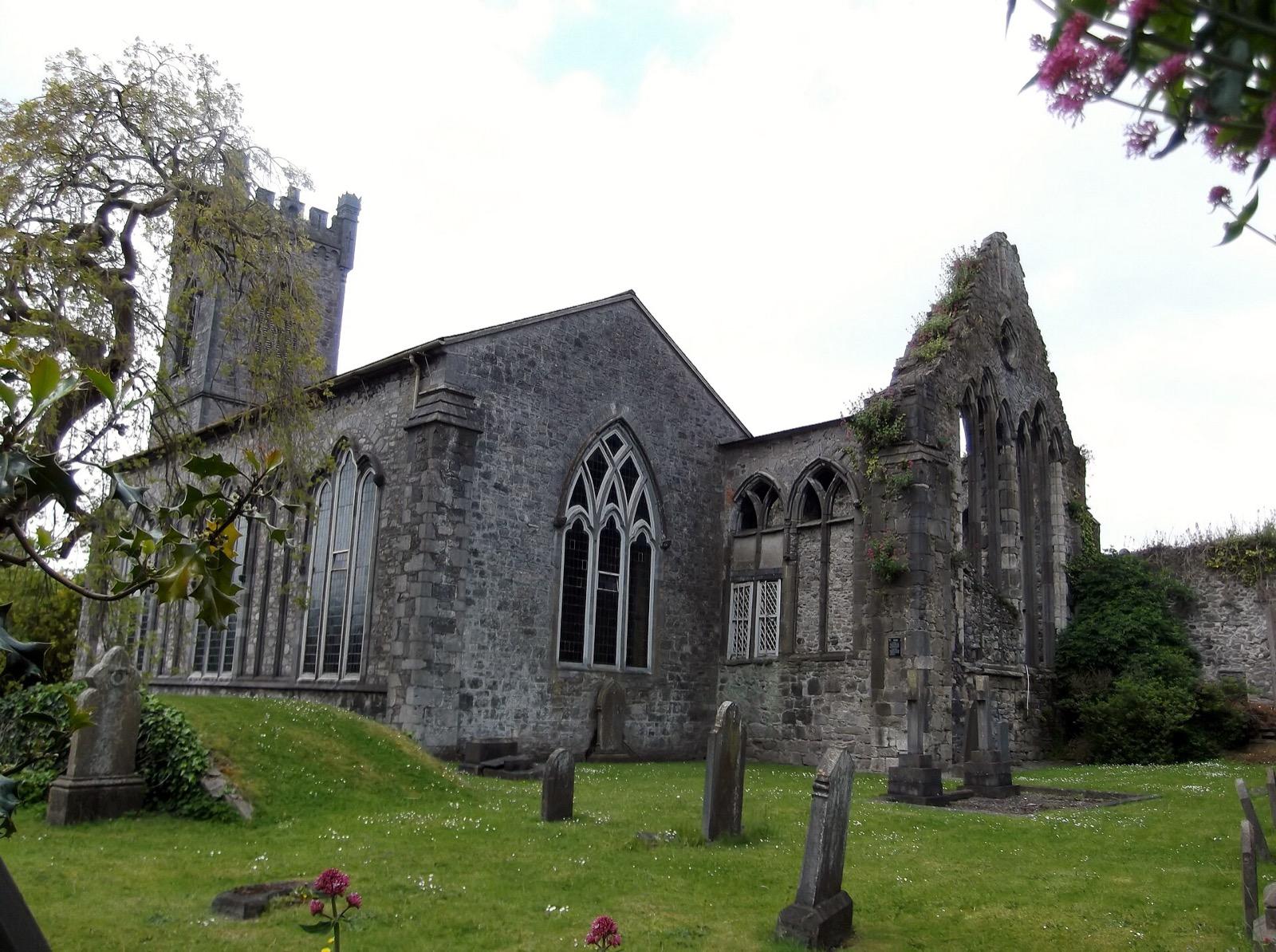
Saint Francis Abbey: The Friary by the River That Brewed the City's Ale
The ruin of a Franciscan friary founded in the twelve thirties whose friars brewed ale, its grounds carrying Kilkenny's brewing heritage for centuries.
- 7
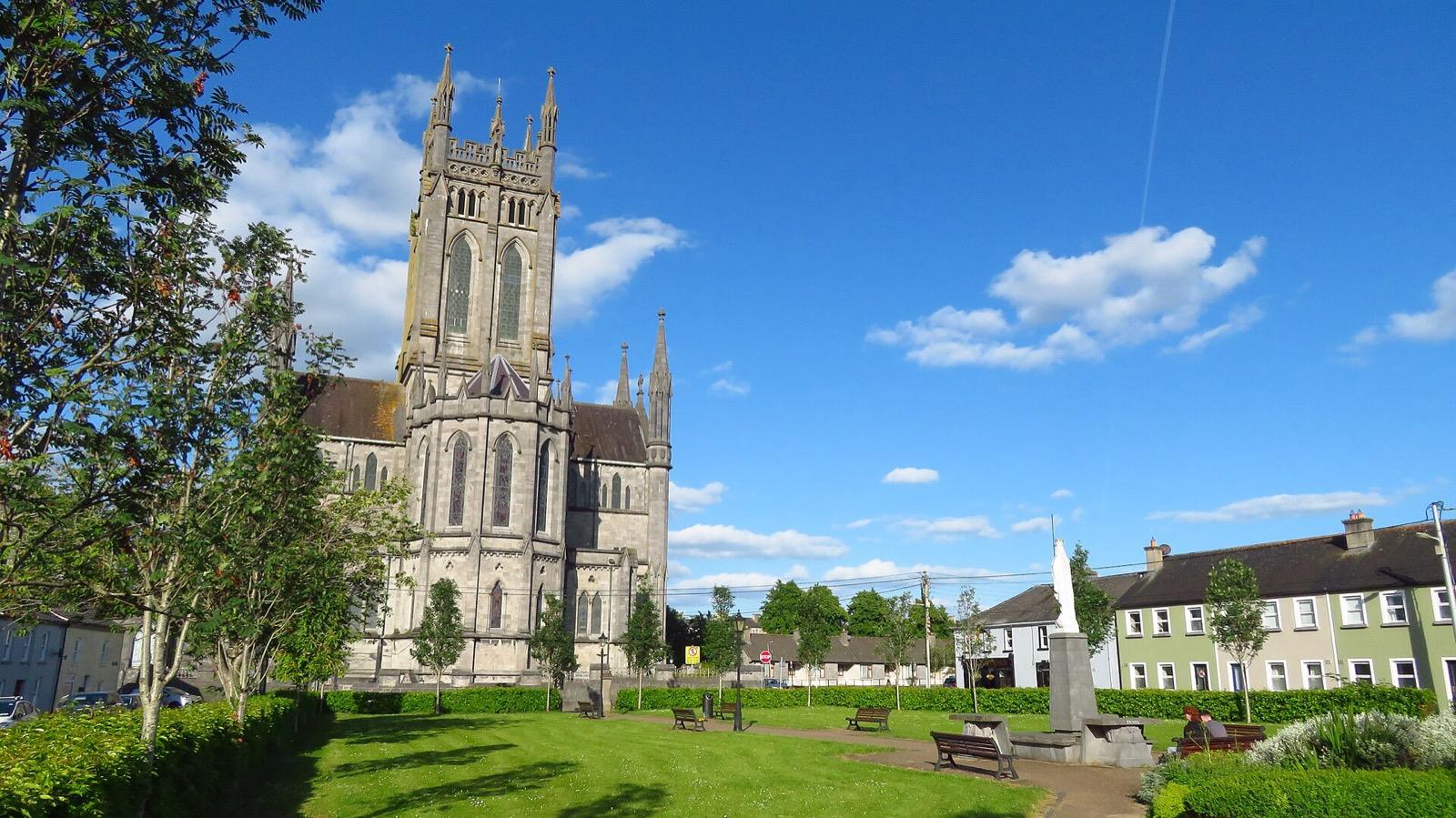
Saint John's Priory and John's Bridge: The Lantern of Ireland
An Augustinian priory of twelve eleven nicknamed the Lantern of Ireland for its many windows, beside the bridge with the classic view back over the medieval city.
Details
Best Time to Visit
Late morning to mid-afternoon on a weekday is ideal, when the slips and the Medieval Mile are open and lit but quieter than on summer weekends. Spring and early autumn bring softer light and thinner crowds than high summer. The stepped slips and the riverbank are most comfortable in dry weather, so aim for a clear spell if you can, and remember that Kilkenny's light fades early in winter.
Pro Tips
- •Wear shoes with good grip: the Butter Slip and the other slips are stone-stepped and can be slick after rain.
- •Go at your own pace and skip freely. Each stop stands on its own, so you can linger at Petronilla's story or the river view and pass quickly through the rest.
- •Pause on John's Bridge at the end for the classic view back to Kilkenny Castle and the medieval hill, which is the best photograph of the walk.
- •Several sites, including the churches and the courthouse, are working buildings; check whether interiors are open before you plan to step inside, and keep quiet if a service or session is under way.
- •Bring a little cash in euro in case a heritage site or the tourist office charges a small entry or donation.
- •Carry water and read the historical context and fun facts between stops, so the short walking legs become part of the story rather than dead time.
Safety & Precautions
- •The Medieval Mile rises gently and the slips are steep and stepped, so take the stairs carefully, especially when wet, and use handrails where they exist.
- •Kilkenny weather is changeable; carry a waterproof and expect the riverbank near Saint Francis Abbey and John's Bridge to be exposed and breezy.
- •Treat the Kyteler and Petronilla story, and the churches such as Saint John's, with quiet respect; this is a real judicial killing and living places of worship, not a spectacle.
- •Keep valuables discreet in busier lanes and around the market area, and mind traffic when crossing to John's Bridge and the east bank of the Nore.
Travel advisory: Exercise Normal Precautions (Level 1).
Gallery
Related Reading
Go deeper on what you'll see, hear, and walk through.
Overview
Best Self-Guided Walking Tours in Kilkenny (2026)
3 min
Overview
Kilkenny Travel Guide: Days, Transport, Best Time, Safety, and Budget
7 min
Overview
One Day in Kilkenny: A Walkable Medieval Mile, Morning to Evening
7 min
Thematic
Best History Walking Tours in Kilkenny (2026)
2 min
Thematic
Kilkenny: Ireland's Medieval Capital in a Single Mile
7 min
Companion
Kyteler's Inn and the Servant Who Burned in Kilkenny's Place
6 min
Deep dive
The Butter Slip: Kilkenny's Dark Stepped Lane of the Butter Sellers
6 min
Read
What to Eat in Kilkenny: Red Ale, Lamb Stew, Farmhouse Cheese, and River Trout
7 min
Read the walk
The full story of Kilkenny Slips: The Witch, the Ale, and the Confederation, in words. Prefer to listen? Play it narrated, from home or on location.
Introduction
This is the Kilkenny that the coach day-trips and lanyard walking circuits tend to hurry past. Everyone sells the marquee Medieval Mile that climbs from Kilkenny Castle to Saint Canice's Cathedral, and it is beautiful. Beside it and beneath it, though, lies the working and suffering city, threaded by the narrow medieval passages the locals call slips. Cill Chainnigh, the church of Canice, is the old Irish name of this place in the south-east of Ireland, and its underlife is where this walk lives. Over seven stops and roughly two hours, across about two kilometres of gently rising streets, stepped lanes, and riverbank, you will read the everyday and sometimes dark story of merchants, guilds, brewers, and the accused. There is the wealthy woman charged with witchcraft in thirteen twenty-four who escaped while her servant Petronilla de Meath was burned in her place. There is the Tudor almshouse a merchant built to shelter the poor, the Norman castle that became the county jail, the brewing friary by the river Nore, and the priory they called the Lantern of Ireland. There are steps in the slips and some quiet places, so this is your walk at your own pace, with no group at your shoulder and no tip expected. Linger where a story holds you, and skip what does not. When you arrive at the entrance to the Butter Slip on High Street, begin with stop one.
1. The Butter Slip: Down the Lane of the Butter Sellers
You are standing at the mouth of the Butter Slip, a narrow stepped lane that ducks under two connected houses and runs dark between High Street and Saint Kieran's Street, a street once known as Low Lane. It was built in sixteen sixteen, and the name is exactly what it sounds like. On market days the butter vendors sold their wares here in the cool shade of the passage, out of the sun that would have spoiled their goods. A slí, or slip, is a narrow medieval passage, and Kilkenny is threaded with them. They are the hidden grain of the medieval city, the tight service lanes that thread between the grander main streets, and this one is the best known and most photographed of them all. A popular story, told in guidebooks rather than in the record, credits a merchant named Nicholas Langton with having the slip paved. Take that as a nice tale rather than a settled fact. What is certain is that these dark stepped lanes are where the everyday city moved, where traders and servants and the poor went about their business away from the ceremonial mile of castle and cathedral. This is a compact walk with some steps, so the pace is entirely yours. There is no group waiting at the top of the stairs, no schedule pushing you along. Stand in the cool of the arch as long as you like, feel how the medieval city closes in here, then carry on when you are ready. The slips set the tone for everything that follows: the real texture of Kilkenny lives in these side-lanes, not only on the postcard mile above them.
2. Kyteler's Inn: The Witch Who Fled and the Servant Who Burned
On Saint Kieran's Street stands the site of Kyteler's Hall, parts of it dating to the thirteenth and fourteenth centuries, traditionally associated with Dame Alice Kyteler and her family. Alice was born around twelve sixty, a wealthy moneylender married four times, in turn to William Outlaw, Adam le Blund of Callan, Richard de Valle, and John le Poer. In thirteen twenty-four she was accused of witchcraft and heresy before Richard de Ledrede, the English-born Franciscan Bishop of Ossory. This is one of the earliest witchcraft cases in Ireland, and it is worth telling plainly, because much of the tourism copy gets it badly wrong. Alice Kyteler was wealthy and well-connected, and she escaped. She fled, most likely to England or to Flanders, and there is no later record of her. The person who paid was her maidservant. Petronilla de Meath, a young woman of around twenty-four, was tortured, flogged through six parishes, and burnt at the stake in Kilkenny on the third of November, thirteen twenty-four. Academic scholarship records it as the first known case in Ireland, and in the British Isles, of death by fire for heresy. The Franciscan chronicler John Clyn noted that it was unprecedented. Hold that for a moment. A rich woman was charged, and it was her servant who died in the fire in her place. This is not a ghost-tour thrill. It is the real judicial killing of a poor woman, and Petronilla deserves to be remembered as a person, not a legend. Stay with her story as long as you wish. No one here is rushing you past it.
3. The Shee Alms House: A Merchant's Shelter for the Poor
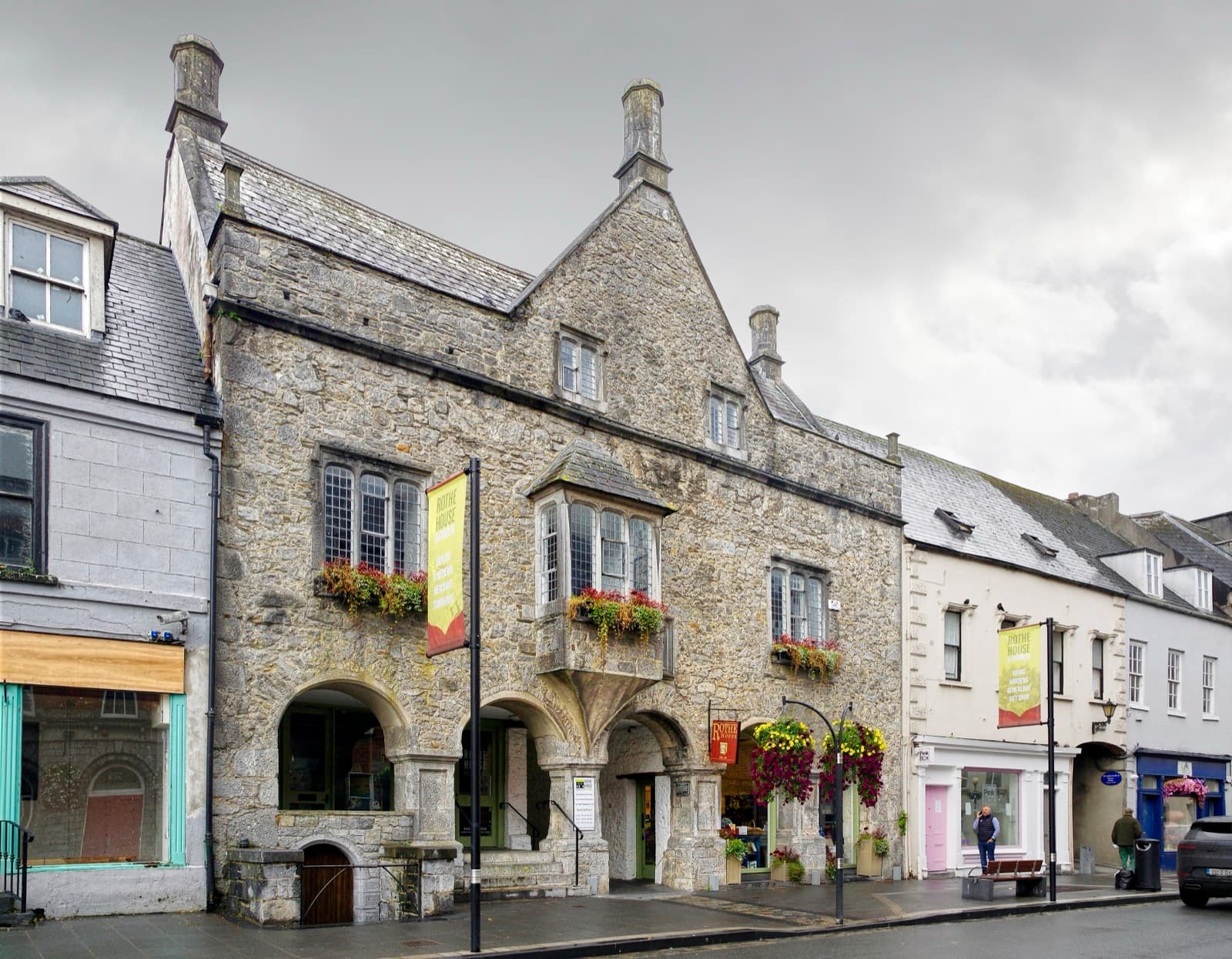
On Rose Inn Street stands the Shee Alms House, one of the few surviving Tudor almshouses in Ireland. It was founded in fifteen eighty-two by Sir Richard Shee, a powerful Kilkenny merchant who served as Deputy Treasurer of Ireland and was knighted in that same year. He called it the Hospital of Jesus, and he built it for a plain purpose: to house twelve poor persons of the city. He endowed it in his will of sixteen oh three, and a royal charter followed in sixteen oh nine, arranged by his son Lucas Shee. Look at what that means in the story of this city. The same mercantile Kilkenny that produced wealthy moneylenders and grand town houses also produced this: a rich man setting aside a terraced, gable-fronted stone house so that a dozen of the city's poor would have shelter. It is the charitable face of the merchant town, built against the real poverty of the age. The building had a long afterlife. It served as an almshouse until about eighteen thirty, then became in turn a Catholic chapel, a hospital in eighteen thirty-seven, and a store in the early twentieth century. Kilkenny Corporation acquired it in nineteen seventy-eight, restored it, and reopened it in nineteen eighty-one as the city's tourist office, so the shell of the almshouse still serves the public. Take your time reading the cut-limestone details of the front. This is the quiet counterweight to the darker stories on this walk: a small, deliberate act of shelter, endowed by a merchant, that has stood for over four centuries.
4. Parliament Street: When Kilkenny Was the Capital of Catholic Ireland
This is Parliament Street, and it carries its history in its name. For a few extraordinary years in the sixteen forties, this river city was the effective capital of Catholic Ireland. After the rebellion of sixteen forty-one, a Confederate Catholic government formed here,…
Full narration for this stop unlocks with the tour.
5. Grace's Castle: The Norman Keep That Became the County Jail
On Parliament Street stands Grace's Castle, and its long life traces the underlife of law and confinement in this city. It began as a Norman townhouse-castle, built by William le Gras some time before twelve ten, when he was constable and Seneschal of Leinster and Governor of…
Full narration for this stop unlocks with the tour.
6. Saint Francis Abbey: The Friary by the River That Brewed the City's Ale
By the river Nore stands the ruin of Saint Francis Abbey, a Franciscan friary and a National Monument. It was founded between twelve thirty-one and twelve thirty-four by Richard Marshal, third Earl of Pembroke, near the meeting of the Breagagh and the Nore. The medieval building…
Full narration for this stop unlocks with the tour.
7. Saint John's Priory and John's Bridge: The Lantern of Ireland
You end on the east bank of the river Nore, at Saint John's Priory, and this is the gentlest note to finish on. It is an Augustinian priory, the Priory of Saint John the Evangelist, founded in twelve eleven when William Marshal, first Earl of Pembroke, granted the land to build…
Full narration for this stop unlocks with the tour.