The Medieval Mile: Castle to Cathedral
120 min · 2.3 km · moderate
Kilkenny rewards one or two unhurried days on foot: the whole medieval core fits inside a single walkable mile, the castle and cathedral sit at either end of that mile, and you can reach the city from Dublin in about an hour and a half by train or bus. This is a compact, walkable, and calm place to visit, and the honest planning questions are simple: how long to stay, how to get there, when to come, what it costs, and whether it is safe. The short answers are one to two days, by train or bus from Dublin, spring through early autumn for the best weather, a modest budget, and yes, Kilkenny is one of Ireland's safer small cities.
How many days do you need in Kilkenny?
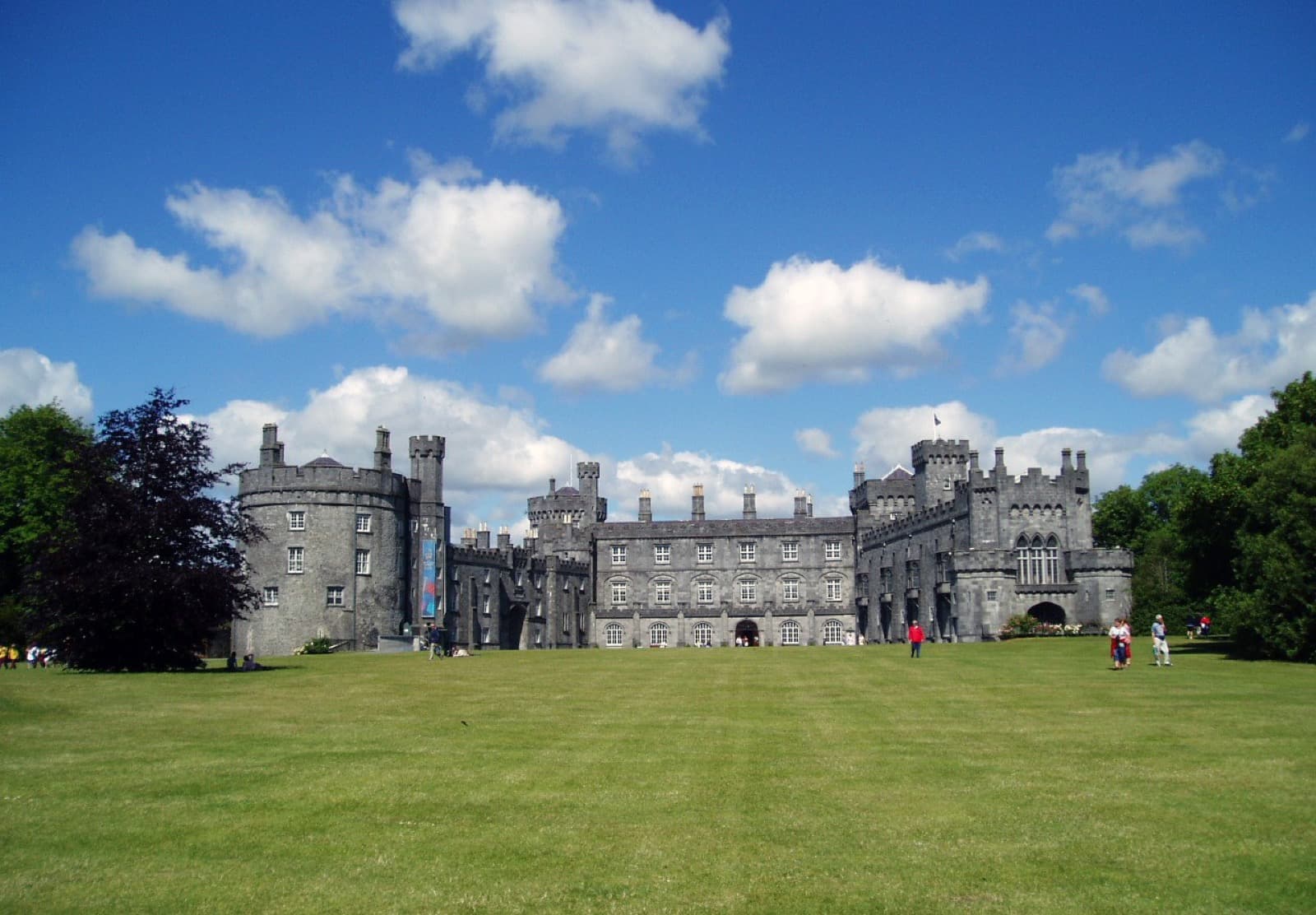
One full day covers the essentials; two days lets you slow down and go inside things. The reason is geography. Kilkenny's historic core is genuinely a mile long, running from Kilkenny Castle on the river Nore up the hill to St Canice's Cathedral, so you are never walking far between sights. A confident day-tripper can walk that spine, step into the castle grounds, and reach the cathedral. Give yourself a second day if you want to go inside the paid interiors (the castle State Rooms, Rothe House, the Medieval Mile Museum, the round tower climb) without rushing, or if you want to explore the narrow medieval lanes the locals call slips.
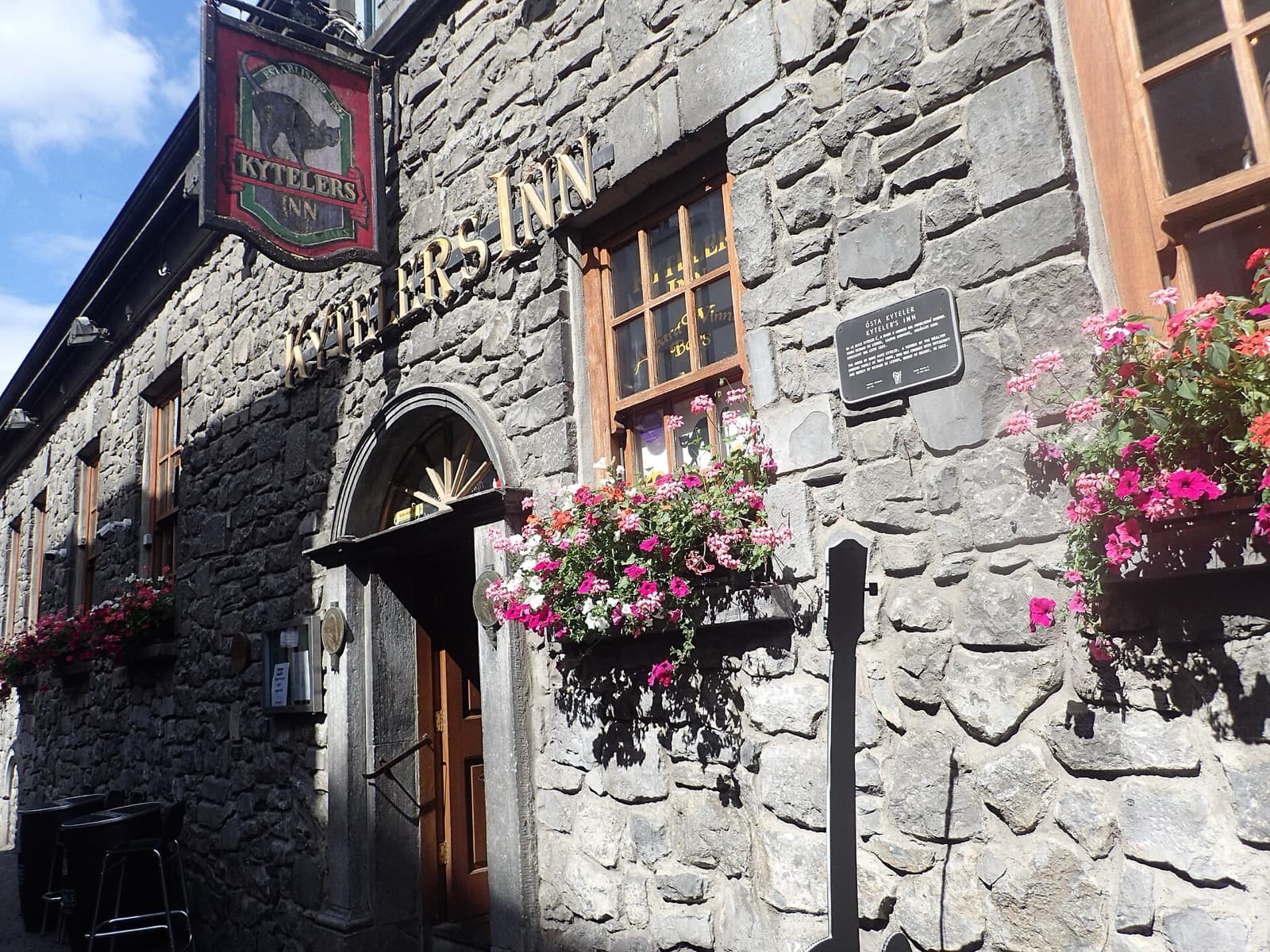
Our two self-guided audio walks are built around exactly this shape. The Medieval Mile: Castle to Cathedral runs seven stops over about two kilometres and takes most people two to two and a half hours at a walk, longer if you linger in the castle rooms, the museums, and the nave of St Canice's. The companion walk, Kilkenny Slips, threads the same distance through the back lanes, the witchcraft site at Kyteler's, a Tudor almshouse, and the brewing friary by the river, in roughly two hours. Do one on each day, or both in a single full day if you keep moving. You can see the full set on our Kilkenny walking tours hub.
How do you get to Kilkenny and get around?
Hear a stop from this walk
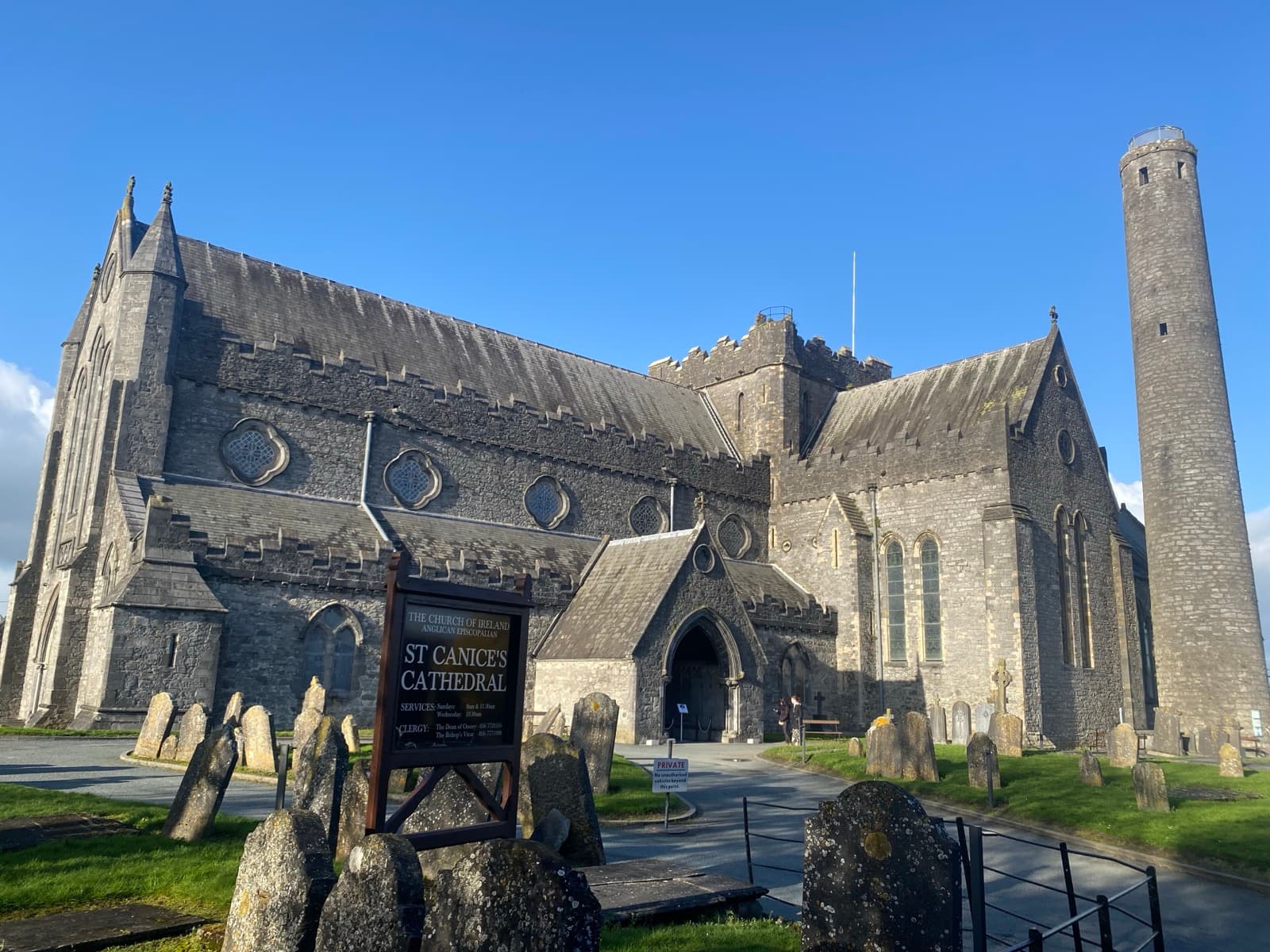
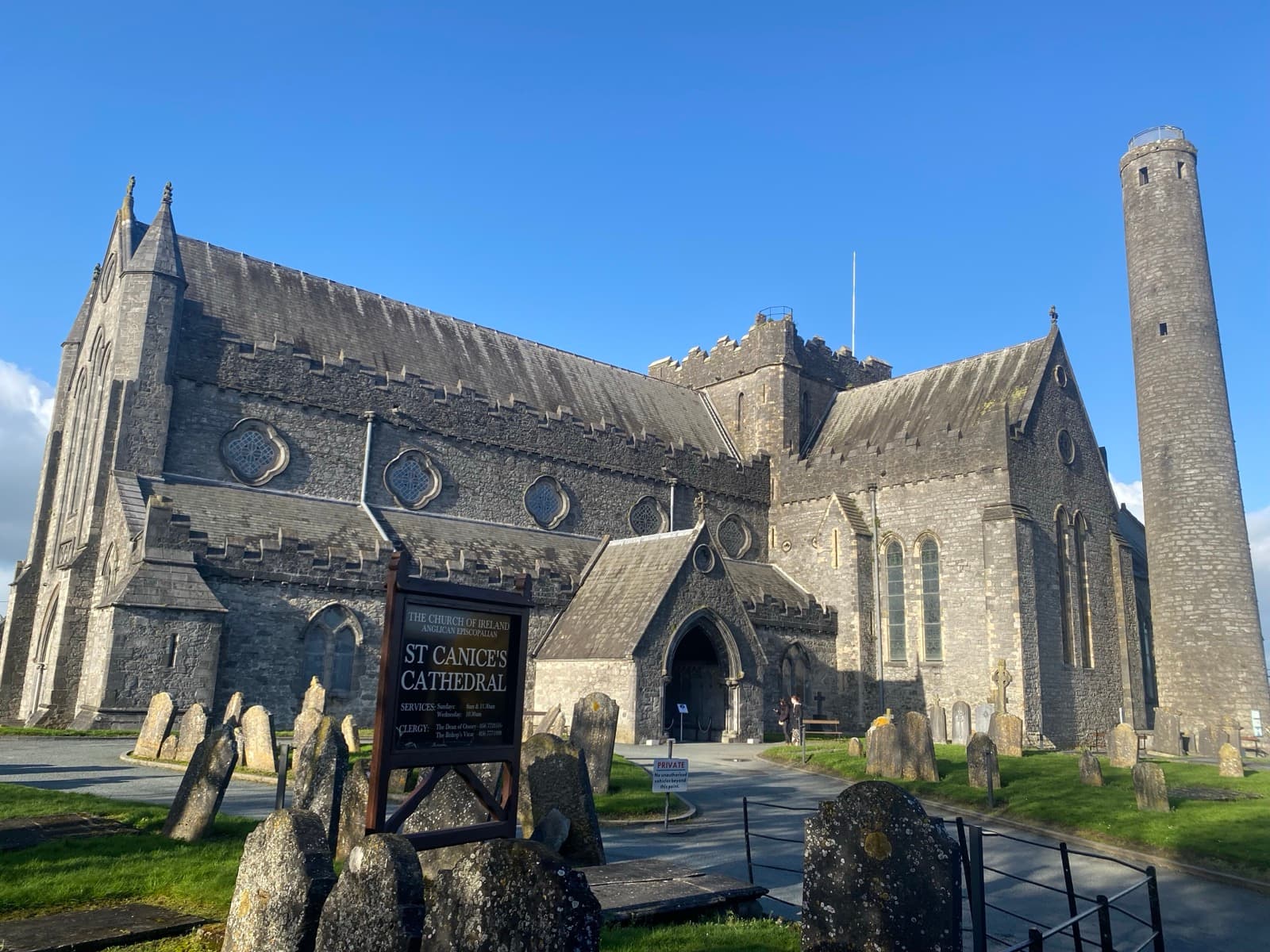
Saint Canice's Cathedral and the Round Tower: The Thousand-Year Church That Named the City
Most visitors arrive from Dublin, and the train is the easiest option. Irish Rail runs a direct service from Dublin Heuston to Kilkenny in roughly one hour and thirty minutes. Intercity coach services (Dublin Coach and Bus Eireann among them) cover the same route in a similar time, often for a little less money. Both drop you within an easy walk of the medieval core. Driving from Dublin takes around the same time on the M9 motorway, but you will want to park and walk once you arrive, because the old center is best on foot.
Once you are in Kilkenny, you do not need a car or any transport at all. The city is small and the walking is the point. The Medieval Mile is a continuous walk on pavement and old lanes, gently uphill from the castle terrace to the cathedral hilltop. The main caution is underfoot: several of the connecting slips include steep, uneven steps, so wear sturdy shoes and take the stepped lanes slowly, especially in wet weather. If steps are difficult for you, the main streets give a gentler parallel route.
When is the best time to visit?
Late spring through early autumn, roughly May to September, gives the mildest weather and the longest daylight for the uphill walk. Kilkenny is compact and rewarding year-round, but Irish weather is changeable in every season, so carry a waterproof whenever you come. Weekday mornings are the quietest window: the High Street and the castle grounds fill later in the day as coach day-trippers and guided walking groups arrive.
If you want the interiors of St Canice's Cathedral and the Black Abbey to yourself, aim to reach them outside service times, since both are active places of worship. Winter visits work too, with fewer crowds, but plan for short daylight and note that the round tower climb and some open sections may close in bad conditions. The castle itself keeps longer summer hours (opening at 9:15am from April through September) and shorter winter hours (from 9:30am October through March), and it closes on the twenty-fifth, twenty-sixth, and twenty-seventh of December.
What does a day in Kilkenny cost?
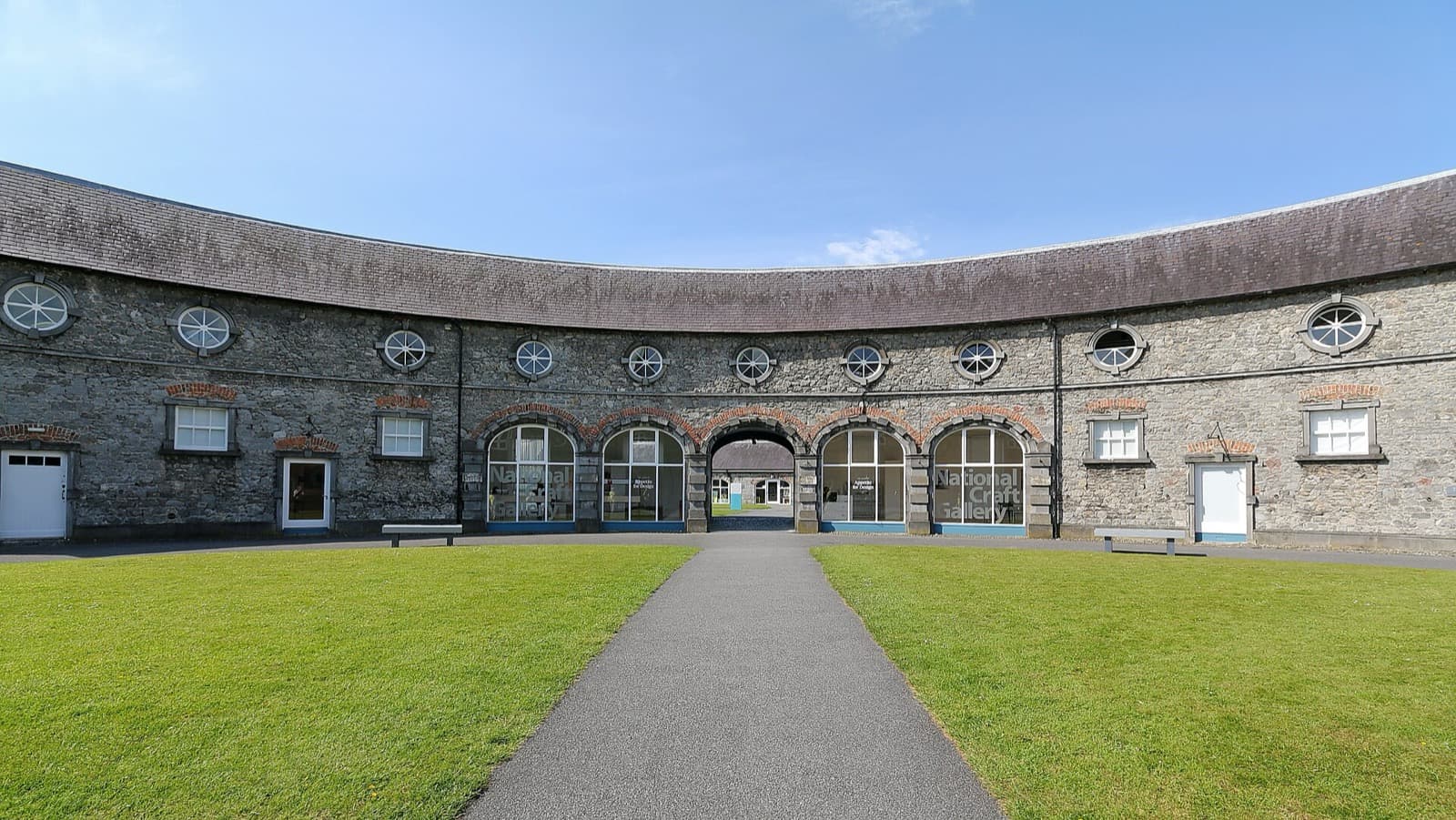
Kilkenny can be nearly free or moderately paid, depending on how many interiors you enter. The walking itself costs nothing, and several of the best stops are free: the castle parkland along the Nore, the exterior of the Tholsel old town hall, the Black Abbey, and the National Design and Craft Gallery in the castle stableyard.
The paid interiors each charge a small entry fee in euro. Kilkenny Castle's State Rooms cost around eight euro for a self-guided visit and about twelve euro for a guided tour, and children under twelve are free (verify current rates at the OPW site before you go). If you plan to visit several Office of Public Works heritage sites across Ireland on a longer trip, an OPW Heritage Card can pay for itself. Rothe House and the Medieval Mile Museum each charge a few euro. The St Canice's round tower climb runs about seven euro for adults, with a minimum height requirement of roughly 1.4 metres to climb, so it is not suitable for small children. Carry a little cash or a card, since the total for a full day of interiors is still modest. The self-guided audio tour lets you set your own pace and skip the paid rooms you do not want, which keeps the cost fully in your control.
Is Kilkenny safe?
Yes. Kilkenny is one of Ireland's safer small cities, and the ordinary precautions you would take anywhere are enough. It sits well outside the larger urban centers where street crime concentrates, and violent crime against tourists is rare. The historic core is well trafficked by day and comfortable to walk.
The practical advice is simple and non-alarming. Keep valuables discreet on the busier stretches of the High Street and around the castle grounds, mind your footing on the stepped slips and the riverbank near John's Bridge, and take normal care around traffic when crossing to the east bank of the Nore. If you enjoy the pub culture, do so lightly. None of this is unusual for a compact European town, and Kilkenny locals have a reputation for being helpful if you get turned around in the lanes.
Turning the plan into a walk
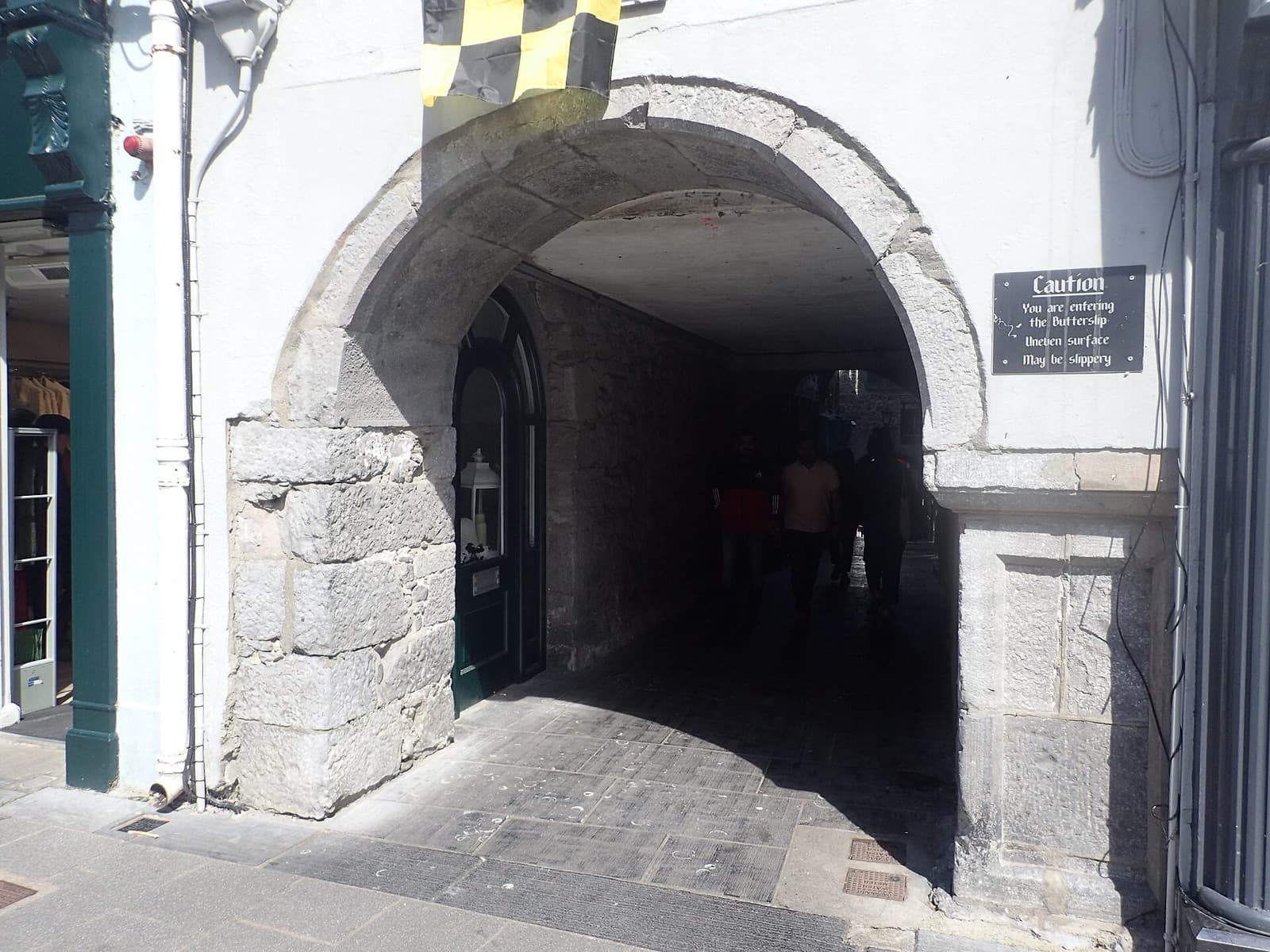
Once you have your day mapped, the walking is where Kilkenny comes alive, and a self-guided audio tour matches the city's pace: your schedule, your pauses, no group at your shoulder. Start at the castle gates on the Parade for the Medieval Mile, or at the mouth of the Butter Slip on High Street for the darker back-lane story. Both routes are on the Kilkenny walking tours hub, and you can browse everything the city offers on the Kilkenny city page.
Sources
Frequently asked questions
- How many days do you need in Kilkenny?
- One full day covers the essentials, and two days lets you go inside the paid interiors without rushing. The historic core is about a mile long, running from Kilkenny Castle up to St Canice's Cathedral, so you are never walking far. Our Medieval Mile audio walk takes most people two to two and a half hours, and a second day gives time for the slips and the museums.
- How do you get from Dublin to Kilkenny?
- The easiest option is the direct Irish Rail train from Dublin Heuston, which takes about one hour and thirty minutes. Intercity coaches, including Dublin Coach and Bus Eireann, cover the same route in a similar time and often cost a little less. Driving on the M9 takes roughly the same time, but you will want to park and walk once you reach the medieval core.
- How much does Kilkenny Castle cost to visit?
- The castle State Rooms cost around eight euro for a self-guided visit and about twelve euro for a guided tour, and children under twelve are free. The parkland and gardens along the river Nore are free to walk even if you skip the paid rooms. Check current rates on the OPW Kilkenny Castle site before you go, since prices can change.
- When is the best time to visit Kilkenny?
- Late spring through early autumn, roughly May to September, gives the mildest weather and the longest daylight for the uphill walk. Weekday mornings are quietest before coach day-trippers and walking groups arrive. Irish weather is changeable year-round, so carry a waterproof in any season.
- Is Kilkenny safe for tourists?
- Yes. Kilkenny is one of Ireland's safer small cities, sitting well outside the larger urban centers where street crime concentrates, and violent crime against tourists is rare. Take ordinary precautions: keep valuables discreet on the busy High Street, mind your footing on the stepped slips, and take normal care around traffic near John's Bridge.
- Can you climb the round tower at St Canice's Cathedral?
- Yes, the round tower beside St Canice's Cathedral can be climbed by 121 steps and internal ladders, and it is one of only two round towers in Ireland open to climb. Adult admission runs about seven euro, and there is a minimum height requirement of roughly 1.4 metres, so it is not suitable for small children. It runs first come, first served and can have long queues, so go early.
Ready to experience it?
The Medieval Mile: Castle to Cathedral
120 min · 2.3 km · moderate
More from Kilkenny
Explore more at your own pace.
One Day in Kilkenny: A Walkable Medieval Mile, Morning to Evening
Kilkenny: Ireland's Medieval Capital in a Single Mile
Kilkenny Castle and the Medieval Mile: One River Crossing, One Family, Six Hundred Years
Kyteler's Inn and the Servant Who Burned in Kilkenny's Place
St Canice's Cathedral and Round Tower: The Hilltop Church That Named Kilkenny