Merchant City: The Tobacco Fortune
100 min · 3 km · easy
Two days covers Glasgow comfortably: one for the merchant grid and medieval core east of George Square, one for the West End's museums, university, and green riverside. You get around on foot and by the compact Subway, the weather changes fast so you pack a waterproof in any month, and the city is broadly safe with ordinary city-centre caution. This guide answers the planning questions travelers actually ask, with every price, route, and season checked against current 2026 sources, then points you at the self-guided audio walks that carry the history for you.
How many days do you need in Glasgow?
Two full days is the sweet spot for a first visit. Glasgow's headline sights cluster into two walkable zones, and each fills a day at an unhurried pace.
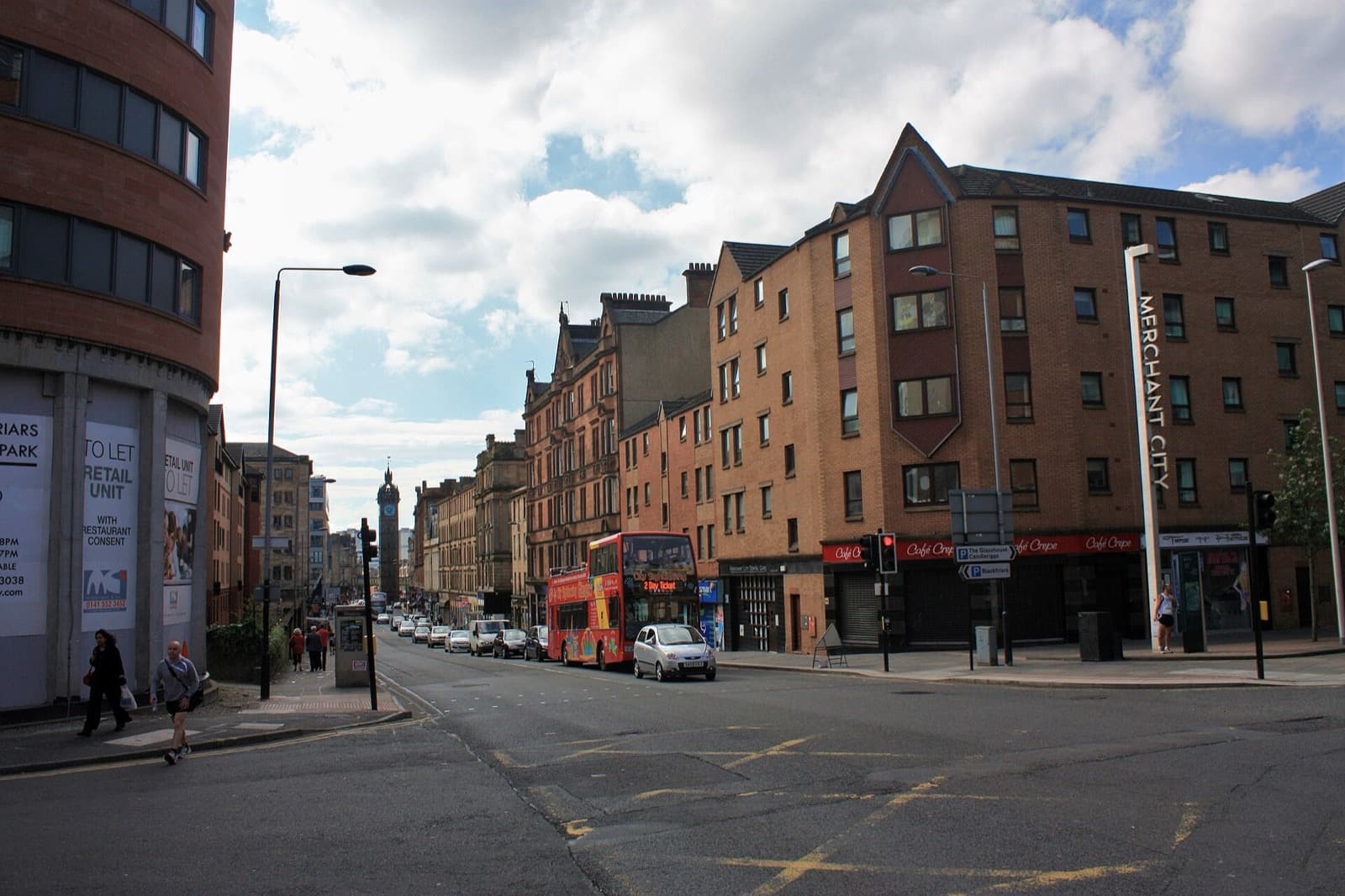
Day one belongs to the historic centre and Merchant City: George Square, the grand grid of merchant streets, Glasgow Cross, the medieval cathedral, and the Necropolis on the hill behind it. That is the ground covered by the Merchant City: The Tobacco Fortune self-guided walk, seven stops across about three kilometres, roughly ninety minutes to two hours on foot before you stop to linger.
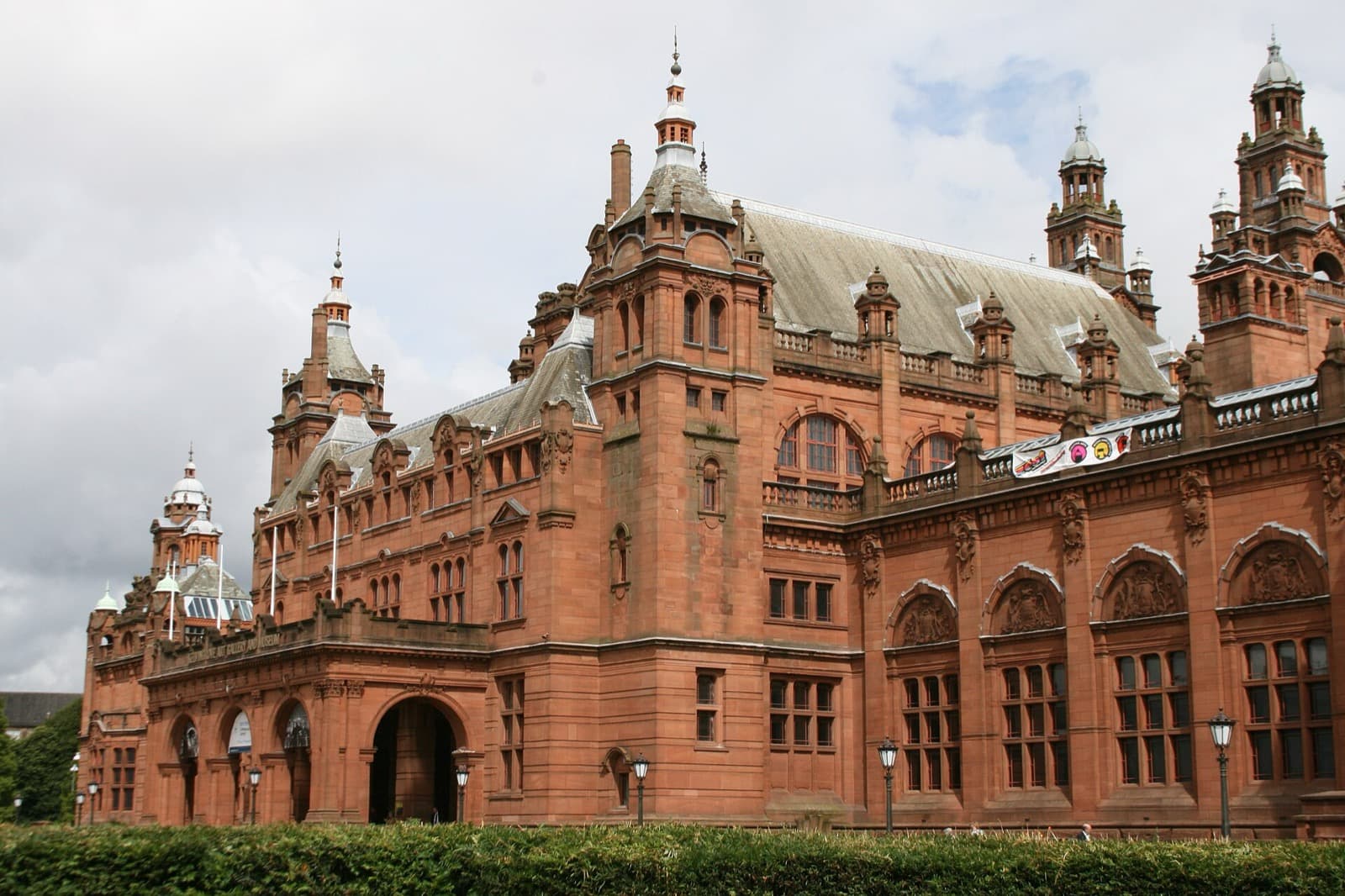
Day two is the West End: the Kelvingrove Art Gallery, Kelvingrove Park, the University of Glasgow's Gothic tower, the Hunterian Museum, the student lanes off Byres Road, and the Botanic Gardens with its glasshouse. That is the West End and Kelvingrove walk, seven stops over about three and a half kilometres. Both museums are free, so you can spend as long inside as you like.
If you only have one day, do the Merchant City walk in the morning and the Kelvingrove Gallery in the afternoon, riding the Subway between the two. Three days lets you add day trips, since Glasgow's train links to Edinburgh, Loch Lomond, and the coast are quick and frequent.
How do you get around Glasgow?
Hear a stop from this walk
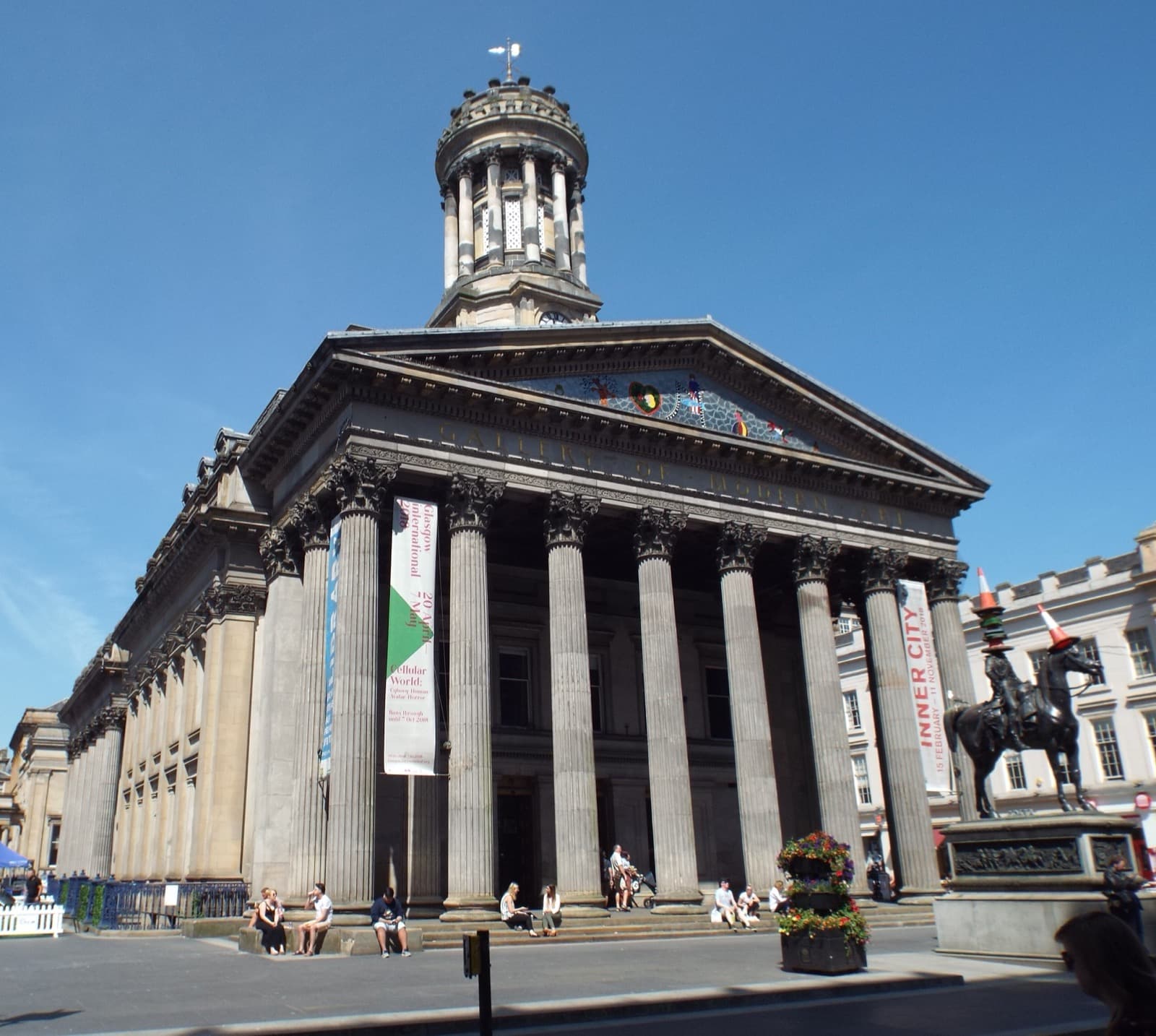
The Gallery of Modern Art: The Tobacco Lord's Mansion
On foot for the sightseeing, and by Subway or train to cross town. The city centre is a tight grid, and both of the tours here are continuous walks, so most of your time is spent walking.
The Glasgow Subway is a single circular line, easy to grasp: an inner circle and an outer circle running the same fifteen stations in opposite directions. As of 2026, a single journey is £1.85 with a paper ticket, or £1.80 on a Smartcard, and contactless pay-as-you-go is capped at £3.40 a day. For the two walks in this guide, the useful stops are Buchanan Street (near George Square, for the Merchant City) and Hillhead or Kelvinbridge (for the West End).
Trains and buses fill the gaps the Subway does not reach. Suburban trains run from Central and Queen Street stations, and First Glasgow buses cover the rest. Licensed black cabs are regulated and metered.
From Glasgow Airport there is no direct rail link into the terminal. The Glasgow Airport Express, bus service 500, is the simplest option: it runs to Buchanan Bus Station in the centre in around fifteen minutes, up to every ten minutes, twenty-four hours a day, with drop-offs near Central and Queen Street stations. Note that major roadworks on the M8 motorway at the Woodside viaducts are ongoing, with the eastbound carriageway due to reopen in 2026 and further work continuing into 2027, so allow extra time for any airport bus or taxi.
When is the best time to visit Glasgow?
May and June are the best months: statistically among the driest and brightest, with very long daylight that stretches sightseeing into the evening. Glasgow has a cool, damp oceanic climate. July is the warmest month at an average high around 18.6°C (about 65°F), and January the coldest, with an average low of roughly 1.4°C (about 34.5°F).
Rain is the constant, not the exception. Annual rainfall is around 1,370 mm, January is the wettest single month, and May the driest, but it genuinely can rain in any month, so a waterproof belongs in your bag whenever you come. The tour's own advice puts it plainly: treat rain as part of the Glasgow experience rather than a problem to escape.
One 2026-specific note: Glasgow hosts the Commonwealth Games from 23 July to 2 August 2026. That fortnight brings crowds, higher prices, and busy transport, alongside the TRNSMT music festival in the same summer window. If you want the museums and merchant streets calm, aim for late spring or early autumn instead, and book accommodation well ahead if you do visit during the Games.
Is Glasgow safe for tourists?
Yes, broadly. Glasgow is generally safe for visitors, and the city centre and West End, where you will spend nearly all your time, are welcoming and well used by locals and tourists alike. Most visits pass without incident.
The honest caveats are ordinary ones. The main risks are alcohol-related disorder late at night near nightlife districts, and petty theft in crowded areas. Violent crime exists but rarely targets visitors. The sensible response is the same as in any city: keep valuables discreet, stay aware in busy spots, and step away from any late-night argument outside clubs or takeaways rather than lingering. Public transport, including the Subway, trains, and licensed black cabs, is reliable and safe.
For the two walks here, the practical cautions are physical rather than personal. The Merchant City route runs gently uphill from Glasgow Cross to the cathedral and then climbs into the Necropolis, so wear supportive shoes and take the slopes at your own pace. The cathedral crypt and the Necropolis are a working church and an active burial ground, so keep your voice low and step carefully among the graves, especially when paths are wet.
What does Glasgow cost?
Less than you might expect for its museums, because the best of them are free. The Kelvingrove Art Gallery, the Hunterian Museum, the Gallery of Modern Art, Glasgow Cathedral, and Provand's Lordship all cost nothing to enter, which means your sightseeing budget goes on transport, food, and a bed rather than tickets.
Your fixed costs are modest. Subway singles are under two pounds, the airport express bus is a single fare into town, and both self-guided walking tours are entirely free to wander. Some smaller museums may charge a small entry fee, and admission is in pounds sterling. Budget mainly for meals, a room, and the occasional Subway hop, and Glasgow rewards you generously for it.
Which walk should you start with?
Start with the Merchant City if you want the origin story: how eighteenth-century tobacco, sugar, and cotton fortunes, entangled with the transatlantic economy of enslaved labour, built the grand grid, and how the older medieval burgh around Saint Mungo's cathedral came first. The city now names that history openly in its street signs and museums, and the walk reads both truths without flinching.
Start with the West End if you want Victorian Glasgow at leisure: a red sandstone art palace, a Gothic university, a wooded river valley, and a great domed glasshouse, all free to enter. Whichever you pick, the audio does the guiding, so there is no group, no schedule, and no fixed pace. Browse both from the Glasgow walking tours hub, or open the city page at /scotland/glasgow to begin.
Sources
Frequently asked questions
- How many days do you need in Glasgow?
- Two full days suits most first-time visitors. Spend one on the historic centre and Merchant City around George Square and the cathedral, and one on the West End with Kelvingrove, the university, and the Botanic Gardens. One day is workable if you pair the Merchant City walk with the Kelvingrove Gallery and ride the Subway between them.
- How do you get around Glasgow?
- Mostly on foot, since the centre is a tight grid and the main sights cluster into two walkable zones. The Glasgow Subway is a single circular line with fifteen stations; a single fare is £1.85 on paper or £1.80 on a Smartcard as of 2026, with contactless pay-as-you-go capped at £3.40 a day. Suburban trains, First Glasgow buses, and licensed black cabs fill the rest.
- How do you get from Glasgow Airport to the city centre?
- There is no direct rail link into Glasgow Airport, so the simplest option is the Glasgow Airport Express, bus service 500. It runs to Buchanan Bus Station in the centre in around fifteen minutes, up to every ten minutes, twenty-four hours a day. Major roadworks on the M8 at the Woodside viaducts continue into 2026 and 2027, so allow extra time.
- When is the best time to visit Glasgow?
- May and June are the driest and brightest months, with very long daylight. July is the warmest at an average high around 18.6°C. Rain is possible year-round, so pack a waterproof whenever you go. Note that the Commonwealth Games run 23 July to 2 August 2026, bringing crowds and higher prices.
- Is Glasgow safe for tourists?
- Glasgow is generally safe for visitors, and the city centre and West End where you spend most of your time are welcoming and well used. The main risks are alcohol-related disorder late at night near nightlife areas and petty theft in crowds, so keep valuables discreet and avoid late-night arguments outside bars. Public transport and licensed cabs are reliable and safe.
- How much does visiting Glasgow cost?
- Museums keep costs low because the best are free: the Kelvingrove Art Gallery, the Hunterian Museum, the Gallery of Modern Art, Glasgow Cathedral, and Provand's Lordship all cost nothing to enter. Your budget goes mainly on transport, food, and lodging. Subway singles are under two pounds, and some smaller museums may charge a small entry fee in pounds sterling.
Ready to experience it?
Merchant City: The Tobacco Fortune
100 min · 3 km · easy
More from Glasgow
Explore more at your own pace.
One Day in Glasgow: A Walkable Morning-to-Evening Itinerary
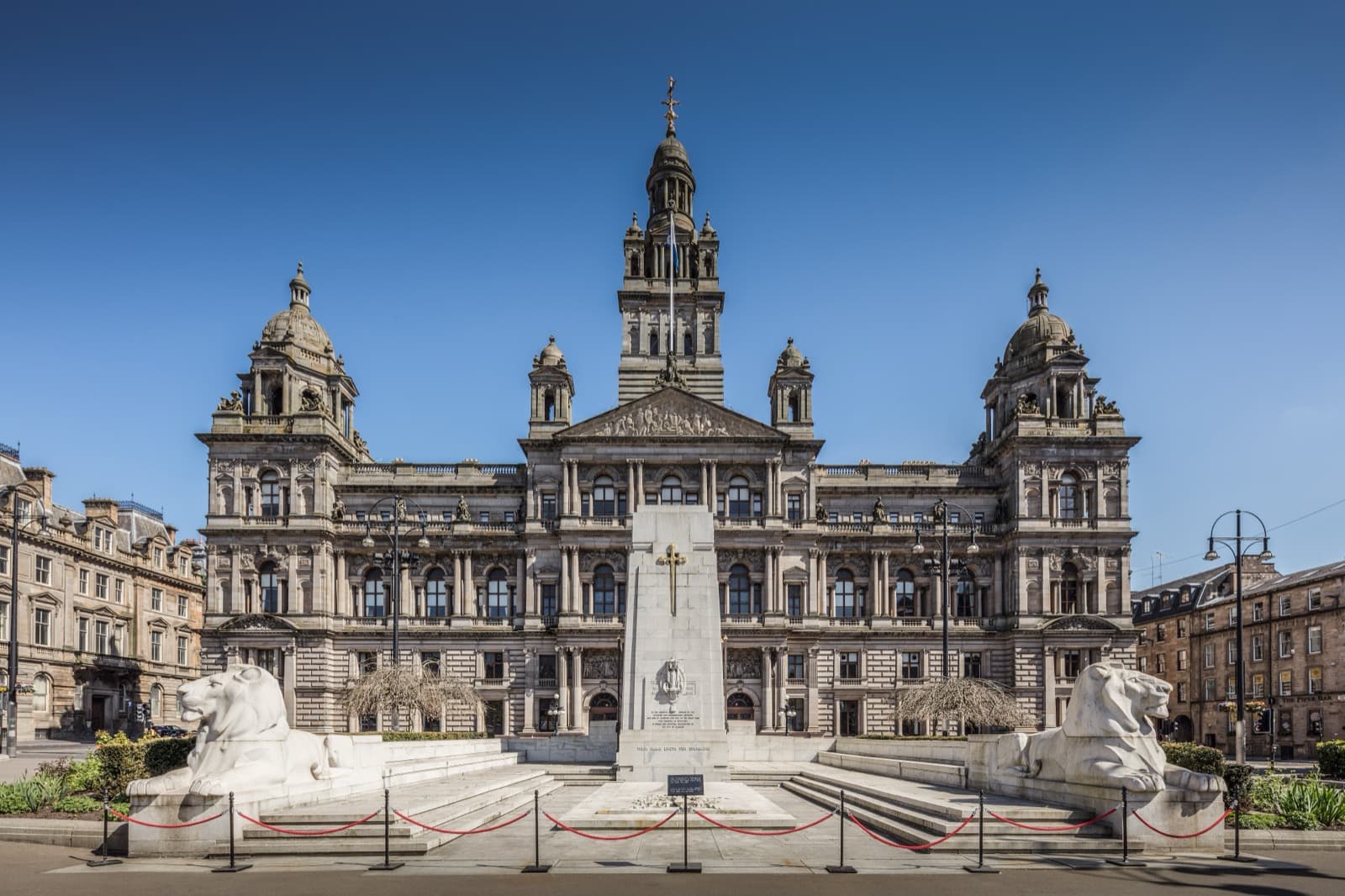
Glasgow: Beauty Built on Complicated Money
Glassford Street and the Map That Confesses: Glasgow's Merchant City
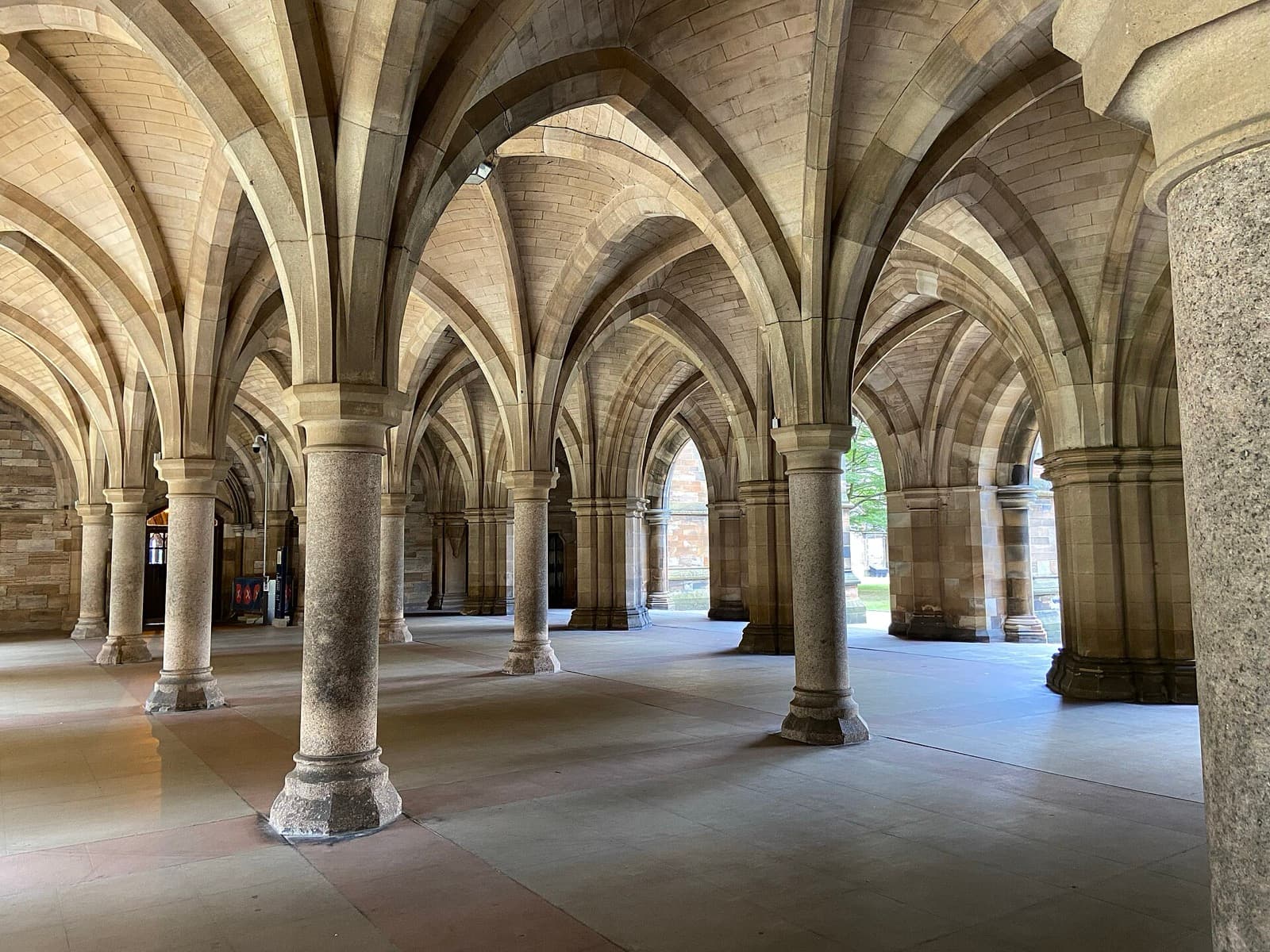
The Gothic Tower on Gilmorehill: Reading Glasgow's West End from the University Cloisters
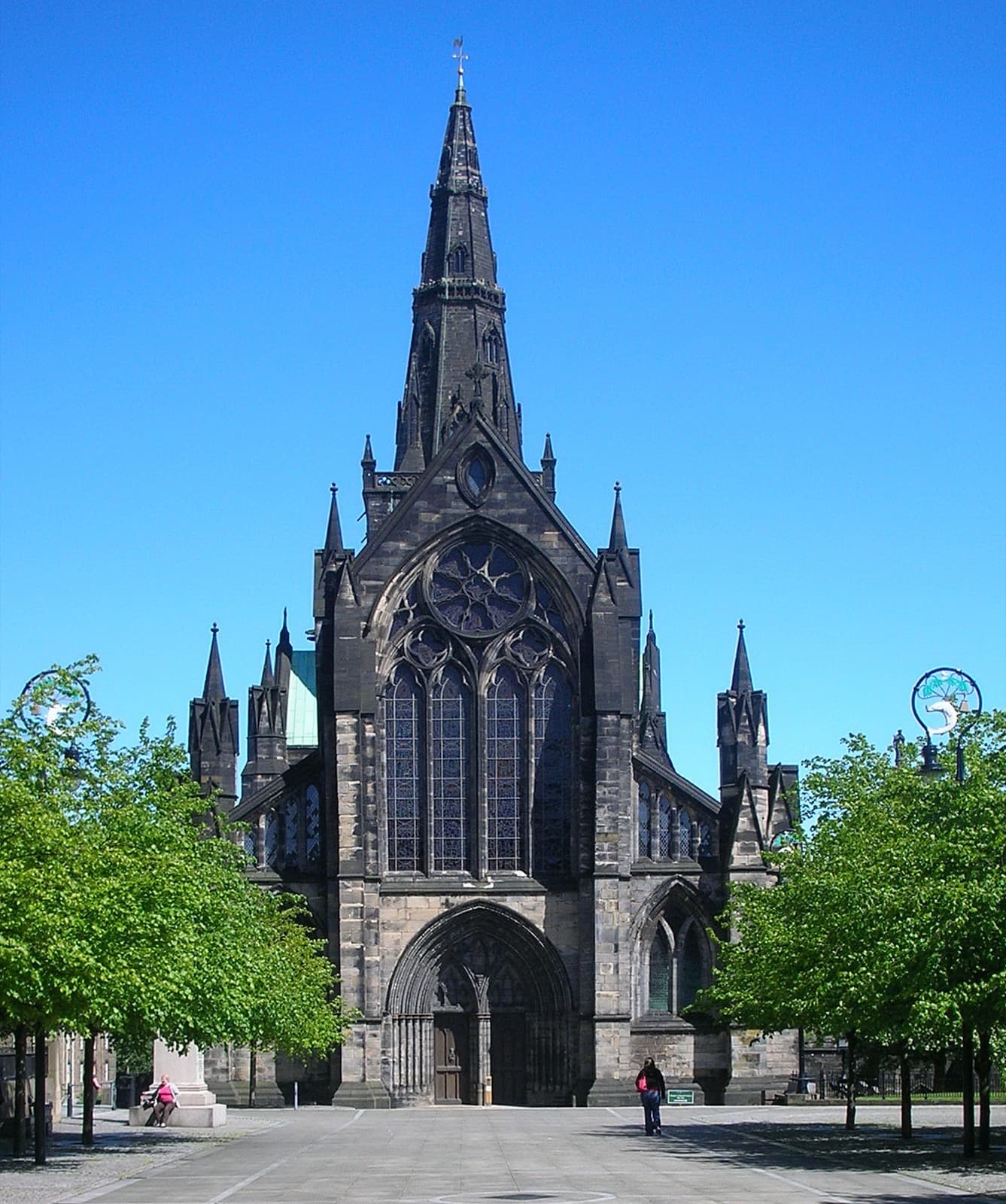
Glasgow Cathedral: The Medieval Survivor Built Over a Saint's Grave