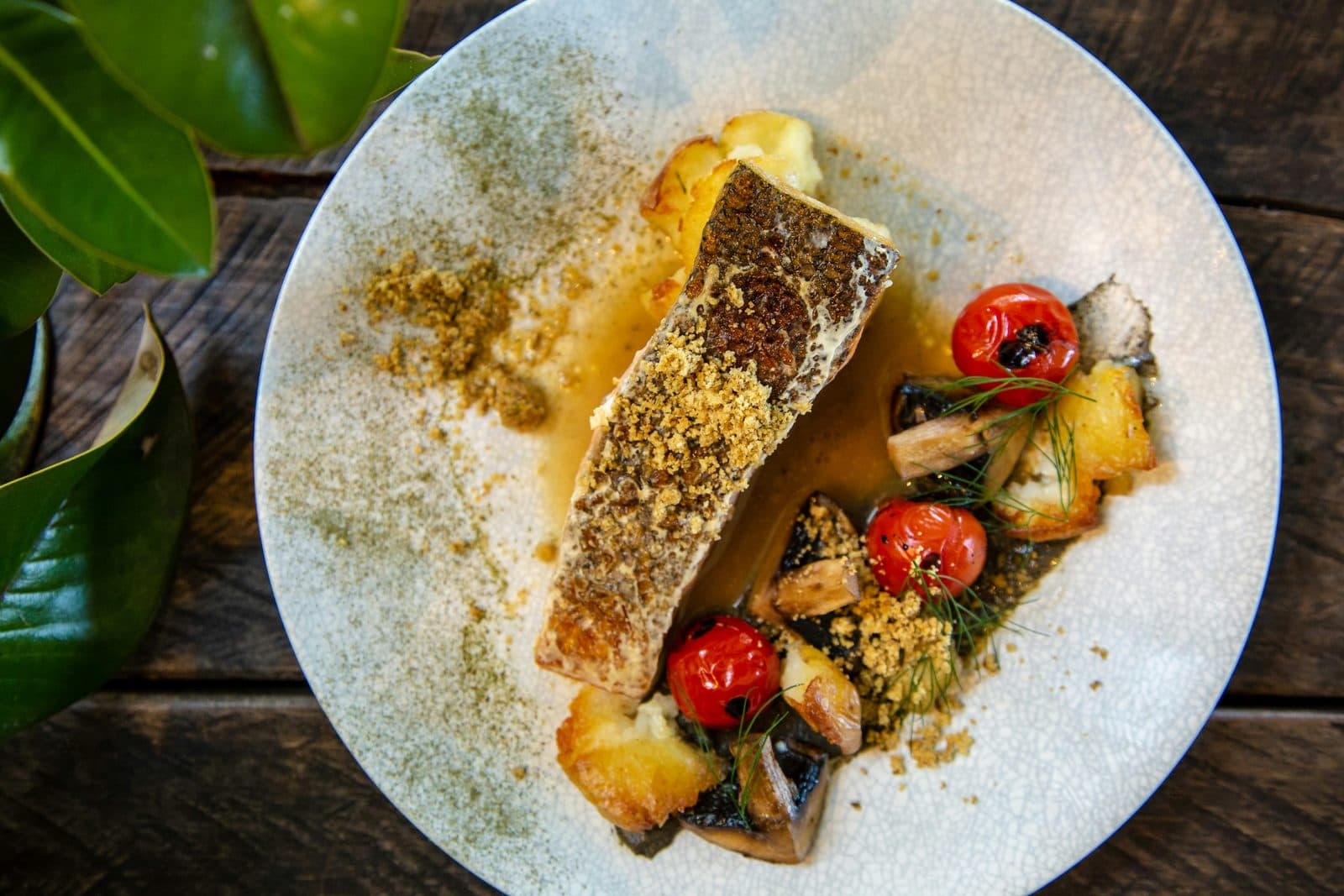
Order a bottle of Châteauneuf-du-Pape almost anywhere in the world and you are ordering, in translation, "the pope's new castle." The name is not marketing. It is a description of a real building put up by a real pope, and the wine exists today because the Avignon papacy needed something good to drink and had the means to make it. This is the tastiest footnote to the whole papal century.
The answer first
The wine takes its name from Pope John XXII, the second of the Avignon popes, who reigned from 1316 to 1334. He built a summer residence, a château neuf, in the hills above the Rhône north of Avignon, roughly between 1317 and 1333. He was, by every account, a serious lover of wine, and he developed the surrounding slopes into a producing vineyard whose output went straight to the papal court. The village grew up around his castle and eventually took its name from it. So a wine now poured in restaurants on every continent began as the estate vintage of a fourteenth-century pope in exile. If you want the full picture of why a pope was building castles in Provence at all, read how a provincial town became the capital of Christendom.
The pope who liked to drink well
Hear a stop from this walk
Rocher des Doms: The Synthesis View, the Return to Rome, and the Schism
John XXII is one of the more consequential Avignon popes: a tireless administrator who did more than almost anyone to centralise Church finances and build the papal bureaucracy into a genuine machine of state. He was also, plainly, a man who enjoyed his table. Rather than ship wine up from distant estates, he built close to home. His summer castle sat above the Rhône a short distance north of Avignon, well placed for both a cooling retreat from the capital and for the cultivation of the surrounding hillsides.
The result went onto the papal table. The wine of the pope's estate was served at the Palais des Papes to the cardinals, and, crucially, to the ambassadors and envoys of foreign courts who came to do business with the most powerful institution in Europe. Impressed by what they drank at the papal table, those visitors are said to have spread its reputation when they returned home. It is a fourteenth-century version of exactly how luxury reputations still travel: served to the right people, in the right room, at the seat of power.
Why the papacy could invent a wine region
Here is the part that connects the vineyard to everything else in Avignon. A pope developing a serious estate vineyard is not an eccentric hobby; it is what a capital does. The Avignon papacy had concentrated in one place an enormous court, thousands of officials, a constant stream of foreign delegations, and the wealth to feed and impress all of them. That concentration of demand and money is precisely the condition under which agricultural specialisation happens. The court needed wine at scale and quality, the resources existed to plant, tend, and improve the vines, and the papal table gave the product an unbeatable showcase. The wine is a byproduct of the same thing that produced the great palace and the four-kilometre ramparts: a capital's appetite, funded.
What is up there now
The papacy left Avignon in the 1370s, and the château above the vineyards eventually fell into ruin; what survives today is a dramatic fragment of wall crowning the hill above the vines, visible for miles. The village kept the connection alive in its name. For centuries it was formally called Châteauneuf-Calcernier, but the papal association was so strong in common use that in 1893 the official name was changed to Châteauneuf-du-Pape, and in the twentieth century it became one of the founding and most prestigious appellations of French wine law.
The village sits a short trip up the Rhône from Avignon and makes a natural companion to a day in the city: walk the papal palace in the morning, where the wine was once served, and stand in the vineyards under the ruined castle that grew it in the afternoon. The wine and the walls are the same story told in two mediums.
Where to go next
The court that made this wine famous is the subject of the Palais des Papes walking tour, and the wider tale of the seven popes who built the capital is in how a provincial town became the capital of Christendom. For everything a first-timer needs to plan the walking, start with the best self-guided walking tours of Avignon.
Frequently asked questions
Ready to experience it?
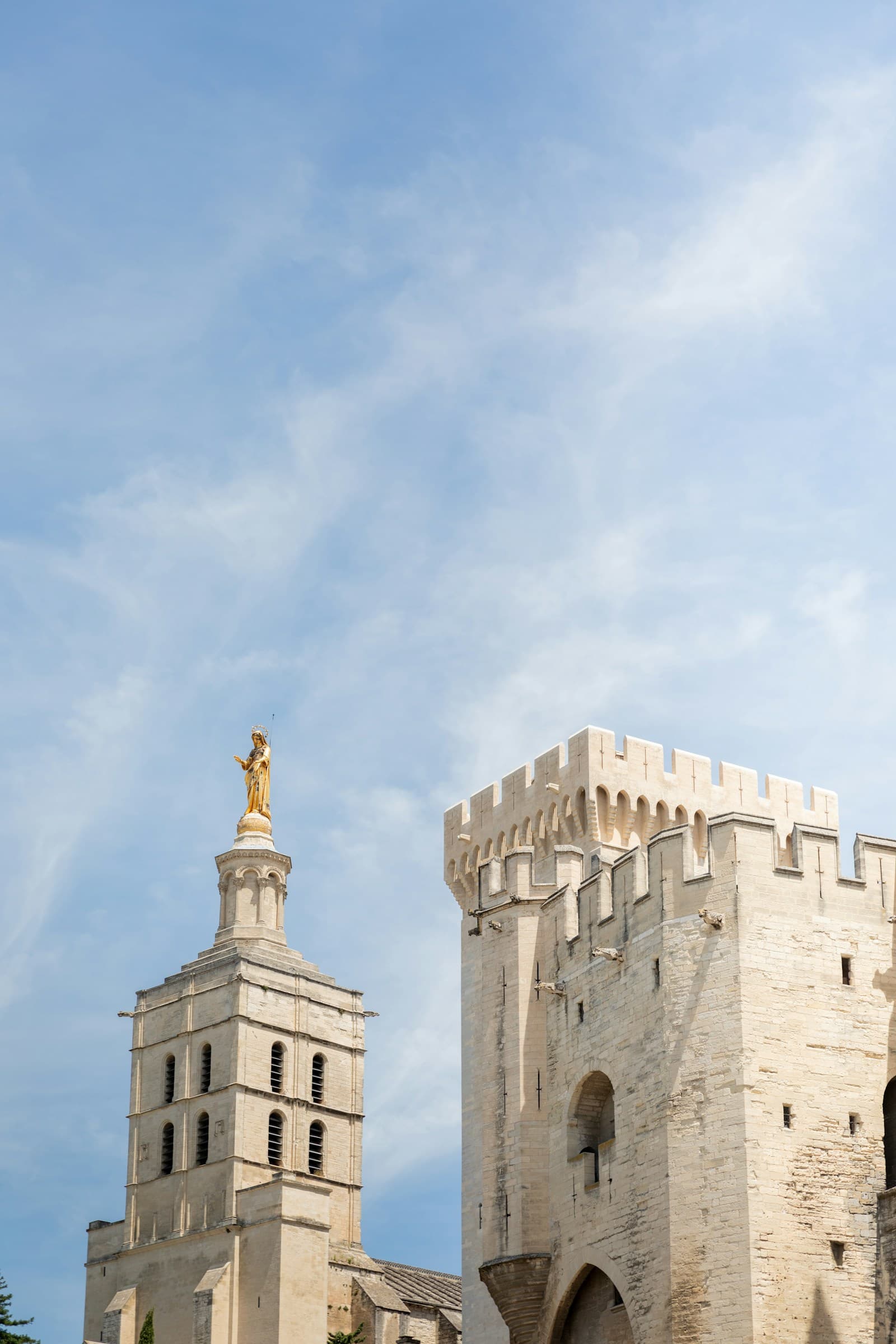
The Avignon Papacy: When Christendom Moved to Provence
90 min · 1.4 km · moderate
More from Avignon
Explore more at your own pace.
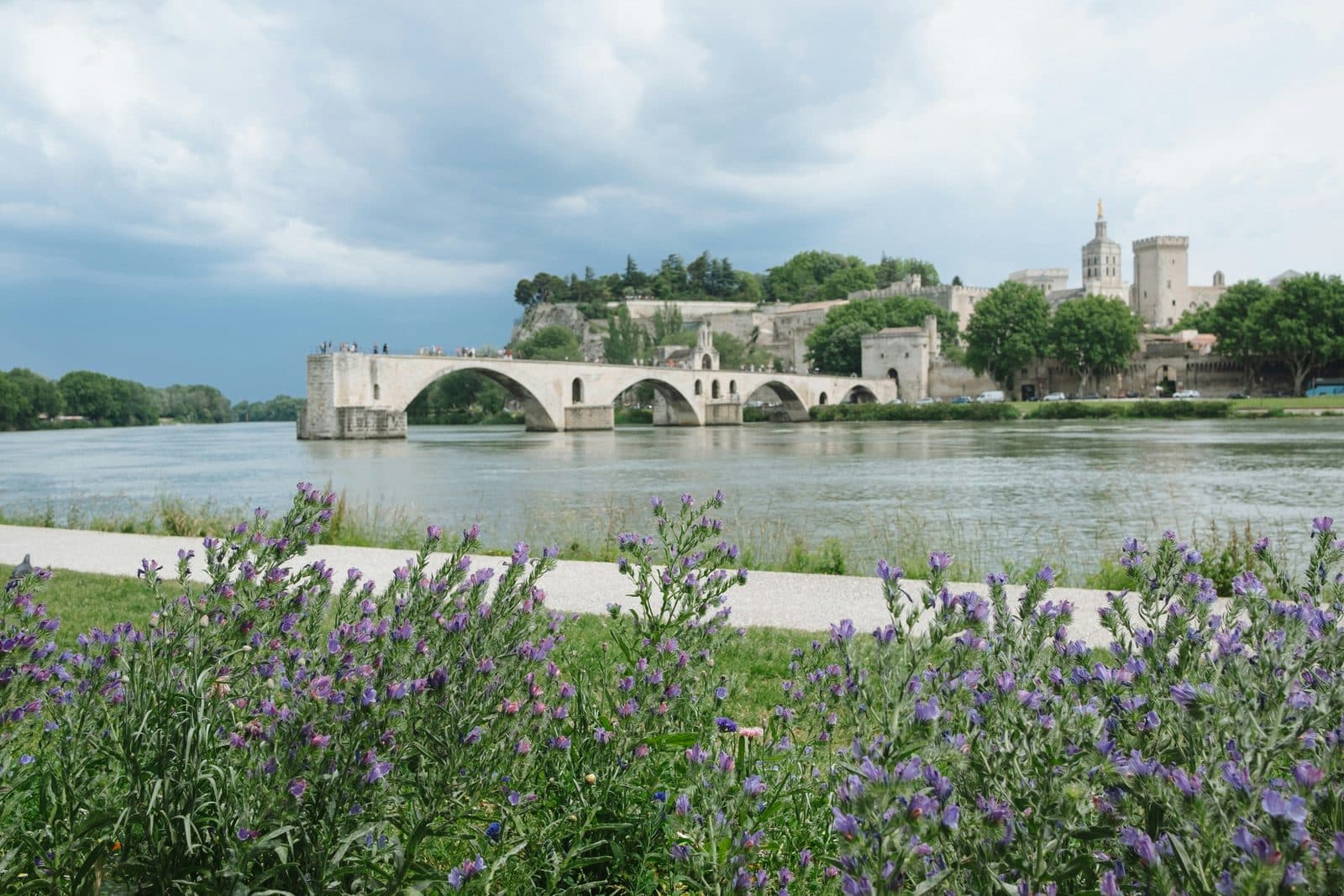
Avignon Travel Guide: How Many Days, Getting Around, When to Go (2026)
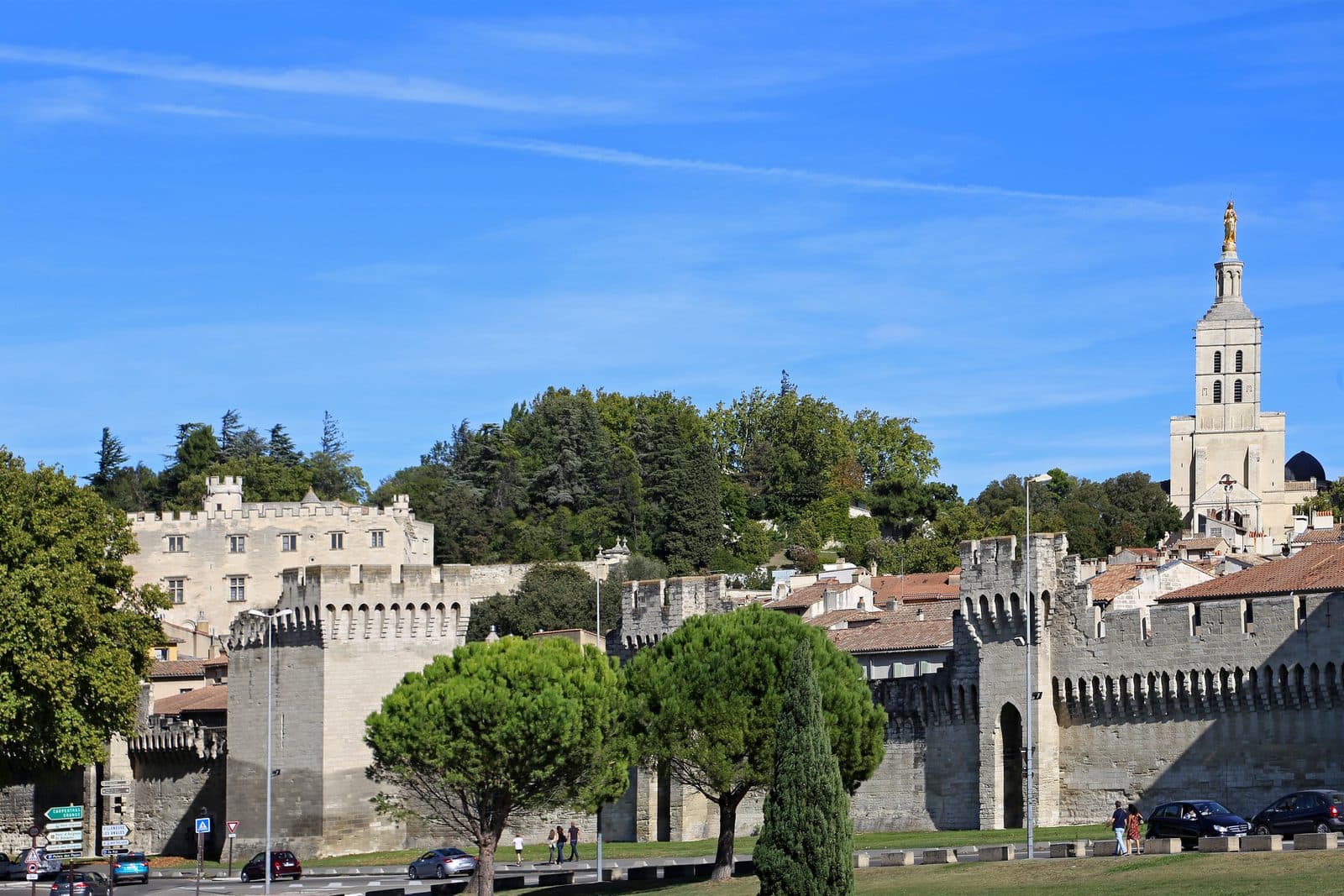
How a Provincial Town Became the Capital of Christendom: The Avignon Papacy
One Bridge, Two Sovereigns: The France That Watched Avignon Across the Rhône
Two Popes, One Palace: How to Read the Palais des Papes

The Bridge to Nowhere: Why the Pont Saint-Bénézet Stops in the River
