Walk into the Grande Chapelle of the Palais des Papes and the first thing you feel is that the proportion is wrong. This is a chapel, a private one, part of a pope's residence. It has no business being roughly fifty-two metres long, tall as a cathedral, big enough to lose a crowd in. That wrongness is the entire point. The room is arguing something, and once you know what, it becomes the clearest single statement in the whole palace.
The answer first
The Grande Chapelle, sometimes called the Chapelle Clémentine after its builder, is the ceremonial heart of the New Palace built by Clement VI (pope 1342 to 1352). It is a single soaring hall, about fifty-two metres long, raised on top of the Grande Audience, the papal tribunal, on the floor below. Clement built it deliberately at cathedral scale to demonstrate that the papacy, though it sat in Avignon rather than Rome, lacked nothing in majesty, authority, or reach. The size is not vanity. It is a legitimacy claim. For why the popes were in Avignon in the first place, start with how a provincial town became the capital of Christendom.
Why a chapel this big
Hear a stop from this walk
Rocher des Doms: The Synthesis View, the Return to Rome, and the Schism
To feel the argument, compare Clement to the man before him. Benedict XII, who began the palace, was a former Cistercian, an order that had built its entire architectural identity on austerity and the rejection of grandeur. His half of the palace, the Palais Vieux, is a fortress-monastery: plain, thick, defensive. Benedict would never have built the Grande Chapelle. He did not think the seat of the Church needed to shout.
Clement VI disagreed completely. He was an aristocratic prince, a lavish patron, and he governed at a moment when the papacy's Roman critics were loudly insisting that a pope outside Rome was a pope diminished, a captive. Clement's answer was architectural. With his architect Jean de Louvres, he cleared a neighbouring district and raised a chapel so large it could stage the full ceremonial life of the Church at the scale of any great cathedral in Christendom. If the enemy said the exile made the papacy smaller, Clement's chapel replied by being enormous. The two builders and their two philosophies are the subject of the full palace companion guide.
The engineering of stacking a cathedral on a courthouse
The Grande Chapelle is not on the ground. It sits directly above the Grande Audience, the great audience hall that housed the papal tribunal, the supreme court of Christendom. Stacking one vast vaulted hall on top of another is a real structural problem: the weight of the upper chapel's stone vault and walls has to be carried down through the hall beneath it without crushing it. The solution is heavy, load-bearing masonry, thick supporting walls and a clear vertical line of force from the chapel's vaults down through the audience hall's structure to the rock below. This is Gothic engineering used not to dissolve walls into glass, as the great French cathedrals of the north did, but to pile ceremonial volume on top of administrative volume inside a fortified block. The palace is Gothic, but it is Gothic as a fortress speaks it: mass first, light second.
That vertical relationship is itself part of the message. Justice on the floor below, worship above it, both housed at monumental scale within the same walls. A capital needs both a supreme court and a great church, and Clement gave his the same footprint, one on top of the other.
What survives, and what to look for
Time has been hard on the interiors. When the popes left, the palace was stripped, and it later served as a barracks, which did real damage to the frescoes and fittings. The Grande Chapelle you walk today is largely bare stone, its decoration lost or faded. What remains is the thing that cannot be stripped: the volume. Stand at one end and look down the length. Read the height of the vault. Feel how far the far wall is. That scale is the original argument, still perfectly intact because it is structural, not applied.
Look, too, at how the chapel connects to the ceremonial route. It was reached by the grand staircase and processional sequence Clement built, so that arriving in the chapel was itself a piece of theatre. You were meant to ascend to it, the climb reinforcing that you were entering the most important room in the seat of the Western Church.
Why this one room matters
The Palais des Papes makes four arguments at once: it must be defensible, solvent, allied, and legitimate. Most of the building carries the first three. The Grande Chapelle carries the fourth almost single-handed. It is the room whose only job is to say that this, here, on the Rhône, is the true and undiminished seat of Christendom. Clement VI could not win that argument in Rome's opinion with words, so he won it in stone, by building a chapel so large it made the claim unanswerable to anyone standing inside it.
Where to go next
The chapel is one stop on the Palais des Papes walking tour; take the whole palace to see how the fortress and the court fit together. Then cross the river to see the French crown's rival answer at Villeneuve, where a king built his own monuments to stare this one down.
Ready to experience it?
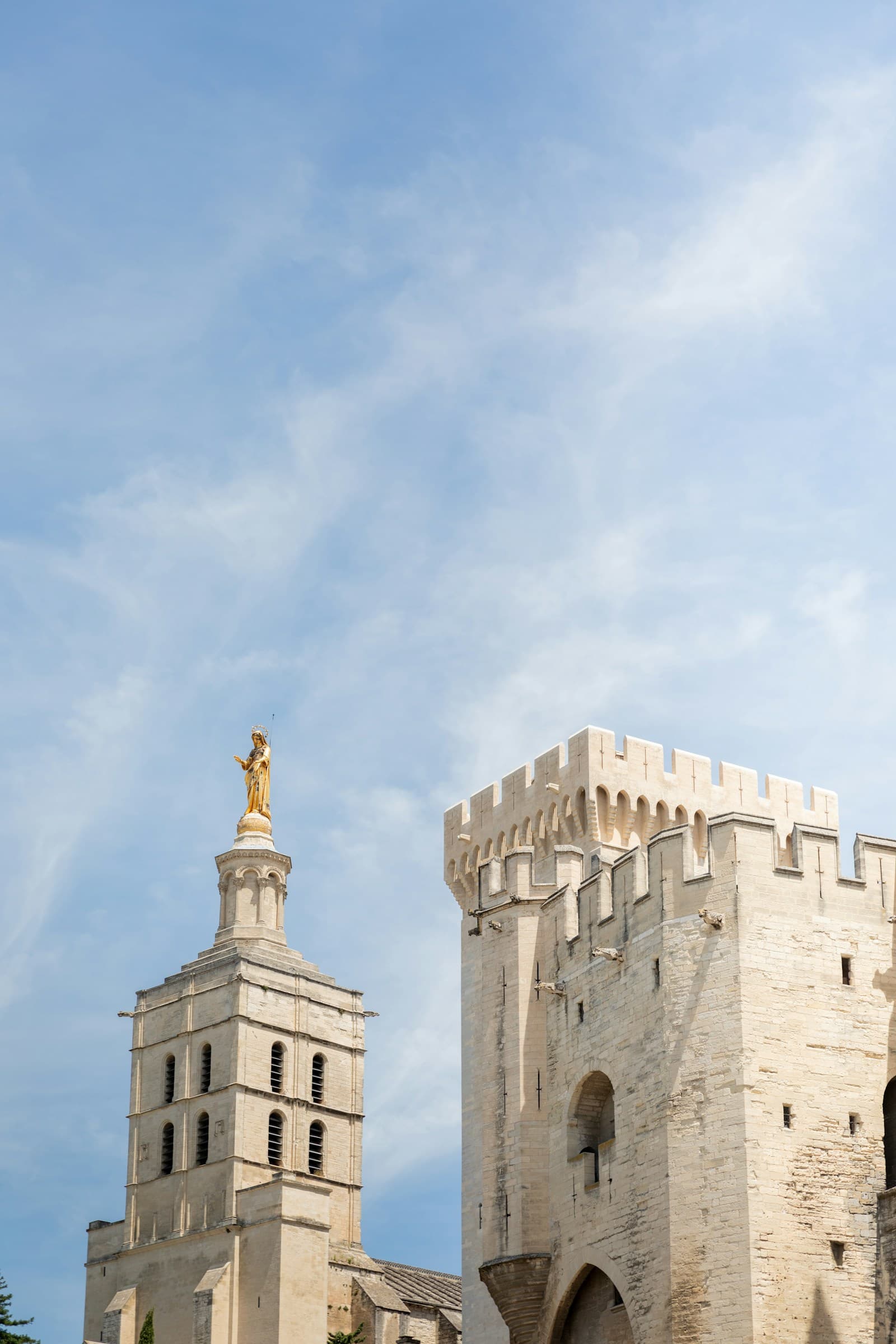
The Avignon Papacy: When Christendom Moved to Provence
90 min · 1.4 km · moderate
More from Avignon
Explore more at your own pace.
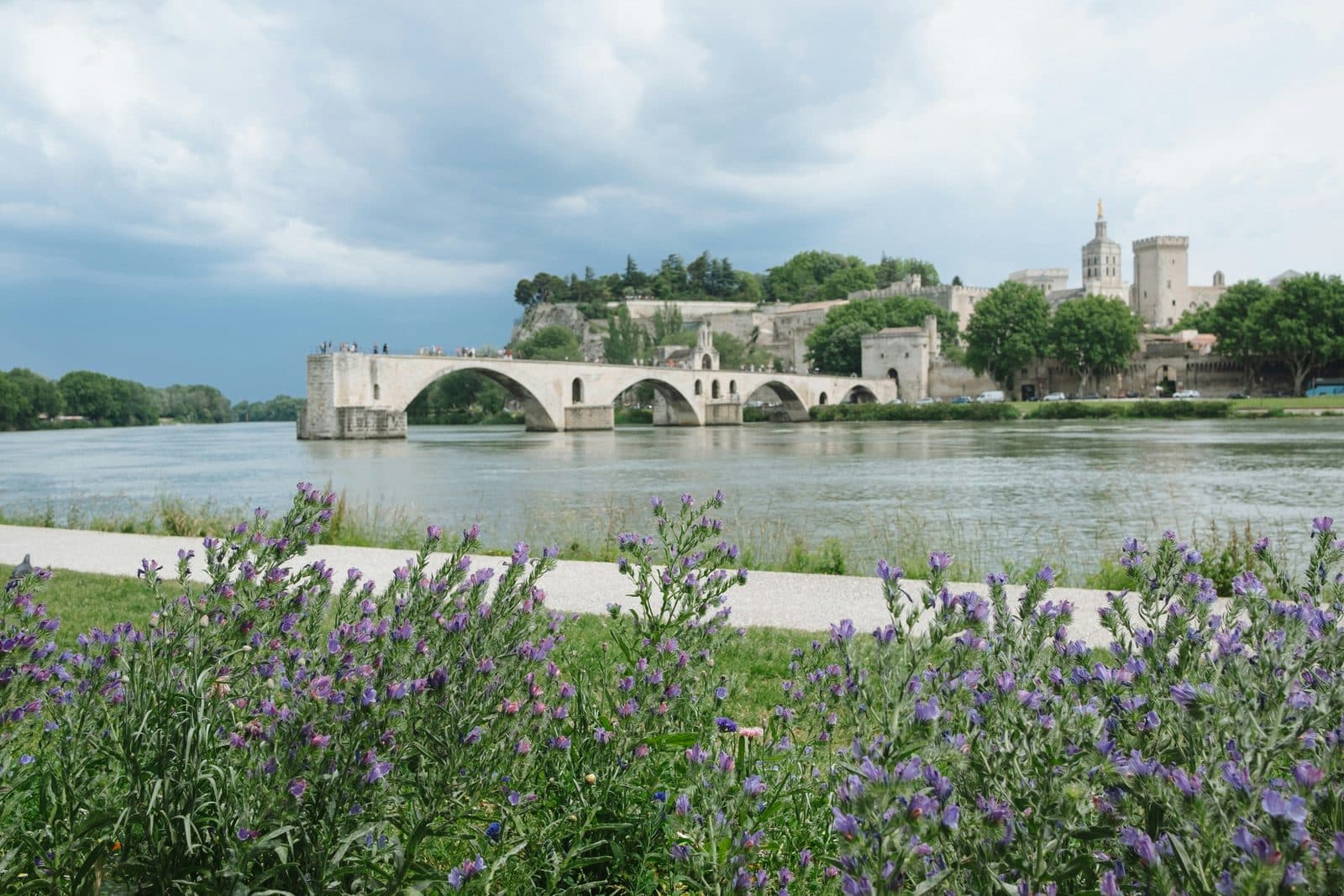
Avignon Travel Guide: How Many Days, Getting Around, When to Go (2026)
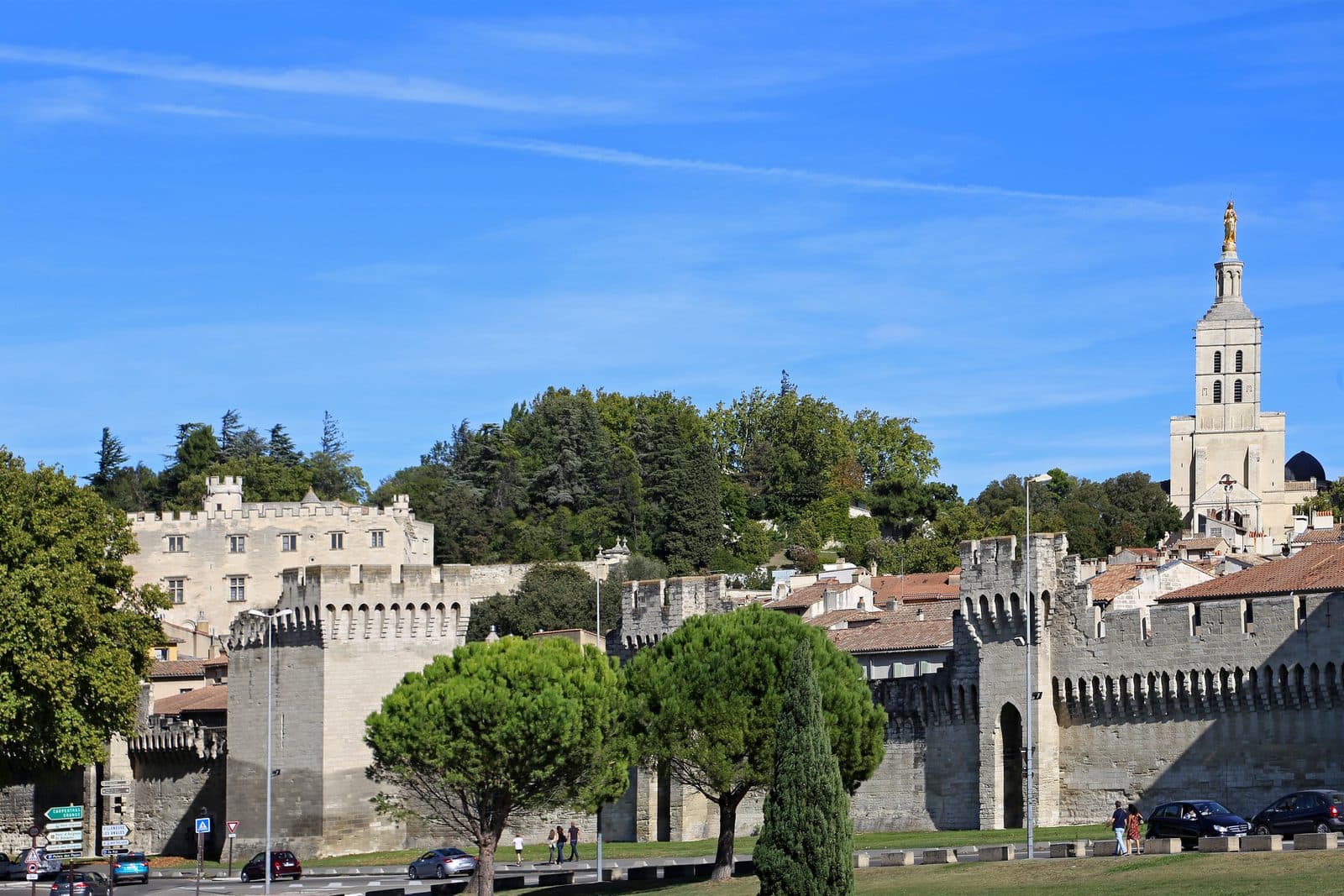
How a Provincial Town Became the Capital of Christendom: The Avignon Papacy
One Bridge, Two Sovereigns: The France That Watched Avignon Across the Rhône
Two Popes, One Palace: How to Read the Palais des Papes

The Bridge to Nowhere: Why the Pont Saint-Bénézet Stops in the River