Stand at the Wat Arun pier and look across the Chao Phraya. Straight ahead is Tha Tien, and above it the roofs of Wat Pho. Behind you is a bank most visitors cross only to climb a temple tower and leave. But this side of the river was a capital before Bangkok was. For fifteen years, from 1767 to 1782, Thonburi was the seat of the kingdom. Then the capital moved across the water, and what it left behind is still here: two palace temples, a moat, a river fort, and the neighbors who came with the new city and never left.
That is the story the walk from Wat Arun to the Memorial Bridge tells, and it is easier to see once you know what you are looking for.
A capital built in a hurry
Ayutthaya, the kingdom that had ruled from upriver, lost its capital in 1767. King Taksin, whom the Tourism Authority of Thailand calls the King of Krung Thon Buri, made his new capital on this bank. Historical documents cited by the Bangkok Post describe how it began: a military camp built of wood, a city moat dug, and the soil piled up as battlements.
It was not a city on one bank only. The same Bangkok Post report describes a map believed to have been made by Burmese spies during King Bodawpaya's reign. It shows a medium-sized city with a big river running through it, and on the right bank a palace surrounded by walls and cannons. The report says Thon Buri Palace had 21 gates. Excavations have found an old fort on the east bank too, under today's Museum Siam and Rajini School. Taksin's city straddled the river, and the palace stood on this side.
Two temples inside the palace walls
Hear a stop from this walk
Memorial Bridge: Joining the Banks
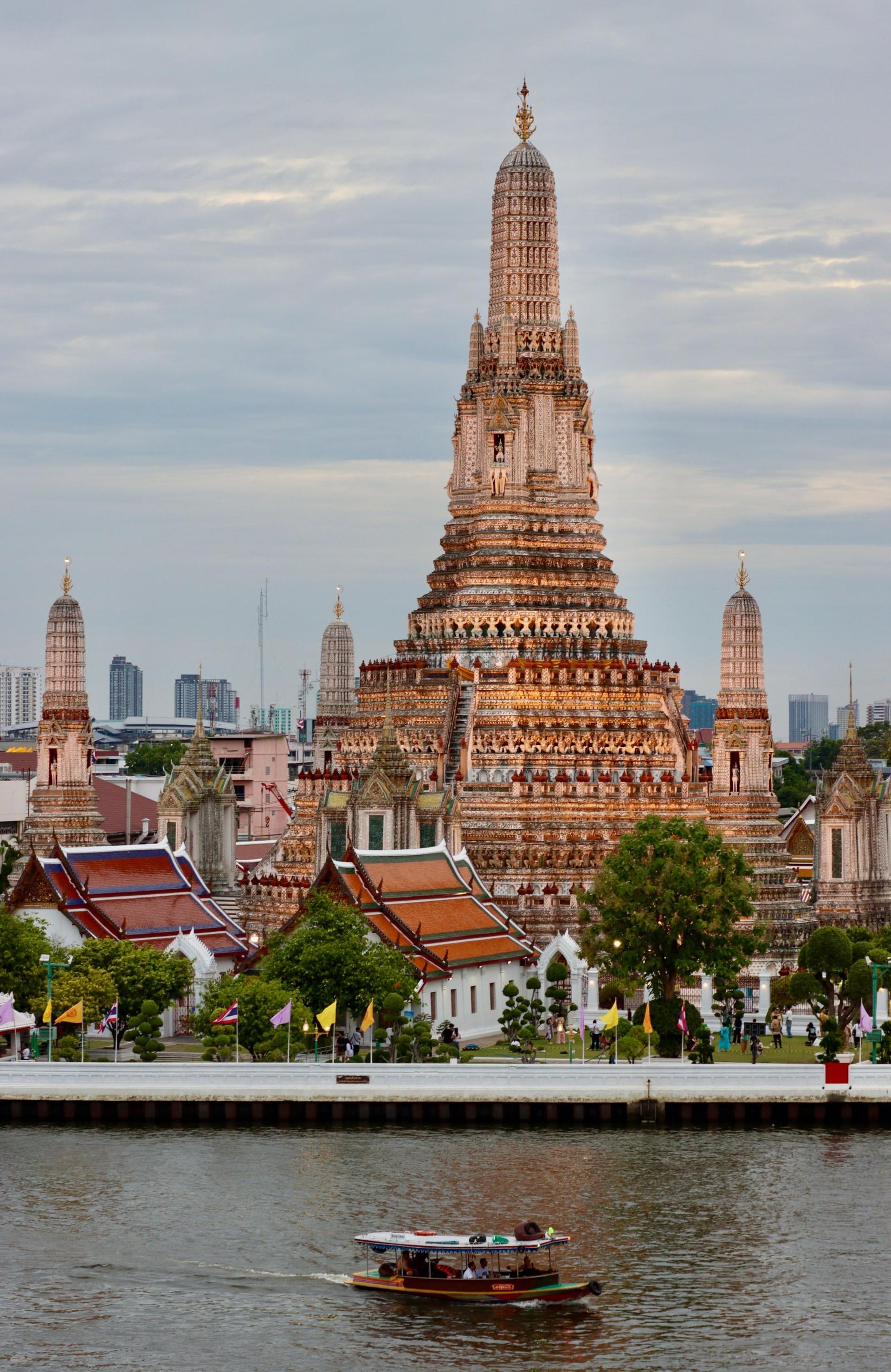
The walk's first stretch follows the lanes outside Wat Arun. The Tourism Authority of Thailand says the temple has existed since the Ayutthaya period and that it once enshrined the Emerald Buddha, the image brought from Vientiane. While Thonburi was the capital, this temple stood inside the palace grounds. When the capital moved, King Rama I moved the Emerald Buddha to the new palace temple on the far bank, where it still is.
The great tower you see over the fence came later. By the official account, the prang was raised in the reign of King Rama III and completed in the reign of King Rama IV. Its surface is set with thousands of pieces of ceramic and porcelain. Some of what you see is new: a major restoration began in 2013, and in 2017 Anandha Chuchoti, director-general of the Fine Arts Department, told The Nation that as much as 40 percent of the original designs had needed completely new decoration. The department defended the work while admitting that cement had overlapped some ceramic details.
A few minutes south, Wat Moli Lokkayaram is the second palace temple. Its own history says it was built in the Ayutthaya period, about 300 years ago, and that Taksin incorporated it and Wat Arun into his palace boundary. In the Thonburi years it was widely known as Wat Tai Talad. Rama I ordered it restored, later kings restored and renamed it again, and since 1991 it has been an institute for the education of monks.
On the way there you walk beside long walls. Behind them is what remains of Taksin's palace, and the river fort beyond it. Today that ground belongs to the Royal Thai Navy and is closed to the public. The walk keeps to the lanes.
The moat that became a back canal
Over the Arun Amarin Road bridge you cross two canals. The wider, Khlong Bangkok Yai, is by the usual account an old course of the river itself. The narrower one, Khlong Ban Khamin, is the more surprising. Fine Arts Department archaeologists, as reported by the Bangkok Post, identify it as Thonburi's city moat, believed to have been about 10 meters wide. In 2015 city workers came upon a section of the city's brick wall in this canal, farther north near Khlong Bangkok Noi, and elsewhere in it archaeologists found what was probably a water gate.
Today it is a quiet strip of water under a busy road. That is what most of Taksin's capital looks like now: water still running where he had it dug.
At Wat Kalayanamit's pier you can look across the canal mouth to Wichai Prasit Fort, seen from here only, inside the Navy's grounds. The Bangkok Post reports that it was still in use in the Thonburi period, and that a 1997 excavation found it had been built without logs as a foundation, unlike the east-bank fort, which stood on log pillars.
The neighbors who stayed
Wat Kalayanamit itself belongs to the next chapter. It was built in the reign of Rama III, decades after the capital had moved. Its tall image hall holds a very large seated Buddha that Thai worshippers call Luang Pho To and Chinese worshippers honor as Sam Po Kong. Time Out notes that locals pay their respects to it under both names. One image, two traditions, in one hall.
That mix runs through the lanes beyond it. The Bangkok Post's history of Kudi Chin says Chinese migrants were the first settlers, followed by the Portuguese, who began settling here in 1769 after the fall of Ayutthaya. It calls the place an early expat community, with Muslims, Mon people from Myanmar and French priests living here too. The Tourism Authority of Thailand describes Kudi Chin as a historical place in Thonburi that includes the racial and religious differences of its community.
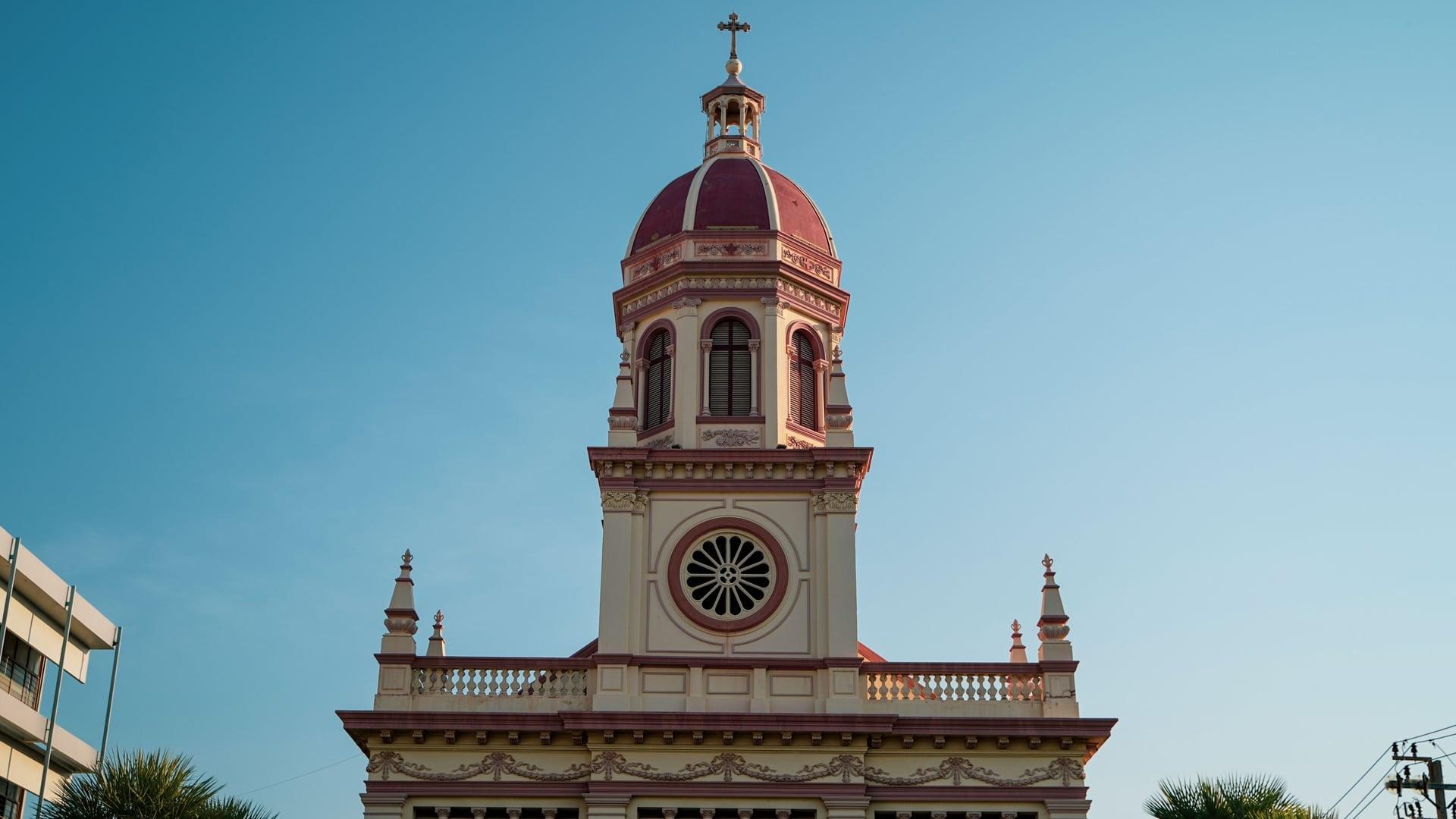
Kian Un Keng, a Taoist shrine in the lane, is the Chinese strand. A short walk on, the history kept by the Catholic parish of Holy Rosary says the king granted land here for a church, and dates a temporary church named Santa Cruz to 1770. The Bangkok Post calls Santa Cruz the second Catholic church to be built in the country. The present building, with its dome, was finished in 1916, by most accounts.
The community kept a recipe as well as a church. Khanom farang, the foreigners' cake, is made here from flour, duck eggs and sugar and topped with pumpkin boiled in syrup, dried persimmon and raisins. City Hall selected it as one of Bangkok's six local wisdoms worth preserving, and in 2018 the Bangkok Post reported that three families here were still making it.
These are people's homes, close on both sides of a narrow lane. Walk them quietly.
Where the banks were joined
The walk ends at the Memorial Bridge. Secondary accounts agree that it opened on 6 April 1932, 150 years after the capital moved, and it is commonly described as the first road bridge across the Chao Phraya in Bangkok. People call it Saphan Phut, after Phra Phutthayotfa Chulalok, the formal name of King Rama I.
So the arc closes. For fifteen years this bank was the capital. Then the capital crossed the water, and a century and a half later a bridge joined the two banks by road. What stayed is what you walk through: a temple tower, palace walls, a moat, a fort, and neighbors of several faiths in the same few lanes.
Walk it
The self-guided walk starts at the Wat Arun pier, where the ferry from Tha Tien lands, and ends at the foot of the Memorial Bridge, whose footway crosses to Pak Khlong Talat. It covers about 2.4 km over 12 stops and takes about 75 minutes. Wat Arun's grounds are ticketed separately, so go in before you set off or come back afterward. Walk it at your own pace, with no group to keep up with, and start whenever suits you.
Sources
- Tourism Authority of Thailand, "Wat Arun Ratchawararam Ratchawaramahawihan" and "Kudi Chin Community" attraction pages, read from archived captures (22 October 2026 and 2 April 2023): Wat Arun's place opposite Wat Pho, its royal history and hours, and the Kudi Chin community.
- Bangkok Post, Pichaya Svasti, "Discovering historic Thon Buri," 17 May 2018: the Thonburi capital, its moat and the Fine Arts Department's excavations.
- Bangkok Post, Supoj Wancharoen, "A delicious slice of history," 28 April 2018: the Portuguese settlement of 1769, the Kudi Chin communities, Santa Cruz and the khanom farang cake.
- The Nation, "Officials defend authenticity of Wat Arun work amid criticism," 16 August 2017: the restoration that began in 2013.
- Wat Molilokayaram, "History of the Temple" (watmoli.com): the temple's age and its place inside Taksin's palace boundary.
- Holy Rosary parish history (rosary.catholic.or.th): the land granted for a church and the temporary Santa Cruz church of 1770.
- Time Out Bangkok, Wat Kalayanamitr: the great Buddha honored under two names.
Ready to experience it?
Wat Arun and Kudi Chin: The Capital Before Bangkok
75 min · 2.4 km · easy
More from Bangkok
Explore more at your own pace.
Best Culture Walking Tours in Bangkok (2026)
Best History Walking Tours in Bangkok (2026)
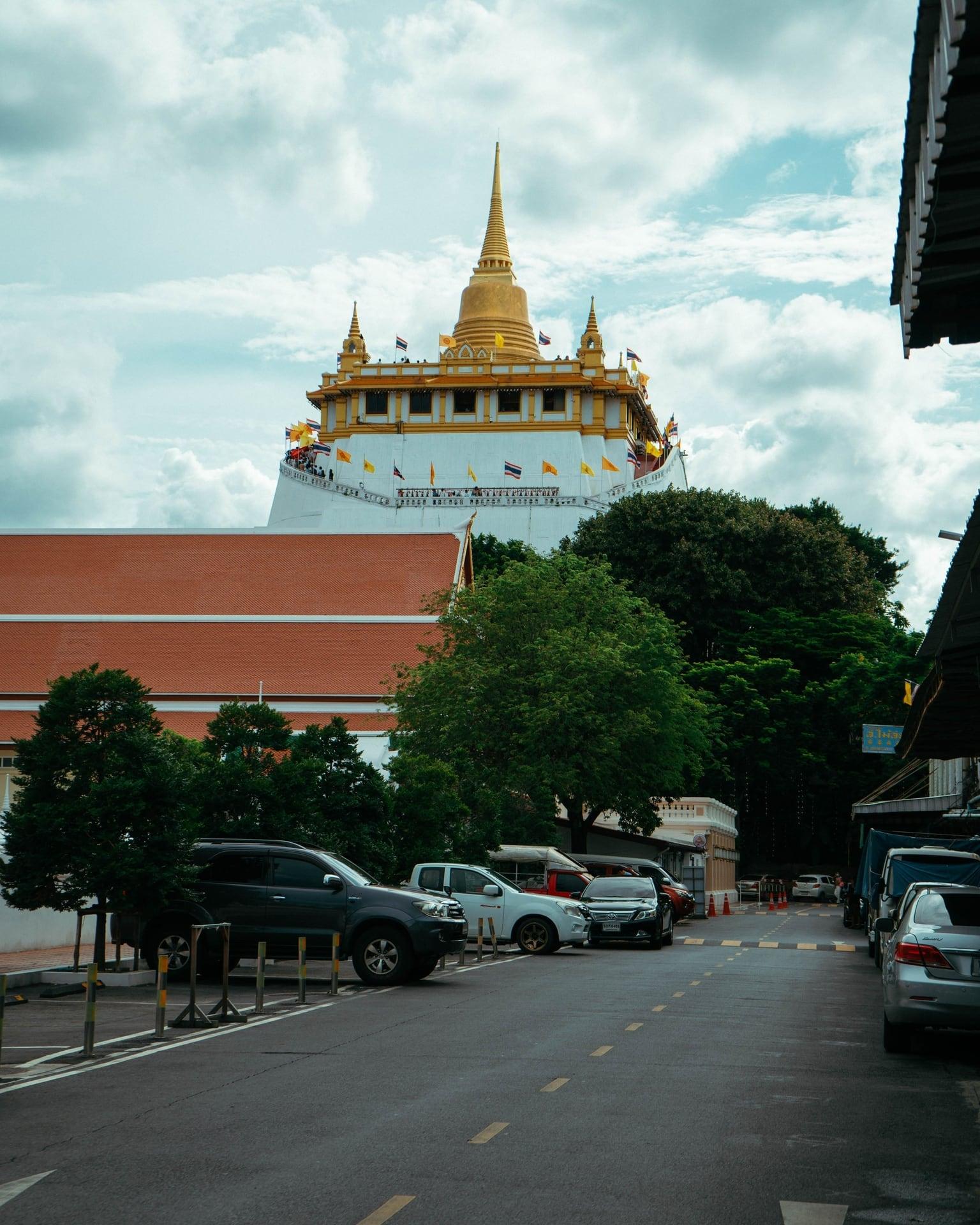
Golden Mount and the Old City Wall: Walking the Edge of Bangkok's First Royal City
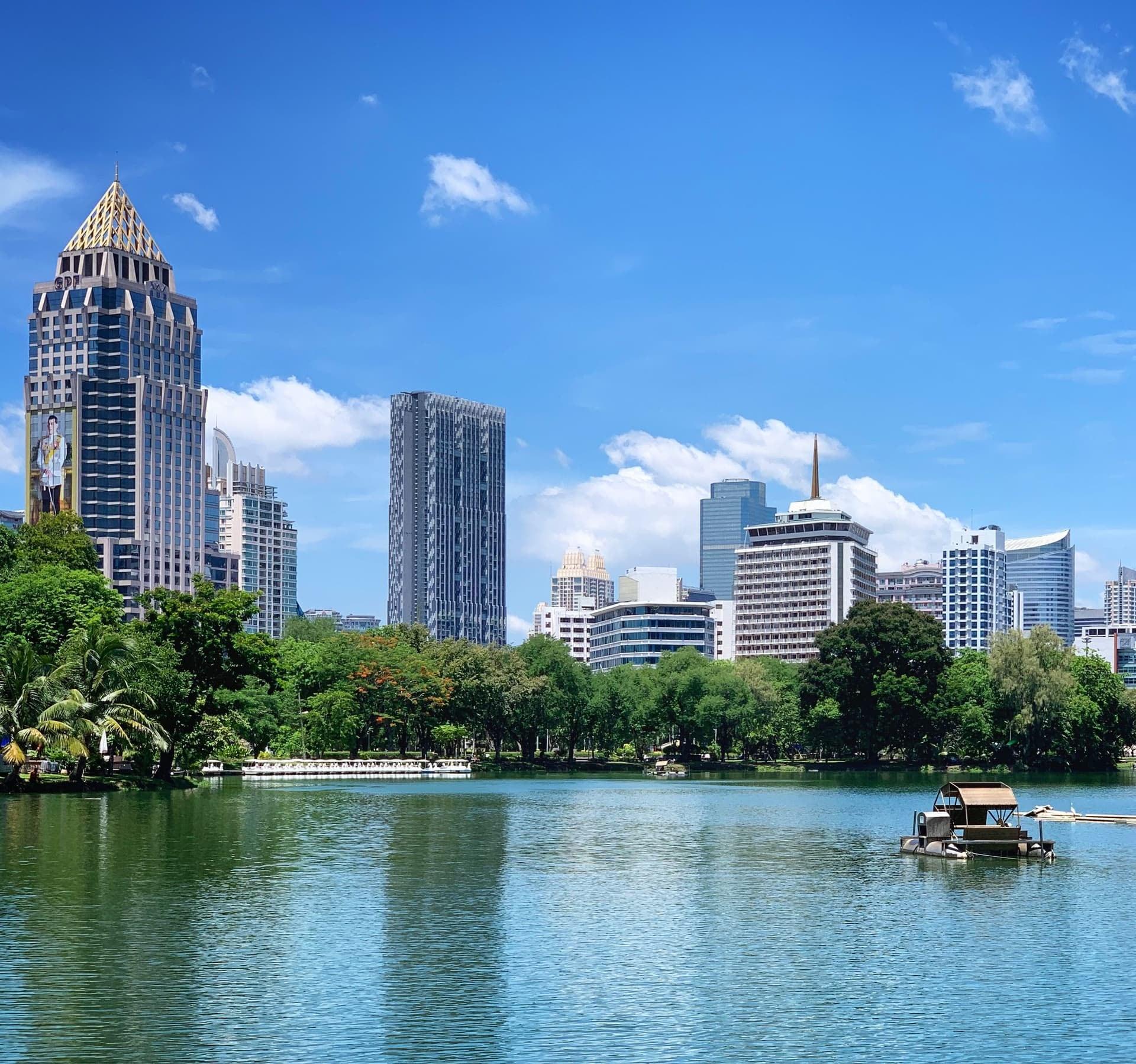
Lumphini Park: The Fair That Never Opened and the Park Bangkok Got Instead
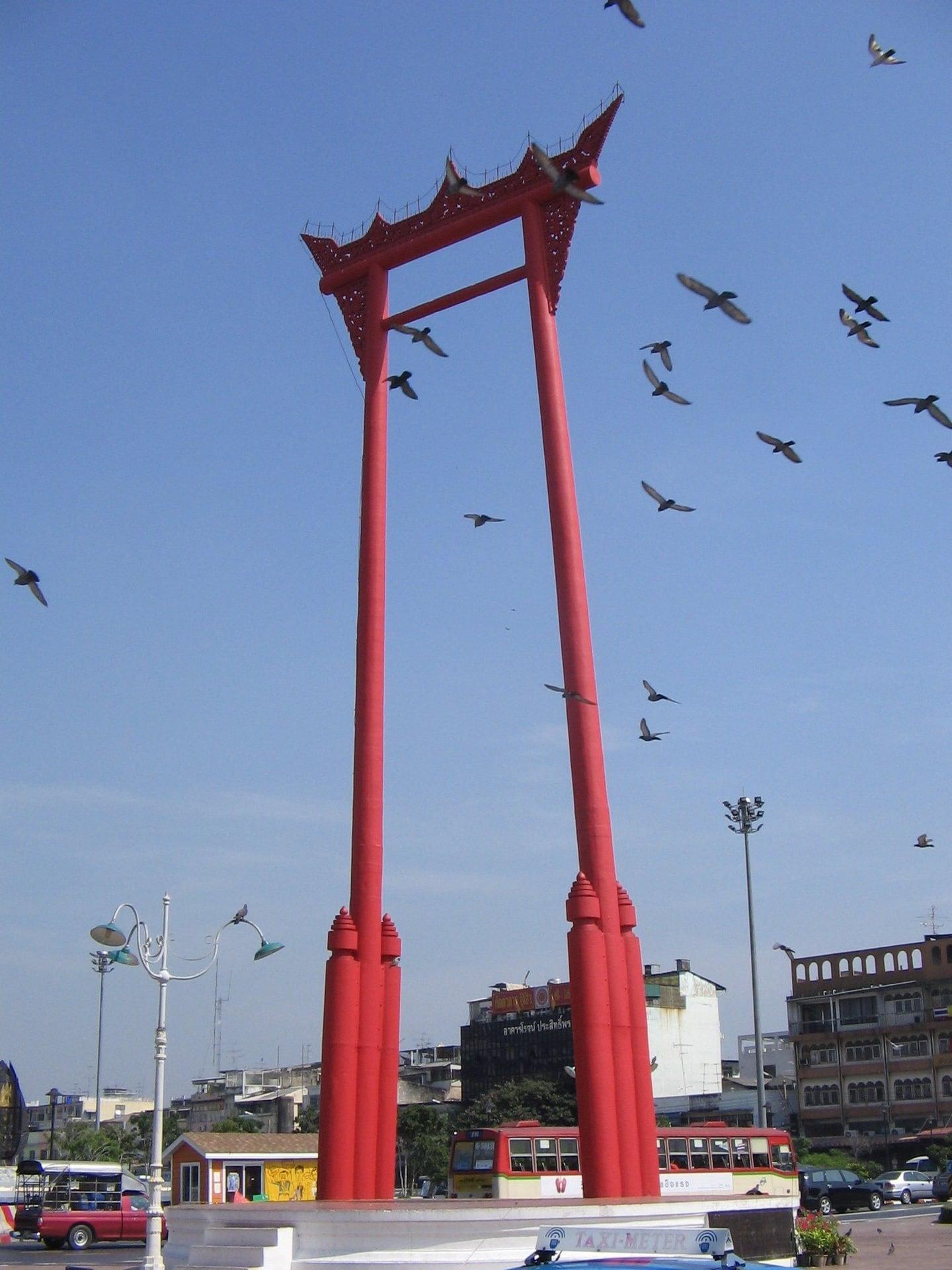
Giant Swing (Sao Ching Cha) and the Devasathan: A Brahmin New Year in a Buddhist Capital