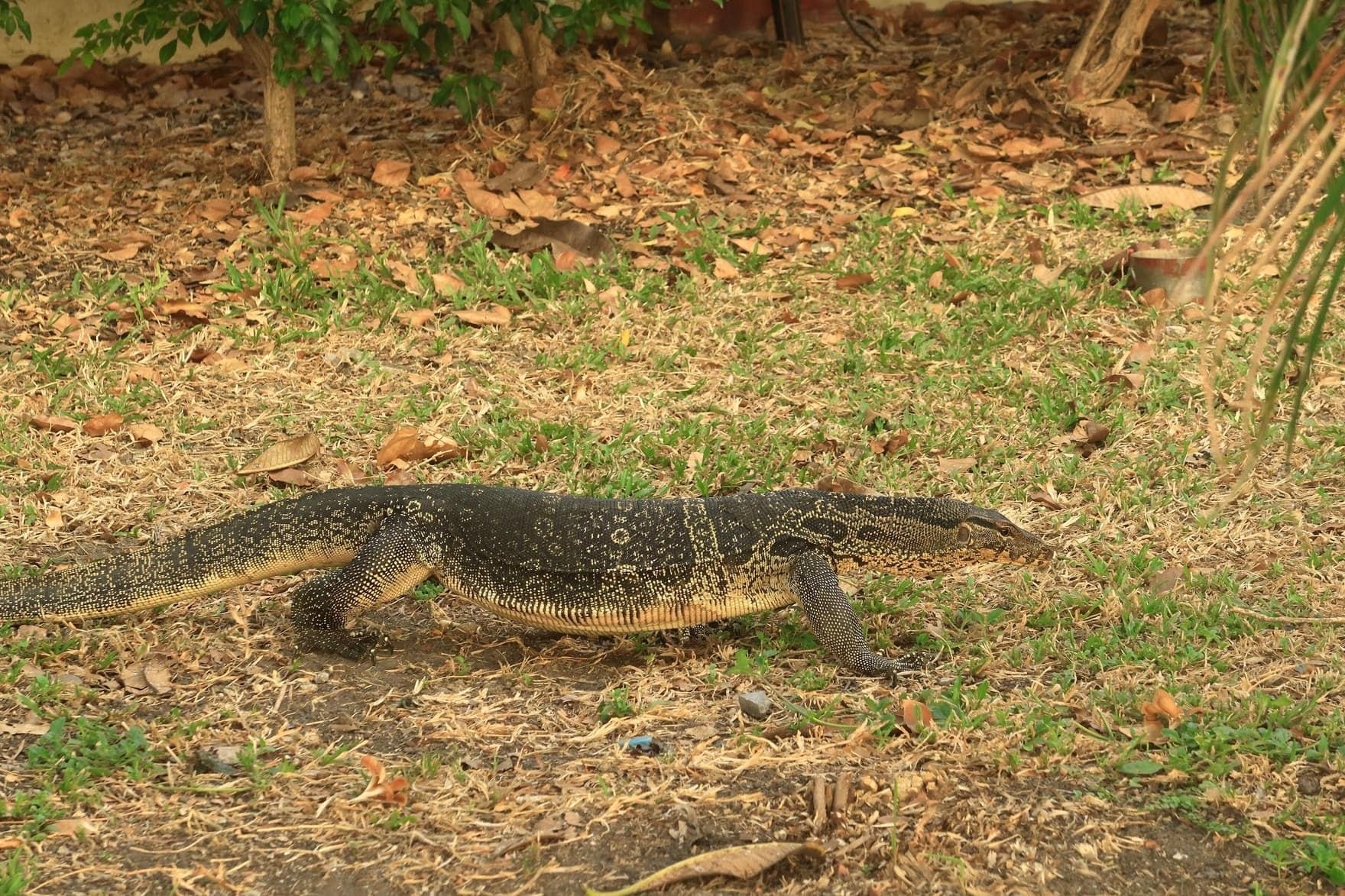
Stand by the canal that runs east from Lumphini Park's lake and you will probably see one before you see the statue: a long, dark brown lizard on the bank, swimming low in the water, or sometimes halfway up a palm tree. These are Asian water monitors, and the park is full of them. The Guardian, reporting from the park in 2025, put the number at about 400. They are the world's second-largest lizard, and they have made a home in the middle of Bangkok.
What you are looking at
The Asian water monitor, Varanus salvator, reaches about two meters long, according to The Guardian. In the wild it lives in rivers, lakes and swamps across Southeast Asia and into India and China. Lumphini gives it a lake and canals. The park's lake was dug in 1925 for a national exhibition that never opened, and the planners drew canals all around the ground. A century later, that water is lizard country.
The Guardian describes the city's canals, the khlongs, as perfect cover for the monitors, with a near-constant supply of fish, birds, chickens and organic waste. In return they help dispose of animal carcasses and keep rats down. Thosapol Suparee, a deputy director-general of the Bangkok Metropolitan Administration's environment department, told the paper that in urban areas they have no natural enemies, which gives them a high survival rate.
A count the city keeps
Hear a stop from this walk
Chinese Clock Tower
Lumphini is one place where the city tracks lizard numbers closely. Suparee told The Guardian that large reptiles on the loose can cause fear and disturbance to people resting or exercising, and can be a risk on the park's roads. Ideally, he said, the population should stay below 400.
The city has stepped in before. Officials captured and moved monitors out of the park in 2016. The Nation, quoting the city's governor, reported 150 large monitors moved that year and 150 more in 2018; The Guardian says dozens. Counts differ, but the outcome does not. A female lays a clutch of about 20 eggs at a time, and the numbers bounced back.
From insult to mascot
The lizard has had a poor reputation in Thai culture. The Guardian notes that the Thai word for monitor lizard, hia, is considered a highly offensive swear word. Public opinion, the paper reports, has begun to shift, much of it through social media. Many people trace the change to a viral video in 2021 of a lizard climbing the shelves of a convenience store, and the monitors are now increasingly seen as a draw for visitors.
The city has leaned in. In 2025 a large statue of a monitor lizard was installed near one of the park's lakes, and Suparee told The Guardian it was put up to show that the monitors are part of the richness of Bangkok's ecosystem, not just park animals. It is the statue you stop beside on the walk.
How to watch them
Water monitors are wild and protected in Thailand. They are considered mostly harmless to people, but give them room. MGR Online, in April 2026, asked visitors not to approach or feed them, warning that they may bite if startled. Stay a couple of meters back, never touch or feed one, and let them cross the path in their own time.
The Guardian's reporter found them out in force shortly after dawn, scrambling up palms, swimming through the waterways and wrestling on the road. Look along the banks, in the shallows and at the base of the trees.
Walk it
The water monitors are stop 6 of 12 on Roamer's Lumphini Park walk, between the island in the lake and the swan boat pier. The walk starts on the plaza at the King Rama VI Monument, beside MRT Si Lom Exit 1, and goes about 2 kilometers in about 65 minutes. The park is open 4:30 am to 10 pm, and at 6 pm the national anthem plays over the loudspeakers: stand still with everyone until it ends. Walk at your own pace, with no group, and start any time the gates are open. For the park's whole story, read Lumphini Park: The Fair That Never Opened, or browse the other Bangkok walking tours.
Sources
- The Guardian, Gloria Dickie, "Little Godzilla", 15 September 2025: the count of about 400, the species, size and range, diet, Thosapol Suparee's remarks, the 2016 relocations, clutch size, the word hia, the shift in opinion and the 2025 statue.
- The Nation, 4 September 2018: monitors moved out of the park in 2016 and 2018.
- MGR Online, 7 April 2026: the request not to approach or feed the monitors; park hours.
- Kanthika Sriudom, Nakhara (Chulalongkorn University), 2008, and the Bangkok Metropolitan Administration's park office: the 1925 lake and the exhibition plan's canals.
- Roamer tour, Lumphini Park: The Fair That Never Opened (November 2026), stop 6.
Ready to experience it?
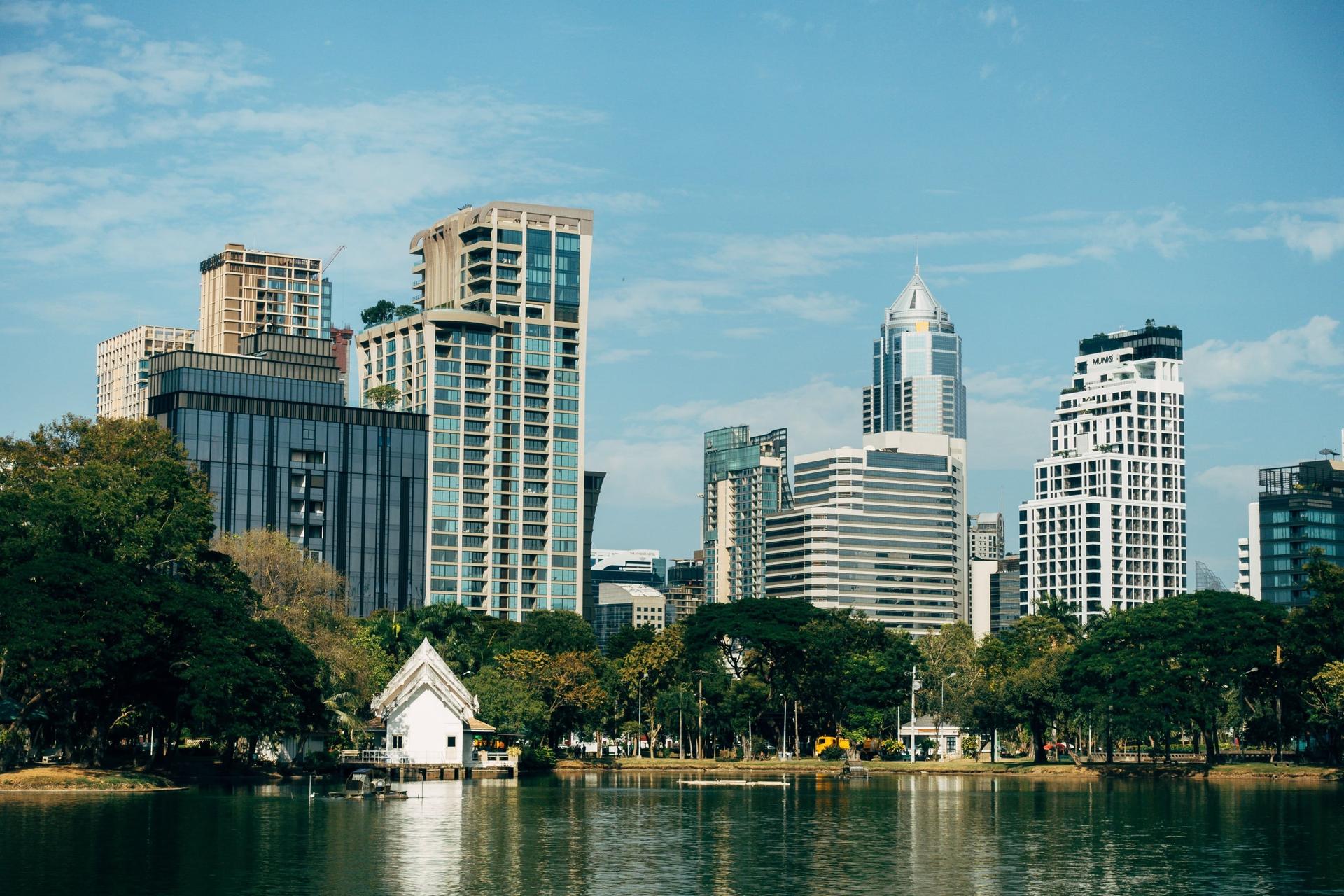
Lumphini Park: The Fair That Never Opened
65 min · 2 km · easy
More from Bangkok
Explore more at your own pace.
Best Culture Walking Tours in Bangkok (2026)
Best History Walking Tours in Bangkok (2026)
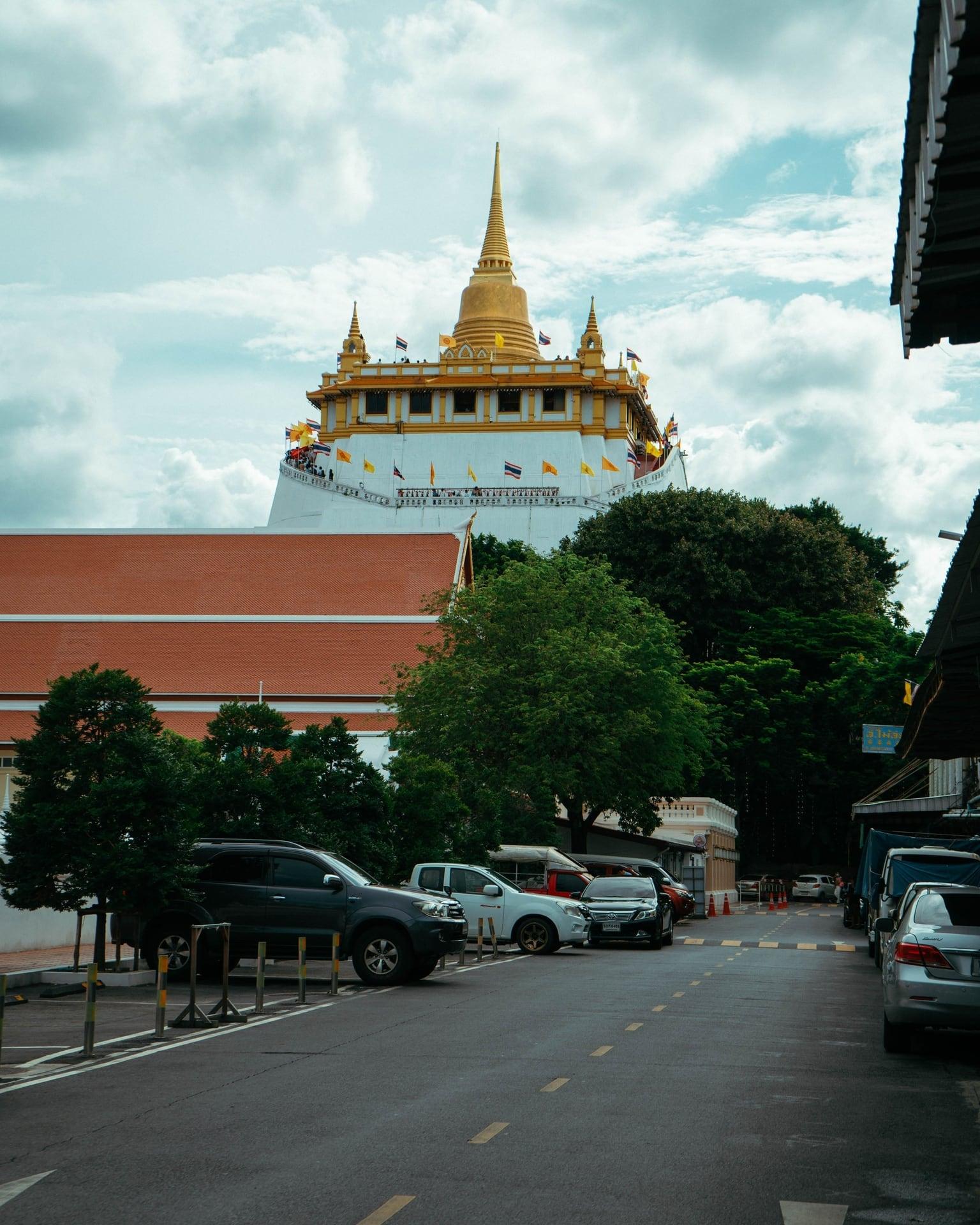
Golden Mount and the Old City Wall: Walking the Edge of Bangkok's First Royal City
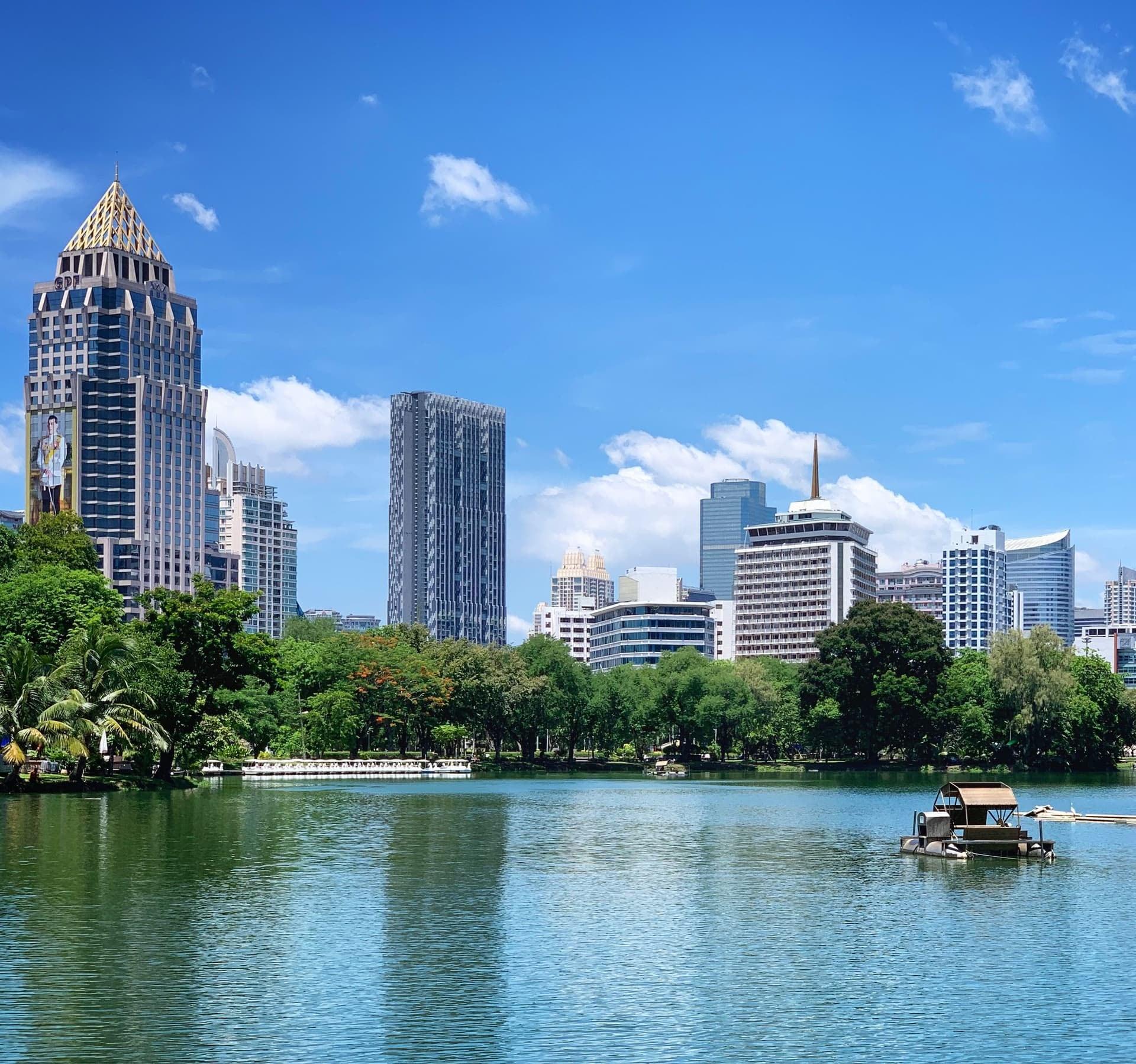
Lumphini Park: The Fair That Never Opened and the Park Bangkok Got Instead
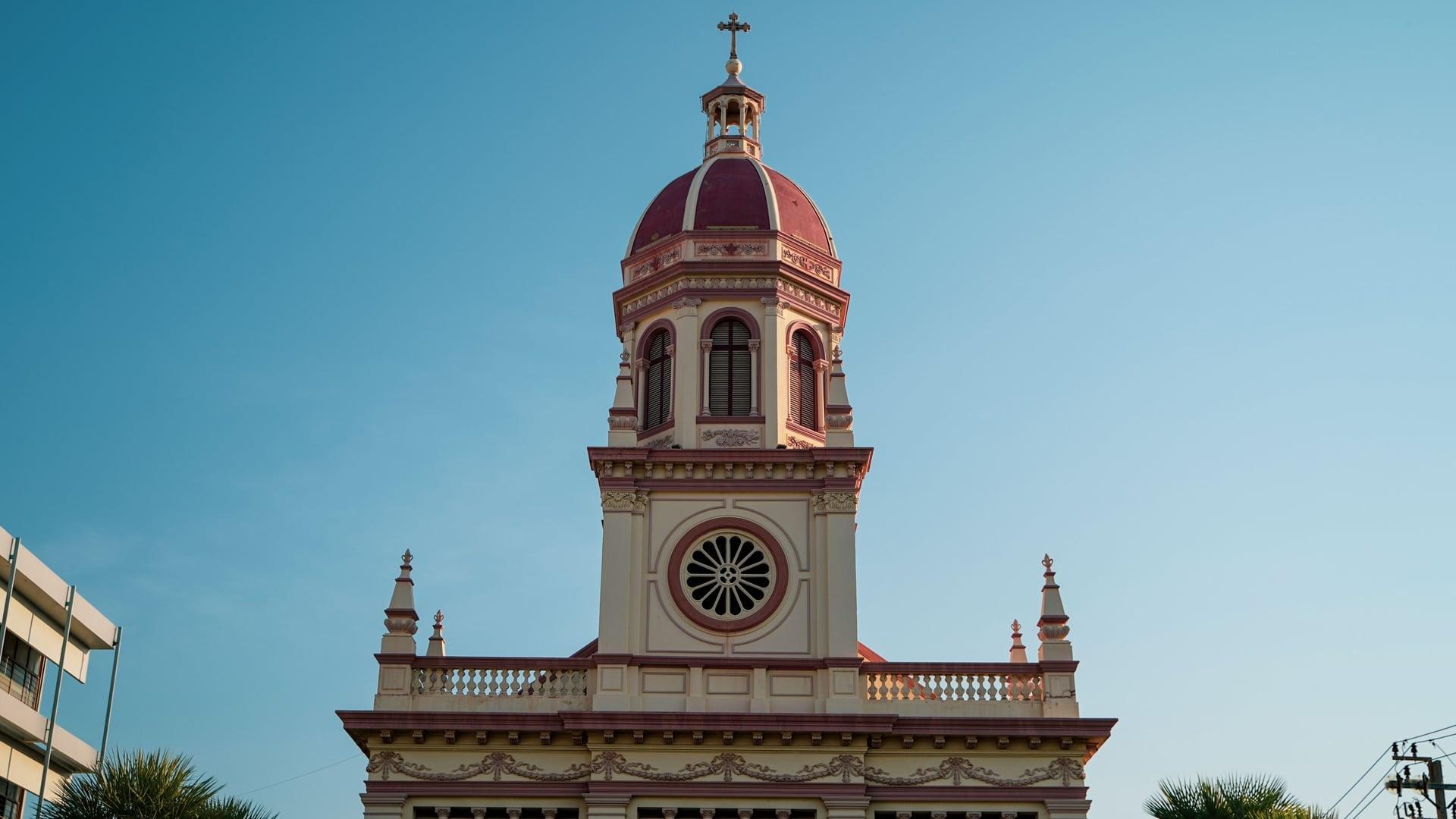
Thonburi and Kudi Chin: The Capital Before Bangkok and the Neighbors Who Stayed