Britomart & the Waterfront: From Whaling Port to America's Cup
75 min · 2.7 km · easy
Auckland deserves two to three full days on foot: the harbour edge, the old civic spine up Queen Street, and the older suburb of Parnell with its volcanic Domain. That is the honest answer to the most common planning question. Auckland is compact where it counts. The core sights sit inside a walkable ring around the waterfront and the central ridge, and everything else (the museum, the beaches, the offshore islands) connects by a public transport network you can run off a single tap card. This guide covers how long to stay, how to move, when to come, what things cost, and a calm word on safety, all checked against current 2026 sources.
For the walking routes themselves, see our Auckland walking tours hub and the city page at /new-zealand/auckland.
How many days do you need in Auckland?
Two days covers the essentials. Three lets you slow down and add a day trip. Here is a shape that works.
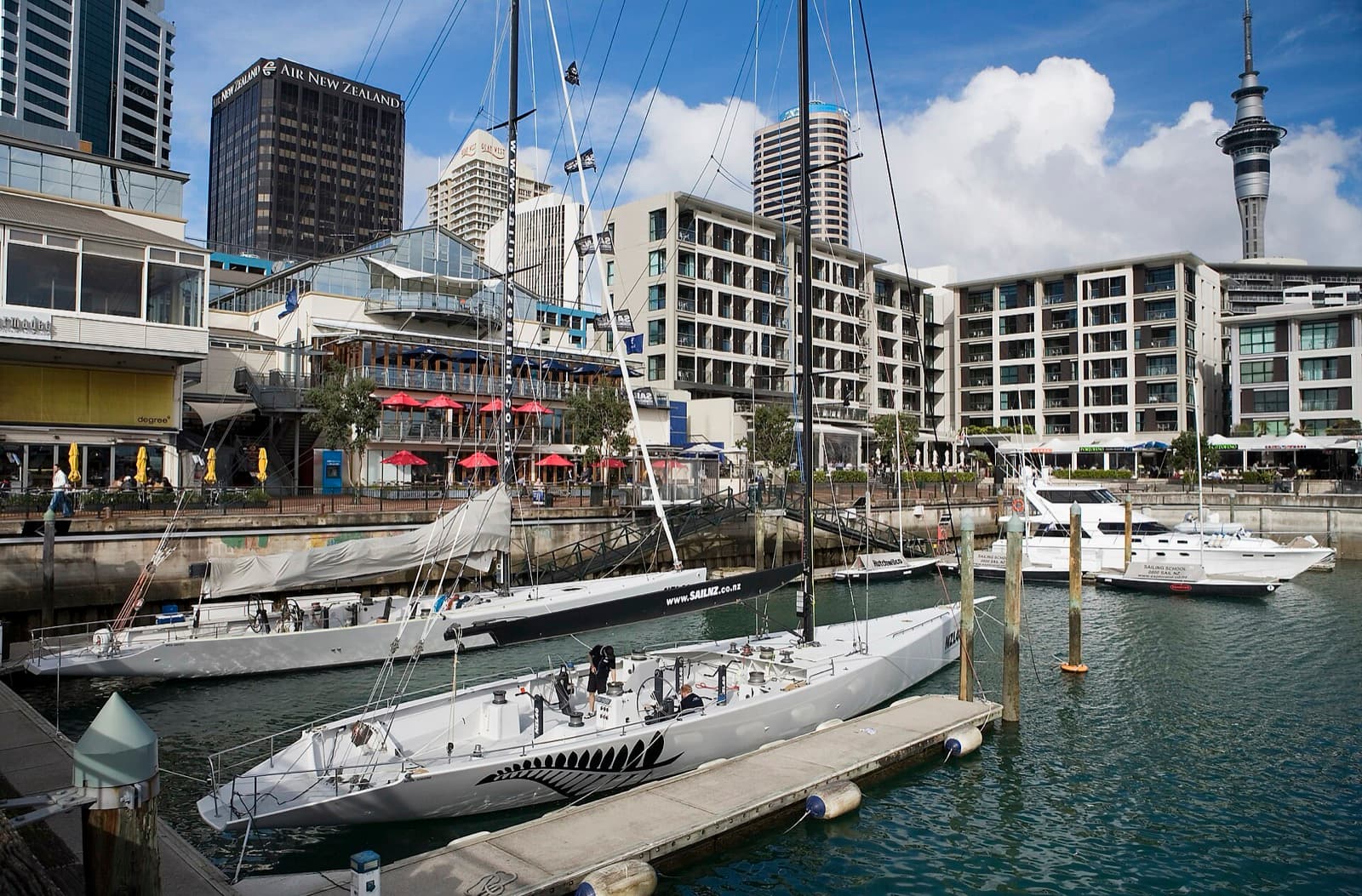
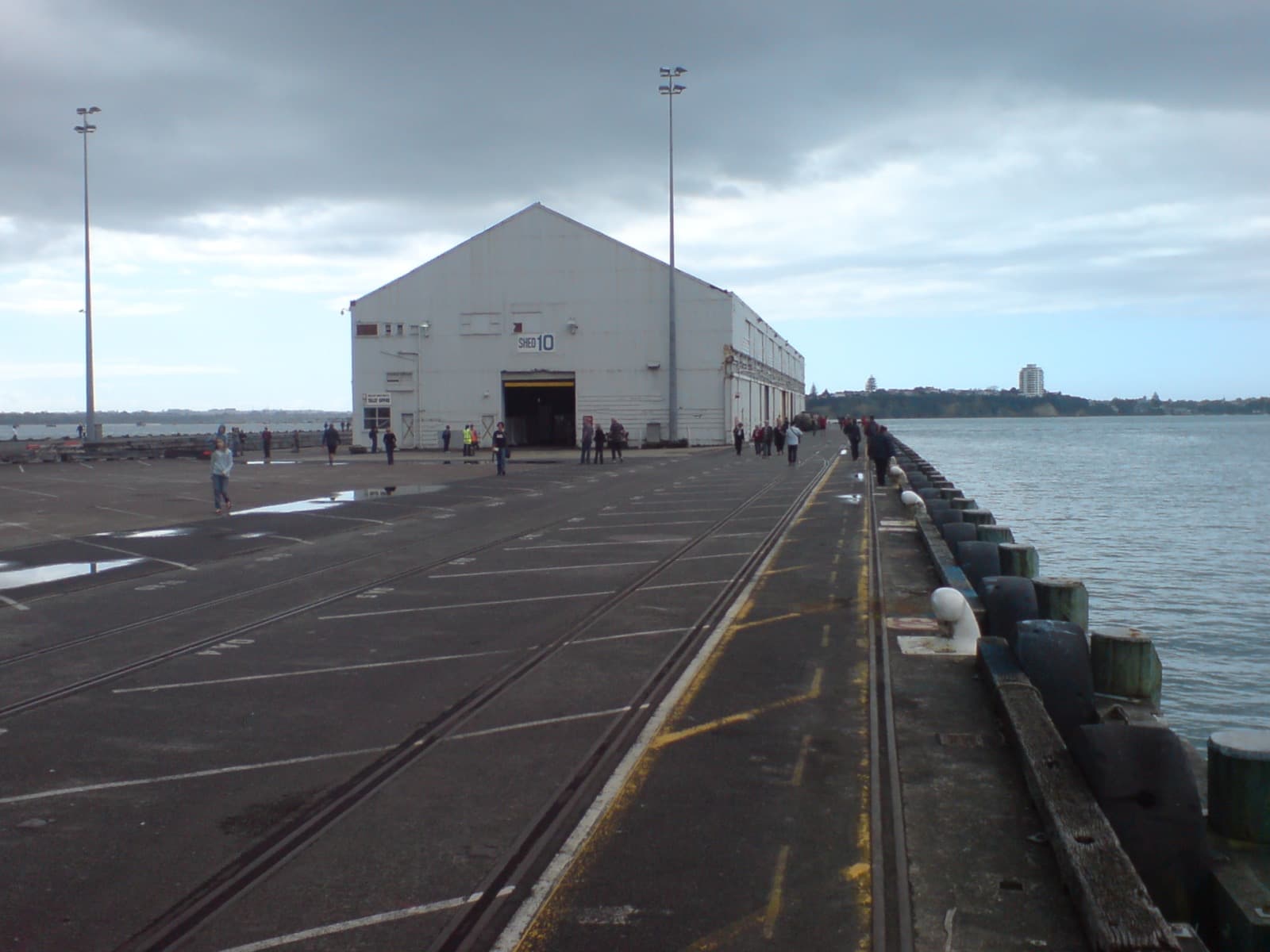
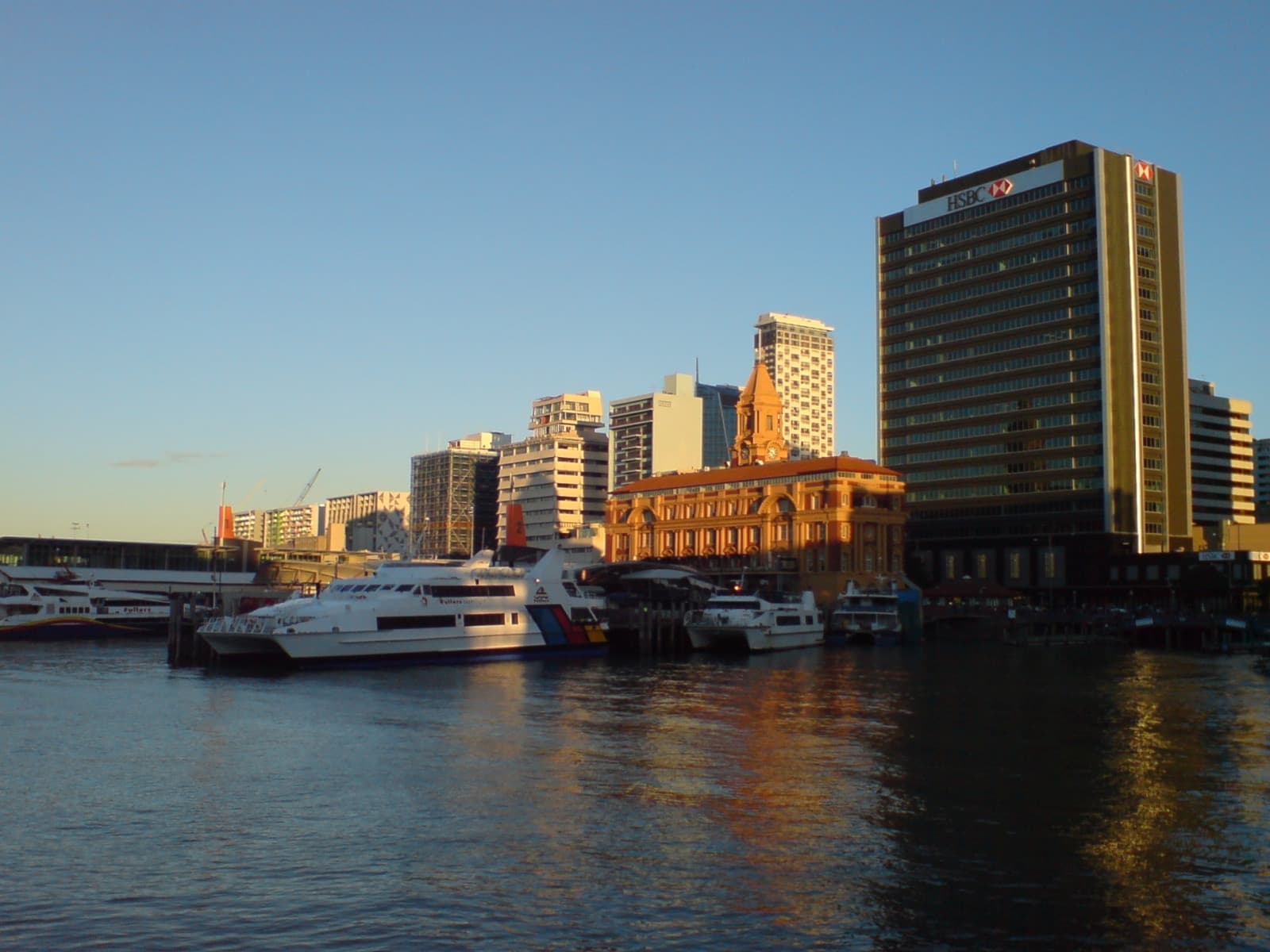
Day one belongs to the water. The Auckland Britomart & Waterfront walk is a level 2.7 km loop from the Ferry Building along Queens Wharf, through the restored Britomart precinct, past Princes Wharf and the Viaduct Harbour to Wynyard Quarter and Silo Park. It reads a shoreline that has been filled and rebuilt again and again, from whaling port to America's Cup yacht village to glass towers. Flat, free to walk, and about 75 minutes of narration if you do not linger (you will linger).
Day two climbs the town. The Old Town & Queen Street walk runs 2.6 km up the buried valley of the Waihorotiu Stream, from the harbour flat to the civic ridge, passing St Patrick's Cathedral, the Civic Theatre, the Town Hall and Aotea Square, the lanes of High Street and Vulcan Lane, and the old Albert Barracks wall on the university grounds. It is graded moderate for the gentle uphill.
If you have a third day, take the Parnell & Domain walk. It threads Auckland's oldest suburb, its little wooden churches and the restored village of Parnell Road, then into the green crater of an old volcano at the Auckland Domain, ending at the Auckland War Memorial Museum on the maunga (the sacred hill). That leaves the offshore islands, Waiheke and Rangitoto, for a separate ferry day if your trip runs longer.
How do you get around Auckland?
Hear a stop from this walk
Commercial Bay: The Buried Beach
Get an AT HOP card and tap on and off every bus, train, and ferry. That is the single practical answer. The card costs around NZD 25 (which typically includes some travel credit) and gives you the cheapest fares. A short hop across the city centre runs a couple of dollars, and daily spend caps around NZD 20 while weekly spend caps around NZD 50, after which travel is free for the rest of that seven-day window. Auckland Transport raised fares by a weighted average of about 5.1 percent from 1 February 2026, so individual trips are a few cents higher than older guides list. Contactless bank cards work too, at a slightly higher per-trip fare.
For the three walks in this guide you barely need transport at all. The waterfront and Old Town routes both start and finish inside the central walkable ring, and Parnell is a short bus or brisk 25-minute walk east of the centre.
From the airport, the cheapest route is the AirportLink bus to Puhinui Station, then the train into the city, for a combined fare in the region of NZD 8. The AirportLink bus runs roughly every 10 minutes from early morning to past midnight. The SkyDrive coach (which replaced the earlier SkyBus airport service) runs door-to-CBD in about 40 minutes for around NZD 20, with stops near SkyCity and Britomart. One forward-looking note worth knowing: the City Rail Link is scheduled to open in late 2026, adding underground stations under the CBD that will shorten walks to many central hotels.
When is the best time to visit Auckland?
The shoulder months of March, April, October, and November give the best balance of pleasant weather, thinner crowds, and better prices. Summer (December to February) is the peak and the warmest, with highs around 23°C, but it is also the busiest and most expensive stretch, and it overlaps the local holiday season. Winter (June to August) stays mild, cooling to around 14°C, but it is the wettest.
One local truth that shapes any walking plan: Aucklanders talk about getting "four seasons in one day," and it is accurate. Humidity sits around 70 percent year round and there is no true dry season. Pack a light waterproof layer whenever you come, and treat a walking tour as flexible rather than fixed to one hour. Because the routes are audio-guided and self-paced, you can duck into a cathedral or a covered lane when a shower passes and pick the narration back up.
Is Auckland safe for travelers?
Yes, with ordinary city sense. Auckland ranks among the safer large cities in the world, violent crime against visitors is uncommon, and most trips pass without incident. The central commercial district is well lit and busy during the day and into the evening. The honest caveats are small and specific: late at night on weekends there can be minor disturbances around nightlife zones, the CBD streets empty out after hours, and petty theft and the occasional scam turn up in the busiest spots (Queen Street, around the Sky Tower, and transport hubs like Britomart and the airport). Keep your phone and bag close in crowds, book a rideshare rather than walking long distances alone at 2 a.m., and you have covered the realistic risks. All three walks in this guide run in daylight through public, well-trafficked streets and parks.
What does Auckland cost?
Most of what these walks pass is free to see from the outside, so a walking day can cost very little beyond transport and food. The waterfront and Old Town routes are essentially free: the Ferry Building, Queens Wharf, Britomart precinct, the Viaduct, Wynyard Quarter, Queen Street, Aotea Square, High Street, Vulcan Lane, and Albert Park all cost nothing to walk through. Cathedrals like St Patrick's and Holy Trinity welcome visitors free (donations appreciated). The Civic Theatre and Town Hall interiors open only for shows and ticketed events.
The one significant paid attraction on these routes is the Auckland War Memorial Museum, and its pricing is tiered: Auckland residents enter free, other New Zealand residents enter by donation, and international adult visitors pay around NZD 27 (children five to fifteen roughly half that, under fives free). Ewelme Cottage in Parnell charges a small house-museum admission during its limited open hours, with the exterior and garden free. Budget a modest daily figure for transport (well under the NZD 20 cap), add a museum ticket if you go inside, and factor in coffee and lunch, and an Auckland walking day stays inexpensive by big-city standards.
Putting it together
Give Auckland two to three days, walk the waterfront first and the town second, add Parnell if you have the time, move on a tapped HOP card, come in the shoulder season if you can, carry a rain layer regardless, and use normal night sense in the center. The three self-guided walks in this guide are built to be picked up and put down around weather and appetite, which is exactly what Auckland's changeable sky rewards. Start with the Auckland walking tours hub, then open the city page at /new-zealand/auckland to choose your first route.
Sources
- AT HOP card and Auckland public transport, Auckland Transport (at.govt.nz)
- Public transport fare changes 2026, Auckland Transport
- Auckland Airport to CBD transfer options, newzealand.com FAQ
- Auckland War Memorial Museum admission (resident free, international paid)
- Best time to visit Auckland, month-by-month climate
Frequently asked questions
- How many days do you need in Auckland?
- Two days covers the essentials and three lets you slow down. Day one is the waterfront (a level 2.7 km loop from the Ferry Building to Wynyard Quarter), day two climbs Queen Street through the old town, and a third day adds Parnell and the Auckland Domain. A fourth day frees you to ferry out to Waiheke or Rangitoto Island.
- What is the best way to get around Auckland?
- Buy an AT HOP card, which costs around NZD 25 and usually includes some travel credit, then tap on and off every bus, train, and ferry. Short central rides cost a couple of dollars, daily spend caps around NZD 20, and weekly spend caps around NZD 50. Contactless bank cards work too at a slightly higher per-trip fare.
- How do you get from Auckland Airport to the city centre?
- The cheapest route is the AirportLink bus to Puhinui Station then the train into the city, for a combined fare around NZD 8, with the AirportLink bus running roughly every 10 minutes. The SkyDrive coach runs door-to-CBD in about 40 minutes for around NZD 20, stopping near SkyCity and Britomart. The City Rail Link is scheduled to open in late 2026 with new central stations.
- When is the best time to visit Auckland?
- The shoulder months of March, April, October, and November give the best balance of pleasant weather, thinner crowds, and lower prices. Summer (December to February) is warmest, near 23°C, but busiest and priciest. Winter stays mild, around 14°C, but is the wettest. Auckland has no true dry season, so pack a light waterproof layer whenever you come.
- Is Auckland safe for tourists?
- Auckland ranks among the safer large cities in the world and violent crime against visitors is uncommon. The central district is well lit and busy by day. The realistic caveats are small: minor weekend disturbances around nightlife zones, empty CBD streets late at night, and petty theft or scams in the busiest spots like Queen Street and Britomart. Ordinary city sense covers it.
- How much does the Auckland War Memorial Museum cost?
- Admission is tiered. Auckland residents enter free, other New Zealand residents enter by donation, and international adult visitors pay around NZD 27. Children aged five to fifteen pay roughly half that, and children under five enter free. The three walking tours in this guide are otherwise mostly free to walk, since the waterfront and Old Town routes cost nothing to see from the street.
Ready to experience it?
Britomart & the Waterfront: From Whaling Port to America's Cup
75 min · 2.7 km · easy
More from Auckland
Explore more at your own pace.
Auckland: The Harbour City Read in Layers
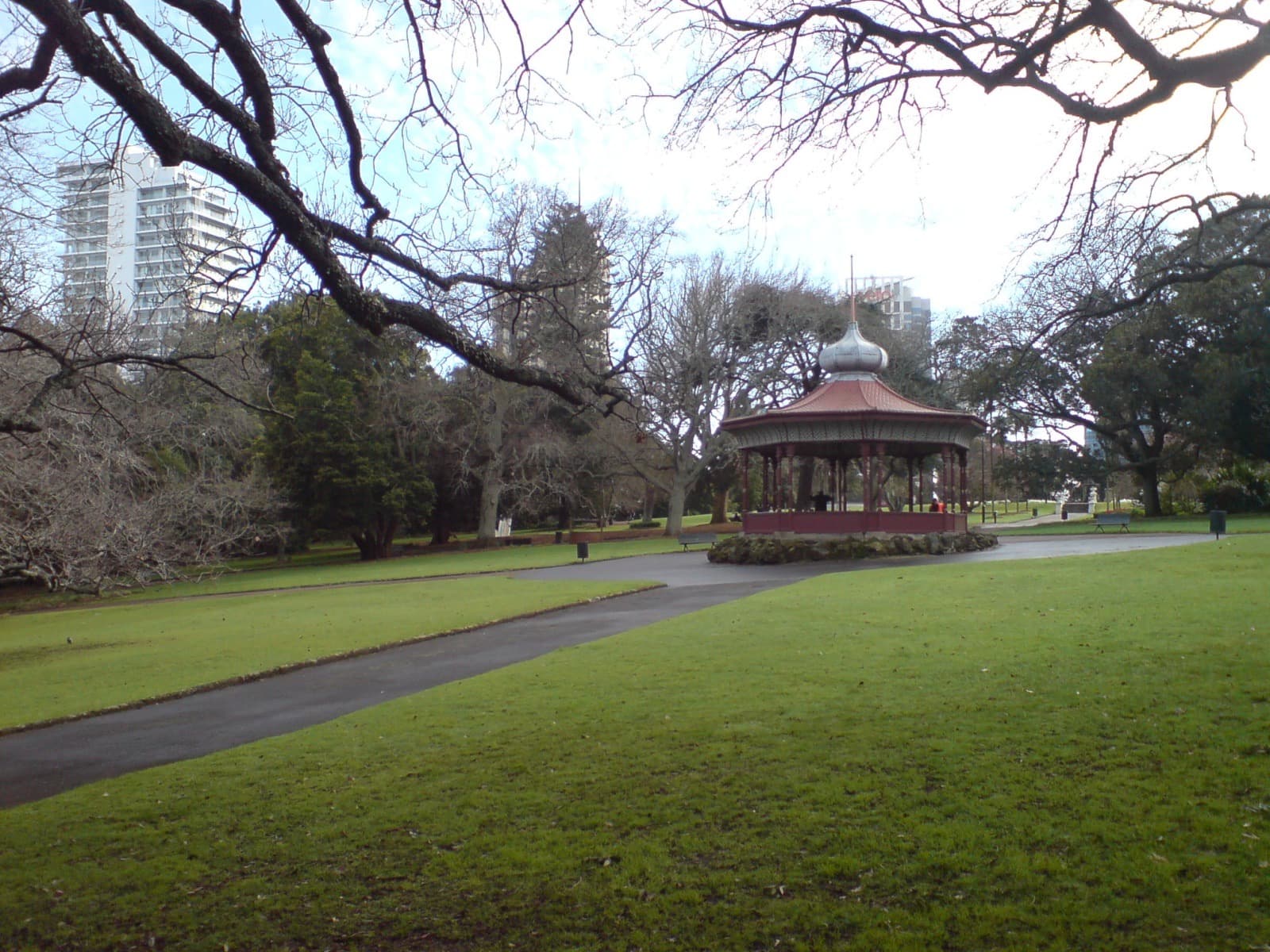
Albert Park and the Barracks Wall: The Garden Auckland Built Over a Fort
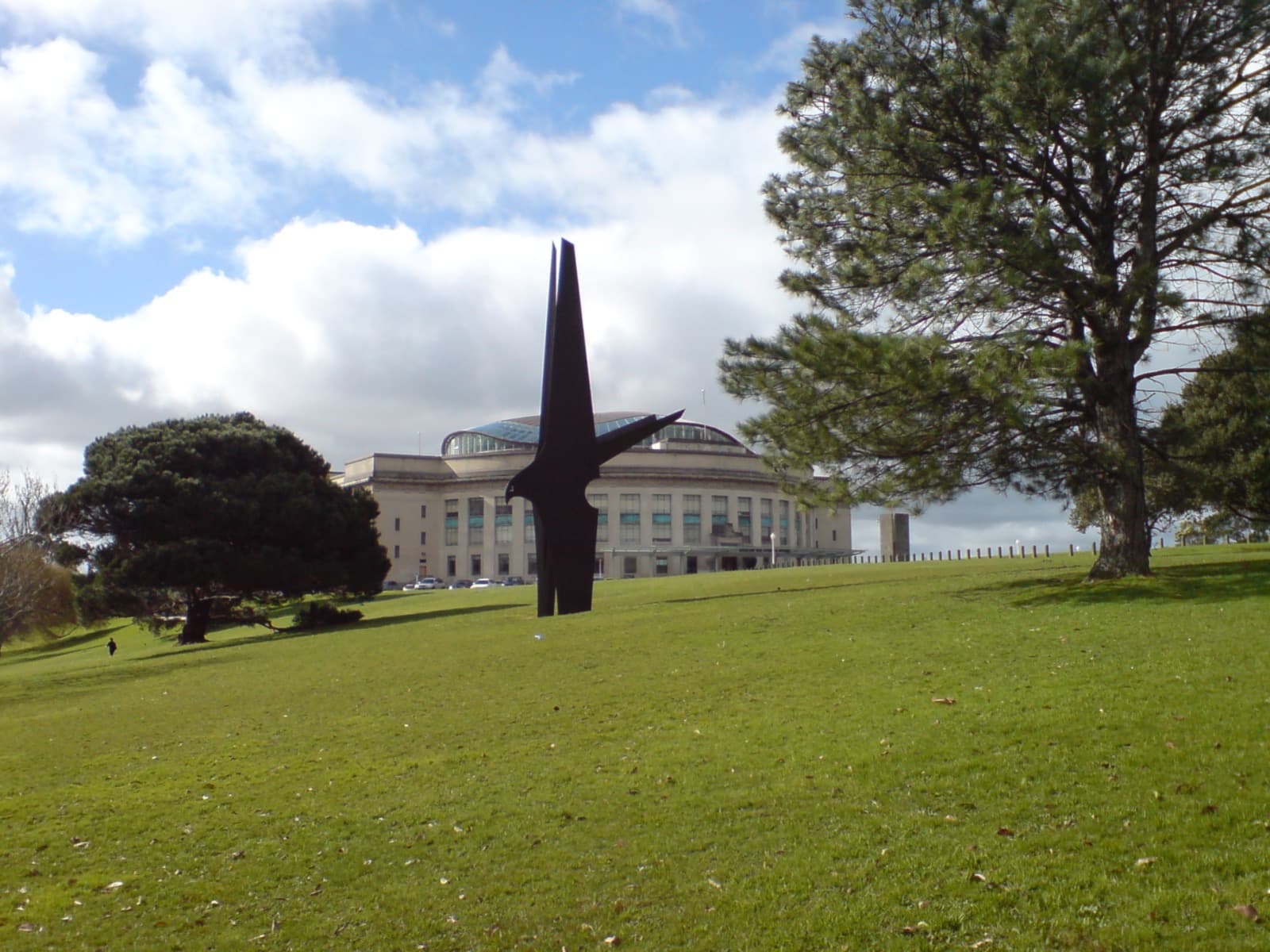
The Auckland Domain: A City Park Built in a Volcano's Crater
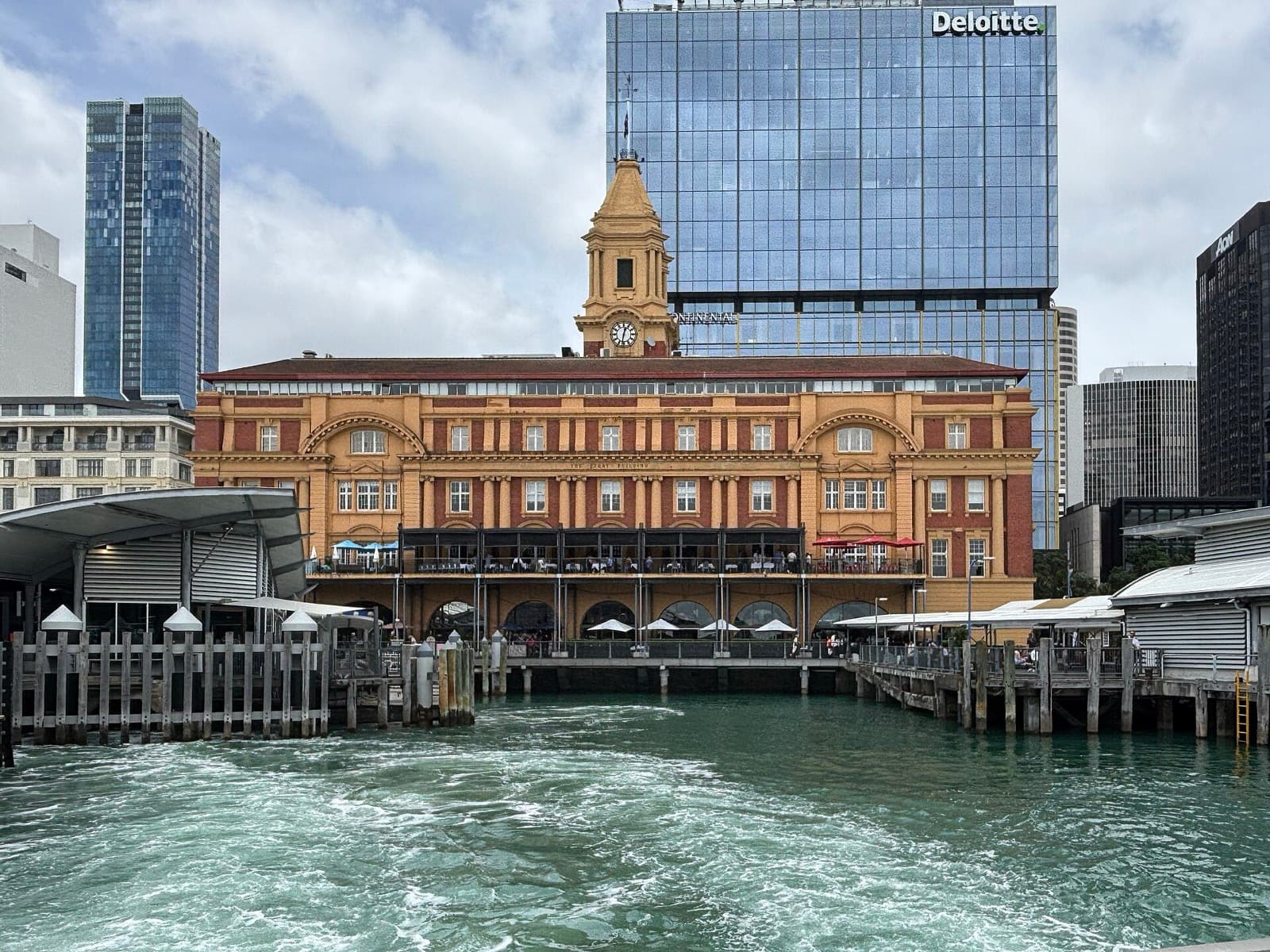
The Auckland Ferry Building: A Front Door Built on Water

The Civic Theatre: Auckland's Picture Palace With a Ceiling of Stars