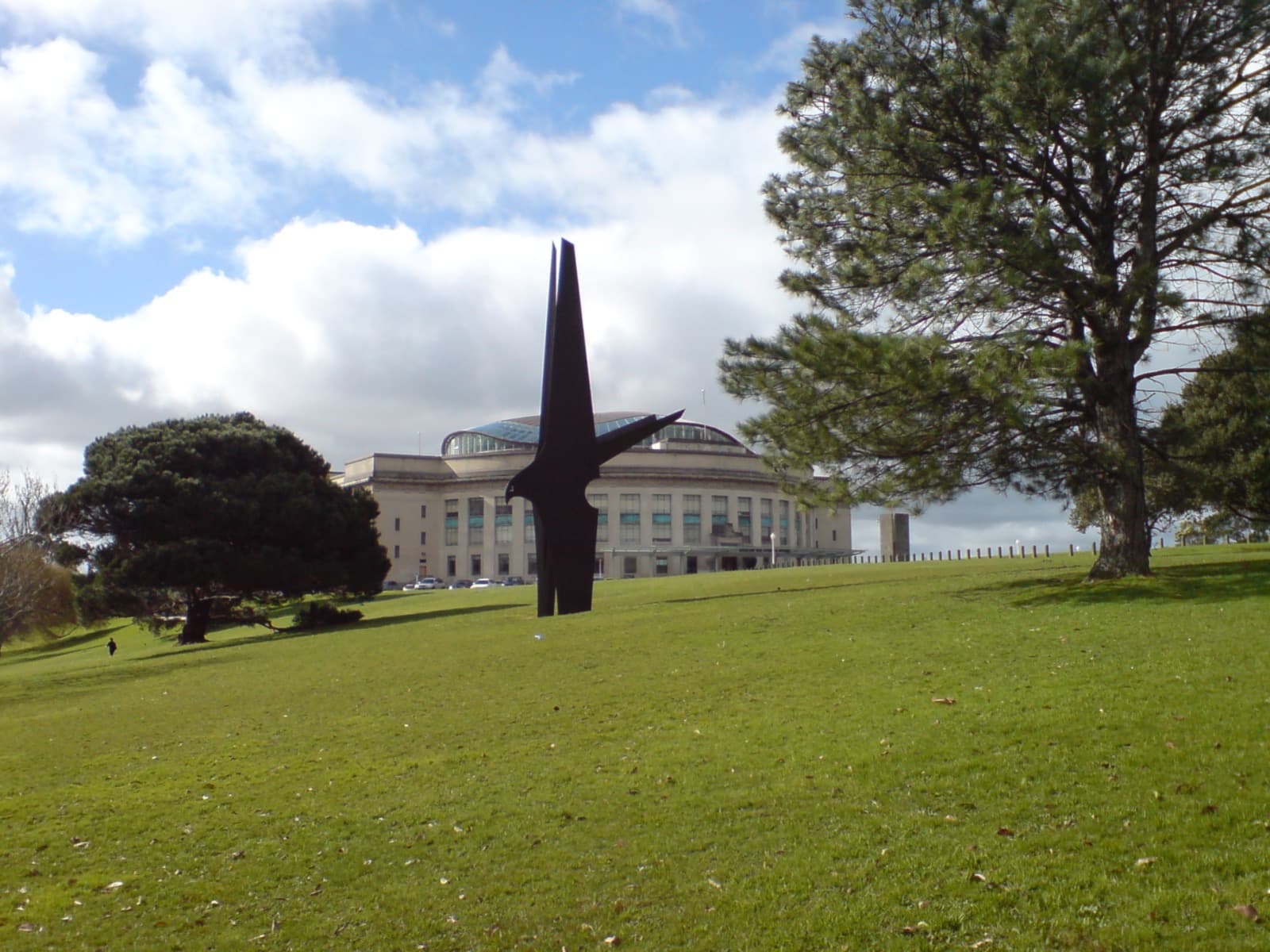
Stand on the flat green floor of the Auckland Domain and you are standing in a volcano. The lawns and playing fields spread across the bowl of a crater; the gentle slopes ringing them are the old volcanic rim. This is Pukekawa, one of the oldest volcanoes in the Auckland field, which erupted roughly one hundred thousand years ago. Today it holds the city's oldest park, about seventy-five hectares set aside as public land in the eighteen forties. To read the Domain properly you have to hold two layers of ground in mind at once: the colonial park on the surface, and the far older Māori land beneath it. That double reading is the argument the whole Parnell and Domain walk quietly makes, from the little wooden churches on the ridge to the memorial museum on the crest.
Two claims on one crater
The park's surface story is easy to date. Governor Robert FitzRoy formally proclaimed this ground Auckland Park in eighteen forty-four, which makes it the city's oldest park. The natural amphitheatre it occupies did the rest of the design work: a flat crater floor for sports fields, sloping sides for trees and paths, all of it a single volcanic bowl dropped into the middle of a growing city.
Beneath that lies an older claim. This is Māori ground long before it was Auckland Park. Within the Domain rose a pā, a fortified Māori settlement, on a small hill contested by many iwi, the tribes, of Tāmaki Makaurau through the long history of this isthmus. Auckland Council records place the land within the area that Ngāti Whātua transferred to the Crown following the Treaty of Waitangi of eighteen forty. So the crater is at once the settlers' first public park and mana whenua, the customary ground of Ngāti Whātua and the wider iwi who are here still. A scheduled group tour tends to rush you across a lawn like this on the way to something ticketed. The Domain is exactly the place to do the opposite: stop in the middle of an old volcano and stand a while, the rim rising green on every side, and let both layers settle.
The village that leads you in
Hear a stop from this walk
The Auckland War Memorial Museum: The Temple on the Maunga
The walk reaches the crater by way of Parnell, and the approach matters, because Parnell carries the same doubleness of old and made-new. You begin on Parnell Road, the spine of Auckland's oldest suburb. Auckland was founded in eighteen forty as the colony's capital, and only a year later, in eighteen forty-one, a man named Robert Tod bought land on this ridge, cut it into thirty-six sections, and advertised them for sale as the Village of Parnell. That is the birth certificate of a suburb. By the mid twentieth century its wooden houses and shops had gone shabby and were slated for demolition. Then, in the nineteen seventies, a local businessman began buying the dilapidated buildings cheaply and restoring them in a Victorian-village style. What emerged, Parnell Village, is a deliberate piece of preservation rather than an untouched relic, but it saved the bones of the real old suburb. Like the Domain, it rewards a slow read of the dates on the gables. You can plan the wider route through Auckland walking tours if you want to see how this ridge connects to the rest of the city.
Two churches anchor the ridge. St Mary's is a Gothic Revival church built entirely in timber, designed by Benjamin Mountfort, its nave consecrated in eighteen eighty-eight and the whole completed in eighteen ninety-seven to eighteen ninety-eight. Heritage New Zealand records describe it as the largest wooden Gothic church in the world, about fifty metres long, with a Category One listing. Its most extraordinary chapter is physical: in nineteen eighty-two the entire timber church was lifted from the far side of the road, moved bodily across Parnell Road, and turned ninety degrees onto its present site. Beside it stands Holy Trinity Cathedral, built in stages across nearly sixty years, from a nineteen fifty-seven foundation stone to the Pacific Gothic nave of nineteen ninety-five (designed by Professor Richard Toy) and the Bishop Selwyn Chapel in twenty sixteen. One is a single burst of Victorian wood rolled here on purpose; the other grew slowly, generation by generation. The pairing is the point.
A short detour off the ridge reaches Ewelme Cottage, a small wooden house built in eighteen sixty-three to eighteen sixty-four for the Reverend Vicesimus Lush. Its history is unusually intimate: one family, the Lush family and their descendants, kept this single house for over a hundred years, into the nineteen sixties. When Auckland City Council acquired it around nineteen sixty-nine it passed almost untouched into public care. It survives virtually unaltered, still full of the family's own furniture and about two thousand of their books. Most colonial house museums are a best guess at how people lived. This one is the real accumulated weight of a century of keeping.
The climb to the temple on the maunga
From the crater floor the walk climbs the volcanic rim, pausing at the Wintergardens on the slope. These are a pair of barrel-vaulted glasshouses arranged around a sunken lily pool, designed by architects William Henry Gummer and Charles Reginald Ford. The Cool House went up around nineteen seventeen to nineteen twenty-one, the Tropical House and courtyard in the late nineteen twenties, and they grew out of the profits of an Auckland Exhibition held on this very site in nineteen thirteen to nineteen fourteen. The fair paid for the gardens that outlasted it. They were restored and reopened around twenty twenty-three, close to their centenary. Free and open to the public, they are the breath in the walk.
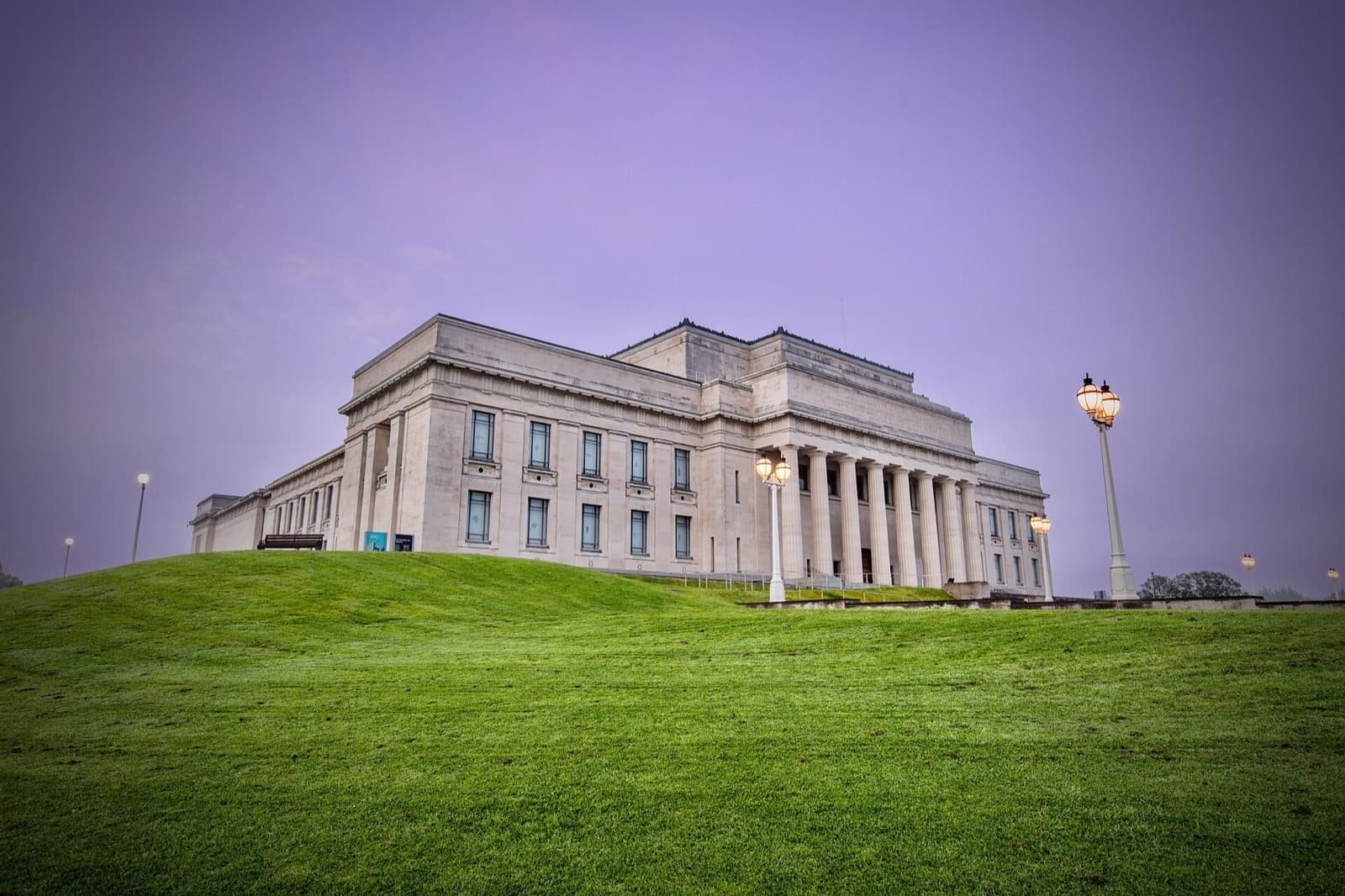
The summit is the Auckland War Memorial Museum, a monumental neoclassical building opened in nineteen twenty-nine, designed by the firm Grierson, Aimer and Draffin. It was raised as two things at once: a memorial to the New Zealanders who died in the First World War, and a museum holding one of the world's greatest collections of Māori and Pacific taonga, treasures. Among them is Hotunui, a carved meeting house built in eighteen seventy-eight, and Te Toki-a-Tapiri, the last of the great waka taua, the war canoes: about twenty-five metres long, able to carry around one hundred warriors, carved from a single tōtara log around eighteen thirty-six. Its history touches the country's hardest years soberly. The canoe was confiscated by the government in eighteen sixty-three, the year of the Crown's invasion of the Waikato, before Paora Tuhaere of Ngāti Whātua secured its protection here. The temple on the maunga, the volcanic cone, guards both at once: the names of the war dead, and the treasures of a people who are here still.
That is the shape of the walk. It reads a suburb and a park as two layers of the same ground, and it ends where the colonial memorial and the older Māori inheritance stand under one roof. On your own time, at your own pace, you can browse the full route and the rest of Auckland before you set out.
Sources
- Auckland Domain, Wikipedia. Background on Pukekawa, the crater, the seventy-five-hectare park, and its eighteen-forties origins.
- Pukekawa / Auckland Domain, Auckland Council park detail page. Official record of the land's status and Ngāti Whātua transfer following the Treaty of Waitangi.
- St Mary's Cathedral and Holy Trinity Cathedral, Auckland, Wikipedia and Heritage New Zealand listings. The timber church, its nineteen eighty-two move, and the cathedral's staged construction.
- Ewelme Cottage, Heritage New Zealand list entry. The Lush family, the Vicesimus Lush build date, and the near-unaltered preservation.
- Auckland War Memorial Museum collections, including the Te Toki-a-Tapiri object record. Provenance of the war canoe and the museum's dual memorial-and-collection purpose.
Ready to experience it?
Parnell and the Domain: Auckland's Oldest Village and its Volcano Park
80 min · 2.9 km · moderate
More from Auckland
Explore more at your own pace.
Auckland Travel Guide: How Many Days, Getting Around, Safety, and Budget
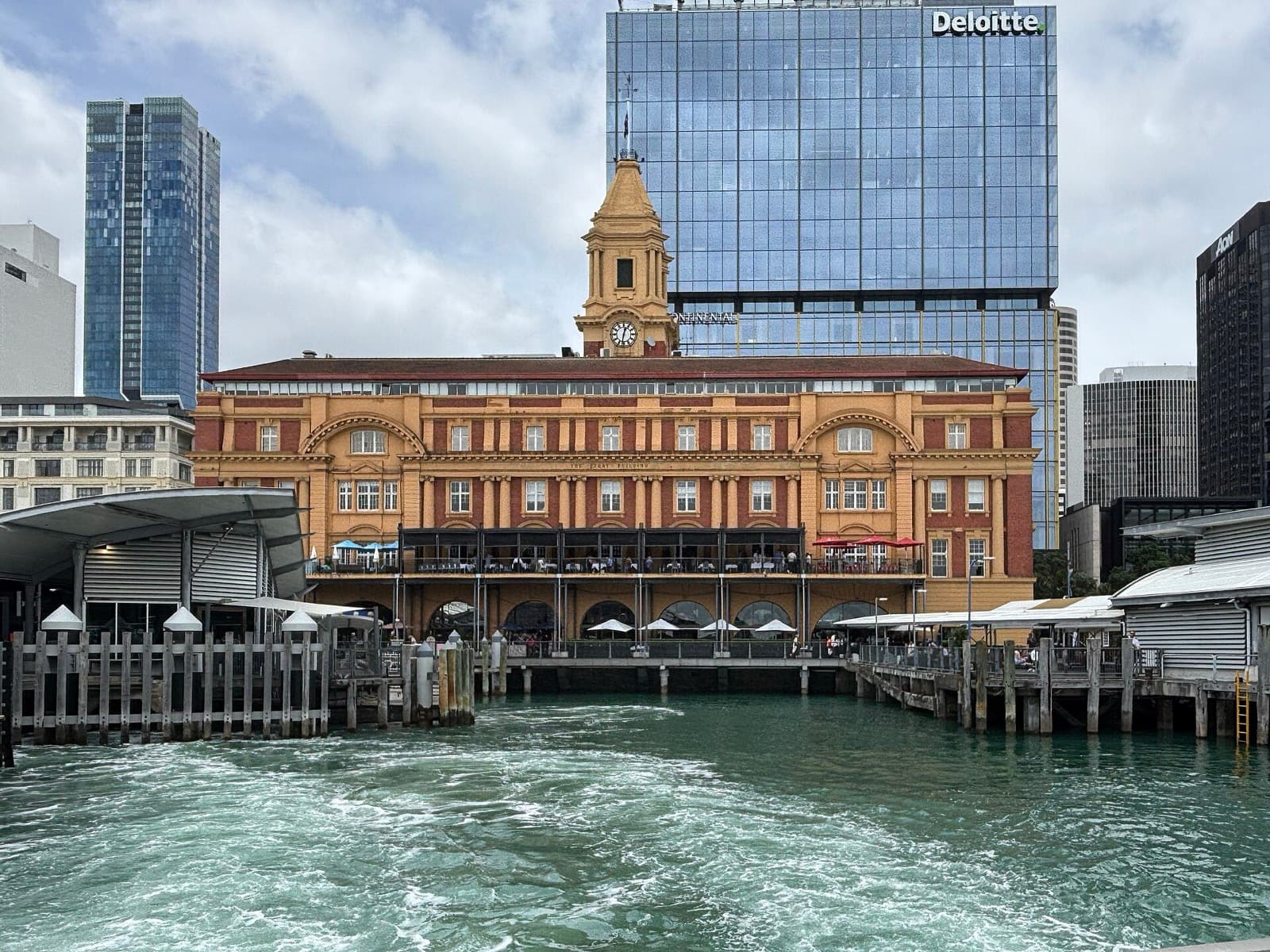
Auckland: The Harbour City Read in Layers
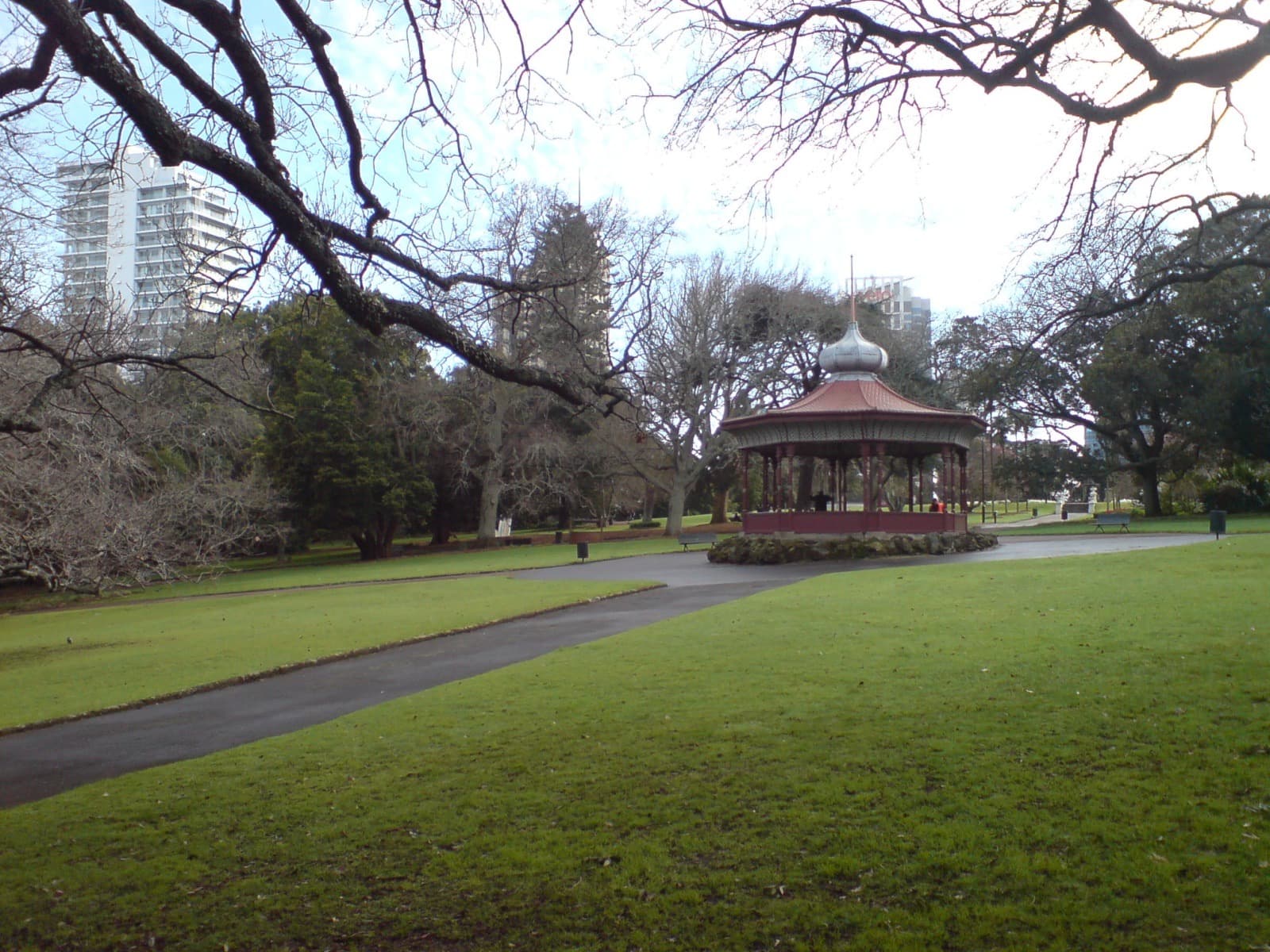
Albert Park and the Barracks Wall: The Garden Auckland Built Over a Fort
The Auckland Ferry Building: A Front Door Built on Water
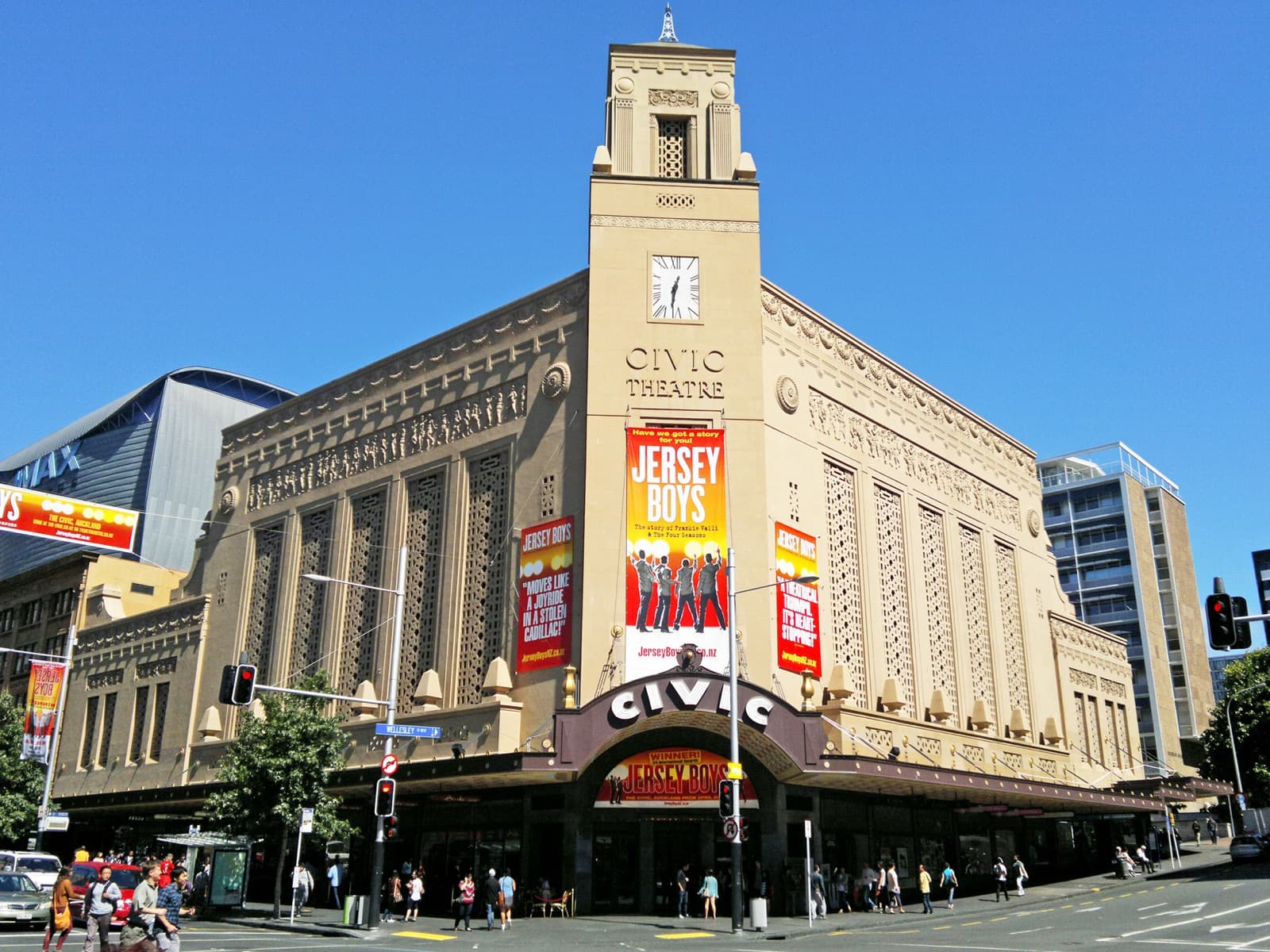
The Civic Theatre: Auckland's Picture Palace With a Ceiling of Stars