Parnell and the Domain: Auckland's Oldest Village and its Volcano Park
4.44·7 Stops·80 minutes·2.9 km
A walk through Auckland's oldest suburb and into the green crater of an old volcano, from little wooden churches and a restored village lane to a memorial museum on the maunga guarding the treasures of the Pacific.
Start · Parnell Road: The Village on the Ridge
DirectionsStops
- 1
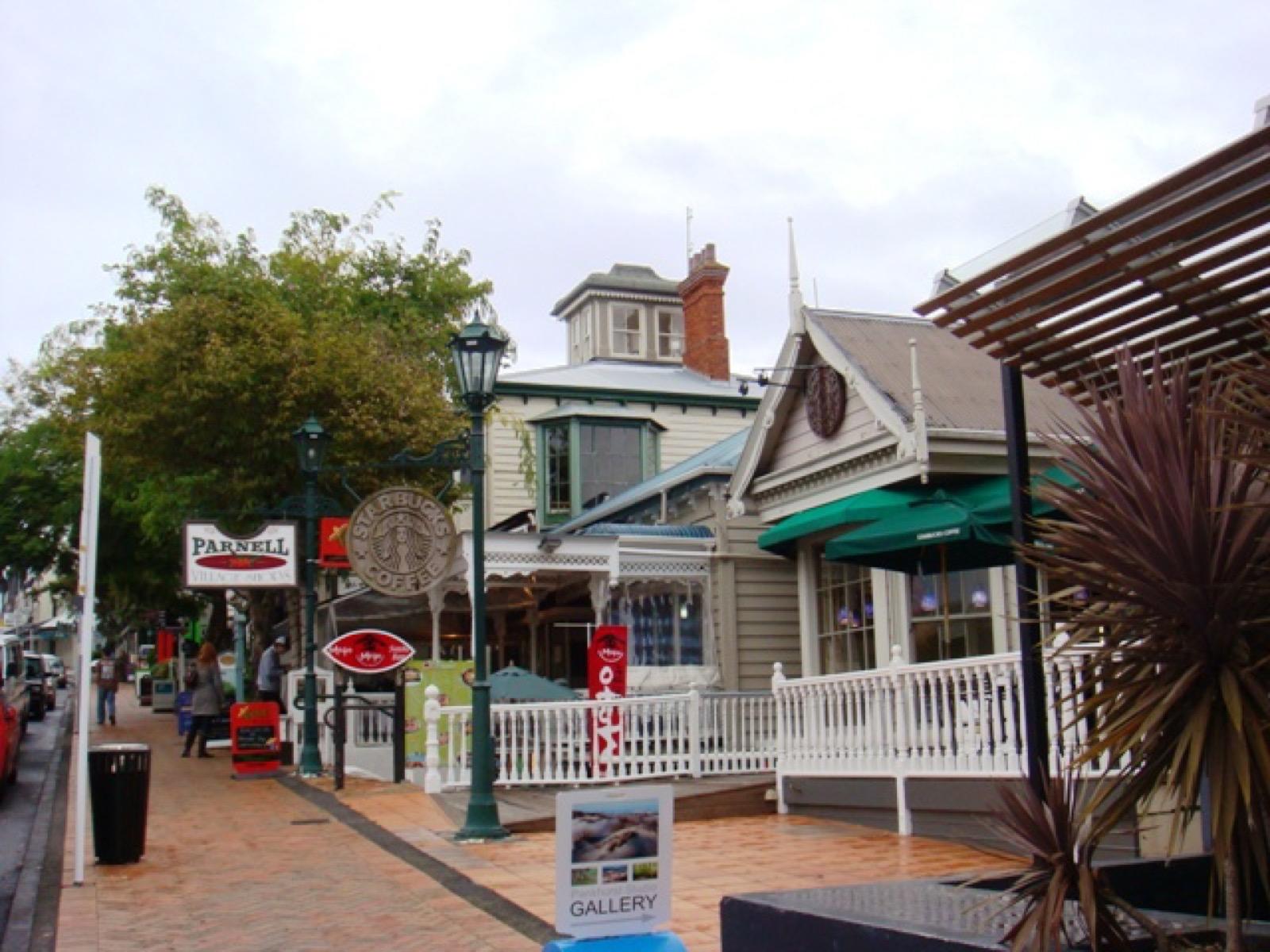
Parnell Road: The Village on the Ridge
The spine of Auckland's oldest suburb, a Victorian ridge street given back its heritage character in the nineteen seventies.
- 2
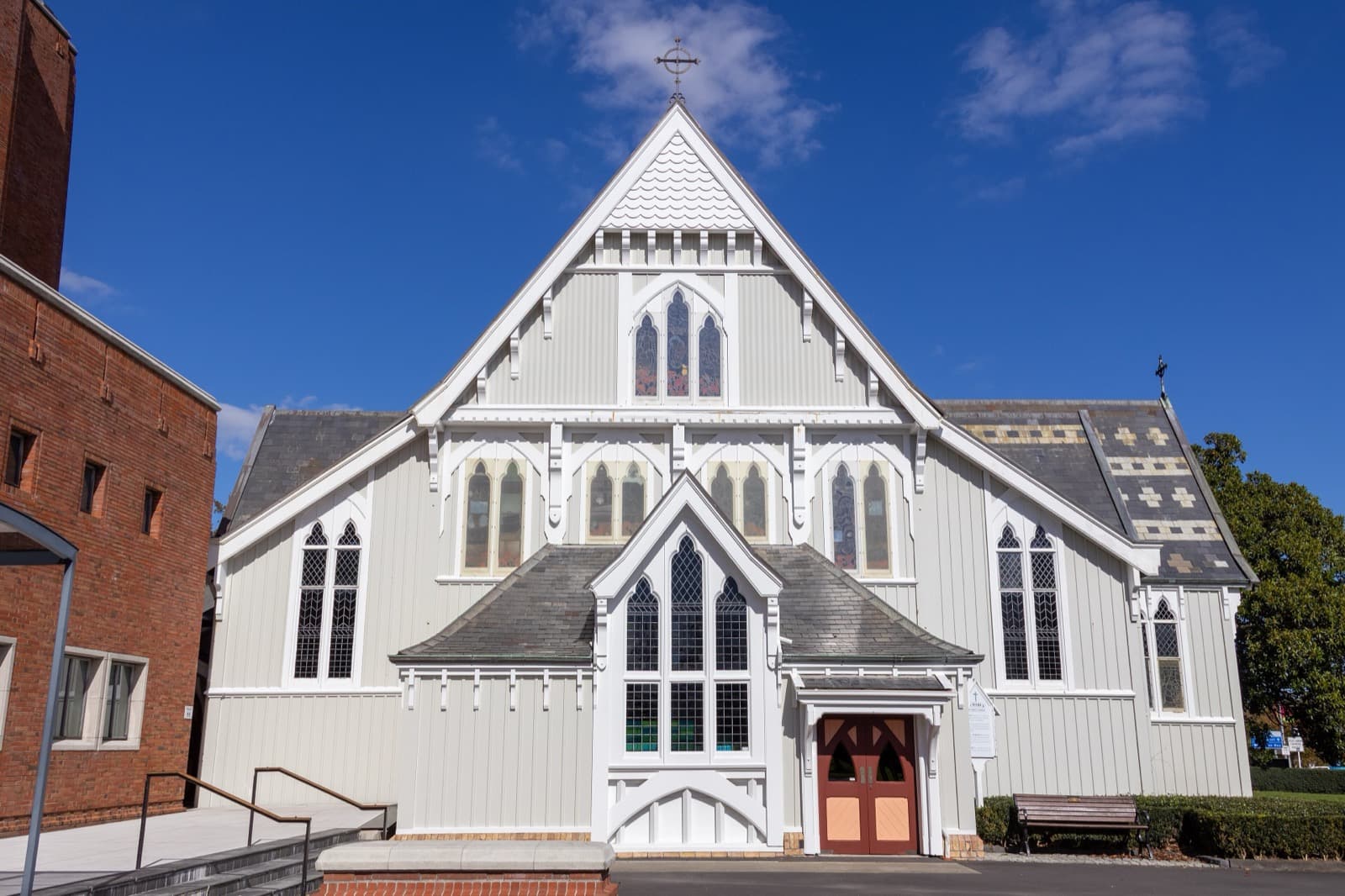
St Mary's Church: The Wooden Church That Crossed the Road
A vast timber Gothic church, described as the largest wooden Gothic church in the world, that was moved bodily across Parnell Road in nineteen eighty-two.
- 3
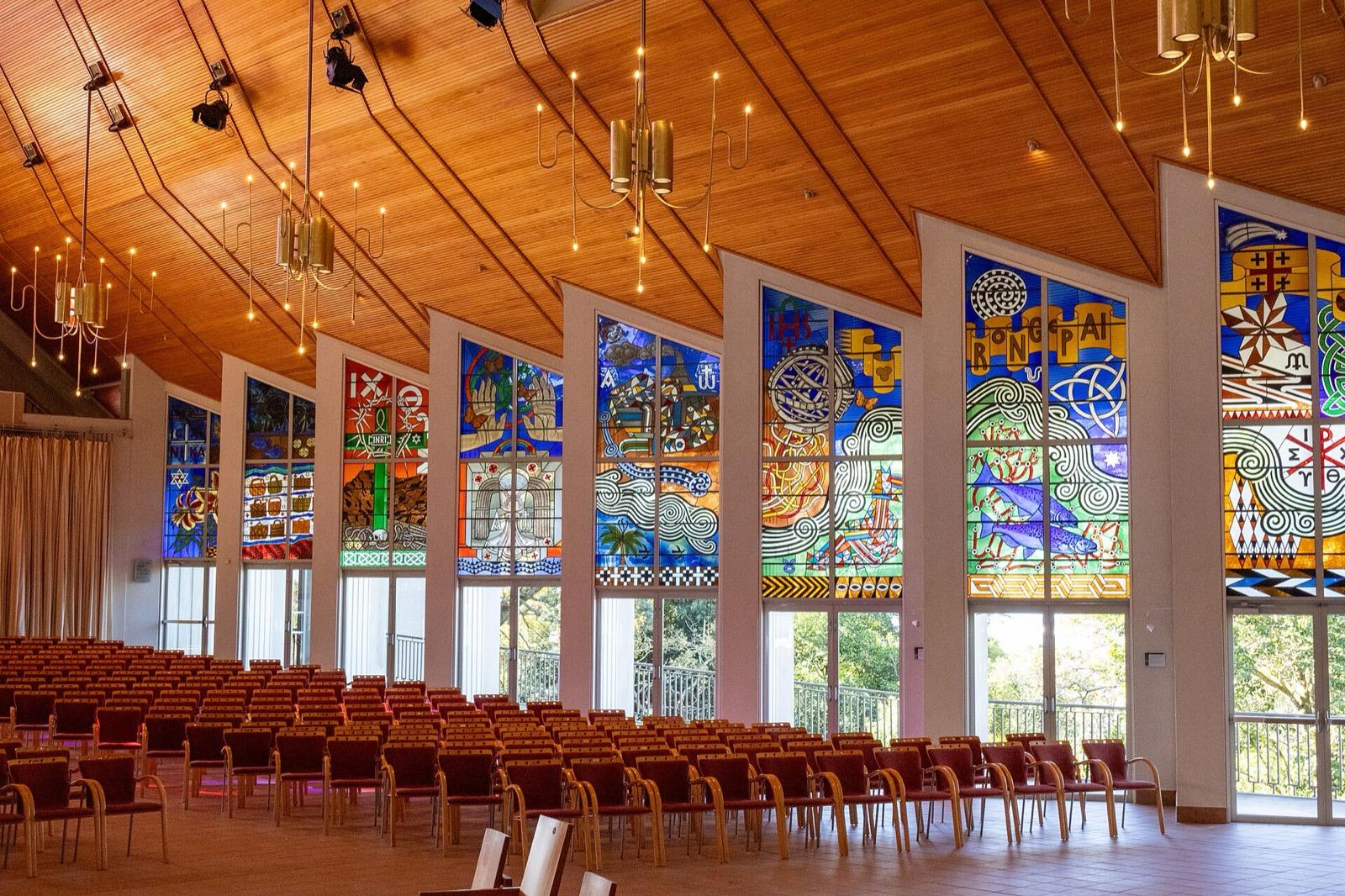
Holy Trinity Cathedral: Pacific Gothic Beside the Old Wood
The modern Anglican cathedral of Auckland, built in stages across the twentieth century in a distinctive Pacific Gothic style, standing beside the old timber St Mary's.
- 4
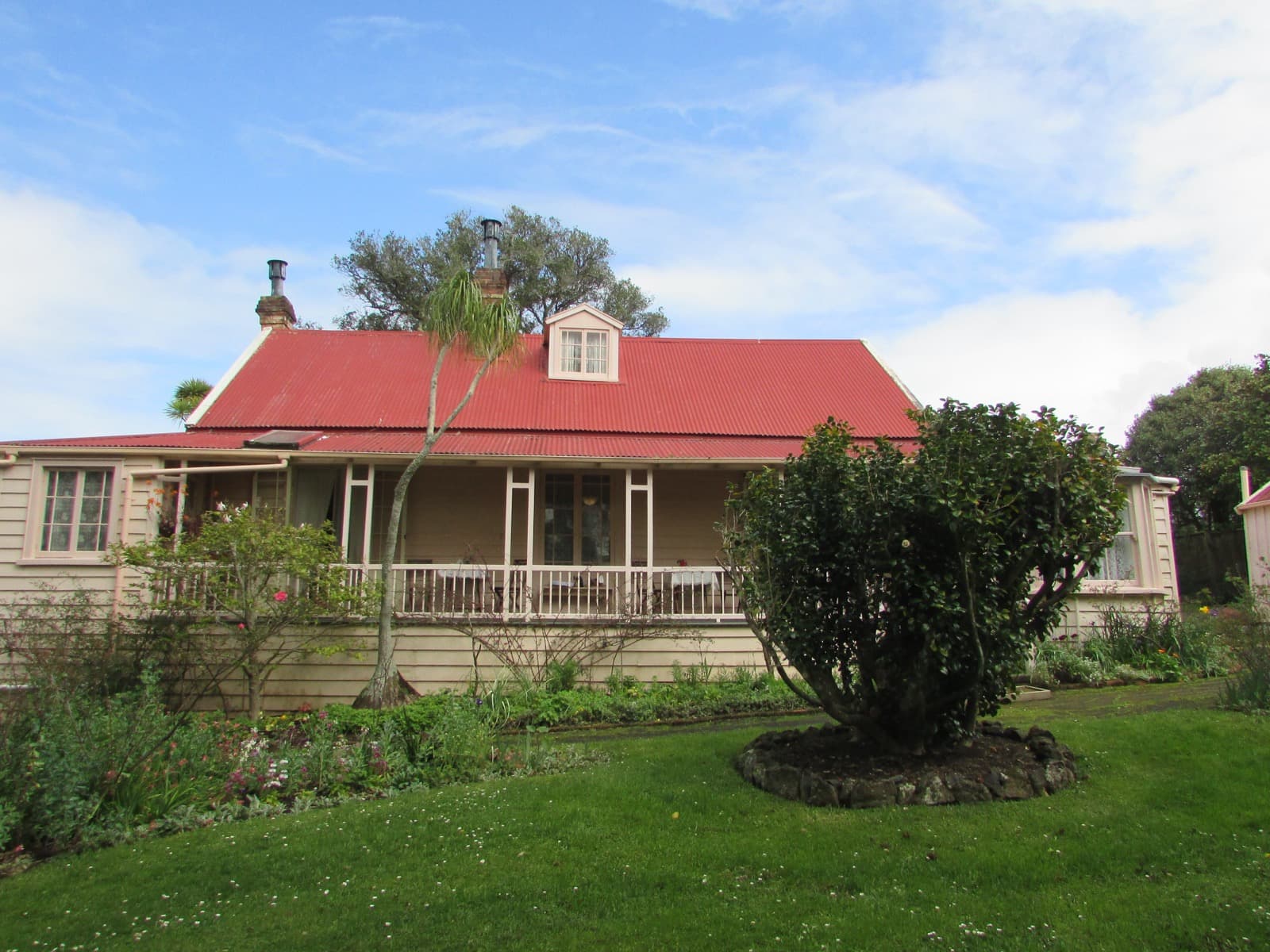
Ewelme Cottage: A Century in One House
A timber colonial cottage of the eighteen sixties, kept by one family and their descendants for over a hundred years and preserved almost exactly as they left it.
- 5
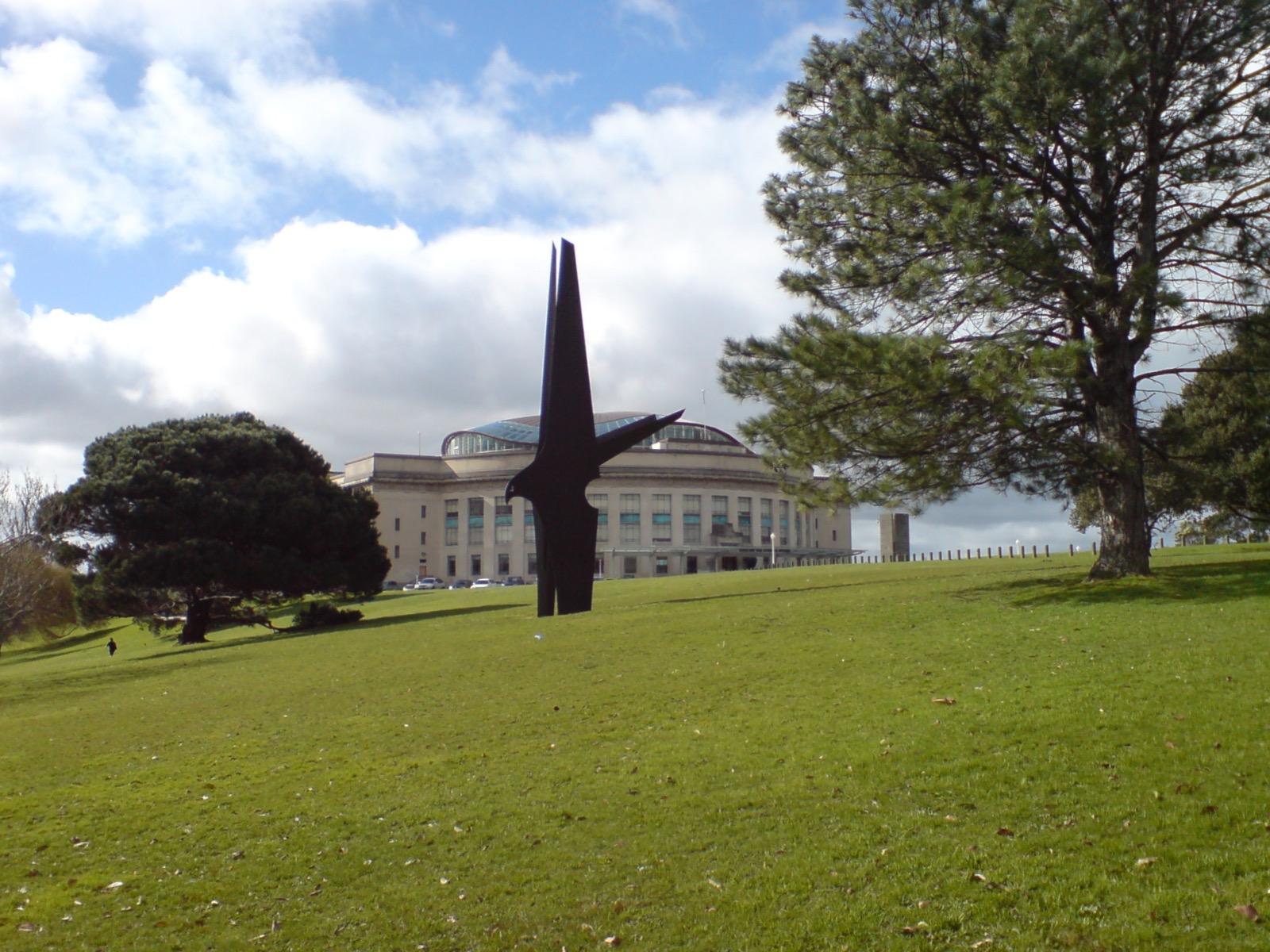
The Auckland Domain: A Park in the Crater of a Volcano
This is the city's oldest park. It was laid out in and around the broad crater of an old volcano, on Māori ground that long predates the colonial town.
- 6
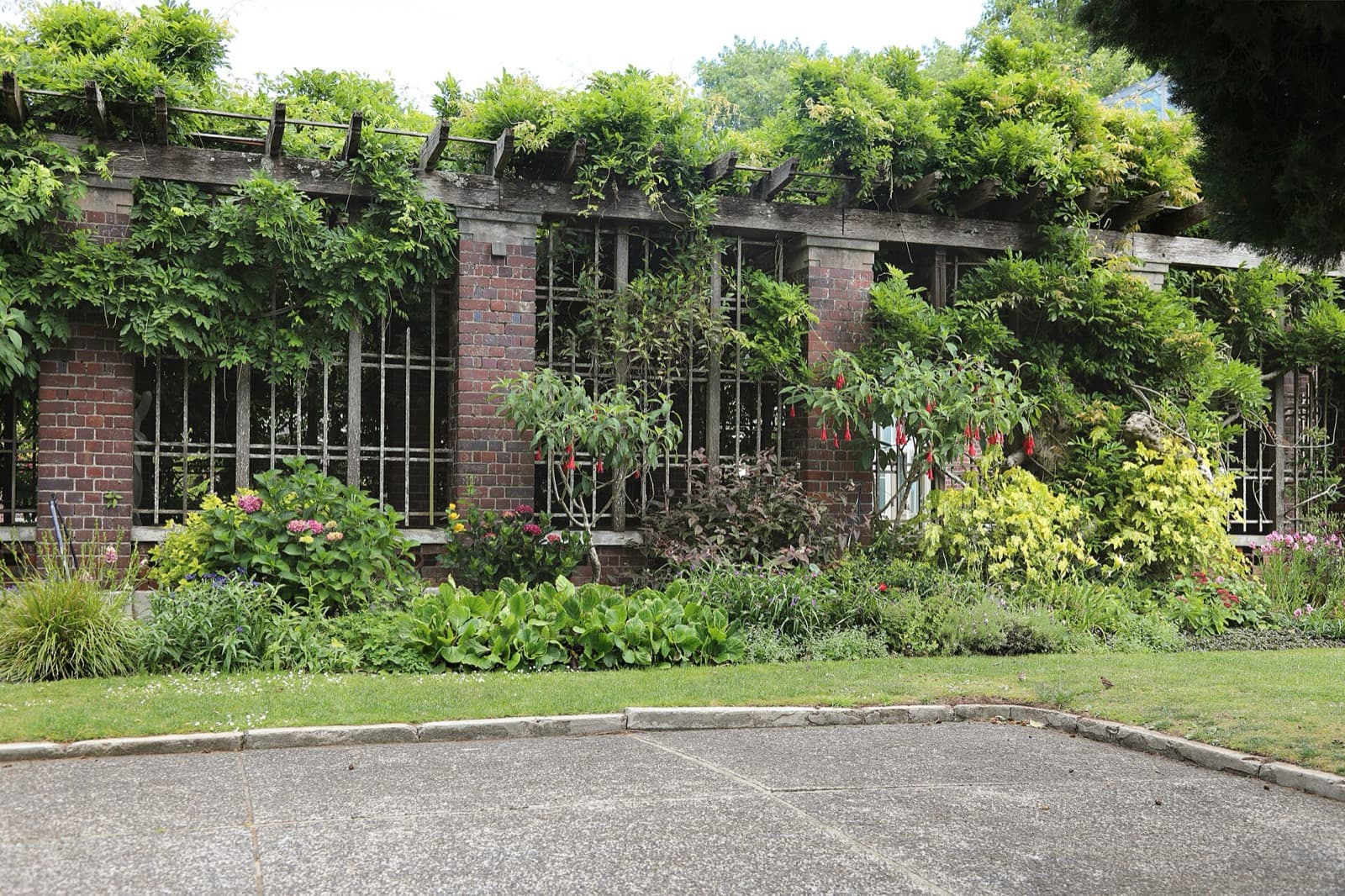
The Wintergardens: Glasshouses on the Volcano's Slope
A pair of elegant nineteen-twenties glasshouses set around a sunken lily pool on the slope of the Domain crater.
- 7
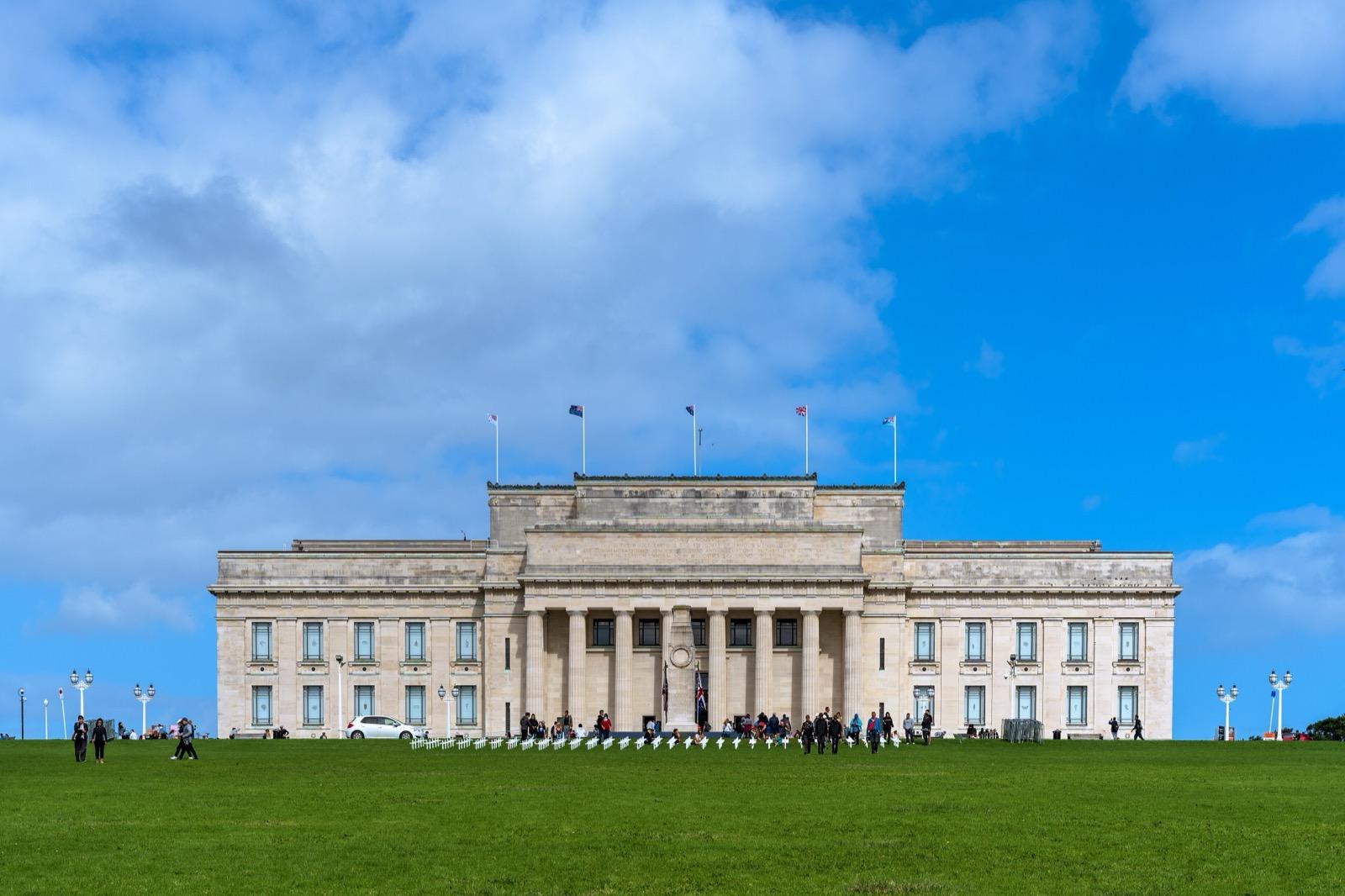
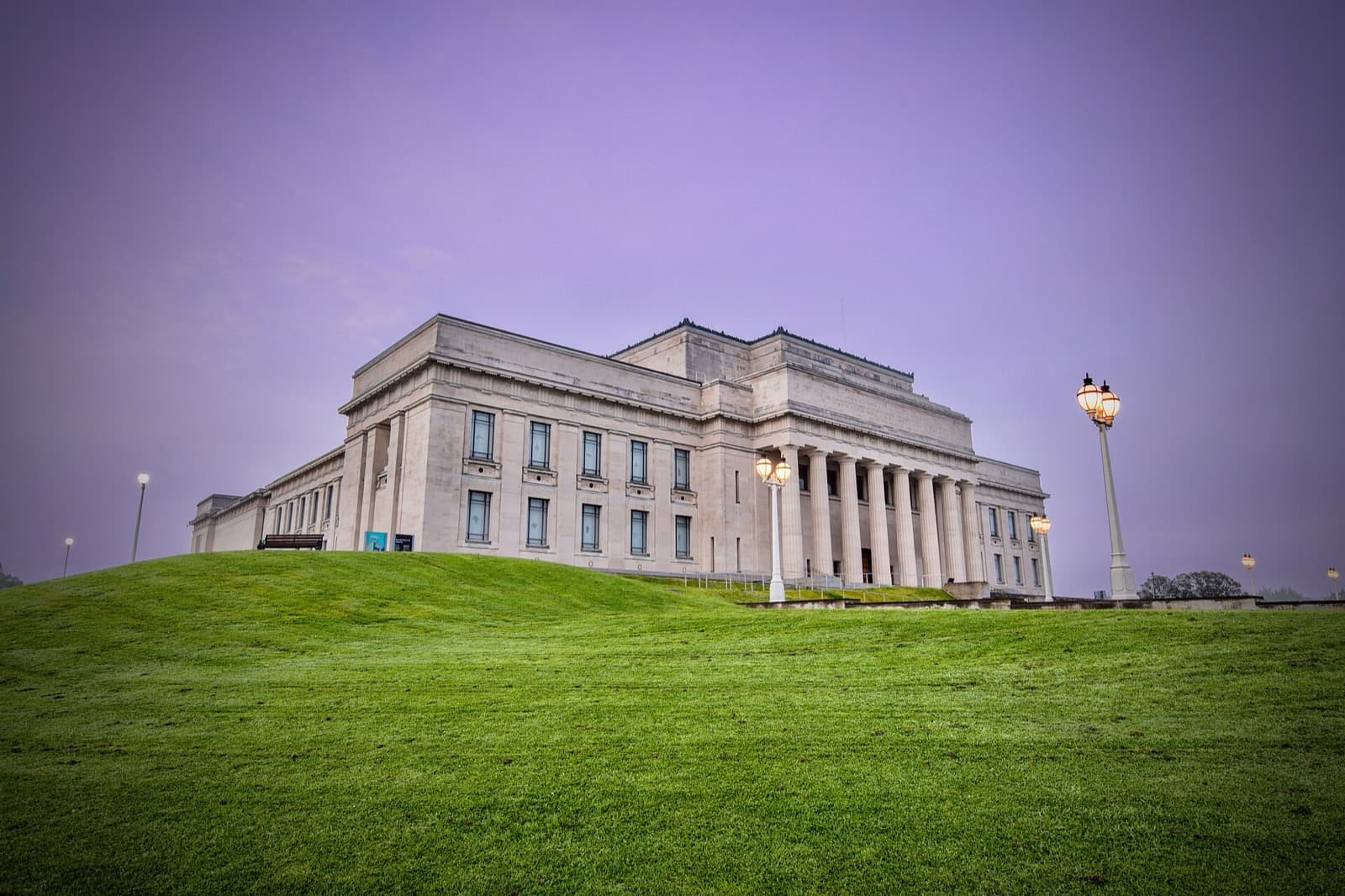
The Auckland War Memorial Museum: The Temple on the Maunga
A neoclassical memorial and museum on the crest of the crater, guardian of one of the world's greatest collections of Māori and Pacific treasures.
Details
Best Time to Visit
Late morning to mid-afternoon is ideal, giving you clear light along the Parnell ridge and time in the Domain and the Wintergardens before the museum. Come on a fine day if you can, since much of the walk is outdoors on the open crater floor. Weekday mornings are quietest at the churches and Ewelme Cottage; weekends bring more life to the village streets. Note that the house museum at Ewelme Cottage keeps limited opening hours, so check ahead if you want to go inside.
Pro Tips
- •This is a continuous walk on foot with one gentle rise up the Parnell ridge and the flank of the Domain, so wear comfortable shoes and pace the climb; it is a short rise with a big reward at the top.
- •The Wintergardens and the Domain are free and open to the public, so you can slow right down there without any ticket or timing pressure.
- •The Auckland War Memorial Museum offers free entry to Auckland residents, while overseas visitors pay a donation or admission in New Zealand dollars, around thirty-five dollars, so check the current rate before you go up.
- •Set your own rhythm: linger on the ridge street for the light you want, sit as long as you like in the crater, and take the museum slowly. There is no group and no schedule steering you.
- •Ewelme Cottage sits just off the main ridge on a quiet street, and its garden and exterior are worth the short detour even when the house museum is closed.
- •Keep a little time in reserve for the museum's Māori and Pacific galleries, where Hotunui and Te Toki-a-Tapiri reward an unhurried visit.
Safety & Precautions
- •Much of this walk is outdoors and exposed on the open crater floor and the Parnell ridge, so bring sun protection and a light waterproof, as Auckland weather and harbour wind can change quickly.
- •The route includes a gentle but real climb up the Parnell rise and the flank of the Domain to the museum; take it at your own pace and rest at the Wintergardens if you need to.
- •The museum, the churches, and the Māori and war-memorial displays are places of remembrance and living culture; keep your voice low and be respectful, especially around the taonga and the names of the war dead.
- •This is an ordinary city walk, so keep valuables discreet and stay aware on the street; some historic sites and the museum charge entry in New Zealand dollars.
Travel advisory: Exercise Normal Precautions (Level 1).
Gallery
Related Reading
Go deeper on what you'll see, hear, and walk through.
Overview
Auckland Travel Guide: How Many Days, Getting Around, Safety, and Budget
7 min
Overview
Best Self-Guided Walking Tours in Auckland (2026)
4 min
Overview
One Day in Auckland: A Walkable Harbour-to-Crater Itinerary
8 min
Thematic
Auckland: The Harbour City Read in Layers
8 min
Thematic
Best History Walking Tours in Auckland (2026)
2 min
Companion
The Auckland Domain: A City Park Built in a Volcano's Crater
7 min
Deep dive
The Auckland War Memorial Museum: Why a Temple on a Volcano Guards Both War Dead and Māori Treasures
7 min
Read
What to Eat in Auckland: A Local Food Guide
7 min
Read the walk
The full story of Parnell and the Domain: Auckland's Oldest Village and its Volcano Park, in words. Prefer to listen? Play it narrated, from home or on location.
Introduction
Auckland, New Zealand, keeps its oldest suburb and its oldest park side by side on the flank of a volcano, and this walk reads them together. Parnell was subdivided as the Village of Parnell in eighteen forty-one, the first suburb of the young colonial town, and it still holds its Victorian and Edwardian buildings, its little wooden churches and cottages, and a lane of village shops restored in the nineteen seventies. Beyond it opens Pukekawa, the Auckland Domain, the city's oldest park, laid out in and around the broad crater of an old volcano, its slopes cradling a nineteen-twenties glasshouse garden. On the crest of the crater stands the Auckland War Memorial Museum, a neoclassical building opened in nineteen twenty-nine, both a memorial to the country's war dead and the keeper of one of the world's finest collections of Māori and Pacific treasures. This is a continuous walk on foot, about seven stops over roughly two hours, covering about three kilometres, with one gentle rise up the Parnell ridge and the flank of the Domain to the museum. Because this is your own quiet map and not a scheduled group, you set the pace: linger on the ridge street for the light you want, sit as long as you like in the crater, no one steering you and no tip expected. This is Māori ground long before it was a colonial park, the country of Ngāti Whātua and the wider iwi, the tribes, of Tāmaki Makaurau. When you arrive on Parnell Road in the village precinct, begin with stop one.
1. Parnell Road: The Village on the Ridge
You are standing on the oldest street of the oldest suburb in Auckland. Parnell dates from the very beginning of the town. Auckland was founded in eighteen forty as the young colony's capital, and only a year later, in eighteen forty-one, a man named Robert Tod bought land on this ridge east of the centre, cut it into thirty-six sections, and advertised them for sale as the Village of Parnell. That is the birth certificate of a suburb. The ridge you are on is the spine of it, running along the high ground with the harbour glinting off to one side. For a long time Parnell was simply where people lived, and by the middle of the twentieth century many of its old wooden houses and shops had grown shabby and were slated to come down. Then, in the nineteen seventies, a local businessman began buying up the dilapidated buildings cheaply and restoring them, turning them into shops and cafes and boutiques in a Victorian-village style. Others followed his lead, and what emerged is the heritage streetscape now known as Parnell Village. It is a made thing, a piece of deliberate preservation, but it saved the bones of the real old suburb. Take your time here. This is your walk and your clock, so you can drift along the shopfronts, read the dates on the gables, and feel the scale of a nineteenth-century street before the city rose behind it. No group is waiting on you, and there is no next thing you must hurry toward. When you are ready, the ridge leads on toward the churches.
2. St Mary's Church: The Wooden Church That Crossed the Road
This is one of the marvels of Parnell, and it is made entirely of wood. St Mary's is a great Gothic Revival church built not in stone but in timber, designed by the architect Benjamin Mountfort. Its nave was consecrated in eighteen eighty-eight, and the full church was completed in the years eighteen ninety-seven to eighteen ninety-eight. It runs about fifty metres long, and Heritage New Zealand records describe it as the largest wooden Gothic church in the world, with a Category One listing, the highest heritage rank in the country. For most of a century St Mary's served as the Anglican cathedral of Auckland, from eighteen eighty-eight until nineteen seventy-three, when the chancel of the new Holy Trinity next door came into use. And then came the extraordinary part. In nineteen eighty-two the entire church was lifted from its old ground on the far side of the road, moved bodily across Parnell Road, and turned ninety degrees onto this site beside Holy Trinity. Popular record remembers a single day, the sixth of March, when the road was closed so the great wooden building could make its slow crossing. Whether it was truly one day or several, the year is certain, and the feat is real: a fifty-metre timber church rolled across a public street to a new home. Stand where you can see the whole flank of it. Every plank of that Gothic tracery is wood, shaped to look like stone and carrying the light differently for it. You can circle it at your own pace, no schedule pressing, before you turn to its modern neighbour.
3. Holy Trinity Cathedral: Pacific Gothic Beside the Old Wood
Beside the old wooden church rises its successor, Holy Trinity Cathedral, the Anglican cathedral of Auckland. Where St Mary's is a single burst of Victorian timber, Holy Trinity was built slowly, in stages, across the whole of the twentieth century and into our own. The foundation stone was laid in nineteen fifty-seven. The neo-Gothic chancel was completed in nineteen seventy-three, which is when it took over cathedral duties from St Mary's next door. Then, in nineteen ninety-five, the great contemporary nave opened, designed in a style often called Pacific Gothic, a local reimagining of the old cathedral form for this part of the world, a design by Professor Richard Toy. The cathedral was finally rounded off in twenty sixteen with the addition of the Bishop Selwyn Chapel. So this one building spans nearly sixty years of construction, each generation adding its own chapter. It is best known for its stained glass. You will hear it claimed locally that this holds the largest expanse of stained glass in the Southern Hemisphere; take that as a fond local boast rather than a settled fact, but the sweep of coloured light inside is genuinely grand. What makes this corner of Parnell so unusual is the pairing: the nineteenth-century wooden church and the twentieth-century Pacific Gothic cathedral standing shoulder to shoulder, one rolled here on purpose to keep the other company. Sit with the contrast as long as you like. There is no group moving you along, and the light through that glass rewards patience.
4. Ewelme Cottage: A Century in One House
Turn off the main ridge onto a quieter street, and here is Ewelme Cottage, a small wooden house that carries an unusually intimate kind of history. It was built in eighteen sixty-three to eighteen sixty-four for the Reverend Vicesimus Lush, then the vicar of Howick, who wanted a…
Full narration for this stop unlocks with the tour.
5. The Auckland Domain: A Park in the Crater of a Volcano
The suburb opens now into the Auckland Domain, and to understand it you have to read two layers at once. On the surface it is the city's oldest park, about seventy-five hectares of lawns and old trees and playing fields, set aside as public land in the eighteen forties and…
Full narration for this stop unlocks with the tour.
6. The Wintergardens: Glasshouses on the Volcano's Slope
On the slope of the crater, tucked into the Domain, sits one of the loveliest set-pieces in the city: the Wintergardens. They are a pair of barrel-vaulted glasshouses, steel and glass, arranged symmetrically around an enclosed courtyard with a sunken lily pool at its heart,…
Full narration for this stop unlocks with the tour.
7. The Auckland War Memorial Museum: The Temple on the Maunga
The walk climbs to its summit now, on the crest of the crater, where the Auckland War Memorial Museum stands like a temple over the city. It is a monumental neoclassical building, opened in nineteen twenty-nine, designed by the firm Grierson, Aimer and Draffin. It was raised as…
Full narration for this stop unlocks with the tour.