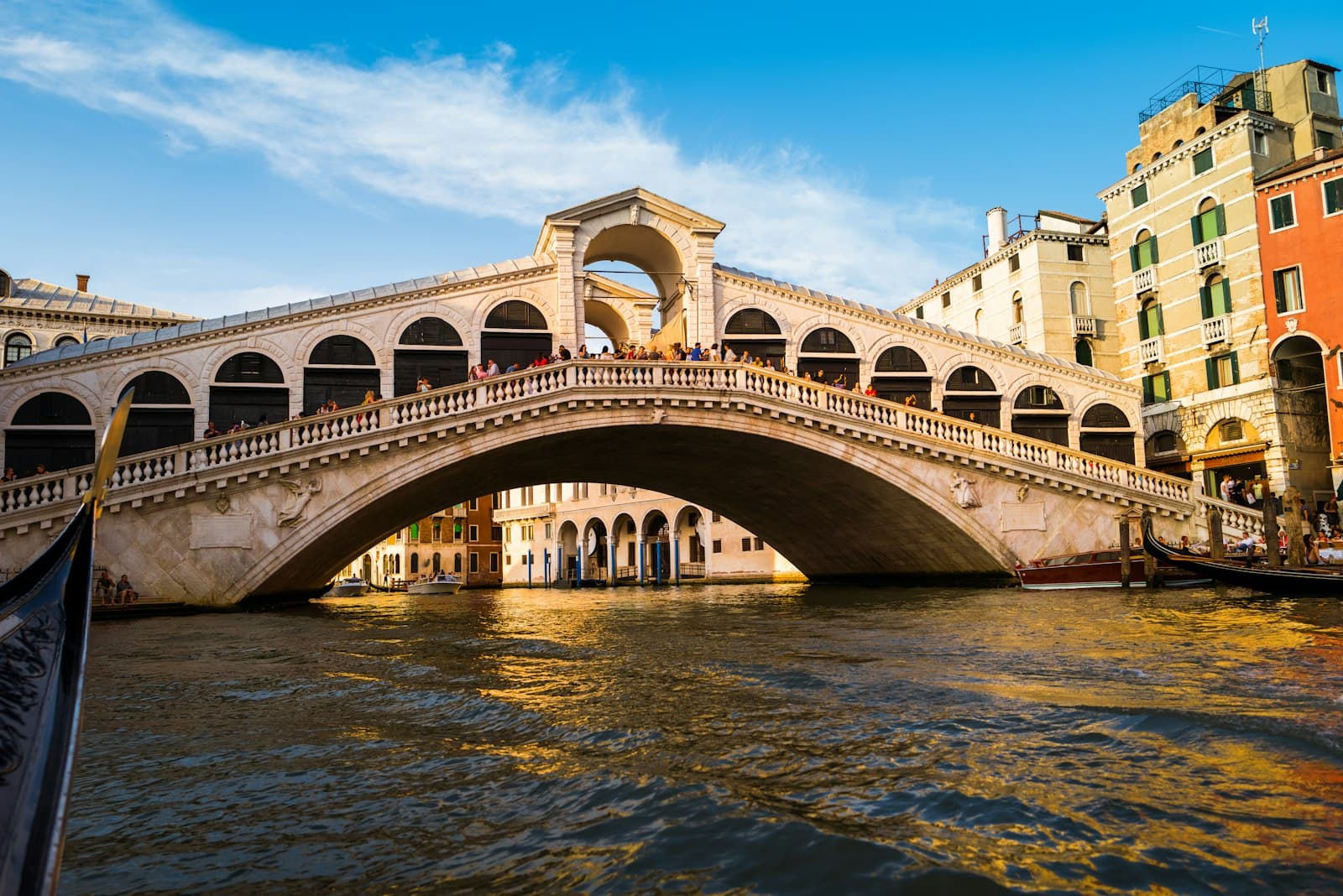
Before Venice was a museum, it was a corporation, and its true capital was the Rialto. This walk reads the postcard city as a business, tracing the market, the money, and the merchant halls that paid for the palaces.
Start · Ponte di Rialto: The Bridge That Sold Space
DirectionsStops
- 1
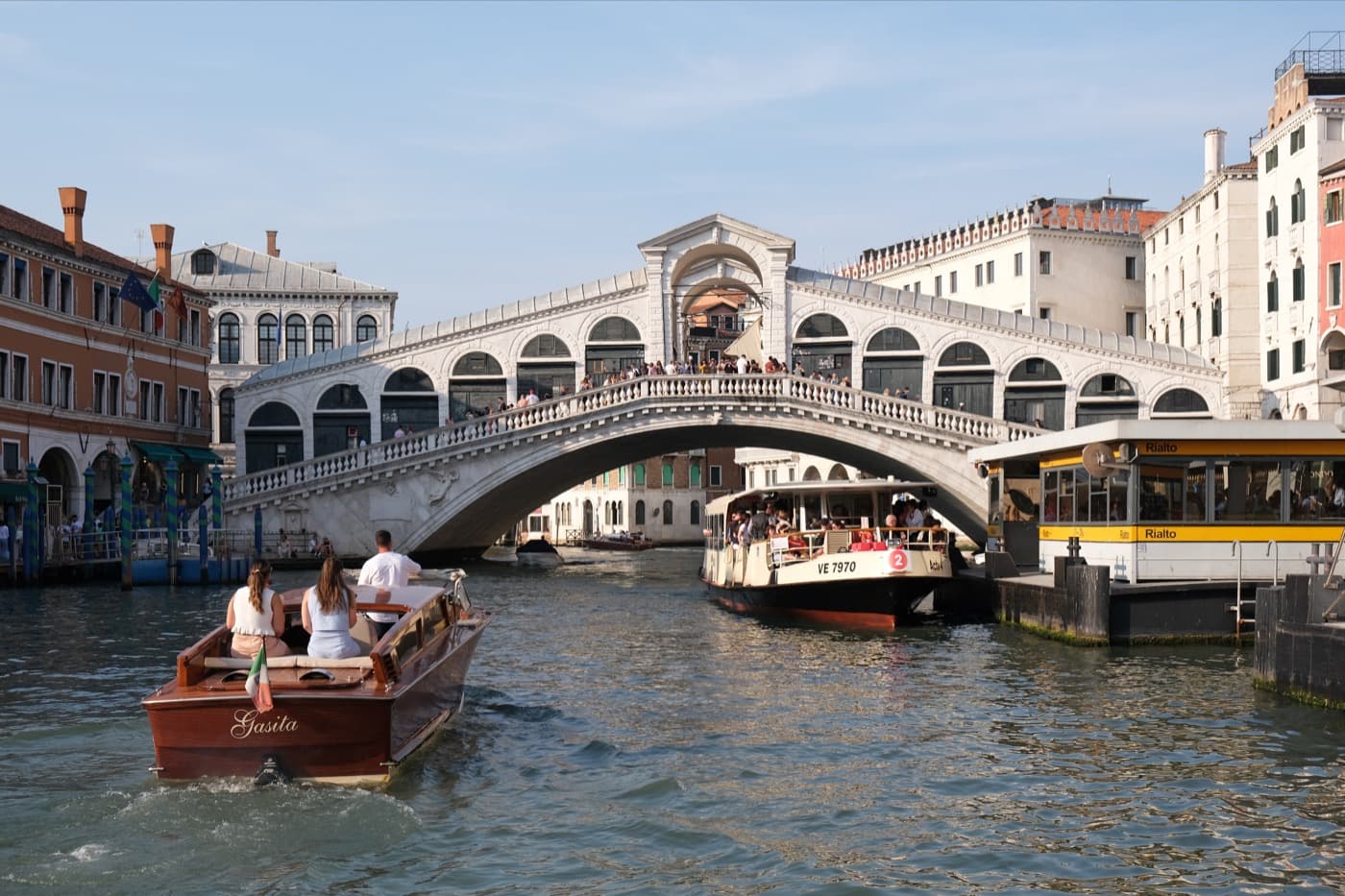
Ponte di Rialto: The Bridge That Sold Space
The oldest of the four bridges over the Grand Canal, a single audacious stone span with shops built into its flanks.
- 2
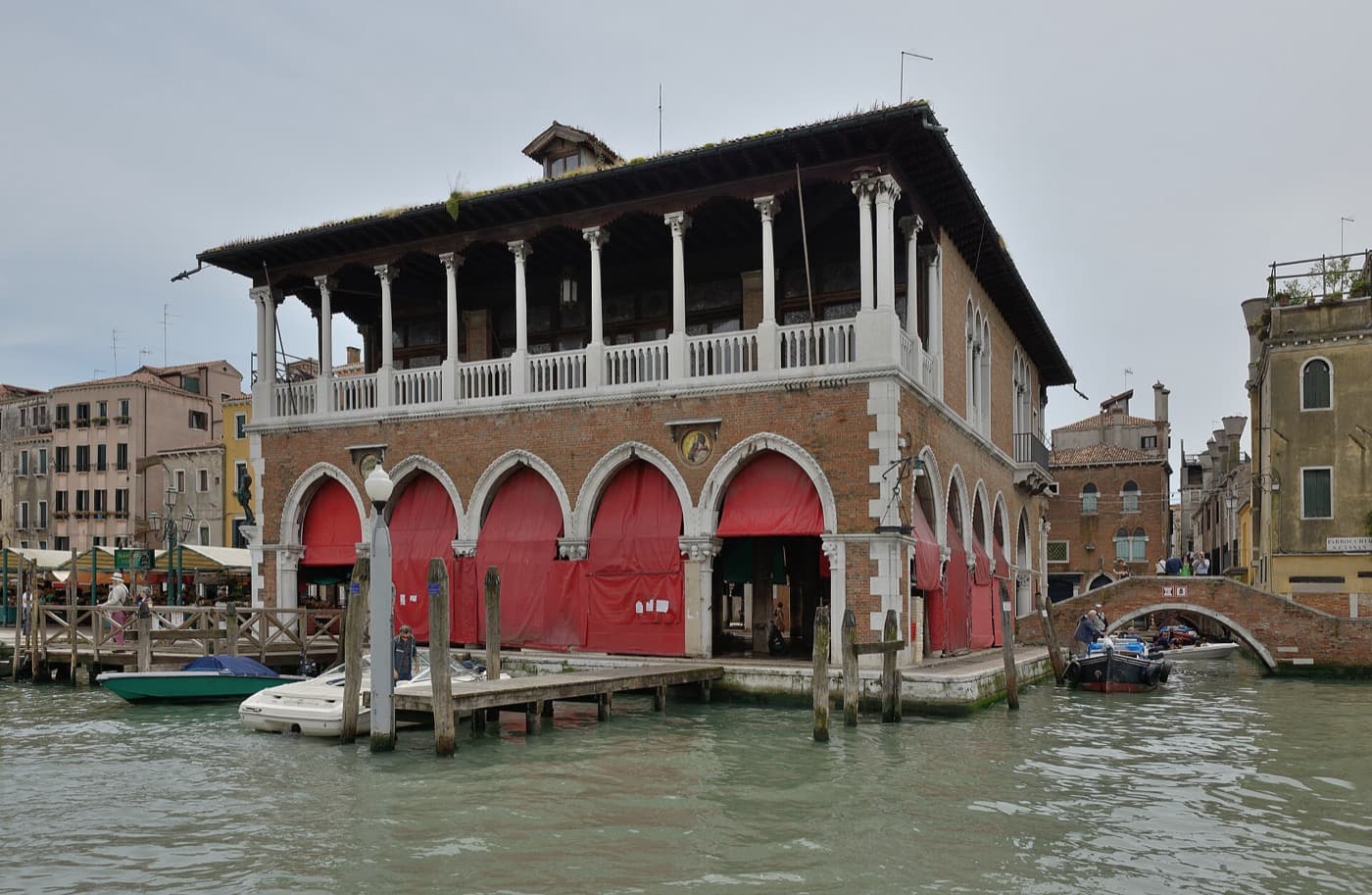
Rialto Market: The Erberia and the Pescaria
The open-air produce and fish markets that have anchored Venetian commerce since the eleventh century, sheltered by a neo-Gothic fish hall from nineteen oh seven.
- 3
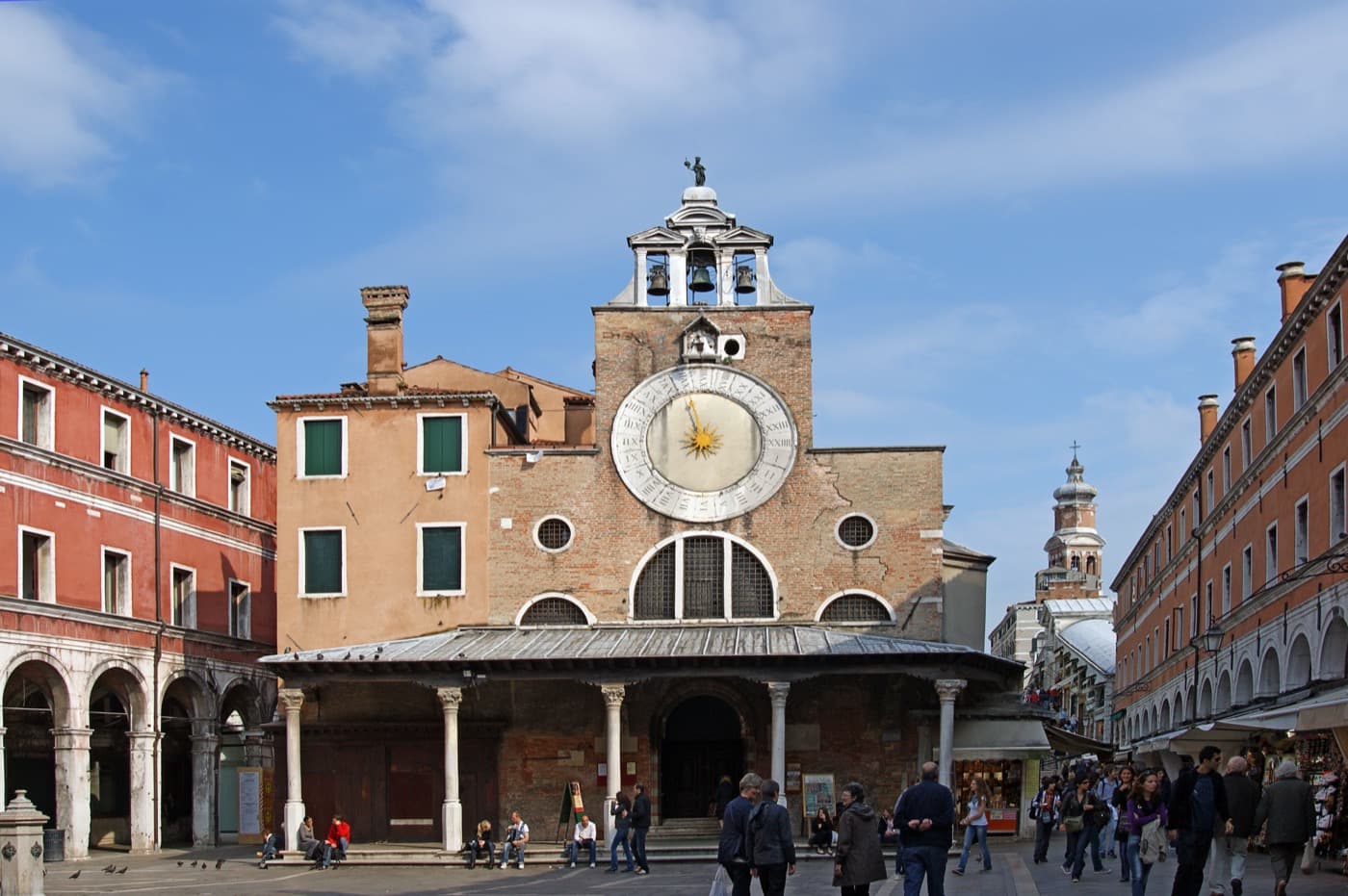
San Giacomo di Rialto and the Gobbo: Where Commerce Met Law
By tradition the oldest church in Venice, facing a crouching marble hunchback from which the Republic proclaimed its laws.
- 4
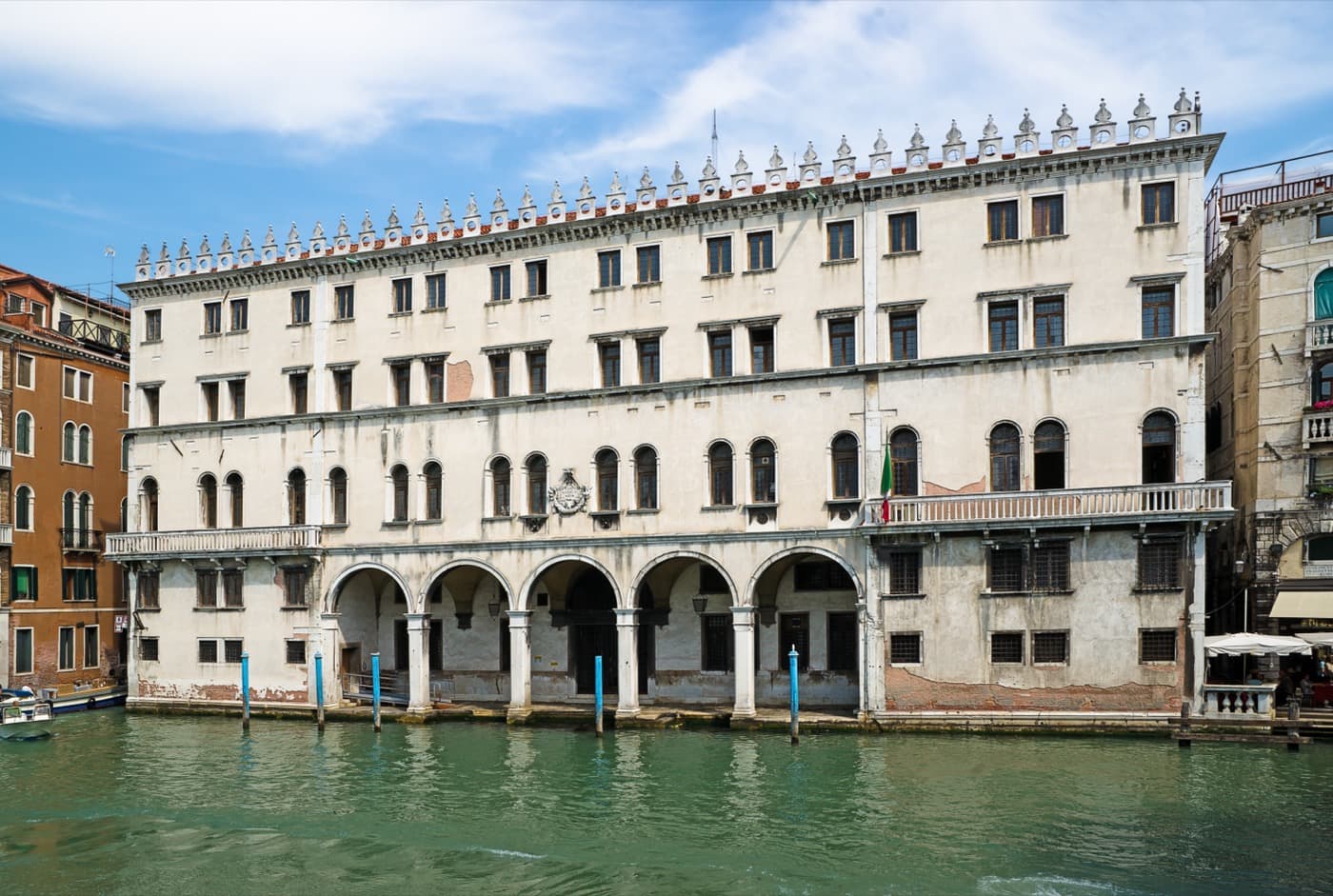
Fondaco dei Tedeschi: The House of Foreign Money
The former German merchants' trading house by the Grand Canal, a combined warehouse, shop, and lodging that housed and taxed foreign capital.
- 5
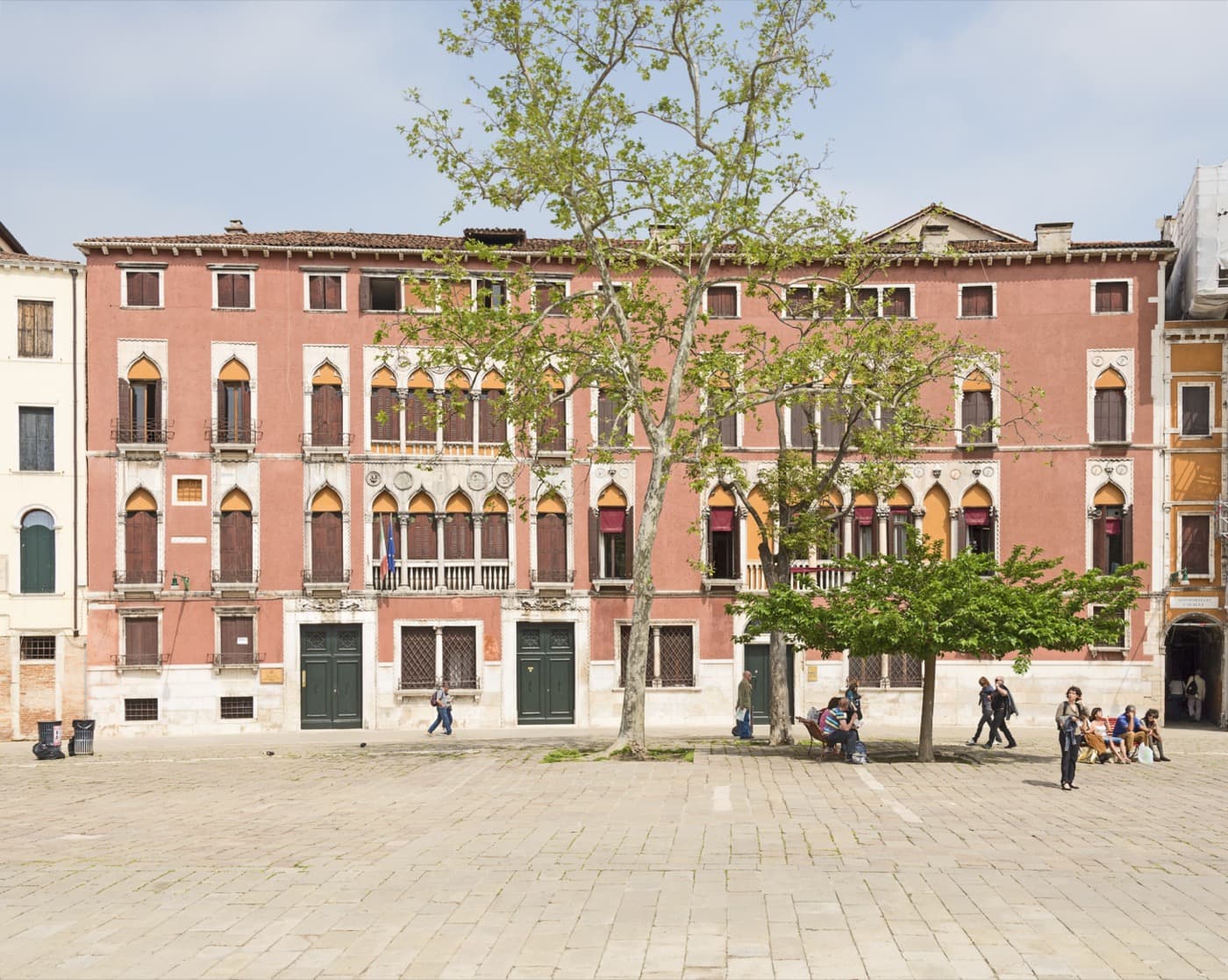
Campo San Polo: The Market Spread Across a Neighborhood
The largest campo in Venice, a vast open square that has served as fairground, market, and civic theater for centuries.
- 6
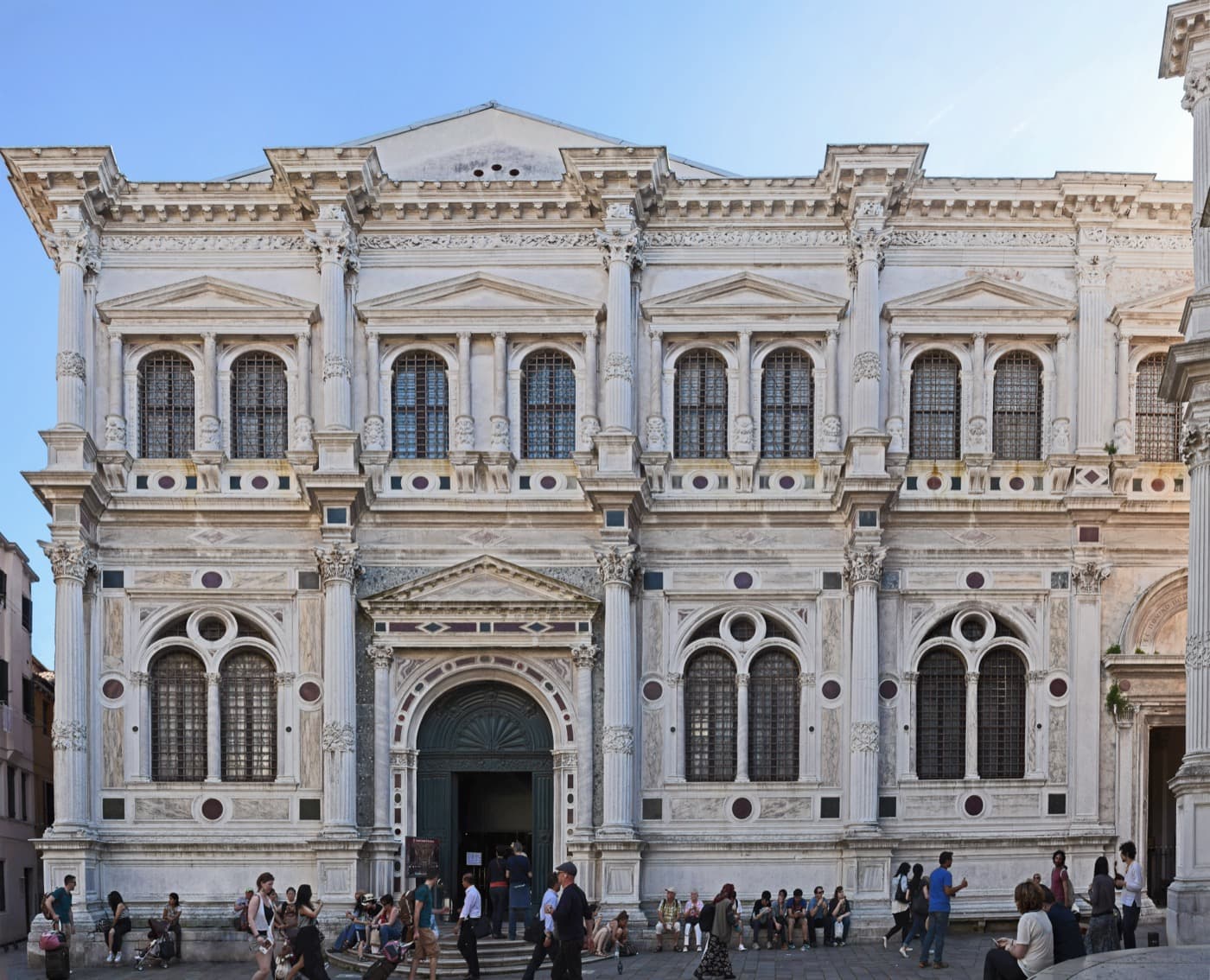
Scuola Grande di San Rocco: Where Profit Became Art
A wealthy lay confraternity founded in fourteen seventy-eight, its interior filled with a vast cycle of paintings by Tintoretto, read here from the campo.
Details
Best Time to Visit
Early morning, ideally before nine, is the moment to start. That is when the Rialto Market is fully alive, the produce and fish stalls at their busiest, and the light on the Grand Canal is soft. Note that the fish market is typically closed on Sunday and Monday, so a weekday morning gives you the fullest experience. Arriving early also lets you cross the Ponte di Rialto before the midday crowds make it hard to stop and look.
Pro Tips
- •Start early, before nine in the morning, to catch the Rialto Market at its liveliest; the fish market is generally closed on Sunday and Monday.
- •This is a short walk, a little over one kilometre, so go slowly and let yourself stand still. The point is to look, not to cover distance.
- •Look up constantly. The carved capitals on the fish hall, the twenty-four-hour clock on San Giacomo, and the palace facades around Campo San Polo all reward a raised gaze.
- •At the Fondaco dei Tedeschi, read the building from the street. The former department store and its rooftop terrace closed in twenty twenty-five and are not currently open to visitors.
- •The Scuola Grande di San Rocco is an exterior stop on this walk, but its Tintoretto interior is extraordinary; if you want to go inside, plan for a paid ticket and extra time.
- •Carry a small amount of cash. Market stalls and older establishments in this district often prefer it, and it keeps you moving at your own pace.
Safety & Precautions
- •The Rialto area is one of the most crowded tourist zones in Venice, and crowds attract pickpockets. Keep bags zipped and closed, and carry your phone and wallet in a front pocket, especially on the bridge and in the market.
- •Venice underfoot is uneven: worn cobbles, stone steps, small bridges, and surfaces that can be slick when wet. Wear flat, closed shoes with good grip and watch your footing.
- •If you choose to enter San Giacomo di Rialto or any other church, dress respectfully. Shoulders and knees should be covered, so bring a light layer if you are dressed for summer heat.
- •In summer, the open squares and the bridge offer little shade and can get very hot at midday. Carry water, and if the Scuola Grande di San Rocco interior interests you, check opening hours and consider booking ahead, as ticketed sites can fill up.
Travel advisory: Exercise Increased Caution (Level 2).
Gallery
Related Reading
Go deeper on what you'll see, hear, and walk through.
Overview
Best Self-Guided Walking Tours in Venice (2026)
4 min
Overview
One Day in Venice: A Walkable Morning-to-Evening Itinerary
6 min
Overview
Venice Travel Guide 2026: Days, Transport, Fees, and Getting Around
7 min
Thematic
Best Culture Walking Tours in Venice (2026)
2 min
Thematic
Venice: The City Engineered on Water for Trade
7 min
Companion
Venice's Rialto Market: The Engine Room That Paid for the Palaces
7 min
Deep dive
The Rialto Bridge Was Built to Pay for Itself
6 min
Read
What to Eat in Venice: Cicchetti, Bacari, and the Dishes to Order by Name
6 min
Read the walk
The full story of Rialto: The Engine Room, in words. Prefer to listen? Play it narrated, from home or on location.
Introduction
Everyone comes to Venice for the romance. The gondolas, the palaces, the honeymoon light on the water. But that fantasy was engineered by hard-nosed commerce, and the place where it was engineered is not the Doge's Palace. It is the Rialto. This is the market, money, and shipping district where the Republic actually made its fortune, and this walk reads the whole city as a business. At every stop, keep asking one quiet question: what did this pay for, or what did this sell. This is a self-guided walk through the San Polo district of Venice, in northern Italy, and you set the pace. There are six stops, and the whole route runs about two kilometres, so give yourself about ninety minutes with time to stand and look. It is short and it is walkable, and any stop you want to skip, skip. We begin on the bridge that is the hinge of the entire system, then descend into the market that gave the bridge its reason to exist. We move from the produce and fish halls to the oldest church and a crouching stone hunchback where commerce met law. We pass the great trading house where foreign money was housed and taxed. Then we go deeper into San Polo, to the largest working campo, and close where the profits of trade were turned into art and charity. Goods, money, law, foreign trade, community, and legacy. That is the full life-cycle of Venetian capital, and San Polo is where you can still see the ledger. When you arrive at the Ponte di Rialto, begin with stop one.
1. Ponte di Rialto: The Bridge That Sold Space
Stand on the Ponte di Rialto and you are standing on the hinge of the whole machine. This is the oldest of the four bridges over the Grand Canal, and it was built to move goods and people to and from the market on the far bank. The bridge you are on now is stone, a single audacious span, built between the years fifteen eighty-eight and fifteen ninety-one to the design of the architect Antonio da Ponte. Before it, there were other crossings, and their story is a story of failure. A boat bridge came first, back in the year eleven eighty-one, put across by an engineer named Nicolo Barattieri. Then a wooden bridge from the year twelve fifty-five, and that one had a run of bad luck. It was partly burned in thirteen ten during a revolt against the state, then collapsed in fourteen forty-four under the weight of a wedding crowd, and once more in fifteen twenty-four. When they finally decided to build in stone, another architect named Vincenzo Scamozzi predicted that a single arch this bold would surely fall. It did not. Now look closely at what runs along the flanks of the bridge. Those are shops, two rows of them, built into the structure back in the fifteenth century. And here is the beautiful, cold-blooded logic of Venice: the rents from those shops helped pay for the upkeep of the state treasury. This is not decoration. It is commerce literally built into the infrastructure. A bridge that pays for itself by selling the space along its own back. Keep that idea with you, because everything ahead of you was paid for the same way.
2. Rialto Market: The Erberia and the Pescaria
You have crossed the bridge, and now you are standing on the reason it exists. The market moved to the Rialto in the year ten ninety-seven, which makes this the commercial origin point of the entire Republic. Almost a thousand years of buying and selling, right here. There are two markets, and they still work. One is the Erberia, the produce and greengrocer market, spread out under the sky. The other is the Pescaria, the fish market, and if you look at the fish hall itself, notice something odd: it looks medieval, but it is not. That neo-Gothic hall was built in nineteen oh seven, in a pseudo-Venetian-Gothic style, to make a modern building feel a thousand years old. The structure was designed by the architect Domenico Rupolo, and the artistic detailing, including a sculpture of Saint Peter at the corner overlooking the Grand Canal, came from the painter Cesare Laurenti. Look up at the capitals on the columns and you will find the whole lagoon carved in stone: fish, scallops, crabs, lobsters, seaweed, seahorses, even the woven baskets the fishermen used. This whole district was once thick with warehouses, banks, insurance agencies, and tax offices. This was the financial heart, not just a place to buy dinner. The poet Pietro Aretino lived just opposite, and in the year fifteen fifty he wrote that from his window he enjoyed the liveliest view in the world. Stand here in the morning bustle and you can believe him. Treat the market as living heritage, not a photo stop. This is the oldest working part of the machine, still running.
3. San Giacomo di Rialto and the Gobbo: Where Commerce Met Law
Here, in the middle of the market, commerce meets God and the law. This little church is San Giacomo di Rialto, and by tradition it is the oldest church in Venice. The story holds that it was consecrated in the year four twenty-one, though the earliest solid documentary…
Full narration for this stop unlocks with the tour.
4. Fondaco dei Tedeschi: The House of Foreign Money
Right by the bridge, on the Grand Canal, stands a large, severe building that was once the beating heart of foreign trade in Venice: the Fondaco dei Tedeschi, the trading house of the German merchants. That word, fondaco, comes from the Arabic funduk, and it names a very…
Full narration for this stop unlocks with the tour.
5. Campo San Polo: The Market Spread Across a Neighborhood
You have left the Grand Canal behind and walked deeper into San Polo, and the reward is this: the largest campo in Venice. After Piazza San Marco, it is the biggest public square in the whole city, though never mistake it for larger than San Marco itself. Think of it as the…
Full narration for this stop unlocks with the tour.
6. Scuola Grande di San Rocco: Where Profit Became Art
We end where the money finally turns into something else: art, charity, and civic glory. This building is the Scuola Grande di San Rocco. A scuola grande was a lay confraternity, a brotherhood of wealthy Venetian citizens who pooled their means to do good works and, let us be…
Full narration for this stop unlocks with the tour.