A sober walk through Munich's royal and university quarter, the neoclassical stage the Nazis called their capital, and the ground where students and a lone carpenter refused. Two truths held in one frame, at your own pace.
Start · The Feldherrnhalle on the Odeonsplatz
DirectionsStops
- 1
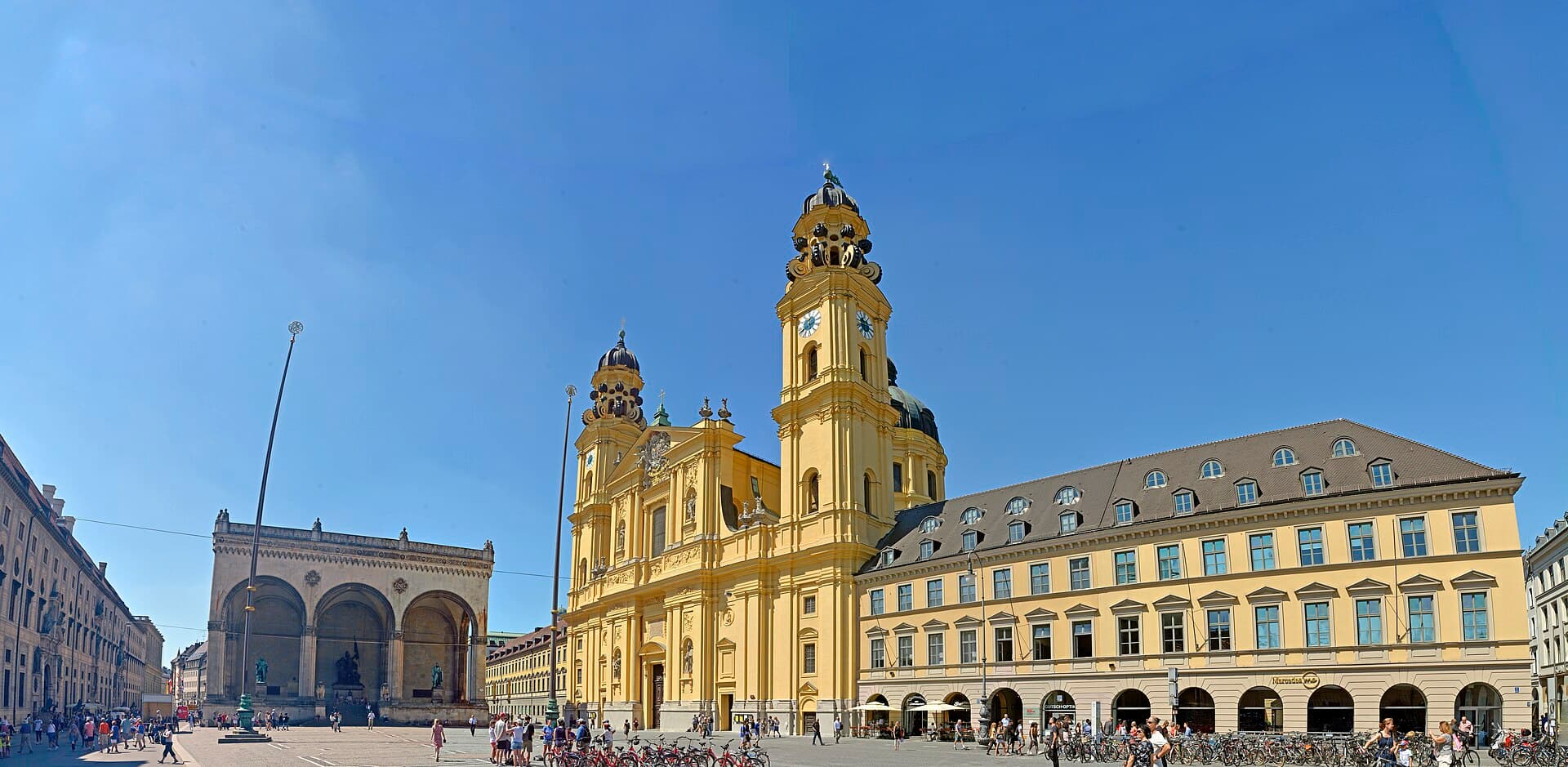
The Feldherrnhalle on the Odeonsplatz
A grand nineteenth-century loggia where a failed coup ended in gunfire, and which the Nazis later turned into their most sacred ground.
- 2
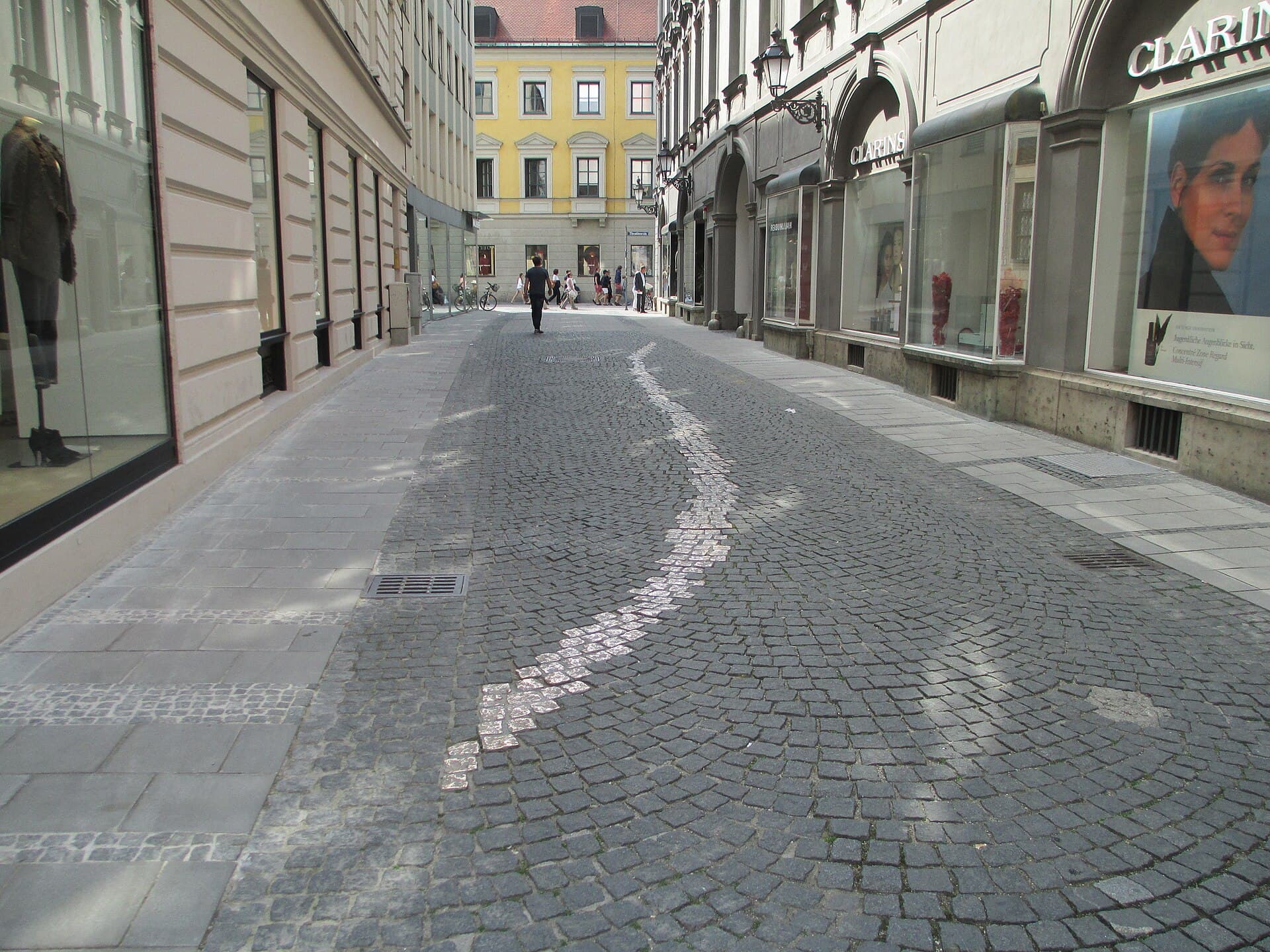
Viscardigasse: The Shirkers' Alley
A narrow back lane where ordinary Munichers slipped past to avoid saluting the Nazi shrine, marked today by a winding line of bronze in the cobbles.
- 3
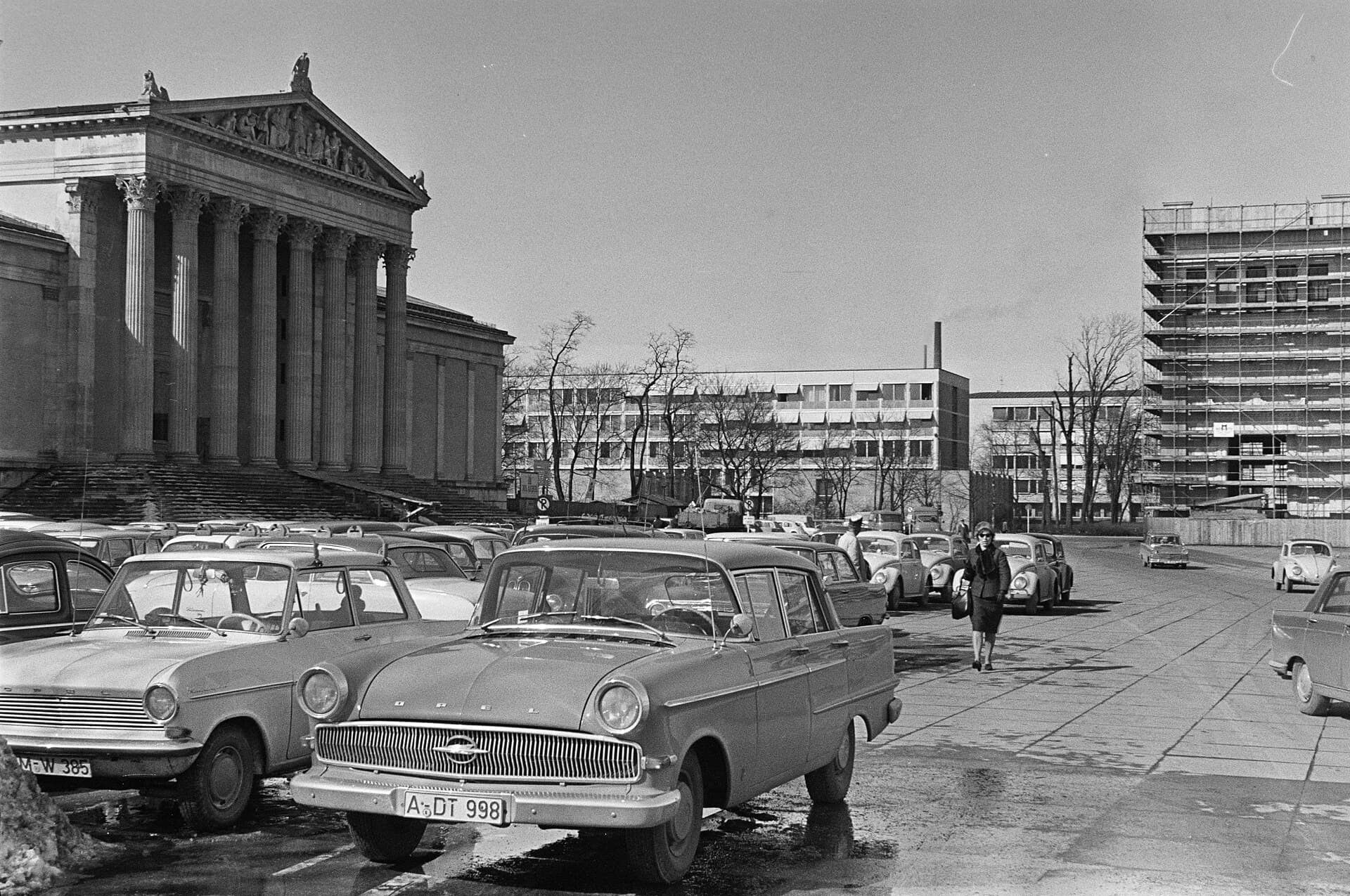
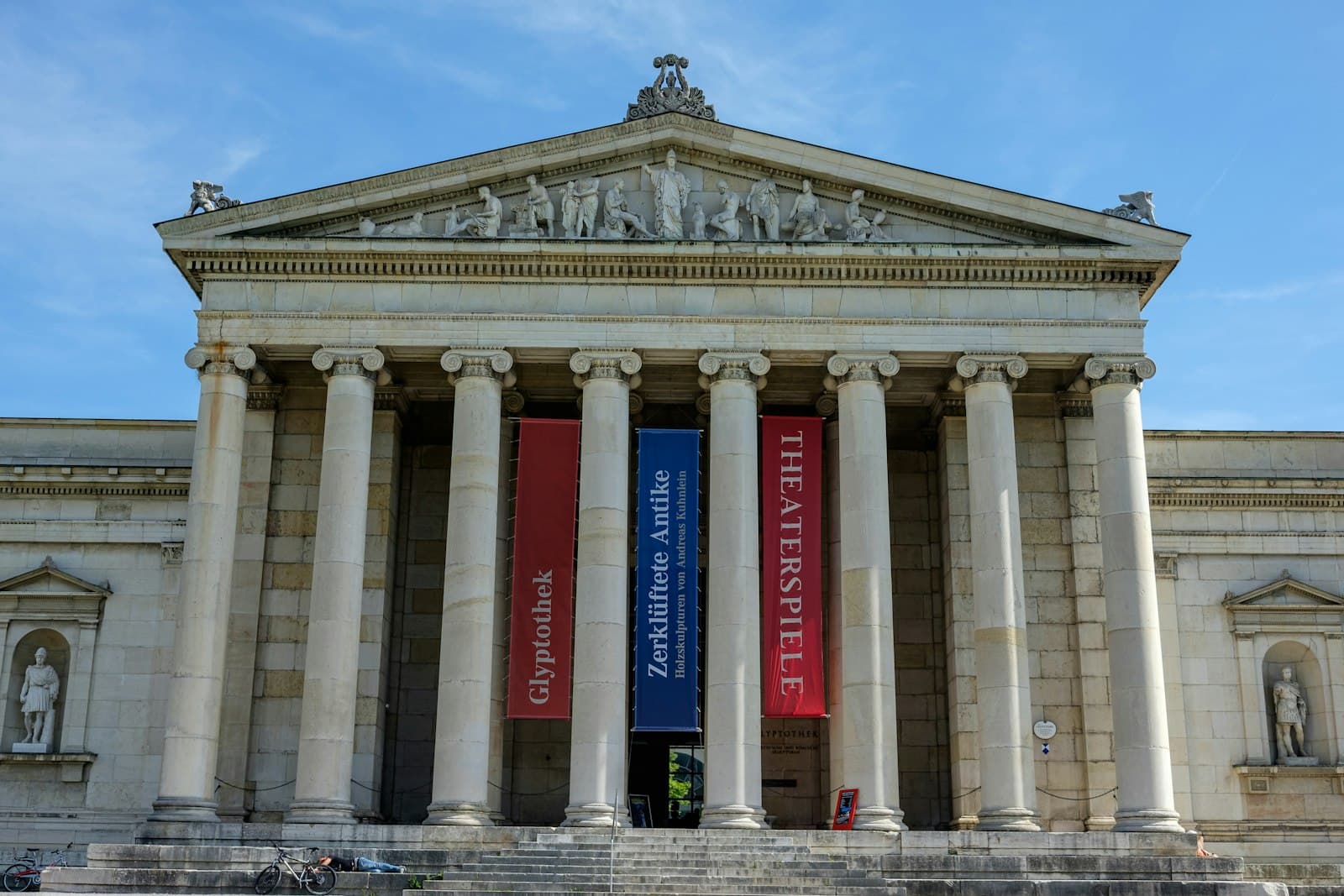
Königsplatz: The Ceremonial Forum
A neoclassical square Ludwig the First built as an Athens on the Isar, which the Nazis paved in granite and turned into a parade ground.
- 4
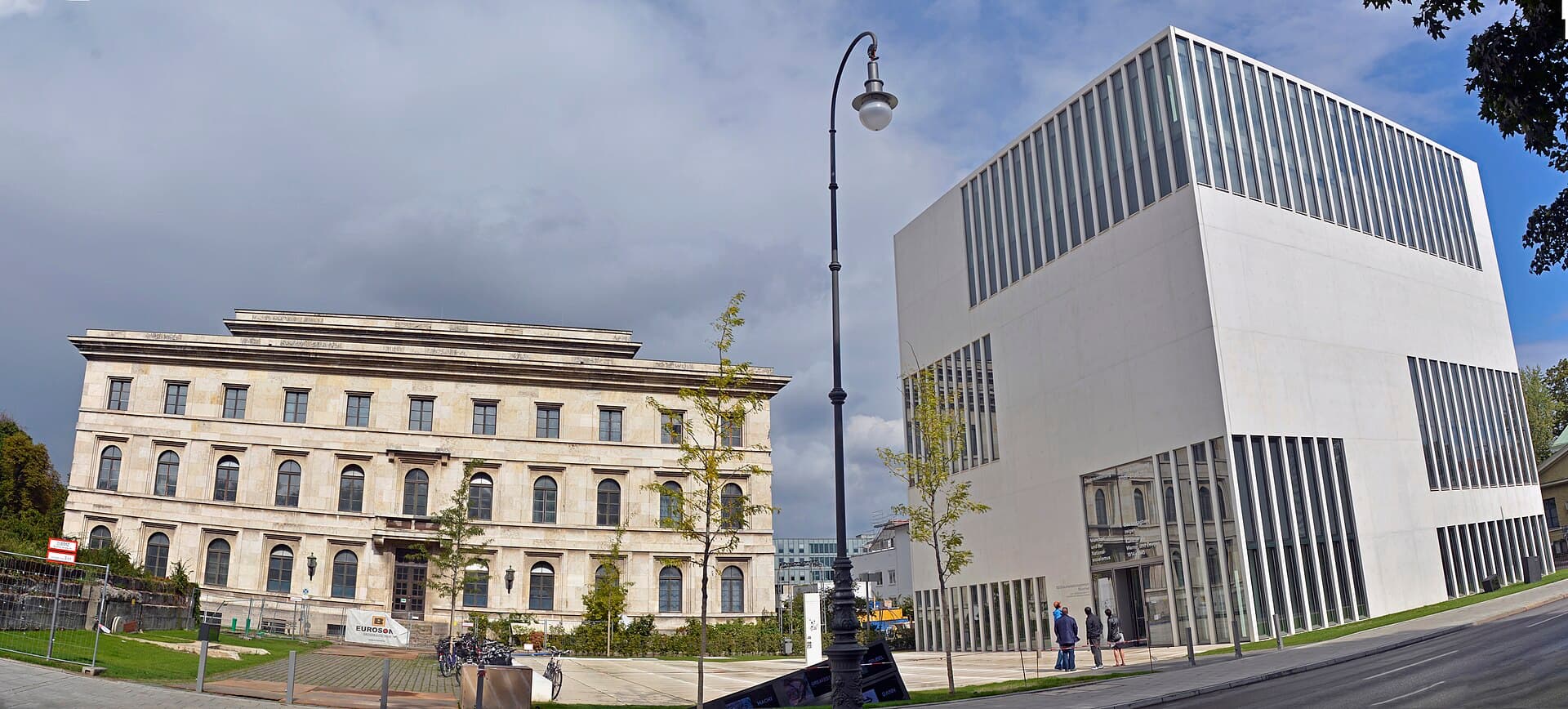
The NS-Dokumentationszentrum on the Brown House Site
A stark white cube on the ground of the former Nazi party headquarters, where Munich now names its own history out loud.
- 5
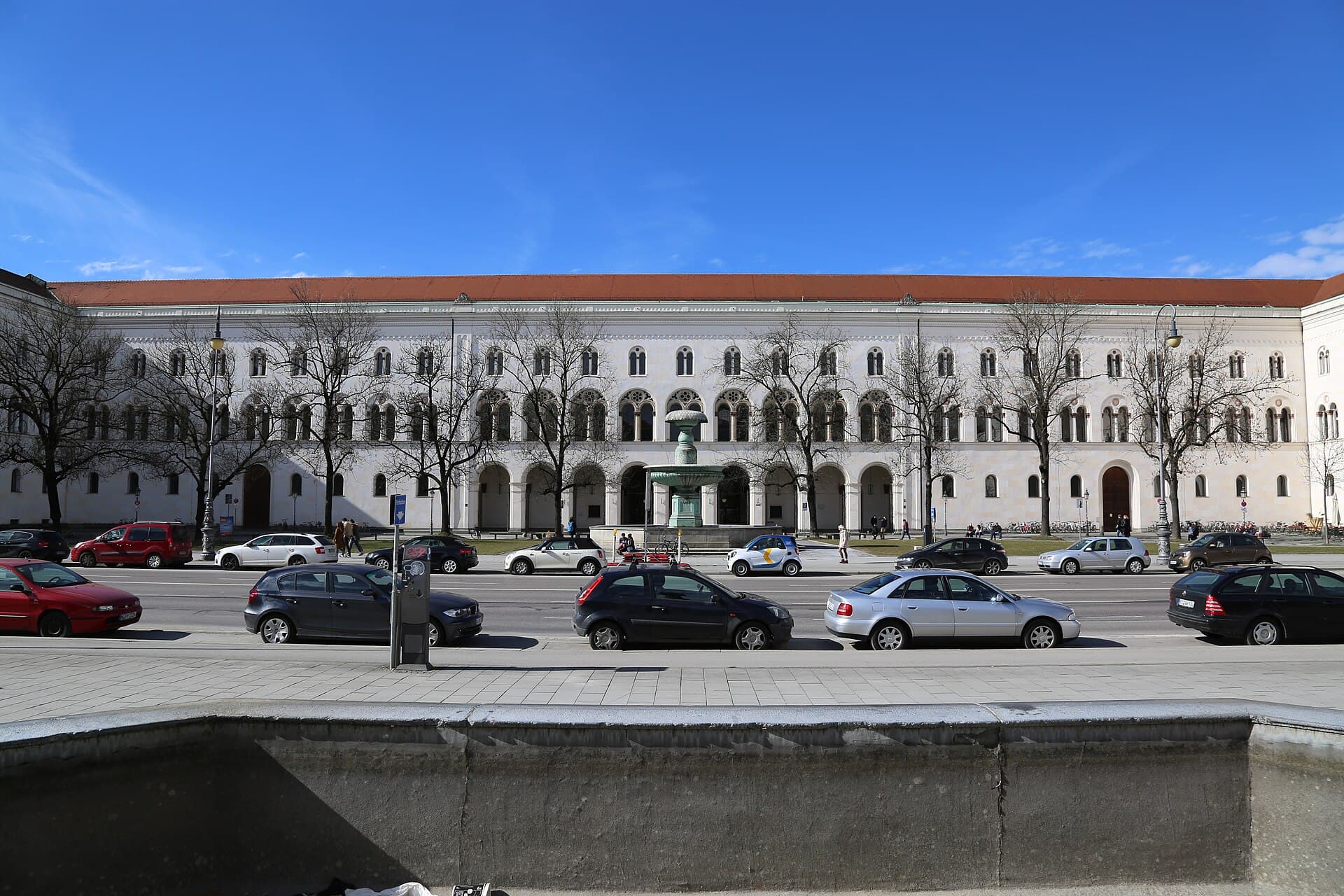
The University and the White Rose
The square before Munich's main university, where a handful of students distributed leaflets against the regime and were killed for it.
- 6
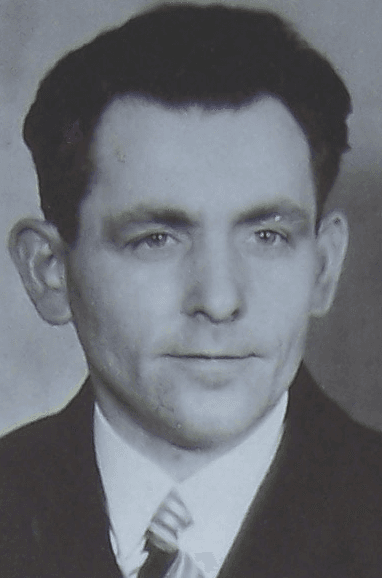
The Georg Elser Memorial
A neon-lit memorial to the lone carpenter who came within minutes of killing Hitler, set on a square that carries his name.
- 7
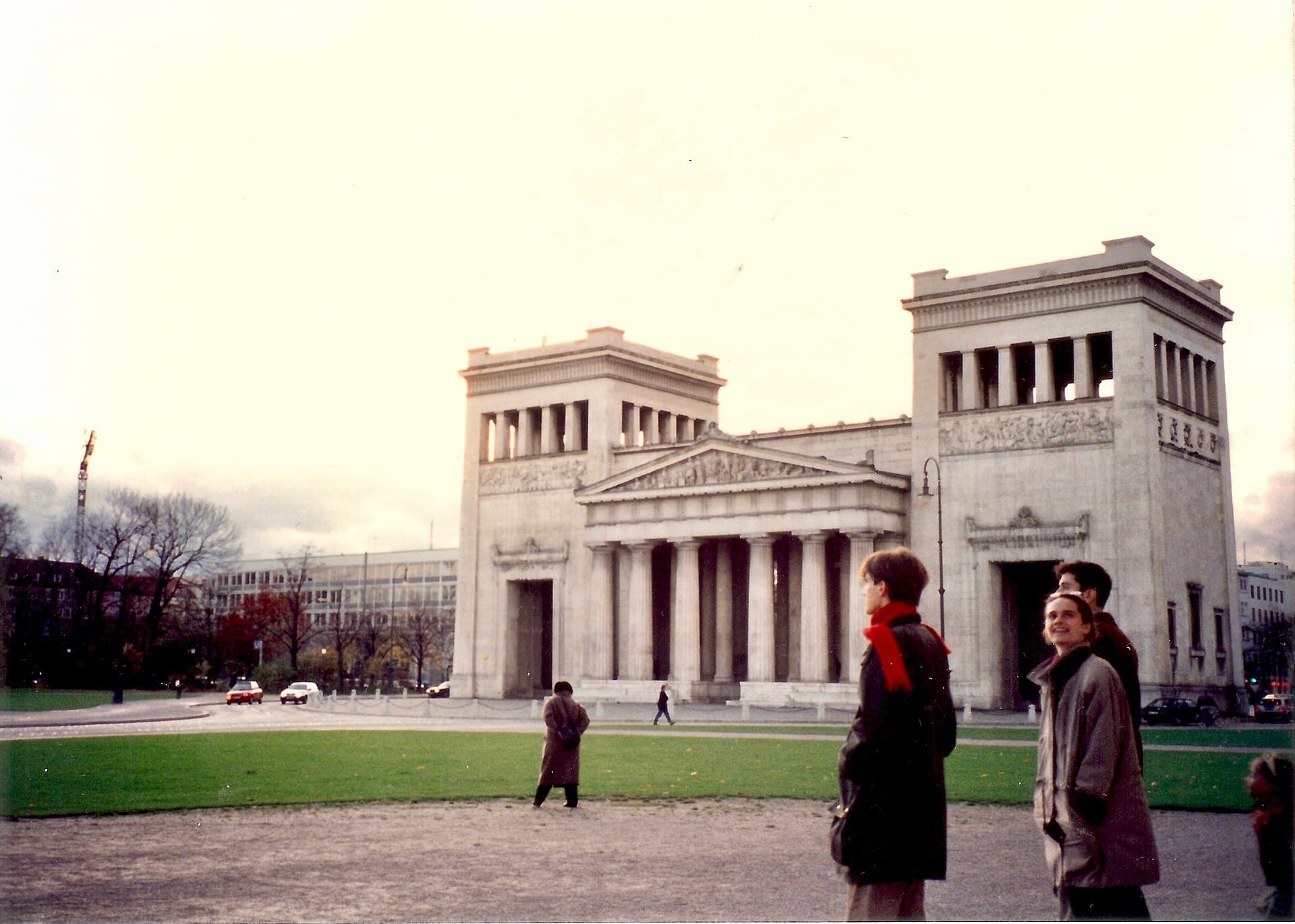
Königsplatz Today and the Choice to Remember
A closing return to the square, now ringed by museums, and to Munich's decision to document its history rather than erase or glorify it.
Details
Best Time to Visit
Weekday mornings are best, when the university quarter is active but the squares are calm enough for reflection. Aim to arrive at the Königsplatz museums during their opening hours if you want to step inside, and note that the NS-Dokumentationszentrum and the White Rose exhibition are closed on some Mondays. Late afternoon light suits the neoclassical facades, and if you time the very end of your evening near the Georg-Elser-Platz, the memorial lights up at twenty-one twenty.
Pro Tips
- •This is a walk for reflection, not a sightseeing rush. Give yourself the full two hours and let the quiet stops breathe.
- •Admission to the NS-Dokumentationszentrum is free, and the White Rose exhibition inside the university atrium is free during opening hours, so both are easy to fold into the walk if you have time.
- •Wear comfortable shoes with a bit of grip. The Viscardigasse cobbles and the granite of Königsplatz are uneven and can be slick after rain.
- •The Georg Elser memorial sits a short distance from the main cluster in the Maxvorstadt quarter, so treat it as its own small detour rather than a stop right next door.
- •Munich's public transport uses the U-Bahn and S-Bahn, and the Königsplatz and Universität stations put you at the ends of this route if you want to shorten the walking.
- •The two demolished Temple of Honour foundations are easy to miss, grassed over at the edge of Königsplatz. Look for the low rectangular platforms rather than expecting a marked monument.
Safety & Precautions
- •Keep a sober, respectful manner at every stop on this walk. These are sites of real deaths, the White Rose executions, Georg Elser's murder at Dachau, and the coup, and they are places of remembrance, not photo backdrops. Speak quietly and stay off the memorials.
- •Watch for fast, near-silent cyclists and trams throughout this quarter. Bike lanes run alongside the pavement and cyclists have right of way in them, so look before you step across, especially near the university.
- •Mind the tram tracks and uneven cobbles underfoot, particularly in the Viscardigasse and across the granite of Königsplatz. Heels and thin soles catch easily.
- •Validate your U-Bahn or S-Bahn ticket before boarding, as fare inspections are common and unvalidated tickets are treated as fare evasion. Inside the documentation centre and the memorial exhibitions, follow the posted quiet and no-photography rules where they apply.
Travel advisory: Exercise Increased Caution (Level 2).
Gallery
Related Reading
Go deeper on what you'll see, hear, and walk through.
Overview
Best Self-Guided Walking Tours in Munich (2026)
3 min
Overview
Munich Travel Guide: Days, Transport, Timing, Safety, and Budget
6 min
Overview
One Day in Munich: A Walkable Morning-to-Evening Itinerary
9 min
Thematic
Best History Walking Tours in Munich (2026)
2 min
Thematic
The City the Monks Named: How Munich Turns Privilege Into Public Life
7 min
Companion
Geschwister-Scholl-Platz: Where Munich's Students Chose to Say No
6 min
Deep dive
Königsplatz, Munich: The Athens on the Isar the Nazis Paved in Granite
6 min
Read
What to Eat in Munich
6 min
Read the walk
The full story of Königsplatz: The Movement and the Rose, in words. Prefer to listen? Play it narrated, from home or on location.
Introduction
This is a walk about a paradox that Munich has spent decades reckoning with. The Nazis called this city the Hauptstadt der Bewegung, the capital of their movement. The party was born here. A failed coup became its founding myth here. Its rallies filled a square built to look like a Greek temple. And yet resistance lived here too, in the students of the Weisse Rose, the White Rose, and in a lone carpenter named Georg Elser. This walk reads both truths at once. It is a sober walk, and it treats the dead and the resisters with dignity from the first step to the last. There are seven stops. Plan on roughly two hours of walking and time to stand still, over a route of about five kilometres through the royal and university quarter of Munich, in Germany. You will move from a loggia where a coup died in gunfire and was later enshrined, through a back alley where refusal was quiet and daily, west to a ceremonial forum and the documentation centre that names this city's guilt out loud, north to the university where students paid with their lives, and to a memorial for the carpenter who acted alone. The arc runs from glorification, to refusal, to reckoning. Go at your own pace. Any stop can be skipped, and each stands on its own. Take the moments of silence that this ground asks for. When you arrive at the Feldherrnhalle on the Odeonsplatz, begin with stop one.
1. The Feldherrnhalle on the Odeonsplatz
You are standing at the Feldherrnhalle, the open loggia at the south end of the Odeonsplatz. Its name means the Field Marshals' Hall, and it was built between eighteen forty-one and eighteen forty-four by the architect Friedrich von Gartner, commissioned by King Ludwig the First, and modelled on the Loggia dei Lanzi in Florence. Inside stand statues of military leaders, and two lions were added in nineteen oh six. For most of a century it was simply a monument to Bavarian glory. Then came the ninth of November, nineteen twenty-three. On that day the Beer Hall Putsch, Hitler's failed attempt to seize the Bavarian government, ended right here. Bavarian State Police fired on the marchers as they reached this square. Sixteen of the coup's followers and four policemen were killed. That is the toll, and it should not be inflated. After nineteen thirty-three, the Nazis made this ground into a shrine. They erected the Mahnmal der Bewegung, a memorial to the coup's so-called martyrs, designed by Paul Ludwig Troost. An SS honour guard stood duty at it, and anyone passing was expected to raise the Hitler salute. A monument to old military heroes had become the movement's holiest place, and a salute here was compulsory. That shrine was destroyed at the war's end, in the spring of nineteen forty-five. Local citizens and the arriving American army saw to its removal. What remains is the loggia itself, returned to what it was. Stand here and hold both facts at once. This is where the founding myth was made, and where the salute was forced. The rest of this walk answers it.
2. Viscardigasse: The Shirkers' Alley
Step into the narrow lane running behind the Feldherrnhalle, between the Residenzstrasse and the Theatinerstrasse. Strasse means street, and this little Gasse, this alley, is only just over fifty metres long. Its formal name is the Viscardigasse, after the Baroque architect Giovanni Antonio Viscardi. But it earned a second name in the nineteen thirties, and that is the reason to stand here. Remember the shrine at the loggia you just left, the one that demanded a Hitler salute from everyone who passed, with an SS guard watching. Many Munichers did not want to give it. So they slipped down this back alley instead, keeping to the side streets to avoid the square and its compulsory salute. For that, the lane picked up a mocking nickname, the Druckebergergasse, the shirkers' alley. It was a small thing. It was legal, or nearly so. But everyone understood what it meant, and it still carried risk. It was not heroism on the scale of the students you will hear about later. It was the ordinary conscience of a city, expressed with the feet. In nineteen ninety-five the sculptor Bruno Wank set a winding line of bronze into these cobblestones, a piece titled Argumente. The untreated bronze has taken on a polished golden sheen over the years, from the shoes of everyone who has walked it since. Follow the line with your eyes. It traces the path people took to say no without saying a word. This is the hinge of the walk, the turn from a forced salute to a quiet refusal.
3. Königsplatz: The Ceremonial Forum
You have reached the Königsplatz, and Platz means square. It was laid out in the early nineteenth century under King Ludwig the First, with design work by Karl von Fischer, Friedrich Ludwig von Sckell, and Leo von Klenze. Look around at the classical buildings that frame it. There is the Doric gate called the Propylaen, the Glyptothek, which opened in eighteen thirty as Munich's first museum, and the Staatliche Antikensammlungen, the state collection of antiquities. Ludwig wanted Munich to be a classical capital, an ambition that earned this quarter the descriptive nickname Athens on the Isar, after the river that runs through the city. This was a place of temples and sculpture. Then the regime chose it as a stage. After nineteen thirty-three, Hitler had his architect Paul Ludwig Troost pave the grass of this square with roughly twenty thousand granite slabs, hard and grey, and turned it into a forum for mass rallies and marches. On the east side, in nineteen thirty-five, Troost built two Ehrentempel, two Temples of Honour, open colonnades that held the bronze coffins of the sixteen who died in the coup of nineteen twenty-three. A square built to look like ancient Athens had become a parade ground with shrines to the dead of a failed coup. After the war, the American army destroyed both temples on the ninth of January, nineteen forty-seven. The rubble was cleared, but the concrete platform foundations were deliberately left in place, and you can still find them today, grassed over at the edge of the square. The lawns returned. The scars stayed on purpose.
4. The NS-Dokumentationszentrum on the Brown House Site
On the north-eastern edge of the Königsplatz stands a plain white cube, the NS-Dokumentationszentrum, the Documentation Centre for the History of National Socialism. Its address is Max-Mannheimer-Platz one. It opened to the public in the spring of two thousand fifteen, and its…
Full narration for this stop unlocks with the tour.
5. The University and the White Rose
This semi-circular square in front of the main building of the Ludwig Maximilian University is called the Geschwister-Scholl-Platz, the square of the Scholl siblings. It was renamed for them in nineteen forty-six. Here is why. During the war, a small group of students formed a…
Full narration for this stop unlocks with the tour.
6. The Georg Elser Memorial
On a square named Georg-Elser-Platz, in the Maxvorstadt quarter, a memorial is mounted on the west facade of a school building, the Turkenschule. It is titled simply the eighth of November, nineteen thirty-nine. The artist is Silke Wagner, and it was created in two thousand nine…
Full narration for this stop unlocks with the tour.
7. Königsplatz Today and the Choice to Remember
Return to the Königsplatz for a closing thought, and look at it with everything the walk has taught you. Around this square lies the Kunstareal, Munich's museum quarter. Areal means grounds or precinct. Here you will find the three Pinakotheken, the Alte, the Neue, and the…
Full narration for this stop unlocks with the tour.