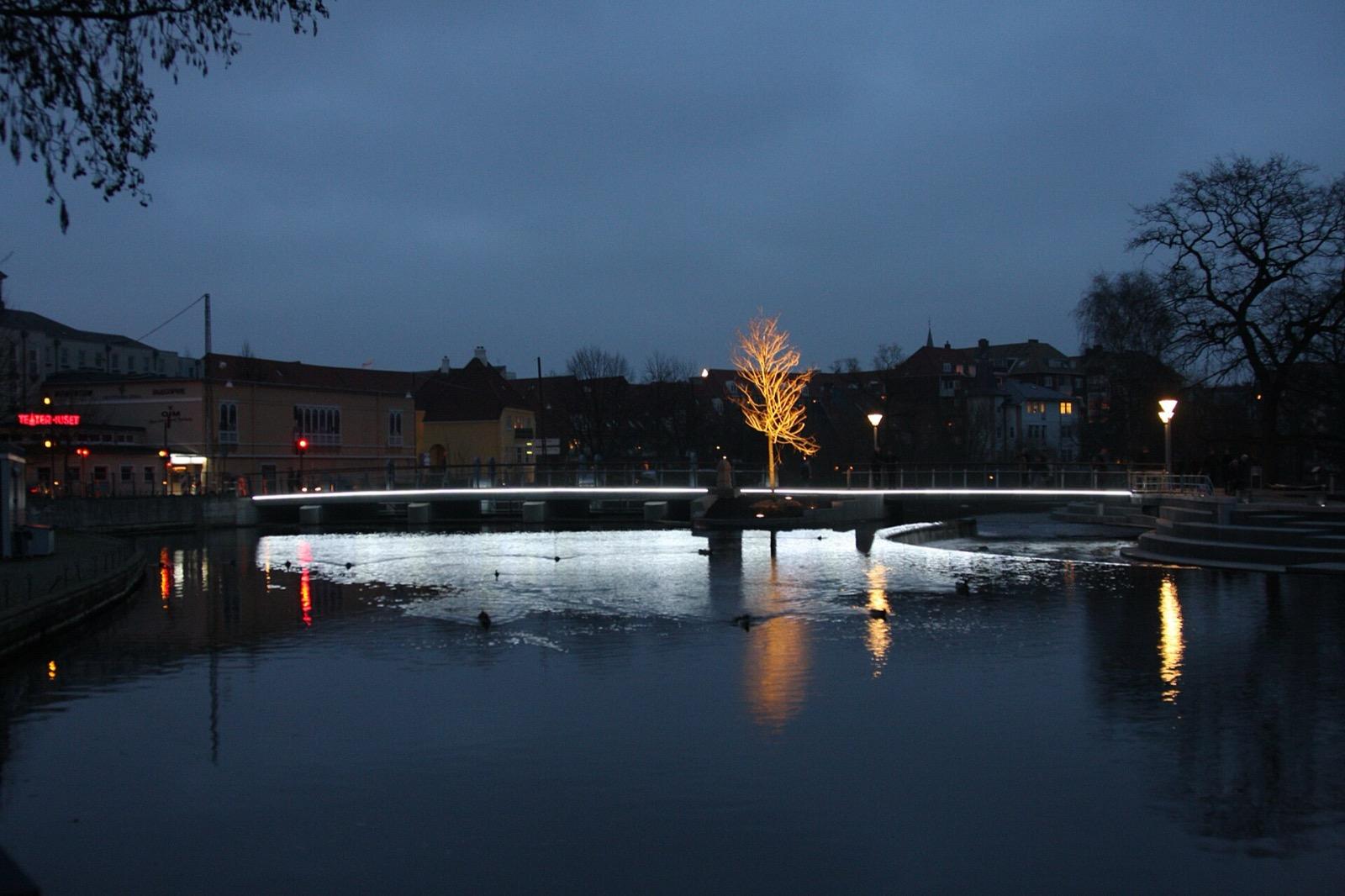
Before it was Andersen's city, Odense was Odin's shrine. This riverside walk reads the deep town beneath the fairytale, from a royal palace and a buried Viking ring fortress to a martyred king and a great cloth mill reborn as a quarter of art.
Start · Odense Palace and the King's Garden: The Royal Town at the Top
DirectionsStops
- 1
Odense Palace and the King's Garden: The Royal Town at the Top
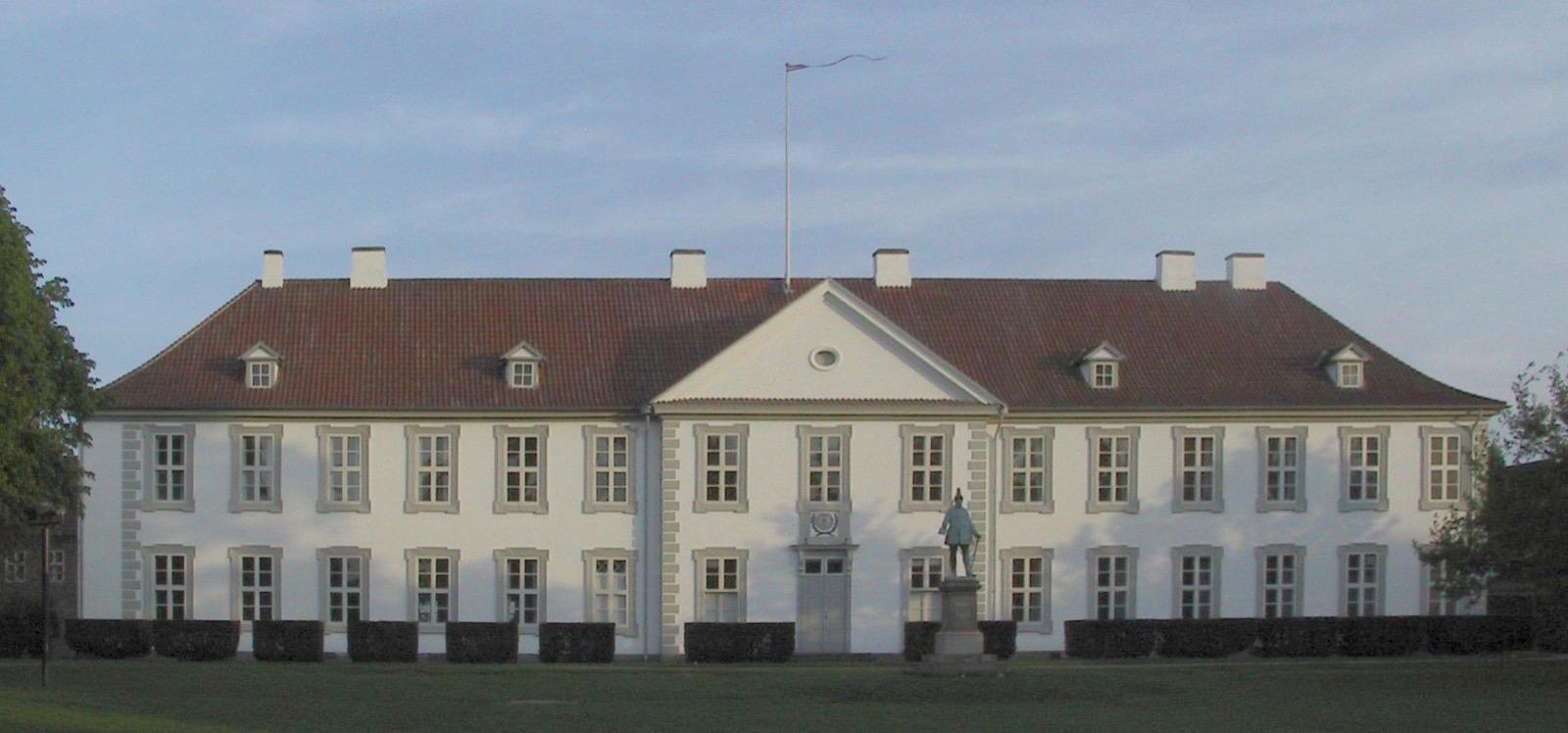
The old royal palace and its formal garden crown the top of the town, grown from a medieval monastery into a building where a king lived and died.
- 2
The Odense River and Munke Mose: The Water That Made the Town
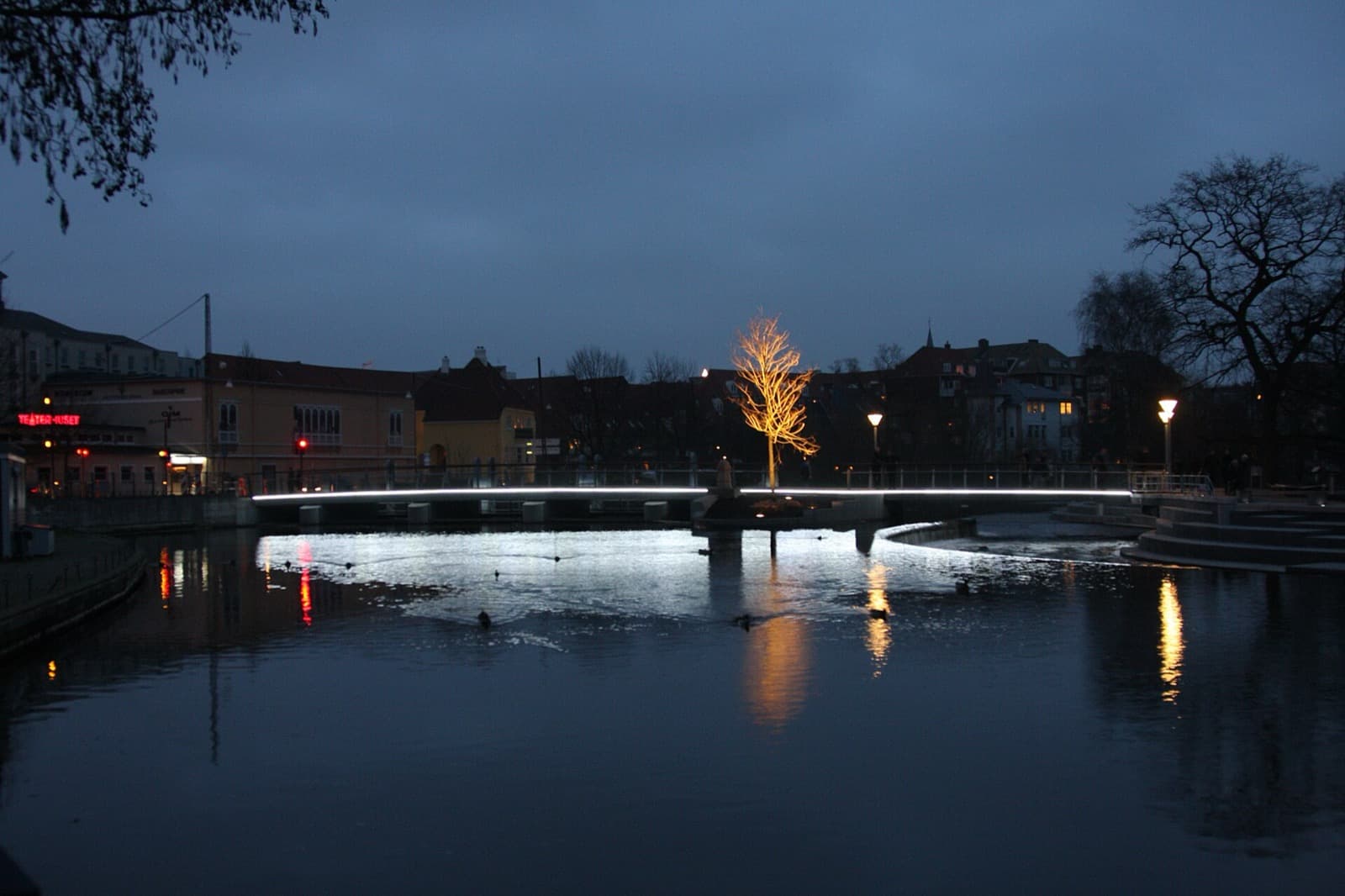
A winding riverside park where the little Odense river, the reason the town exists at all, threads quietly through the heart of the city.
- 3
Nonnebakken: The Viking Ring Fortress Beneath the Streets
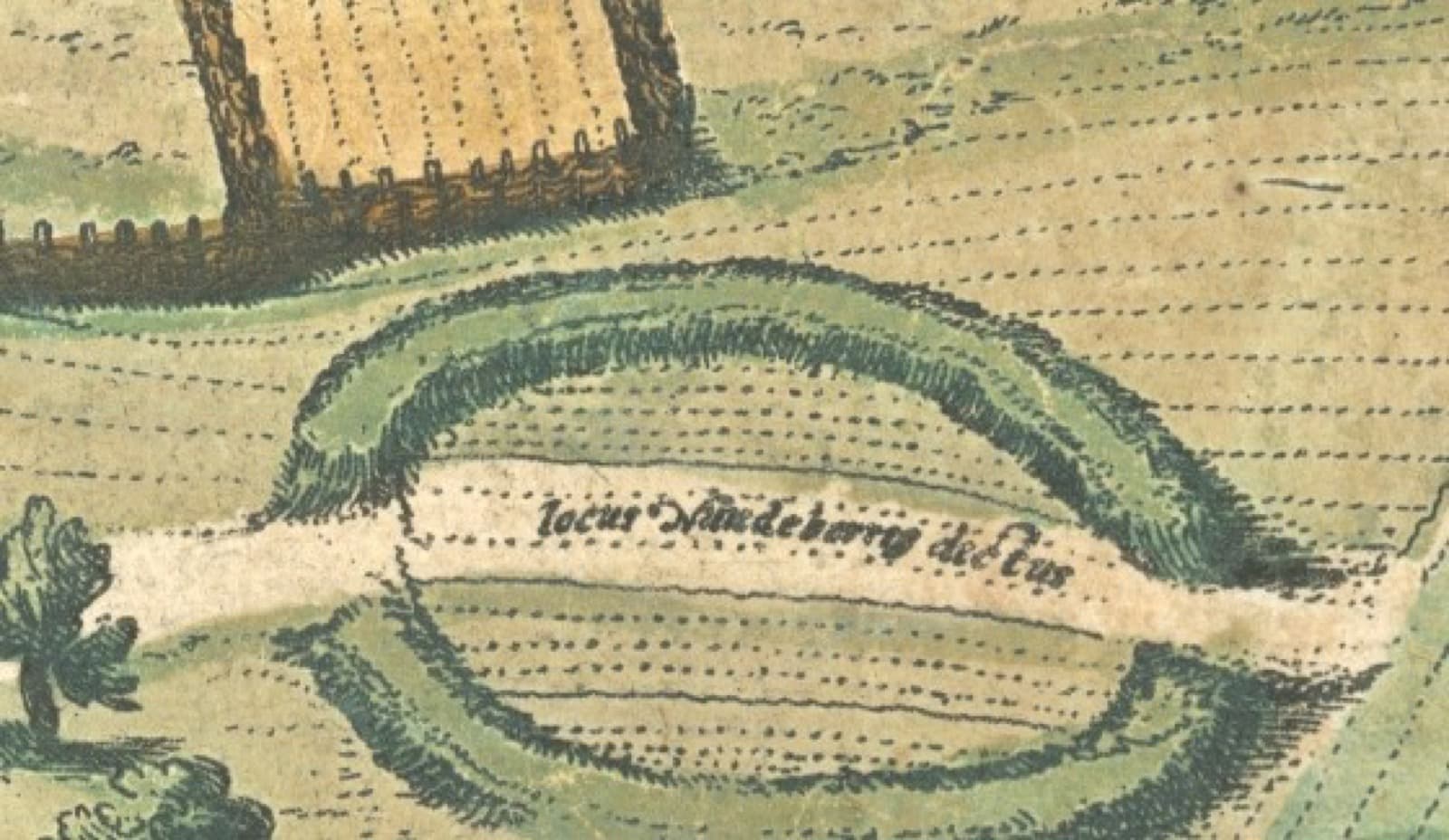
Under this low, ordinary rise on the river's south bank lies one of King Harald Bluetooth's circular Viking ring fortresses, buried, invisible, and remarkably well-preserved.
- 4
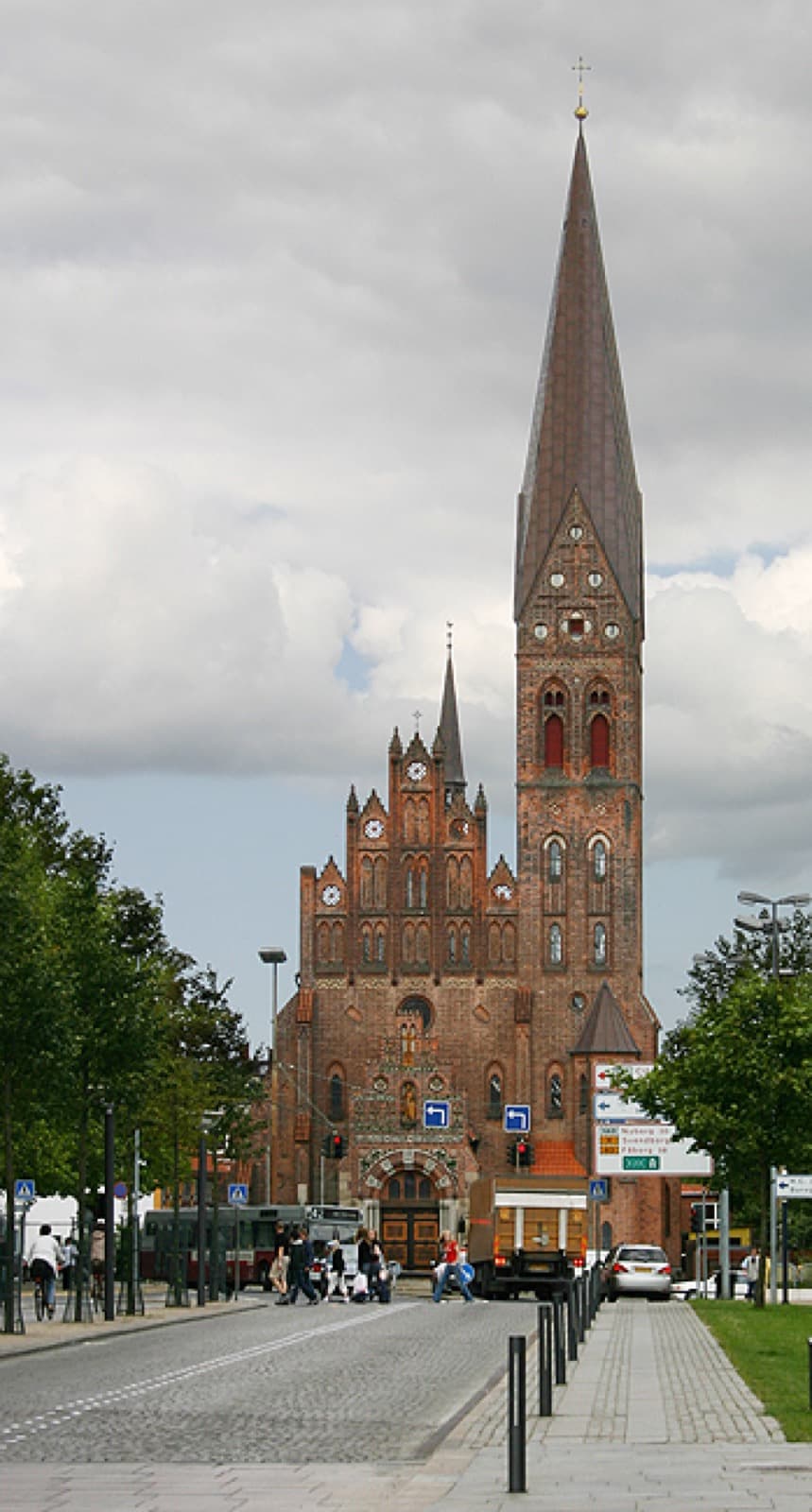
Sankt Albani Kirke: The Church and the Murdered King
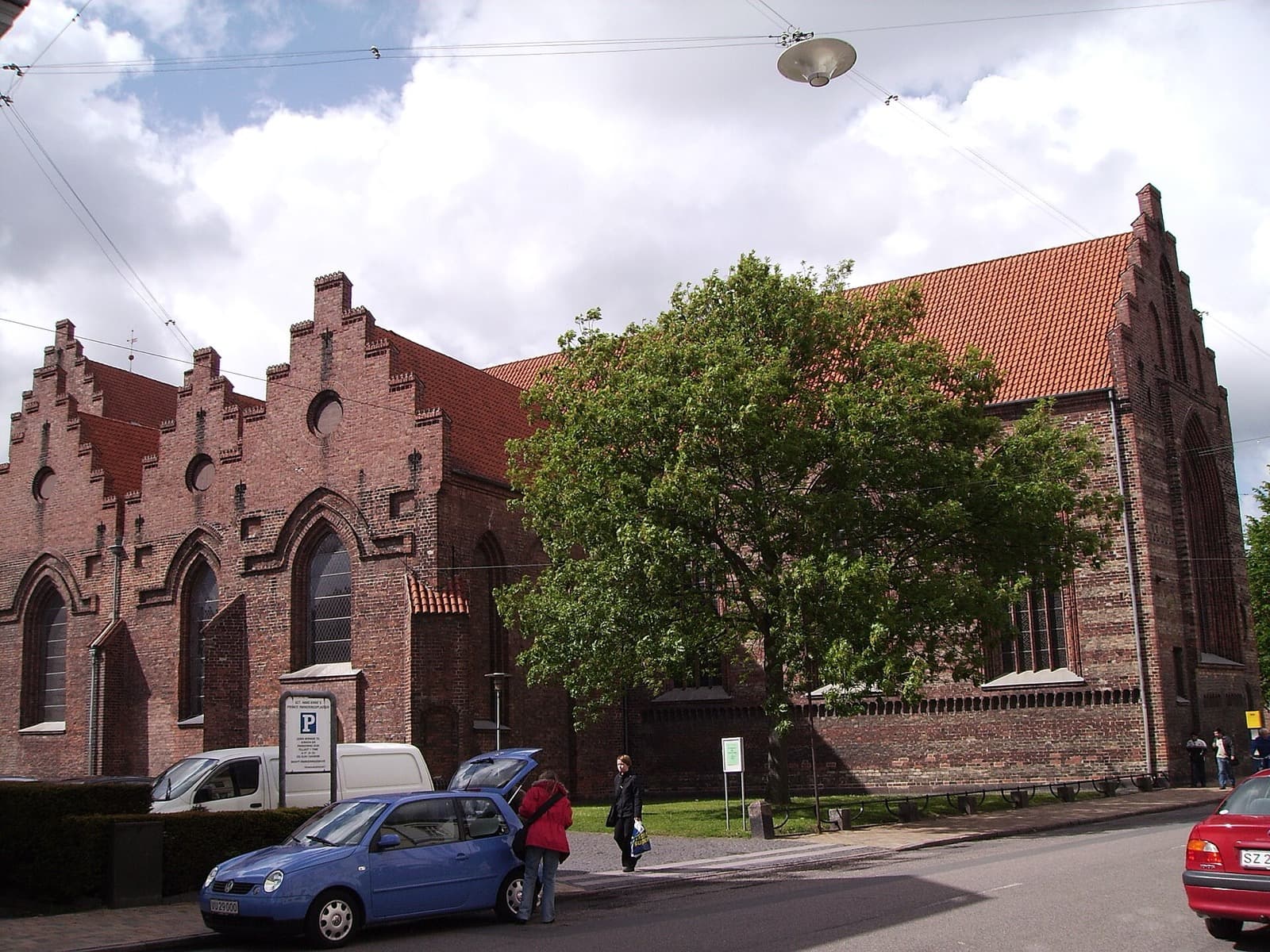
A neo-Gothic Catholic church that keeps alive the memory of King Canute the Fourth, killed before an altar in Odense in ten eighty-six and later made a saint.
- 5
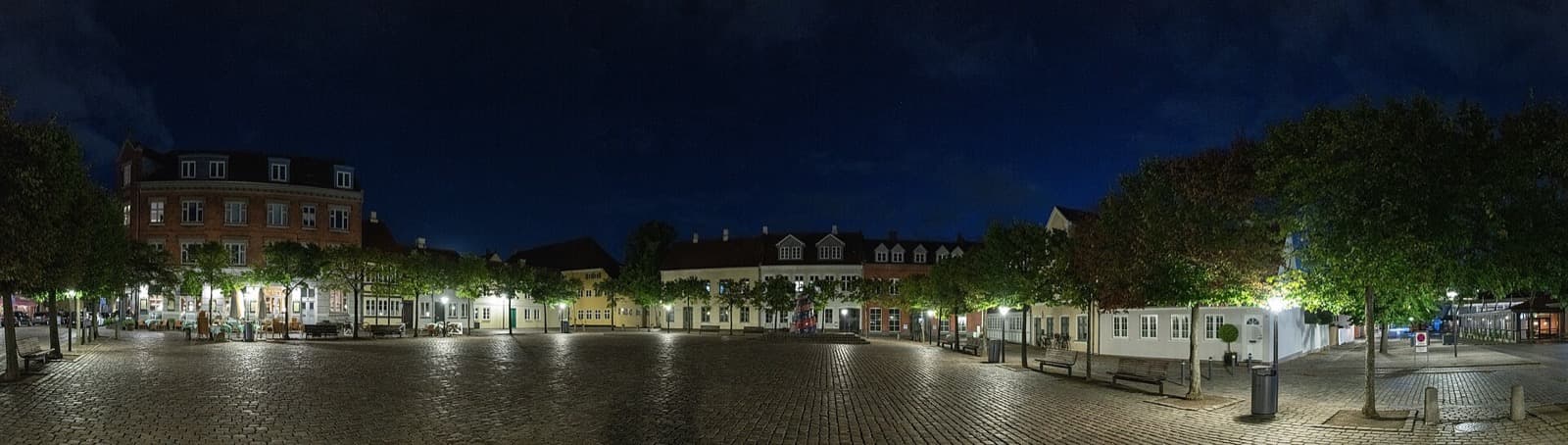
Sortebroedre Torv: The Ghost of the Friary and the Old Town
A quiet square that marks the vanished Dominican friary of the Black Friars, its outline now traced in brass on the ground.
- 6
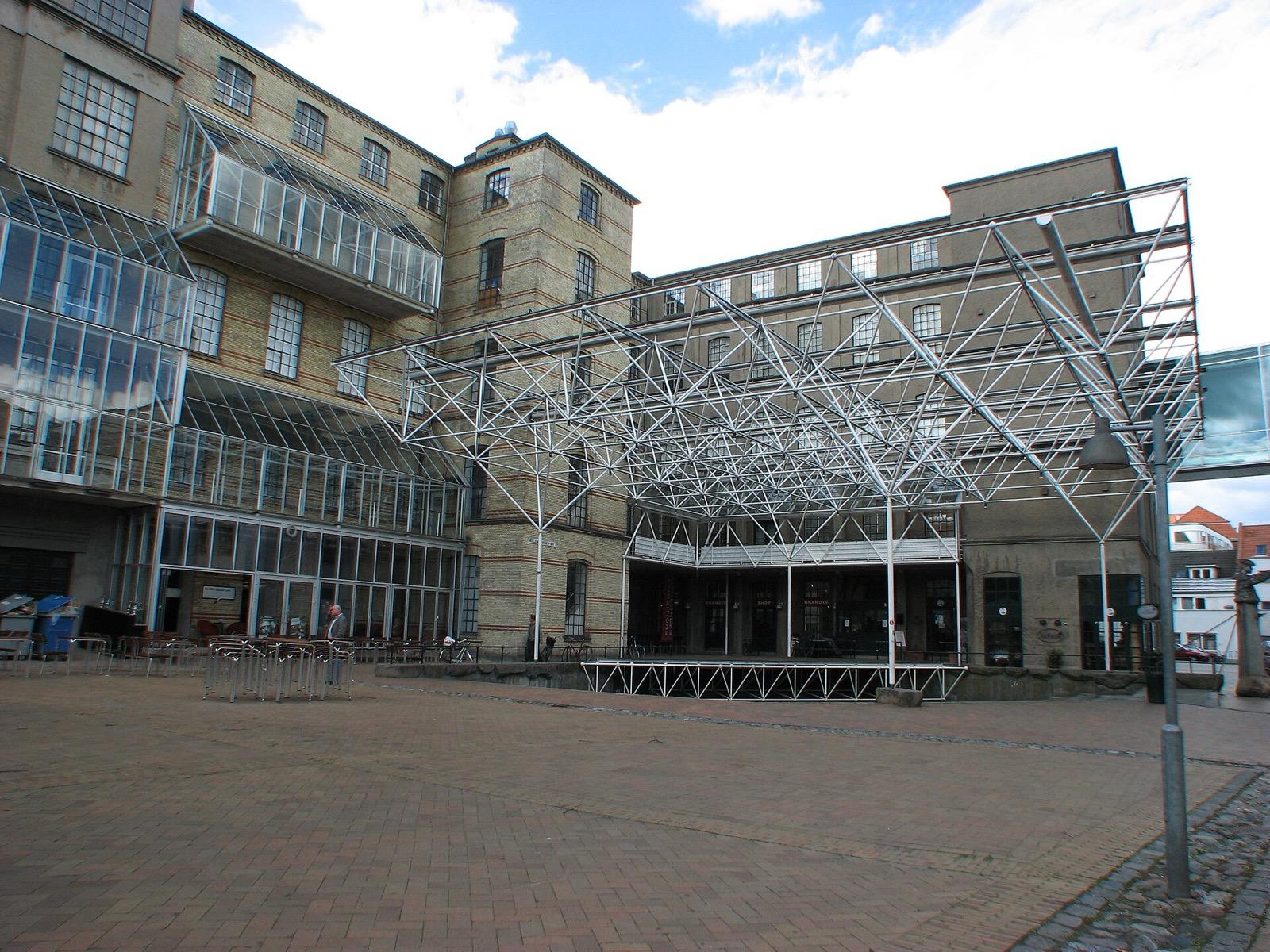
Brandts: The Cloth Mill Reborn as a Quarter of Art
A great former textile mill of yellow brick, once one of the town's biggest workplaces, converted into a living quarter of galleries, cinema, and courtyards.
- 7
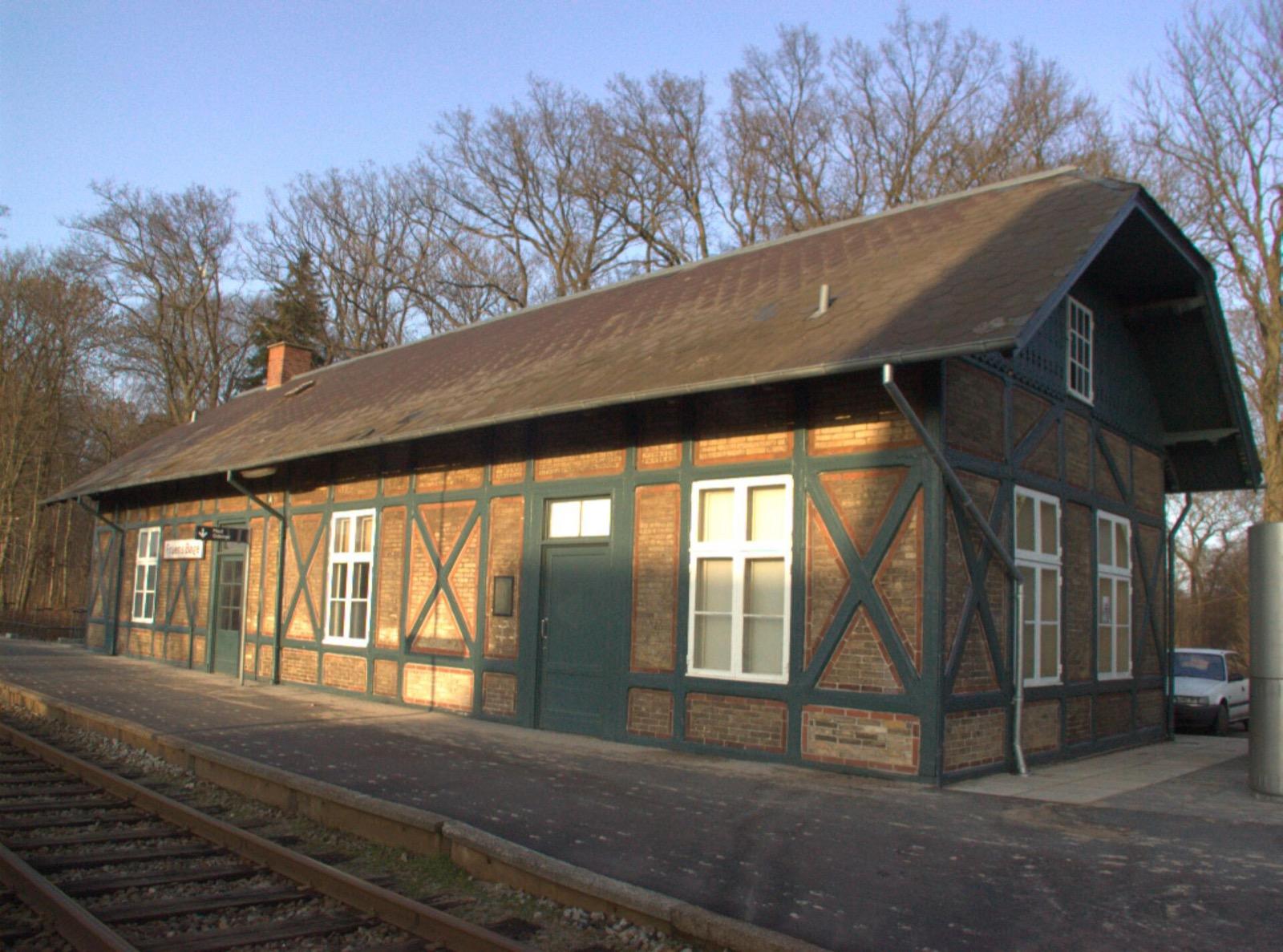
The River Valley Toward Fruens Boege: Where the Town Breathes
The green river valley leading downstream to Fruens Boege, a riverside excursion woodland where Odense has come to breathe for well over a century.
Details
Best Time to Visit
Late spring through early autumn, from May to September, is the loveliest time, when the King's Garden, the riverside park at Munke Mose, and the woods of Fruens Boege are green and the river boats are running. Weekday mornings are quietest along the water. The walk is enjoyable year-round on the flat riverside paths, but Danish weather is changeable, so a bright, dry afternoon rewards the outdoor stops best.
Pro Tips
- •Follow the river itself as your thread. Nearly every stop sits on or near the Odense Aa, so keeping the water in view makes navigation almost automatic and turns the whole route into one continuous riverside walk.
- •Sit down at Munke Mose and again at Fruens Boege. These are the two green lungs of the walk, and the point of the tour is autonomy, so linger by the water on your own clock rather than rushing between stops.
- •At Nonnebakken, do not expect a visible monument. The Viking ring fortress is buried and invisible, so read the low rise and the ordinary streets knowing what lies beneath, rather than searching for ruins.
- •Consider closing the loop by water. The Odense river boats run from Munke Mose down to Fruens Boege, so you can walk out and let the boat carry you back, or the reverse, though the boats charge a fare in Danish kroner.
- •Keep the two Saint Alban's separate in your mind. The church you see is an early twentieth-century building, while the medieval priory where King Canute the Fourth died stood a short way off and is gone. The name links them; the buildings are different.
- •Step into the Brandts courtyards even if you skip the museum. The old mill yards are free to wander, and the industrial brickwork tells much of the story without any ticket.
Safety & Precautions
- •This is flat, easy walking on riverside paths, but those paths beside the Odense Aa can be wet, muddy, or slippery after rain, so wear sensible shoes and take care near the water's edge.
- •Saint Alban's Church is a working place of worship. If you step inside, dress modestly, keep your voice low, and respect any service in progress; the interior is open per church hours with no admission charge.
- •Danish weather changes quickly. Carry a light waterproof and some sun protection, since a clear morning by the river can turn to rain by afternoon in almost any season.
- •Several sites here charge entry in Danish kroner, not euros: the Brandts art museum and the Odense river boats both take a fare in the local currency, so plan for card or krone payment rather than assuming euros.
Travel advisory: Exercise Increased Caution (Level 2).
Gallery
Related Reading
Go deeper on what you'll see, hear, and walk through.
Overview
Best Self-Guided Walking Tours in Odense (2026)
3 min
Overview
Odense Travel Guide: Days, Transport, Safety, and Costs
6 min
Overview
One Day in Odense: A Walkable Morning-to-Evening Itinerary
7 min
Thematic
Odense: The Fairytale City and the Viking Town Beneath It
7 min
Companion
Nonnebakken: The Buried Viking Fortress Under Odense
6 min
Deep dive
Brandts Klaedefabrik: The Odense Cloth Mill Reborn as a Quarter of Art
7 min
Read
What to Eat in Odense: Funen's Local Dishes and How to Order Them
5 min
Read the walk
The full story of Odin's Shrine: The Viking Town by the River, in words. Prefer to listen? Play it narrated, from home or on location.
Introduction
Odense, in Denmark, wears the face of a fairytale, the city where Hans Christian Andersen was born. Yet its name reaches far deeper than any story. The name Odense means the shrine of the god Odin, a compound of Odin and the Old Danish word for a sacred place, and Names in Denmark, from the University of Copenhagen, records it first appearing in the year nine eighty-eight. That makes it one of the oldest recorded place names in the whole country, a pagan sanctuary that became a town. This walk reads that older, grittier Odense, the one buried under parks, a river, and an ordinary present. There are seven stops on this route, and it runs roughly seven kilometres over about two and a half hours, with a longer riverside stretch out to the woods at the end, though the pace is entirely yours. You will follow the winding little Odense river, called the Odense Aa, from the old royal palace and the King's Garden at the top of the town, past the Munke Mose park and the buried Viking ring fortress of Nonnebakken, to the church that keeps the memory of a king killed at his altar, on to the great red-brick cloth mill of Brandts reborn as art, and out to the green river valley where the town goes to breathe. This is a solo walk on your own clock: no group, no schedule, no one hurrying you along the water. Linger by the river as long as you like, sit on the buried ring, wander the mill courtyards, and skip any stop that does not call to you. When you arrive at Odense Palace and the King's Garden, begin with stop one.
1. Odense Palace and the King's Garden: The Royal Town at the Top
Begin at the top of the town, where the old royal palace, Odense Slot, stands beside its formal garden, the King's Garden, or Kongens Have. The word slot means a palace or castle, and have means a garden. This is a fitting place to start, because it holds several layers of the town's story at once. The site began as a religious house: it grew from a medieval monastery of the Knights of Saint John, the order also known as the Hospitallers, first recorded in Odense in twelve eighty. Centuries later it became a royal seat. An entirely new main building was raised between seventeen twenty-one and seventeen twenty-three under King Frederik the Fourth, and it was here, in this palace, that the same king died on the twelfth of October seventeen thirty. Kings stayed here when they came to the island of Funen, and for a time in the early nineteenth century crown princes lived here too. The royal chapter closed in nineteen oh seven, when the state sold the palace to the city of Odense, and the royal garden was opened to the public for the first time. Today the palace is not a museum but a working municipal building, home to the city and cultural administration, so you meet it from the outside, as part of the town's fabric rather than a ticketed attraction. The garden, though, is yours to enjoy freely, a large formal park beside the main railway station. Take your time here at the head of the walk. From this high, royal ground, the town falls away toward the river below, and that river is where you are heading next.
2. The Odense River and Munke Mose: The Water That Made the Town
Here, along the green banks of the Munke Mose park, you meet the reason Odense exists at all: the little river called the Odense Aa. The word aa means a stream or small river, and mose means a marsh or park, so Munke Mose is the Monks' Marsh, a nod to the religious houses that once stood nearby. This winding water first drew settlement to this spot long before any fairytale was written. For centuries it served the town as a mill-stream and a washing-place, the working artery of daily life. It still shapes the city today. From these banks the Odense river boats, the Odense Aafart, have sailed since eighteen eighty-two, running downstream toward the woods of Fruens Boege by way of the Odense Zoo. The route has three stops, and the boats turn around at the far, green end of the valley, which is where this walk will finish. Pedal boats and canoes set out from here too, and a fish ladder helps the river's fish climb past the old mill weir. In recent years the tour boats were even converted to run silently on solar power, so they glide along the water almost without a sound. Sit for a while on a bench by the river. This is the quiet, unhurried heart of the town, a place locals come simply to watch the water go by. On your own clock, with no group waiting and no schedule to keep, the river invites you to slow down. When you are ready, keep to the south bank, because just ahead, beneath perfectly ordinary streets, lies something almost no visitor ever sees.
3. Nonnebakken: The Viking Ring Fortress Beneath the Streets
You are now standing on one of the most extraordinary hidden things in all of Odense, though there is almost nothing to see. This low rise on the south bank of the river is called Nonnebakken, which means the Nuns' Hill, and beneath these ordinary streets lies a Viking ring fortress. The Viking Ship Museum records that it was one of the great circular fortresses of the Trelleborg type, built around the year nine eighty and attributed to King Harald Bluetooth, who used such strongholds to help unify the Danish kingdom. Picture what the eye cannot: a perfect ring roughly one hundred and eighty metres across, ringed by a moat several metres deep and wide, and a rampart possibly five to six metres high, its earthen faces clad in timber. Five of these ring fortresses are known across Denmark, and UNESCO records that they were together inscribed on the World Heritage list on the seventeenth of September twenty twenty-three. Nonnebakken is the only one of the five that lies within a city centre. Archaeological work in twenty fifteen and again in twenty twenty confirmed that, astonishingly, it survives extremely well-preserved beneath the modern town, hidden under houses, gardens, and pavements. The perfect ring is simply buried and invisible. The hill took its later name, the Nuns' Hill, from a Benedictine convent set up on the site in the eleven hundreds, whose nuns eventually left to build a church at Dalum nearby. So one sacred layer sat upon another: a warlord's fortress, then a convent, then an ordinary street. Stand quietly here and let the scale settle in. Beneath your feet, unseen, sleeps a thousand-year-old Viking stronghold.
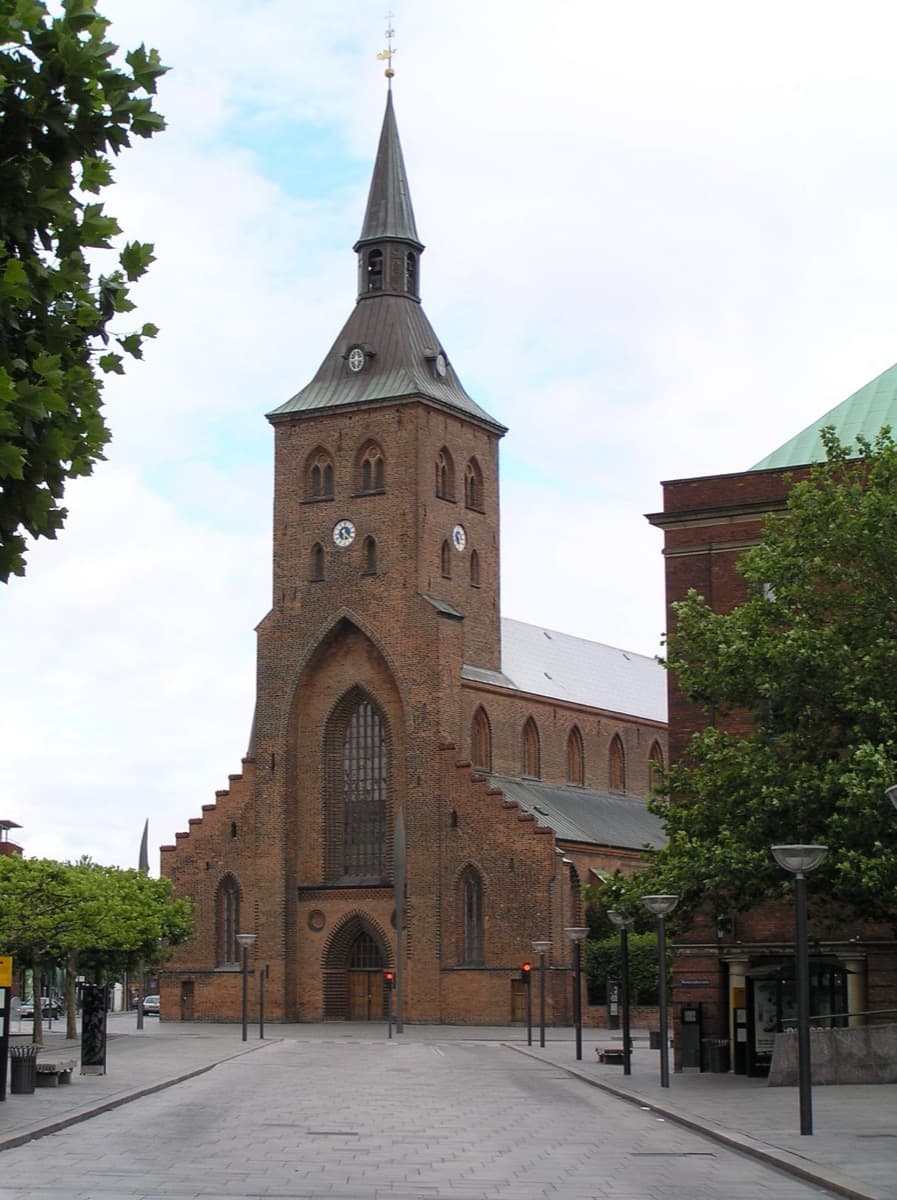
4. Sankt Albani Kirke: The Church and the Murdered King
Before you rises Sankt Albani Kirke, Saint Alban's Church, its slender neo-Gothic spire one of the tallest things on the skyline. The word kirke means church. This building is younger than it looks: it was designed by the architect Ludwig Schneider, its foundation stone laid on…
Full narration for this stop unlocks with the tour.
5. Sortebroedre Torv: The Ghost of the Friary and the Old Town
This calm open square is called Sortebroedre Torv, which means the square of the Black Friars, or Blackfriars Square. The word torv means a market square. It is one of the town's ghost places, marking something that has almost entirely vanished. Dominican friars, newcomers from…
Full narration for this stop unlocks with the tour.
6. Brandts: The Cloth Mill Reborn as a Quarter of Art
You arrive now at Brandts, one of the most striking turns in the whole walk: a great former cloth mill reborn as a quarter of art. This is Brandts Klaedefabrik, the Brandts cloth factory, a large complex of characteristic yellow brick with green-framed windows rising in the…
Full narration for this stop unlocks with the tour.
7. The River Valley Toward Fruens Boege: Where the Town Breathes
Your walk ends where the town goes to breathe: the green river valley leading downstream toward Fruens Boege. The name means Our Lady's Beeches, or the Lady's Beech, and it is a wooded riverside park in the southern part of Odense, well downstream from the old centre you have…
Full narration for this stop unlocks with the tour.