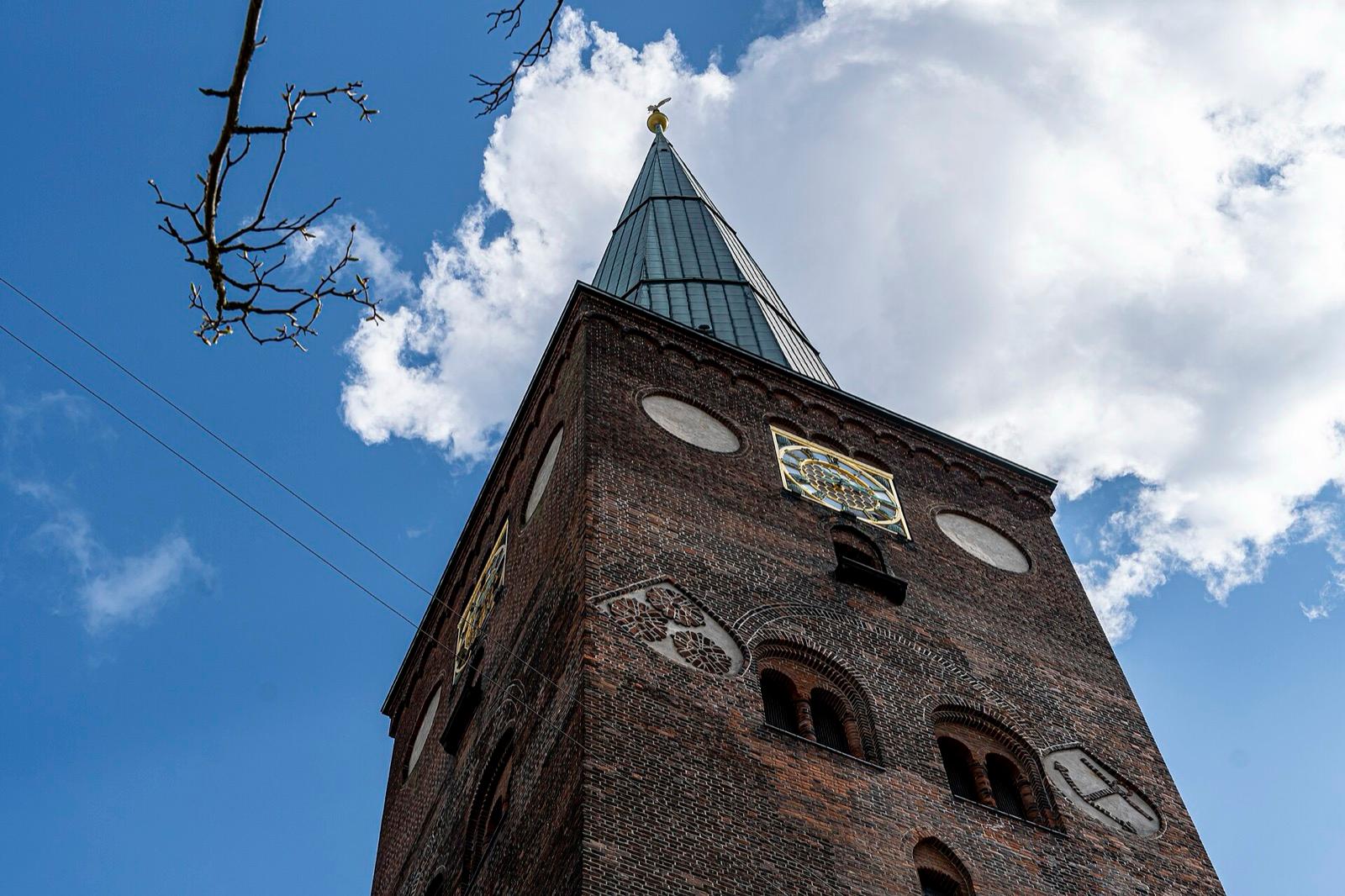
A walk through the oldest heart of Aarhus, Denmark, reading deep time in a few hundred metres of cobbled lanes, from the Viking river mouth called Aros to Arne Jacobsen's marble City Hall.
Start · Aarhus Cathedral: The Longest Church in the Country
DirectionsStops
- 1
Aarhus Cathedral: The Longest Church in the Country
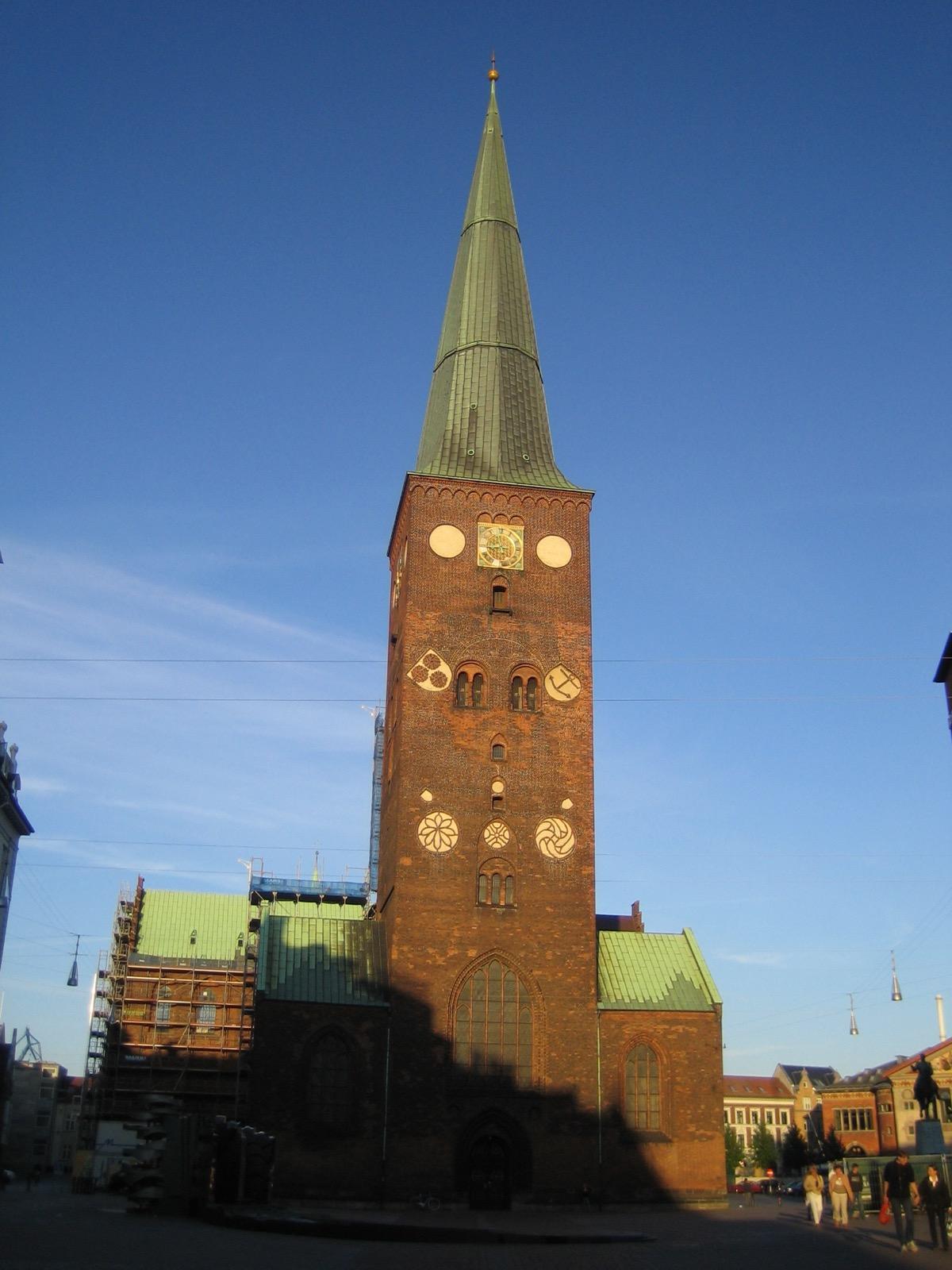
The Romanesque and Gothic cathedral of Aarhus, dedicated to Saint Clement, is the longest and tallest church in Denmark and holds more frescoes than any other church in the country.
- 2
Store Torv and Lille Torv: The Old Market Squares
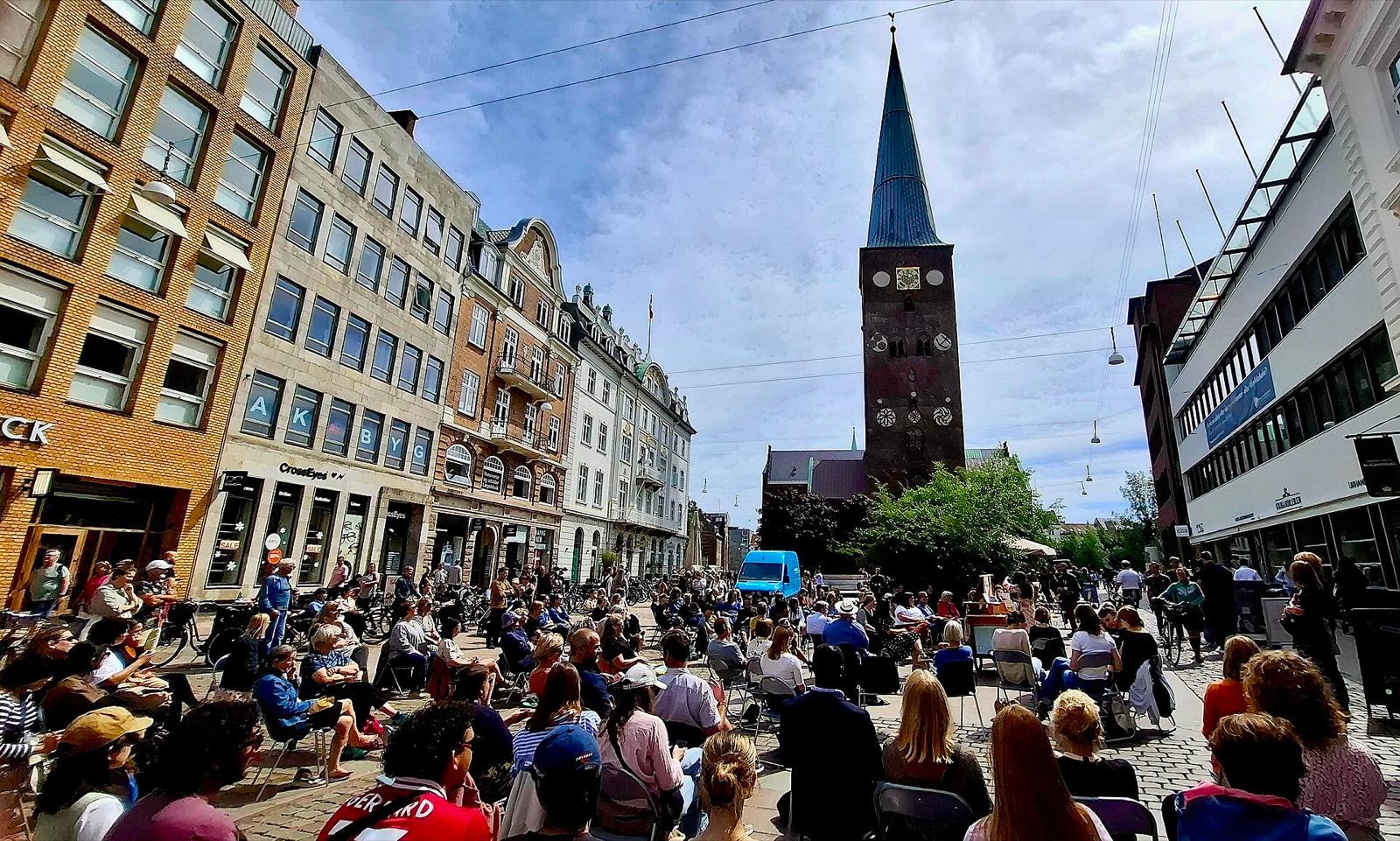
The twin old market squares beside the cathedral, Store Torv and Lille Torv, have gathered farmers and traders since the twelve hundreds and still gather the city today.
- 3
The Latin Quarter: The Oldest Streets of Aarhus
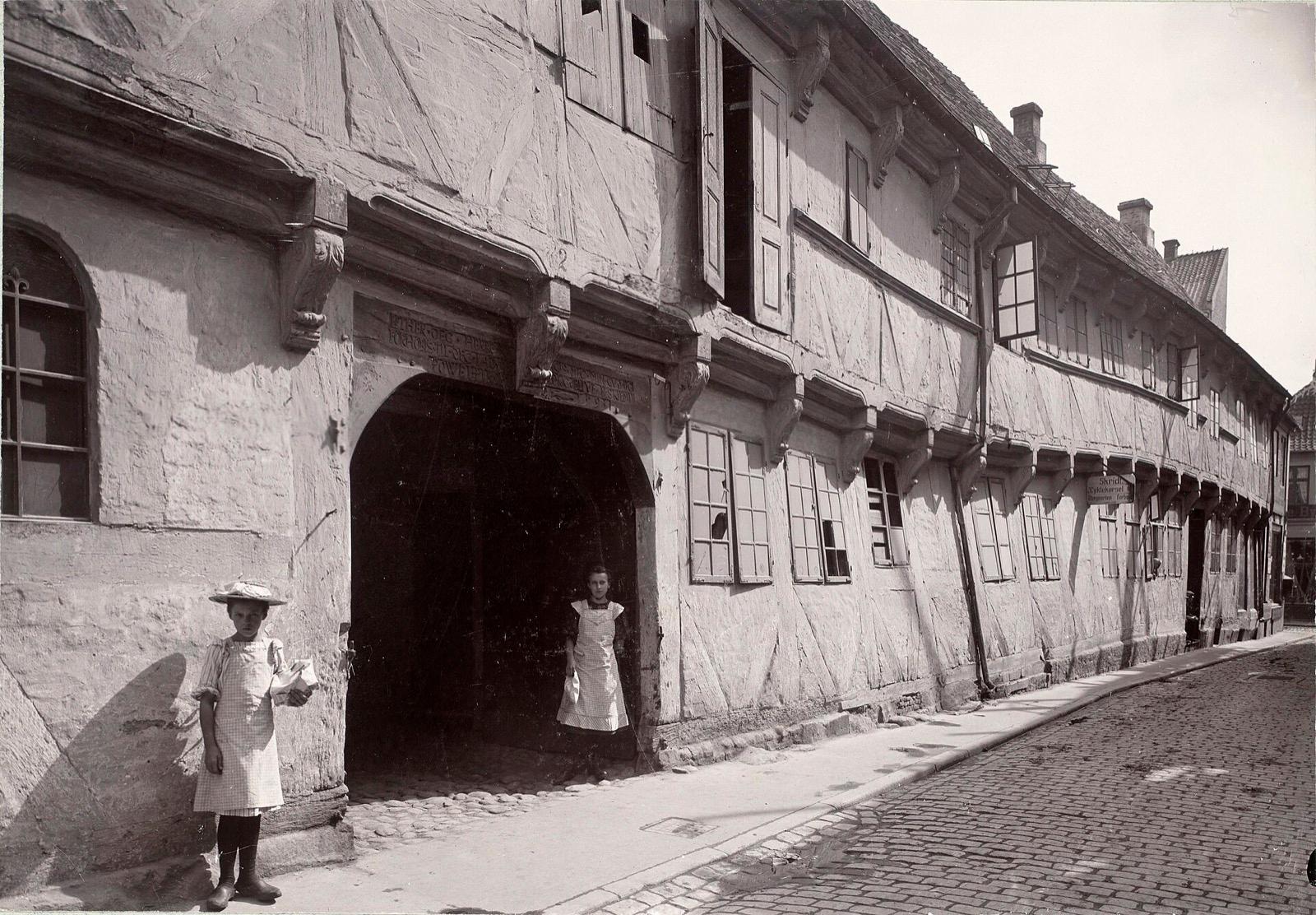
A grid of narrow cobbled lanes of small coloured houses, the Latin Quarter is the oldest part of Aarhus, its street names still carrying the medieval town and the line of the Viking rampart.
- 4
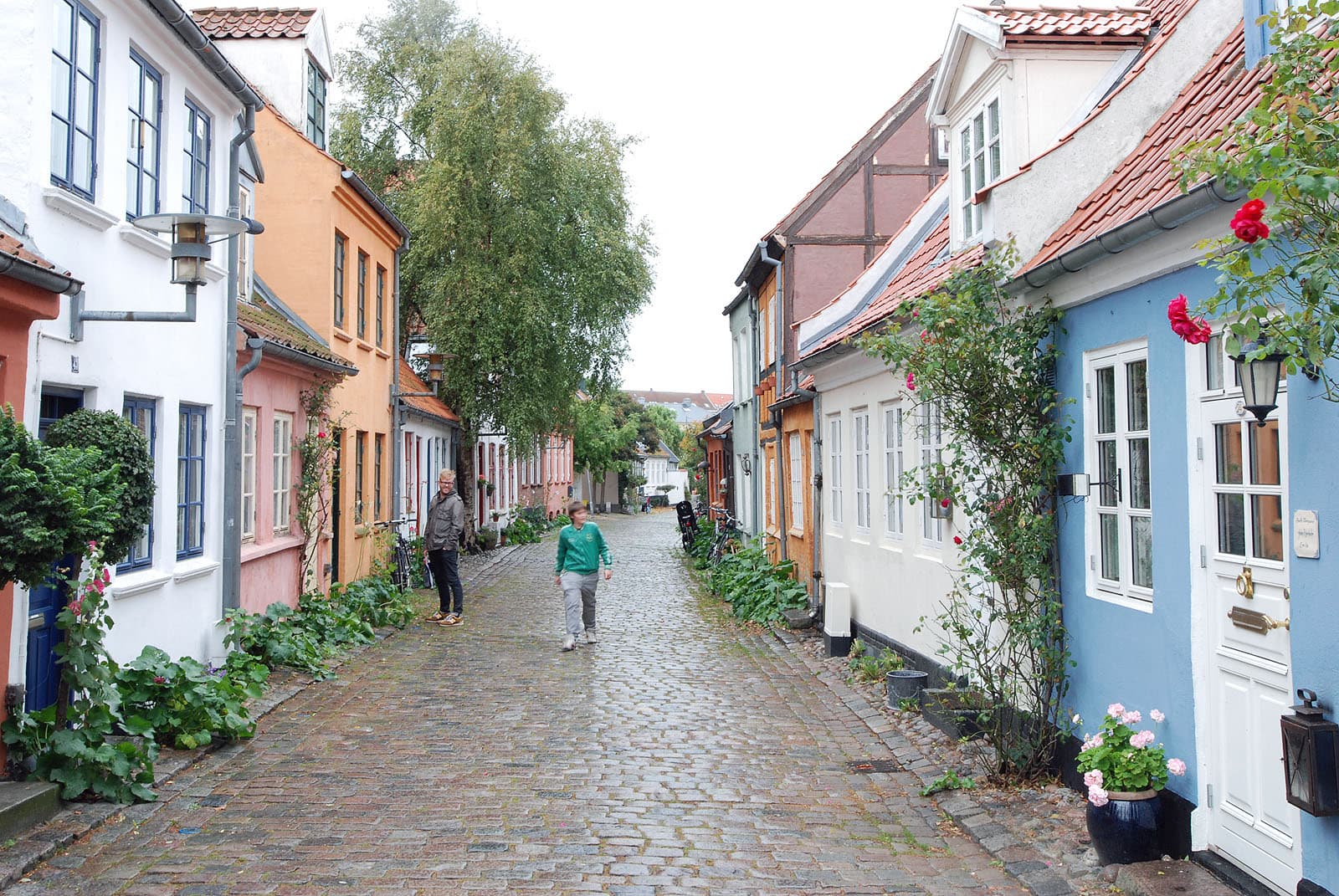
Moellestien: The Flower-Hung Cottage Lane
A short cobbled lane of small pastel cottages hung with hollyhocks and roses, Moellestien is one of the most picturesque old streets in Aarhus and a lived-in home to this day.
- 5
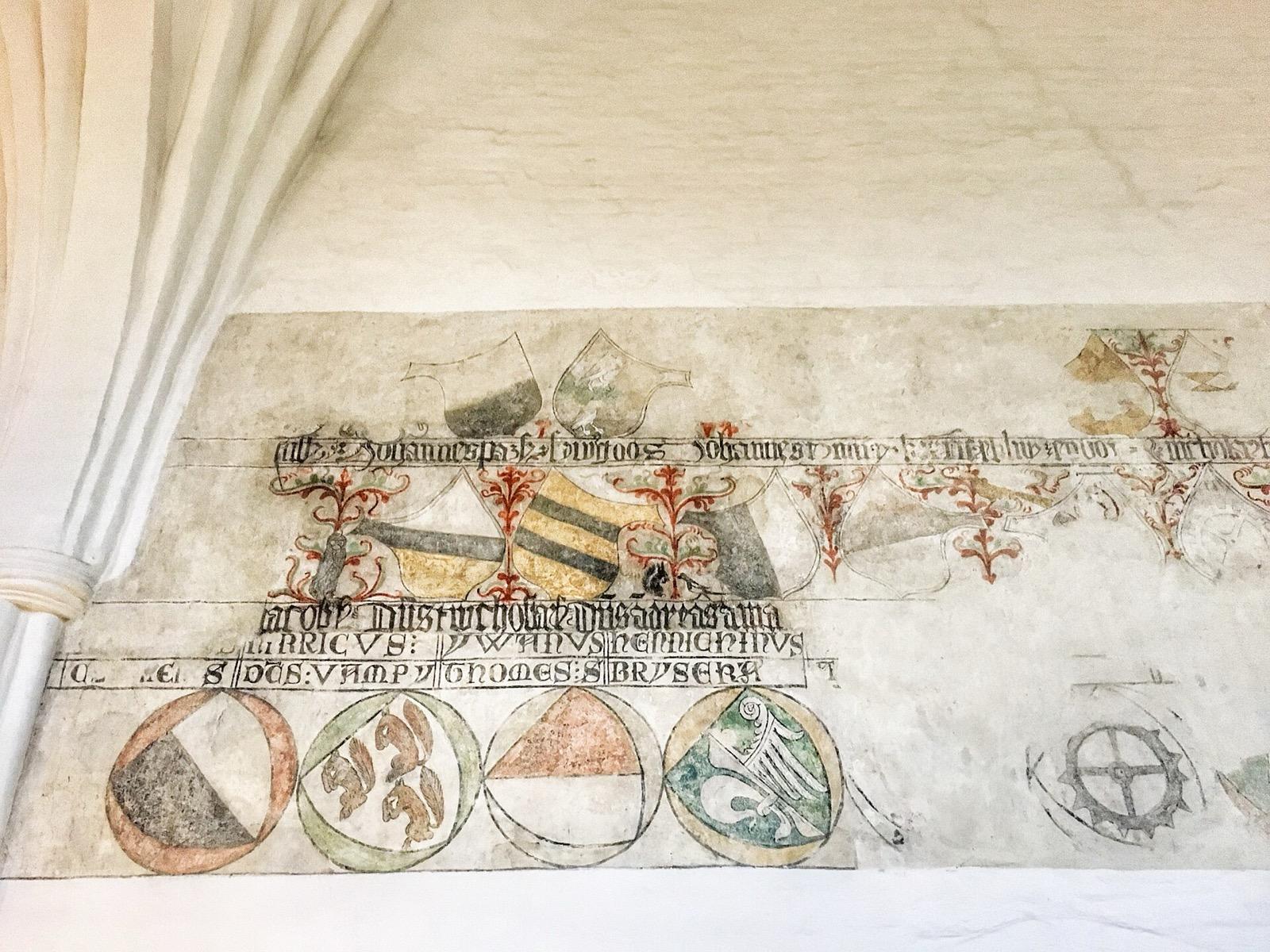
The Church of Our Lady: The Ancient Crypt Beneath
The Church of Our Lady stands on the site of Aarhus's first cathedral, and beneath it hides a crypt church built around ten sixty, the oldest extant stone church in Scandinavia.
- 6
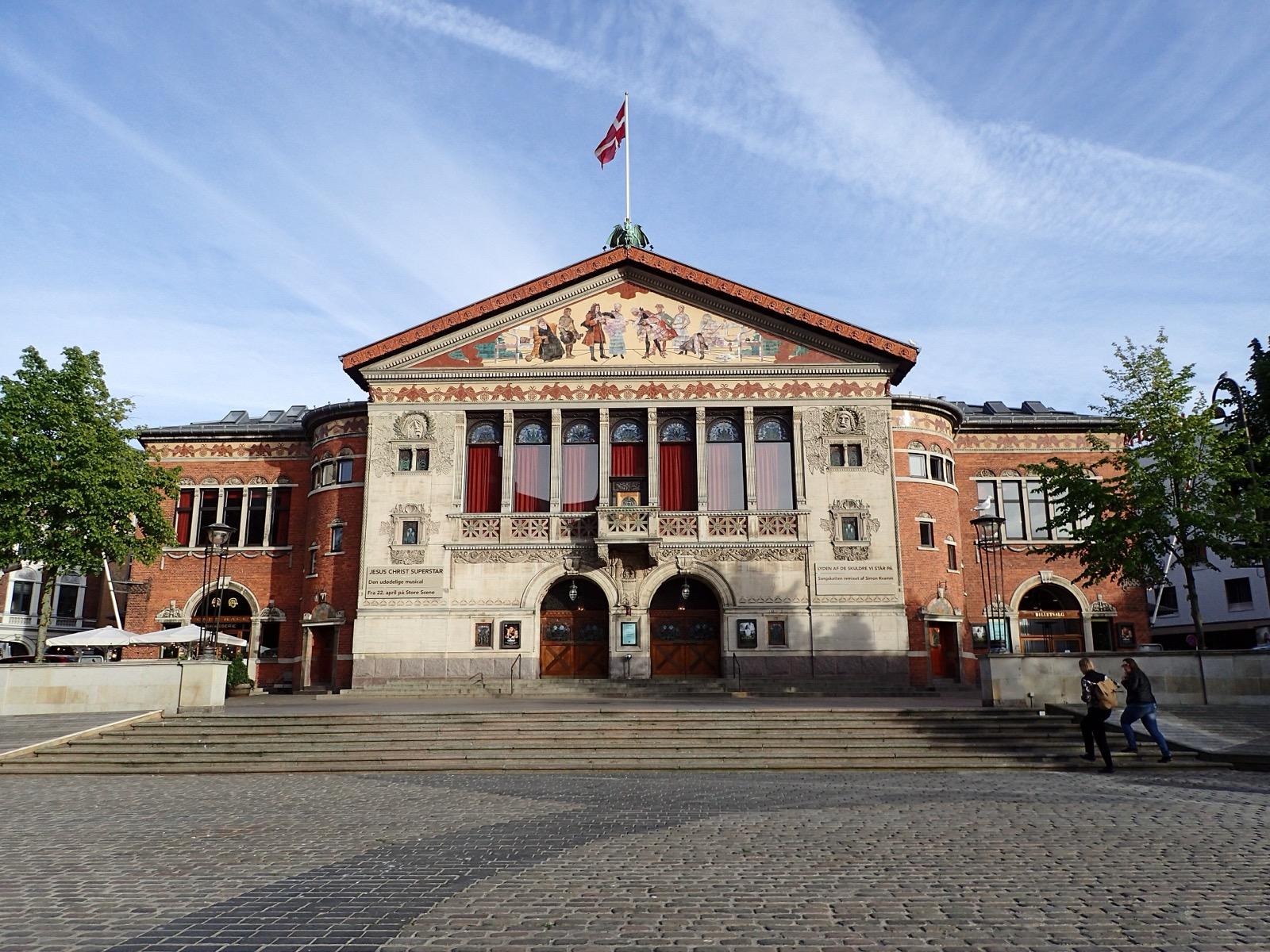
Aarhus Theatre: The Ornate Stage by the Cathedral
A richly decorated Art Nouveau theatre near the cathedral, Aarhus Theatre opened in nineteen hundred and is Denmark's largest provincial theatre, its facade carrying owls, swans, and Danish flora.
- 7
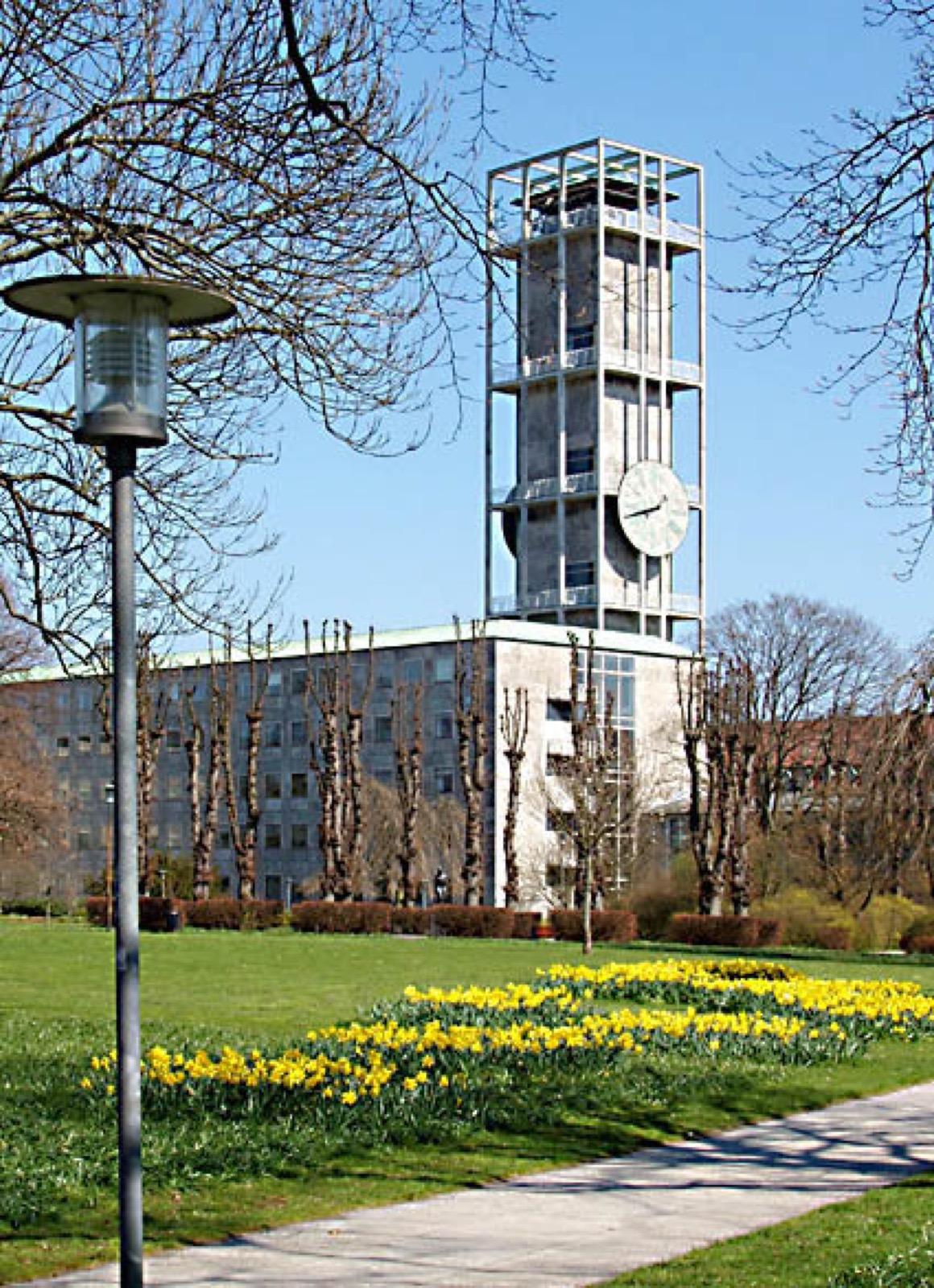
Aarhus City Hall: Jacobsen's Marble Landmark
At the southern edge of the old town stands Arne Jacobsen and Erik Moeller's functionalist City Hall of nineteen forty-one, clad in grey Norwegian marble with a slender sixty-metre clock tower.
Details
Best Time to Visit
Late spring through early autumn brings the mildest coastal weather and the hollyhocks and roses in bloom along Moellestien, roughly May through September. Mornings are quietest in the Latin Quarter before the lanes fill, and the low light of the late afternoon flatters the brick Gothic tower of the cathedral. The cathedral, the Church of Our Lady, and the crypt keep daytime opening hours, so a mid-morning start lets you reach the ancient crypt while it is open and finish at the City Hall in the softer evening light. Danish weather changes quickly year round, so an overcast day suits the interiors and a bright one suits the squares.
Pro Tips
- •This is a compact loop of about one and a half kilometres with seven stops, so you can take it slowly over an hour and a half or stretch it across a lazy afternoon; there is no group and no clock but your own.
- •Free entry lets you step inside the cathedral and the Church of Our Lady, so pair the marquee cathedral with the far older crypt beneath the Church of Our Lady rather than choosing between them.
- •The Latin Quarter rewards wandering off the marked line: the streets Volden, Klostergade, Studsgade, and Graven are all a few steps apart, so let a coloured house or an open doorway pull you sideways.
- •Look for the frescoes and the carved altarpiece inside the cathedral in good daylight, since the interior is dim and the two hundred and twenty square metres of wall paintings reward a slow, patient eye.
- •Carry a little Danish currency or a card, because the cathedral and the churches are free but the tower climb at the City Hall, the theatre performances, and the nearby museums charge entry in Danish kroner, not euros.
- •Save Moellestien for a quiet moment and keep your voice low, since it is a lived-in residential lane and the residents are at home behind the flowers.
Safety & Precautions
- •The lanes of the Latin Quarter and Moellestien are laid with old cobblestones that are uneven and can be slick after rain, so wear flat, sturdy shoes and watch your footing.
- •The cathedral and the Church of Our Lady are working churches; dress modestly, keep your voice low, and step aside quietly if a service or a private moment is underway.
- •Coastal Jutland weather turns quickly, so pack a light waterproof and some sun protection and be ready for a bright square to become a grey one within the hour.
- •The nearby museums and attractions such as ARoS and the open-air museum Den Gamle By are ticketed and charge in Danish kroner; the churches on this walk are free, but budget separately if you add them.
Travel advisory: Exercise Increased Caution (Level 2).
Gallery
Related Reading
Go deeper on what you'll see, hear, and walk through.
Overview
Aarhus Travel Guide: Days, Transport, Safety, and Costs
7 min
Overview
Best Self-Guided Walking Tours in Aarhus (2026)
3 min
Overview
One Day in Aarhus: A Walkable Itinerary From Cathedral to Harbour
8 min
Thematic
Aarhus: From the Viking River Mouth to the Rainbow in the Sky
7 min
Companion
Aarhus Cathedral and the Old Streets: Reading a City's Whole Story in a Few Hundred Metres
7 min
Deep dive
Aarhus City Hall: How a Plain Modernist Box Grew a Marble Tower
6 min
Read
What to Eat in Aarhus: Dishes, Origins, and How to Order
7 min
Read the walk
The full story of Latin Quarter: The Cathedral City in the Old Aarhus Streets, in words. Prefer to listen? Play it narrated, from home or on location.
Introduction
Aarhus is among the oldest towns in Denmark, and this short walk reads its whole story in a few hundred metres of cobbled lanes. The settlement began in the latter half of the eighth century, where a little river met the sea, and the people who lived here called the place Aros, the old Danish word for a river mouth. Over the centuries that Viking trading place grew into a cathedral city, and its old heart is small and layered: a rebuilt medieval town over Viking rampart lines, a crypt older than the great cathedral that rises above it, and cottages of the working poor a block from a Gothic giant. This tour has seven stops and covers about two and a half kilometres, an easy walk on foot of about ninety minutes if you linger, less if you keep moving. It belongs entirely to you. There is no group to keep up with, no schedule, no tip, no guide hurrying you along the cobbles. You can pause on a market square, follow a coloured house down a side lane, or sit a while and let the town settle around you. Denmark's own language is Danish, and many names here have no everyday English form, so you will hear them in plain, readable English throughout. Along the way you will meet the longest church in Denmark, the twin old market squares, the tight lanes of the Latin Quarter, a flower-hung cottage lane, the oldest stone church in Scandinavia hidden in a crypt, an ornate Art Nouveau theatre, and Arne Jacobsen's cool marble City Hall at the old town's southern edge. When you arrive at Aarhus Cathedral on Store Torv, begin with stop one.
1. Aarhus Cathedral: The Longest Church in the Country
Aarhus Cathedral, the Domkirke of the city, is dedicated to Saint Clement, the patron saint of sailors, a fitting patron for a town born at a river mouth. It is the longest and tallest church in Denmark: ninety-three metres long and ninety-six metres to the top of the tower. Its story is written in two chapters. Romanesque construction began after eleven ninety under Bishop Peder Vognsen, and the church was completed about thirteen hundred in the round-arched Romanesque style, with a flat timber ceiling. Then fire changed everything, and a Gothic brick reconstruction ran from fourteen forty-nine to about fifteen hundred, giving the tall brick Gothic form you see today. Step inside and the walls tell more. The cathedral holds about two hundred and twenty square metres of frescoes, more than any other church in Denmark, painted roughly between fourteen seventy and fifteen twenty. Among them you can find Saint Christopher, Saint Clement, Saint Michael, and Saint George with the dragon. At the far end stands the great carved altarpiece, the work of the celebrated Luebeck master Bernt Notke, dedicated on Easter Sunday fourteen seventy-nine and given by Bishop Jens Iversen Lange. Its centre panel shows Saint Clement, and opposite him Saint John the Baptist, with Mary, Saint Anna, and the infant Jesus. The National Museum of Denmark records this cathedral as the longest church in the country, and standing under its high brick vaults you feel the ambition of a small coastal town that meant to build something to last. Take your time here. This is the marquee, and it opens the whole walk.
2. Store Torv and Lille Torv: The Old Market Squares
Beside the cathedral lie the two old market squares that have been the trading heart of Aarhus for eight centuries. Store Torv, the Big Square, is the largest public square in the city. In Danish, torv means a market square. Store Torv emerged about the year twelve hundred, in connection with the cathedral's construction, and it was first known as Torvegaden, the Square-street, a link running through Lille Torv toward the church. Just to the west lies Lille Torv, the Little Square, one of the oldest public squares in the city, which took shape around twelve fifty where major thoroughfares met. Both were primary market squares from the twelve hundreds onward, and here farmers and traders gathered to sell and to barter right up into the eighteen hundreds. Store Torv historically hosted the markets for vegetables, fruit, and livestock. Its history is not only commerce. Around sixteen hundred, executions that had once been carried out here were moved out of the square, a small sign of a town growing more orderly. Stand for a moment and picture the noise: carts and animals, calls and haggling, the cathedral bell overhead. These squares still gather the city, and the pleasure now is simply to be here with no agenda. Linger on the cobbles at your own pace. Watch the light move across the brick. There is nowhere you need to be next, and the whole point of this walk is that the squares belong to you for as long as you want them.
3. The Latin Quarter: The Oldest Streets of Aarhus
This grid of narrow cobbled lanes is the oldest part of Aarhus, the old merchant and craft quarter of the medieval and early-modern town. Today it goes by the name Latinerkvarteret, the Latin Quarter, but that is a modern label. The name was only officially adopted in the nineteen nineties, echoing the Latin Quarter of Paris. What is ancient here is the ground itself, not the name. The quarter is made of the streets Badstuegade, Klostergade, Volden, Studsgade, Borggade, Rosensgade, Mejlgade, and Graven, with the square Pustervig Torv at its centre. In Danish, gade means street and torv means market square. Listen to the old names and you hear the town it once was. Klostergade is Convent Street, from the monastic institutions that stood here. Borggade is Castle Street. And Volden means the rampart, for this street was laid out before fifteen hundred along the line of the westernmost earthen rampart that once defended early Aros, the Viking settlement. So beneath your feet runs the memory of a wall that guarded a town more than a thousand years ago. Some of the oldest houses standing here date to the sixteenth century, their coloured fronts leaning close over the cobbles. There is no single monument to find. The reward is the wandering. Follow whichever lane catches your eye, let a bright doorway turn you, and go as slowly as you like. No one is hurrying you through the oldest streets of the city.
4. Moellestien: The Flower-Hung Cottage Lane
After the tight lanes of the Latin Quarter, Moellestien is the quiet turn in this walk. The name comes from moelle, meaning mill, and stien, meaning the path or lane. It is a short cobbled lane, about two hundred and forty metres long, of small, well-kept pastel cottages with…
Full narration for this stop unlocks with the tour.
5. The Church of Our Lady: The Ancient Crypt Beneath
This is the climax of the walk, because beneath this church lies the oldest stone in the city. Vor Frue Kirke, the Church of Our Lady, stands on the site of the very first cathedral of Aarhus. In Danish, vor means our, frue means lady, and kirke means church. Above ground you…
Full narration for this stop unlocks with the tour.
6. Aarhus Theatre: The Ornate Stage by the Cathedral
Near the cathedral rises one of the most ornate buildings in the old town, Aarhus Teater, the Aarhus Theatre. It is a richly decorated building in the Art Nouveau style, known in this part of Europe as Jugendstil, designed by the architect Hack Kampmann. Construction began on…
Full narration for this stop unlocks with the tour.
7. Aarhus City Hall: Jacobsen's Marble Landmark
The walk ends at the southern edge of the old town, at a landmark of Danish modernism. Aarhus Raadhus, the Aarhus City Hall, was designed by the architects Arne Jacobsen and Erik Moeller and inaugurated on the second of June nineteen forty-one. In Danish, raadhus means the city…
Full narration for this stop unlocks with the tour.