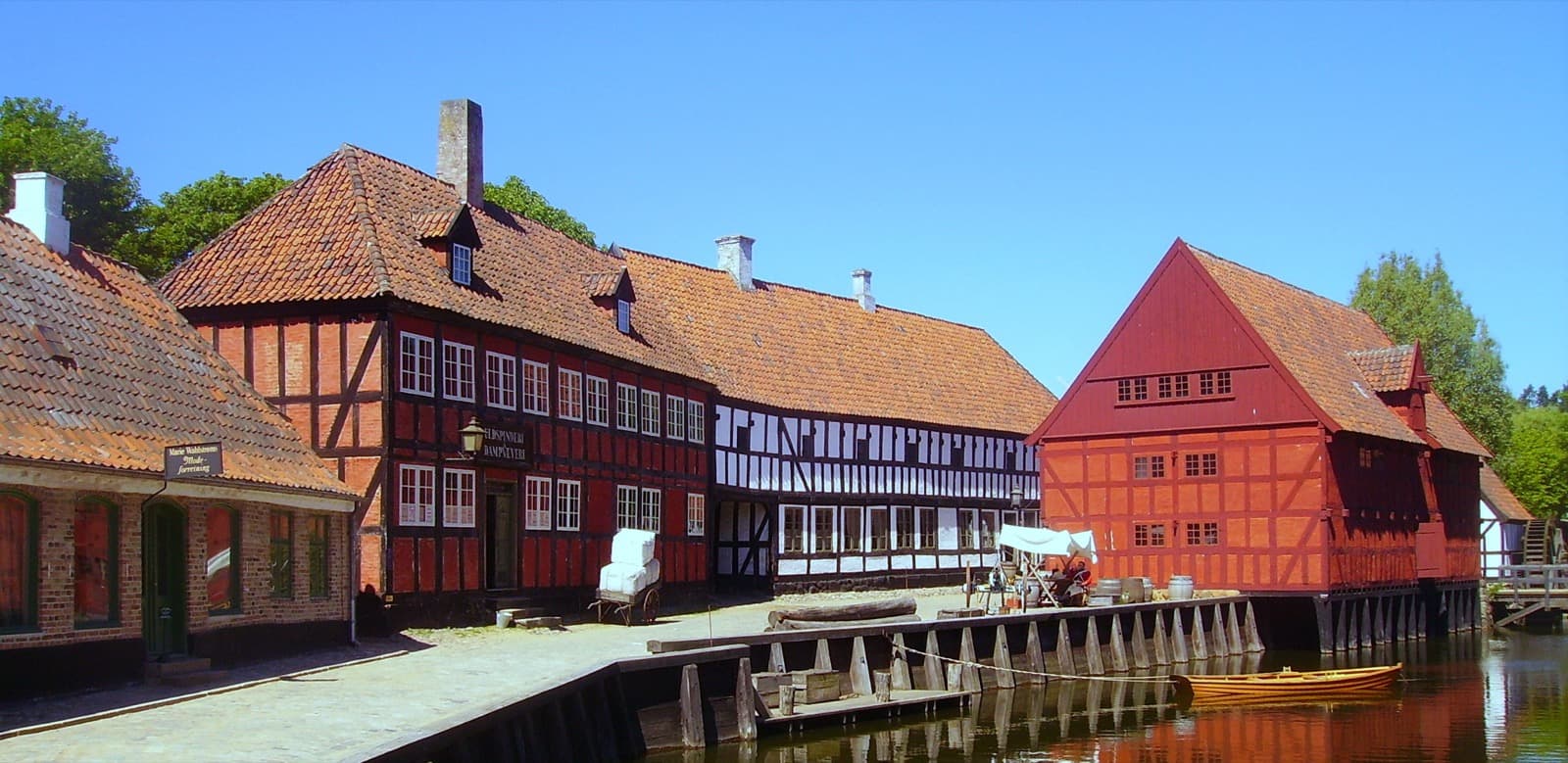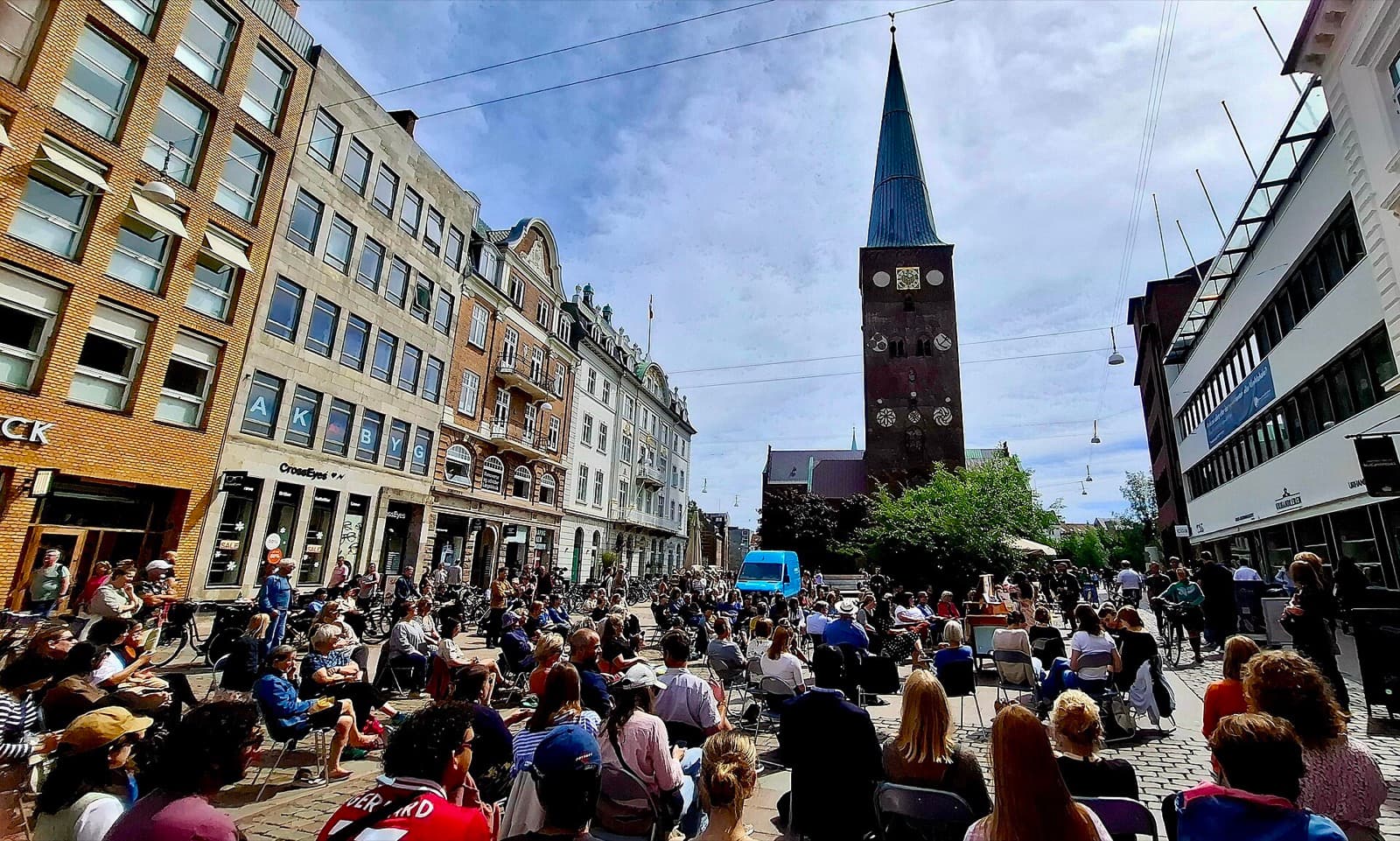
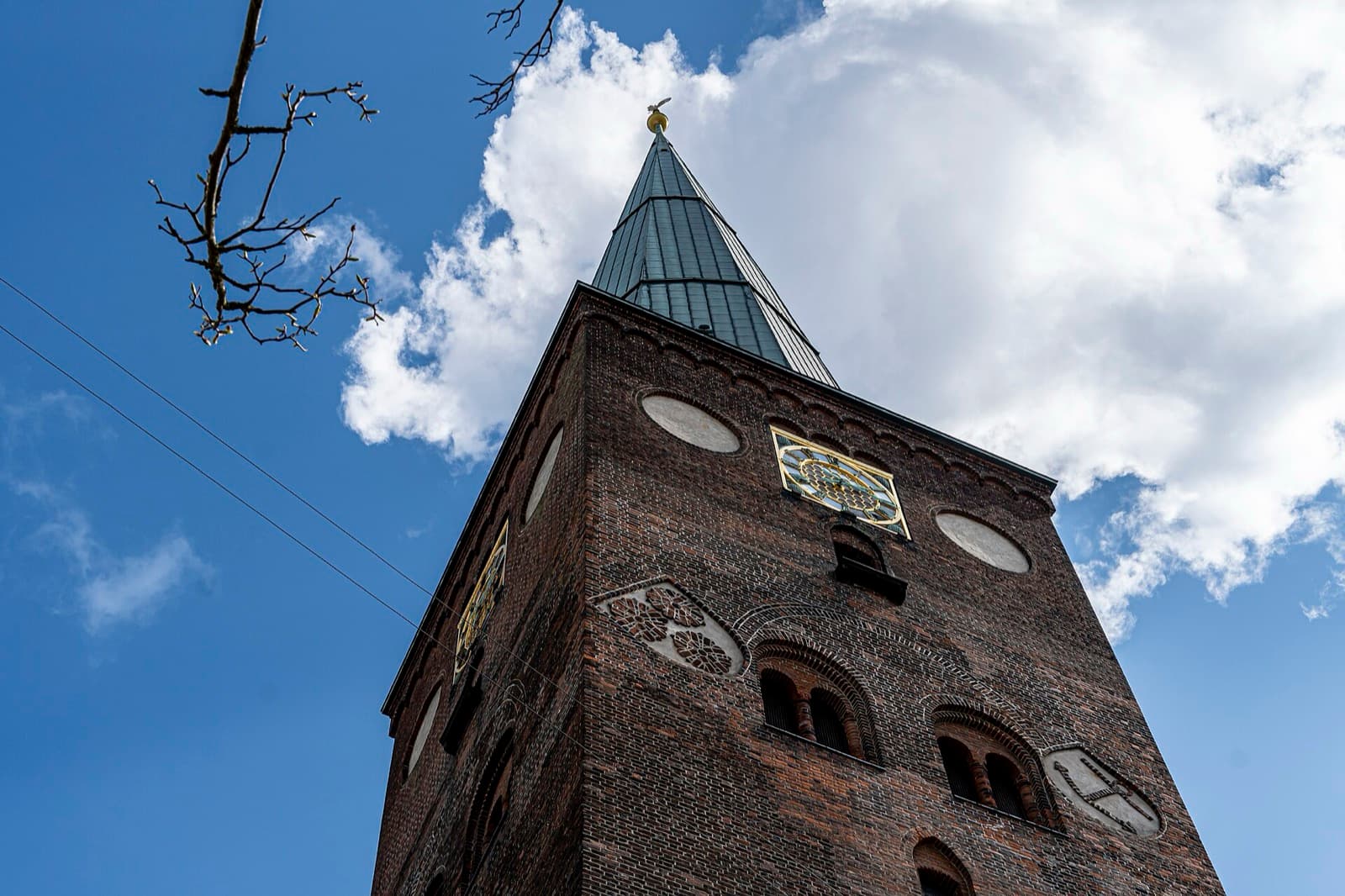
Latin Quarter: The Cathedral City in the Old Aarhus Streets
75 min · 2.7 km · easy
Aarhus rewards two to three days on foot: the medieval core and its cathedral fit an easy afternoon, the culture belt from ARoS to the reinvented docklands fills a second day, and the whole city is compact, walkable, and among the friendliest in Denmark for cycling. Denmark's second city sits on the east coast of Jutland, and its historic center is small enough that most of what you came to see lies within a short walk of the cathedral. This guide covers how many days to plan, how to get around, when to come, an honest word on safety, and what things cost, so you can walk it at your own pace with a self-guided Aarhus walking tour.
How many days do you need in Aarhus?
Two full days is the comfortable answer, and three lets you slow down. Aarhus is not a sprawling capital. The old heart, the cathedral, the twin market squares, and the Latin Quarter sit within a few hundred metres of one another, so the historic core is an afternoon rather than a day. The cultural landmarks that define the modern city, the ARoS art museum, Den Gamle By open-air museum, the university park, and the remade harbour district of Aarhus Oe, spread wider and reward a second full day of relaxed walking.
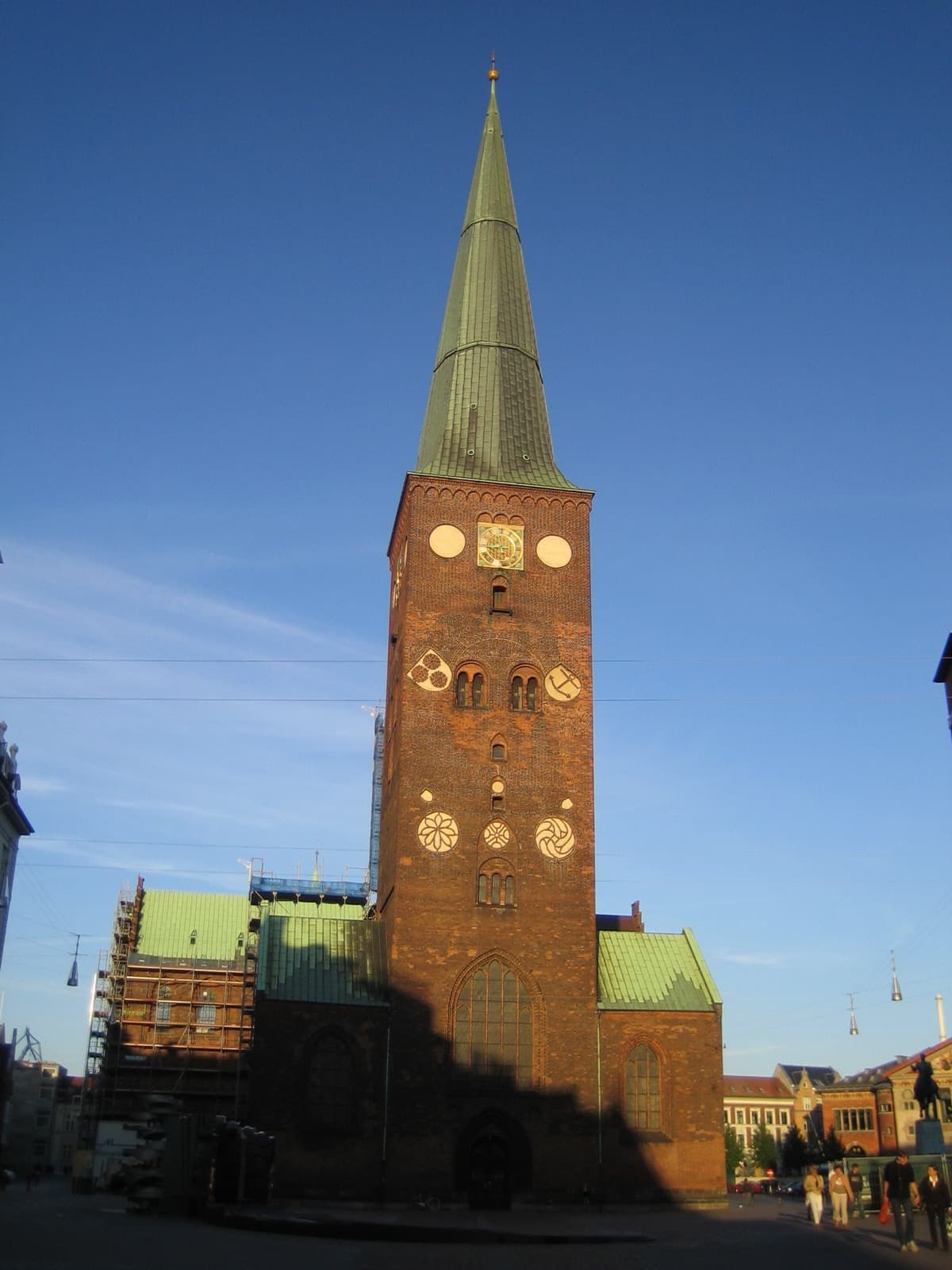
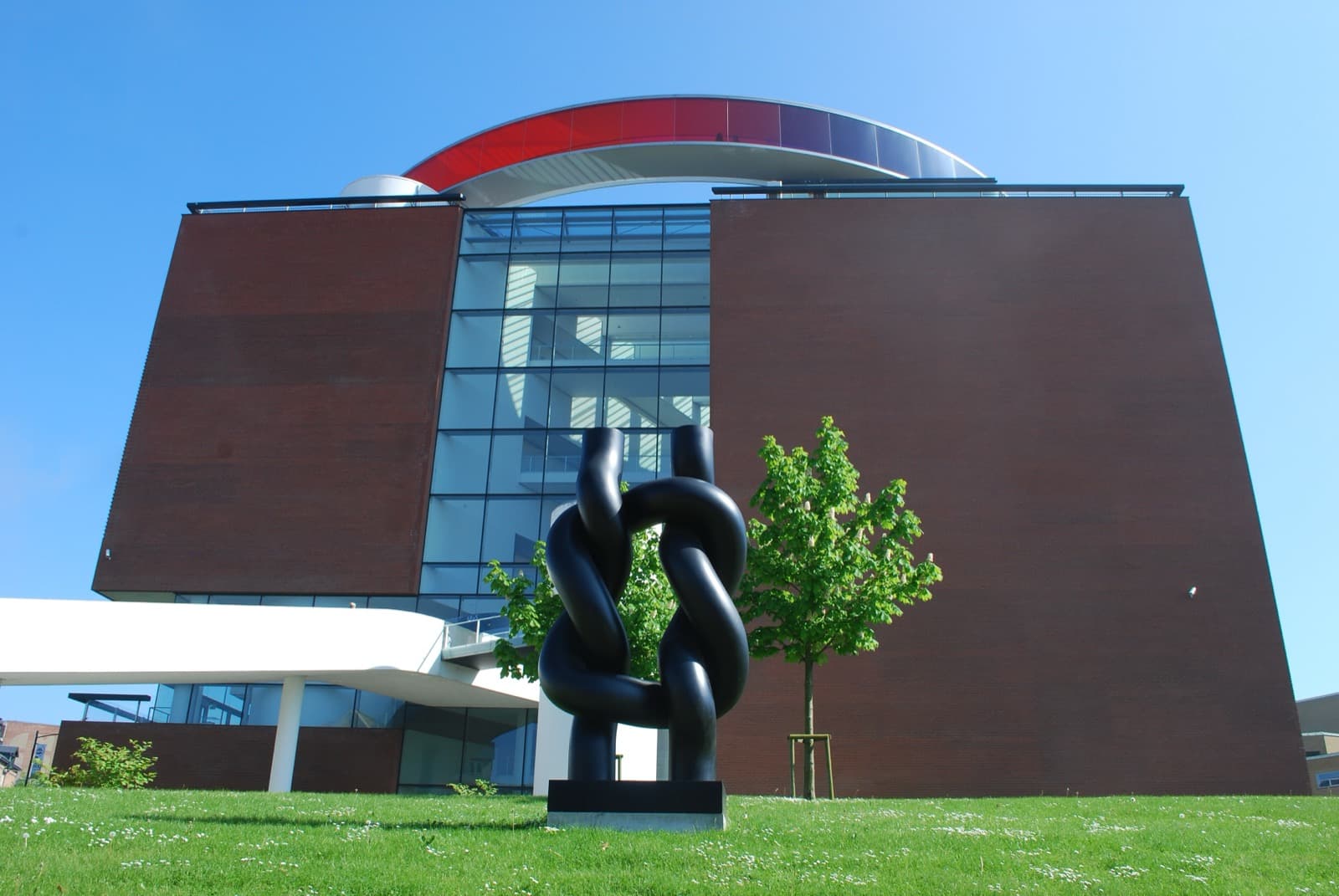
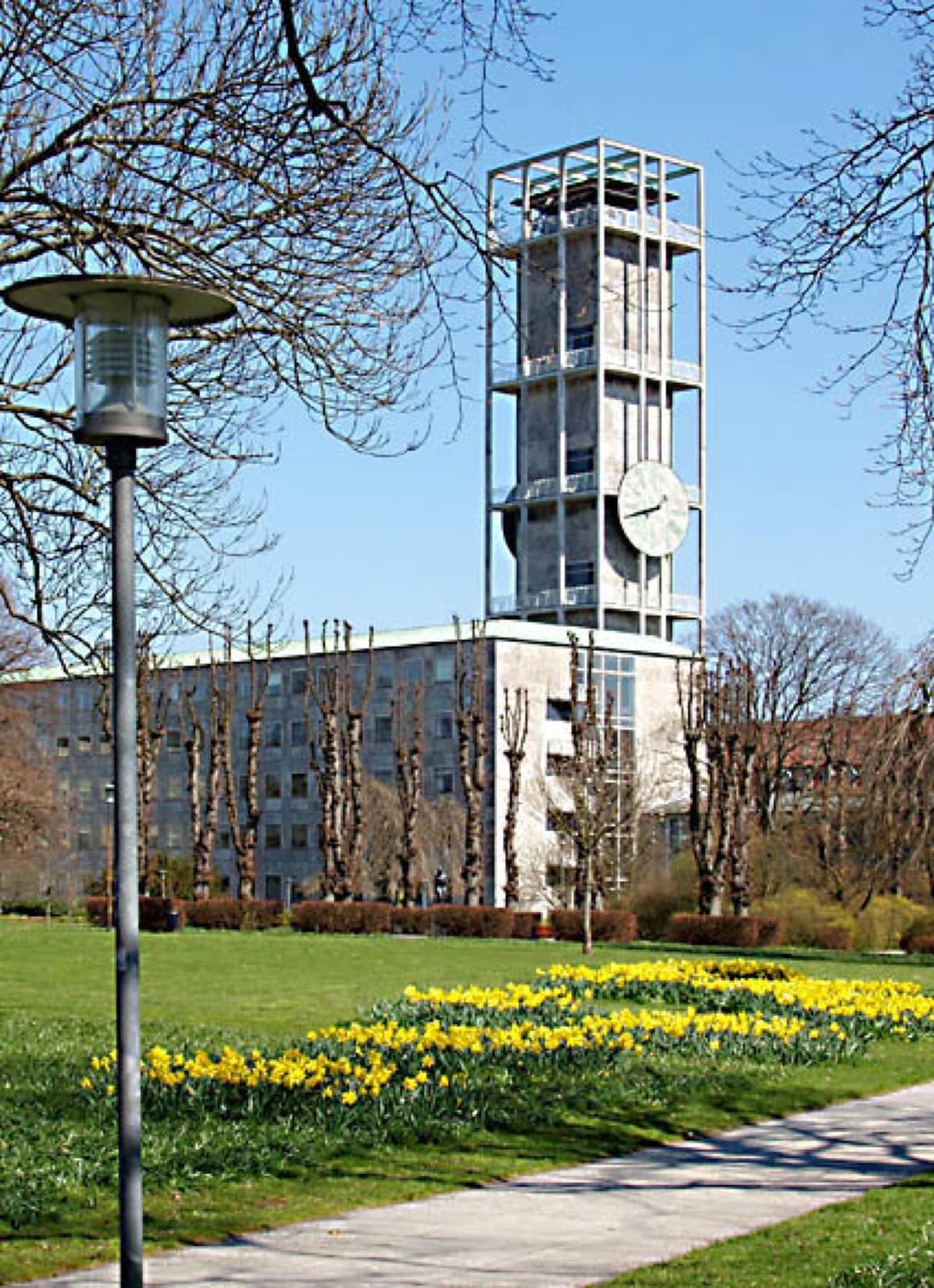
A practical split: give day one to the medieval center and finish at Arne Jacobsen's marble City Hall, then give day two to the culture belt, from the coloured-glass ring on the ARoS roof to the great glass library, Dokk1, out over the water. If you have a third day, use it for the Botanical Gardens, the Moesgaard Museum south of the city, or simply a second unhurried loop through the cobbled lanes.
Both self-guided tours are built around exactly this division. The Latin Quarter and Cathedral walk is a compact seven-stop loop of under three kilometres through the oldest streets, and the ARoS and culture-city walk is a longer transect of about eight kilometres across the modern landmarks. You can browse both from the Aarhus walking tours hub.
How do you get around Aarhus?
Hear a stop from this walk
Aarhus City Hall: Jacobsen's Marble Landmark
Walk. The city center is compact and highly walkable, and most of what you want to see in the old town is within a few minutes of the cathedral on foot. For the wider culture belt you may want wheels for one or two hops, and Aarhus makes that easy.
Public transport runs on yellow and blue buses plus Letbanen, Denmark's first light rail. The one detail every visitor should know: on the city buses and on the light rail you cannot buy or pay for a ticket once you have boarded, so you must have a valid ticket ready before you step on. Buy through the Midttrafik app, where a single two-zone adult ticket costs 26 Danish kroner. A one-day pass for the city of Aarhus is 59 kroner, or 109 kroner for the whole Central Denmark Region, which pays off quickly if you plan several rides. The old physical Rejsekort travel card was retired across Jutland at the end of May 2026, so use the Midttrafik app rather than looking for the card.
Aarhus is also one of Denmark's most bike-friendly cities, home to the country's first dedicated bicycle street, and rental bikes are widely available if you want to cover the harbour and university in one loop.
From the airports: small Aarhus Airport (code AAR) sits northeast of the city, and the airport bus 925X runs to Banegaardspladsen next to the central station in roughly forty-five to fifty minutes. That bus follows the flight schedule rather than a fixed timetable, so it waits for arriving planes, and a ticket is about 126 kroner from the driver. Many travelers instead fly into the larger Billund Airport, roughly one hour and a half away by the 912X coach, which connects Billund with Aarhus via Horsens and Skanderborg.
When is the best time to visit Aarhus?
Mid-June through mid-September is the sweet spot, when the coastal weather is at its mildest, daylight stretches well past nine in the evening, and the city's outdoor life is fully awake. July is the warmest month, with average highs around 21 degrees Celsius, while February is the coldest, with highs near freezing at around 3 degrees. Along Moellestien, the flower-hung cottage lane in the old town, the hollyhocks and roses climb the walls through these summer months.
Summer also carries the events. The Aarhus Jazz Festival runs in late June and early July, and the huge Aarhus Festuge cultural festival fills late August into early September. September is a strong shoulder choice, with comfortable temperatures and slightly thinner crowds than the July and August peak.
One steady truth about Jutland: coastal weather changes quickly in any season, so pack a light waterproof and some sun protection whatever month you choose. An overcast day suits the museum interiors and the cathedral frescoes, and a bright one suits the market squares and the harbourfront.
Is Aarhus safe?
Yes. Aarhus is a calm, low-crime city and one of the safer places to travel in Europe, whether you are on your own, as a couple, or with friends. Violent crime is rare. The realistic concern is ordinary petty theft in crowded spots, so keep your bag zipped and your phone secure on busy public transport, in the market squares, and inside popular attractions, the same common sense you would use in any city.
Denmark is also widely regarded as one of the easier European countries for solo and solo-female travel, with the usual sensible nightlife precautions. You do not need to plan around whole districts. A couple of outlying residential areas on the city's edge have had minor issues, but they are nowhere near the tourist core, the old town, the culture belt, and the harbour, all of which are comfortable to walk day and evening.
What does a trip to Aarhus cost?
Denmark is not cheap, and Aarhus uses the Danish krone, not the euro, so carry a card or local currency. The good news for walkers is that the historic core is largely free.
Aarhus Cathedral and the Church of Our Lady, with its ancient crypt beneath, are free to enter. The market squares, the Latin Quarter lanes, Moellestien, the Botanical Gardens, the University Park, the docklands at Aarhus Oe, and the glass library Dokk1 cost nothing to visit. The main ticketed sights are the two flagship museums. An adult ticket to the ARoS art museum, which includes walking the coloured-glass Rainbow Panorama on the roof, is 200 kroner, and admission is free for anyone under eighteen. Den Gamle By, the open-air old-town museum, charges 205 kroner for adults in high season (roughly late March through December) and 145 kroner in the quieter winter months, free for ages zero to seventeen. Buying either museum ticket online usually saves a small amount and lets you skip the queue.
For everything else, budget for meals and the odd bus or bike ride. Because the two self-guided walks stitch together mostly free landmarks and let you decide from outside which museums to enter fully, you can see the whole span of the city, from the eighth-century river mouth to Denmark's tallest tower, for very little beyond your own time.
Turn the plan into a walk
Aarhus is a city you read best on foot, one cobbled lane and one glass building at a time. When you are ready to walk it, the two self-guided audio routes carry the full story at your own pace, no group and no schedule. Start from the Aarhus walking tours hub or head straight to the city page to choose your route.
Sources
Frequently asked questions
- How many days do you need in Aarhus?
- Two full days is comfortable and three lets you slow down. The medieval core with its cathedral, market squares, and Latin Quarter fits an easy afternoon because everything sits within a few hundred metres. A second day covers the wider culture belt from the ARoS art museum to the remade harbour district of Aarhus Oe, and a third day suits the Botanical Gardens or Moesgaard Museum.
- How do you get around Aarhus?
- Walk. The city center is compact and highly walkable, and Aarhus is also one of Denmark's most bike-friendly cities. For longer hops there are yellow and blue buses plus Letbanen light rail, but on the city buses and light rail you must buy your ticket before boarding, not on board. A single two-zone adult ticket is 26 Danish kroner through the Midttrafik app, and a one-day pass for the city of Aarhus is 59 kroner.
- When is the best time to visit Aarhus?
- Mid-June through mid-September brings the mildest coastal weather, long daylight past nine in the evening, and the city's outdoor life at its fullest. July is the warmest month with highs around 21 degrees Celsius. Summer also carries the Aarhus Jazz Festival in late June and early July and the large Aarhus Festuge festival from late August into early September, while September is a quieter shoulder option.
- Is Aarhus safe for tourists?
- Yes. Aarhus is a calm, low-crime city and one of the safer places to travel in Europe, with violent crime rare. The realistic concern is ordinary petty theft in crowded spots, so keep bags zipped on busy transport and in the market squares. Denmark is widely regarded as one of the easier European countries for solo and solo-female travel.
- How much do the main Aarhus museums cost?
- An adult ticket to the ARoS art museum, which includes walking the Rainbow Panorama on the roof, is 200 Danish kroner, and admission is free for anyone under eighteen. Den Gamle By open-air museum charges 205 kroner for adults in high season and 145 kroner in winter, free for ages zero to seventeen. Buying online usually saves a small amount and lets you skip the queue.
- What is free to see in Aarhus?
- The historic core is largely free. Aarhus Cathedral and the Church of Our Lady with its ancient crypt are free to enter, and so are the market squares, the Latin Quarter lanes, Moellestien cottage lane, the Botanical Gardens, the University Park, the Aarhus Oe docklands, and the glass library Dokk1. The main paid sights are the ARoS and Den Gamle By museums.
Ready to experience it?
Latin Quarter: The Cathedral City in the Old Aarhus Streets
75 min · 2.7 km · easy
More from Aarhus
Explore more at your own pace.
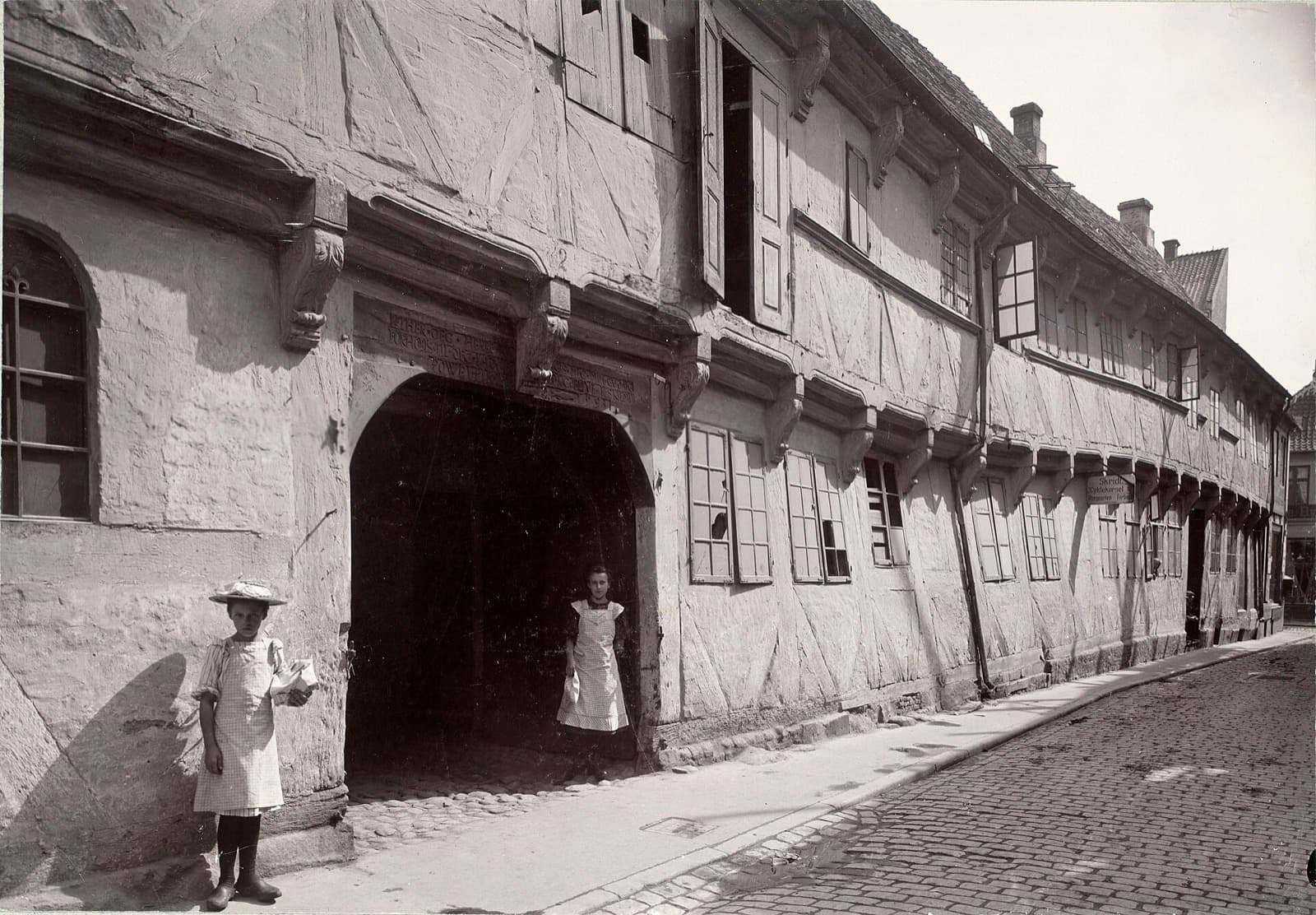
One Day in Aarhus: A Walkable Itinerary From Cathedral to Harbour
Aarhus: From the Viking River Mouth to the Rainbow in the Sky
Aarhus Cathedral and the Old Streets: Reading a City's Whole Story in a Few Hundred Metres
ARoS and the Rainbow Ring: How to Read Aarhus's Reinvention From the Roof Down
Aarhus City Hall: How a Plain Modernist Box Grew a Marble Tower