Latin Quarter: The Cathedral City in the Old Aarhus Streets
75 min · 2.7 km · easy
One day in Aarhus works best as a walk. The historic core, from the cathedral to Arne Jacobsen's marble City Hall, sits inside a few hundred metres of cobbled lanes, and the city's cultural landmarks spread out along a walkable line down to the harbour. Start in the old town in the morning, follow the river and the Latin Quarter through midday, cross to the art museum and the docks in the afternoon, and end by the water in the evening. This itinerary ties the day to two self-guided audio tours so the history plays in your ears while you keep your own pace, with no group and no schedule to follow. Aarhus is compact and easy to cross on foot, so almost nothing here needs a bus.
Below is a morning-to-evening route with verified opening hours, honest ticket notes, and realistic walking distances. Where a specific price or timing could not be confirmed, it is described plainly rather than guessed, and hours that shift by season or service are flagged as such.
The short answer: how to spend one day in Aarhus on foot
Morning in the old heart around Aarhus Cathedral and the Latin Quarter. Midday at Den Gamle By, the open-air old-town museum, next to the Botanical Gardens. Afternoon at ARoS art museum and its rooftop rainbow walkway. Late afternoon and evening down at the reinvented harbour, Aarhus Oe and the Dokk1 library, ending by the water at sunset. The whole day is walkable: the historic-core loop runs about 2.7 kilometres, and the wider cultural transect adds roughly 8 kilometres if you walk every leg, though you can shorten it easily.
Two Roamer self-guided audio tours map onto this day almost exactly. The morning belongs to the Aarhus Latin Quarter and Cathedral tour (seven stops, about 2.7 kilometres, roughly 75 to 90 minutes at a strolling pace). The afternoon and evening follow the ARoS and Culture City tour (seven stops, about 8.4 kilometres, roughly two and a half to three hours). Full details and the map for both are on the Aarhus walking tours hub.
Morning: the old heart around the cathedral (roughly 9:00 to 12:00)
Hear a stop from this walk
Aarhus City Hall: Jacobsen's Marble Landmark
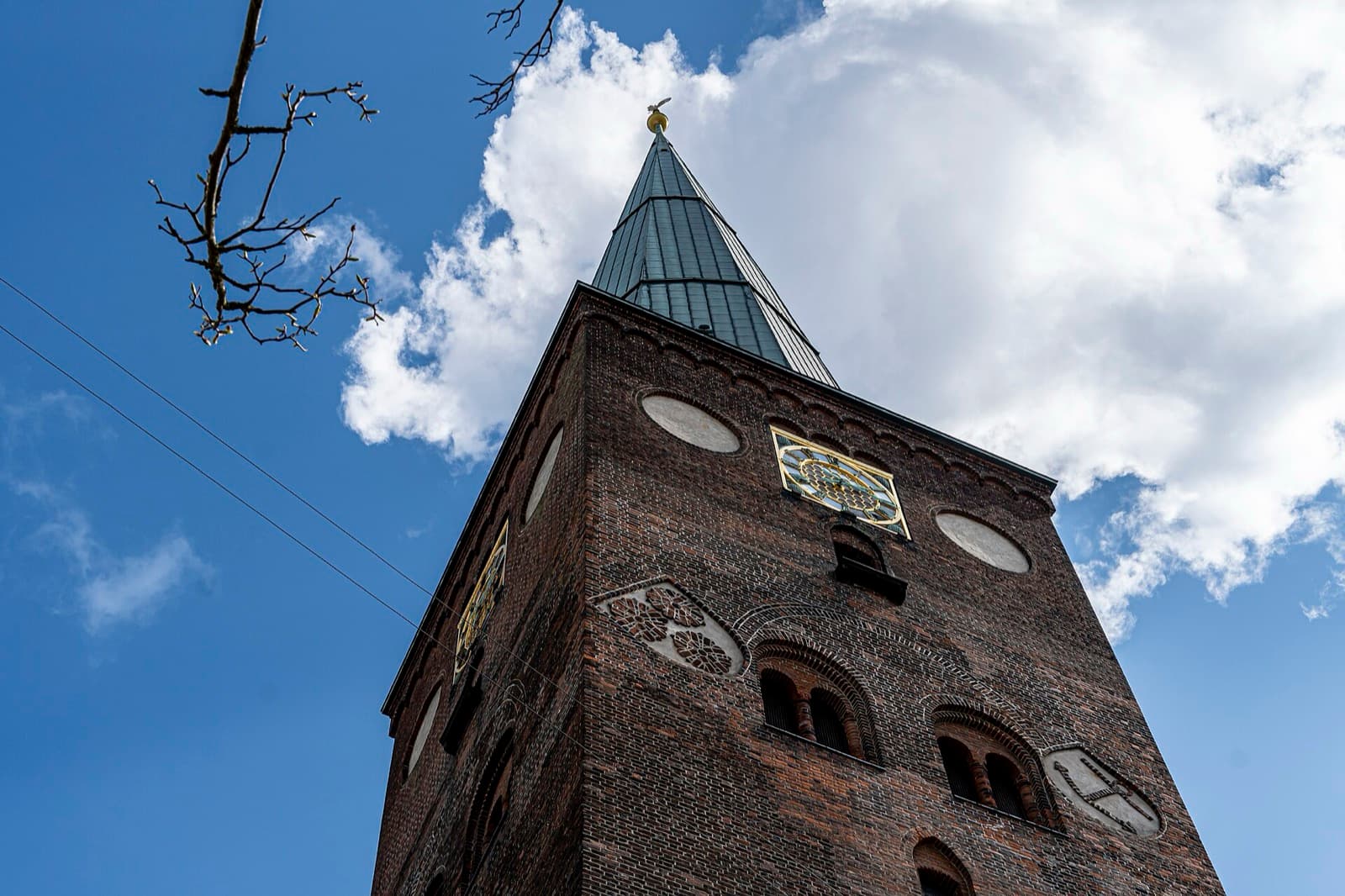
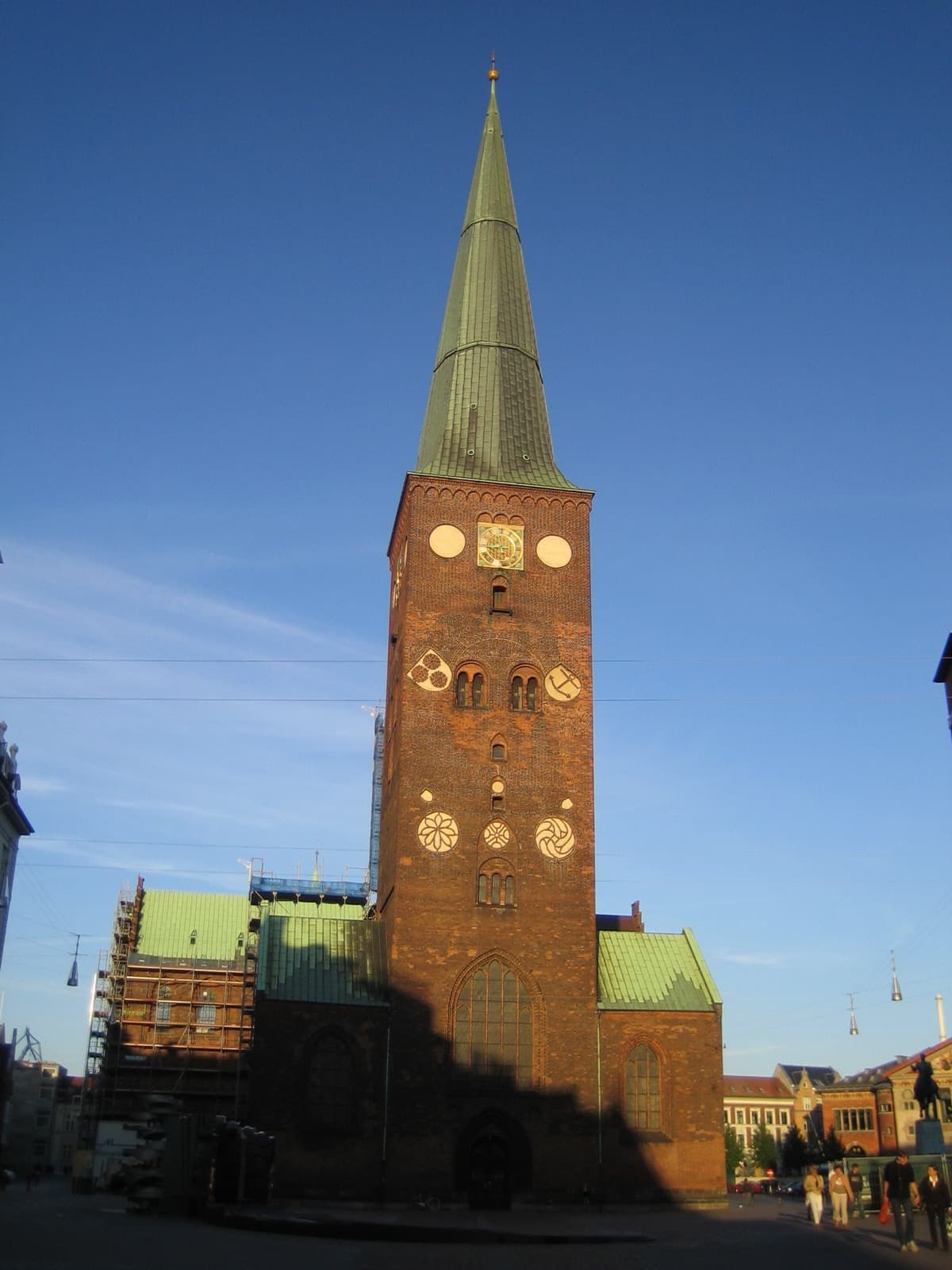
Begin at Aarhus Cathedral, the Domkirke dedicated to Saint Clement, patron saint of sailors, a fitting choice for a town that began at a river mouth. It is the longest and tallest church in Denmark, about 93 metres long and 96 metres to the top of the tower. Entry to the main church is free. The cathedral generally keeps daytime visiting hours on weekdays and Saturdays, while on Sundays and public holidays it is often open only to worshippers, and access is limited during any service, so check the day's hours and start on a weekday morning if you can. The bell-tower climb carries a small separate fee (around 30 DKK when the tower is open) and roughly 150 steps, worth it for the rooftop view over the old town.
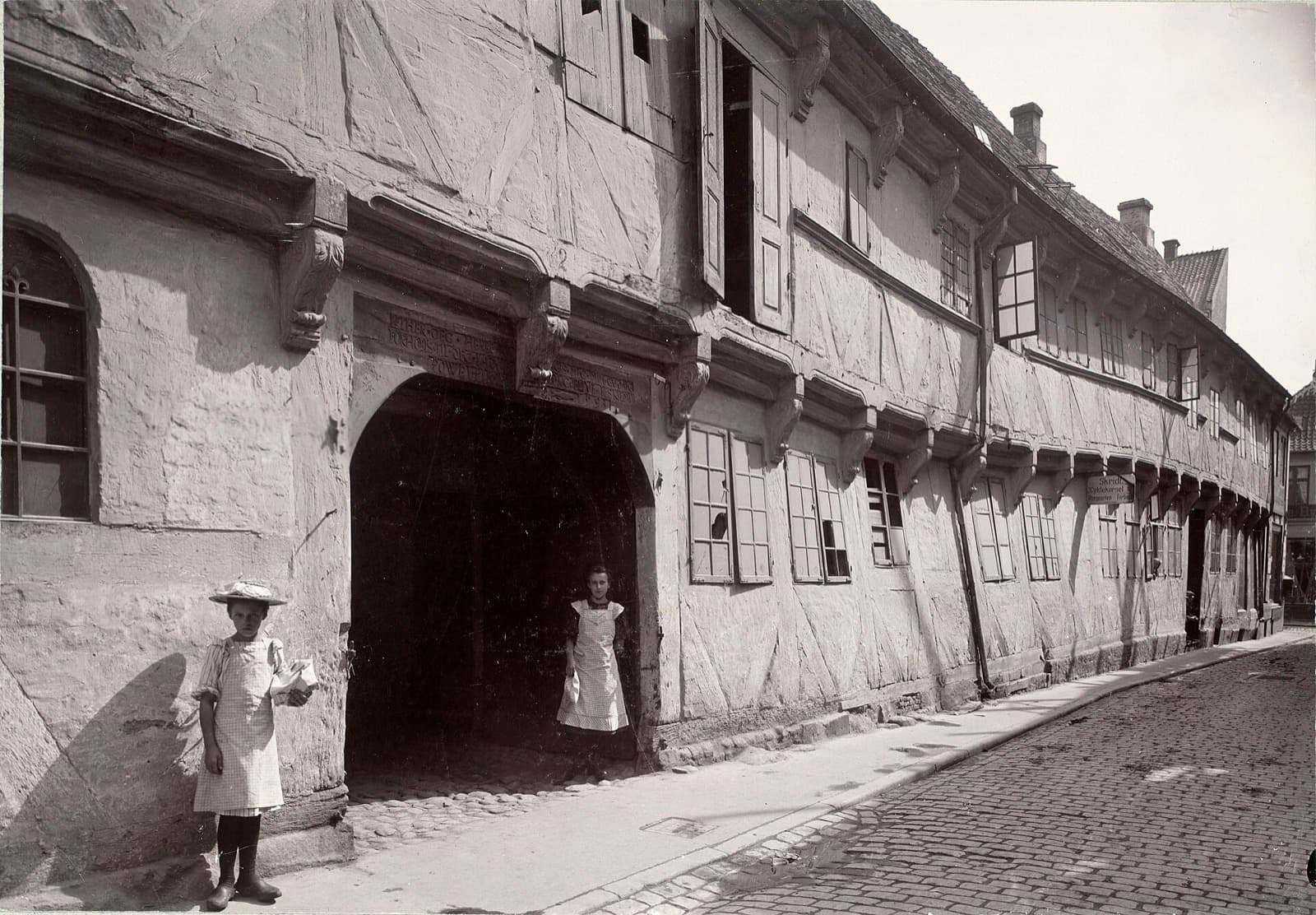
Step out onto the two old market squares beside the cathedral, Store Torv and Lille Torv, which have been the trading heart of the city for roughly eight centuries. Store Torv, the Big Square, emerged around the year 1200 alongside the cathedral's construction. From here, walk into the Latin Quarter, the oldest part of Aarhus, a grid of narrow cobbled lanes lined with boutiques and cafes. The "Latin Quarter" name is modern, officially adopted only in the 1990s, but the ground itself is medieval. This is a good coffee-and-pastry stop before you push on.
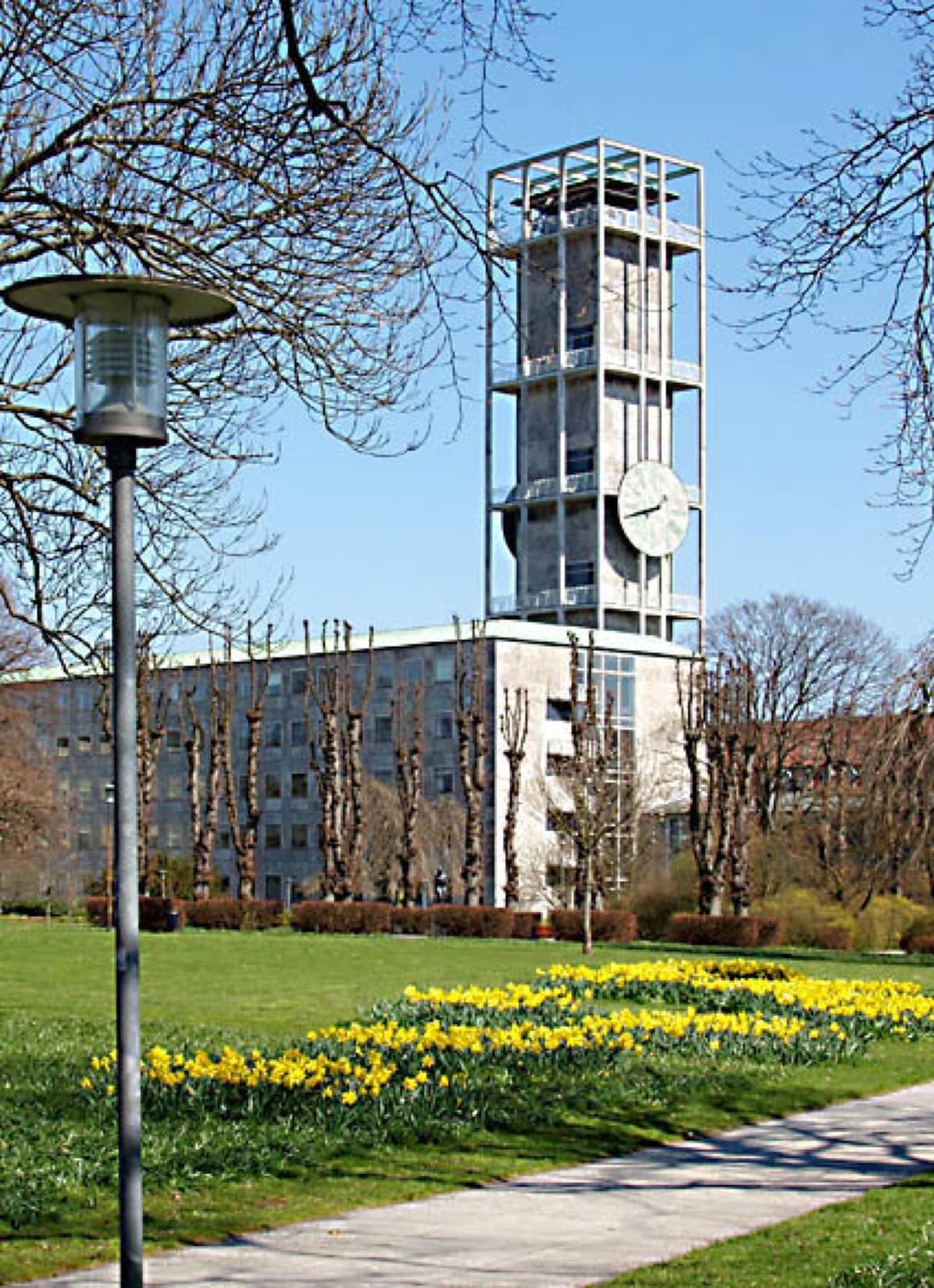
Follow the lanes to Moellestien, a short cobbled residential lane of pastel cottages with hollyhocks and roses climbing the walls, one of the prettiest old streets in the city. It is a public lane, so keep quiet and respect that people live there. From Moellestien, loop back toward the Church of Our Lady (Vor Frue Kirke), which stands on the site of the very first cathedral of Aarhus and hides one of the oldest stone church remains in the region beneath it. Entry is free. Close the morning at the ornate Aarhus Theatre, an Art Nouveau building by architect Hack Kampmann inaugurated in 1900, and at Aarhus City Hall (Raadhus), designed by Arne Jacobsen and Erik Moeller and inaugurated on the second of June, 1941. The exterior and squares are free to view; a tower climb is ticketed on select days.
Midday: Den Gamle By and the Botanical Gardens (roughly 12:00 to 14:30)
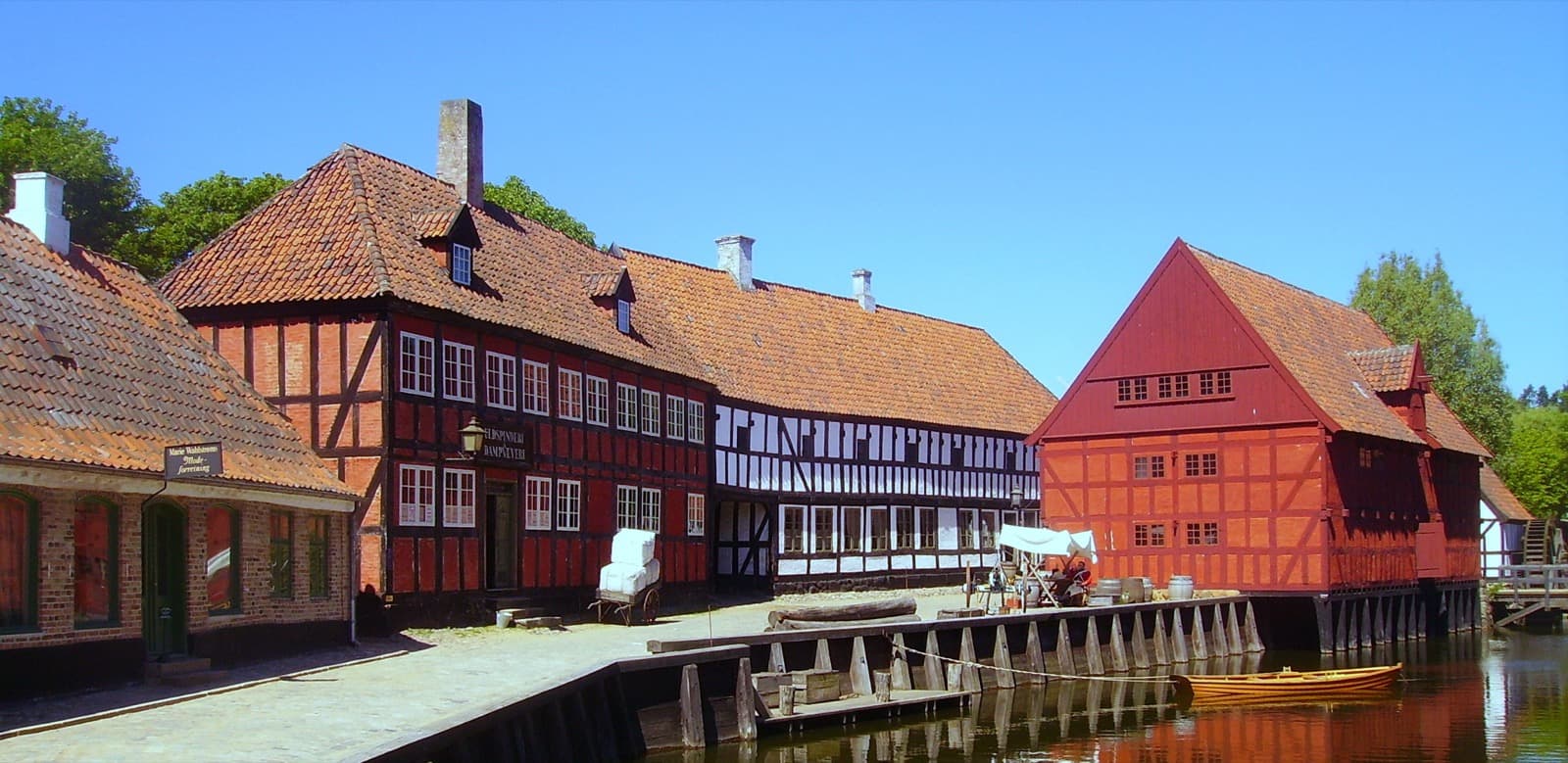
From the old town it is a walk of roughly 15 to 20 minutes west to Den Gamle By, an open-air museum that rebuilt a Danish old town building by building. It was founded in 1914 by the teacher and historian Peter Holm and sits within the Aarhus Botanical Gardens. This is a ticketed attraction. In the main season (late March through December) adult admission is about 205 DKK, dropping to around 145 DKK in the winter period; children up to age 17 enter free, and buying online in advance saves a little and lets you skip the line. Standard summer hours are daily 10:00 to 17:00. Plan on at least an hour and a half inside, more if you eat lunch there.
Next door, the Aarhus Botanical Gardens are free and open, with terraced beds climbing the hillside and a modern domed greenhouse. Founded in 1873, they cover about 21.5 hectares. This is the calm, no-cost counterweight to a ticketed museum and a fine spot for a packed lunch on the grass.
Afternoon: ARoS and the rooftop rainbow (roughly 14:30 to 17:00)
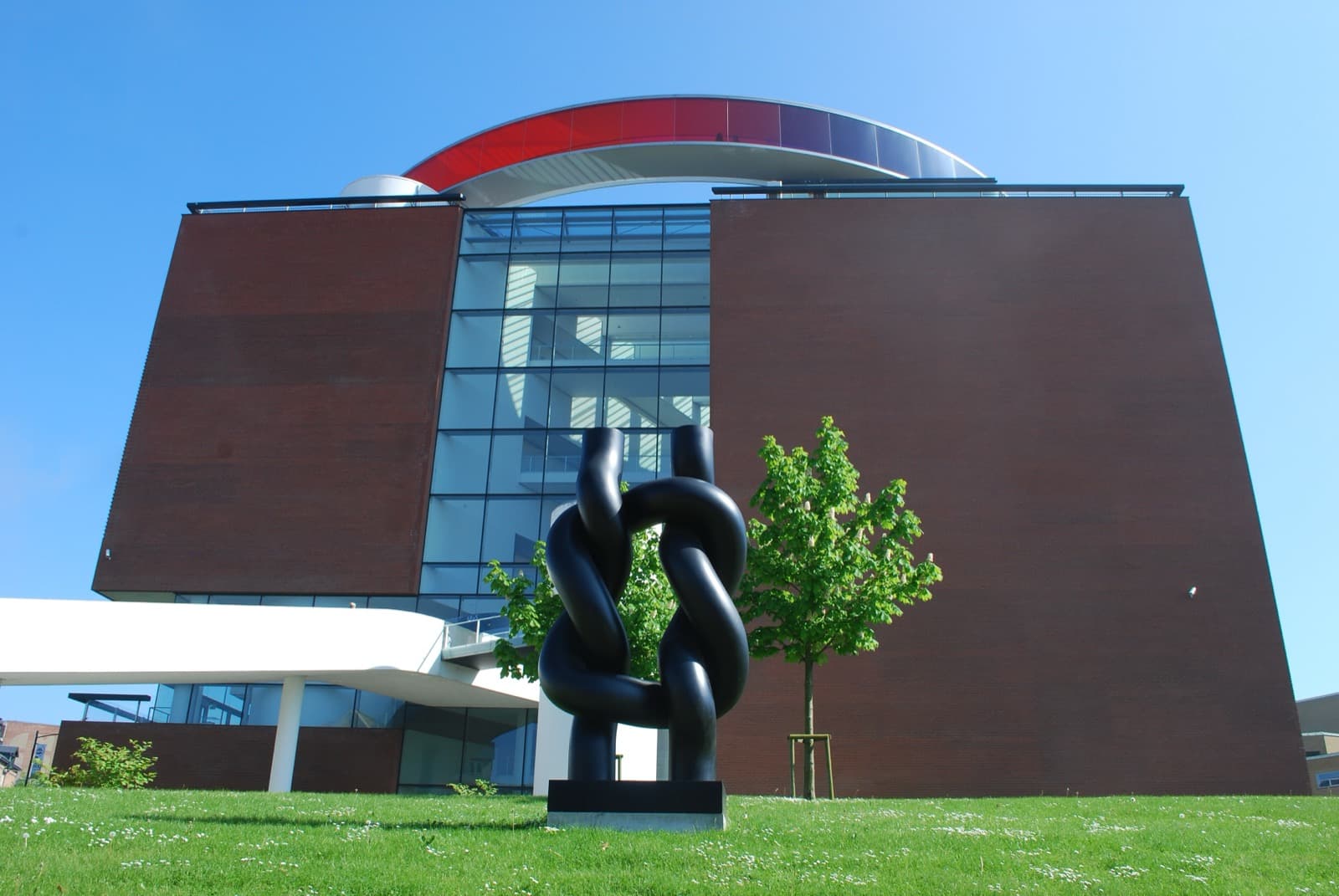
Walk back east and south toward the arts cluster, about 20 to 25 minutes, to ARoS Aarhus Kunstmuseum, the red-brick art museum that opened on the seventh of April, 2004, designed by Schmidt Hammer Lassen. Its signature is Your Rainbow Panorama by Olafur Eliasson, a circular glass walkway on the roof, 52 metres across, that runs through the full colour spectrum and frames the city in shifting tints.
ARoS is ticketed. Adult admission is about 200 DKK, and everyone under 18 enters free. In summer (June through September) the museum keeps long hours, open from 9:00 to 20:00 on weekdays and 9:00 to 17:00 at weekends; from October it closes on Mondays and opens later. The rooftop panorama is included in that admission and reached by lift as a level of the museum, so no extra ticket is needed, though it can close earlier than the galleries on some days, so check the day's hours. Note that in August 2026 the ARoS Alle entrance and its elevator are closed on weekdays between about 7:00 and 16:00 for maintenance, so follow signage to the open entrance. Give yourself at least an hour and a half here. The glass-fronted Musikhuset (Music Hall) sits a few steps away, with a free public foyer if you want to look in.
Evening: the harbour, Aarhus Oe, and Dokk1 (roughly 17:00 to sunset)
The last leg is the city's newest face. From the arts cluster, walk down toward the water and out to Aarhus Oe, the former container port rebuilt from the 2000s into a residential district for roughly ten to twelve thousand people, one of the larger harbourfront redevelopments in Europe. It is a free, open district, good for an early-evening stroll past bold new architecture, and in season the harbour bath draws swimmers.
End at Dokk1, the great glass public library and civic building on the waterfront, inaugurated on the twentieth of June, 2015, and designed by the same firm behind ARoS. It is free to enter, has restrooms and water views, and its open plaza is a calm place to watch the light go down over the docks. If you time dinner here, the harbour district and the streets back toward the Latin Quarter both have plenty of options.
Practical notes and getting around
Aarhus is compact and highly walkable, and this whole itinerary can be done on foot. If you want to save your legs, the city buses and Letbanen light rail cover the same ground; a single ticketing app works across both, and the network links the centre to outer districts like the university and Moesgaard. Aarhus is a calm, low-crime Danish city; the usual sensible habits (watch your bag in crowded squares, use marked crossings, and be careful of cyclists in the bike lanes, which move fast) are all you need. Most museums are open daily in summer but several close on Mondays in the off-season, so if you visit outside high season, confirm hours the night before.
For the audio to guide you stop by stop, start the morning Latin Quarter and Cathedral tour at the cathedral and the afternoon ARoS and Culture City tour at the museum. Both play offline once downloaded, so patchy signal near the harbour will not interrupt you. The Aarhus walking tours hub has the maps, distances, and starting points for each.
Sources
Frequently asked questions
- Can you see Aarhus in one day?
- Yes. Aarhus has a compact, highly walkable centre, so a single day covers the cathedral and Latin Quarter, Den Gamle By, the ARoS art museum, and the harbour on foot. The historic-core loop runs about 2.7 kilometres, and the wider cultural route adds roughly 8 kilometres if you walk every leg. You can shorten it by using the city buses or Letbanen light rail between districts.
- How much does ARoS cost and is Your Rainbow Panorama included?
- Adult admission to ARoS is about 200 DKK, and everyone under 18 enters free. The rooftop Your Rainbow Panorama walkway is included in that admission, reached by lift as a level of the museum, so no separate ticket is needed. In August 2026 the ARoS Alle entrance and elevator are closed on weekdays between about 7:00 and 16:00 for maintenance, so follow signage to the open entrance and check the panorama's hours on the day.
- Is Aarhus Cathedral free to enter?
- Yes, entry to the main church is free. It generally keeps daytime visiting hours on weekdays and Saturdays, while on Sundays and public holidays it is often open only to worshippers, and access is limited during services, so check the day's hours before you go. The bell-tower climb carries a small separate fee, around 30 DKK when the tower is open, and involves roughly 150 steps for a rooftop view over the old town.
- How much does Den Gamle By cost?
- Den Gamle By is a ticketed open-air museum. Adult admission is about 205 DKK in the main season from late March through December, dropping to around 145 DKK in the winter period, and children up to age 17 are free. Standard summer hours are daily 10:00 to 17:00, and buying online in advance saves a little and lets you skip the line.
- Is Aarhus walkable and safe for tourists?
- Aarhus is very walkable, with the cathedral, Latin Quarter, museums, and harbour all close together, and it is a calm, low-crime Danish city. Use the usual sensible habits: watch your bag in crowded squares, cross at marked crossings, and be careful of cyclists in the bike lanes, which move fast. City buses and the Letbanen light rail cover the same routes if you want to rest your legs.
- What is the best order to walk an Aarhus day trip?
- Start in the old town around the cathedral and Latin Quarter in the morning, walk to Den Gamle By and the free Botanical Gardens for midday, cross to the ARoS art museum in the afternoon, and finish at Aarhus Oe and the Dokk1 library by the harbour in the evening. This west-then-harbour order keeps the walking efficient and saves the sunset views over the docks for last.
Ready to experience it?
Latin Quarter: The Cathedral City in the Old Aarhus Streets
75 min · 2.7 km · easy
More from Aarhus
Explore more at your own pace.
Aarhus Travel Guide: Days, Transport, Safety, and Costs
Aarhus: From the Viking River Mouth to the Rainbow in the Sky
Aarhus Cathedral and the Old Streets: Reading a City's Whole Story in a Few Hundred Metres
ARoS and the Rainbow Ring: How to Read Aarhus's Reinvention From the Roof Down
Aarhus City Hall: How a Plain Modernist Box Grew a Marble Tower