Zagreb grew from two rival towns divided by a single narrow stream, and this walk follows the exact seam where merchant Gradec and the bishop's Kaptol finally became one city. Lift the paving stones and you find the buried creek, the old feud, and the Bloody Bridge underneath the ordinary square.
Start · Ban Jelacic Square: where two towns meet
DirectionsStops
- 1
Ban Jelacic Square: where two towns meet
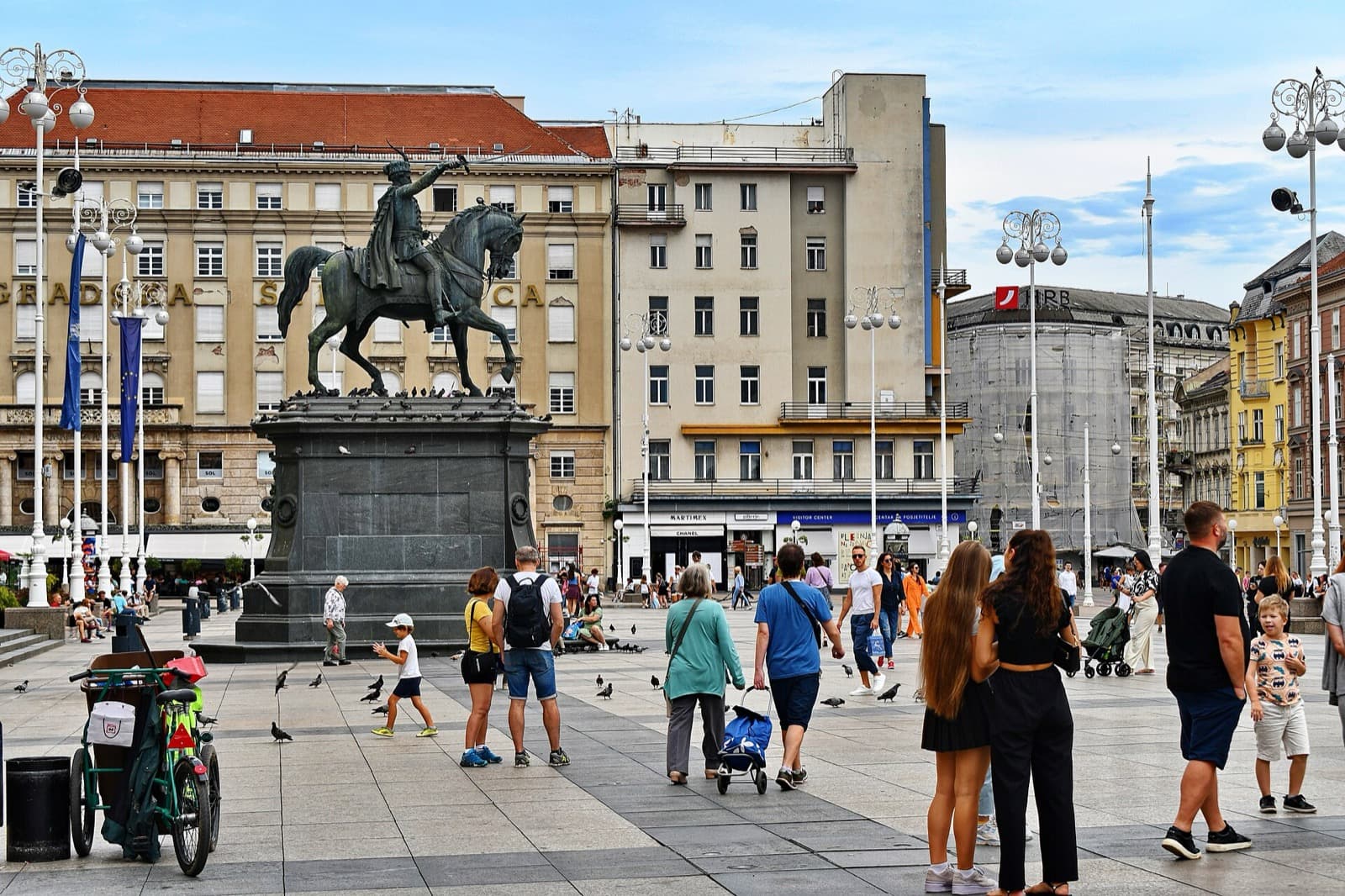
The great central square of Zagreb, on the flat ground between the merchant town of Gradec and the bishop's town of Kaptol, with the old marketplace spring at its lower end.
- 2
Dolac: the market on the terrace
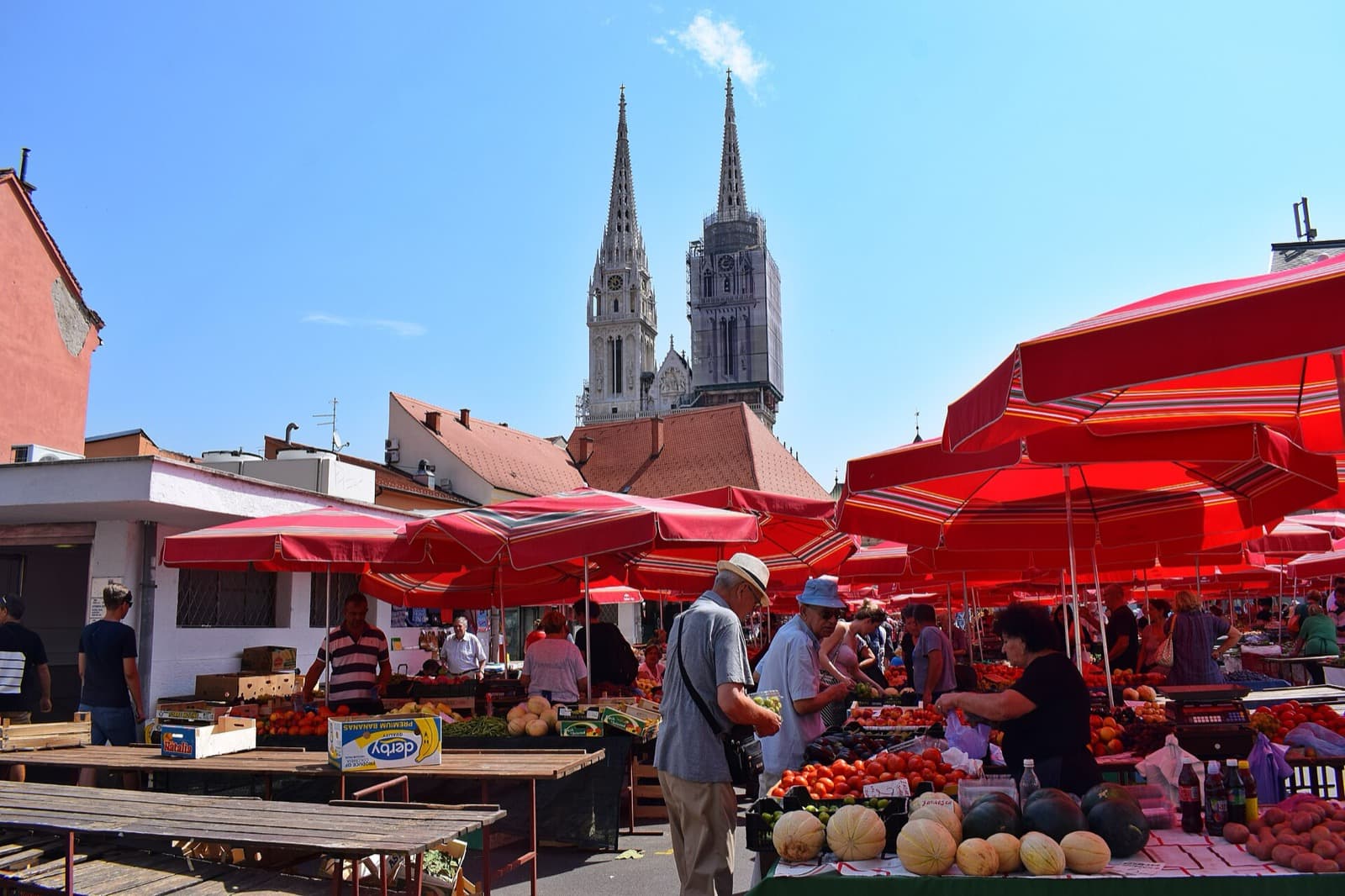
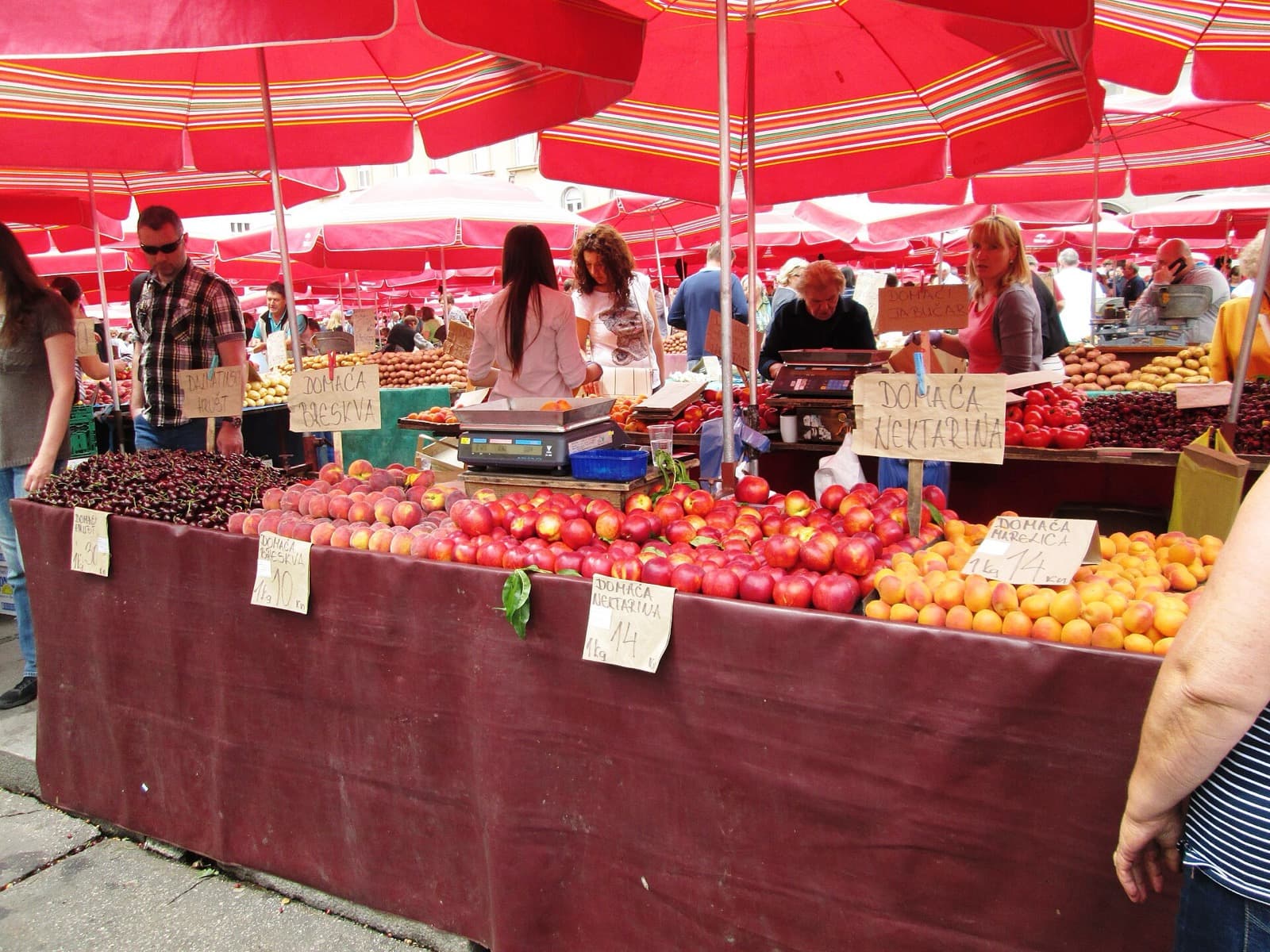
Zagreb's main open-air market, opened in nineteen thirty on a raised terrace on the exact seam between the two old hills, famous for its field of red parasols.
- 3
Tkalciceva: a street on a buried stream
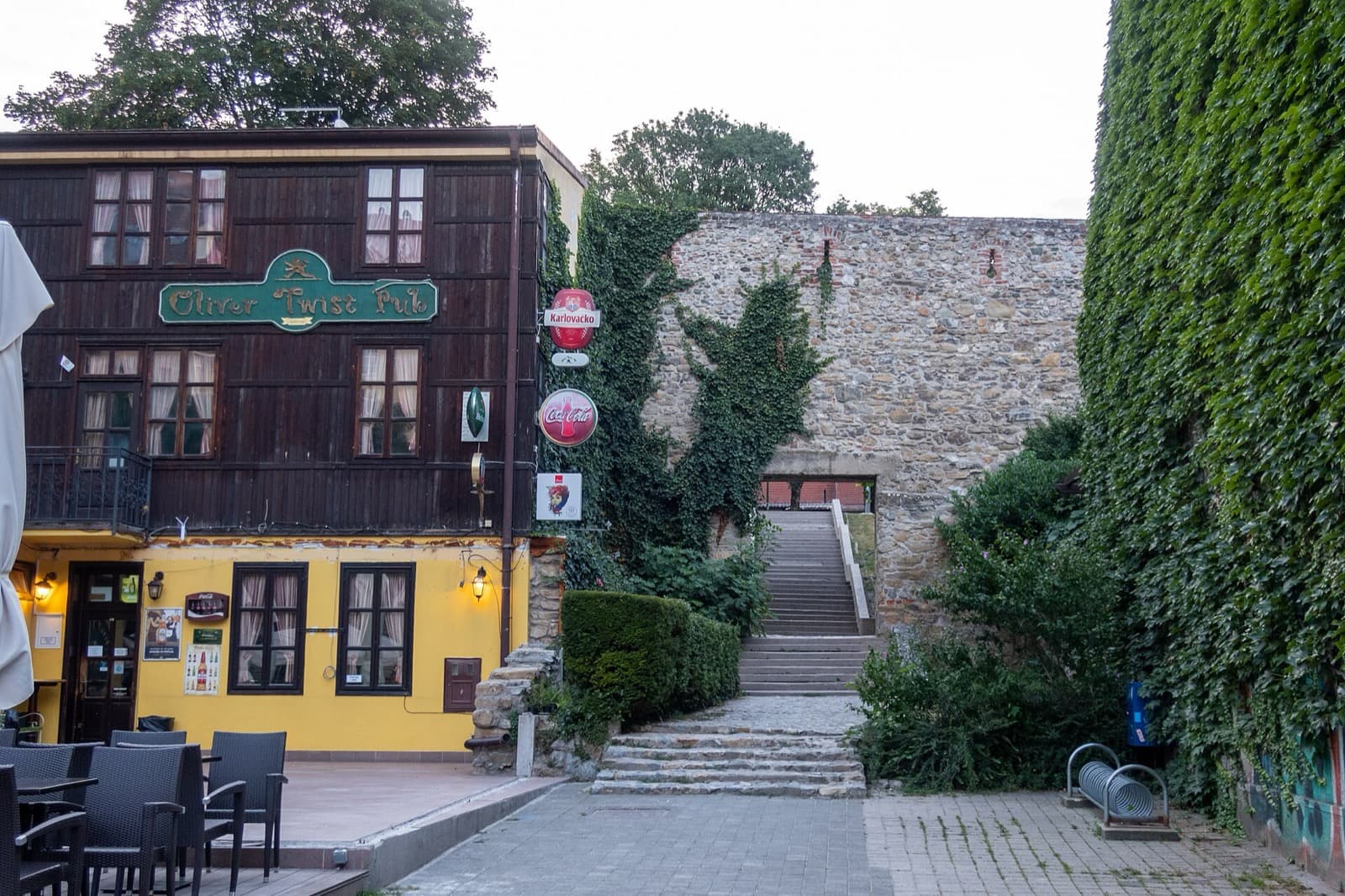
A lively pedestrian street of nineteenth-century houses laid directly over the covered bed of the Medvescak creek, the old frontier between Gradec and Kaptol.
- 4
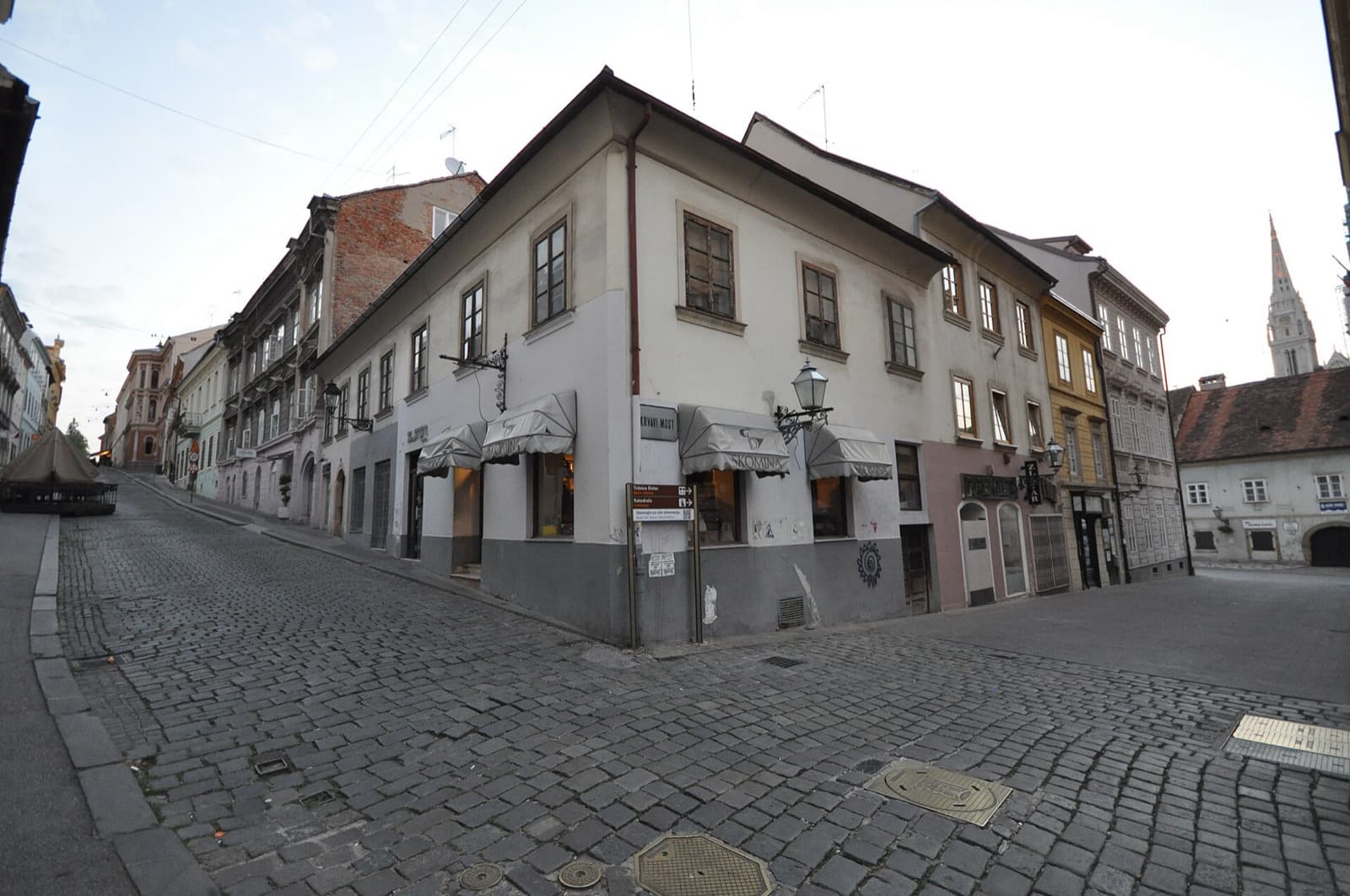
The Bloody Bridge: the frontier of a long quarrel
A short lane named Krvavi most, the Bloody Bridge, marking where a wooden bridge once crossed the border creek between the two feuding towns.
- 5
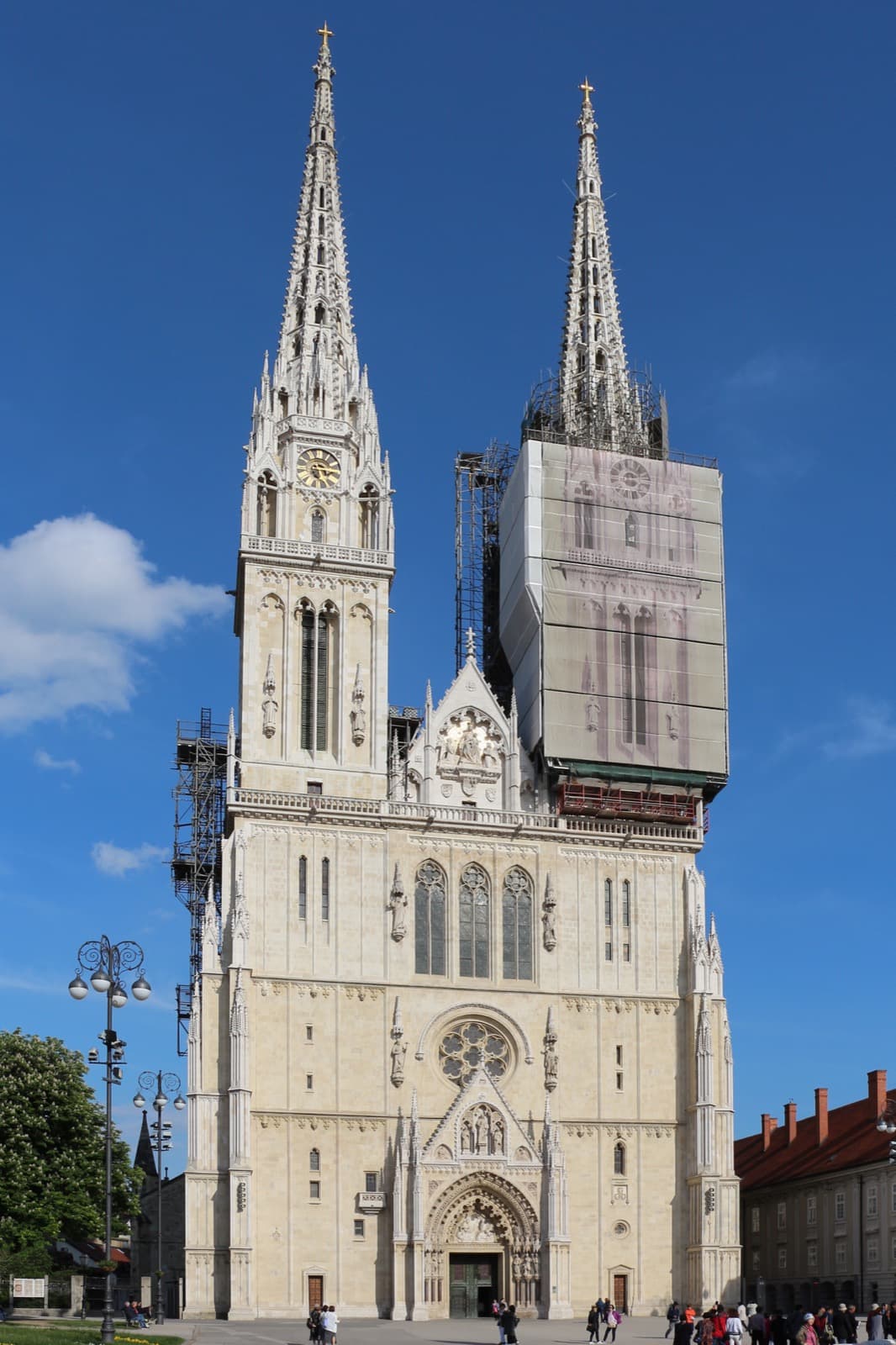
Zagreb Cathedral: the twin spires of the church-town
The cathedral on Kaptol, the tallest sacral building in Croatia, with soaring neo-Gothic twin spires rebuilt after the eighteen eighty earthquake.
- 6
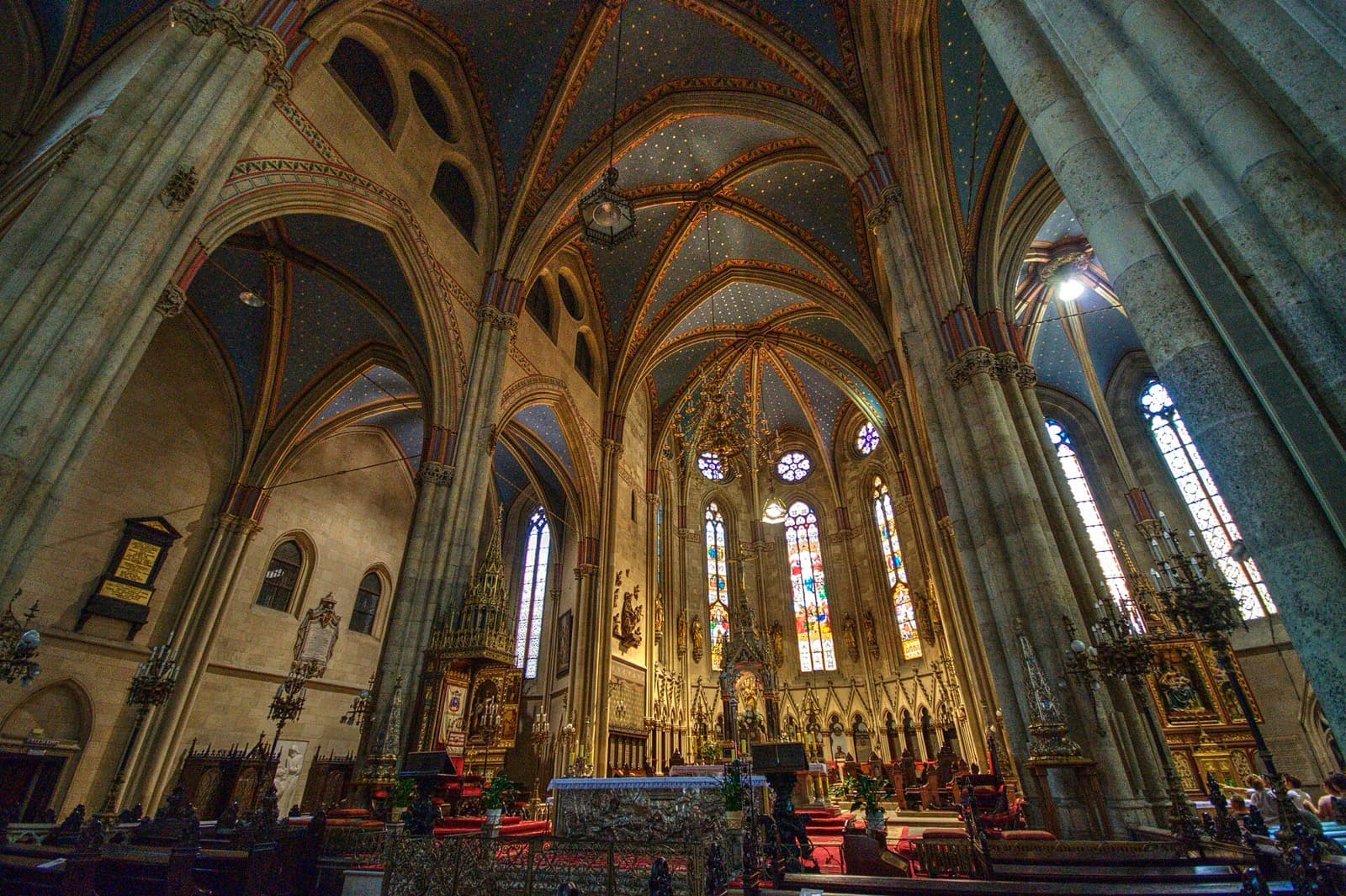
Kaptol: the town of the canons
The street and quarter of the cathedral canons, an ecclesiastical town founded in ten ninety-four, lined with Baroque residences and ringed with Renaissance walls.
- 7
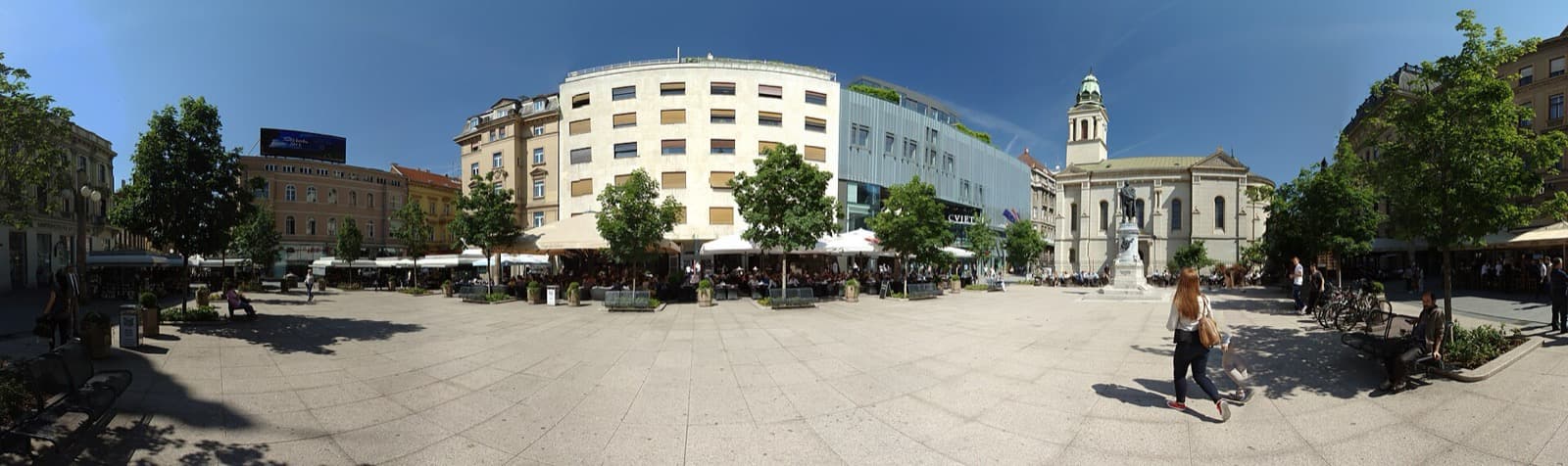
The Flower Square: an everyday corner of the joined city
Cvjetni trg, officially Petar Preradovic Square, a relaxed meeting place long home to the city's flower sellers, with a poet's statue and an Orthodox church on its edge.
Details
Best Time to Visit
Late morning is ideal. Dolac market is at its liveliest and most colorful in the morning, roughly from opening until early afternoon, so arriving mid-morning lets you catch the red-parasol stalls in full swing before finishing at the Flower Square for a relaxed afternoon coffee. Weekdays are quieter than Saturday, which is the busiest market day. Spring and early autumn bring mild weather and comfortable walking; summer afternoons can be hot, and winter mornings cold, so dress for the season.
Pro Tips
- •Start at Ban Jelacic Square, the central hub, and walk the loop uphill to Kaptol then back down to the Flower Square. The stops sit close together, so you can take them in any order that suits your pace.
- •Visit Dolac in the morning for the fullest market. Bring a little cash for the sir i vrhnje, the local cheese and cream, and other produce, since small vendors may not take cards.
- •Wear shoes with good grip. The Upper Town lanes, Tkalciceva, and the market steps have uneven and sometimes polished paving that gets slippery when wet.
- •If you step inside Zagreb Cathedral, dress modestly and keep quiet. It is a working church, and reconstruction after the twenty twenty earthquake is ongoing, so some areas may be closed or fenced.
- •Look for the small bronze Kumica Barica at the edge of Dolac and the buried-creek story under Tkalciceva. The best parts of this walk are the things hiding in plain sight.
- •End at the Flower Square and settle in for a coffee. Sitting outdoors with a slow coffee is a genuine local ritual here, not a tourist add-on.
Safety & Precautions
- •Zagreb Cathedral is an active place of worship undergoing earthquake reconstruction. Dress modestly, keep your voice low, follow any barriers or closures, and respect the lived-in residential quarter of Kaptol around it.
- •The paving is uneven and often slick. Expect polished stone, market steps, and cobbles on Tkalciceva and the Upper Town lanes, which can be slippery in rain or frost, so watch your footing.
- •Dolac is a busy working market, especially on Saturday mornings. Keep bags and valuables secure in the crowd, and give vendors and shoppers room to work.
- •Weather here swings by season. Summer afternoons can be hot with little shade on the open market terrace, and winters can be cold and icy, so carry water in summer and dress warmly in winter.
Travel advisory: Exercise Normal Precautions (Level 1).
Gallery
Related Reading
Go deeper on what you'll see, hear, and walk through.
Overview
Best Self-Guided Walking Tours in Zagreb (2026)
3 min
Overview
One Day in Zagreb: A Walkable Morning-to-Evening Itinerary
7 min
Overview
Zagreb Travel Guide: Days, Transport, Best Time, Safety, Budget
6 min
Thematic
Best History Walking Tours in Zagreb (2026)
2 min
Thematic
Two Hills and a Horseshoe: How Zagreb Became a City
8 min
Companion
Dolac Market and the Seam That Made Zagreb One City
7 min
Deep dive
Zagreb Cathedral: The Twin-Spired Church That Keeps Rebuilding Itself
6 min
Read
What to Eat in Zagreb
6 min
Read the walk
The full story of Kaptol and Dolac Market: The Other Hill, in words. Prefer to listen? Play it narrated, from home or on location.
Introduction
Here is a thing most people never notice about Zagreb, the capital of Croatia. It is not one hill but two, and for centuries the two hills could not stand each other. On one rise sat Gradec, a town of merchants and craftsmen. On the other sat Kaptol, the town of the bishop and his canons. Between them ran a narrow stream called the Medvescak, and that little watercourse was a border. The quarrel across it sometimes turned to blood. This walk follows the seam where those two towns finally joined into the city you can wander today at your own pace. There are seven stops, and it covers a little more than one kilometre, so give yourself around ninety minutes to an hour and forty-five minutes, more if you like to linger. You will stand in the great square where the two towns meet, climb to the market terrace between them, trace a street laid over the paved-over creek, cross the lane still called the Bloody Bridge, and reach the twin-spired cathedral on Kaptol before finishing at a quiet flower square. Each stop stands on its own, so you can skip one or take them slowly, whatever suits you. The stops sit close together, an easy loop through the old heart of the city. Everything you walk was once a boundary between rivals, now stitched into one place. When you arrive at Ban Jelacic Square, begin with stop one.
1. Ban Jelacic Square: where two towns meet
You are standing on the flat ground between two hills, and this is where the whole story begins. This is Ban Jelacic Square, the main square of modern Zagreb, spread out below and between the two old towns. To one side rose Gradec, the merchants' town. To the other rose Kaptol, the bishop's. For centuries this low ground was simply the seam between them. The square you see took its present name in eighteen forty-eight, in honor of Ban Josip Jelacic. Before that it was called Harmica, a name that came from a Hungarian word for a customs tax once collected here. In the center rides the ban himself, an equestrian statue by the Austrian sculptor Anton Dominik Fernkorn, put up in eighteen sixty-six. He sits on horseback with a sabre held out in his hand. Now walk your eye to the lower, eastern end of the square, to the fountain called the Mandusevac. Long before this was a grand square, a spring bubbled up here, and it served as the old marketplace well, giving water to the townspeople of both hills. When the square was repaved in eighteen ninety-eight the spring was buried, and it stayed hidden until it was rediscovered and restored in nineteen eighty-six. There is a legend attached to it, and it is only legend, not history. The story goes that a knight at the well asked a girl named Manda to scoop him some water. The word for scoop is zagrabi, and tradition says the fountain took Manda's name while the city took its name from that word. It is a charming tale. What is solid is the ground under your feet: the meeting place of two rival towns.
2. Dolac: the market on the terrace
Climb a few steps up from the square and the city opens into color. This is Dolac, the main market of Zagreb, and it sits on a raised terrace right on the seam between Ban Jelacic Square, Kaptol, and the Upper Town. In other words, it grew up literally between the two old hills, on the boundary itself. The market opened on the first of September, nineteen thirty, in a grand ceremony attended by the mayor Stjepan Srkulj, and at the time it was called one of the most modern marketplaces in Europe. There are two levels to it. Up here in the open air is a field of red parasols, rows of umbrella stalls shading farmers and their produce. Below, under shelter, are the butchers, the fishmongers, and the dairy sellers offering the local sir i vrhnje, the cheese and cream that people carry home. You will often hear Dolac called the belly of Zagreb, a nickname that fits a place that has fed the city for generations. At the edge of the market stands a small bronze figure, a market woman called Kumica Barica. A kumica is a market vendor, and this one was made by the sculptor Stjepan Gracan and has stood here since two thousand six, modeled on a real longtime seller named Djurdjica Jancec. She is worth a moment. She represents the countless women who carried baskets up to this terrace at dawn, on the very line where two towns once glared at each other. The rivalry is gone. The market that grew on the border remains, loud and generous and entirely alive.
3. Tkalciceva: a street on a buried stream
This bright pedestrian street runs along something you cannot see: a buried stream. Its name is Tkalciceva, and ulica means street. Under your feet lies the covered bed of the Medvescak creek, the watercourse that once separated Gradec and Kaptol and formed the frontier between the two towns. For most of the city's early history this creek was the engine of Zagreb. Its water turned watermills that served cloth-making, soap, paper, and liquor, and along its banks worked the tanners who cured animal skins. That skin and tannery work continued right up until nineteen thirty-eight. Because the creek was so valuable, it caused disputes, and disputes needed rules. A peace treaty made in thirteen ninety-two between the two towns forbade building any new watermills along the shared border, leaving just two mills standing, both held in monastic hands, simply to stop the endless quarreling over who could build on this contested line. Think about that. A little stream, so contested that two rival towns had to sign a treaty about waterwheels. Around eighteen ninety-eight the creek was finally covered over, and the street laid on top of it was first called Ulica Potok, which means Creek Street, a plain and honest name. Then in nineteen thirteen it was renamed for a nineteenth-century Zagreb historian, Ivan Tkalcic, who came from nearby Nova Ves. So when you walk this cheerful lane, remember what it truly is. It is not just a pretty row of nineteenth-century houses. It is the old border between two towns, paved over water, the exact line where Gradec ended and Kaptol began.
4. The Bloody Bridge: the frontier of a long quarrel
This short lane carries one of the bluntest names in the city. It is called Krvavi most, and most means bridge. Put together, the name means the Bloody Bridge. Today it is barely a bridge at all, just a brief street running for about three hundred metres between Radiceva and…
Full narration for this stop unlocks with the tour.
5. Zagreb Cathedral: the twin spires of the church-town
Now you reach the heart of the church-town half of the story. This is Zagreb Cathedral, on Kaptol, formally the Cathedral of the Assumption of the Blessed Virgin Mary, dedicated also to Saints Stephen and Ladislav. It is the tallest sacral building in Croatia. Its twin…
Full narration for this stop unlocks with the tour.
6. Kaptol: the town of the canons
This street and the quarter around it is Kaptol itself, the other town in our story, and it was never about merchants or mills. It was about the church. The name comes from the Latin word capitulum, meaning the body of canons, the clergy who governed this settlement. Kaptol was…
Full narration for this stop unlocks with the tour.
7. The Flower Square: an everyday corner of the joined city
You end where the old rivalry finally dissolves into ordinary, easy city life. This is Cvjetni trg, the Flower Square, and trg means square. Its official name is Trg Petra Preradovica, Petar Preradovic Square, but everyone knows it by the flowers. It sits just off the main…
Full narration for this stop unlocks with the tour.