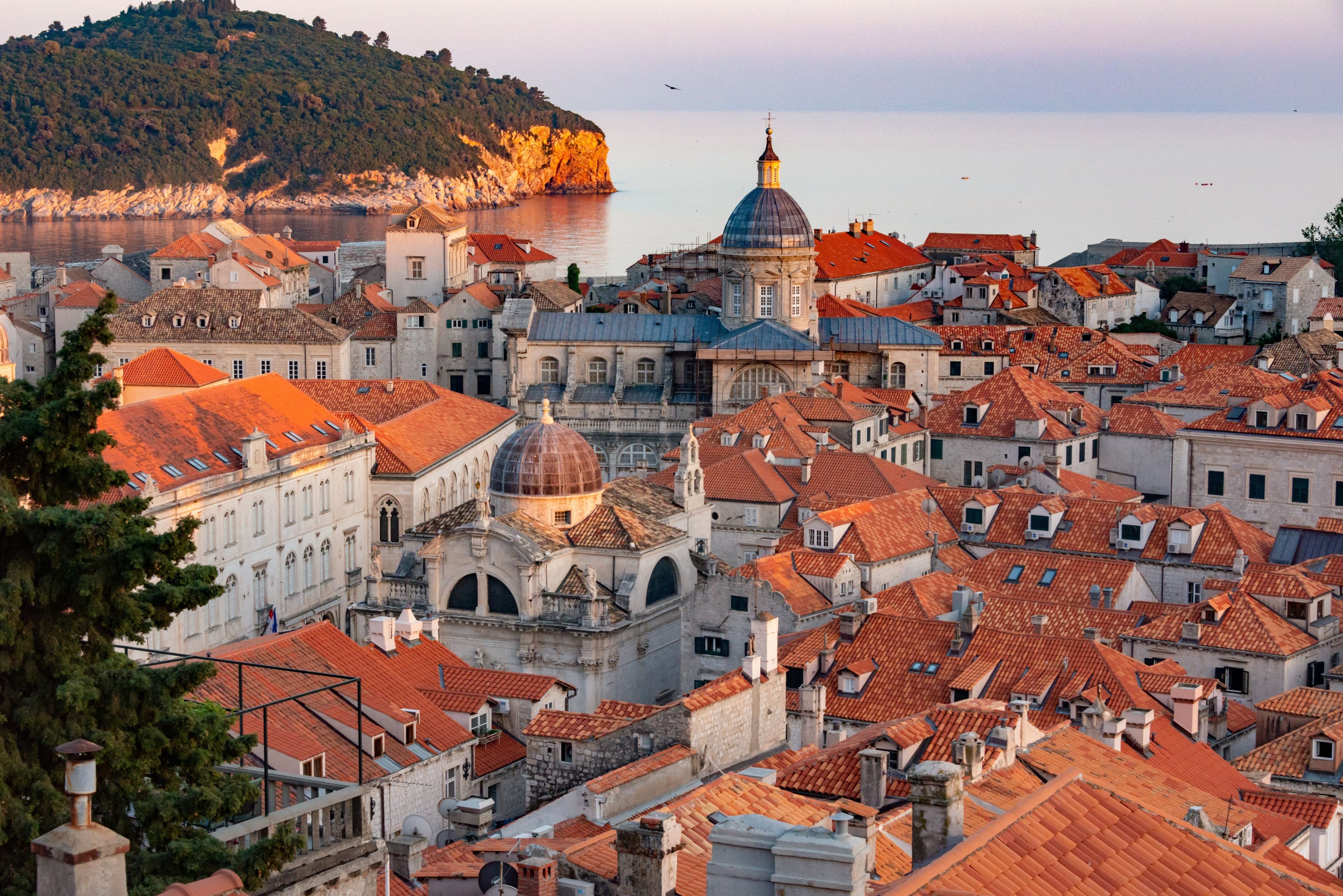
An easy walk through Dubrovnik's walled Old Town, from the Pile Gate and the Stradun to Luža Square, the Old Port, the Rector's Palace and the Jesuit Stairs, and the story of how a small merchant republic kept its freedom for four and a half centuries.
Start · Brsalje Terrace: The Forts Guarding the West
DirectionsStops
- 1
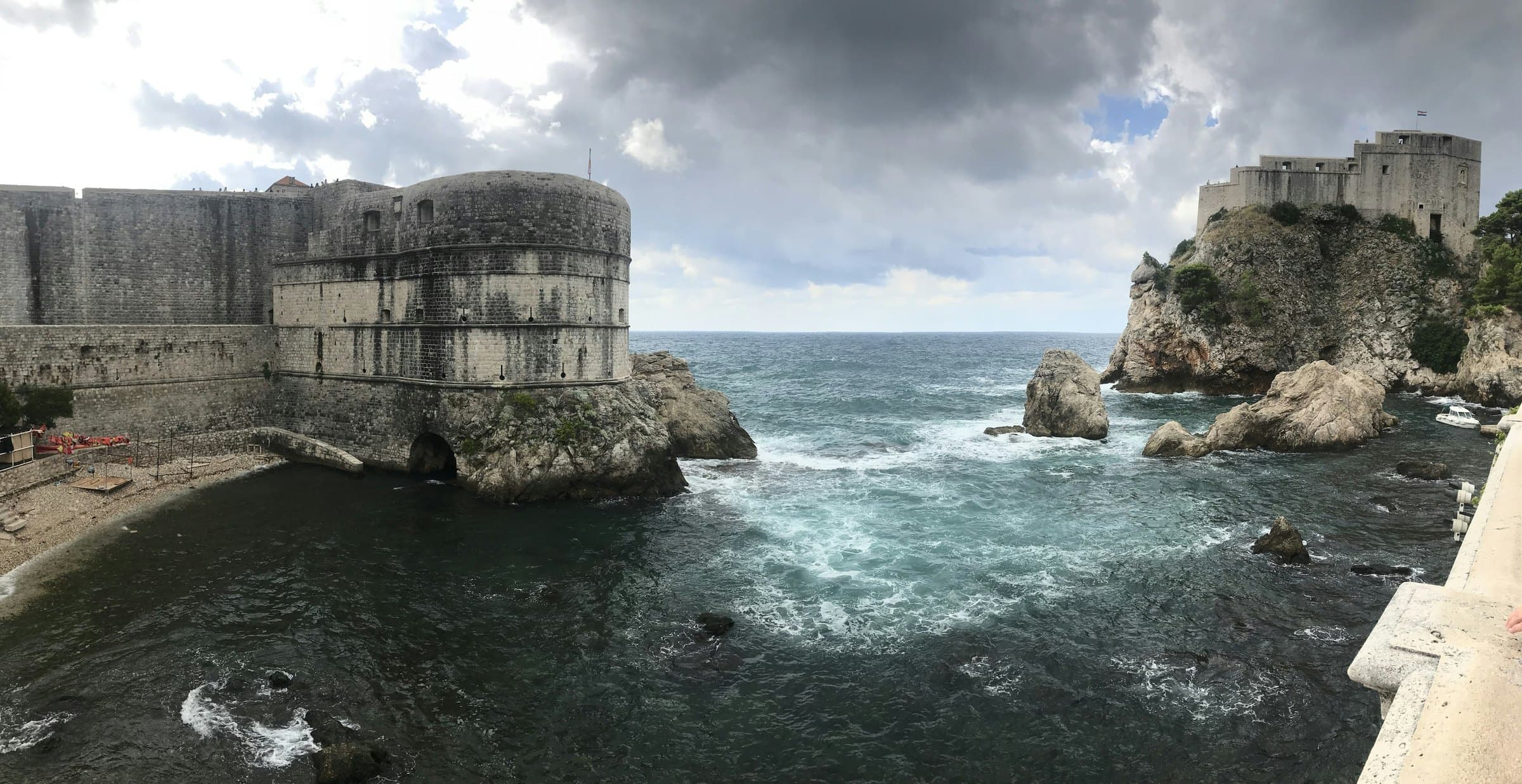
Brsalje Terrace: The Forts Guarding the West
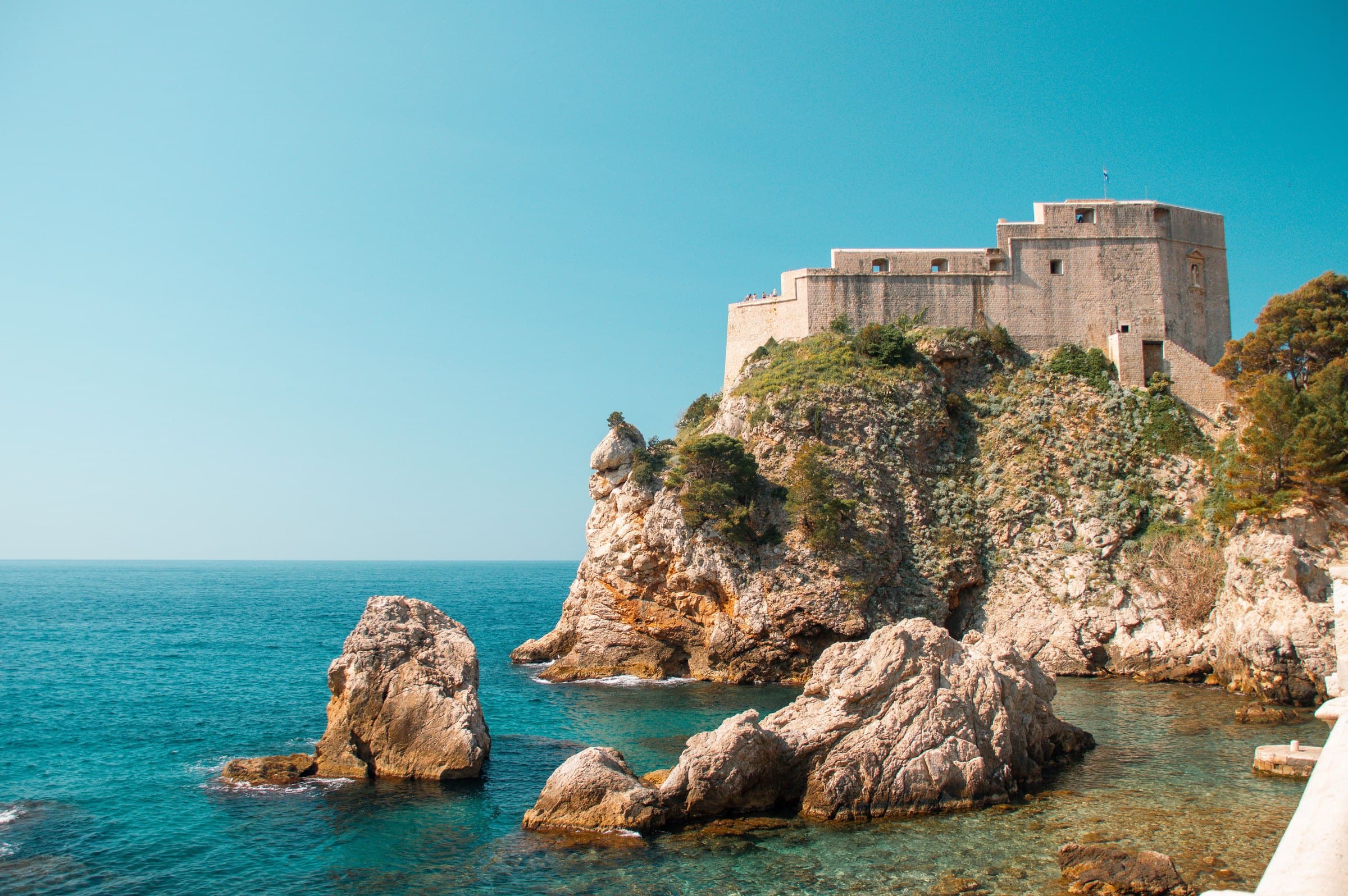
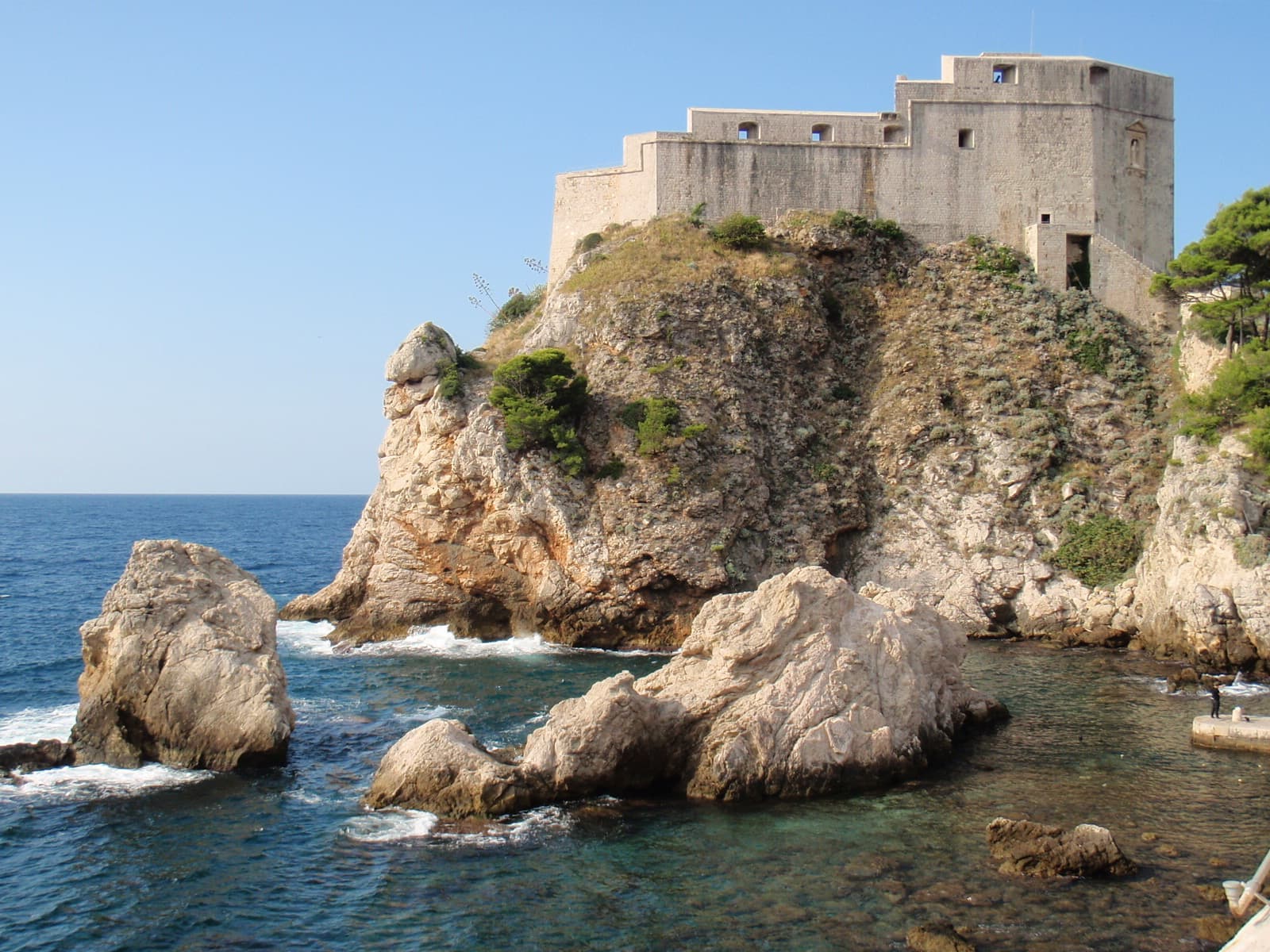
A terrace facing two sea forts. Just outside the Pile Gate, across the little bay stands Fort Lovrijenac on its rock, and Fort Bokar on the corner of the wall.
- 2
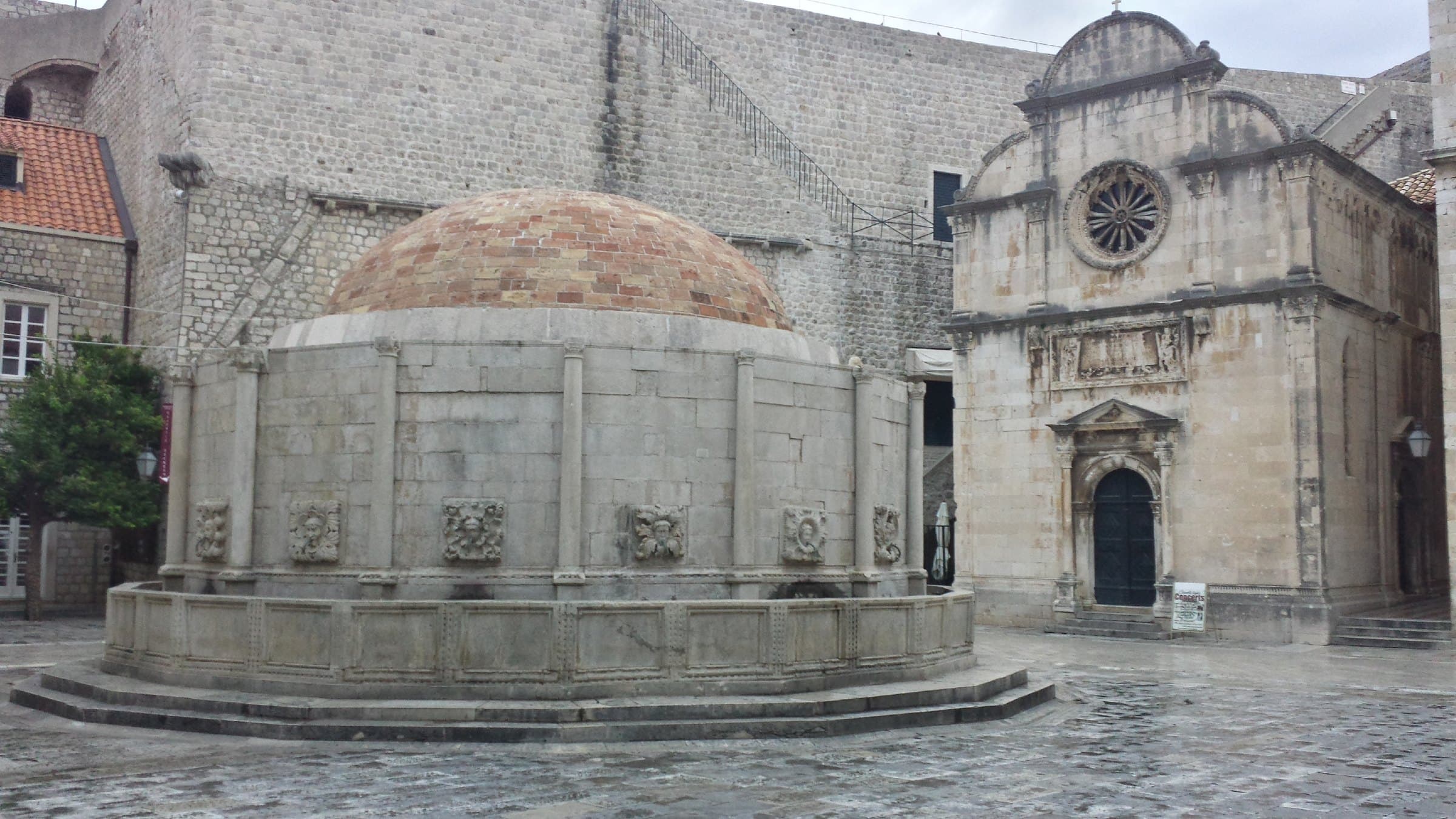
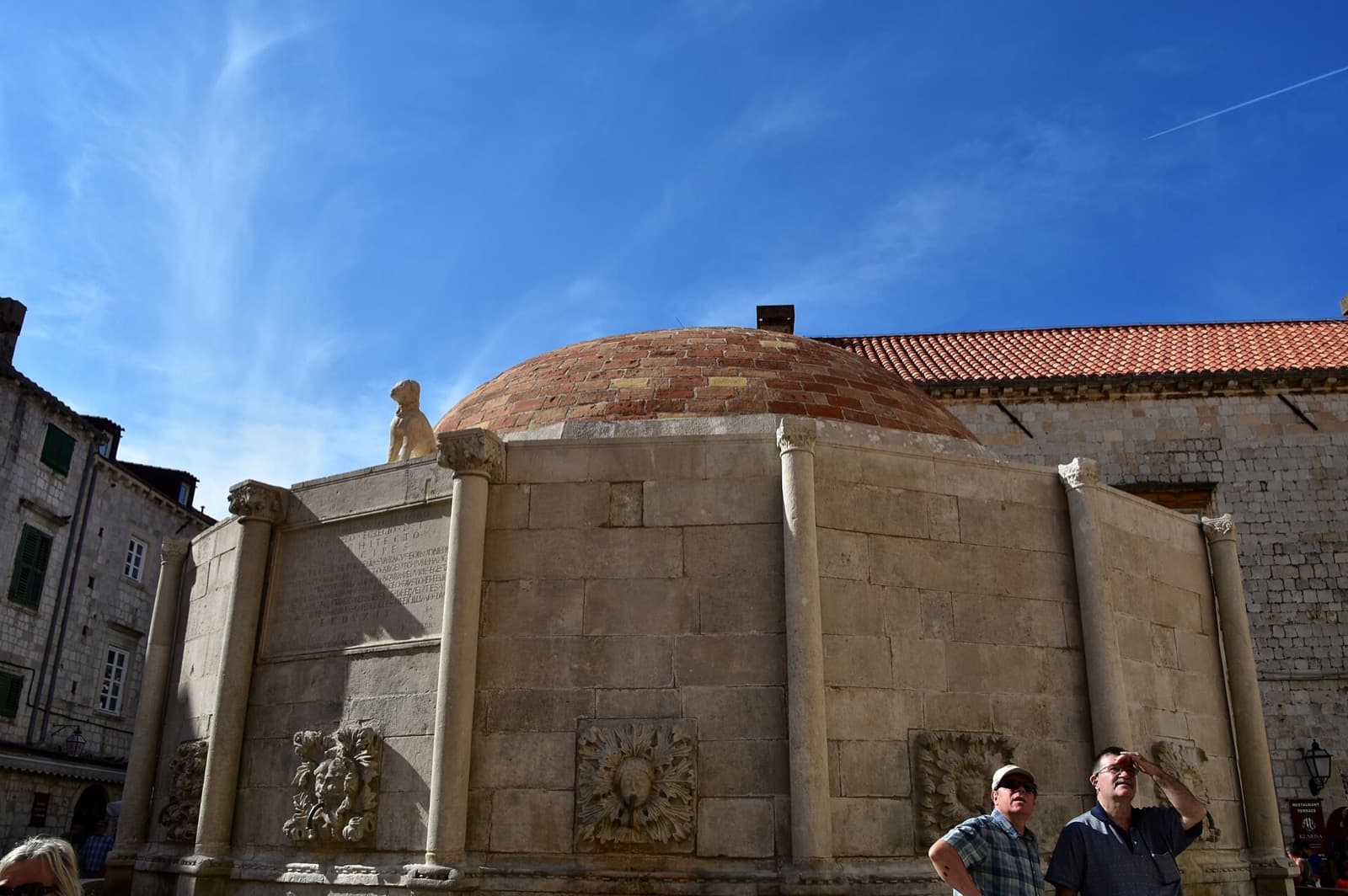
Pile Gate: The Great Onofrio Fountain
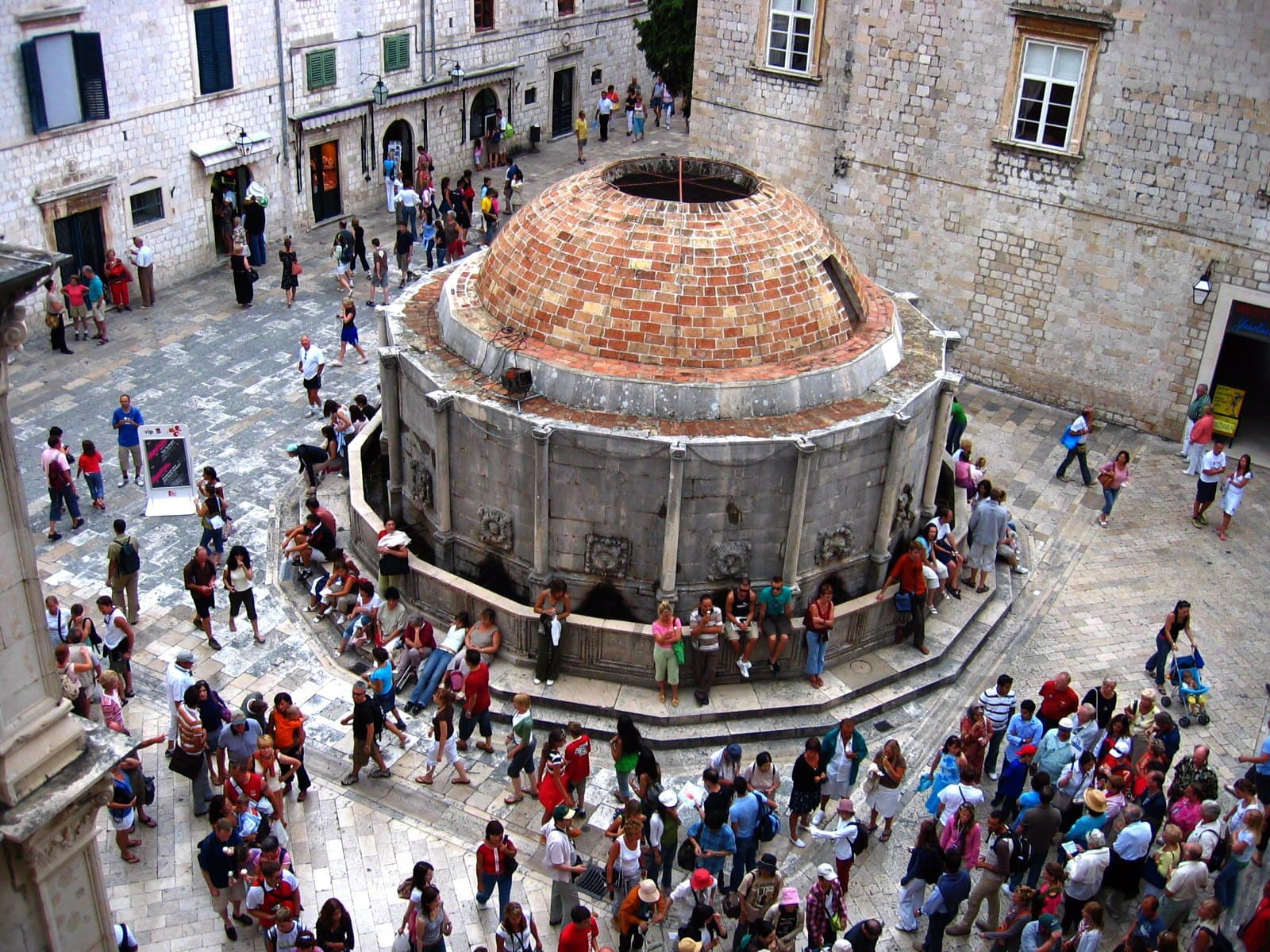
The oldest way into the city. Just inside the gate stands the domed fountain that brought water in, and the little votive church of Saint Saviour.
- 3
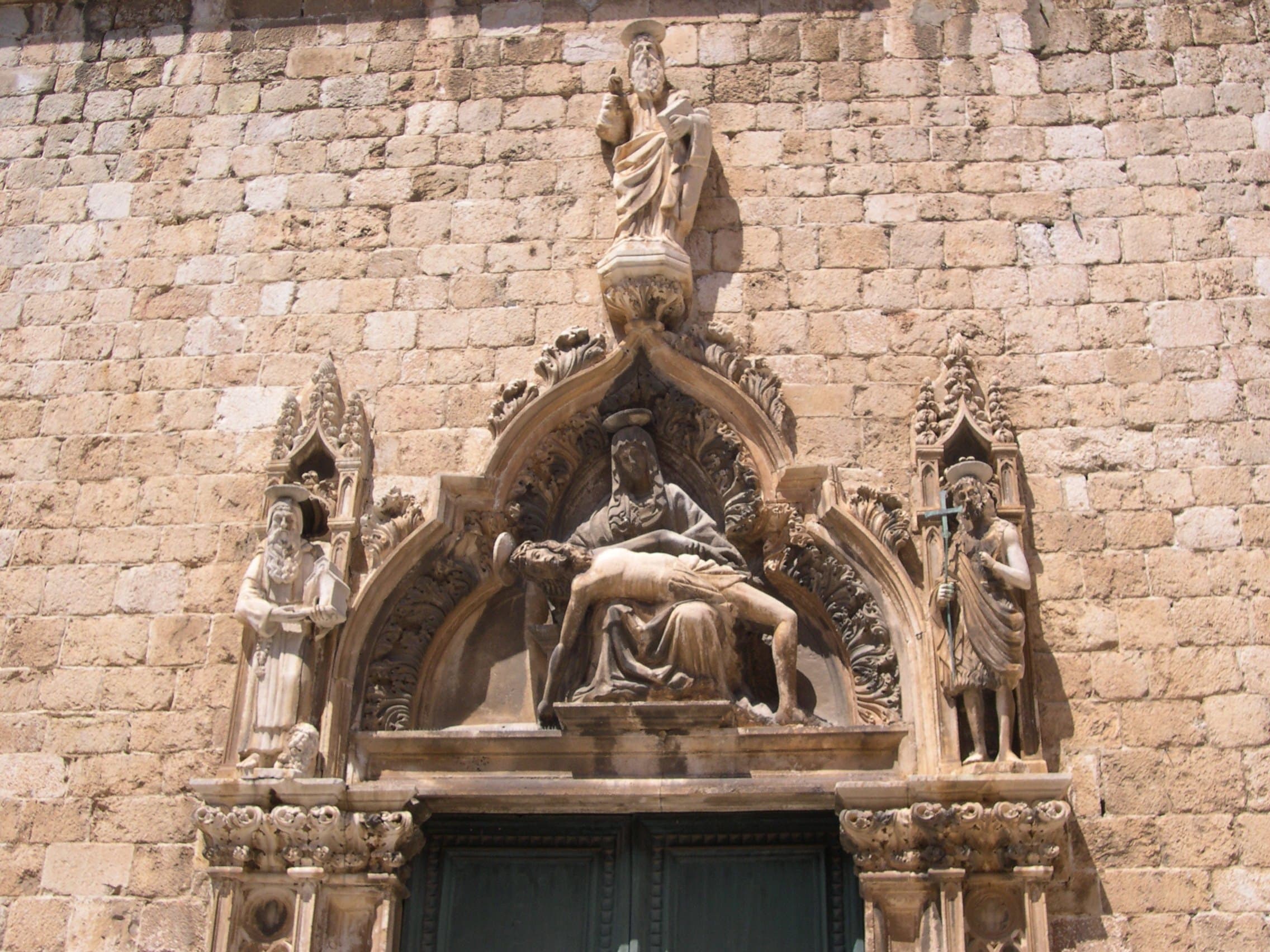
Franciscan Monastery: The Old Pharmacy
A carved Gothic doorway on the Stradun. Behind it are a fourteenth-century cloister and a pharmacy the friars date to 1317.
- 4
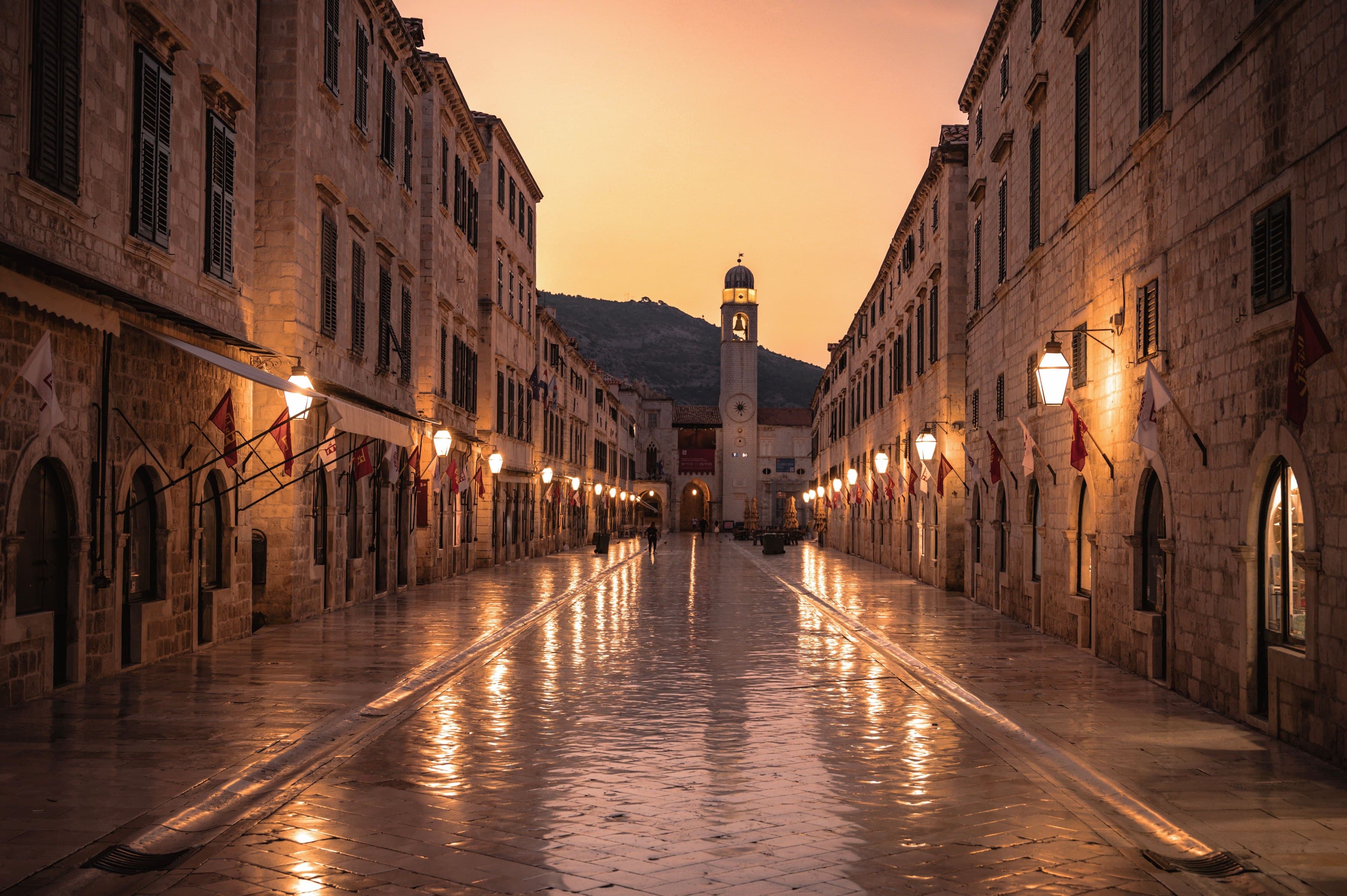
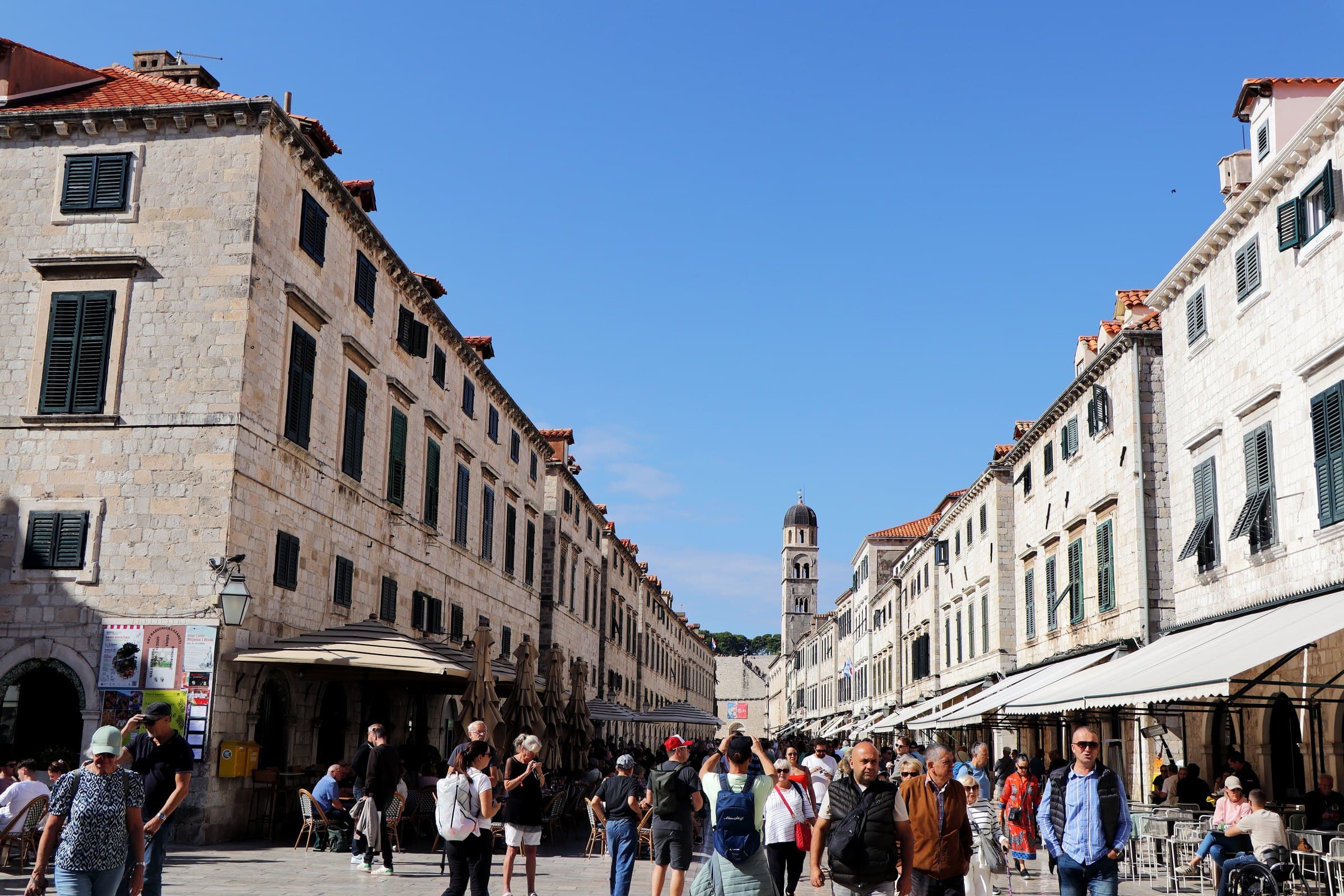
Stradun: The Main Street Rebuilt After 1667
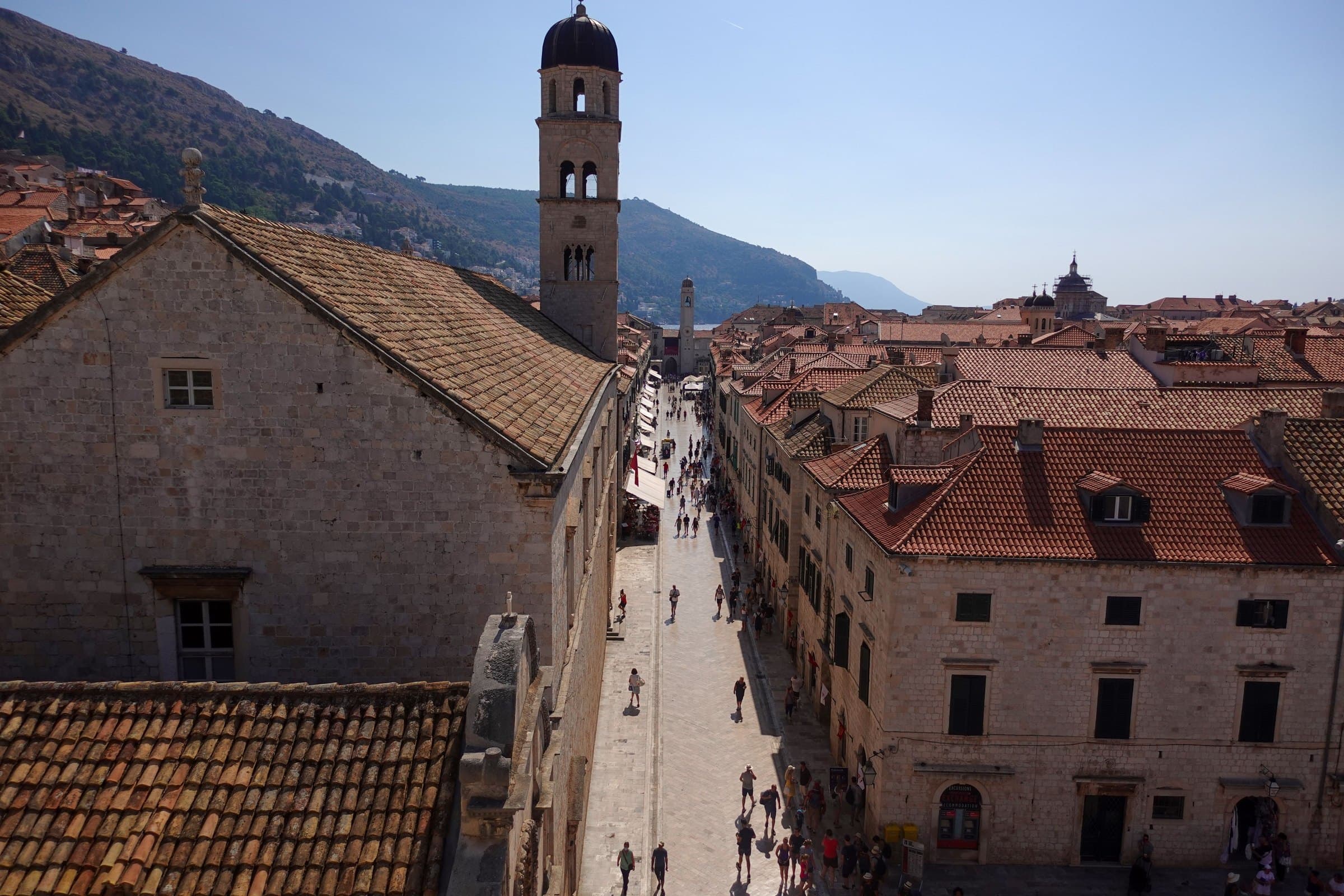
A street built over the sea. The city's main street fills an old arm of the sea, and its matching houses were rebuilt after the earthquake of 1667.
- 5
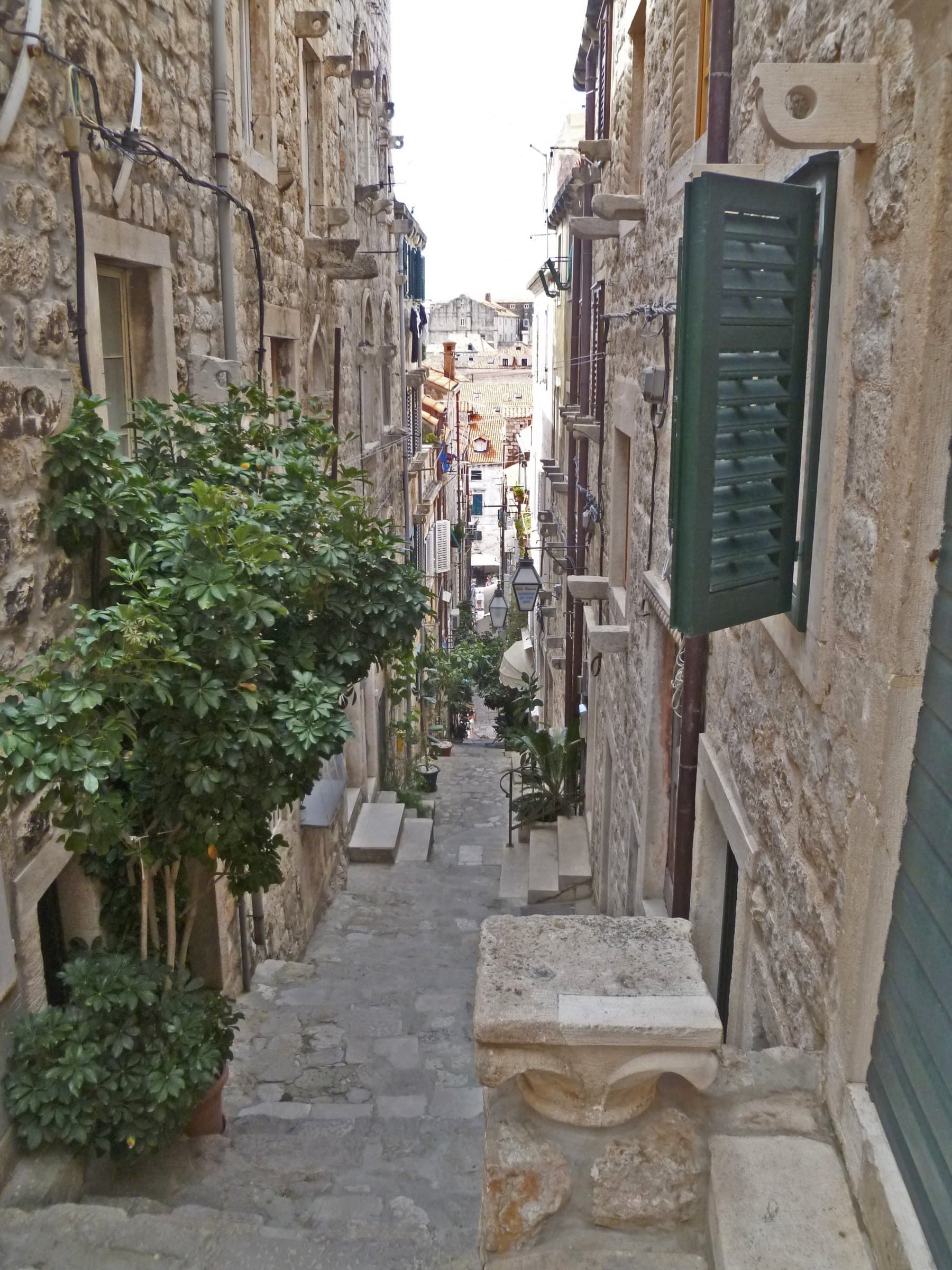
Žudioska: The Jewish Street and Synagogue
The lane that was the ghetto. From 1546 this steep lane was the Republic's ghetto; upstairs in house number five is a synagogue the tourist board calls the oldest Sephardic one still in use.
- 6
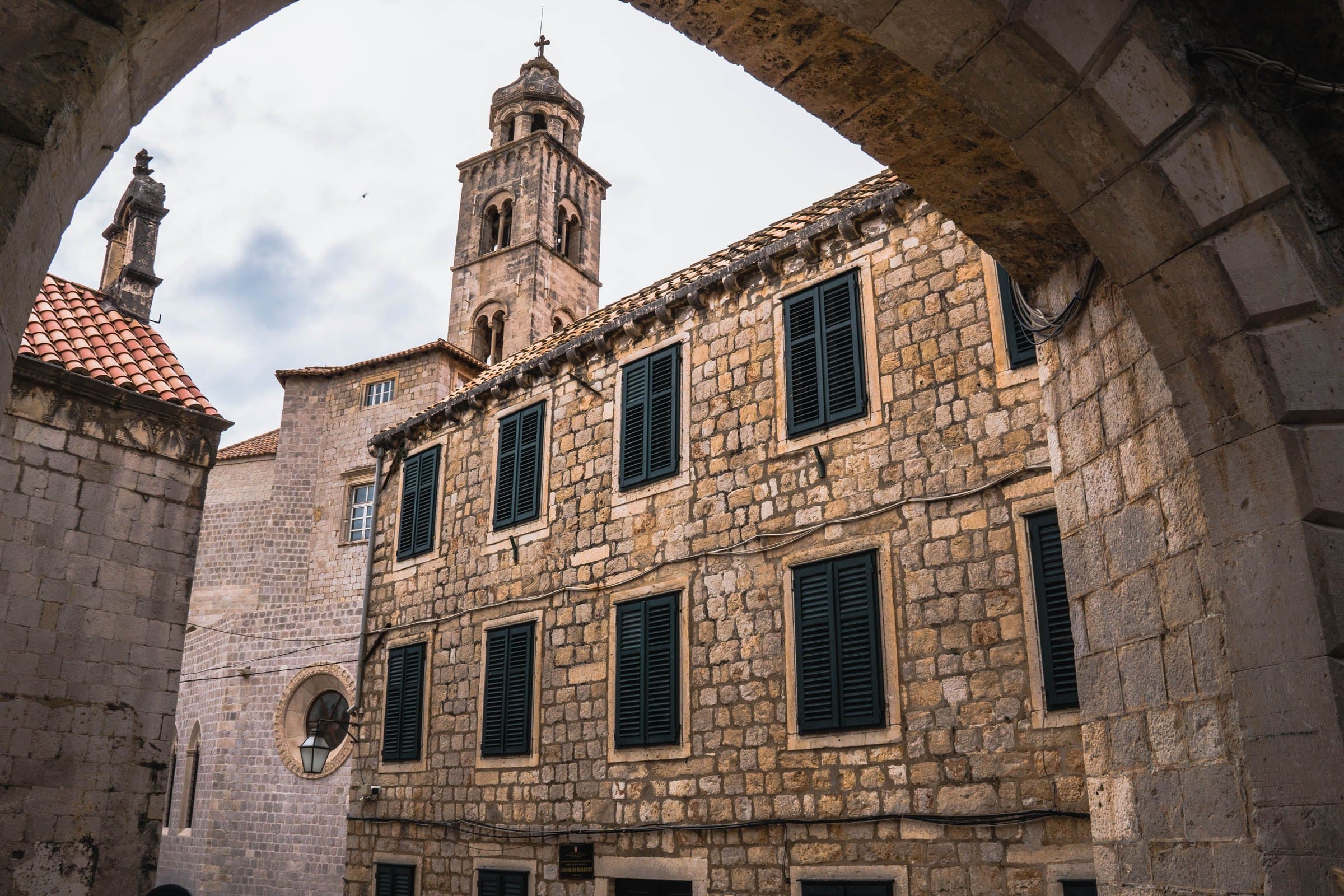
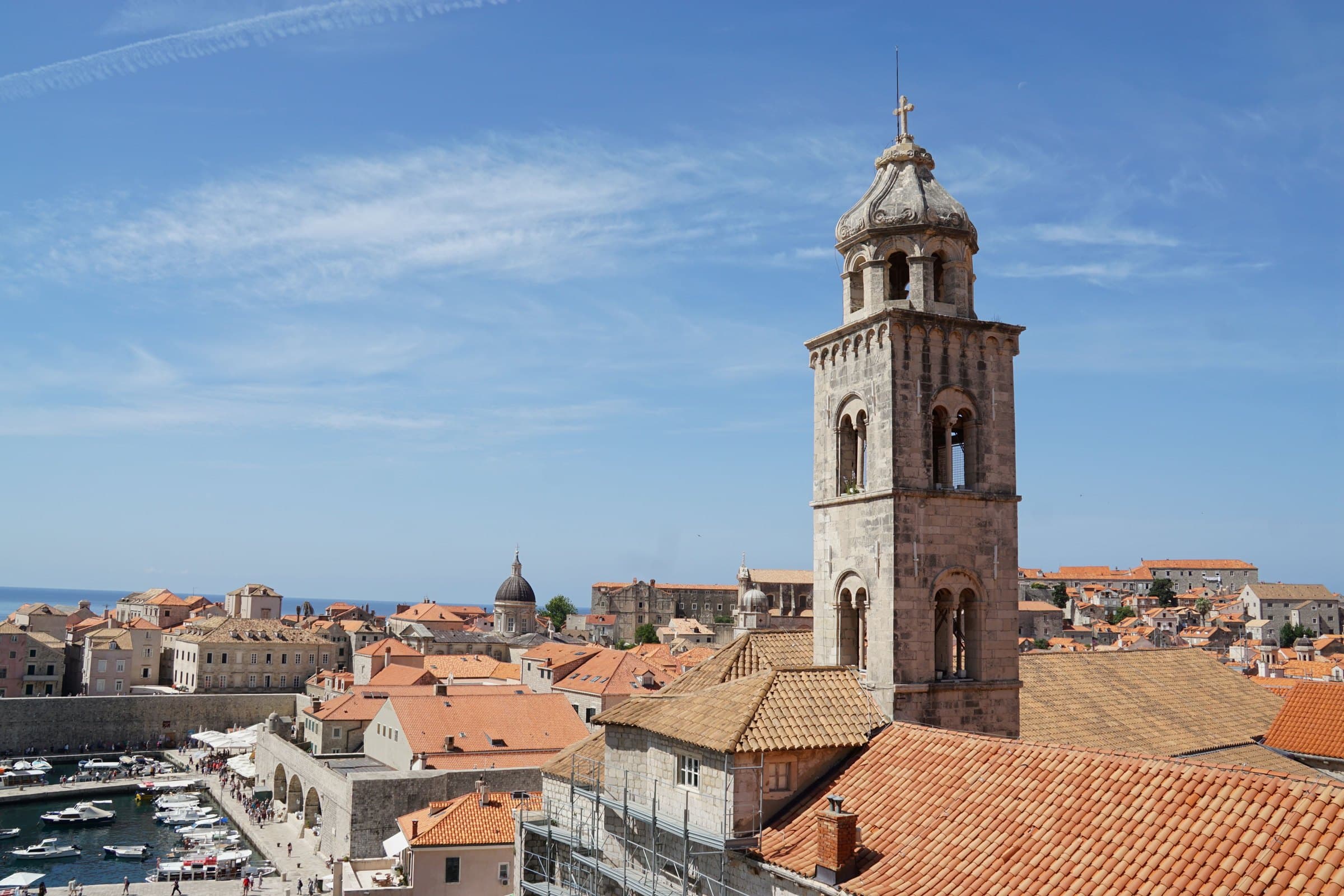
Dominican Monastery: The Church Inside the Walls
A monastery built into the walls. The friars call it the oldest monastery still in existence in Dubrovnik; the city built its wall around it in 1365, making the friars part of the defences.
- 7
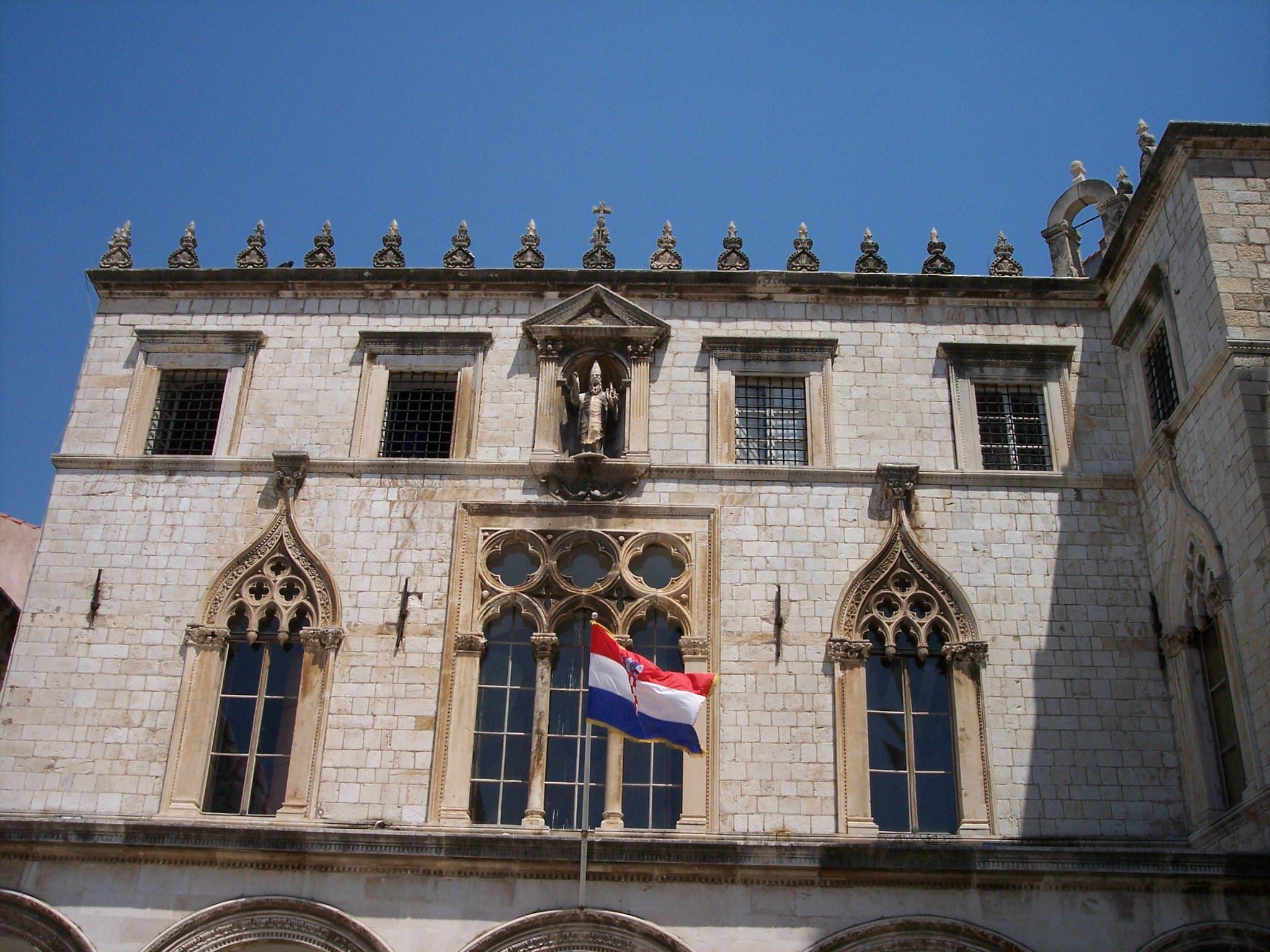
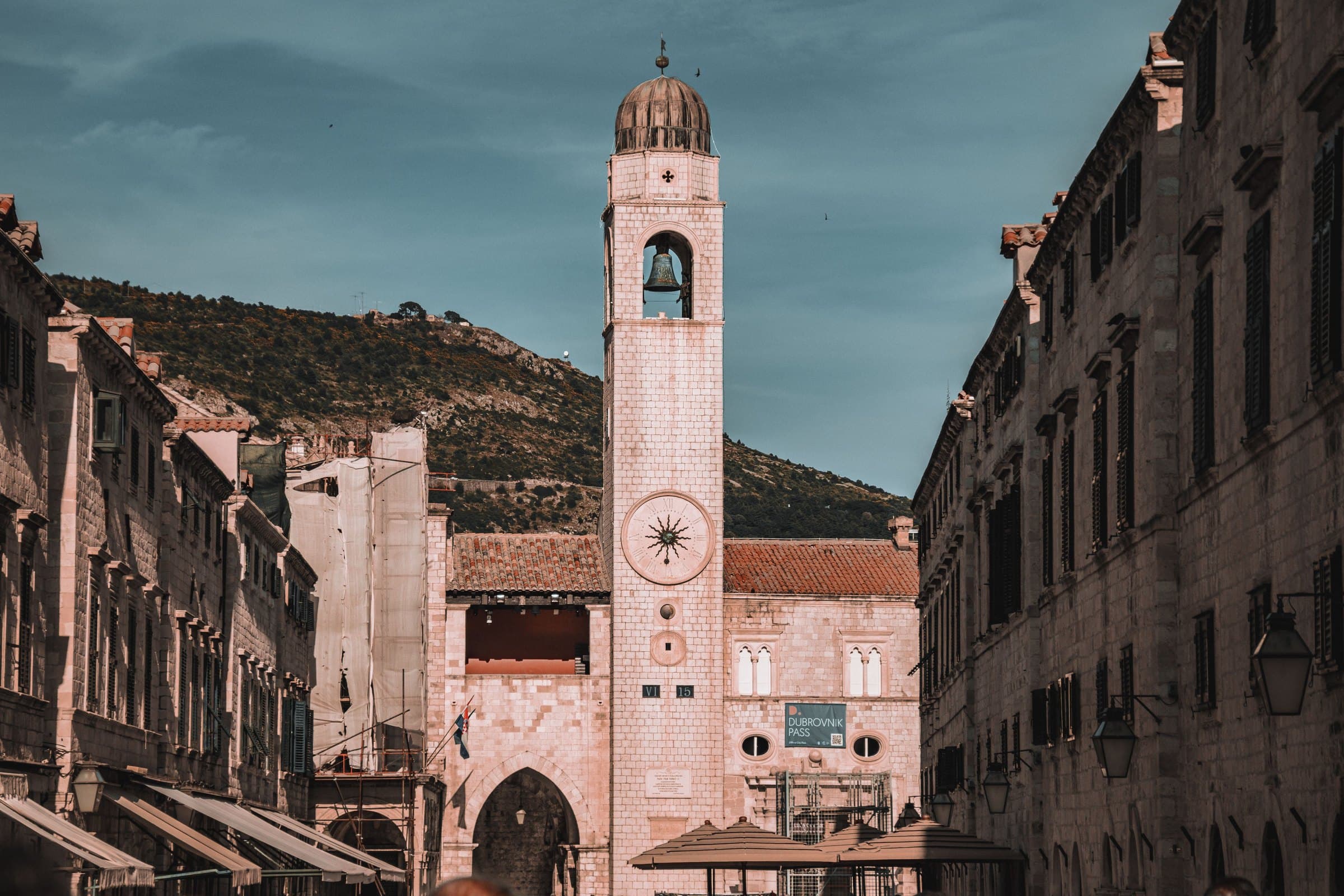
Luža Square: Orlando, Sponza and the Bell Tower
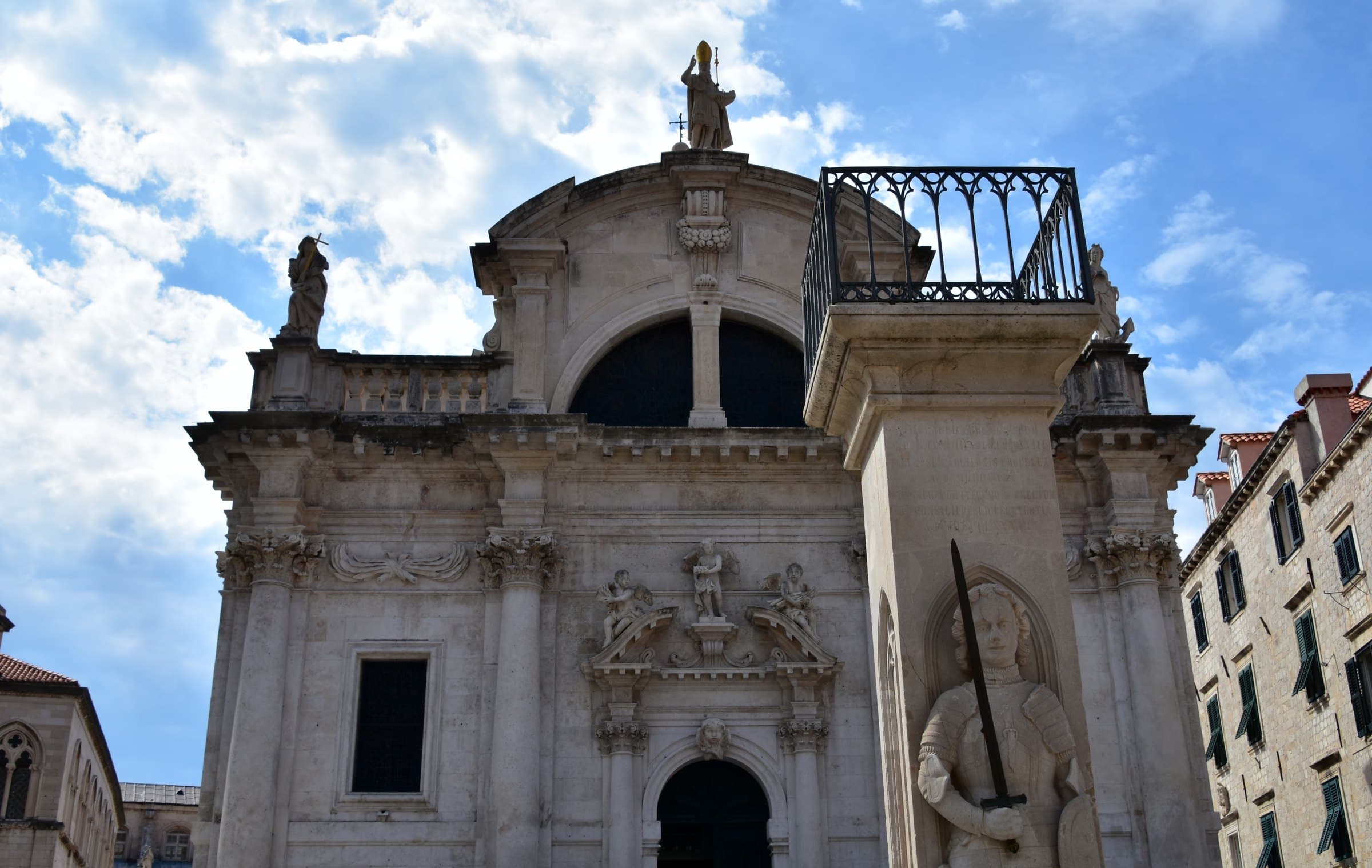
The working heart of the Republic. A knight's column, the customs palace, the bell tower and the church of Saint Blaise share one square.
- 8
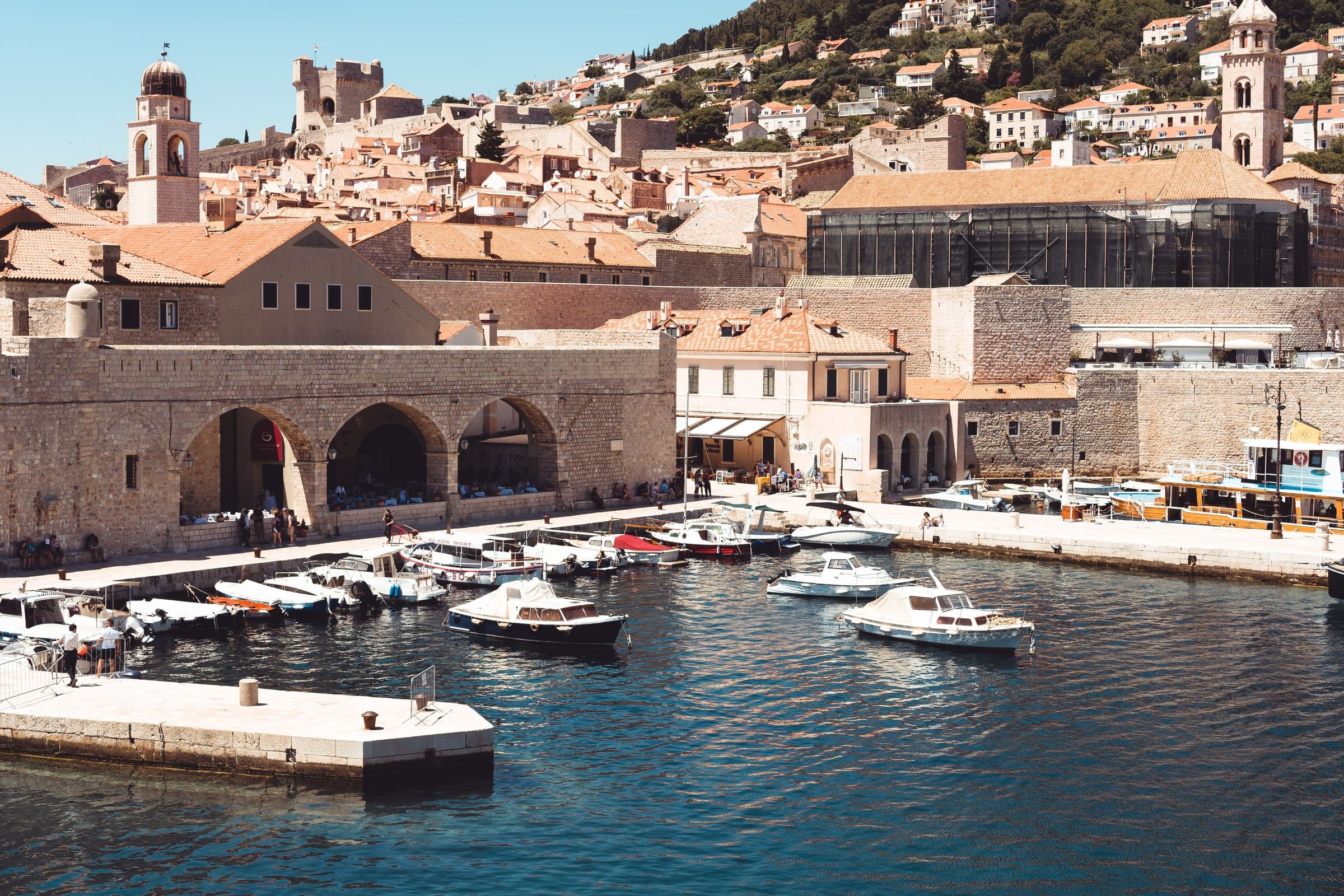
Old Port: The Harbour That Paid for It All
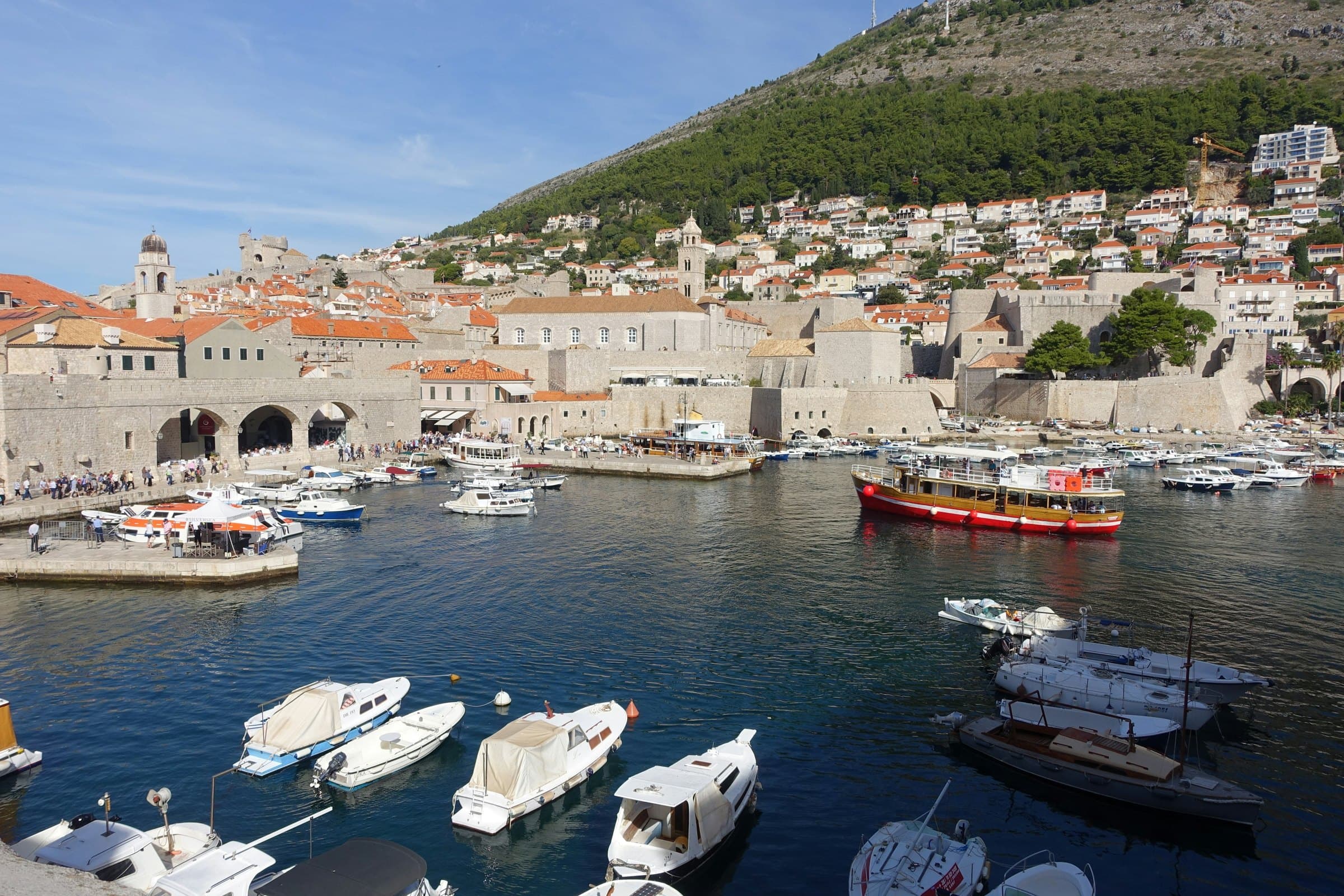
The harbour behind the walls, source of the Republic's wealth. The Kaše breakwater, Saint John's fort and the island of Lokrum are in view.
- 9
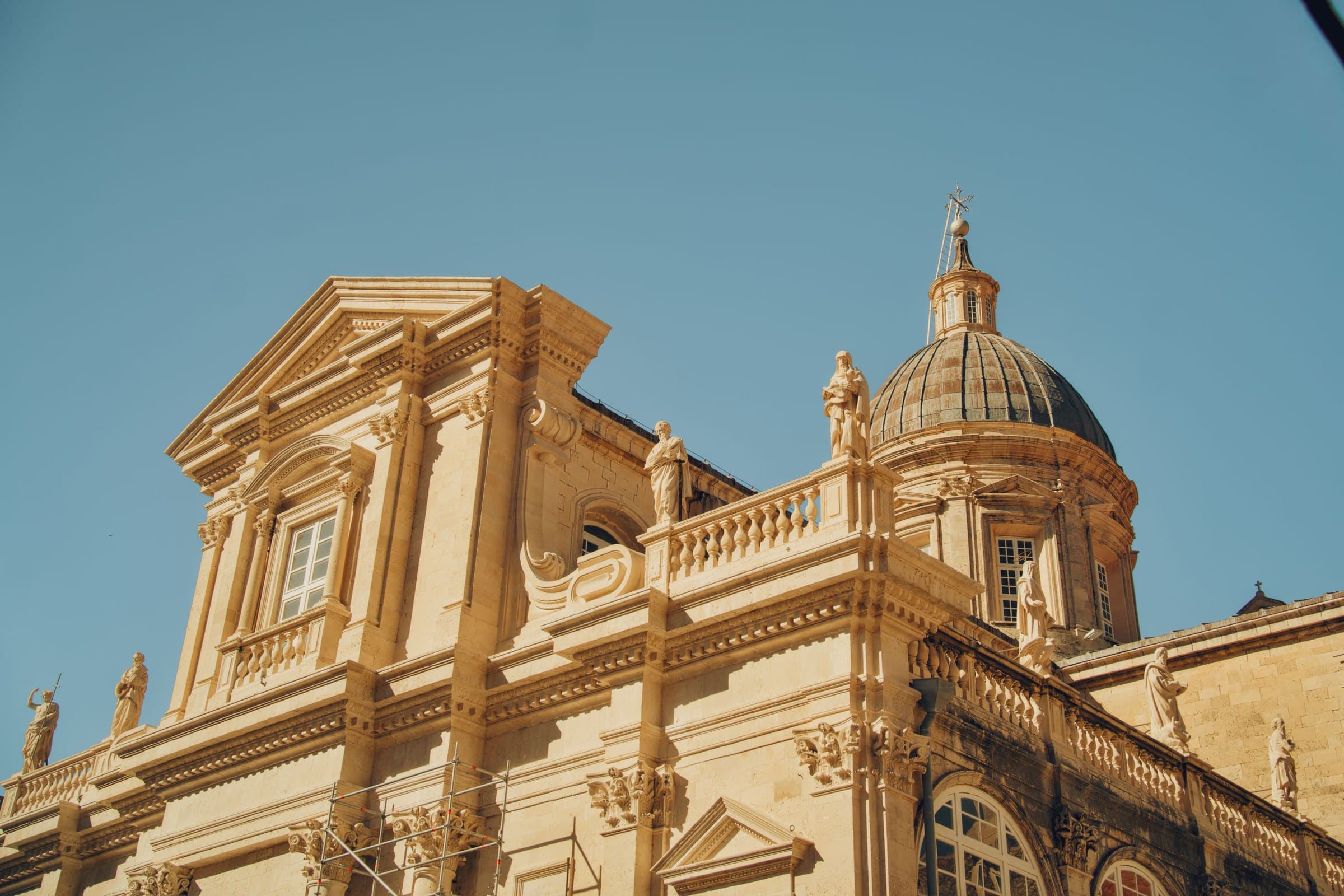
Cathedral of the Assumption: Titian and the Treasury
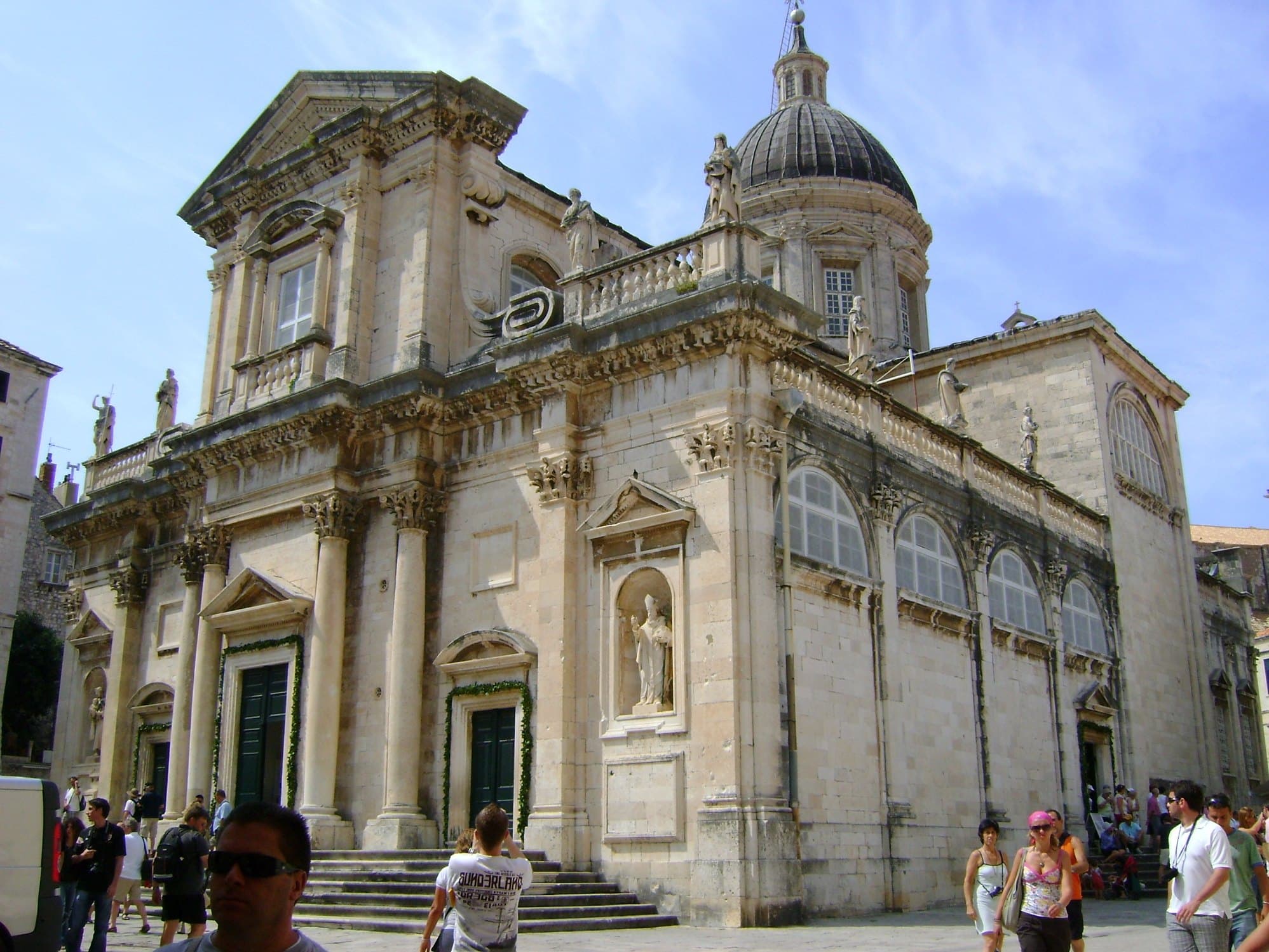
Rebuilt in Roman Baroque after 1667. It is at least the fourth church on this spot. Inside are an altarpiece by Titian and his workshop and the relics of Saint Blaise.
- 10
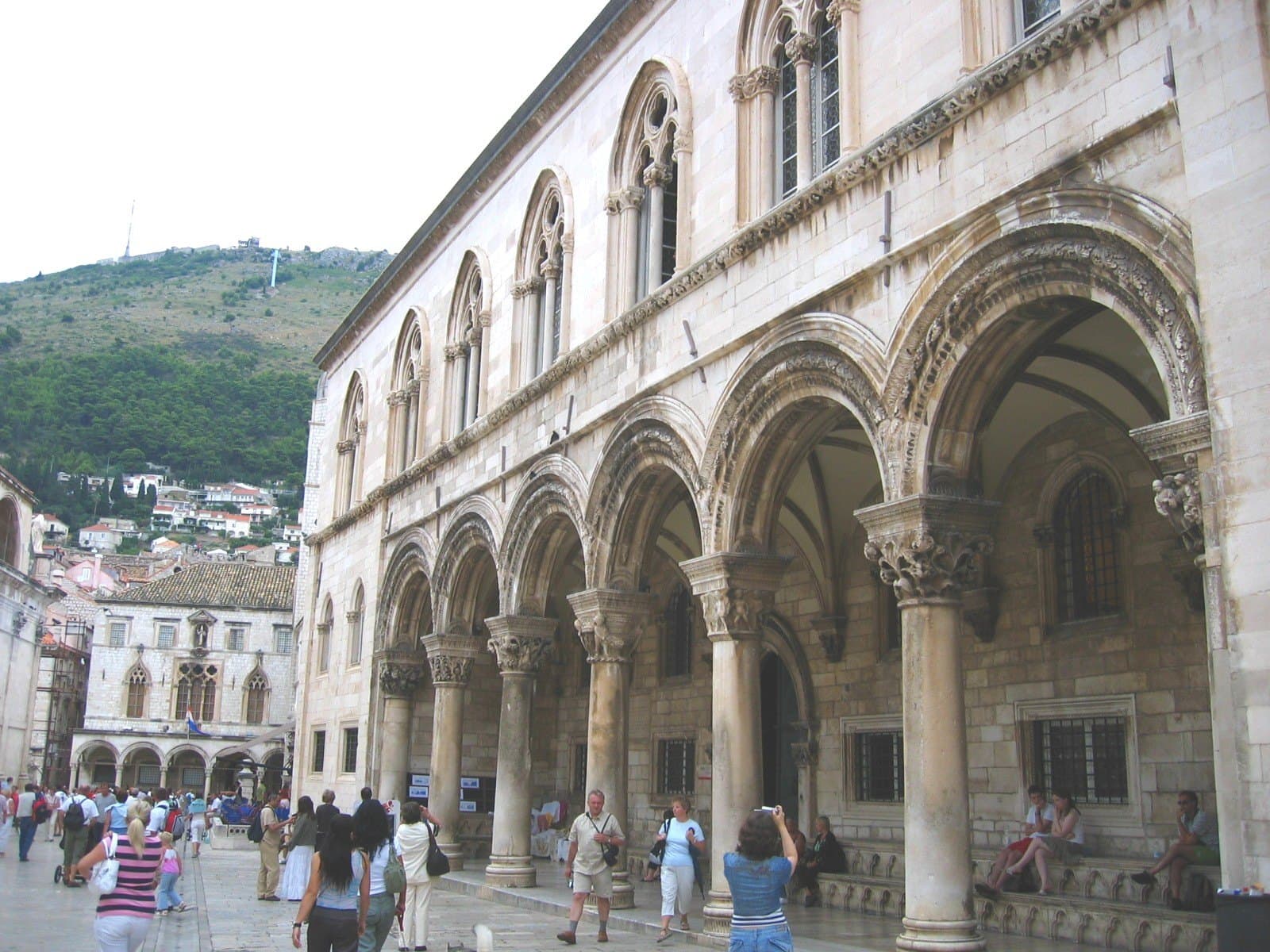
Rector's Palace: A Ruler for One Month
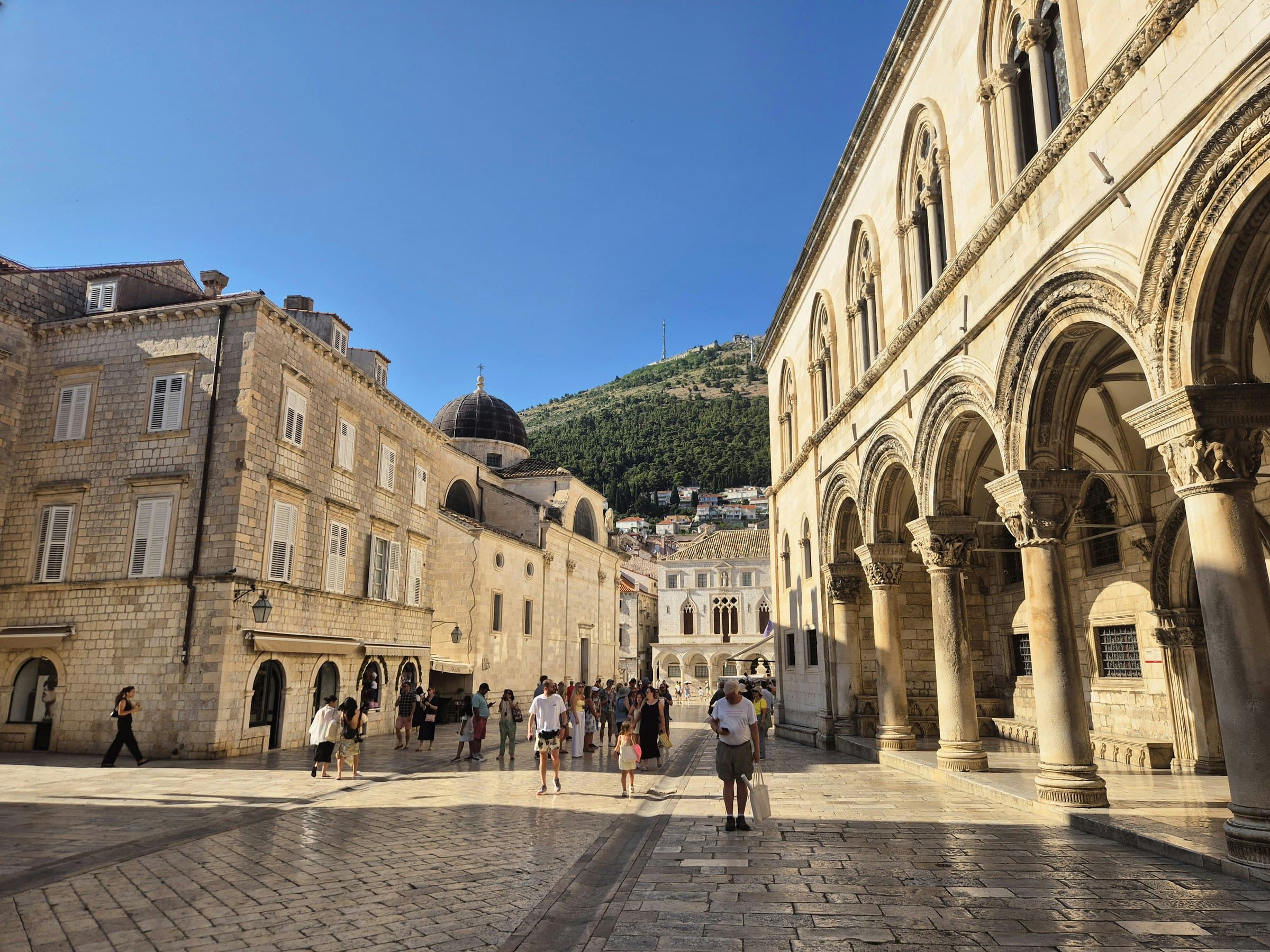
Seat of the Republic's government. Its head of state lived here for one month at a time and could not go home.
- 11
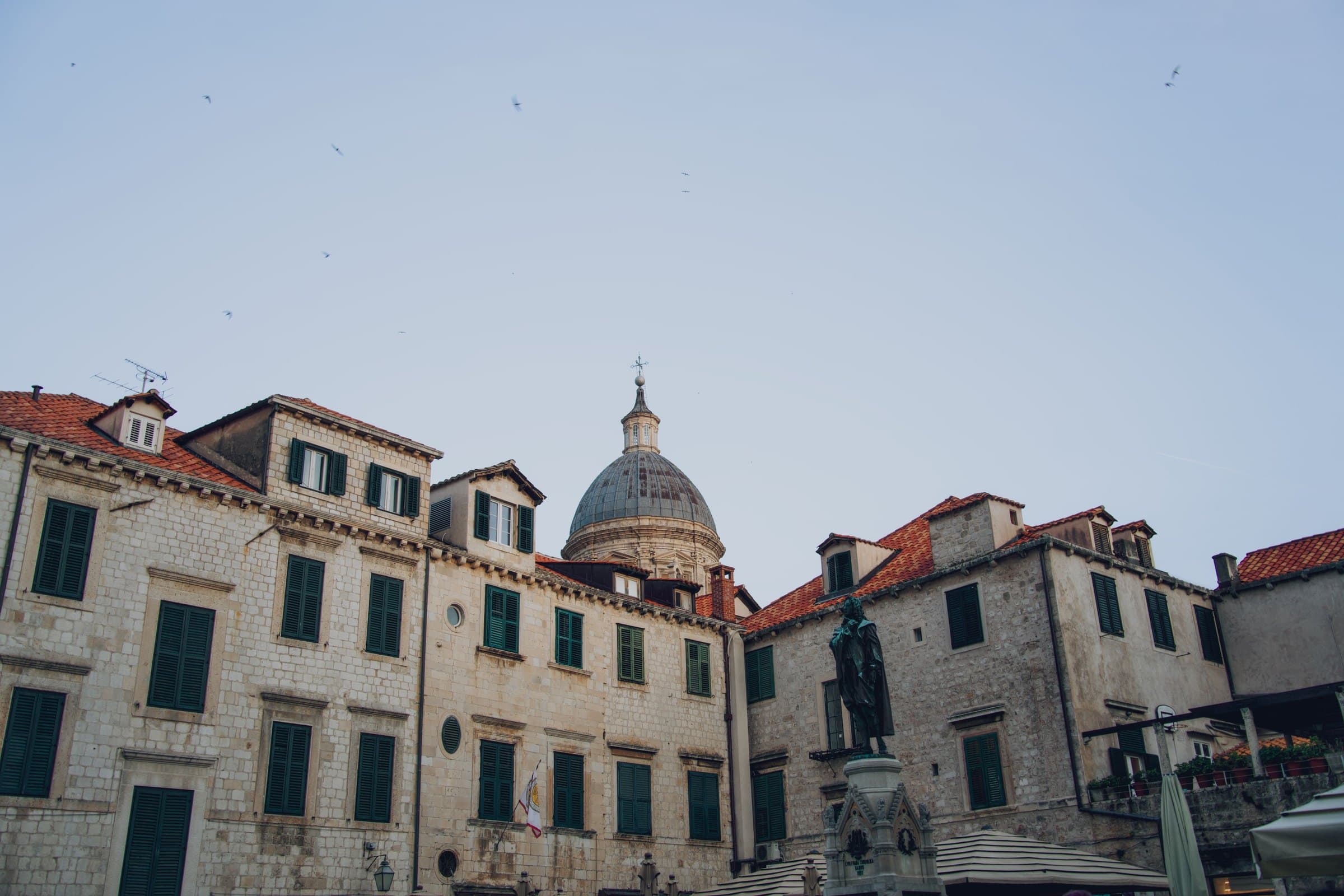
Gundulić Square: The Poet of Liberty
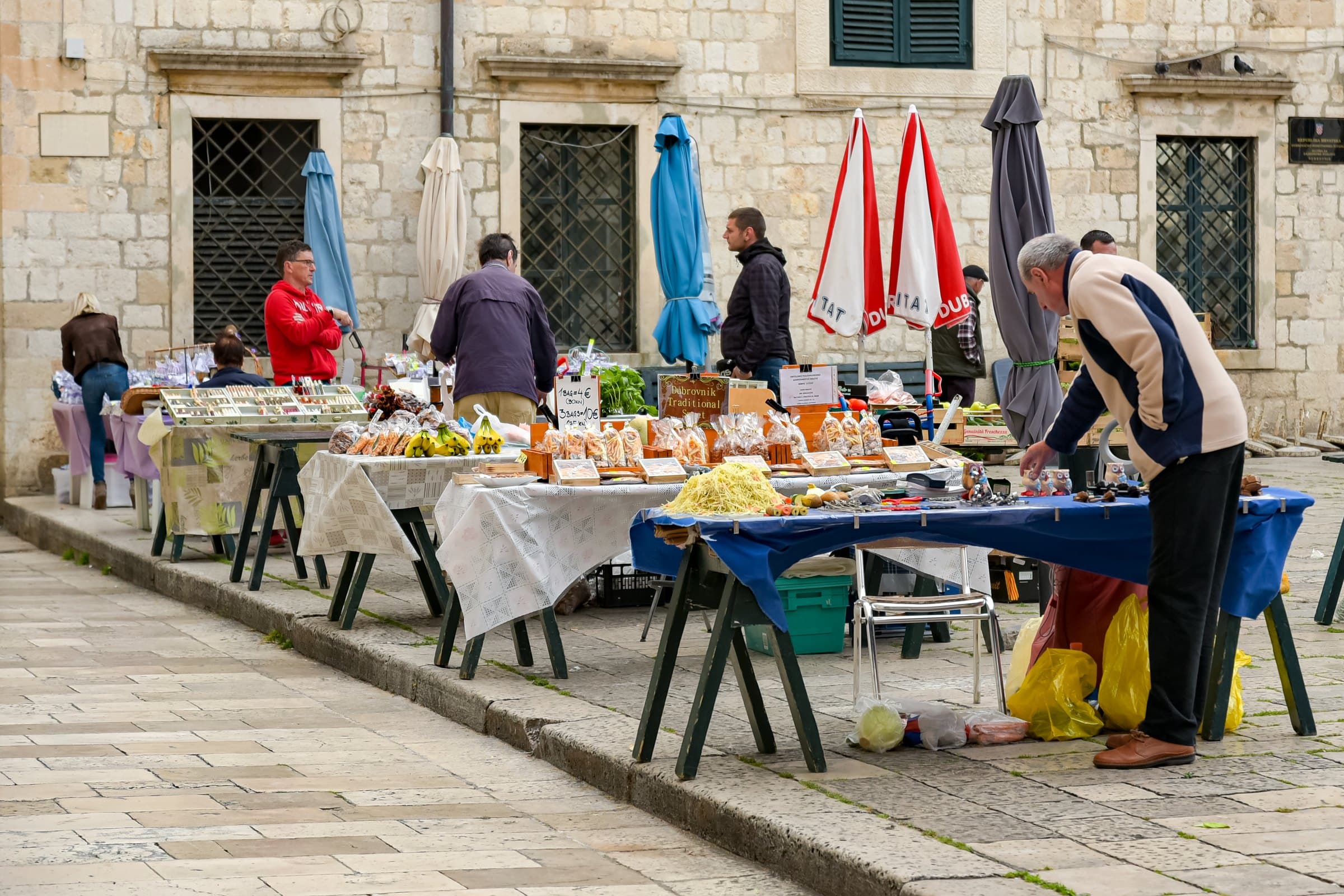
A poet's statue and a market. The square honours Ivan Gundulić, the poet of the Republic, whose hymn to liberty still opens the summer festival.
- 12
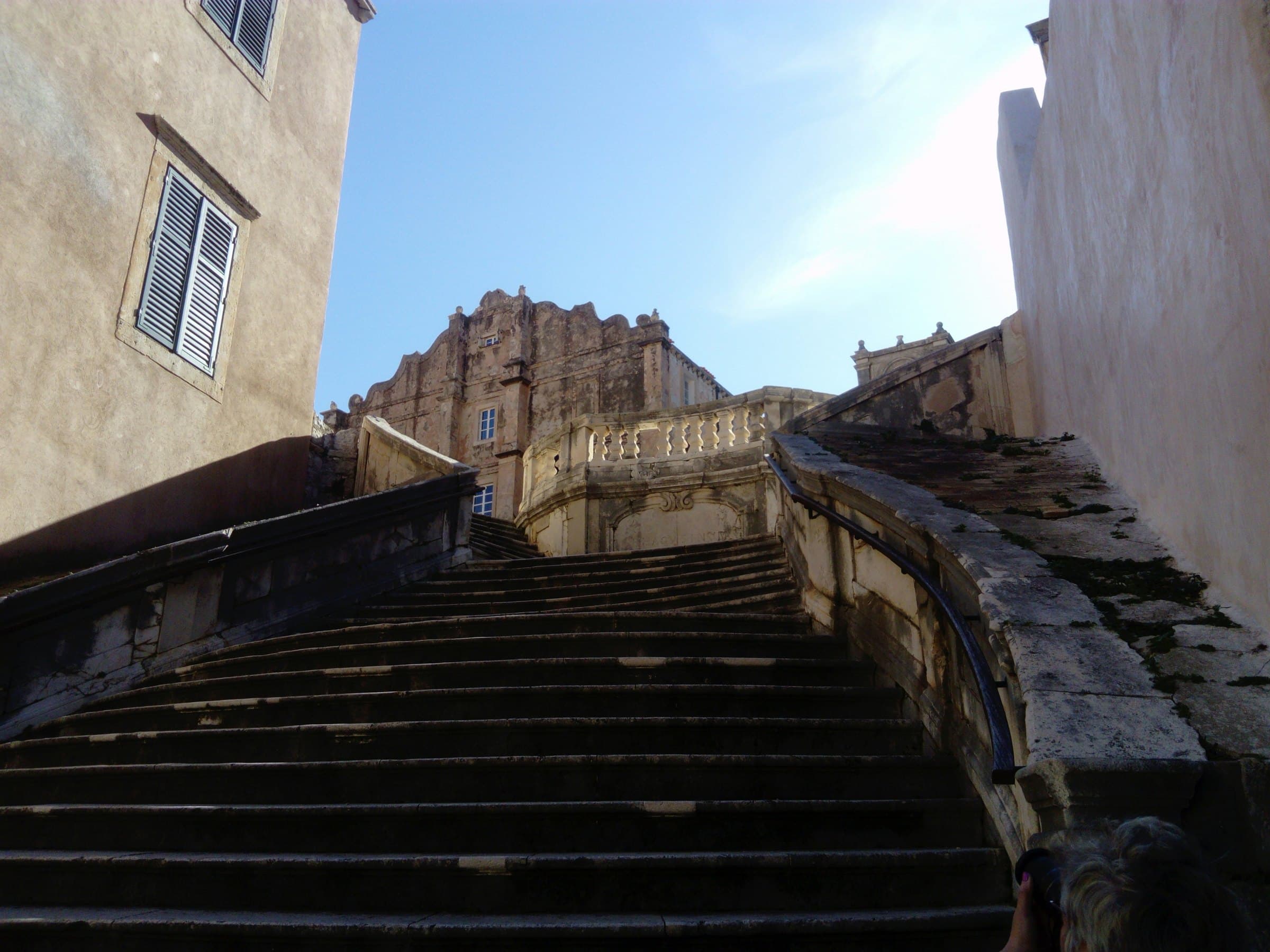
Jesuit Stairs: Saint Ignatius and the View Back
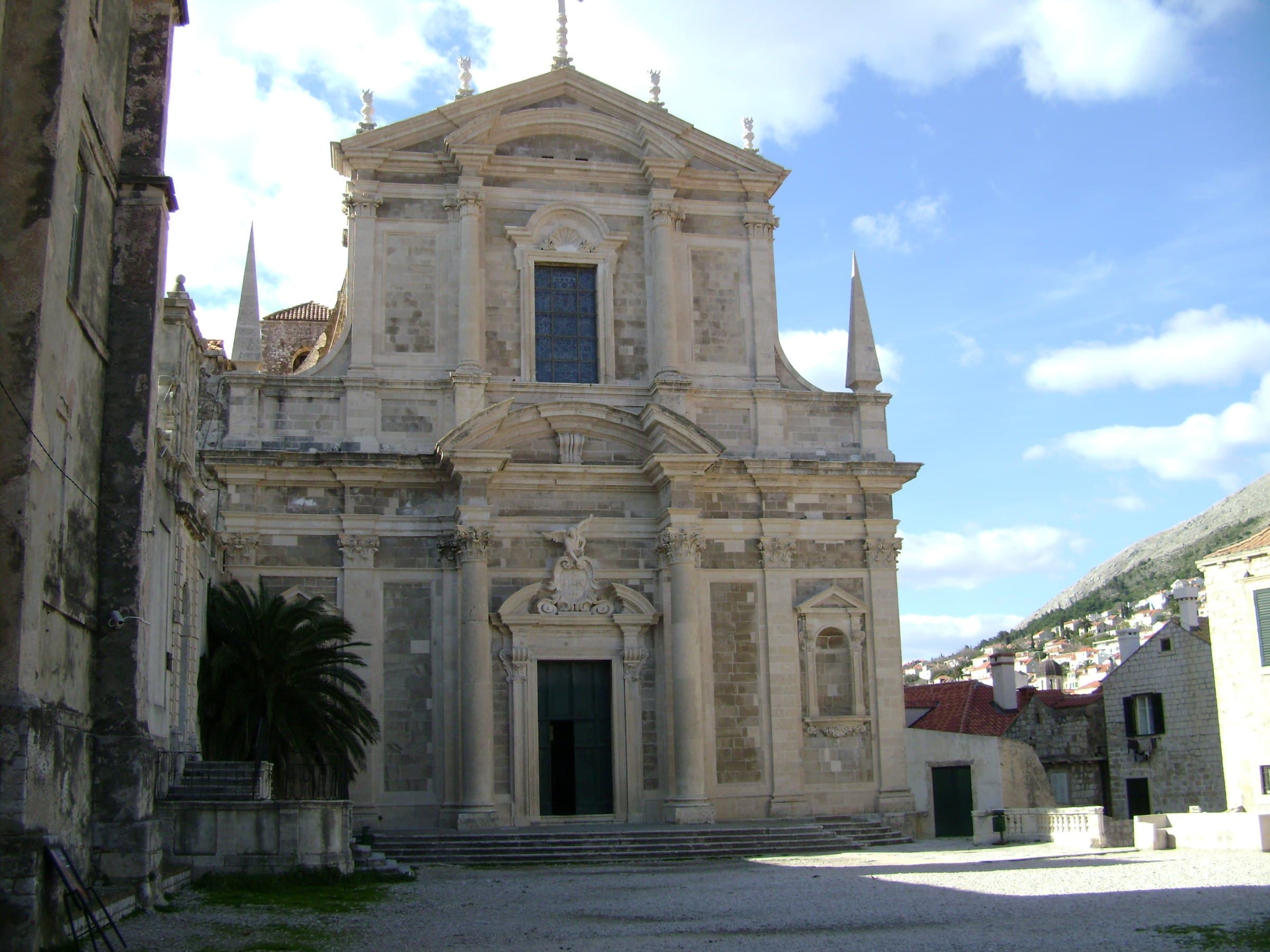
Baroque stairs up to Saint Ignatius. The stairway of 1738 climbs to the Jesuit church and college, and the steps were used for a famous scene in Game of Thrones.
Details
Best Time to Visit
Early morning, before about nine, and the last hours before dusk are the calmest times inside the walls; the Stradun is busiest in the middle of the day in summer. Spring and autumn are gentler than midsummer, when the stone holds the heat. The whole route is outdoors, free and paved, so it works at any hour of daylight, and the market in Gundulić Square is held in the mornings.
Pro Tips
- •Checked 23 September 2026: the Franciscan cloister and Old Pharmacy museum costs 8 euros for adults and opens daily 9:00 to 18:00 in summer and 9:00 to 14:00 in winter, closed on Sundays from November to March.
- •Checked 23 September 2026: the Rector's Palace museum costs 15 euros for adults, open 9:00 to 18:00 daily from April to October; the 20 euro Dubrovnik Museums pass covers ten museums, including the Rector's Palace and the Maritime Museum, for seven days.
- •Checked 23 September 2026: the Maritime Museum in Saint John's fort costs 10 euros for adults and is closed on Wednesdays; card payment only.
- •The main entrance onto the city walls is the stairway beside Saint Saviour, just inside the Pile Gate. A city walls ticket also admits you to Fort Lovrijenac. Our City Walls tour walks the full ring.
- •Boats to the island of Lokrum leave from the Old Port, stop eight.
- •The synagogue in Žudioska, the Dominican cloister and the cathedral treasury are open to visitors with a ticket; hours vary by season, so check at the door.
Safety & Precautions
- •The Stradun and the Old Town lanes are paved in limestone polished smooth by centuries of feet, and they are slippery when wet. Wear shoes with grip.
- •The walk has steps on most legs: stairs between the two Pile gates, the stepped lanes from the Stradun up to Prijeko and on to the Dominican church, a flight down from the church, and nearly fifty steps up the Jesuit Stairs at the end. There is no step-free version of this route.
- •At stop eight the harbour quay has no railing at the water's edge; keep children close, and take care when the stone is wet.
- •City rules in the historic core (the municipal order as amended to 2023): no walking in swimwear or without a shirt, no eating, drinking or misbehaving near cultural monuments. Fines are 260 euros.
- •Saint Blaise's church, the cathedral, the Dominican and Franciscan churches and Saint Ignatius are working churches. Dress modestly, keep quiet inside, and do not wander during Mass.
- •The Stradun and Luža Square are crowded in the middle of the day in high season. Keep bags zipped and in front of you.
- •The Summer Festival uses some squares and the Jesuit Stairs as stages in July and August; on performance evenings parts of the route may be fenced off.
Travel advisory: Exercise Normal Precautions (Level 1).
Gallery
Related Reading
Go deeper on what you'll see, hear, and walk through.
Overview
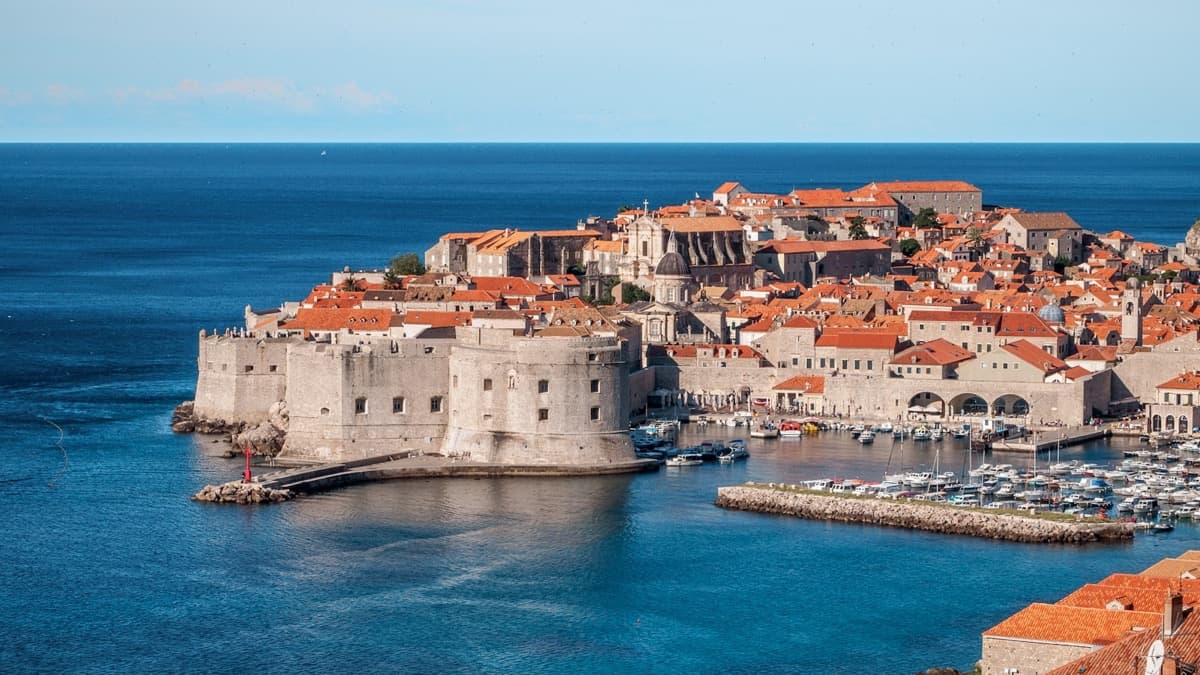
Best Self-Guided Walking Tours in Dubrovnik (2026)
3 min
Overview
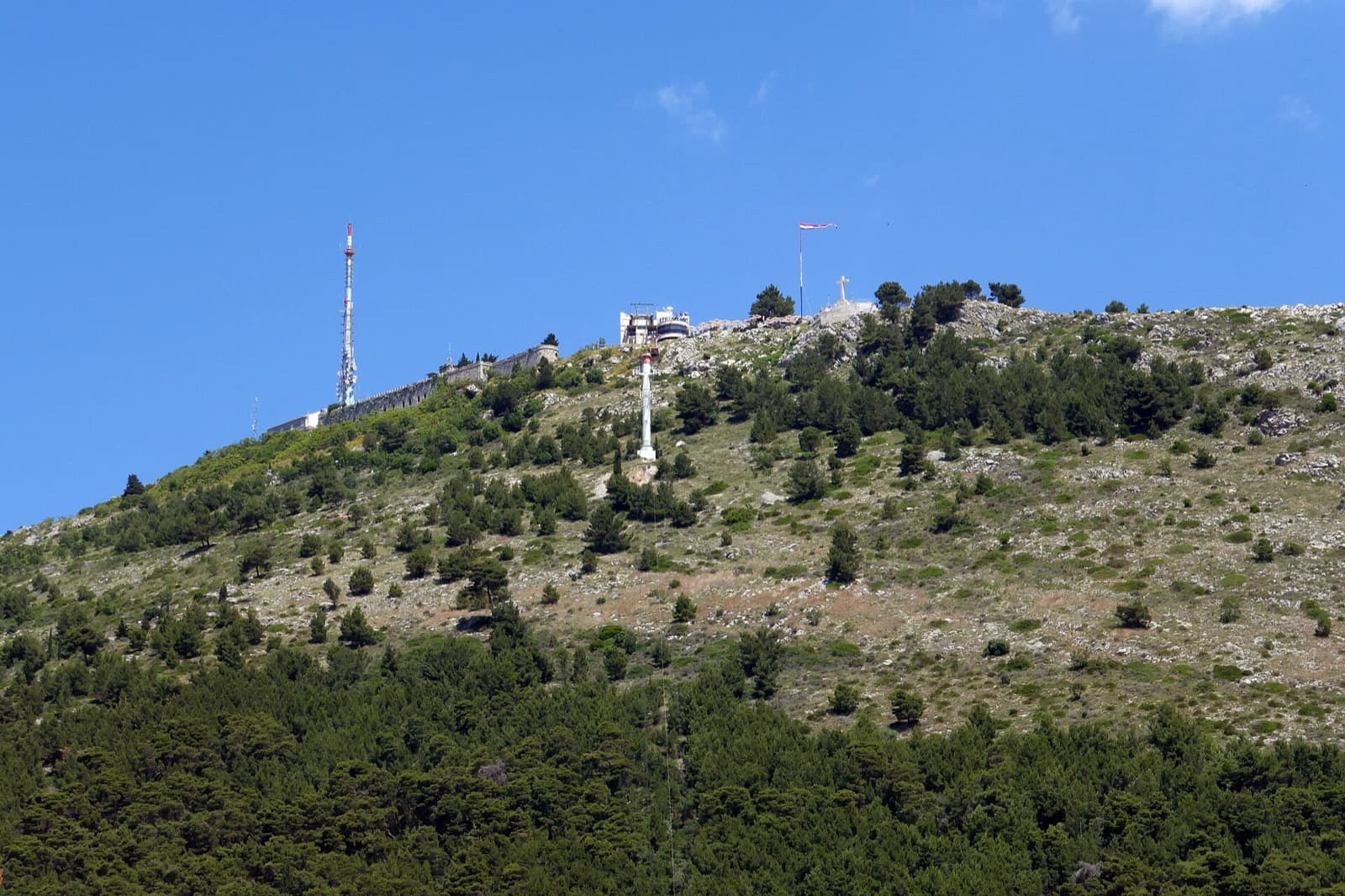
Dubrovnik Travel Guide: Days, Getting Around, Best Time, Safety
6 min
Overview
One Day in Dubrovnik: A Walkable Morning-to-Evening Itinerary
7 min
Thematic
Best History Walking Tours in Dubrovnik (2026)
2 min
Thematic
Dubrovnik: the free city the Republic of Ragusa built
8 min
Companion
The Rector Who Ruled Dubrovnik for One Month
8 min
Deep dive
Bokar and Lovrijenac: The Forts That Guarded Dubrovnik's Freedom
7 min
Deep dive
The Great Onofrio Fountain: Water as an Act of Government
7 min
Read
What to Eat in Dubrovnik: Local Dishes and How to Order Them
6 min
Read the walk
The full story of Old Town: Inside Dubrovnik's Walls, in words. Prefer to listen? Play it narrated, from home or on location.
Introduction
This is Dubrovnik, on the southern coast of Croatia, and this walk stays inside its walls: in through the Pile Gate, down the Stradun, through the squares where a small republic ran its own affairs, out to the old harbour and up the Jesuit Stairs. Twelve stops, about one kilometre, around an hour and a quarter at an easy pace, and every stop is free to see from the street. For four and a half centuries, from thirteen fifty-eight until Napoleon's French abolished it in eighteen oh eight, this city was the Republic of Ragusa, and it governed itself. It kept that freedom less by fighting than by paying, trading and talking. It sent tribute to the Ottoman sultan, kept consuls in more than sixty ports, stayed out of other people's wars, and spent heavily on walls and forts in case talking failed. Its rector served for one month at a time. One of its flags carried a single word, Libertas. Along the way you will meet the engineers who brought the water in, a knight whose forearm was the city's measure, a poet who wrote a hymn to freedom, and the earthquake of sixteen sixty-seven that brought most of these houses down. No group, no fixed start, nobody waiting on you: linger, step inside wherever a door is open, skip whatever you like. When you arrive at the Brsalje terrace, just outside the Pile Gate, begin with stop one.
1. Brsalje Terrace: The Forts Guarding the West
Welcome to Dubrovnik. You are on the Brsalje terrace, just outside the city's western gate, and the view across the little bay is the best introduction to this place. On the rock opposite, thirty-seven metres high, stands Fort Lovrijenac, named after Saint Lawrence, whose church once stood up there. It is first recorded in thirteen oh one, and tradition takes it back further still. Over its gate, at the top of the stairway, too high to read from here, is carved a line of Latin: Non bene pro toto libertas venditur auro. Freedom is not sold for all the gold in the world. Keep that line in mind. This city did pay a great deal of gold to stay free, as you will hear. It just never sold the freedom itself. In fourteen sixty-four the fort's western and northern walls were doubled in thickness, to as much as twelve metres in places. And like every fortress of the Republic, it had a noble commander appointed for just one month at a time, the same short term the Republic gave its own head of state. Now find the rounded fort built out on the corner of the city wall, down at the water's edge, to the left of Lovrijenac as you face it. That is Bokar. Work on it began in fourteen sixty-one, to a design by the Florentine architect Michelozzo, and then dragged on for a century; it reached its present shape only in fifteen seventy. It guards the sea approach to these western walls and to the gate beside you. It was once called the tower of Brsalje, after a shooting range that lay across the moat, and this terrace still carries the name. Lovrijenac has had later lives. In nineteen oh seven, after the Austrian garrison left, it was leased out to become a hotel. The people of Dubrovnik protested, and the next year it was handed to a local society instead. Today it is a summer stage, best known for Hamlet, and on television it played the Red Keep in Game of Thrones. When you are ready, walk back along the terrace past the café to the stone bridge, and cross it into the outer gate. Go down the stairs between the two gates, through the inner gate, and stop as soon as the long, polished main street opens out in front of you.
2. Pile Gate: The Great Onofrio Fountain
You have come in through the Pile Gate, the oldest entrance to the city. Over the inner gate stands Saint Blaise, the city's patron, by the Croatian sculptor Ivan Meštrović, from the nineteen twenties; an older Saint Blaise watches from a niche over the outer gate. These gates were guarded day and night, and every evening the keys went to the rector. On your right is the big round fountain with the open dome, the Great Onofrio Fountain. In June fourteen thirty-six the city signed a contract with two masters, Onofrio della Cava, from the Kingdom of Naples, and Andreuzo de Bulbito, to bring water here from springs about twelve kilometres away. In the spring of fourteen thirty-seven plague stopped the work and drove the government out of the city until October. Within about a month of coming back, it signed the contract for this fountain's foundations. The fountain was finished in the early fourteen forties, and water still runs from the carved heads around its sixteen sides. What you see is only the lower part of the original. It once rose to a tall domed crown, with a column and a jet of water on top and carved animals around it. The earthquake of sixteen sixty-seven damaged that crown, and it was never rebuilt as it was. One of the animals, a stone dog, still survives in the walls society's collection of old stones. On your left, the little church with the curved, three-lobed top is Saint Saviour. After an earthquake in May fifteen twenty killed twenty people, the Senate vowed to build it, and it was finished in fifteen twenty-eight. When the great earthquake came a century and a half later, it hardly suffered. The stairway beside it is the main way up onto the city walls. In December nineteen ninety-one, during the siege of the city, shells hit the bridge you have just crossed and damaged this fountain. You will hear more about that siege as you go. Now walk on along the main street, and stop a little way on, beside the long wall of the church on your left, opposite its carved doorway.
3. Franciscan Monastery: The Old Pharmacy
On your left runs the long south wall of the Franciscan church, and in it a carved doorway from fourteen ninety-eight, the work of the Petrović brothers. In the pointed gable at the top sits a Pietà, Mary holding her dead son, with Saint Jerome and Saint John the Baptist at the sides and God the Father above. The friars first lived outside the walls, near the gate you came through. In thirteen seventeen, when war was declared against the Serbian king, the city pulled their monastery down, and they moved in here. In the middle of the fourteenth century they built a cloister, largely the work of a master from the town of Bar, with pairs of slender columns whose capitals are carved with dragons, beasts and human heads. It is inside, with a ticket. So is the pharmacy. The friars date it to thirteen seventeen, the year they moved in here, because its early records were lost. They describe it as one of the oldest in Europe, and probably the oldest to have kept working without a break. And it still works: just inside the monastery entrance a pharmacy serves customers, while the old one is kept as a museum room in the cloister. Why were the records lost? On the morning of the sixth of April sixteen sixty-seven, the Wednesday before Easter, the great earthquake struck. This building stood. Then fire spread from the houses next door, and took the church, a wing of the monastery and the library. The librarian, Brother Vital, wrote afterwards that he could not remember the library without tears in his eyes. The bell tower lost its top, and the round cupola you can see replaced its old spire. In the siege of nineteen ninety-one and ninety-two, the monastery took thirty-seven direct hits, the most of any church or monastery on the city's damage list. Through the siege the friars handed out water and food here, and gave rooms to a clinic. Walk on along the main street, and stop about halfway along it, where narrow stepped lanes climb away on both sides.
4. Stradun: The Main Street Rebuilt After 1667
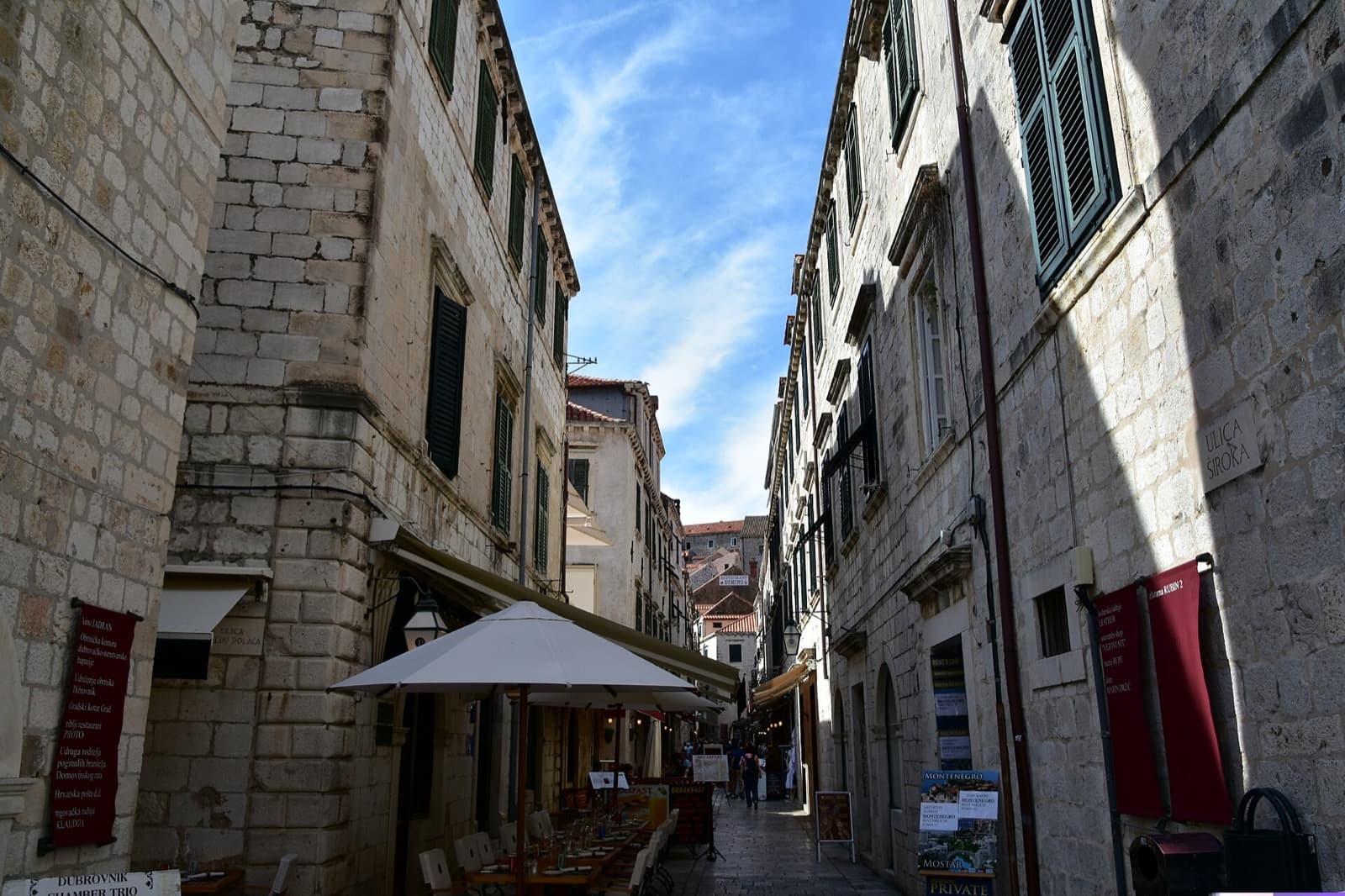
This is the Placa, better known as the Stradun, the main street of old Dubrovnik: two hundred and ninety-eight metres from gate to gate, from the Pile Gate behind you to the far gate beyond the bell tower. Well over a thousand years ago you would have been standing in the sea. A shallow arm of water divided the first settlement, on its rock, from the mainland, and it was filled in to make one town. Notice how the side lanes meet the street at right angles, climbing steeply on both sides. That is planning. A city statute of twelve seventy-two fixed the town plan, and after a great fire in twelve ninety-six new rules made every cross street meet the Placa square on. The houses are later. Until sixteen sixty-seven the Stradun had arcades along its north side and fine palaces in Gothic and Renaissance style. The earthquake and the fire that followed destroyed most of them, and the street you see was rebuilt in the decades after, in one plain pattern, house after matching house. Look at the ground floors: each shop has its door and its window under a single arch. How many died in that earthquake is still argued over. The Croatian Encyclopedia gives about twelve hundred. A modern estimate puts it at about two thousand inside the walls, perhaps half of everyone then living here. The archbishop, writing from a boat full of refugees three days later, claimed fourteen thousand. A report that reached Italy said the sea drew back from the harbour at the moment of the shock. Three centuries later the street was hit again. In the siege of nineteen ninety-one and ninety-two, the Stradun took forty-five direct hits. On the sixth of December nineteen ninety-one, a young photographer, Pavo Urban, was killed in the city while he recorded the shelling. He was twenty-three. One of his photographs is called The Death of the Stradun. Carry on toward the bell tower, about a hundred metres, and read the names on the corners of the lanes to your left. After Boškovićeva comes Žudioska, Jewish Street: turn up it and climb a few steps. If you reach the lane named Kovačka, you have gone one lane too far.
5. Žudioska: The Jewish Street and Synagogue
This steep lane is Žudioska, Jewish Street. In fifteen forty-six the Republic allowed Jews to live inside the walls, here, and the lane became the ghetto. It was not simple kindness. Some thirty years earlier the city had ordered Jews expelled, and in fifteen oh two a Jewish…
Full narration for this stop unlocks with the tour.
6. Dominican Monastery: The Church Inside the Walls
Ahead of you is the church of the Dominican monastery, which the friars call the oldest monastery still in existence in Dubrovnik. It began almost by accident. Around twelve twenty-five, friars on their way to Palestine stopped here, preached, and were asked to stay. In twelve…
Full narration for this stop unlocks with the tour.
7. Luža Square: Orlando, Sponza and the Bell Tower
This is Luža Square, the working heart of the Republic, and nearly everything around you was about trade, law and time. The knight on the column beside you is Orlando, the Roland of the old legends, set up in fourteen eighteen and carved by Bonino of Milan. Proclamations and…
Full narration for this stop unlocks with the tour.
8. Old Port: The Harbour That Paid for It All
This is the old harbour, and it paid for almost everything you have seen. In the sixteenth century the Republic's merchant fleet counted between a hundred and seventy and two hundred large ships and some four thousand seamen, sailing as far as England and Flanders, Syria and…
Full narration for this stop unlocks with the tour.
9. Cathedral of the Assumption: Titian and the Treasury
Face the steps of the big domed church: this is the Cathedral of the Assumption, and its main door looks north, toward the Rector's Palace. It is at least the fourth church on this spot. Beneath it, digging after an earthquake in nineteen seventy-nine found the remains of a…
Full narration for this stop unlocks with the tour.
10. Rector's Palace: A Ruler for One Month
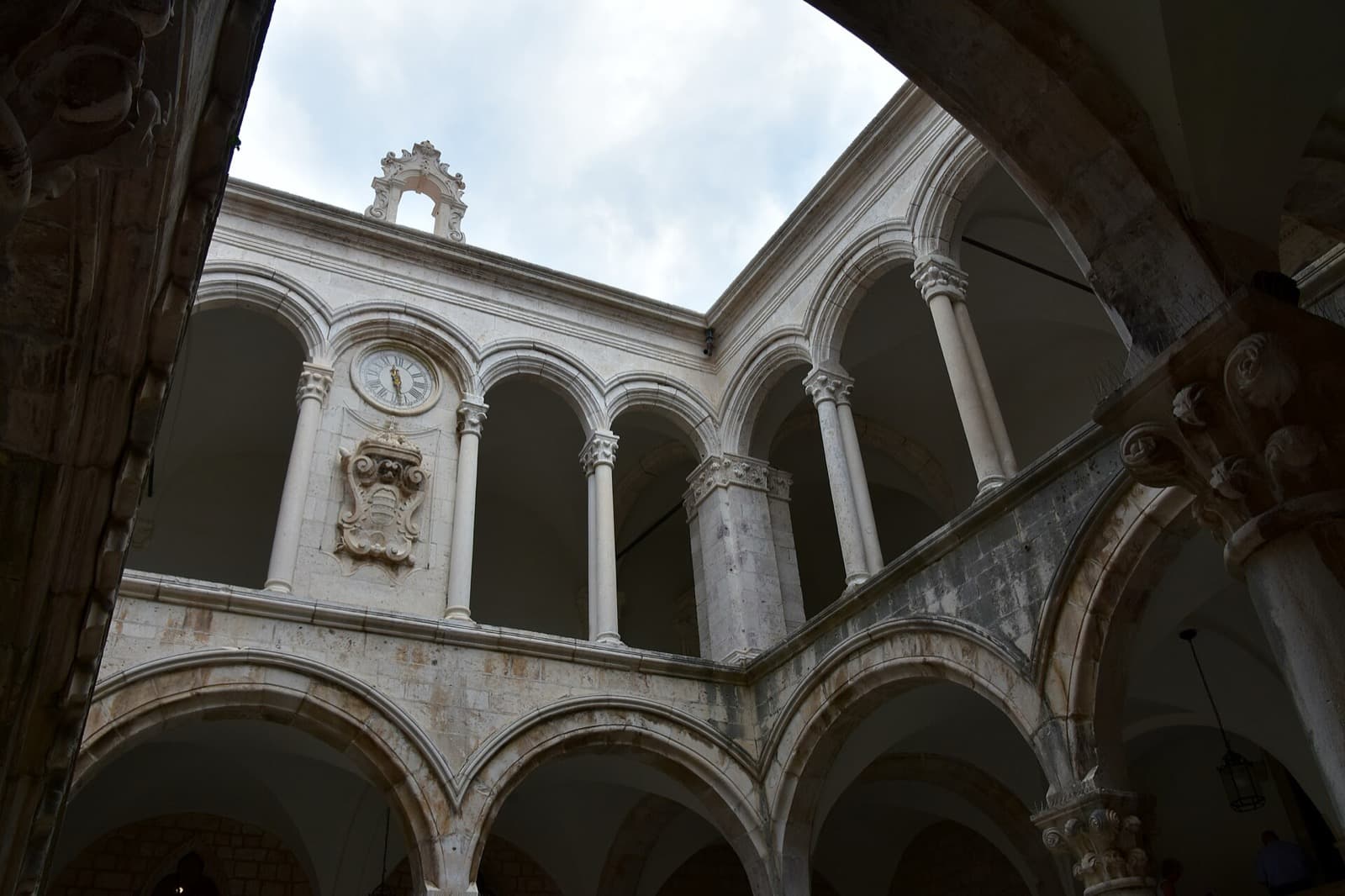
On your right is the Rector's Palace, the seat of the Republic's government, and the home, one month at a time, of its head of state. From thirteen fifty-eight until the end of the Republic, the rector served for a single month, and could not be elected again for two years. He…
Full narration for this stop unlocks with the tour.
11. Gundulić Square: The Poet of Liberty
The bronze figure on the tall base is Ivan Gundulić, the great poet of the Republic, born here in fifteen eighty-nine and dead here at forty-nine, in sixteen thirty-eight. He sat in the Senate, and a few months before he died he was elected to the small council that ran the city…
Full narration for this stop unlocks with the tour.
12. Jesuit Stairs: Saint Ignatius and the View Back
You have climbed the Jesuit Stairs, and the Baroque church front looking out over this square is Saint Ignatius. The stairway was built in seventeen thirty-eight, and a historian working in the city's archives credits it to Pietro Passalacqua, an architect from Rome who was in…
Full narration for this stop unlocks with the tour.
- Cathedral dome and rooftops with Lokrum at sunset — Diego F. Parra, Pexels License · source
- Fort Bokar and Fort Lovrijenac from the water — Andy Watkins, Unsplash License · source
- Fort Lovrijenac on its rock — Hert Niks, Pexels License · source
- Onofrio's Fountain and Saint Saviour — Shawabunga, CC BY-SA 4.0 · source
- Onofrio's Fountain near the Pile Gate — Neoneo13, Public domain · source
- Pieta over the Franciscan doorway — Peter Clarke, CC BY-SA 3.0 · source
- Franciscan bell tower over the Stradun — Jose D´Alessandro, Pexels License · source
- The Stradun at dusk — Kevin Reber, Pexels License · source
- The Stradun by day — Alan Wang, Pexels License · source
- Zudioska, Jewish Street — JoJan, CC BY 3.0 · source
- Dubrovnik synagogue from the outside — Alaexis, CC BY-SA 4.0 · source
- Dominican bell tower through an arch — Irina Grigore, Pexels License · source
- Dominican bell tower over the roofs — Marian Florinel Condruz, Pexels License · source
- Sponza Palace — László Szalai (Beyond silence), Public domain · source
- The city bell tower — Nikola Kojević, Pexels License · source
- Saint Blaise's church and Orlando's Column — Richard Mortel from Riyadh, Saudi Arabia, CC BY 2.0 · source
- The Old Port — Jürgen Knappitsch, Pexels License · source
- The harbour and the arsenal arches — Malcolm Ketteridge, Unsplash License · source
- Cathedral of the Assumption — Dawid Tkocz, Pexels License · source
- The cathedral from the square — Zitumassin, Public domain · source
- Rector's Palace portico — Neoneo13, Public domain · source
- Rector's Palace arcade and square — Jesper van der Pol, Unsplash License · source
- Gundulic Square with the cathedral dome — Dawid Tkocz, Pexels License · source
- The morning market — Jorge Franganillo, CC BY 2.0 · source
- The Jesuit Stairs — Malcolm Ketteridge, Unsplash License · source
- Church of Saint Ignatius — Lasta, Public domain · source
Images may be cropped or resized. Other photos via Unsplash and Pexels.