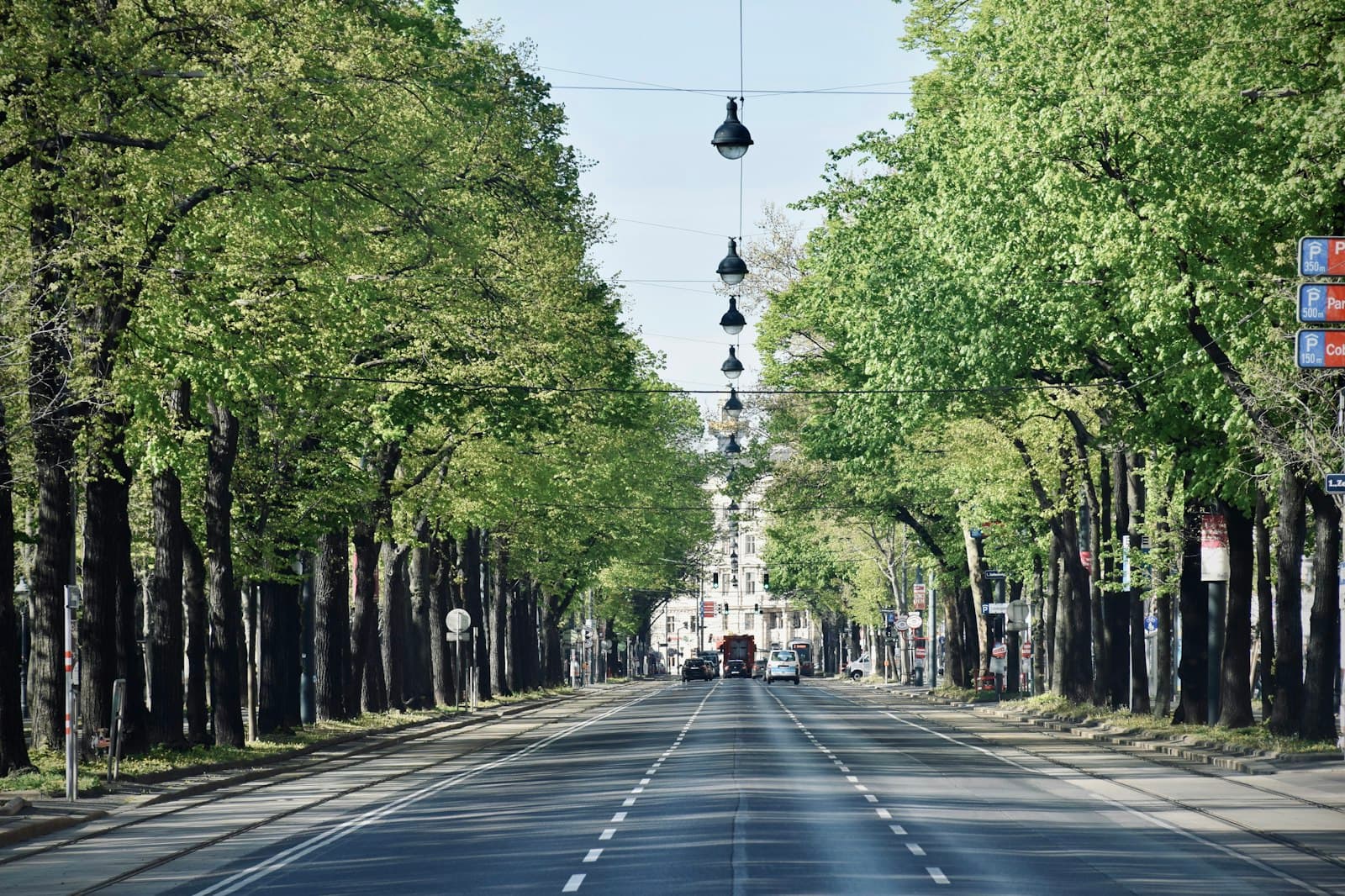
Vienna's grand ring boulevard replaced the medieval city walls with a parade of monumental buildings, each dressed in a different historical style. Walk the Ring and you read a nineteenth-century city arguing, in stone, about what it wanted to be.
Start · The Vienna State Opera: The First Building on the Ring
DirectionsStops
- 1
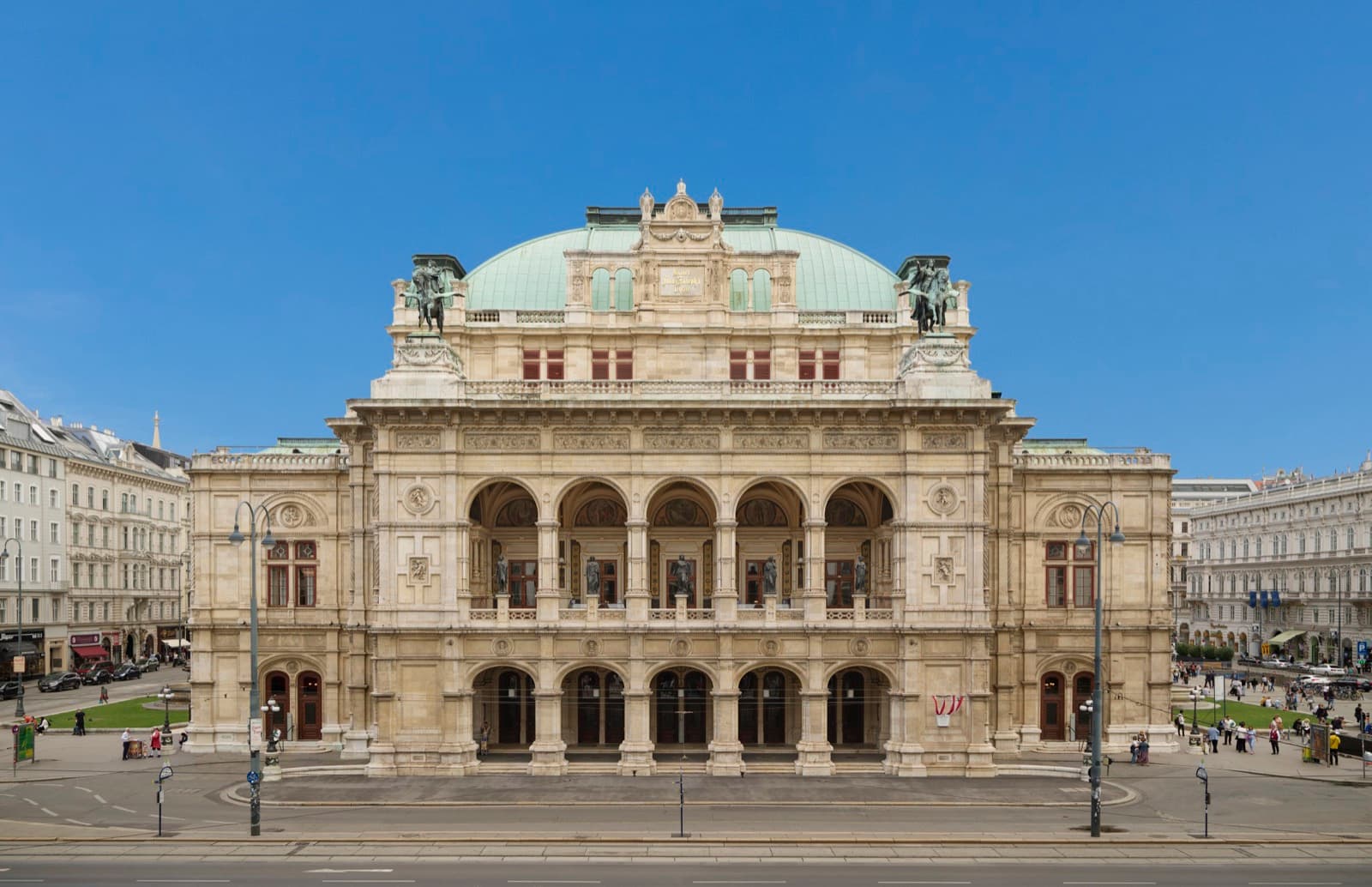
The Vienna State Opera: The First Building on the Ring
The Vienna State Opera was the first great building completed on the Ringstrasse, a lavish opera house that opened to public mockery before becoming a beloved symbol of the city.
- 2
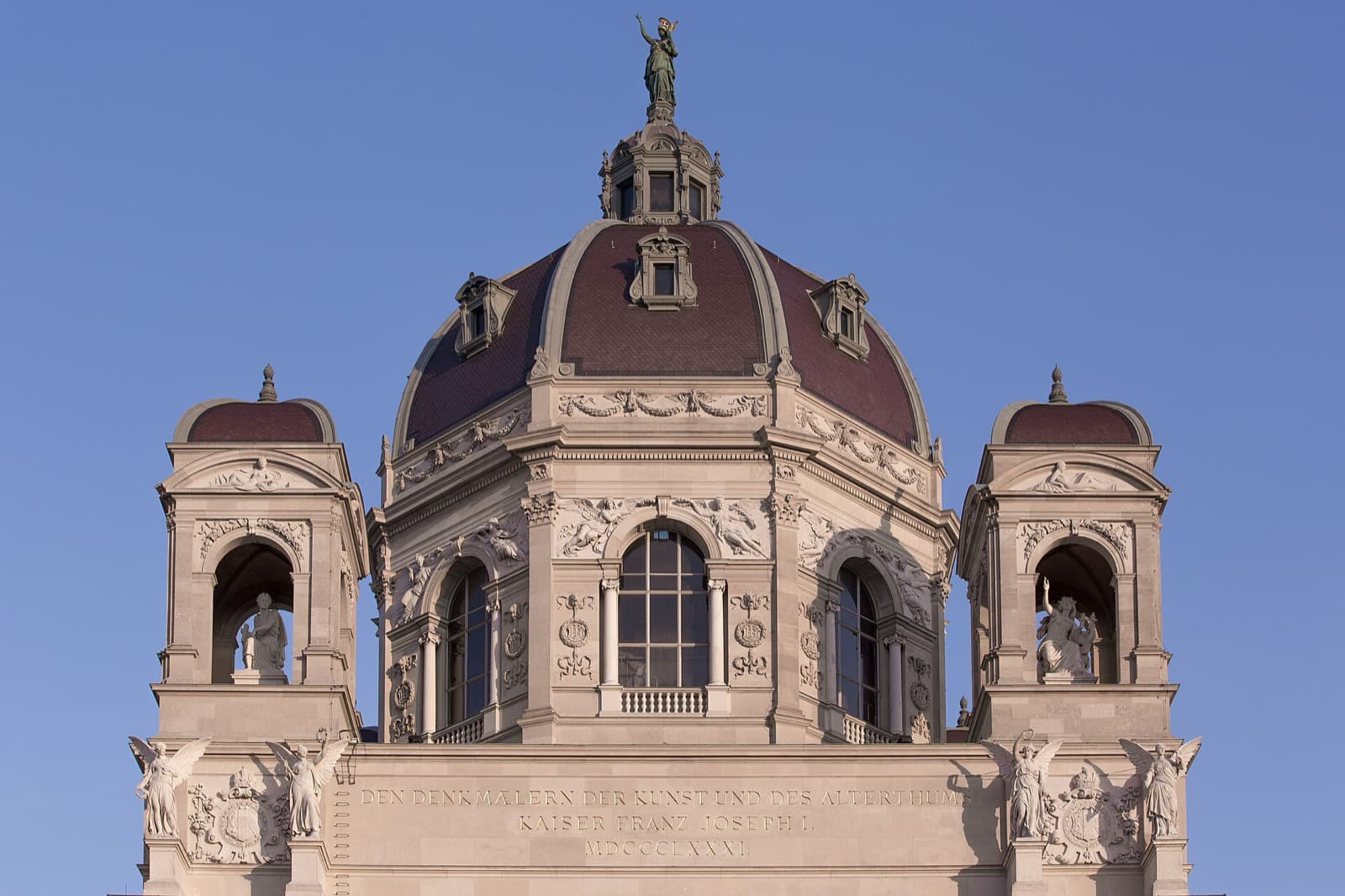
Maria-Theresien-Platz: The Twin Imperial Museums
A grand square framed by two near-identical Renaissance Revival museums, built to make the imperial Habsburg collections of art and nature public.
- 3
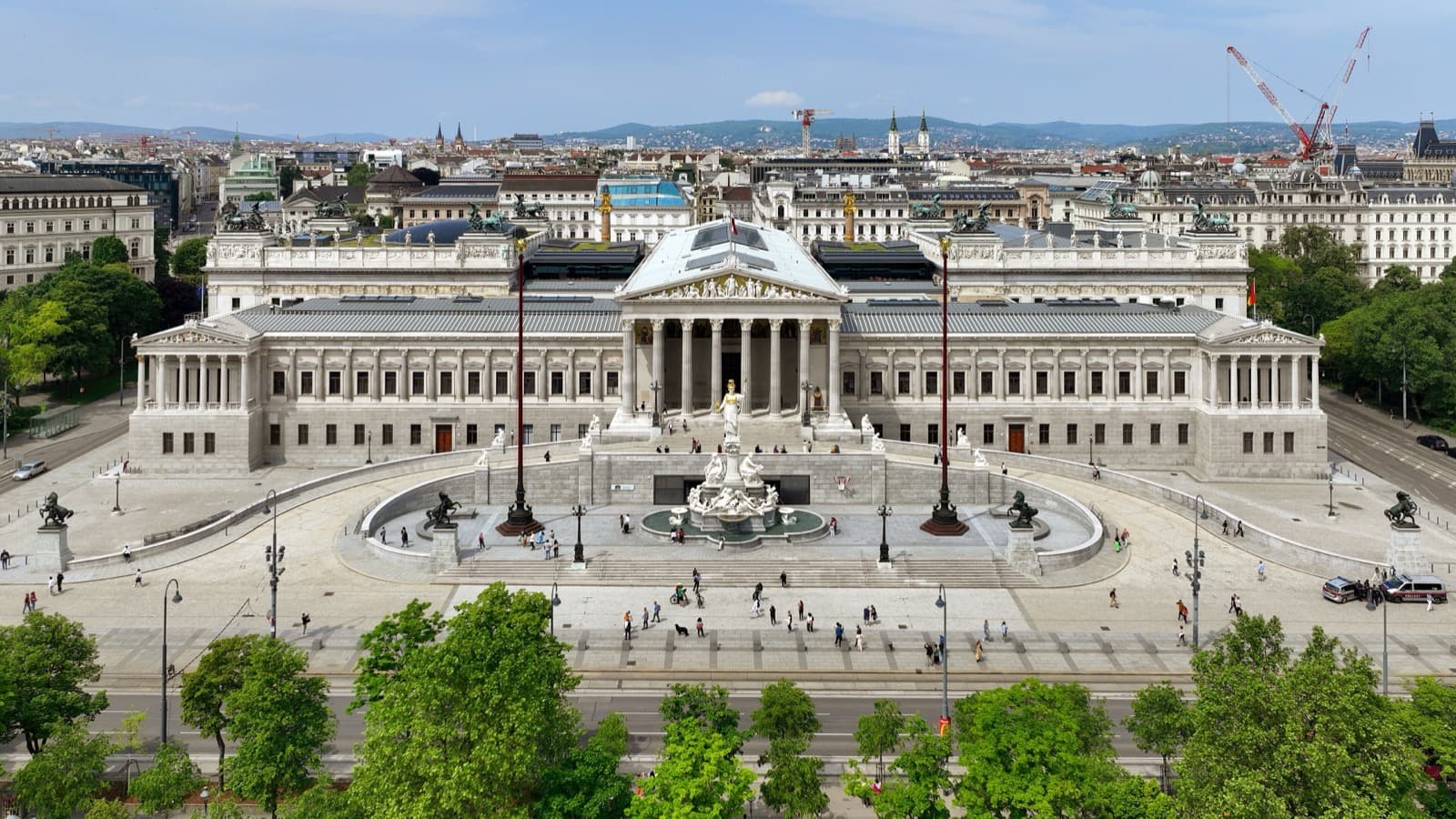
The Austrian Parliament: A Greek Temple for Debate
A strict Greek Revival temple built to house the empire's legislature, deliberately dressed in the architecture of ancient Athens as the cradle of democracy.
- 4
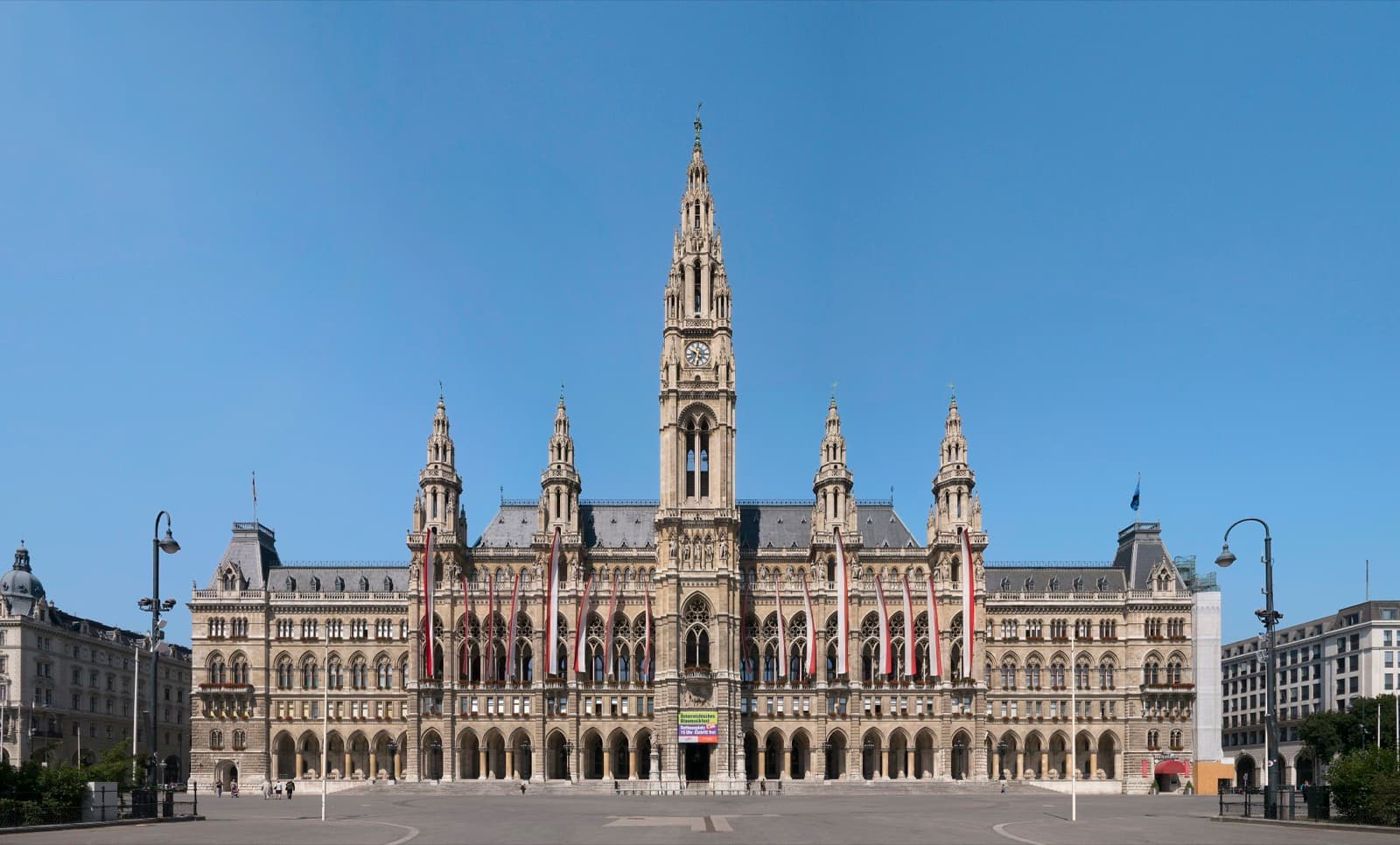
The City Hall: Gothic as Civic Pride
A soaring neo-Gothic city hall whose iron standard-bearer, the Rathausmann, crowns a tower deliberately built to gain height through cleverness rather than defiance.
- 5
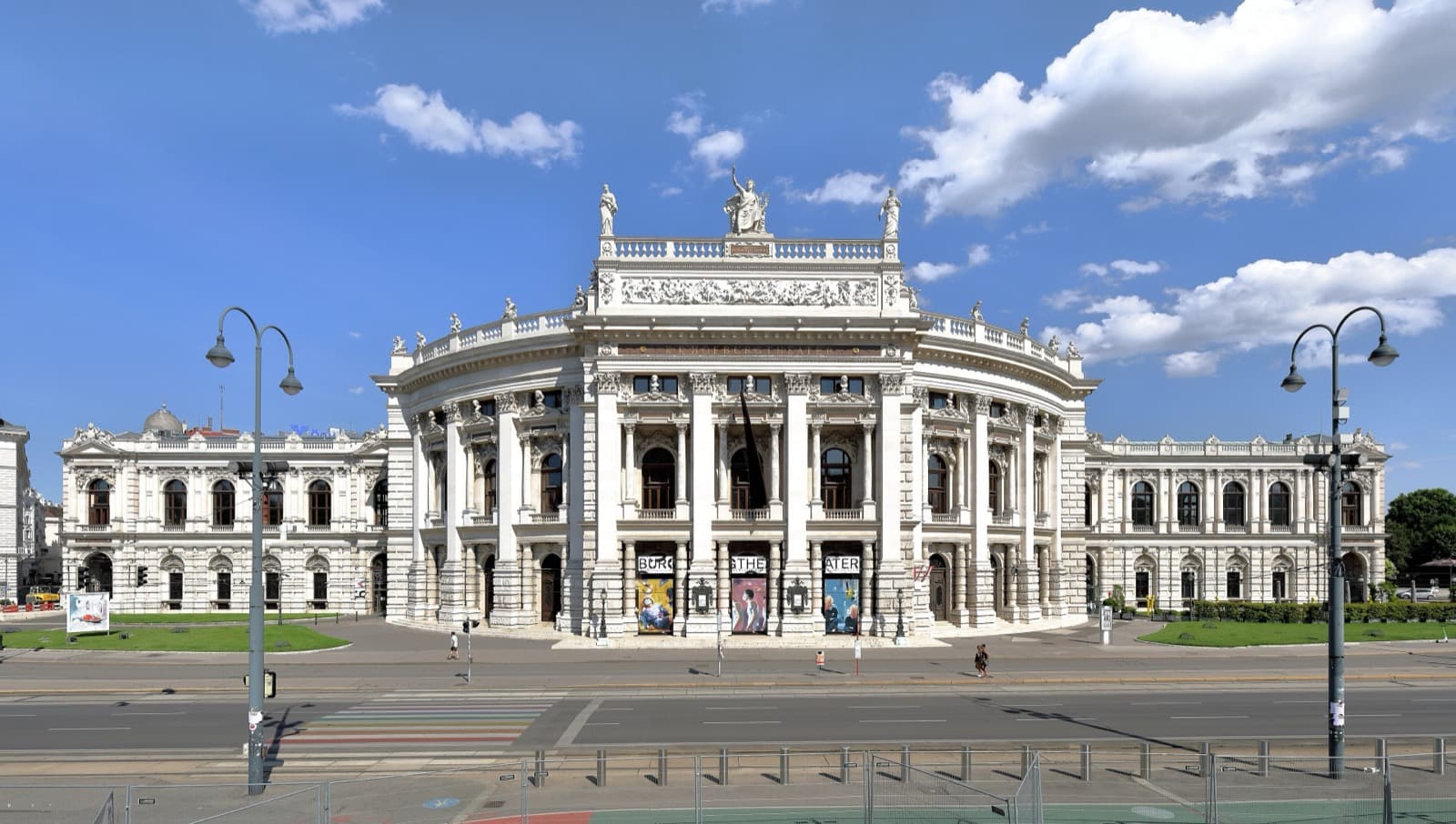
The Burgtheater: Baroque for the National Stage
Austria's national theatre, dressed in rich neo-Baroque and carrying early ceiling frescoes by the young Gustav Klimt on its ceremonial staircases.
- 6
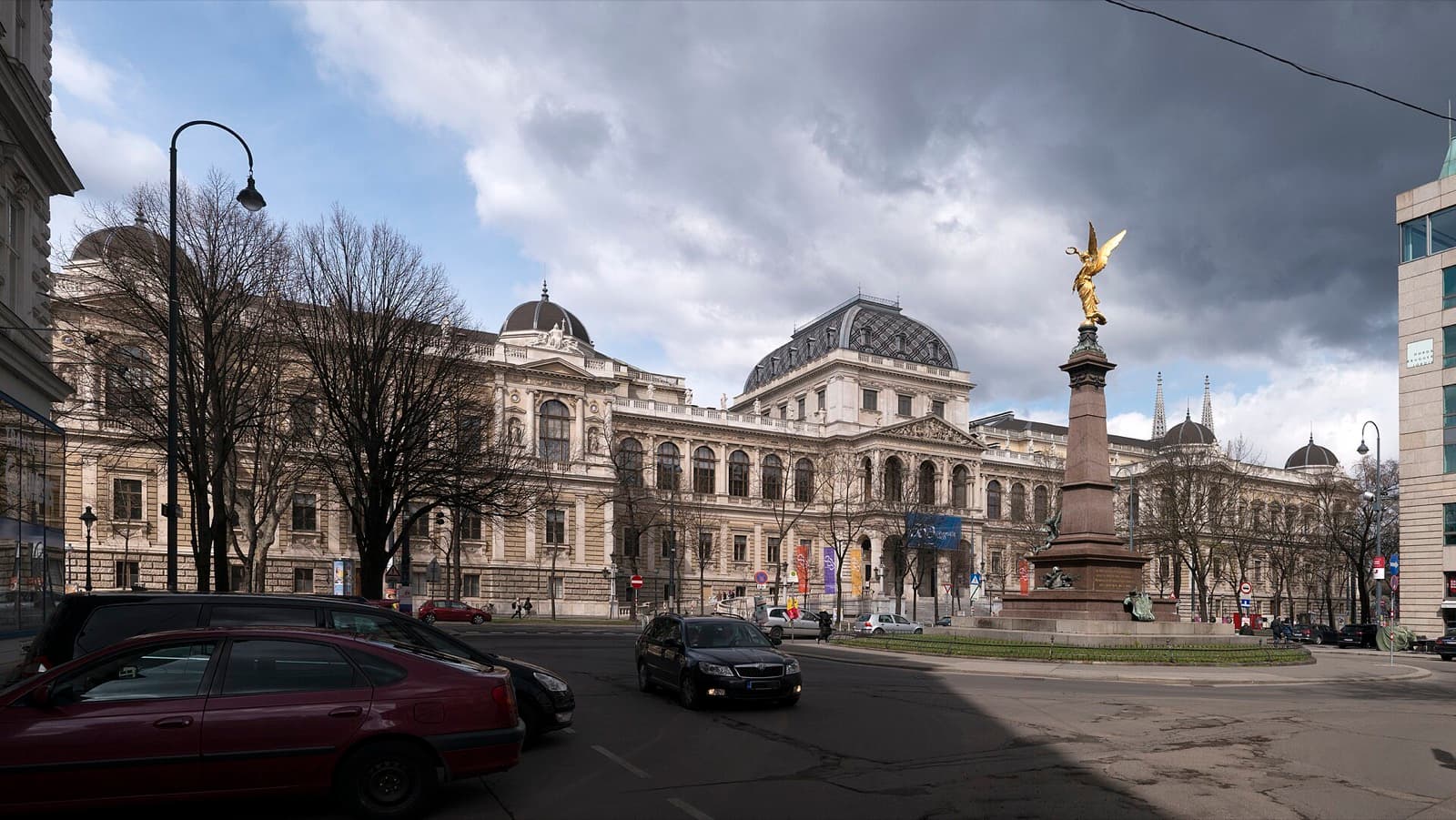
The University of Vienna: Renaissance for Learning
The main building of the oldest university in the German-speaking world, dressed in Italian Renaissance to link learning to the humanist rebirth of knowledge.
- 7
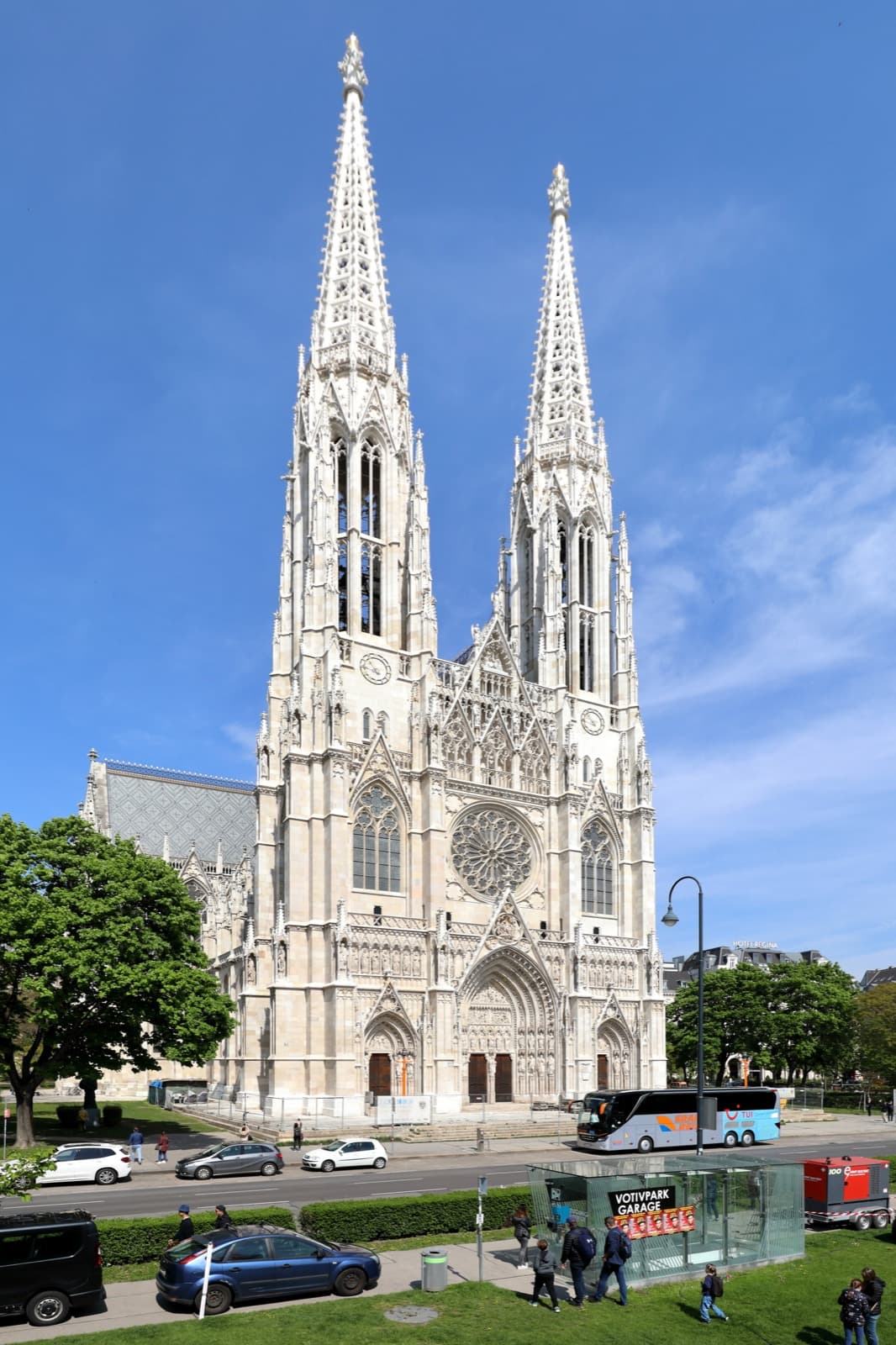
The Votivkirche: The Northern Gate in Gothic
A slender twin-spired neo-Gothic church built as a votive offering of thanks after a young emperor survived an assassination attempt, closing the northern reach of the Ring.
Details
Best Time to Visit
Late morning through late afternoon on a clear day, when the pale stone facades catch the light and the wide boulevard feels open rather than crowded. The Ring is beautiful year round, but spring and early autumn give you comfortable walking weather and long daylight; summer brings strong sun with little shade along the open stretches. Evenings add their own magic when the opera house, the City Hall, and the Parliament are lit, though interiors close earlier. Weekday mornings are quietest at the museums and the Parliament visitor centre.
Pro Tips
- •Go at your own pace and treat the stops as skippable. The Ring is a curving boulevard, so you can start where you like, pause at a bench, and pick up the thread whenever you want.
- •Read the buildings as costumes. Before you reach each stop, guess the style, a Greek temple, a Gothic hall, a Renaissance palace, then let the narration confirm what argument the architect was making.
- •The exteriors carry the whole story and are free. Interiors like the opera, the museums, and the Parliament chambers are ticketed and can sell out, so book ahead only for the ones you truly want to enter.
- •Cross with care and use the marked crossings. The Ring carries trams, cyclists, and cars, and the grand views tempt you to stop mid-pavement.
- •Bring water and sun cover in summer. The open boulevard and the wide squares in front of the City Hall and Parliament give little shade.
- •Pair the walk with a Viennese coffee house afterward. The coffee-house tradition is part of the same confident era that built the Ring, and it makes a fitting rest at the end.
Safety & Precautions
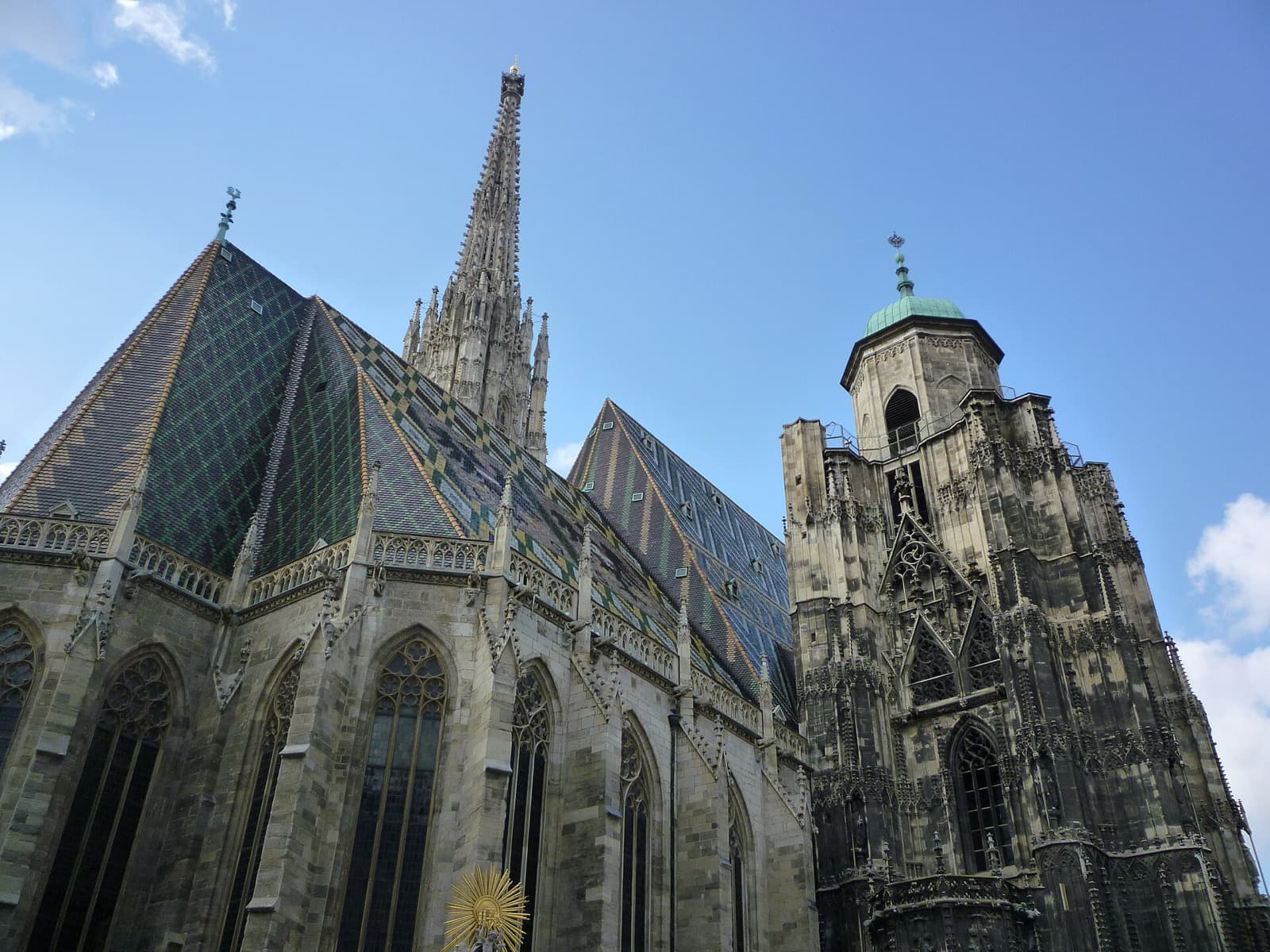
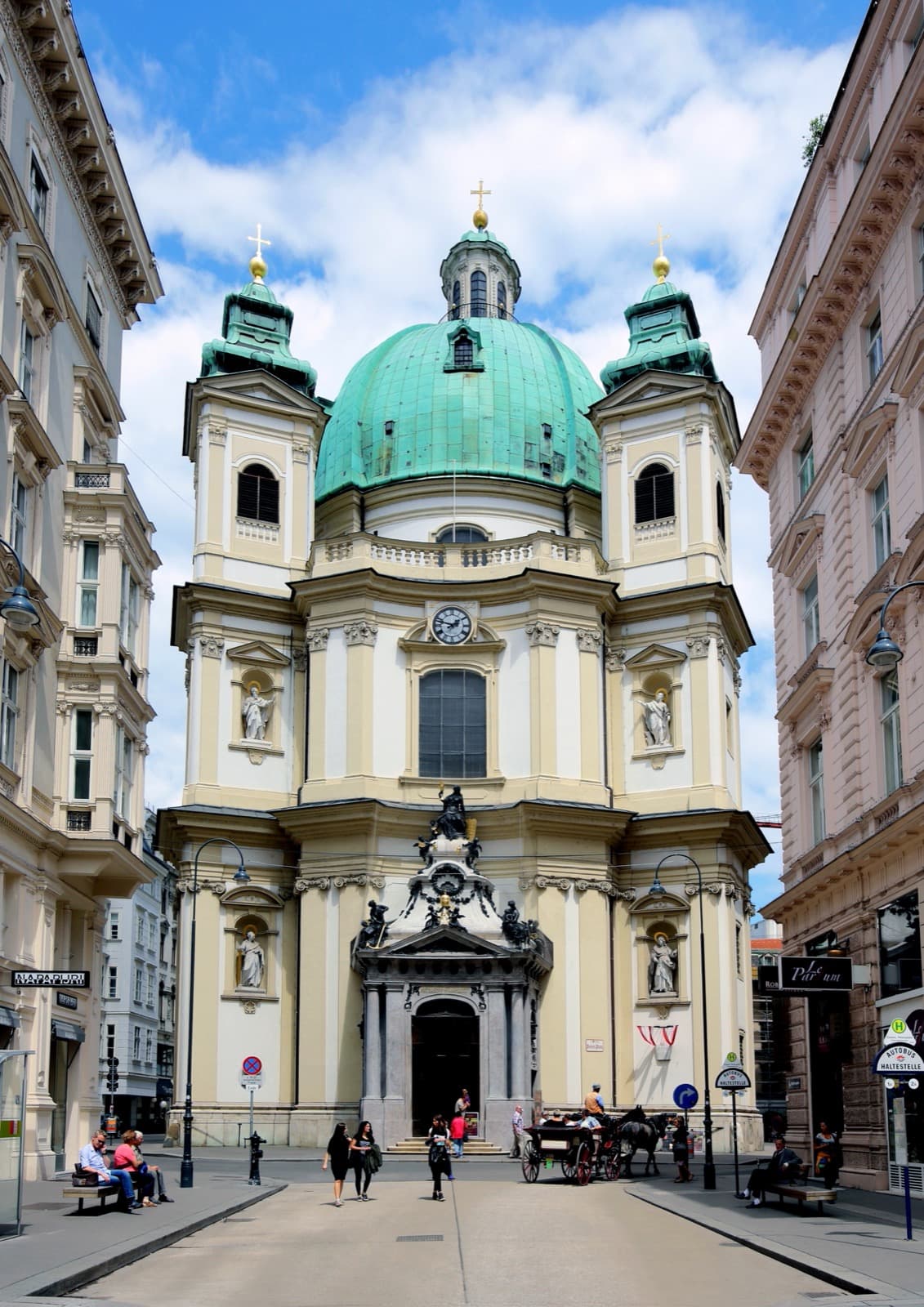
- •Several stops are working or ceremonial spaces. The Votivkirche is an active church, so dress modestly, keep your voice low, and treat it with respect; nearby Saint Stephen's Cathedral asks the same, and its towers, catacombs, and areas beyond the free entrance often need a paid ticket.
- •Museum and Parliament interiors are ticketed and can sell out. The Kunsthistorisches Museum, the Naturhistorisches Museum, and the Parliament visitor centre require admission or booking, and the wider Hofburg attractions like the Treasury and the Spanish Riding School sell out at busy times.
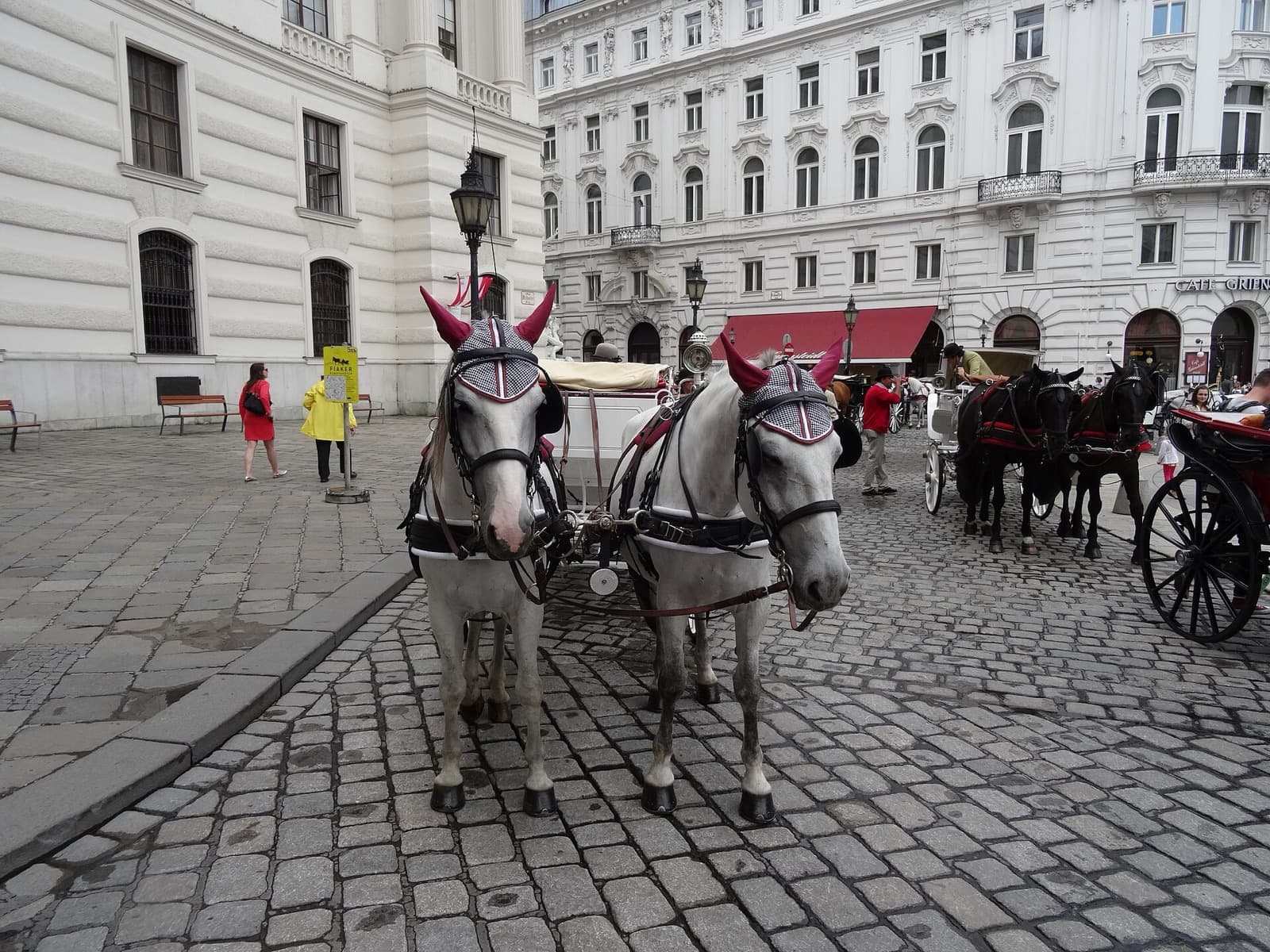
- •Mind the traffic mix. The Ring and the old town blend trams, cyclists, pedestrian zones, and Fiaker horse carriages, and cobbles can be uneven underfoot.
- •Keep ordinary big-city awareness. Crowded spots like the Graben, Kaerntner Strasse, and the area around the cathedral draw pickpockets, so keep bags closed and valuables secure. The currency is the euro.
Travel advisory: Exercise Normal Precautions (Level 1).
Gallery
Related Reading
Go deeper on what you'll see, hear, and walk through.

Overview
Best Self-Guided Walking Tours in Vienna (2026)
3 min
Overview
One Day in Vienna: A Walkable Morning-to-Evening Itinerary
6 min
Overview
Vienna Travel Guide: Days, Transport, Timing, Safety, Budget
7 min
Thematic
Best History Walking Tours in Vienna (2026)
2 min
Thematic
Vienna, a City Stacked on a City: Reading the Capital in Three Directions
7 min
Companion
The Austrian Parliament: Why Vienna Built Its Legislature as a Greek Temple
7 min
Deep dive
Vienna State Opera: The First Building on the Ring
7 min
Read
What to Eat in Vienna: Schnitzel, Sachertorte, and How to Order Like a Local
7 min
Read the walk
The full story of The Ringstrasse: The Grand Boulevard Built on the Walls, in words. Prefer to listen? Play it narrated, from home or on location.
Introduction
For centuries, a ring of medieval walls held Vienna in, guarding the old town against sieges and armies. Then, on the twentieth of December eighteen fifty-seven, the Emperor Franz Joseph signed an order that began with four famous words, meaning It is my will, commanding that the walls come down and a grand boulevard rise in their place. Demolition began in March of eighteen fifty-eight, and the first section of the new Ringstrasse opened on the first of May eighteen sixty-five. Along this curving avenue, a confident and optimistic age raised a parade of monumental public buildings. Here is the strange and wonderful part. Every one of these buildings was brand new, yet each was dressed in the costume of a different, older era. A Greek temple for the Parliament and reasoned debate. A Flemish Gothic hall for the City Hall and civic pride. An Italian Renaissance palace for the University and learning. A baroque theatre for high culture. This was not confusion. It was a deliberate grammar, each style an argument about what a democracy, a city, a university, or a theatre is supposed to be. This walk covers seven stops over roughly three and a half kilometres, and takes about two to three hours at an unhurried pace, here in Vienna, the imperial capital of Austria. The route follows the Ring as it curves, and you can pause, skip, or linger exactly as you please. Read the boulevard the way you would read a sentence, one building at a time. When you arrive at the Vienna State Opera, begin with stop one.
1. The Vienna State Opera: The First Building on the Ring
The Vienna State Opera was the very first of the great Ringstrasse buildings to be finished, and in a sense it set the whole boulevard in motion. It opened on the twenty-fifth of May eighteen sixty-nine with a performance of Mozart's Don Giovanni. Two architects designed it, van der Null and Sicardsburg, working in a French Early Renaissance style, all arches, loggias, and sculpted detail. Their story is a sad one. When the building went up, the public and the press mocked the design harshly, complaining that it sat too low against the raised level of the new street. Van der Null died by suicide in eighteen sixty-eight, and Sicardsburg died of tuberculosis soon after. Neither architect lived to see the opera completed or to hear the applause that eventually came. The building's later history carries the whole century in it. On the twelfth of March nineteen forty-five, American bombardment struck the opera, destroying the auditorium, the stage, and around one hundred and fifty thousand costumes. Yet the grand foyer survived. After the war, it was rebuilt and reopened on the fifth of November nineteen fifty-five with Beethoven's Fidelio, a deliberate choice, an opera about liberation, standing as a symbol of Austria's recovery. Today it is home to the musicians of the Vienna Philharmonic and hosts hundreds of performances a year. Notice how confidently it announces the Ring's ambition. This is not a fortress or a church but a temple to art, placed first along the new avenue. The building that was laughed at became one of the most beloved faces of the city, and a fitting overture to everything the boulevard would say next.
2. Maria-Theresien-Platz: The Twin Imperial Museums
Step back from the Ring and you reach Maria-Theresien-Platz, a grand square set between two near-identical museums that face each other like mirror images. To one side stands the Kunsthistorisches Museum, the Museum of Art History. To the other, the Naturhistorisches Museum, the Museum of Natural History. Both were designed by the architects Gottfried Semper and Karl von Hasenauer in a lavish Renaissance Revival style, and both were commissioned by the Emperor Franz Joseph for a single purpose, to hold the vast imperial Habsburg collections and, crucially, to open them to the public. The Kunsthistorisches Museum was built between eighteen seventy-one and eighteen ninety-one, and it gathers the art the Habsburgs had collected over centuries, works by Bruegel, Raphael, and Vermeer, alongside Egyptian, Greek, and Roman antiquities. Its twin, the natural history museum, opened on the tenth of August eighteen eighty-nine, and Franz Joseph opened it himself. The two facades look almost identical, distinguished mainly by their statuary, one honouring the arts, the other the sciences. At the centre of the square sits the Empress Maria Theresa, raised on a tall pedestal in a monument by the sculptor Kaspar von Zumbusch, built between eighteen seventy-four and eighteen eighty-seven and unveiled in eighteen eighty-eight. She holds a scroll of the Pragmatic Sanction of seventeen thirteen, the edict of her father, the Emperor Charles the Sixth, that allowed a woman to inherit the Habsburg throne. This square carries a quieter, heavier note as well. Just beyond it lies Heldenplatz, where in the Anschluss of March nineteen thirty-eight, Nazi Germany annexed Austria and a crowd gathered to hear Hitler speak. It is history that modern Austria reckons with, standing near the very stage where the empire once displayed its treasures to the world.
3. The Austrian Parliament: A Greek Temple for Debate
Further along the Ring, a Greek temple rises where you might least expect one, and the choice is the whole point. This is the Austrian Parliament, built in a strict Greek Revival style by the architect Theophil Hansen and completed in eighteen eighty-three. It was raised to house the two chambers of the Imperial Council, the Reichsrat, the legislature of the Austrian half of Austria-Hungary. Today it is home to the National Council and Federal Council of the Republic of Austria. Ask why a modern empire would dress its legislature as an ancient Greek temple, and you have found the building's argument. Ancient Athens was remembered as the cradle of democracy, of citizens gathering to debate and decide. By clothing the Parliament in the columns and pediments of classical Greece, Hansen was making a claim in stone, that reasoned debate belongs to an old and noble tradition. In front of the building stands the Pallas Athena Fountain, and she completes the thought. Athena, the goddess of wisdom, stands armoured on a tall pillar, a gilded helmet on her head, a spear in her left hand, and a small figure of Nike, Victory, in her right. The fountain was created by the sculptor Carl Kundmann, working with others to Hansen's plans, and finished around nineteen oh two. The building itself is vast, covering more than thirteen thousand five hundred square metres with over a hundred rooms. Yet the message is simpler than its scale. Where the opera argued for art and the museums for public knowledge, here the Ring makes its case for reason, wisdom, and the ancient dignity of citizens deciding their own affairs.
4. The City Hall: Gothic as Civic Pride
Across from the Parliament's Greek temple stands a very different argument, a soaring Gothic hall of spires and pinnacles. This is the Vienna City Hall, the Rathaus in German, seat of the city's government and the offices of the Mayor of Vienna. It was designed by the architect…
Full narration for this stop unlocks with the tour.
5. The Burgtheater: Baroque for the National Stage
Facing the City Hall across the Ring stands the Burgtheater, the Austrian national theatre, and with it the boulevard changes its tone once more. If the Parliament wore Greek and the City Hall wore Gothic, this building wears rich neo-Baroque, all curves, gilding, and theatrical…
Full narration for this stop unlocks with the tour.
6. The University of Vienna: Renaissance for Learning
Further along the Ring rises a stately Italian Renaissance palace, and this one is dedicated to the mind. It is the main building of the University of Vienna, designed by the architect Heinrich von Ferstel and built between eighteen seventy-seven and eighteen eighty-four. The…
Full narration for this stop unlocks with the tour.
7. The Votivkirche: The Northern Gate in Gothic
At the northern end of this stretch of the Ring rises a slender twin-spired church of pale stone, and it closes the whole argument of the boulevard on a note of faith and gratitude. This is the Votivkirche, designed by the architect Heinrich von Ferstel, who was only twenty-six…
Full narration for this stop unlocks with the tour.