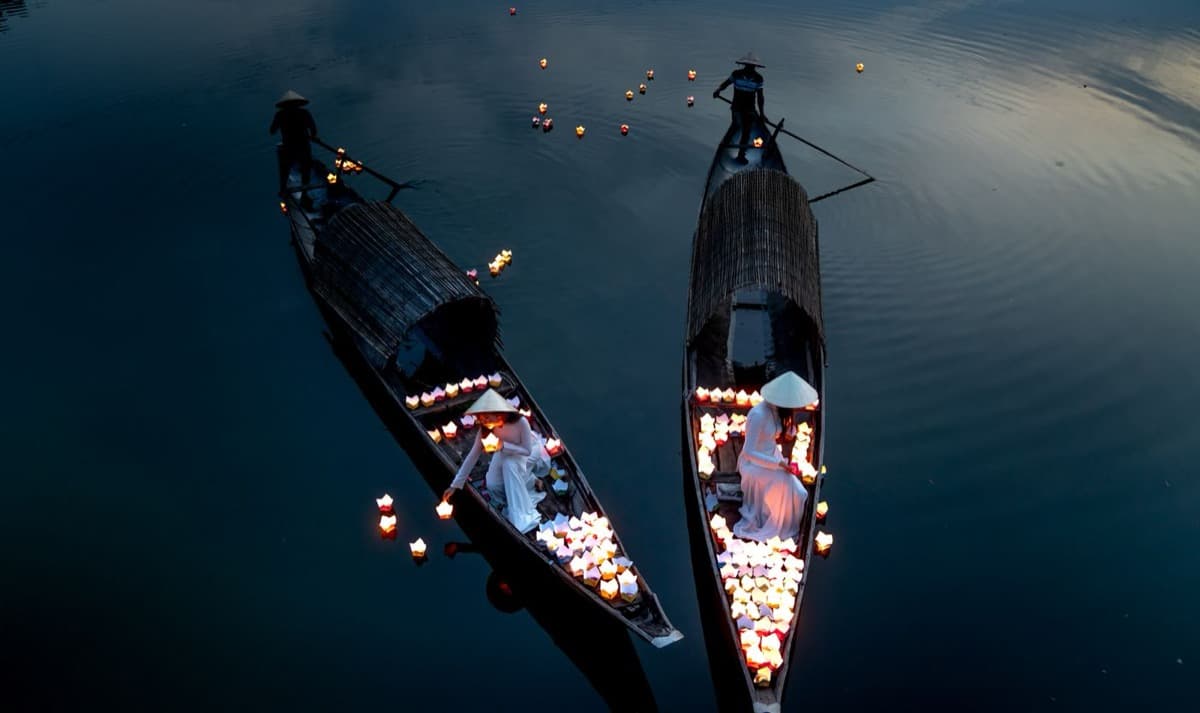
After the ships stopped coming, Hoi An lit itself instead. Follow the light through a former trading port that turned its silk, its river, and its lantern craft into a nightly performance you can walk at your own pace.
Start · The Lantern Craft of Hoi An: Light That Is Made, Not Hung
DirectionsStops
- 1
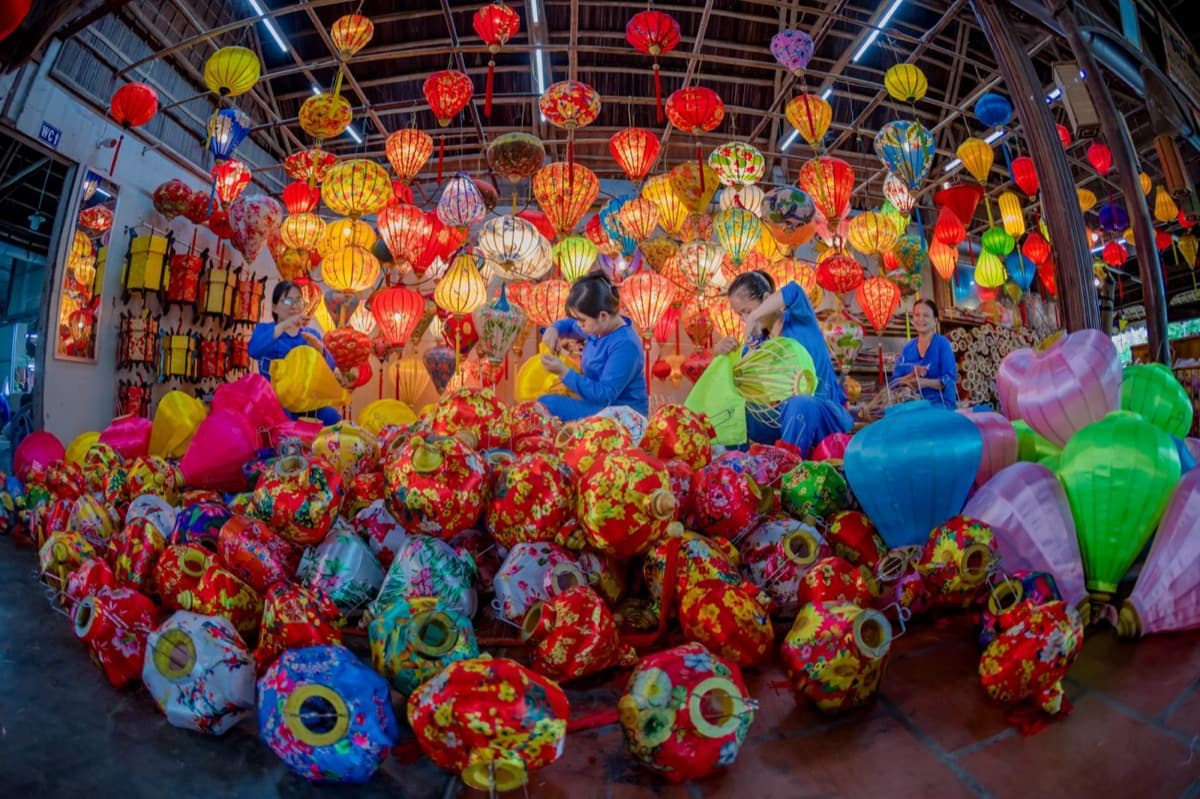
The Lantern Craft of Hoi An: Light That Is Made, Not Hung
The bamboo-and-silk lantern craft that gives Hoi An its glow, a living heritage revived with the return of travelers.
- 2
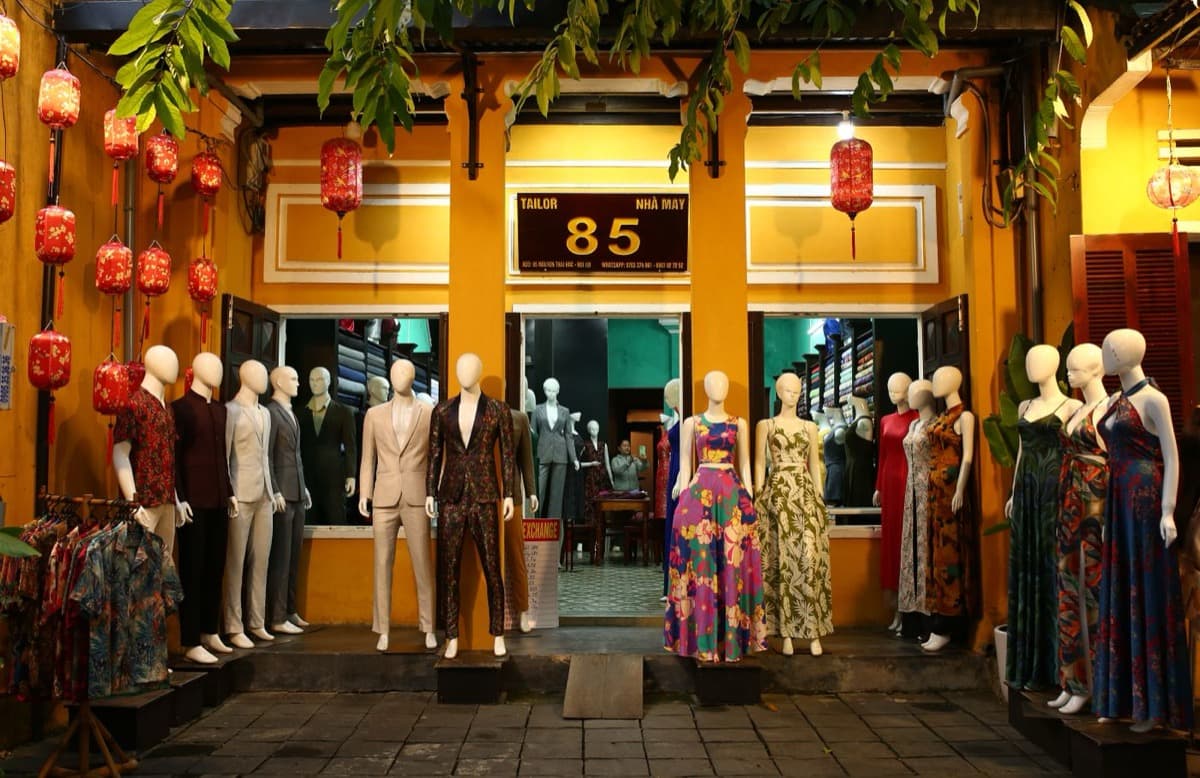
Silk and Tailoring Heritage: The Cargo That Stayed Home
The living silk and tailoring trades that grew from the merchant port and still cut cloth in these streets today.
- 3
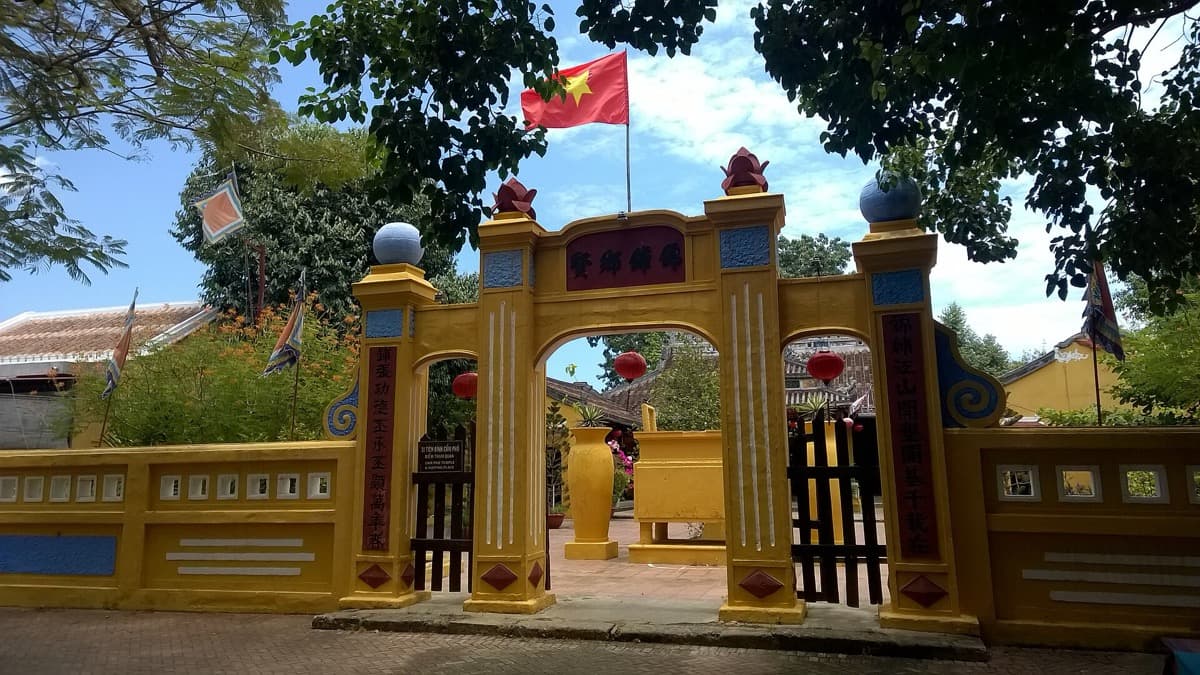
Cam Pho Communal House: The Village Beneath the Trade
A Vietnamese communal house at the town's western edge, the local village's own temple beneath the foreign trading gloss.
- 4
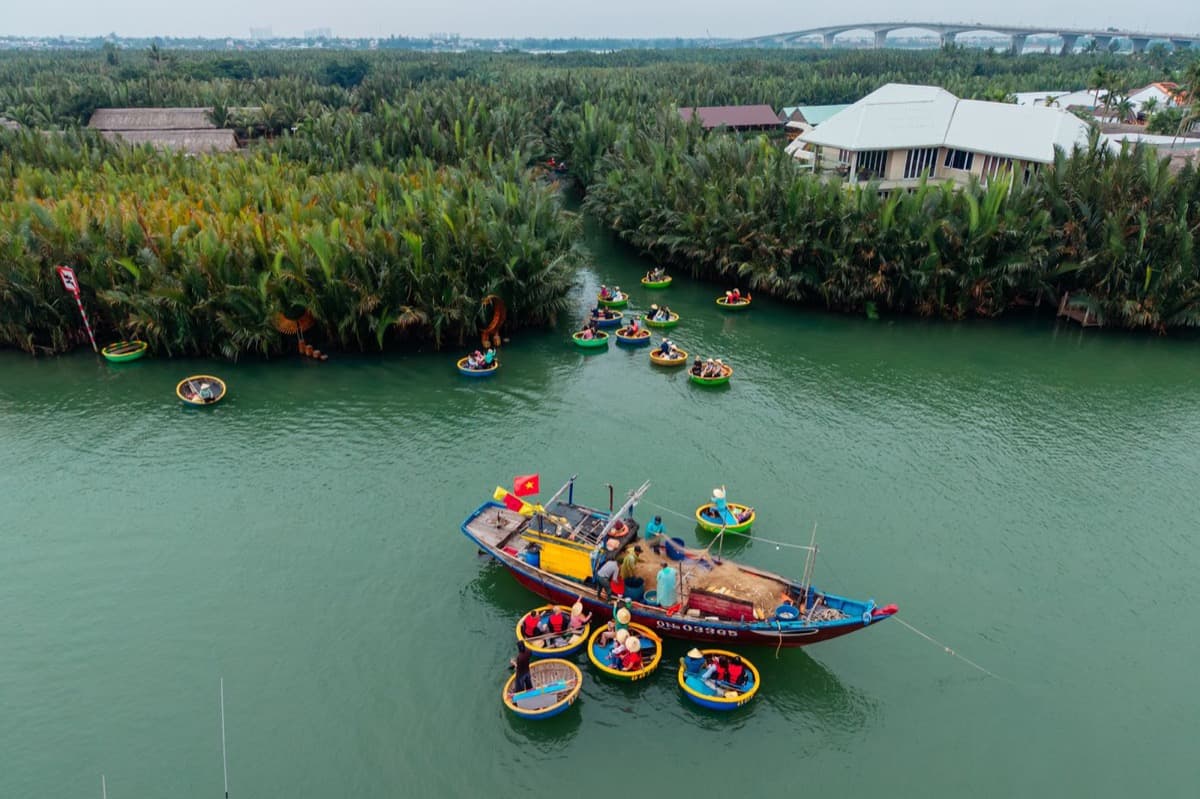
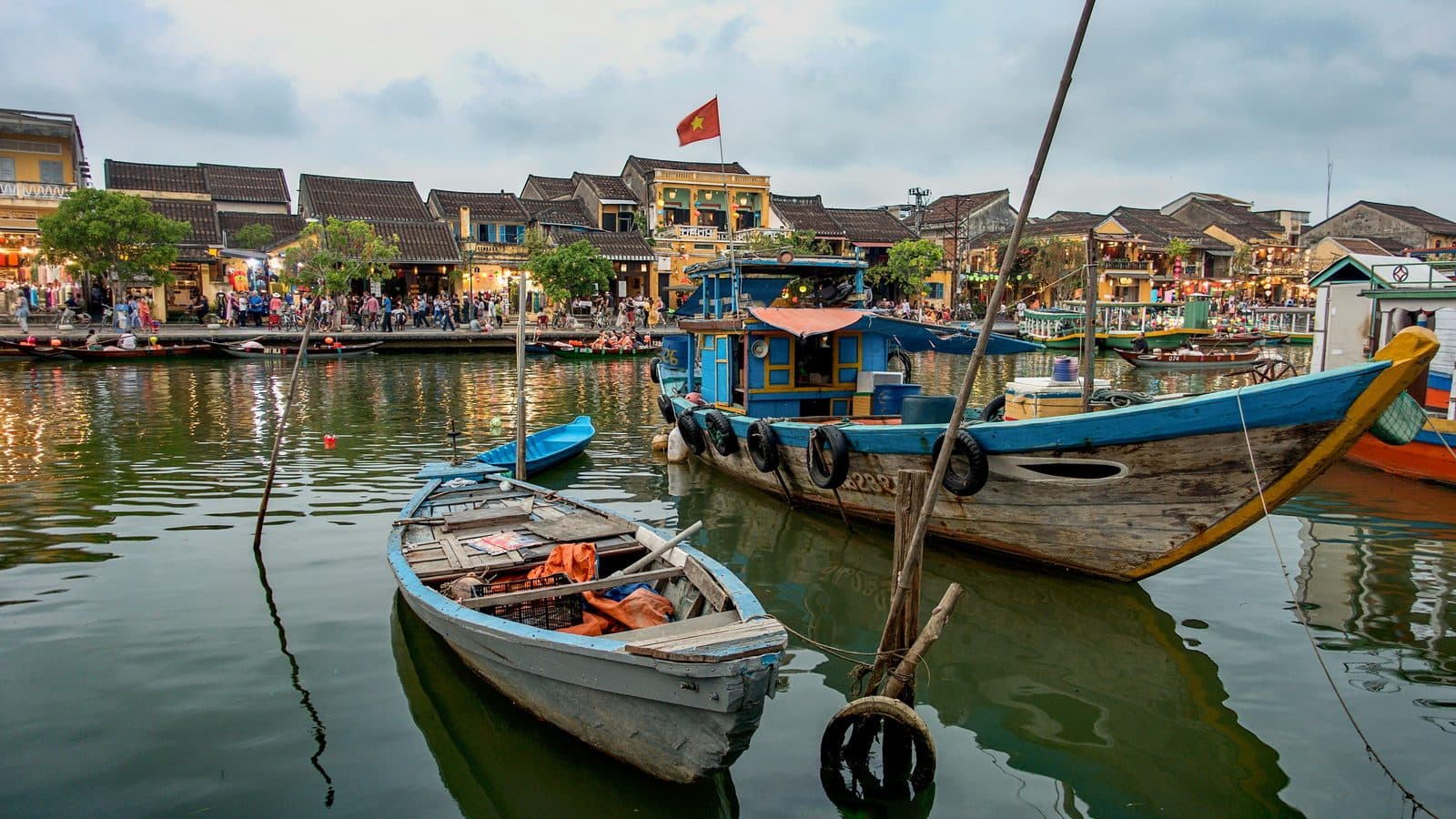
Thu Bon River and the Boats: The Water That Made and Unmade the Port
The river that carried the town's cargo and then silted away its trade, now floated with candle lanterns each night.
- 5
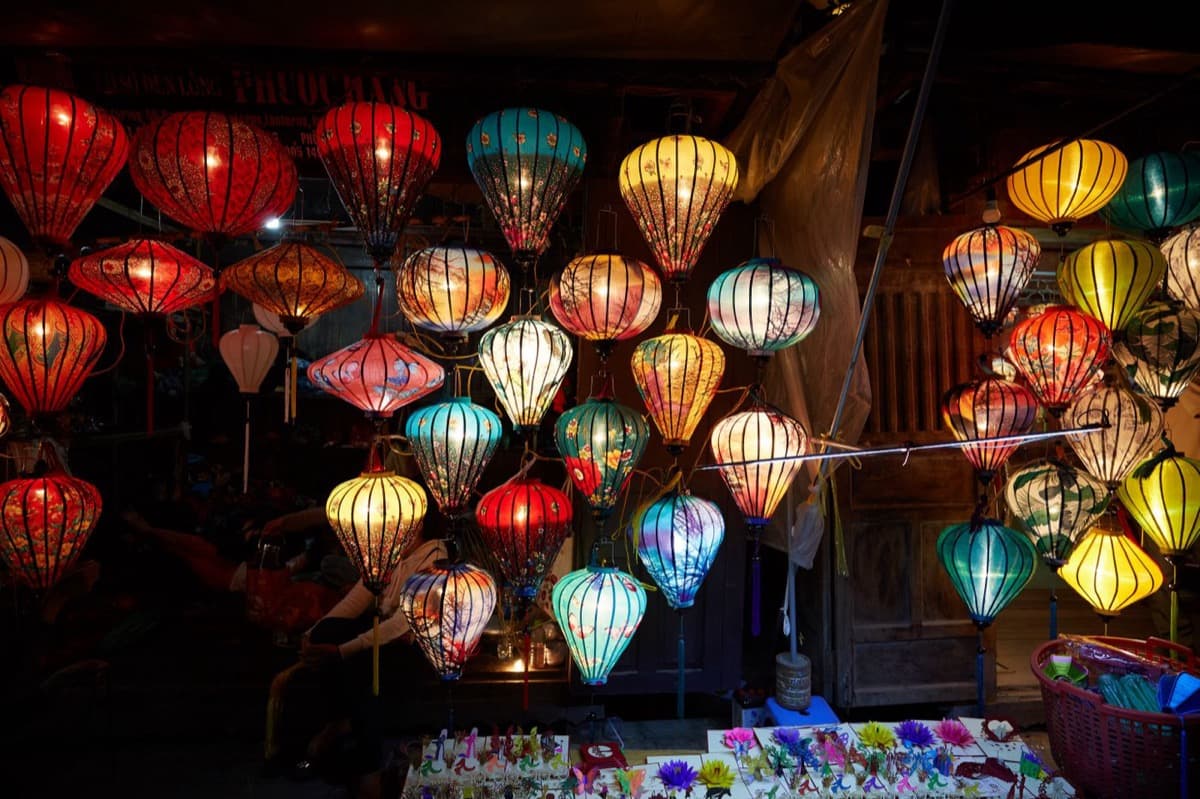
An Hoi Islet and Night Market: Commerce Reborn as Spectacle
The nightly lantern market across the footbridge, where the town's merchant instinct returns with light itself as the cargo.
- 6
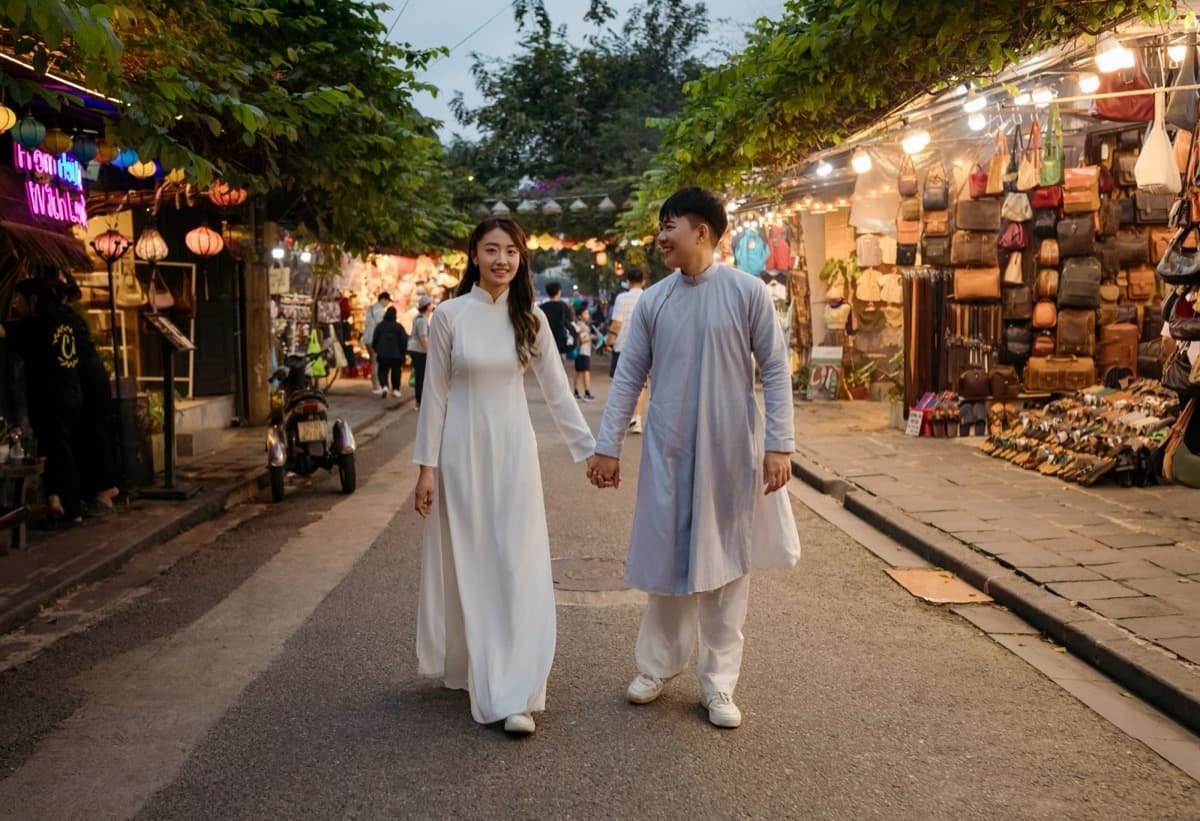
Hoi An Riverside at Night: The Whole Story in Light
The lantern-lit merchant quay along Bach Dang and Nguyen Thai Hoc, where the tour's thesis stands up in reflected light.
Details
Best Time to Visit
Late afternoon into evening. Arrive about an hour before sunset so you can watch the lanterns take over as the daylight fades, with the glow at its richest from roughly seven-thirty to nine-thirty at night. For the fullest experience, time your visit to the fourteenth night of the lunar month, when the municipal Full Moon Festival dims the street lights and the town glows only by silk lantern.
Pro Tips
- •Start about an hour before sunset so you can watch the lanterns take over as the daylight fades; the glow peaks from roughly seven-thirty to nine-thirty in the evening.
- •Carry small denominations of Vietnamese dong in cash for a sampan ride, a floating candle lantern, or street food, since many small vendors do not take cards.
- •If you want to enter the ticketed heritage houses and assembly halls, buy the Ancient Town combined ticket, about one hundred twenty thousand dong; walking the lantern-lit streets and shopping needs no ticket.
- •Time your visit to the fourteenth night of the lunar month for the Full Moon Festival, when the street lights go dark and the town glows only by lantern.
- •Wear comfortable flat shoes, as the old streets are uneven and can be slick near the river.
- •The Ancient Town is largely closed to cars in the evenings, so explore it slowly on foot and let yourself wander off the busiest lanes.
Safety & Precautions
- •Central Vietnam is hot and very humid; carry water and take shade and rest breaks, especially in the late afternoon before the evening cools down.
- •Hoi An sits on a floodplain and can flood during the rainy season, roughly September through December; check conditions, as the riverfront streets sometimes go underwater.
- •The communal house and temples are active places of worship; dress modestly with shoulders and knees covered, lower your voice, and ask before photographing anyone at prayer.
- •If you take a sampan on the river at night, choose a boat with life jackets, avoid overloading it, and step carefully on and off the wobbly wooden boats near the dark water.
- •Agree the sampan fare before you step aboard, since evening lantern-boat prices are often quoted high to arrive; official rates are posted on signs near the piers on Bach Dang Street and by the An Hoi footbridge, so check those first.
Travel advisory: Exercise Normal Precautions (Level 1).
Gallery
Related Reading
Go deeper on what you'll see, hear, and walk through.
Overview
Best Self-Guided Walking Tours in Hoi An (2026)
4 min
Overview
Hoi An Travel Guide: How Many Days, Getting Around, When to Go (2026)
4 min
Overview
How to See Hoi An: The Town That Failure Saved
7 min
Overview
One Day in Hoi An: A Walkable Ancient Town Itinerary (2026)
6 min
Thematic
Best Culture Walking Tours in Hoi An (2026)
2 min
Thematic
What to Eat in Hoi An: A Food Guide (2026)
4 min
Companion
How a Dead Port Learned to Glow: The Lanterns of Hoi An
8 min
Read the walk
The full story of Lantern Town: Lanterns on the Thu Bon, in words. Prefer to listen? Play it narrated, from home or on location.
Introduction
Hoi An sits on the central coast of Vietnam, a small town of yellow shophouses and narrow lanes near where the Thu Bon River meets the sea. For a few centuries it was one of Southeast Asia's busy trading ports. Then the river silted, the ships stopped coming, and the town was left behind. That neglect is exactly why it survived. This walk follows the light. Over six stops and roughly ninety minutes, covering a little under two kilometres of flat, easy streets, you will trace how a forgotten port turned its trading inheritance into a nightly performance of lanterns, silk, and reflected candlelight. You will start inside the glow, with the lantern craft itself, then move to the silk and tailoring trades that outlived the cargo ships. You will step to the western edge to find the Vietnamese village heart beneath the foreign trading gloss, then descend to the river that made and unmade everything. You will cross a footbridge to a night market where commerce is reborn as spectacle, and finish on the ancient riverfront quay at full dark, where the whole story is lit up along the water. Go at your own pace. Every stop is short and self-contained, so linger where you like and skip what you do not. Wear comfortable shoes, keep some small cash for a boat or a bowl of noodles, and let dusk do its work as the electric glare fades and the silk takes over. When you arrive at the lantern-lined heart of Tran Phu Street in the Ancient Town, begin with stop one.
1. The Lantern Craft of Hoi An: Light That Is Made, Not Hung
Look up. The street above you is a ceiling of silk. Red and gold and lotus pink, round and teardrop and long as a fish, the lanterns of Hoi An are the emblem of this town and the light source for everything you will see tonight. It helps to know they are made, not merely hung. Each one begins as bamboo. The strips are soaked in salt water for about ten days so termites will leave them alone, then dried, split, and bent into a ribbed frame. Only then is the silk or satin stretched over the bones and glued taut, so the color glows when a bulb or candle sits inside. The habit of hanging lanterns came here with the seventeenth-century merchants, Chinese and Japanese traders who lit them before their houses, and local hands learned to make their own. For a long stretch the craft nearly faded. It came roaring back in the nineteen nineties as travelers returned, and one detail from that revival is worth carrying with you. A maker named Huynh Van Ba is locally credited as the first to build a collapsible lantern, folding flat like an umbrella, after a foreign visitor could not fit a rigid one into her luggage. He spent about six months getting the hinge right. In the year two thousand eleven, Hoi An's lantern making was recognized as National Intangible Cultural Heritage, and the whole town was inscribed by UNESCO back in nineteen ninety-nine. So the beauty over your head is not decoration that happened by accident. It is a living trade, salt-soaked and hand-bent, and it is the reason this town glows.
2. Silk and Tailoring Heritage: The Cargo That Stayed Home
Walk the commercial spine and notice the shop windows: bolts of silk, tailors' dummies, tape measures. This is the same trade that built the town, just wearing new clothes. In the sixteenth and seventeenth centuries, according to UNESCO, Hoi An was one of the most important international ports in Southeast Asia, and silk, ceramics, and spices changed hands right here in these streets. Merchants sailed in from Japan and China, with Portuguese and Dutch traders arriving too, and they needed things made fast: clothing for the voyage home, garments to trade, cloth by the bolt. Out of that pressure grew a local habit of cutting and stitching quickly and well, a skill that never left. Today Hoi An is known the world over for made-to-measure tailoring, a walk-in-today, wear-it-tomorrow trade that is the direct descendant of the old silk-port economy. Here is the rhyme at the center of this whole walk. The silk that once left on ships to distant markets now does two things instead. It dresses the travelers who come to be measured, and it covers the many lanterns glowing over your head. The cargo did not disappear. It stayed home and became atmosphere. You do not need to buy anything to feel it. Just watch the fabric move, the way a length of silk catches the light in a doorway, the same shimmer that once made this cloth worth crossing an ocean for. The port lost its ships. It kept its hands, its needles, and its eye for a beautiful bolt of cloth, and that is what you are standing inside of.
3. Cam Pho Communal House: The Village Beneath the Trade
At the western edge of the Ancient Town, where the shops thin out, stands a quieter building with a tiled roof and a courtyard, the Cam Pho Communal House, or Dinh Cam Pho, at fifty-two Nguyen Thi Minh Khai Street. To understand why it matters, notice what it is not. The famous…
Full narration for this stop unlocks with the tour.
4. Thu Bon River and the Boats: The Water That Made and Unmade the Port
Come down to the water. This is the Thu Bon, or rather the branch of it that fronts the town, called the Hoai River, and it is the reason Hoi An exists and the reason it nearly disappeared. The Thu Bon gathers from the meeting of the Tranh and the Tien rivers upstream and runs…
Full narration for this stop unlocks with the tour.
5. An Hoi Islet and Night Market: Commerce Reborn as Spectacle
Cross the footbridge over the Hoai to the islet called An Hoi, and the light changes character. On the town side, the glow is heritage. Here, along Nguyen Hoang Street, it is a market again. The Hoi An Night Market runs the length of this street most evenings, roughly five to…
Full narration for this stop unlocks with the tour.
6. Hoi An Riverside at Night: The Whole Story in Light
End here, on the old quay, with the Bach Dang riverfront and Nguyen Thai Hoc Street at your back. These are among the streets that formed the commercial core of the trading town, lined with restored merchant shophouses that now hold cafes, galleries, and lantern-lit fronts. This…
Full narration for this stop unlocks with the tour.