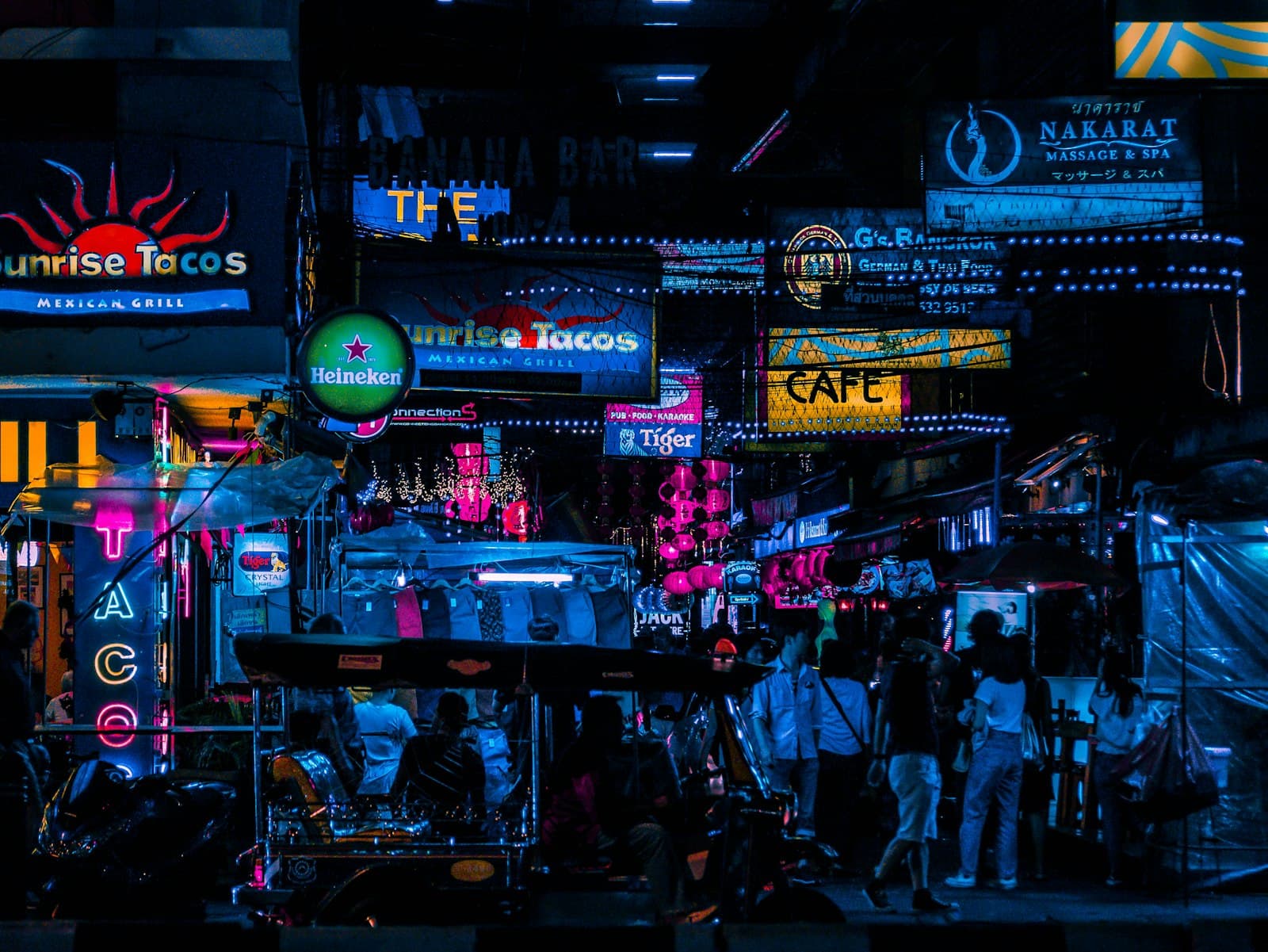
The Golden Mile
Walk the gold artery of Bangkok's Chinatown and peel it back layer by layer, from a five and a half tonne solid gold Buddha to a lane barely wide enough for two people, following a self-made city built by a community that was evicted first and financed a kingdom from a swamp downriver.
4.25|120 minutes|7 km|7 Stops
Start
Wat Traimit and the Golden Buddha: The Statue That Hid Its Gold
1
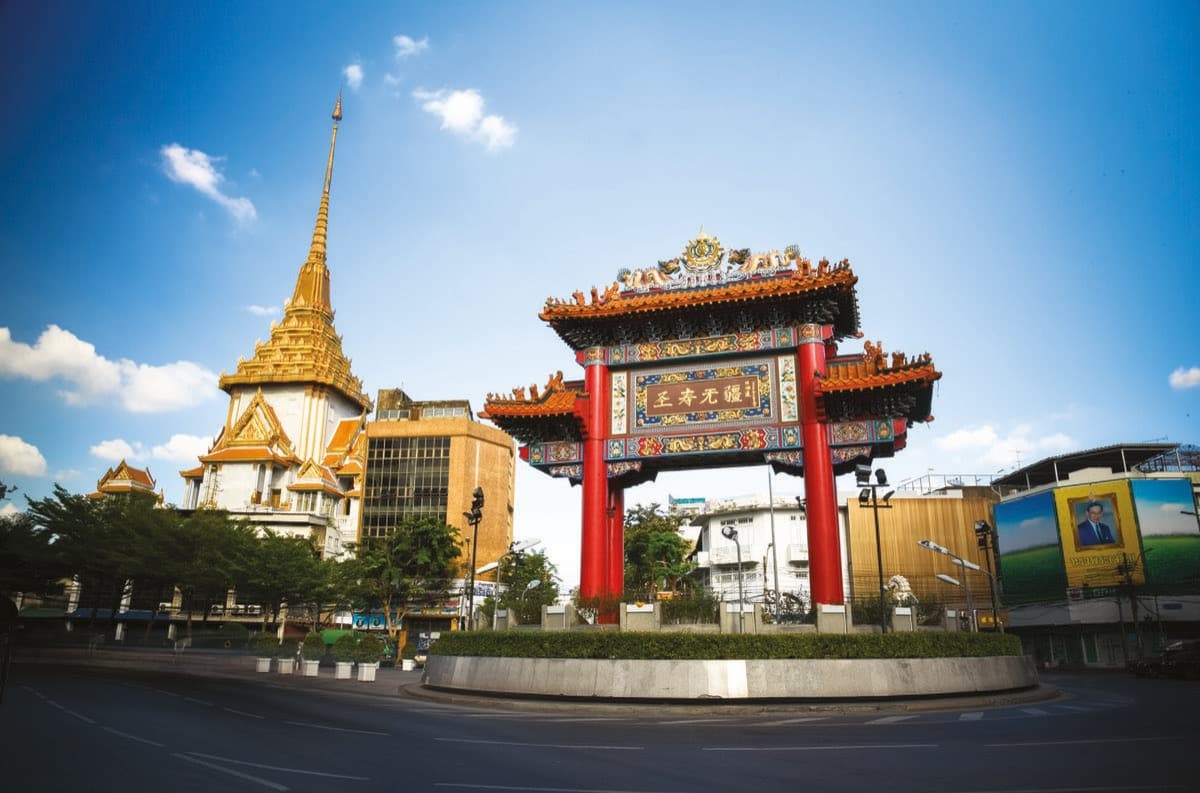
Wat Traimit and the Golden Buddha: The Statue That Hid Its Gold
A three metre seated Buddha of solid gold, recognized as the world's largest solid gold sculpture, that spent roughly two centuries disguised under plain plaster.
2
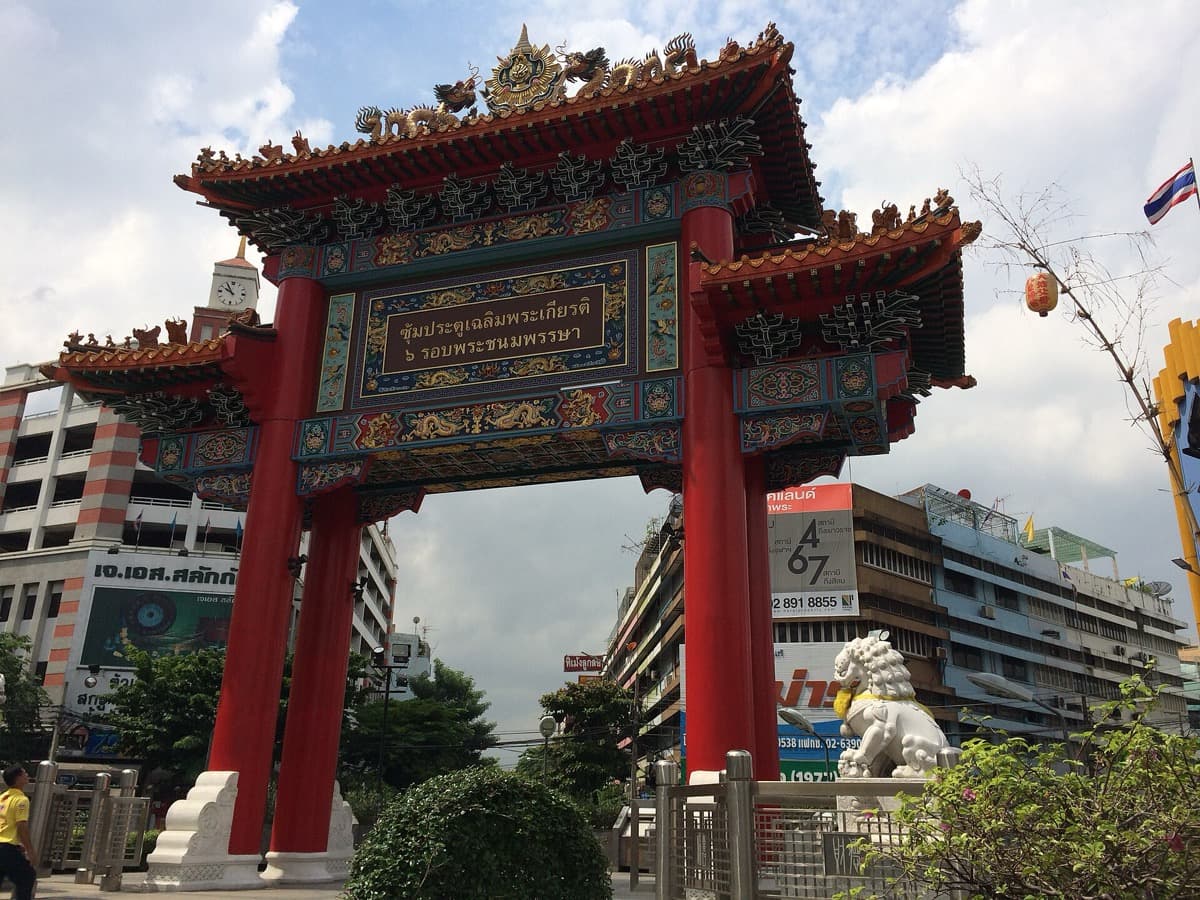
Odeon Circle and the Chinatown Gate: The Formal Threshold
A tall red ceremonial gate standing in a roundabout, built in nineteen ninety-nine as the formal entrance onto the gold mile.
3
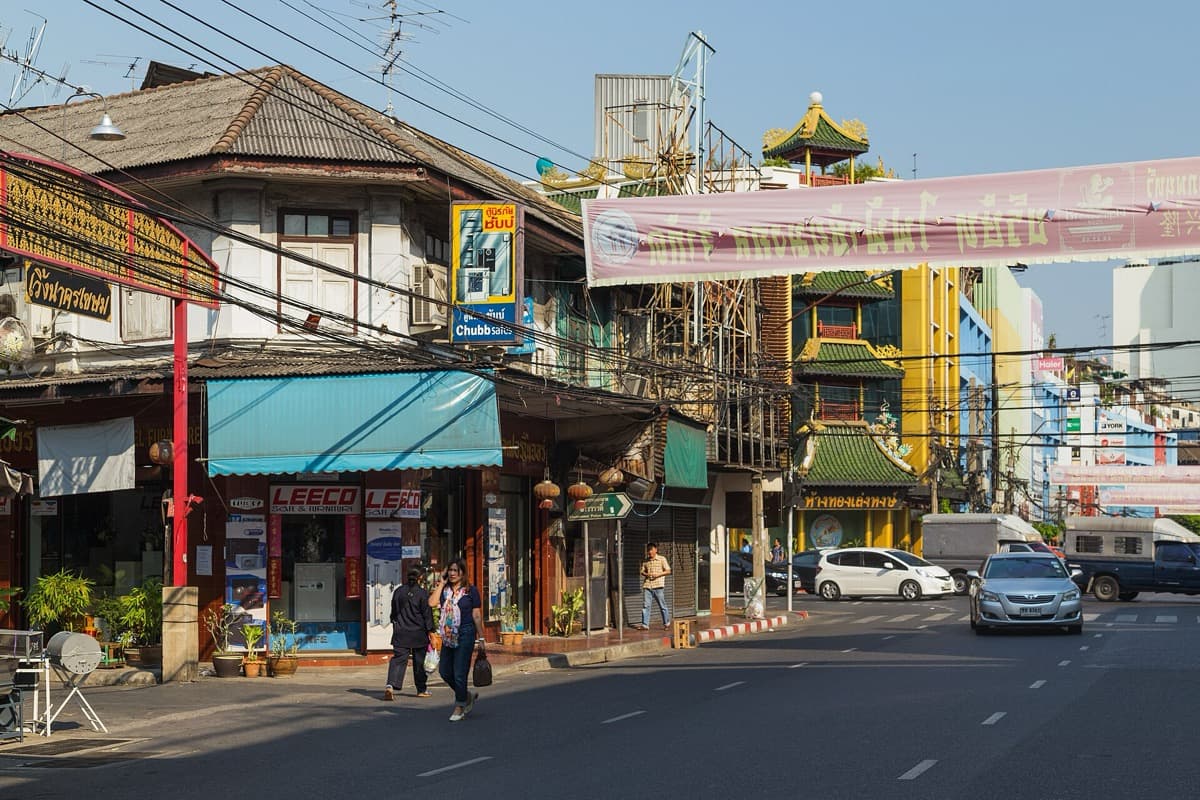
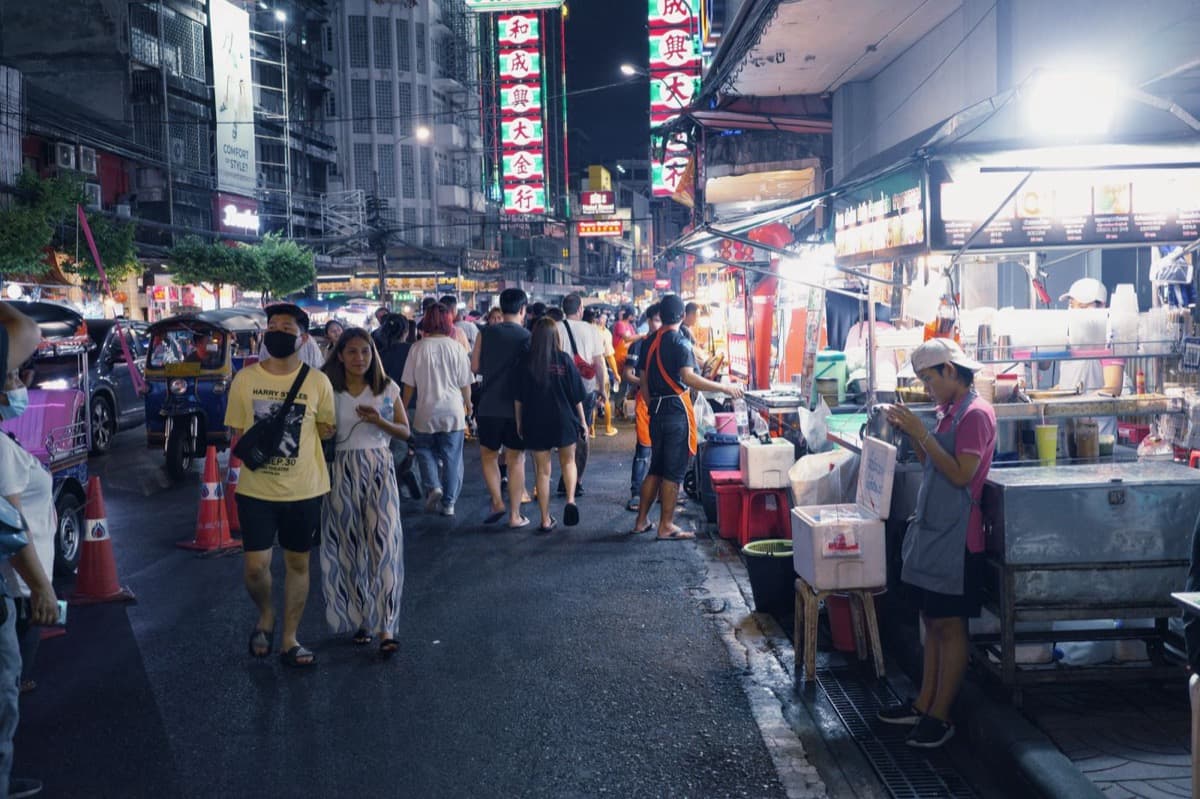
Yaowarat Road: The Gold Mile
The curving main artery of Chinatown, lined with gold shops and known as both the Dragon Road and the Golden Road.
4
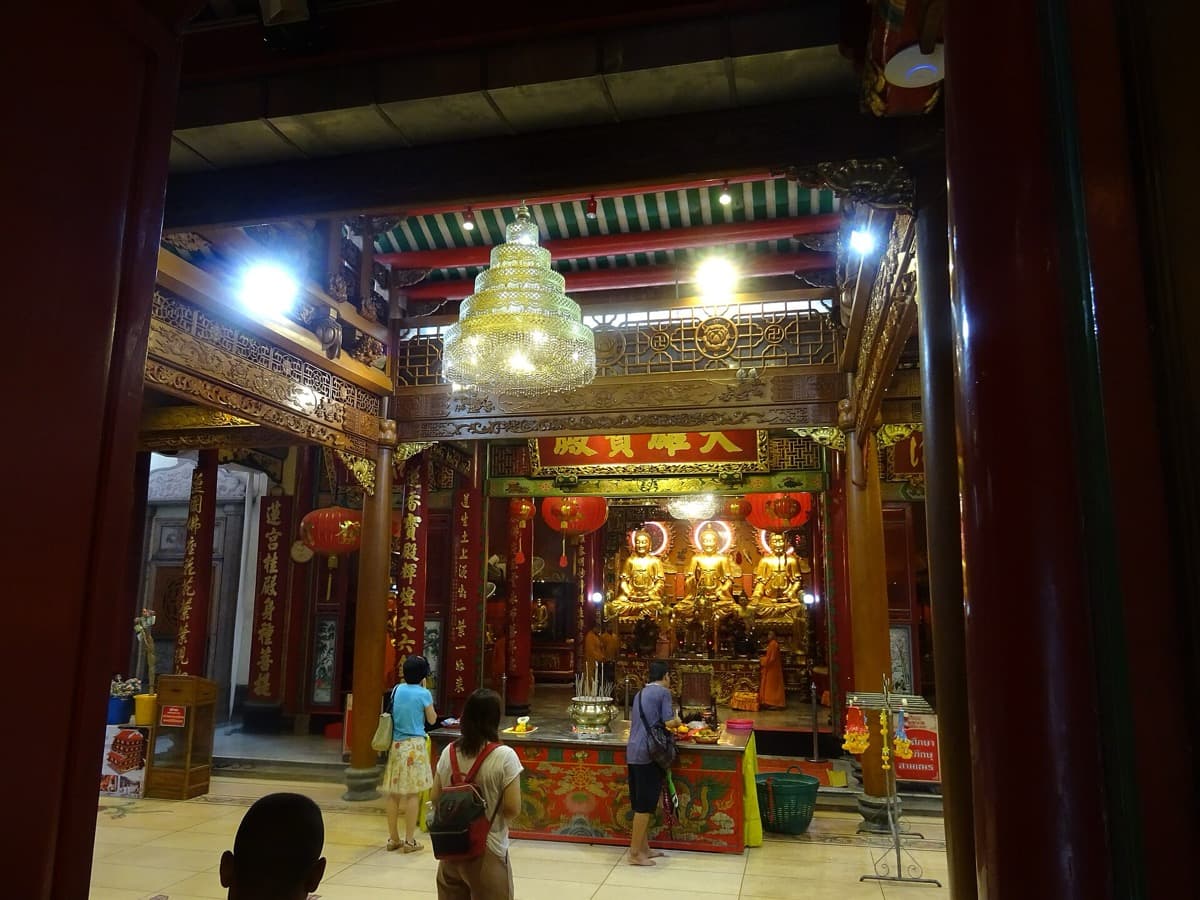
Talat Mai and Trok Issaranuphap: The New Market That Is Two Centuries Old
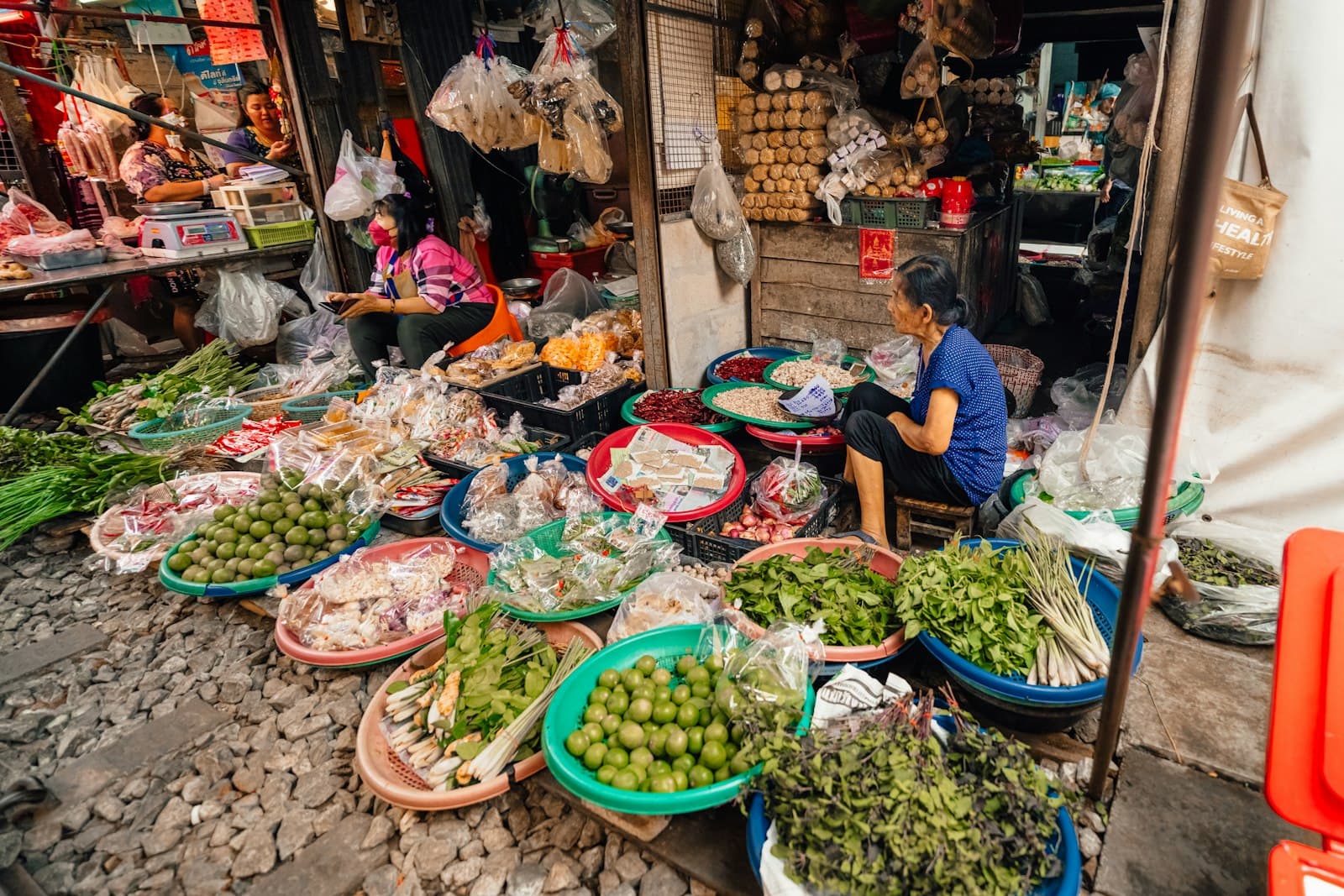
A narrow market lane about four metres wide, ironically named the New Market, selling dried goods, herbs, spices, and ceremonial wares.
5
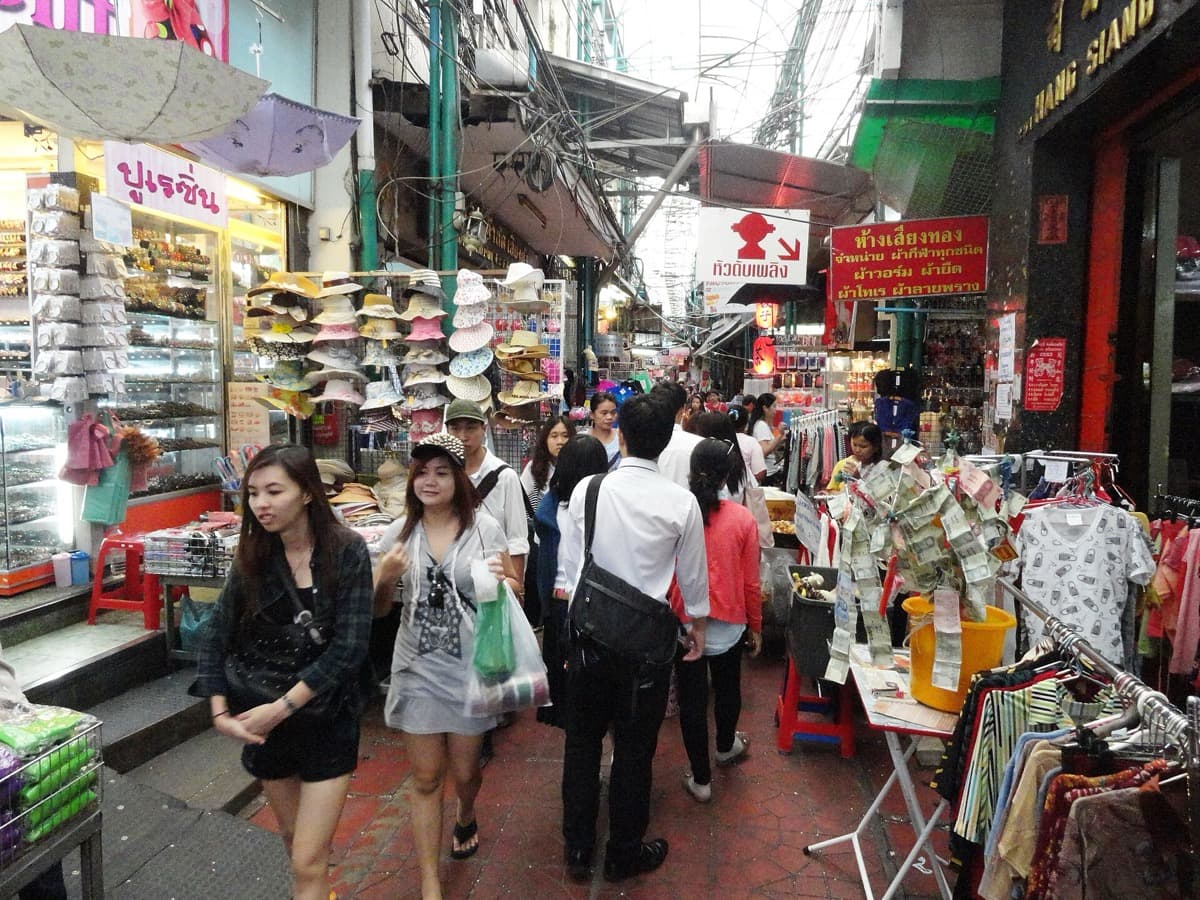
Wat Mangkon Kamalawat: The Dragon Lotus Temple
The largest and most important Chinese Mahayana Buddhist temple in Bangkok, blending Buddhist, Taoist, and Confucian worship.
6
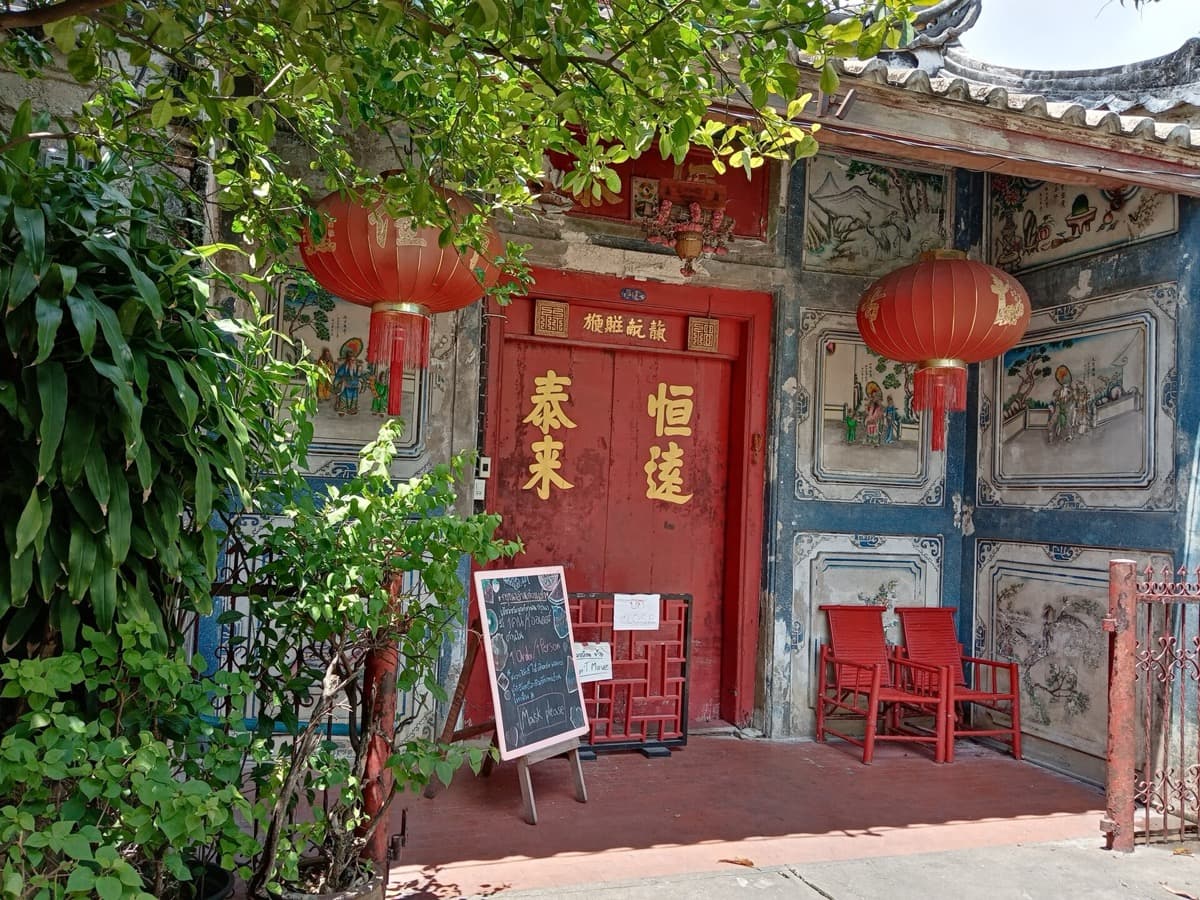
Sampeng Lane: The Oldest Spine, Soi Wanit One
The original Chinese trading lane, now a wholesale market so narrow that two people can barely pass.
7
Talat Noi and the So Heng Tai Mansion: Wealth Lived In
A riverside quarter where immigrants first landed, home to a nineteenth-century Hokkien courtyard mansion over two hundred years old.
Best Time to Visit
Early morning, from around seven to ten, is the calmest and coolest window, when the markets are stocking up and the temples are quiet enough to sit in. Yaowarat itself comes fully alive after dark, when the neon and street-food energy peak, so a late-afternoon start that carries into the evening lets you see both the daytime market lanes and the night spectacle. Avoid the middle of the day when heat and crowds are heaviest. If you visit during the annual Vegetarian Festival in late September or October, or around Chinese New Year, expect the district at its most vivid but also its most crowded.
Pro Tips
- •Wear comfortable slip-on shoes. You will remove them to enter temple halls, and the market lanes are uneven, so shoes you can slip off quickly save time and fuss.
- •Carry small cash in baht. Market stalls, temple donation boxes, and small admission fees rarely take cards, and the gold shops price by weight in cash.
- •Go slowly and let the lanes be crowded. The narrowness of Sampeng and Talat Mai is the whole point, so step aside, let carts pass, and take the tight squeeze as part of the experience.
- •Look up and look down the side lanes. The oldest and quietest history sits one turn off the main road, so every branch off Yaowarat is worth a glance before you decide to explore it.
- •At the temples, watch how locals move through the shrines before you do, then follow their pace. There is no rush and no set route inside.
- •Bring a refillable water bottle and refill when you can. The heat is relentless and staying hydrated matters more than any single stop.
Safety & Precautions
- Bangkok is hot and humid year round, and these lanes trap heat with little shade. Pace yourself, rest in shaded courtyards, drink water often, and use sun protection, since heat exhaustion sneaks up quickly on a slow walk.
- Temples and shrines require modest dress. Cover your shoulders and knees, remove your shoes before entering prayer halls, and keep your voice low. Do not point your feet at Buddha images or people, and never touch statues or altars.
- From roughly May to October, monsoon rain can arrive hard and fast, flooding narrow lanes within minutes. Carry a light rain layer, watch your footing on wet and slick market floors, and be ready to shelter until a downpour passes.
- Traffic around Odeon Circle and along Yaowarat is dense and fast, and motorbikes thread through the market lanes. Cross with care, stay alert for bikes even inside pedestrian alleys, and keep bags secure in the tightest crowds.
Gallery
Related Reading
Go deeper on what you'll see, hear, and walk through.
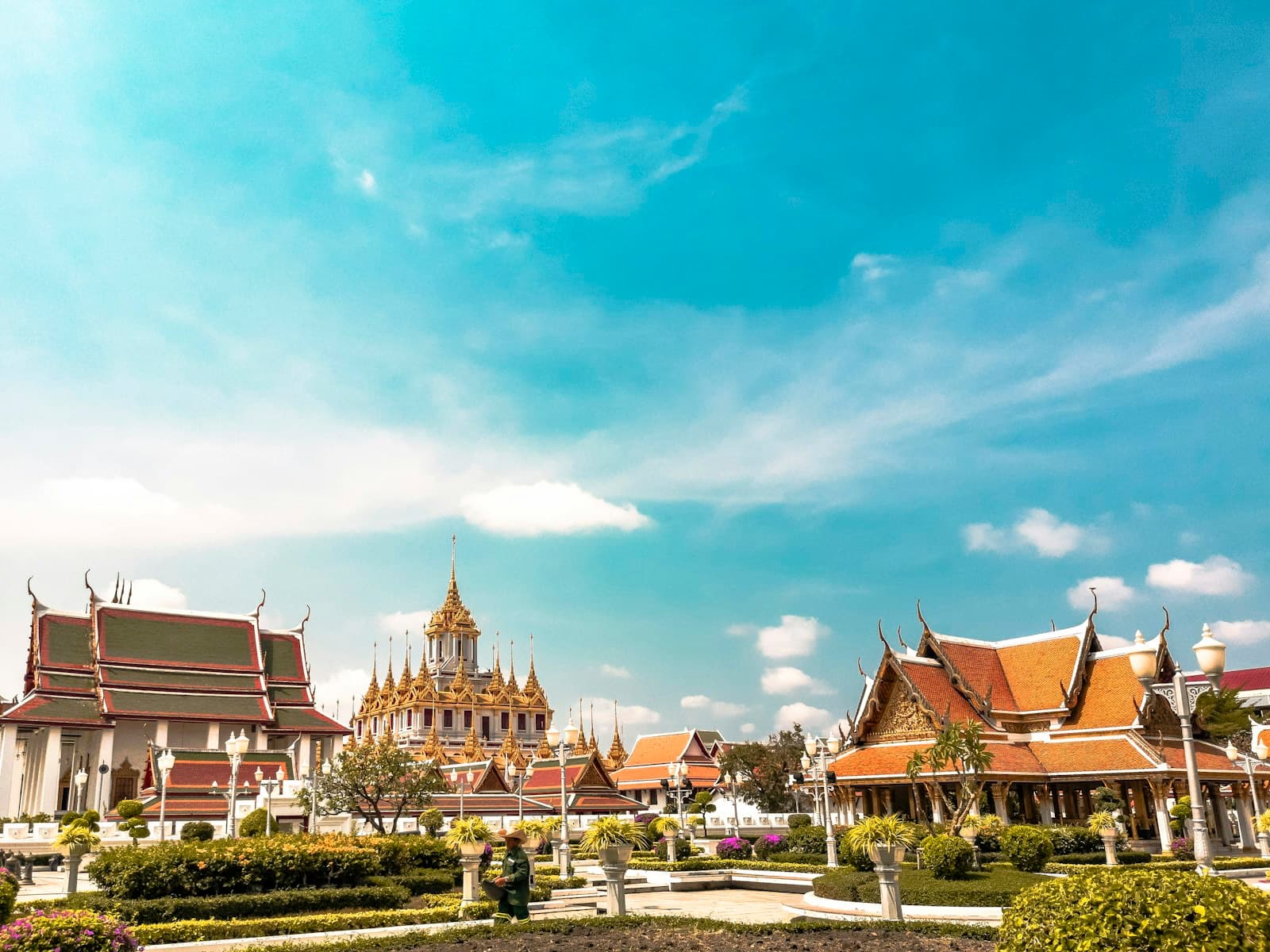
Overview
Bangkok Travel Guide 2026: Days, Transport, Season, Safety, and Budget
7 min
Overview
Best Self-Guided Walking Tours in Bangkok (2026)
3 min
Overview
One Day in Bangkok: A Walkable Itinerary from Temples to Chinatown
7 min
Thematic
Bangkok in Layers: A Capital Founded as a Copy, Still Open for Business
7 min
Companion
Yaowarat Road: Walking Bangkok's Gold Mile, One Layer at a Time
7 min
Deep dive
The Golden Buddha of Wat Traimit: The Statue That Hid Its Own Gold for Two Centuries
6 min
Read
What to Eat in Bangkok: The Dishes, Their Origins, and How to Order Like a Local
6 min