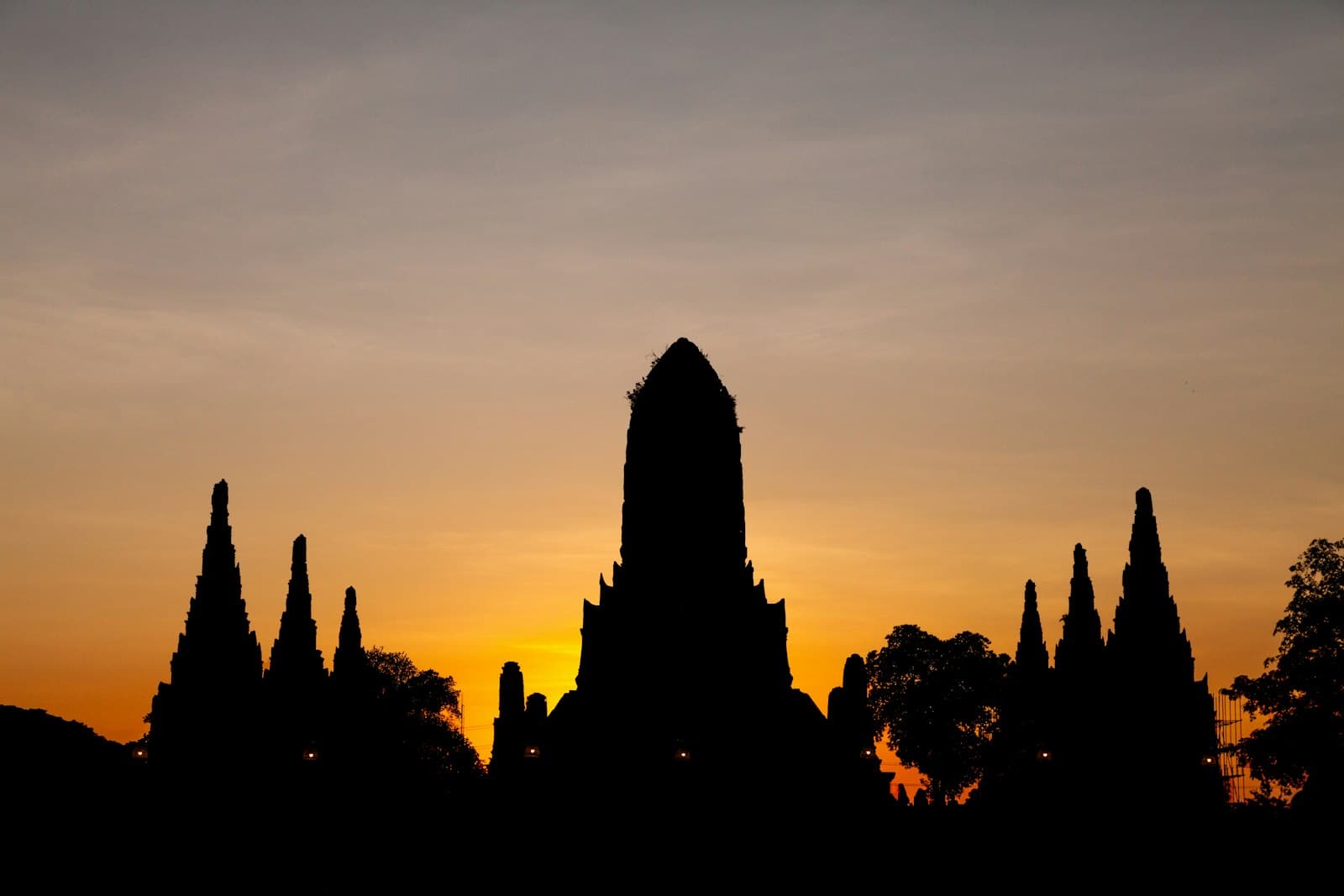
The Architecture of Kings
A walk through the western and riverside temples of Ayutthaya that reads the old royal skyline as a language, tracing how the tapering prang and the bell-shaped chedi became the shapes that meant Siam.
4.55|135 minutes|7 km|6 Stops
Start
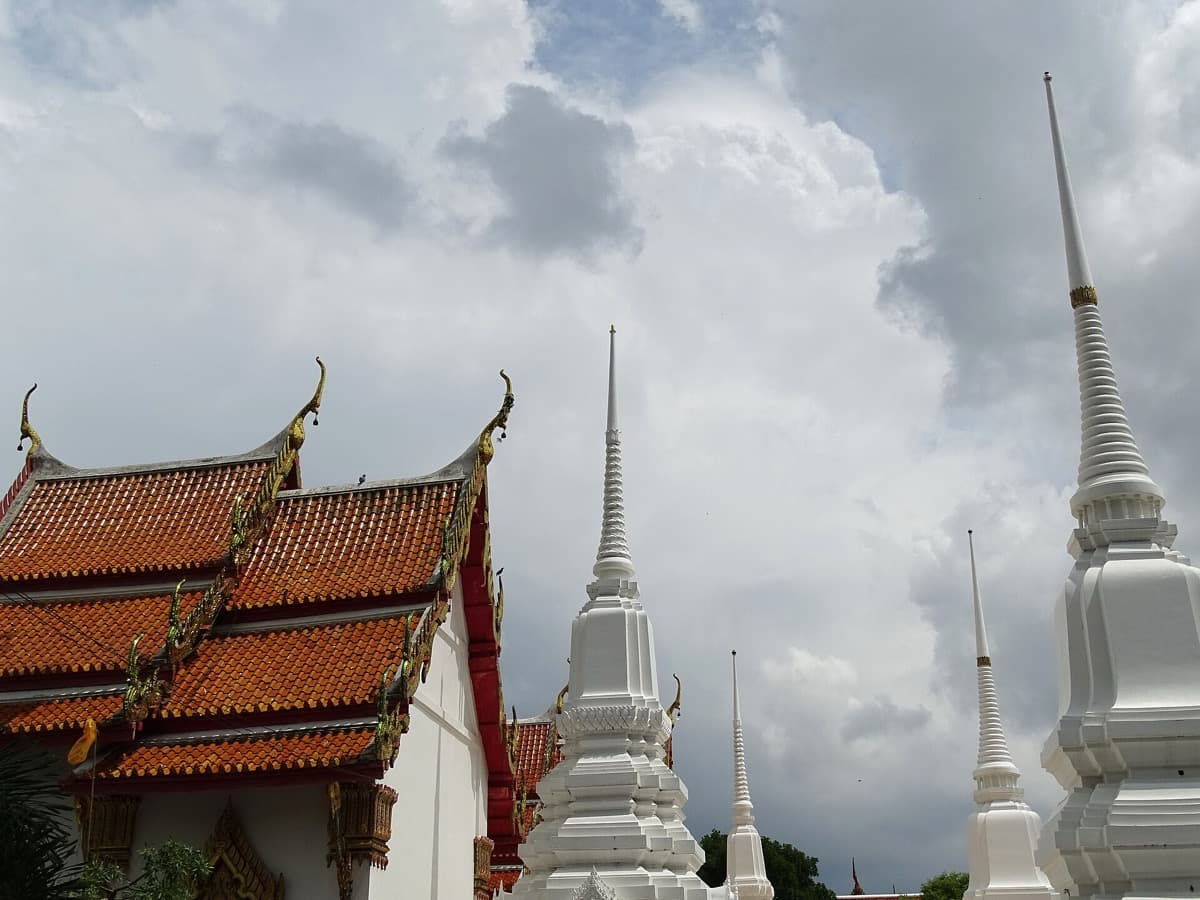
Wat Na Phra Men: The Roofline That Survived
1
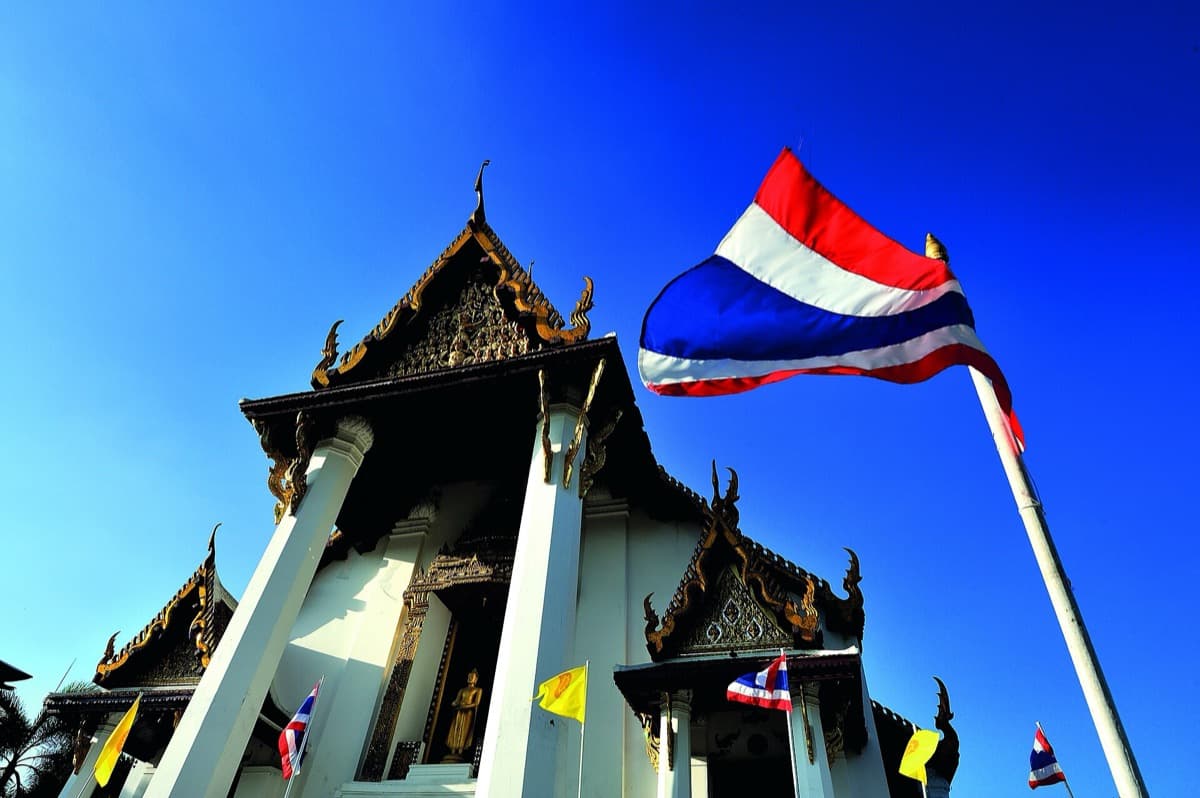
Wat Na Phra Men: The Roofline That Survived
The one temple in the city of Ayutthaya spared in the Burmese sack of seventeen sixty-seven, where you learn to read an intact roofline before meeting ruins.
2
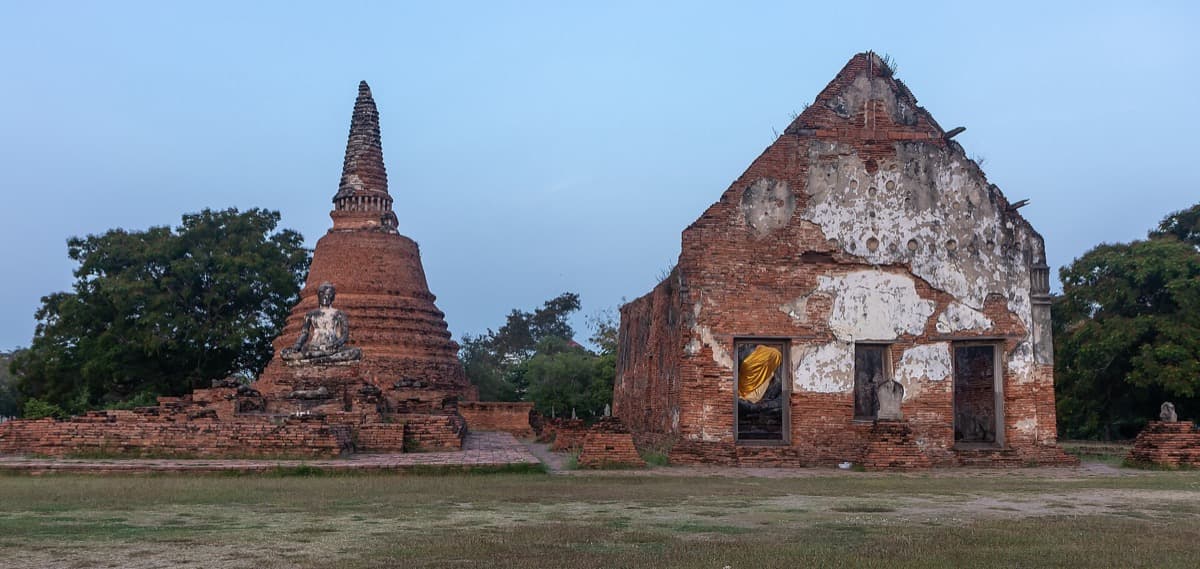
Wat Worachettharam: The Bell in the Grammar
A roofless ruin west of the royal palace whose large bell-shaped chedi shows the Sinhalese-derived memorial form standing beside the prang.
3
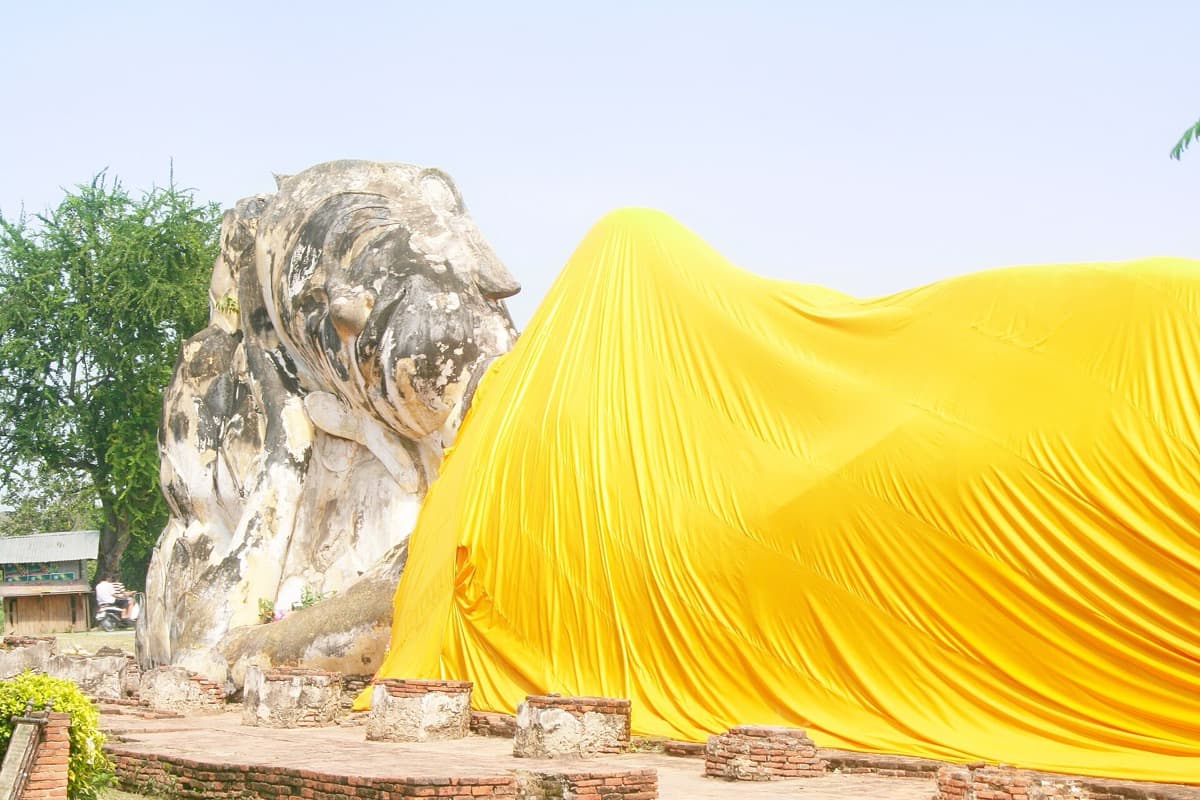
Wat Lokayasutharam: The Reclining Giant
A roughly forty-metre reclining Buddha lying in the open air, a change of register from the vertical towers to horizontal repose.
4
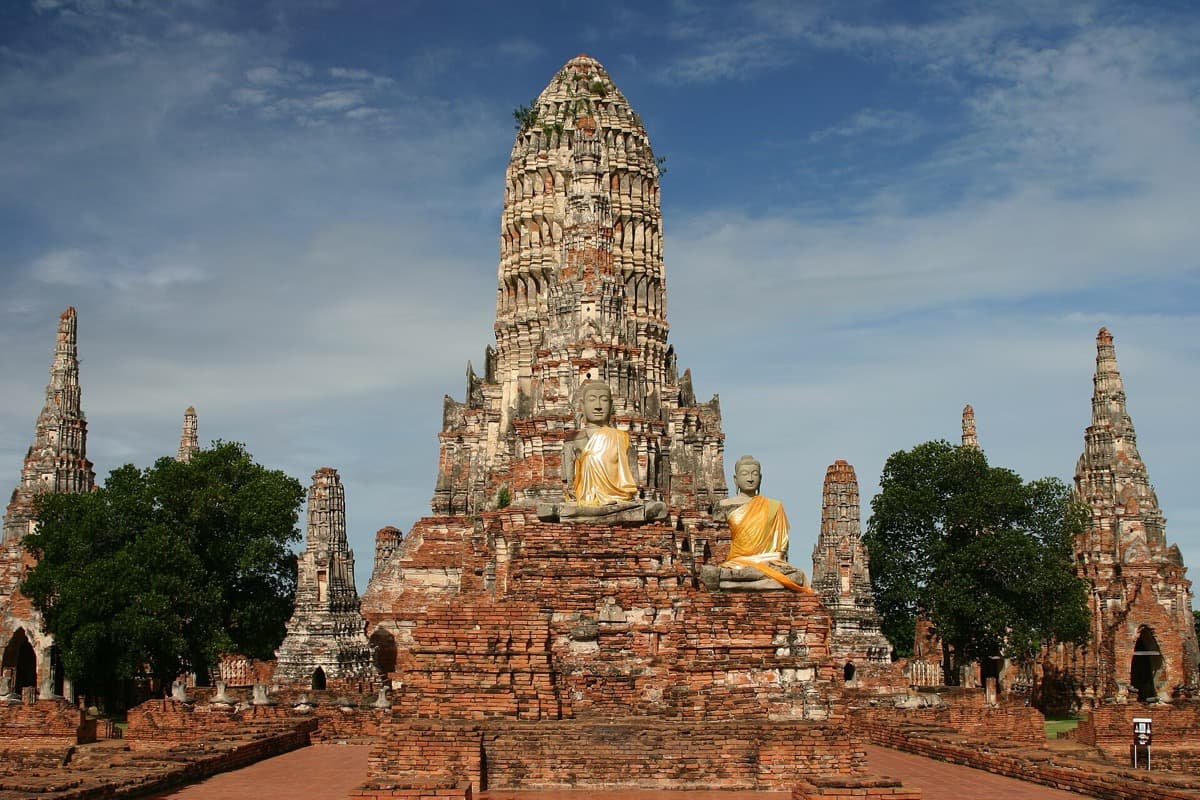
Wat Kasattrathirat: The Prang in Everyday Use
A still-active riverside monastery on the west bank whose thick, rounded prang shows the tower as a living, working shape.
5
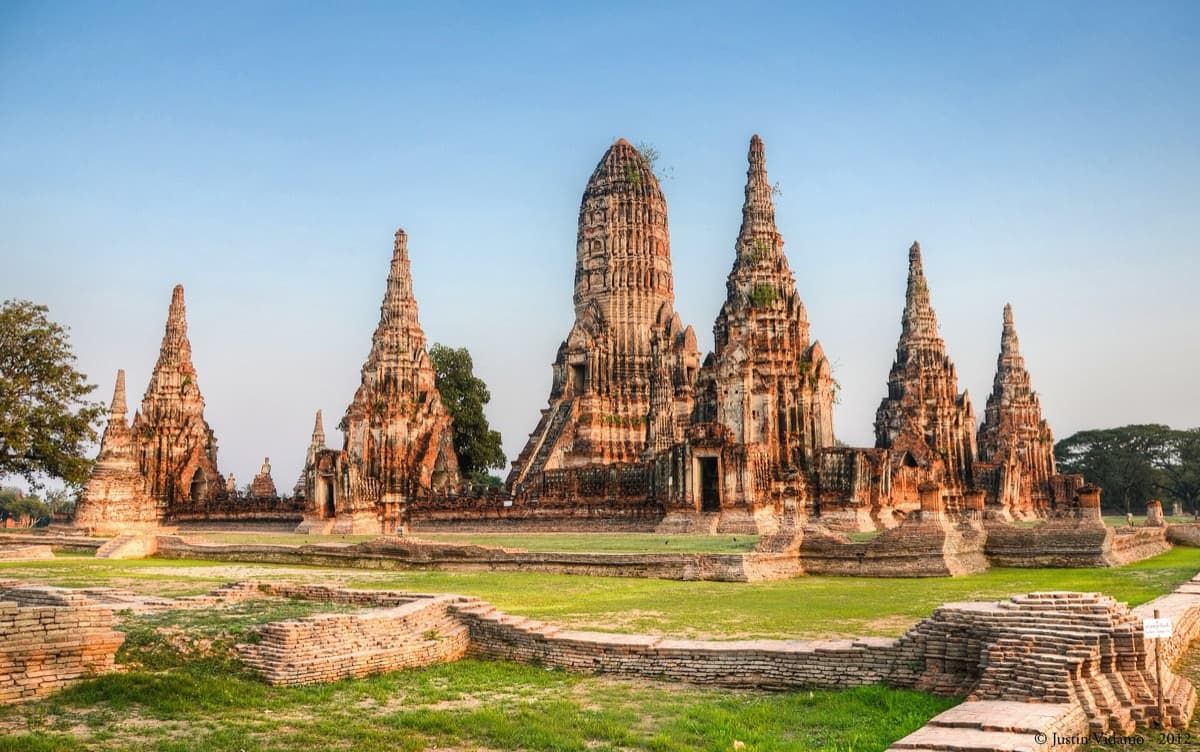
Wat Chaiwatthanaram: The Cosmos as a Plan
The flagship west-bank temple of King Prasat Thong, laid out as a diagram of the Buddhist universe with a central prang for Mount Meru.
6
Wat Chaiwatthanaram Riverside: The Silhouette Resolves
The temple's own river frontage on the west bank, where the whole cosmological plan reads as one silhouette against the Chao Phraya at golden hour.
Best Time to Visit
Late afternoon into golden hour is ideal, so that you reach Wat Chaiwatthanaram and its riverbank as the sun drops and lights the western faces of the towers. If you prefer cooler air and thinner crowds, start in the early morning instead and simply return to the riverside at dusk. The dry, cooler months from roughly November through February are the most comfortable overall; the hot season from March to May is punishing at midday, and the monsoon months from June through October bring heavy afternoon downpours.
Pro Tips
- •Carry small cash in baht for temple entry: about twenty baht at Wat Na Phra Men and fifty baht at Wat Chaiwatthanaram, with the western island ruins and the riverside monastery generally free.
- •Time the walk so you reach the final riverside vantage at golden hour, the soft hour before sunset, when the low sun lights the western faces of the prangs and the river mirrors the silhouette.
- •Wear slip-on shoes, because you will remove them to enter the halls that still hold principal Buddha images, such as at Wat Na Phra Men.
- •Bring plenty of water and a hat: much of this walk, especially the reclining Buddha and the riverside temple, is fully exposed with almost no shade.
- •Plan the river crossing between the island and the west bank in advance, whether by bridge, local boat, or a short ride, since the Chao Phraya separates the last two stops from the first three.
- •Go slowly and skip freely: each stop stands on its own, so if the heat builds, rest in shade and rejoin the walk at whichever temple still pulls you.
Safety & Precautions
- Central Thailand is hot and very humid for much of the year. Much of this route is unshaded brick and stone, so pace yourself, drink water constantly, and avoid the harsh midday hours if you can.
- These are active places of worship. Dress modestly with shoulders and knees covered, remove your shoes before entering any hall that holds a Buddha image, never point your feet toward a Buddha, and never climb on the ruins or the reclining figure.
- In the monsoon months the afternoon rain arrives hard and fast and the ground turns slick. Carry a light rain layer, watch your footing on wet brick and uneven stone, and be ready to shelter until a downpour passes.
- The route crosses the Chao Phraya and touches roads with local traffic and tour vehicles. Cross with care, stay aware near the riverbank edges, which can be unfenced, and keep the strong tropical sun in mind by using shade, a hat, and sunscreen throughout.
Gallery
Related Reading
Go deeper on what you'll see, hear, and walk through.
Overview
Ayutthaya Travel Guide: Days, Transport, Season, Safety, and Costs
5 min
Overview
Best Self-Guided Walking Tours in Ayutthaya (2026)
3 min
Overview
One Day in Ayutthaya: A Walkable Itinerary from Morning to Sunset
8 min
Thematic
The Burned Capital: How Ayutthaya's Ruins Read the World That Made Them
7 min
Companion
Reading Ayutthaya's Royal Skyline at Wat Chaiwatthanaram
7 min
Deep dive
Wat Lokayasutharam: Reading Ayutthaya's Reclining Buddha
7 min
Read
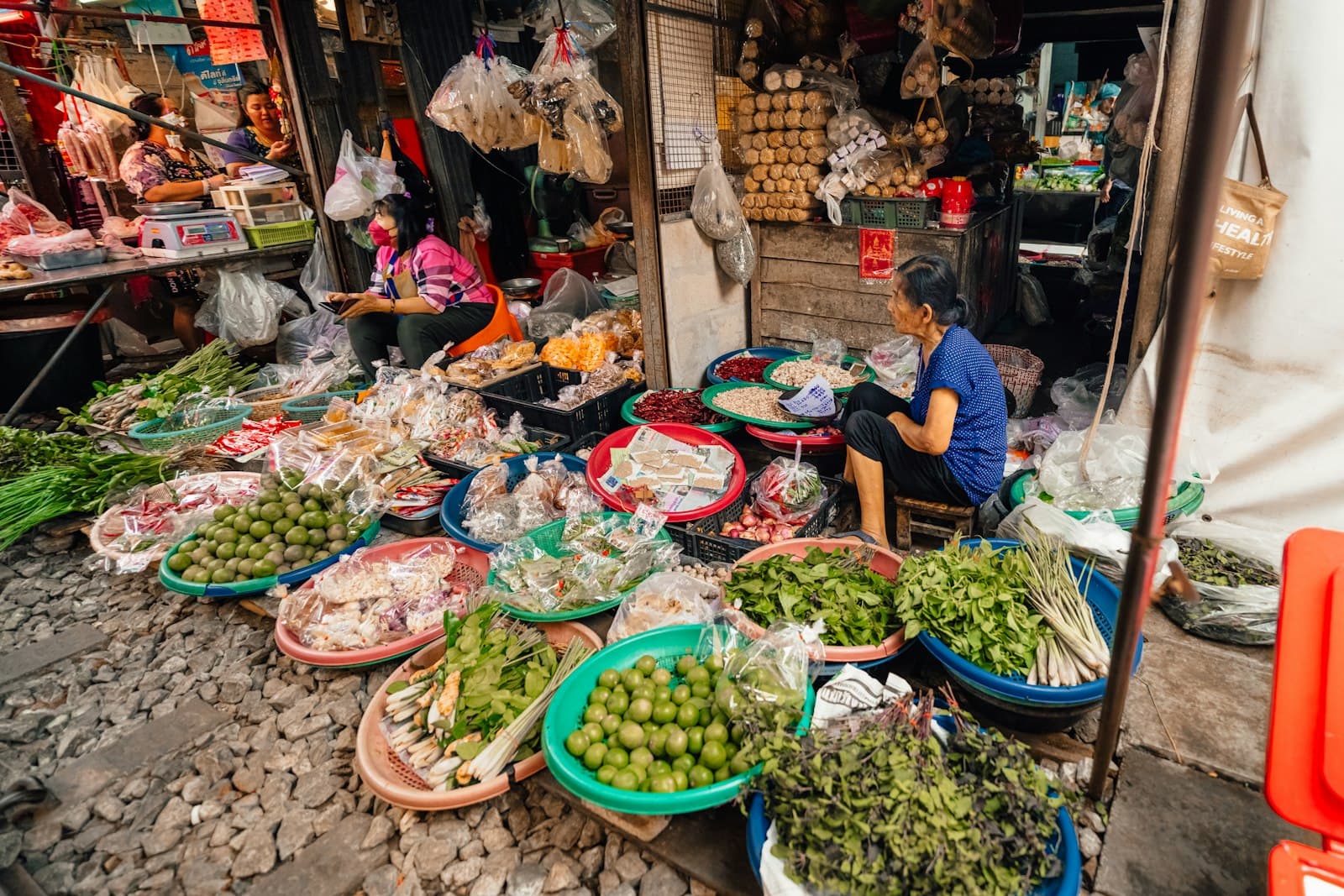
What to Eat in Ayutthaya: River Prawns, Boat Noodles, and Roti Sai Mai
7 min