A single paved square in Pretoria, South Africa, where a Boer president stands in bronze steps from the courtroom that sentenced Nelson Mandela, and empire, republic, apartheid and democracy are all legible in one hectare.
Start · Church Square and the Paul Kruger Statue
DirectionsStops
- 1
Church Square and the Paul Kruger Statue
The paved civic heart of Pretoria, ringed by monumental buildings, with the bronze figure of Boer president Paul Kruger at its centre.
- 2
The Ou Raadsaal: Parliament of a Vanished Republic
On the south side of Church Square, the Renaissance Revival council chamber that housed the parliament of the South African Republic.
- 3
The Palace of Justice: The Court Where a Man Said He Was Prepared to Die
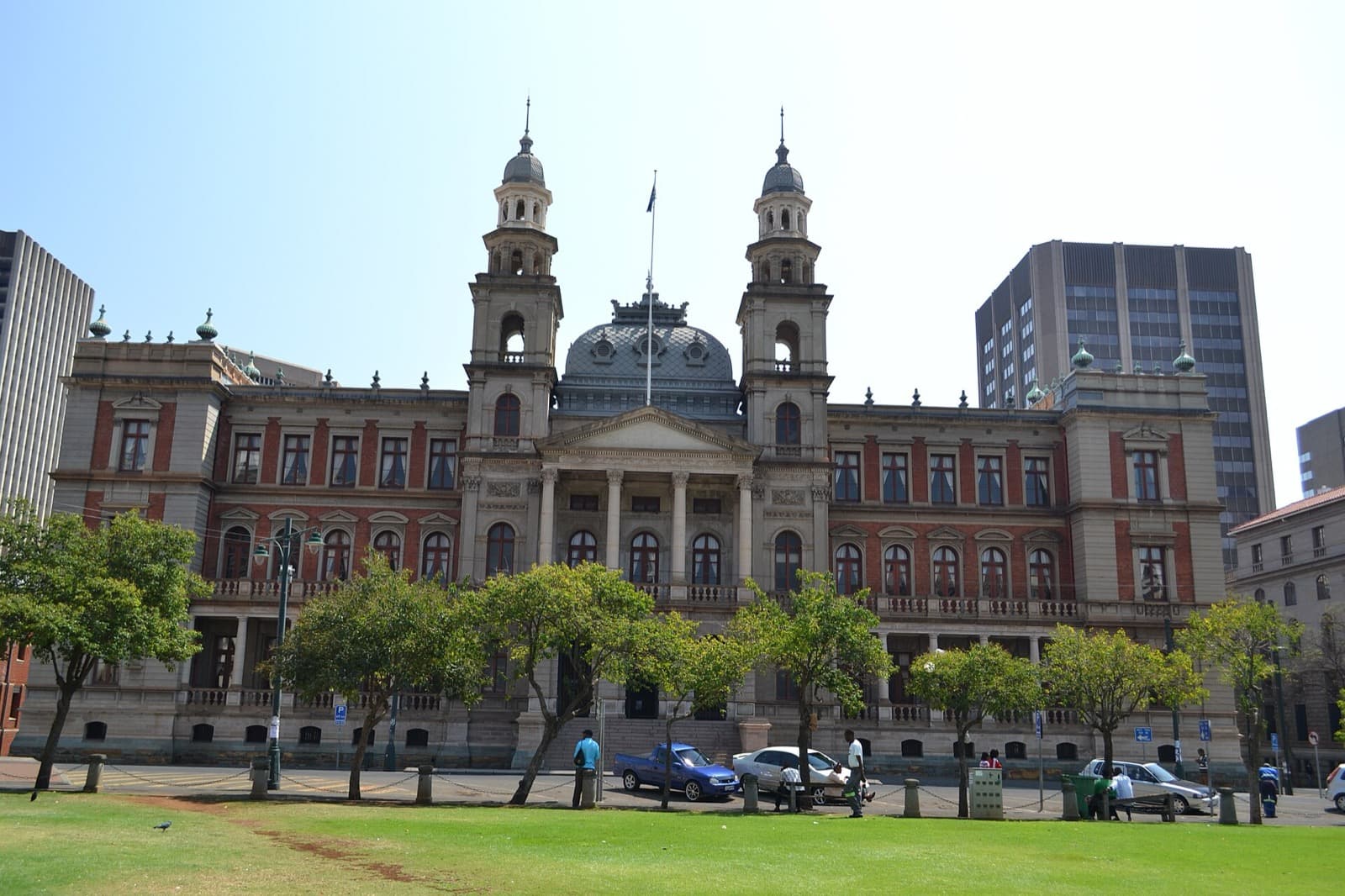
The large stone courthouse on the north side of Church Square, where the Rivonia Trial sentenced Nelson Mandela and his co-accused to life imprisonment.
- 4
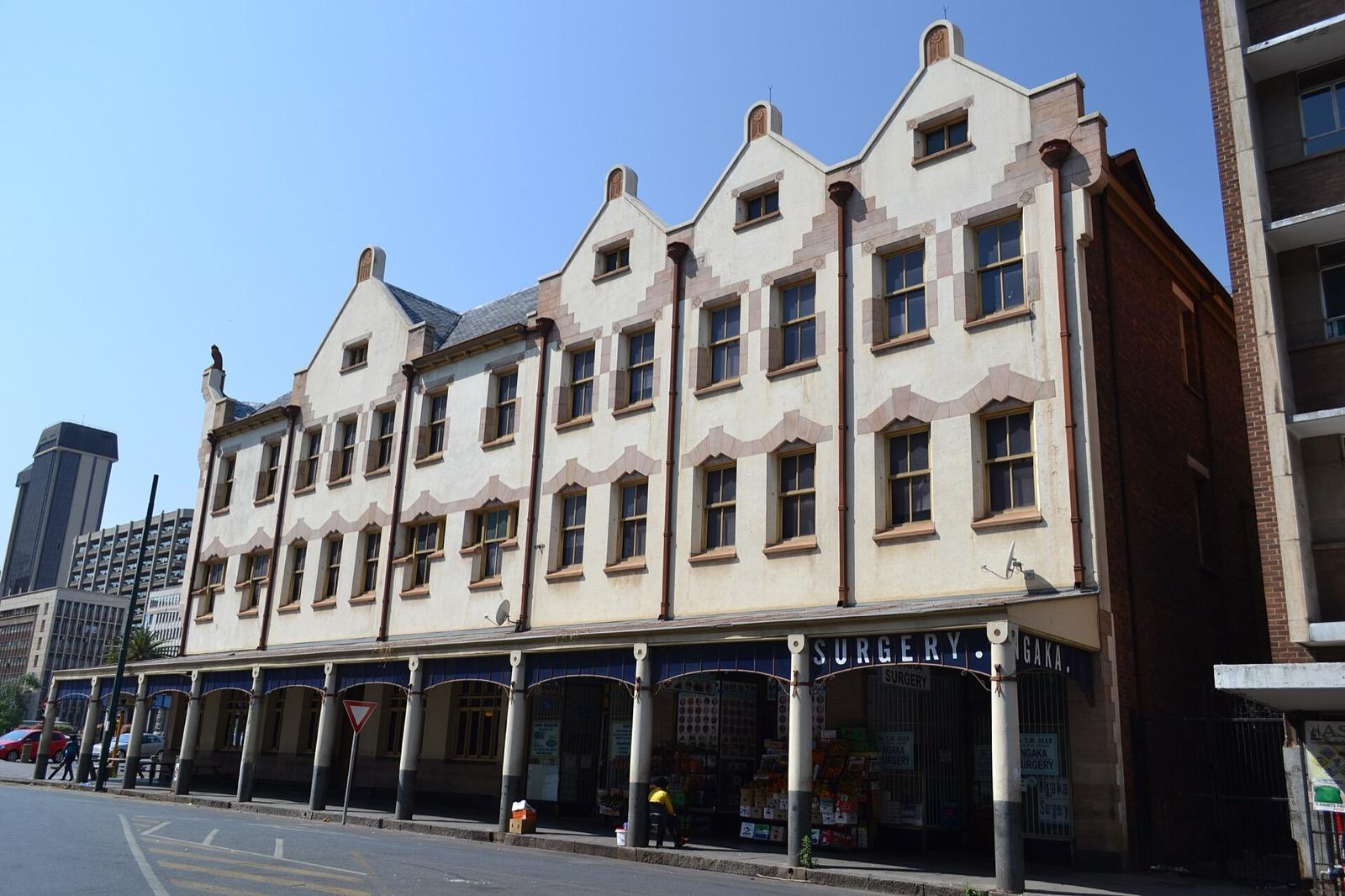
The Buildings of the Square
The remarkably intact belle-epoque ring of turn-of-the-century buildings that still frames Church Square on every side.
- 5
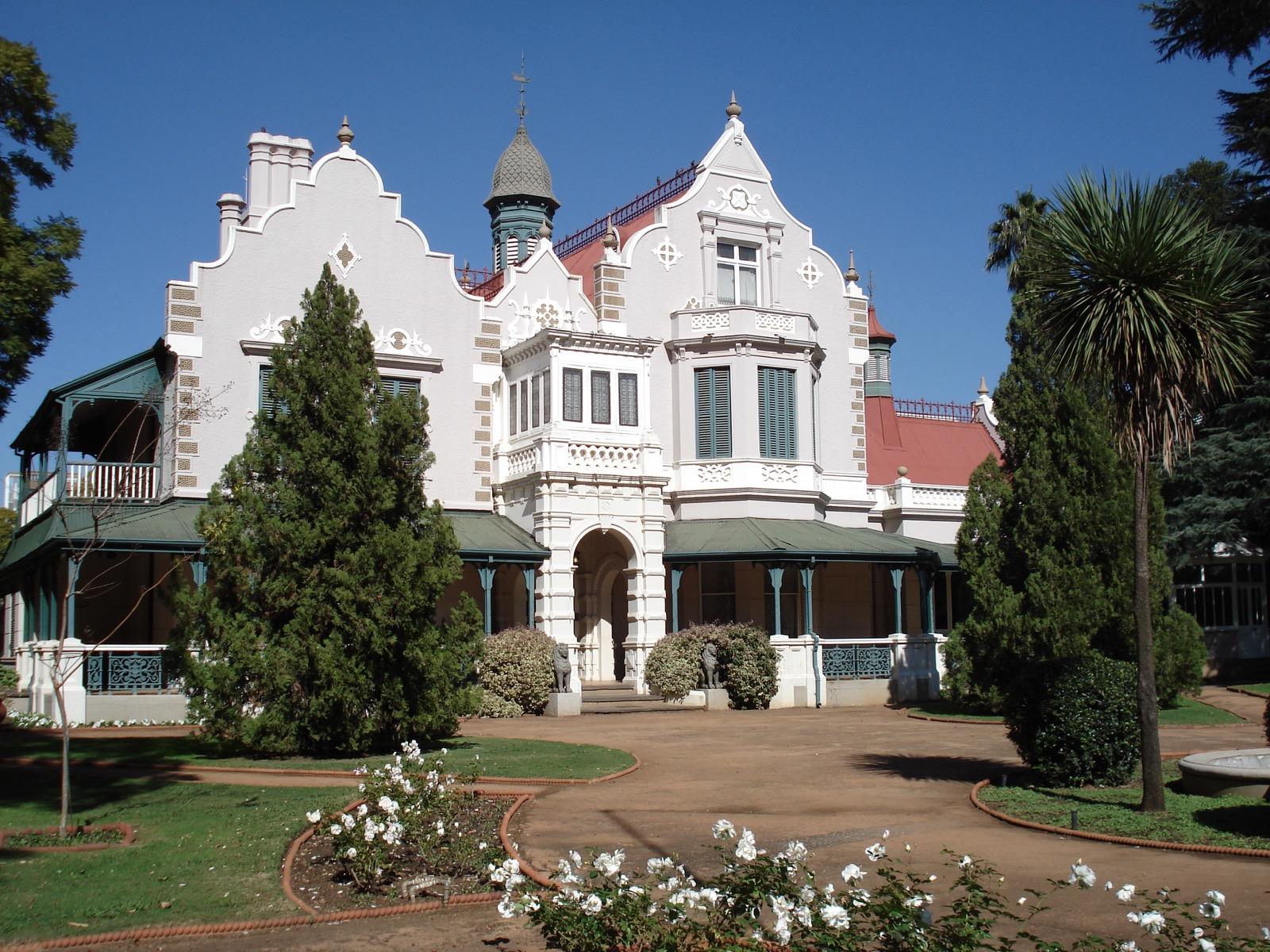
Melrose House
An ornate Victorian mansion a short walk south of the square, whose dining room saw the signing of the treaty that ended the Anglo-Boer War.
- 6
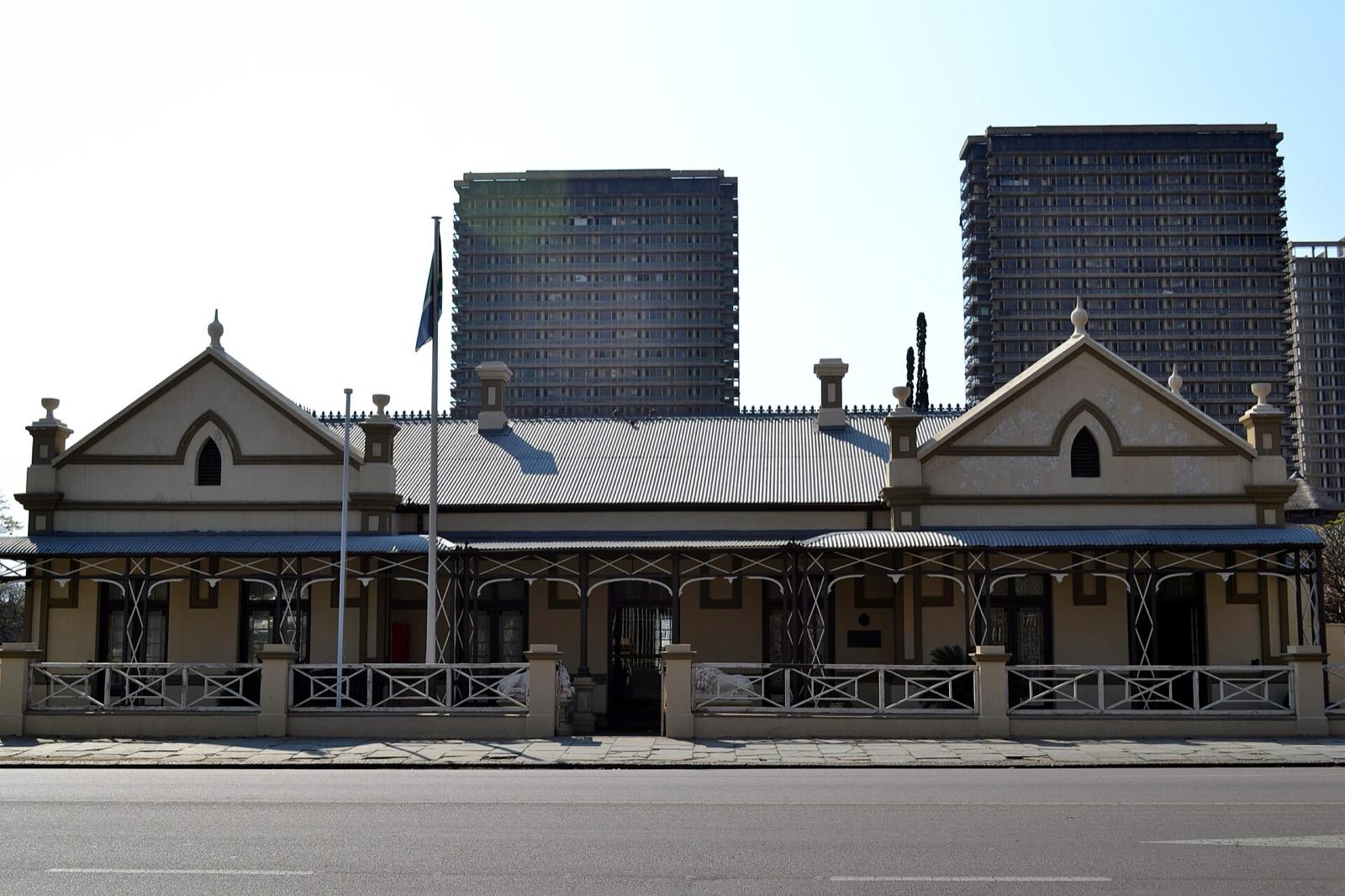
The Kruger House Museum
Paul Kruger's plain single-storey home west of the square, its stoep the place where the president of a republic received ordinary citizens.
Details
Best Time to Visit
Weekday mornings are best, when Church Square is busy with office workers but not crowded and the light is soft on the stone facades. The square is an open public space at any hour, but Melrose House and the Kruger Museum keep museum hours, so start by mid-morning to reach both before they close, and check their opening times in advance. Avoid the hottest part of a summer afternoon, since much of the walk is on open pavement with little shade.
Pro Tips
- •Do the whole loop clockwise from the square: read the statue, the Ou Raadsaal and the Palace of Justice first, then walk south to Melrose House and finally west to the Kruger House.
- •The Palace of Justice is a working High Court, so treat it as an exterior stop; interior access is restricted and you read its story from the square.
- •Give yourself extra time at stop three; the Rivonia Trial is the emotional centre of this walk and rewards a few quiet minutes rather than a quick glance.
- •Both Melrose House and the Kruger House charge a small entry fee in rand, so carry some cash and confirm their hours before setting out.
- •The final leg west to the Kruger House is the longest single stretch, a continuous city-street walk, so save some energy and water for it.
- •Move at your own pace and skip whatever you like; nothing here is timed and there is no group to keep up with.
Safety & Precautions
- •Pretoria sun on the open square and the long westward walk can be strong; wear a hat, use sunscreen, and carry water, especially in summer.
- •Church Square is a busy central-city space, so keep valuables discreet and phones out of sight in the ordinary way you would in any city centre.
- •The walk between Church Square, Melrose House and the Kruger House covers a couple of kilometres on city pavements, so wear comfortable shoes and allow for the distance.
- •The Rivonia Trial and Anglo-Boer War stops carry real emotional weight; approach them with the same quiet respect you would bring to any site of suffering.
- •The walk south to Melrose House and west to the Kruger House crosses several busy central-city streets, so cross at marked crossings and do not assume traffic will stop for you.
Travel advisory: Exercise Increased Caution (Level 2).
Gallery
Related Reading
Go deeper on what you'll see, hear, and walk through.
Overview
Best Self-Guided Walking Tours in Pretoria (2026)
3 min
Overview
One Day in Pretoria: A Walkable Morning-to-Evening Itinerary
8 min
Overview
Pretoria Travel Guide: Days, Transport, Safety, and Budget
7 min
Thematic
Best History Walking Tours in Pretoria (2026)
2 min
Thematic
Pretoria's Square and Hill: How One City Holds Republic, Empire and Democracy
8 min
Companion
The Palace of Justice: Where Pretoria's Whole Century Fits in One Courtroom
6 min
Deep dive
Church Square and the Kruger Statue: How to Read Pretoria's Founding Ground
7 min
Read
What to Eat in Pretoria: Pap, Biltong, Bunny Chow and Where to Find Them
7 min
Read the walk
The full story of Church Square: The Heart of the Capital, in words. Prefer to listen? Play it narrated, from home or on location.
Introduction
Pretoria, South Africa, grew outward from a single open space, and that space is Church Square. To read it is to read a fraught country in one paved hectare. At its centre stands Paul Kruger, president of the old South African Republic, cast in bronze and surrounded by four anonymous citizen-soldiers. Around him rise the buildings that made this the capital: the Ou Raadsaal, the parliament of a vanished republic, and the Palace of Justice, where in nineteen sixty-three and nineteen sixty-four the Rivonia Trial sentenced Nelson Mandela and his comrades to life imprisonment, and where Mandela spoke his I am prepared to die words from the dock. This tour has six stops and runs about two hours over roughly four kilometres, most of it around the square itself, with a longer street walk west to close. Two stops sit a little apart from the square: Melrose House to the south, the drawing room where the Anglo-Boer War was ended with a signature, and Kruger's own modest home to the west. All of it is on foot, at your own pace, with no group and no fixed schedule. You can linger as long as you like at the courthouse, or move straight on. Empire, republic, apartheid and democracy meet here, and none of them can be told without the others. When you arrive at Church Square, begin with stop one.
1. Church Square and the Paul Kruger Statue
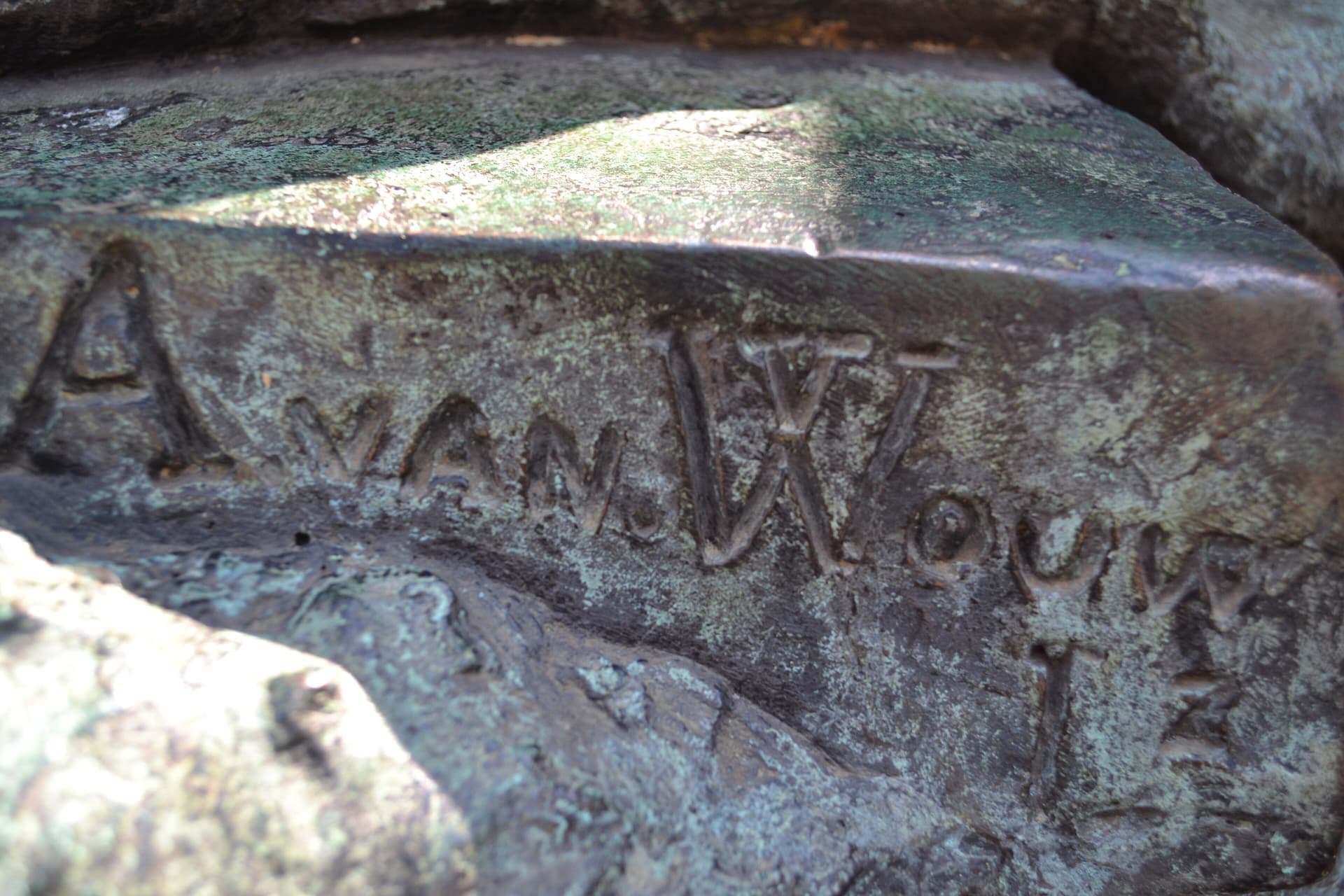
This open hectare is where Pretoria began. The town's founder, Marthinus Pretorius, set it aside as both marketplace and churchyard, and for years it was simply Market Square, Marktplein in Afrikaans. Church buildings stood at its centre from eighteen fifty-six, and the square took the name Church Square, Kerkplein, from them. The first church burned; a later Gothic building rose in eighteen eighty-five and was pulled down around nineteen oh five. Kruger's own state funeral was held from that church. What remains is this paved civic space, ringed by the grand buildings you will read at the next stops. At the centre stands the man himself in bronze: Paul Kruger, president of the South African Republic, the Boer state that governed the Transvaal in the late nineteenth century. The statue was sculpted by Anton van Wouw, a Dutch-born artist often called the father of South African sculpture, and it was commissioned by the industrialist Sammy Marks. Look closely and you will see Kruger is not alone: four anonymous Boer citizen-soldiers guard the lower plinth, ordinary fighters rather than statesmen. The figure moved several times over the decades, standing in a park and near the railway station before it was finally unveiled here on Church Square in nineteen fifty-four by the prime minister of the day. Present-day Pretoria treats this square as its historic core, and it carries the whole story at once. The president in bronze looks out over a country that would, within a lifetime, become something he could not have imagined. Take your time. The rest of the square explains him.
2. The Ou Raadsaal: Parliament of a Vanished Republic
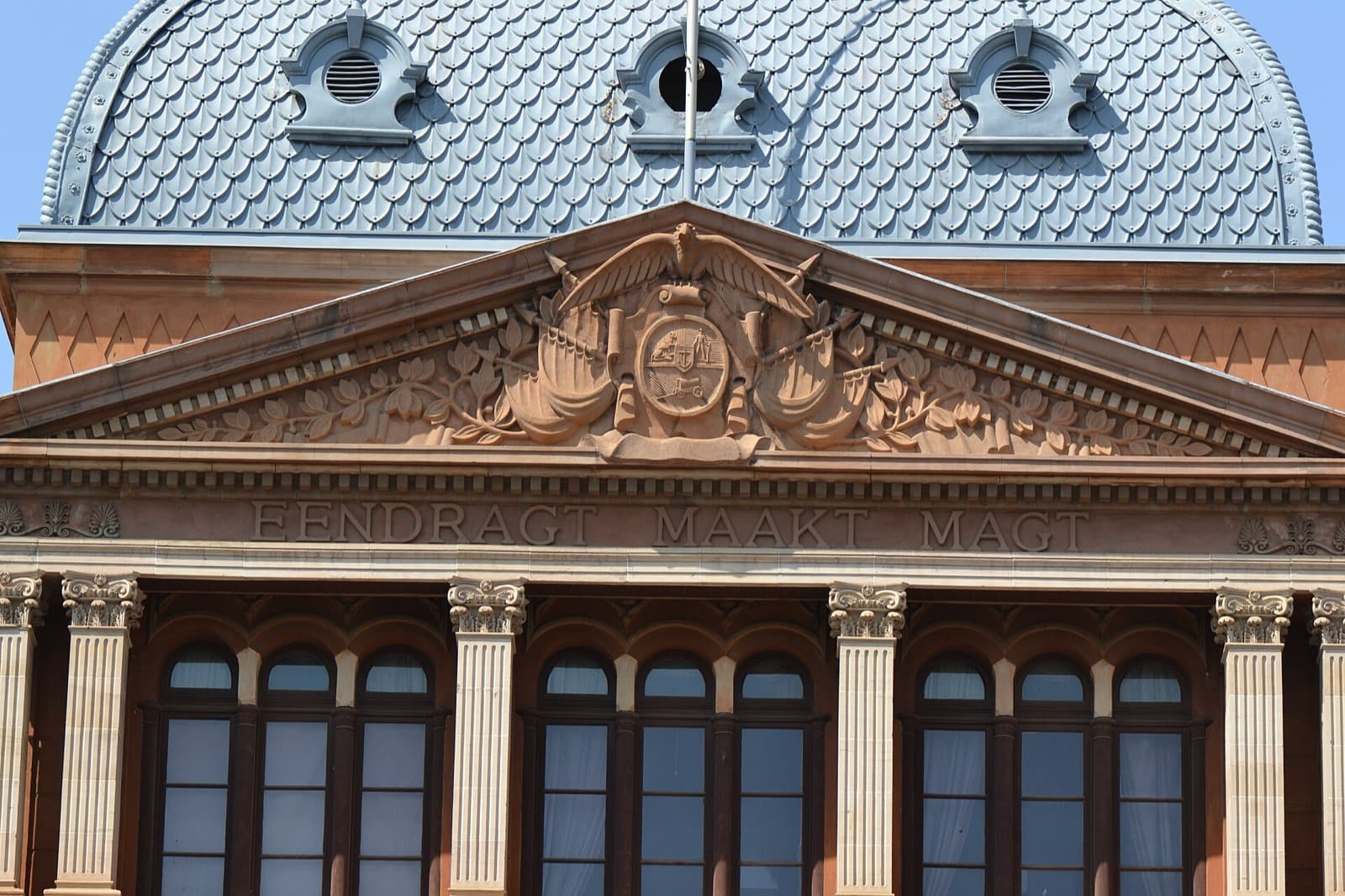
On the south side of the square stands the Ou Raadsaal, which means the Old Council Chamber. Raadsaal is simply Afrikaans for council chamber, and this was the seat of the Volksraad, the parliament of the South African Republic, the Boer state that governed the Transvaal. From eighteen ninety-one to nineteen oh two, the laws of that republic were debated inside these walls. The building was designed by the Dutch architect Sytze Wierda in a Renaissance Revival style, all balanced stone and classical order. Its cornerstone was laid by President Paul Kruger on the sixth of May, eighteen eighty-nine, and it was completed in December of eighteen ninety-one. There is a small story in the stone itself. The building was first planned with two storeys, but a decision taken during construction added a third storey partway through the work, and the reforms of eighteen ninety that split the Volksraad into two chambers are part of that story. A crowning figure sits above the facade, a female Liberty commonly reported to top the building, and it reads as an emblem of a republic that thought of itself as free and self-governing. This was a state built for one part of the population and closed to most others, and within a few years it would vanish altogether, swept away by the war with the British Empire. The parliament that met here is gone. The chamber that housed it still stands, precise and formal on its square, a stone record of a country that no longer exists.
3. The Palace of Justice: The Court Where a Man Said He Was Prepared to Die
On the north side of the square stands the Palace of Justice, and this is the heart of the whole walk. It is a large stone building, designed once again by the Dutch architect Sytze Wierda. President Paul Kruger laid its foundation stone on the eighth of June, eighteen…
Full narration for this stop unlocks with the tour.
4. The Buildings of the Square
Turn slowly and take in the whole ring of buildings around you, because this is one of the reasons Church Square is remarkable: its turn-of-the-century face is still almost entirely intact. Very few city squares anywhere kept their belle-epoque frame this completely. You already…
Full narration for this stop unlocks with the tour.
5. Melrose House
A short walk south of the square brings you to Melrose House, an ornate Victorian mansion built in eighteen eighty-six to a design by the architect W. T. Vale for the businessman George Heys. It sits on a street once called Jacob Mare Street and now renamed Jeff Masemola Street.…
Full narration for this stop unlocks with the tour.
6. The Kruger House Museum
The last stop is the longest leg of the walk, west along Church Street, and it ends at a surprisingly humble place. This is Kruger House, at sixty Church Street West, on a road now named WF Nkomo Street. It was the Pretoria home of Paul Kruger, the same president whose bronze…
Full narration for this stop unlocks with the tour.