Church Square: The Heart of the Capital
120 min · 4 km · easy
One well-planned day in Pretoria walks you from the paved civic square where the city began to the terraced hilltop seat of the South African state, with two museum interiors and a lunch break folded in between. Start on Church Square in the morning when the light is soft on the stone, read the ring of turn-of-the-century buildings and the courthouse where the Rivonia Trial sentenced Nelson Mandela, then take a short ride east and up to the Union Buildings for the late afternoon, when the sandstone glows and the terraces cool. The two anchor stops correspond to Roamer's two self-guided audio tours, so you can let the narration carry the history while you set your own pace. Here is how to shape the day, with the opening hours, entry needs, and honest logistics checked against current sources.
The short answer: one walkable day, two halves
Pretoria's historic core is compact enough to see properly on foot in a single day if you split it into two halves and use a car or ride-share for the roughly 2.5 kilometre hop between them. Spend the morning and early afternoon around Church Square in the central city, then move to the Union Buildings on the hill of Meintjieskop for the golden last light. Both halves are walking-scale once you are there. The gap between them is not, so plan a quick Uber or Bolt rather than a hot pavement trek.
The morning is dense with buildings and courtrooms. The afternoon is one long green climb with a view. That contrast is the day: the paved square where the capital started, and the hill it grew up to govern from.
Morning: Church Square, roughly 9:00 to 12:30
Hear a stop from this walk
The Kruger House Museum
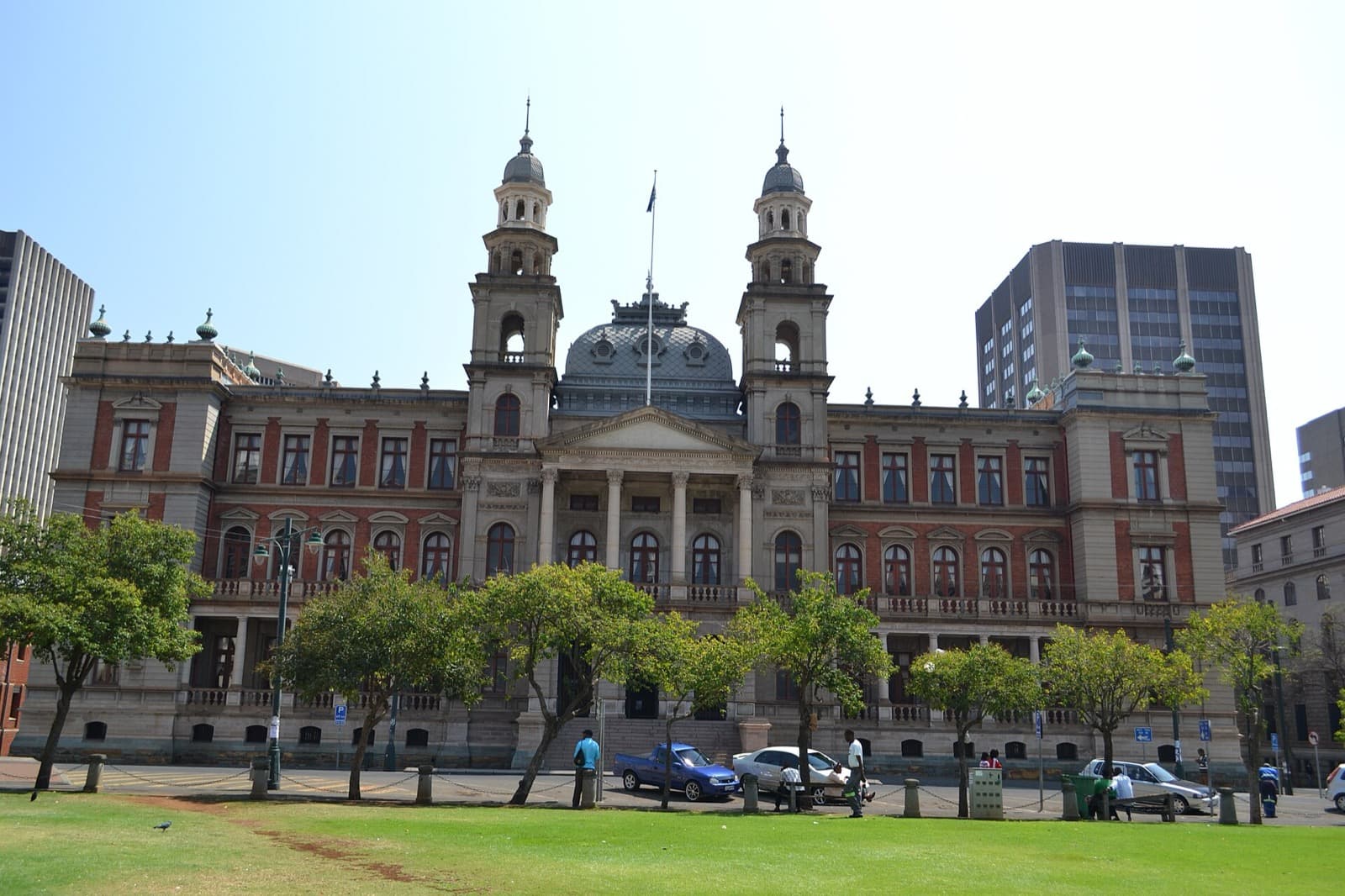
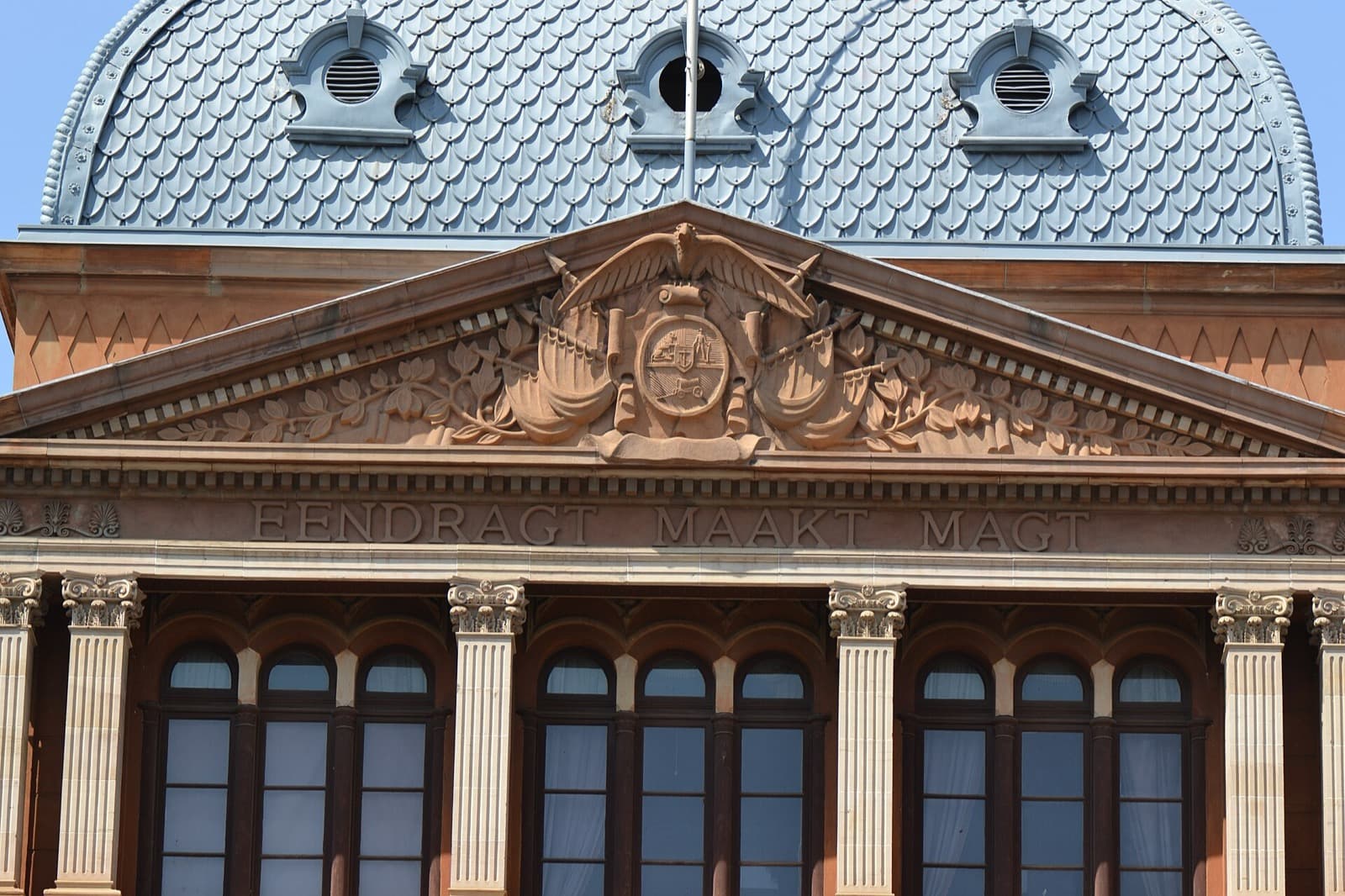
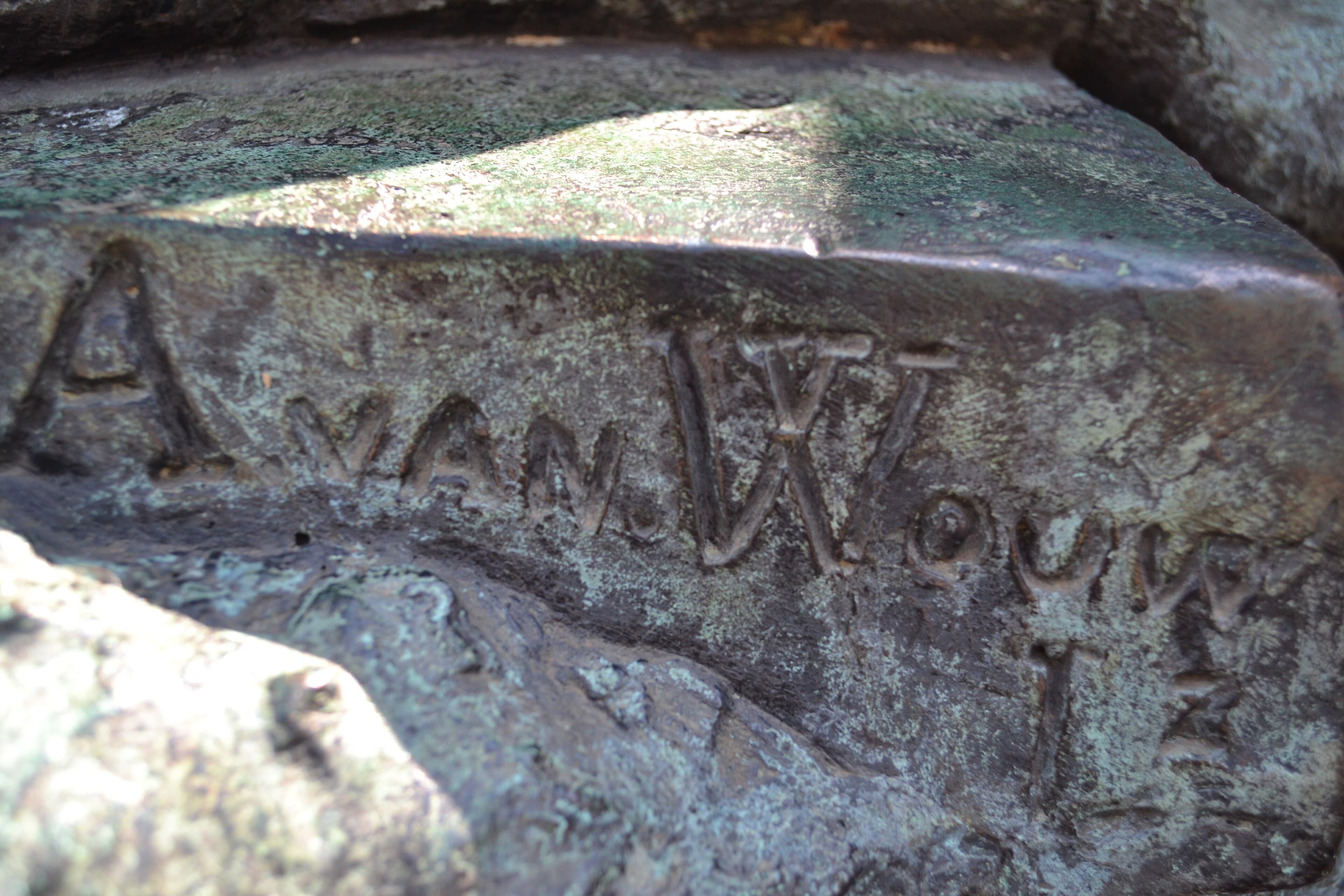
Begin at Church Square, the open paved hectare where Pretoria grew outward from a single space. It is a free public space at any hour, so there is no ticket and no gate. At its centre stands the bronze figure of Paul Kruger, president of the old South African Republic, sculpted by Anton van Wouw and commissioned by the industrialist Sammy Marks, with four anonymous Boer citizen-soldiers on the lower plinth. Walk the ring slowly. The Ou Raadsaal on the south side housed the Volksraad, the parliament of that vanished republic, and the Palace of Justice on the north side is where, from October 1963 to June 1964, the Rivonia Trial sentenced Nelson Mandela and his co-accused to life imprisonment. The Palace of Justice is a working High Court, the seat of the Gauteng Division, so treat it as an exterior stop and read its story from the square.
This is the ground the Church Square audio tour covers stop by stop, and it is the right way to absorb the layering here, because empire, republic, apartheid, and democracy are all legible in one open space. Give the courthouse a few quiet minutes. It is the emotional centre of the morning.
From the square the tour continues to two museum interiors, and this is where opening hours start to matter.
Late morning: Melrose House and the Kruger House
Two of the morning's stops are indoor museums with real logistics. Melrose House sits a short walk south of the square. It is the ornate Victorian mansion where, on 31 May 1902, the Treaty of Vereeniging was signed in the dining room, ending the Anglo-Boer War. It is open Tuesday to Sunday, from 10:00 to 17:00, and closed on Mondays, so do not plan this day for a Monday if you want to go inside. There is a small entry fee in rand, so carry some cash. The treaty-signing room is preserved much as it was.
West of the square is the Kruger House, Paul Kruger's plain single-storey home, now the Ditsong Kruger Museum. Per the official Ditsong museums site, it is open daily from 08:00 to 16:00, closed only on Christmas Day and Good Friday, and it too charges a small entry fee in rand. The famous detail here is the stoep, the front veranda where the president of a republic received ordinary citizens who walked up to speak with him. The leg west to reach it is the longest single stretch of the morning, a continuous city-street walk, so save some water and energy for it. If the day is hot or you would rather not walk that final stretch, a short ride-share covers it.
By early afternoon you have read the whole square: statue, parliament, courthouse, the belle-epoque ring of buildings, a treaty room, and a president's front porch.
Midday: lunch on the square
Break for lunch back near Church Square before you leave the city centre. Cafe Riche, on one corner of the square, was built in 1905 in the Art Nouveau style and is often called one of the oldest cafes in Pretoria, a recognised heritage building. It is a fitting place to sit for an hour with the courthouse and parliament in view. Whether you eat there or elsewhere in the centre, this is the natural seam in the day: you are done with the paved half and about to move to the green half.
Keep phones and valuables discreet the way you would in any busy city centre, and keep the break purposeful.
Afternoon: the ride to the Union Buildings
After lunch, take a car or ride-share the roughly 2.5 kilometres east and uphill to the Union Buildings. This is not a walk you want to make on foot: the distance is longer than a map suggests and the route runs through central streets, so a short Uber or Bolt is the sensible move. Ride-share apps are widely used in Pretoria and are the recommended way to move between attractions here. One quirk worth knowing: ride-share vehicles cannot collect passengers directly at the Gautrain stations themselves, so if you arrive by Gautrain, walk a short way clear of the station before requesting a pickup.
Aim to reach the hill by mid to late afternoon. The sandstone glows warm in the lower sun, the open terraces are gentler once the midday heat eases, and you will still have plenty of daylight for the climb.
Late afternoon: the Union Buildings terraces
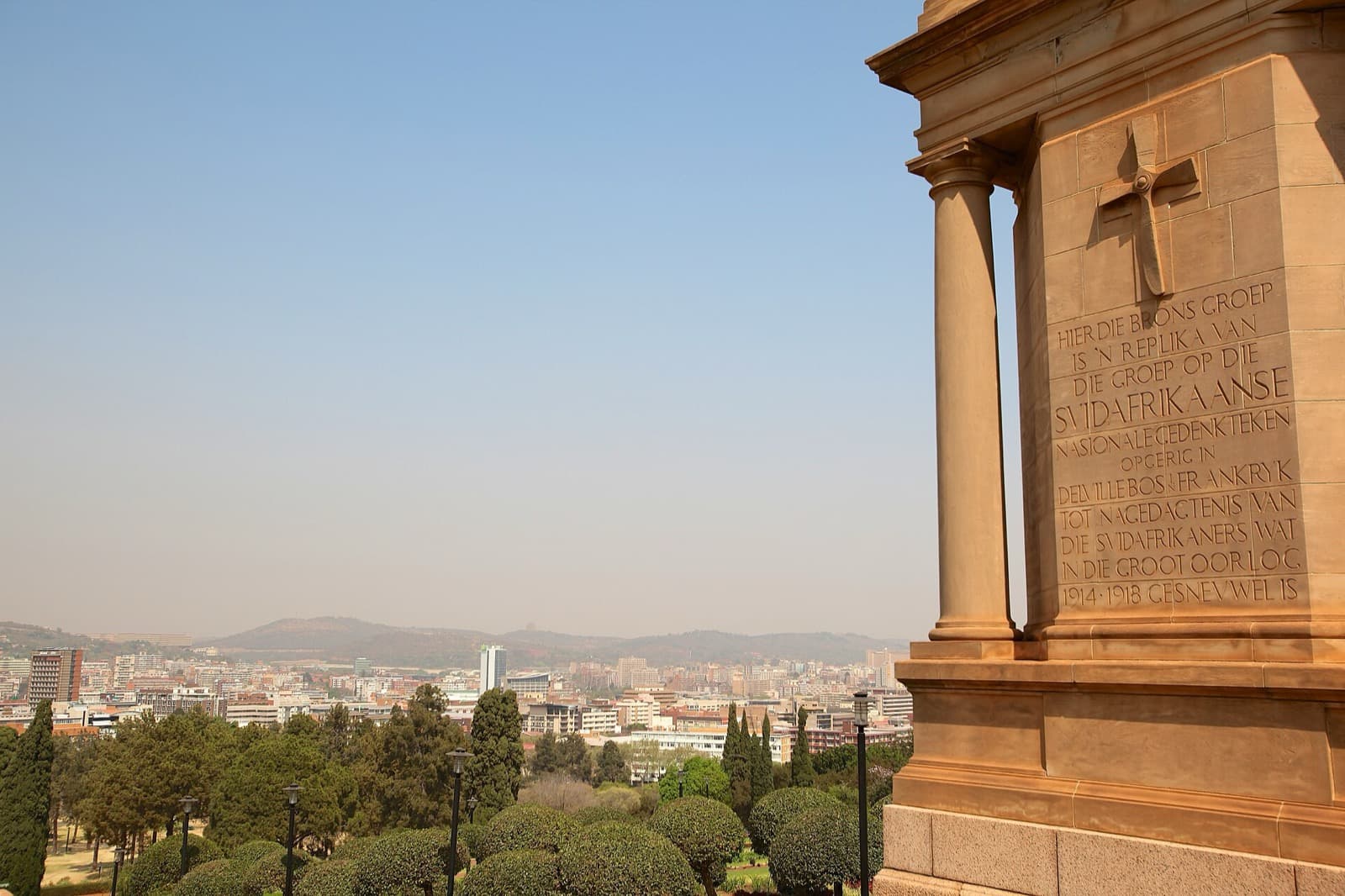
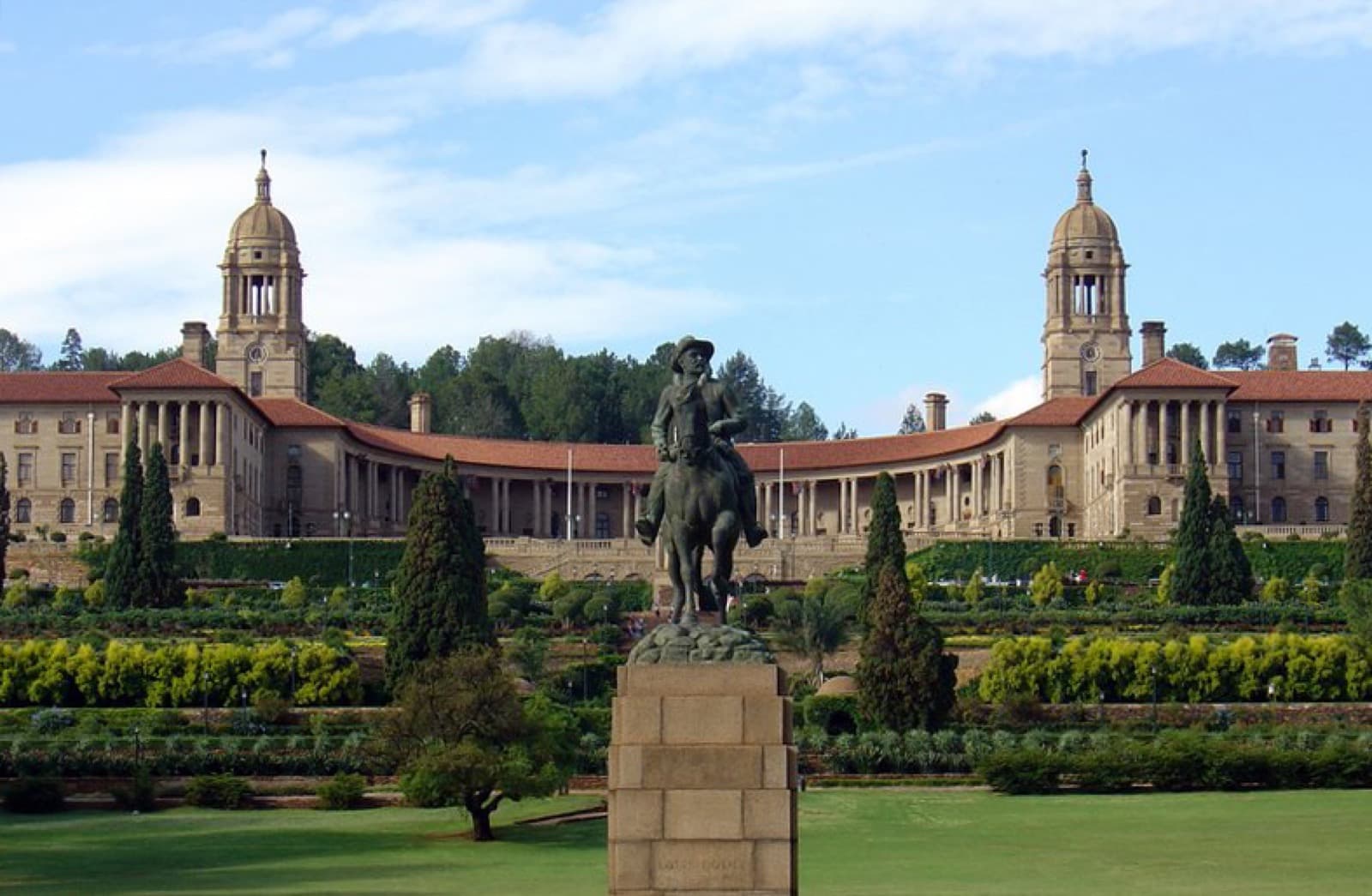
The Union Buildings crown the hill of Meintjieskop, and the grounds, terraces, and amphitheatre are free and open to the public. The building itself is not open to walk inside, since it holds the working offices of the President and the government, so this half of the day is entirely outdoors. The Union Buildings audio tour climbs the terraced gardens the way they were designed to be approached, from below.
Start at the lower gardens and climb. The semicircular amphitheatre near the top is where Nelson Mandela was inaugurated as South Africa's first democratically elected president on 10 May 1994, and where his body later lay in state for three days in December 2013. On the lower terrace stands the nine-metre bronze Mandela statue, arms open over the city, unveiled on 16 December 2013, the Day of Reconciliation. The two great sandstone wings and their domed towers are the work of Sir Herbert Baker, built between 1909 and 1913. Give the amphitheatre and the statue their quiet. They are the reason to end the day here.
Photograph the Mandela statue from a distance to catch its full open-armed scale, and finish on the upper terrace, where the whole city spreads out below toward Church Square. In October, when Pretoria's jacaranda trees bloom, that view turns purple. Security is present on the grounds as you would expect at a seat of government, so follow posted guidelines and expect the ordinary checks.
Practical notes for the day
Getting in: the Gautrain reaches Pretoria and Hatfield stations from Johannesburg, and from either station a short ride-share brings you to Church Square. Timing: do Church Square in the morning while it is busy with office workers but not crowded, and save the Union Buildings for the softer late-afternoon light. Money: both Melrose House and the Kruger House charge a small entry fee in rand, so carry cash and confirm their hours before you set out, since museum fees are updated periodically. Comfort: much of the day is on open pavement and sunny terraces with little shade, so bring a hat, sunscreen, and water, and wear comfortable shoes. Safety, framed honestly: Pretoria's central business district is manageable by day, but keep valuables and phones out of sight, keep your movements purposeful, and use Uber or Bolt rather than walking the longer gaps between attractions. None of this should keep you away. It is ordinary city-centre awareness, and the payoff is one of the most legible historic capitals you can read on foot.
For the full set of routes and the two audio walks that anchor this day, see the Pretoria walking tours hub and the Pretoria city page.
Sources
Frequently asked questions
- Can you see Pretoria's main sights in one day on foot?
- Yes, if you split the day in two. The morning around Church Square (the Kruger statue, Ou Raadsaal, Palace of Justice, Melrose House, and the Kruger House) is all walking-scale in the central city. The Union Buildings sit about 2.5 kilometres east on a hill, so take a short Uber or Bolt for that gap rather than walking it, then explore the terraces on foot.
- What are the opening hours for Melrose House and the Kruger House Museum?
- Melrose House is open Tuesday to Sunday from 10:00 to 17:00 and closed on Mondays. The Ditsong Kruger Museum is open daily from 08:00 to 16:00, closed only on Christmas Day and Good Friday per the official Ditsong museums site. Both charge a small entry fee in rand, and fees are updated periodically, so confirm current prices before you go.
- Is the Union Buildings open to the public, and is there an entry fee?
- The gardens, terraces, and amphitheatre of the Union Buildings are free and open to the public. The building itself is not open to walk inside, because it holds the working offices of the President and the government. Security is present on the grounds as you would expect at a seat of government, so follow posted guidelines.
- How do you get from Church Square to the Union Buildings?
- They are roughly 2.5 kilometres apart, a short drive of a few minutes. Uber and Bolt are widely used in Pretoria and are the recommended way to cover the gap. Note that ride-share vehicles cannot collect directly at Gautrain stations, so if you arrive by Gautrain, walk clear of the station before requesting a pickup.
- Is it safe to walk around Pretoria's city centre?
- Pretoria's central business district is generally manageable during daytime, with the usual city-centre precautions. Keep phones and valuables out of sight, keep your movements purposeful, and use Uber or Bolt rather than walking the longer gaps between attractions. Church Square and the Union Buildings grounds are busy public spaces during the day.
- When is the best time of year to visit Pretoria?
- October is the standout month, when Pretoria's jacaranda trees bloom and the city below the Union Buildings turns purple. Weekday mornings are quietest at both Church Square and the Union Buildings. For any month, start Church Square in the morning and save the Union Buildings terraces for softer late-afternoon light.
Ready to experience it?
Church Square: The Heart of the Capital
120 min · 4 km · easy
More from Pretoria
Explore more at your own pace.
Pretoria Travel Guide: Days, Transport, Safety, and Budget
Pretoria's Square and Hill: How One City Holds Republic, Empire and Democracy
The Palace of Justice: Where Pretoria's Whole Century Fits in One Courtroom
The Union Buildings Amphitheatre: Where One South Africa Ended and Another Took the Oath
Church Square and the Kruger Statue: How to Read Pretoria's Founding Ground