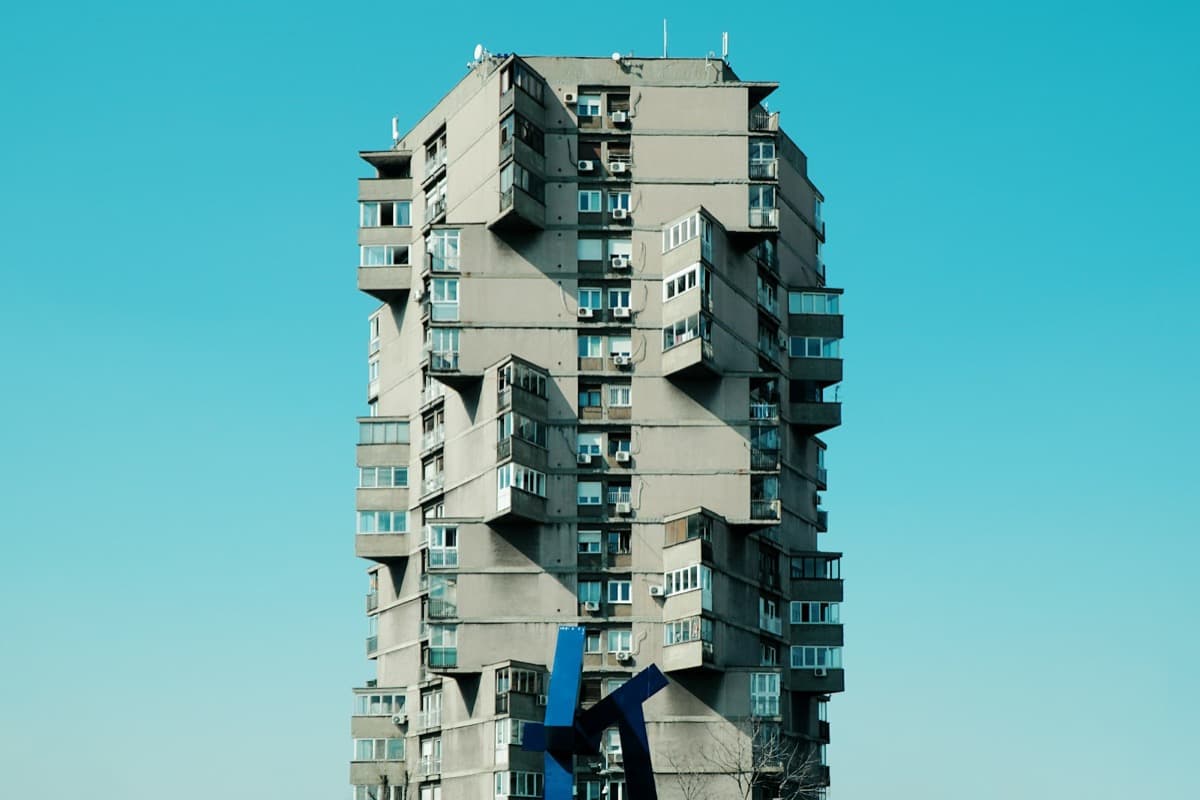
On the elite hill of Dedinje, a museum campus still tends the tomb of a man and the memory of a country that no longer exists. This walk reads the physical remains of Yugoslavia: its personality cult, its experiment in a third way between the Cold War blocs, and the honest question of what it means to keep a grave for a state the world has left behind.
Start · Museum of Yugoslavia: The Grounds and Entrance
DirectionsStops
- 1
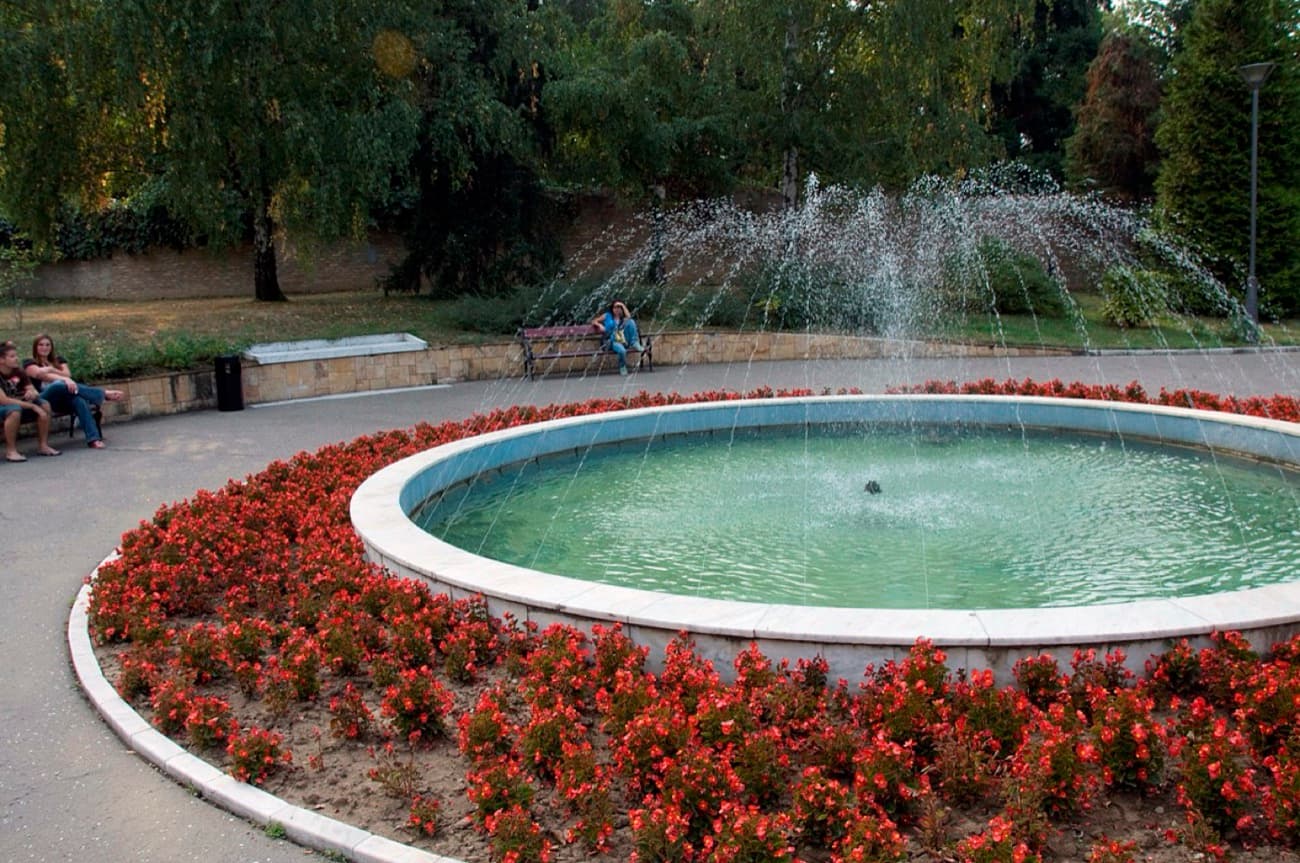
Museum of Yugoslavia: The Grounds and Entrance
The entrance to a museum campus that keeps the history of a country that no longer exists, and the tomb of the man who led it.
- 2
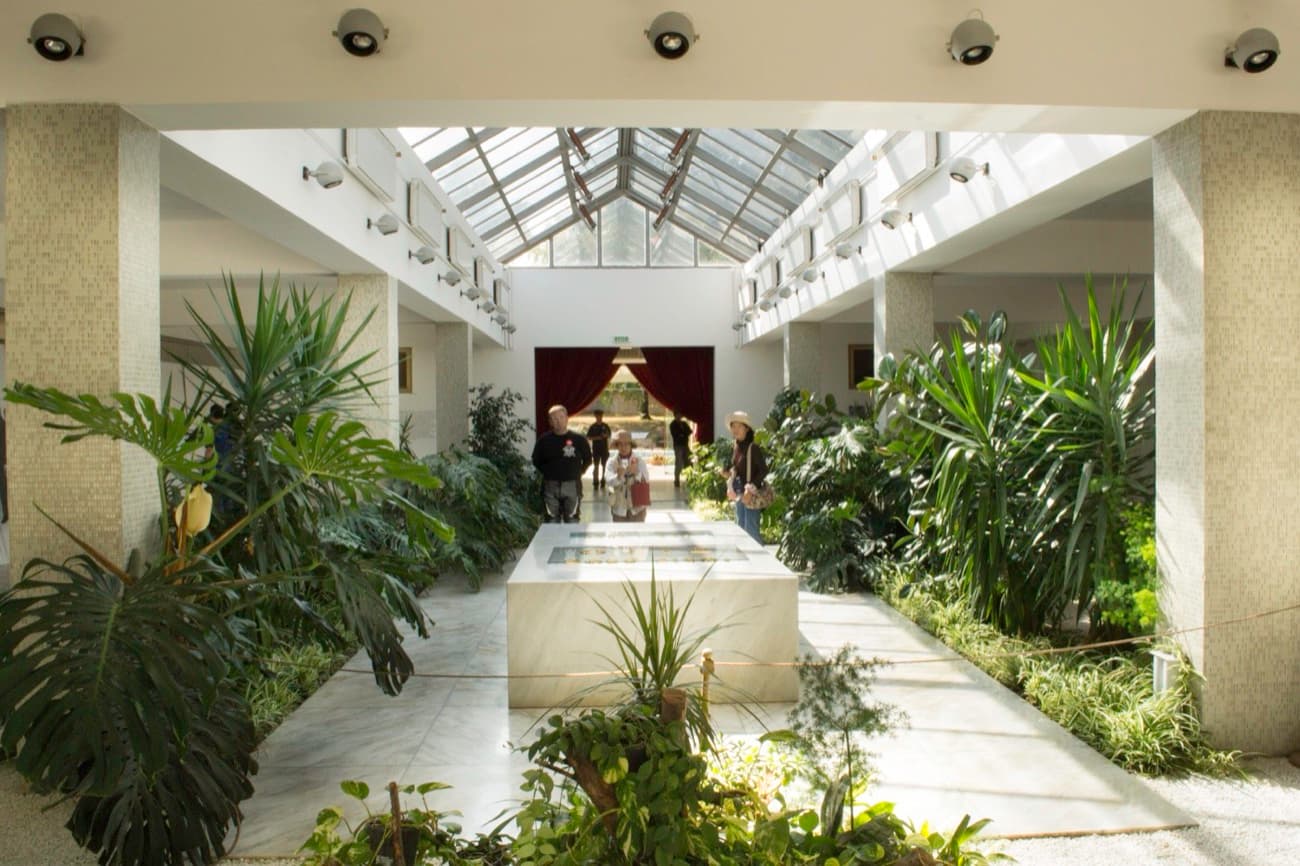
House of Flowers: Tito's Mausoleum
The winter garden that became a tomb, where Josip Broz Tito was buried in nineteen eighty after one of the largest state funerals ever held.
- 3
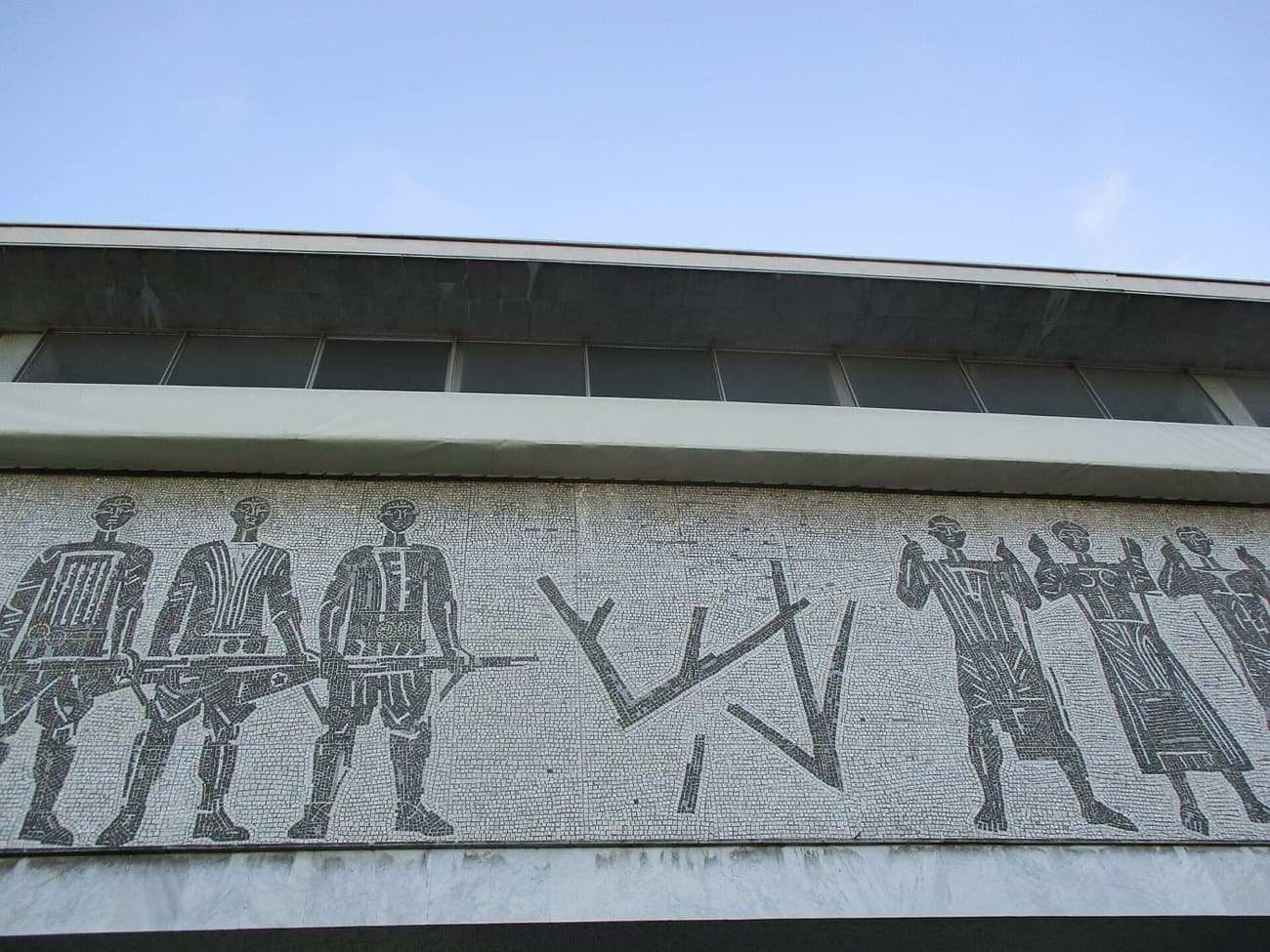
The Twenty-fifth of May Museum: A Birthday Gift in Stone
A purpose-built museum given to Tito by the City of Belgrade for his seventieth birthday, holding the gifts of state he received.
- 4
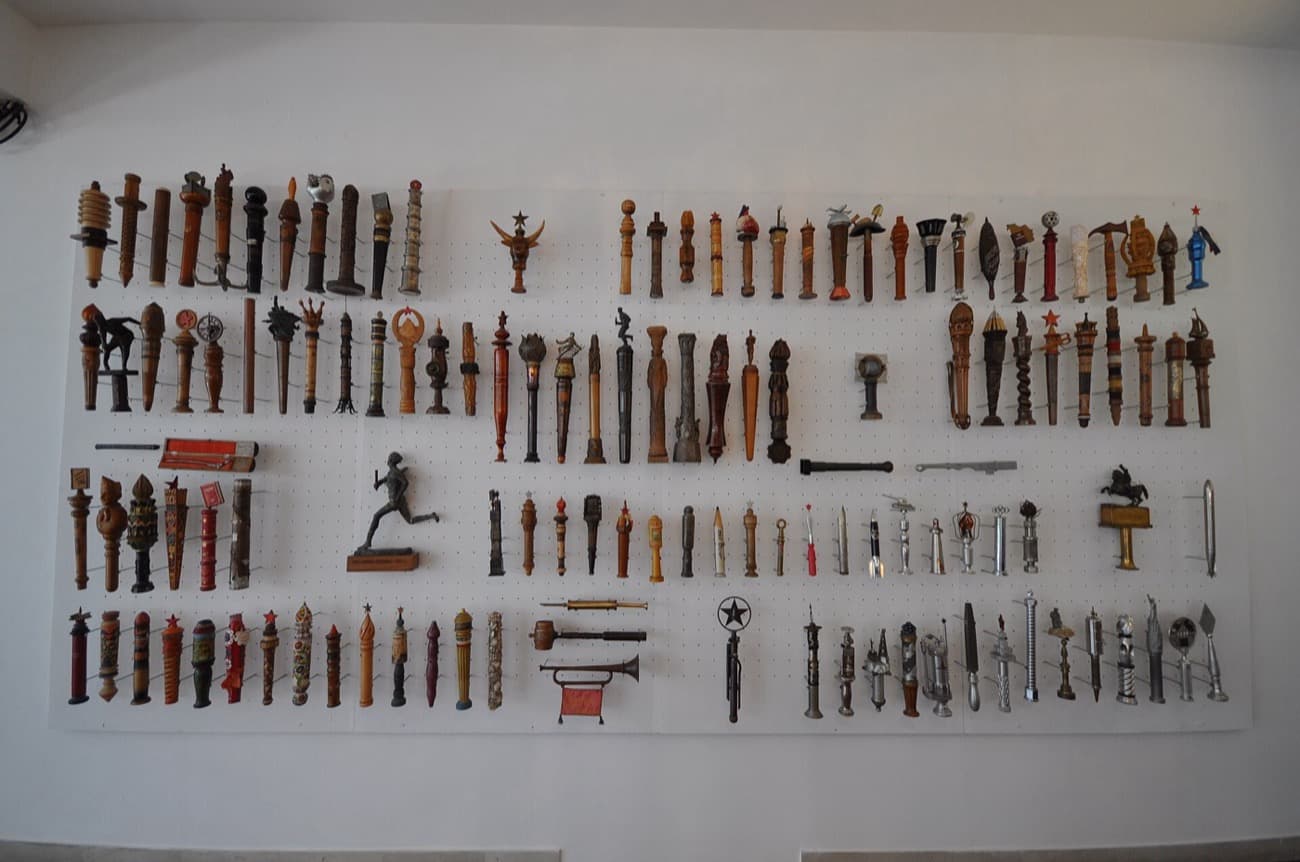
The Relay Batons and the Day of Youth
The batons of the Relay of Youth, a nationwide relay that carried a birthday pledge to Tito each year until nineteen eighty-eight.
- 5
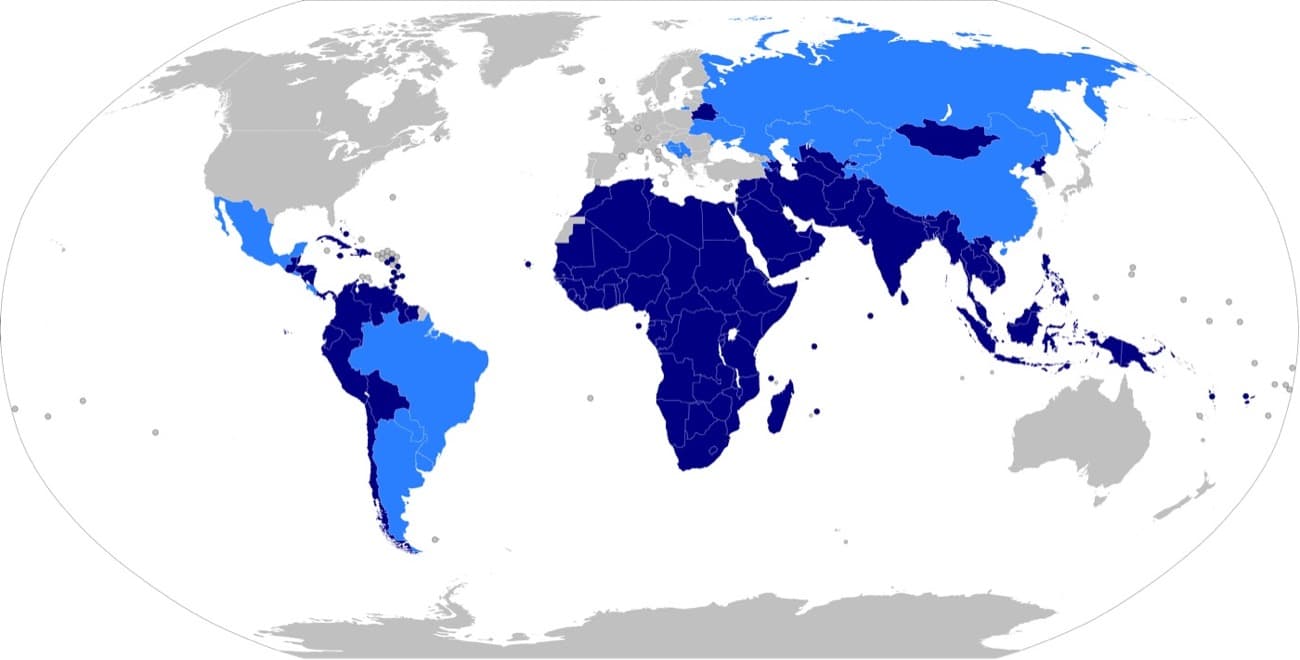
The Non-Aligned Movement Gifts and the Nineteen Sixty-One Belgrade Conference
The diplomatic gifts that trace Yugoslavia's role in founding the Non-Aligned Movement in Belgrade in nineteen sixty-one.
- 6

The Breakup: A Reflective Closing
A quiet closing beat on the memorial plateau, where the Yugoslav story the museum tells reaches its contested end.
Details
Best Time to Visit
Late morning on any day except Monday, when the museum campus is closed. The buildings open at ten in the morning and close at six in the evening, Tuesday through Sunday, so arriving around eleven gives you unhurried time inside all three before the light softens. Spring and early autumn are kindest for the walk south to the royal compound, when the Dedinje hill is green and the air is mild.
Pro Tips
- •Buy one campus ticket at the entrance. It covers all three buildings, including the House of Flowers with Tito's tomb, with lower rates for Serbia residents, students, and pensioners. Confirm the current price at the door, as ticket rates change.
- •Go on any day except Monday, when the campus is closed. Opening hours run from ten in the morning to six in the evening, Tuesday through Sunday.
- •Do the five campus stops first, then walk south to the royal compound, then return. The bulk of your distance is that single out-and-back stretch of about two and a half kilometres each way.
- •Give the House of Flowers unhurried time. It is a working place of remembrance and often quiet, so a slow, respectful pace suits it better than a quick look.
- •View the royal compound from the exterior only. Interior visits to Beli Dvor happen by separate organized arrangement and are not part of this walk.
- •Save the deeper history of the breakup for the Learn library. The closing stop keeps it brief on purpose, and the fuller, multi-sided account lives there.
Safety & Precautions
- •The walk to the royal compound and back adds roughly five kilometres of gentle hill on residential streets. Wear comfortable shoes and carry water in warm months.
- •The Dedinje hill is a quiet, upscale, and partly official area with limited shops and cafes. Bring what you need rather than counting on finding it along the way.
- •The House of Flowers is an active site of mourning and pilgrimage for many visitors from across the former Yugoslavia. Keep your voice low and your photography considerate inside the tomb.
- •The end of Yugoslavia and the wars around it remain painful and contested for people from every successor nation. If you discuss the closing stop with others, hold it with the same care the narration does.
Travel advisory: Exercise Increased Caution (Level 2).
Gallery
Related Reading
Go deeper on what you'll see, hear, and walk through.
Overview
Belgrade Travel Guide: How Many Days, Getting Around, Safety and Budget
7 min
Overview
Best Self-Guided Walking Tours in Belgrade (2026)
3 min
Overview
One Day in Belgrade: A Walkable Morning-to-Evening Itinerary
8 min
Thematic
Best History Walking Tours in Belgrade (2026)
2 min
Thematic
The White City That Overwrites: Reading Belgrade's Stacked Empires
7 min
Companion
The House of Flowers: Why Belgrade Still Keeps Tito's Grave
7 min
Deep dive
The Museum of Yugoslavia Entrance: Where Belgrade Still Tends a Vanished Country's Grave
7 min

Read
What to Eat in Belgrade: Dishes, Origins, and How to Order Like a Local
6 min
Read the walk
The full story of Tito's Yugoslavia: The City That Still Keeps a Country's Grave, in words. Prefer to listen? Play it narrated, from home or on location.
Introduction
There is a country that does not exist anymore, and its capital still tends its grave. That country was Yugoslavia. This walk moves through Belgrade, in Serbia, across the elite hill called Dedinje, where a museum campus keeps the tomb of one man, Josip Broz Tito, along with the gifts of a hundred states and the relay batons of a birthday that once became a national holiday. This is a story about a state that tried to be a third way between East and West. It ran a socialism of workers' self-management, it helped found the Non-Aligned Movement here in nineteen sixty-one, and it built a personality cult around a single leader. You will read what physically remains and what the record says, and you will be handed the hard questions rather than given tidy answers. This is a tour of six stops. It covers well under a kilometre, all of it on a single memorial campus, so allow about an hour and a quarter at your own pace. Every stop is short and skippable, and you can linger where you are curious and move on where you are not. Every stop sits on that one tight campus, only steps apart. The honest question underneath all of it is simple. What does it mean that the grave is still visited, while the country is not. When you arrive at the entrance to the Museum of Yugoslavia on Mihaila Mike Jankovica street, begin with stop one.
1. Museum of Yugoslavia: The Grounds and Entrance
You are standing at the entrance to the Museum of Yugoslavia, on the Dedinje hill above Belgrade. Take a moment before you go in, because the question this place poses is worth holding. In front of you is a campus of three buildings dedicated to the history of Yugoslavia and the life of Josip Broz Tito. It is the most visited museum in Serbia, drawing around one hundred and twenty thousand people a year. Inside, the collection runs to more than seventy-five thousand items: Tito's belongings, artworks including prints by Goya, and the diplomatic gifts of a hundred states. Notice how the institution itself has changed names as the country around it changed. It opened as a single museum in nineteen sixty-two. It became the Josip Broz Tito Memorial Centre in nineteen eighty-two. It was renamed the Museum of the History of Yugoslavia in nineteen ninety-six, and simply the Museum of Yugoslavia in twenty sixteen. Each renaming is a small record of a country trying to decide how to remember itself. The museum's own framing is careful. It presents Yugoslavia as a subject to be studied rather than mourned or condemned. That is the posture to carry with you today. You are here to read a state, not to grieve it and not to celebrate it. Somewhere on this campus is an actual grave, still tended, for a country that dissolved decades ago. Everything you will see over the next hour is an attempt to answer, or at least to sit with, one honest question. What does it mean that people still come to the tomb of a place that is gone. Walk into the grounds, and let the buildings begin to answer.
2. House of Flowers: Tito's Mausoleum
This building is the House of Flowers, in Serbian Kuca cveca, and it holds the grave of Josip Broz Tito. It was not built as a mausoleum. It was raised in nineteen seventy-five as a winter garden with spaces for work and rest, designed by the architect Stjepan Kralj, about nine hundred square metres of glass and green near the residence where Tito lived. Then, in nineteen eighty, it became a tomb. Tito, who was born in eighteen ninety-two, died on the fourth of May nineteen eighty at the medical centre in Ljubljana, of complications following a long illness. He was buried here on the eighth of May, by his own wish, in the garden of the place he had lived after the war. What happened at that funeral is worth stating precisely, because it measures the reach of this one man. According to the record of the funeral, the delegations came from one hundred and twenty-eight of the one hundred and fifty-four member states of the United Nations at the time. Among the mourners were four kings, six princes, twenty-two prime ministers, thirty-one presidents, and forty-seven foreign ministers. It is still regarded as one of the largest state funerals in history by the number of statesmen who attended. Stand with that for a moment. Leaders from both sides of the Cold War stood in the same garden. In twenty thirteen, Jovanka Broz, Tito's wife and the country's former First Lady, who lived from nineteen twenty-four to twenty thirteen, was buried beside him. This is an existing place of public memory, tended and quiet. You are here to read it, not to speak for anyone lying within it. Notice the simplicity of the stone. A man who commanded that funeral rests under a plain white slab.
3. The Twenty-fifth of May Museum: A Birthday Gift in Stone
This building is the Twenty-fifth of May Museum, and it began its life as a birthday present. It opened on the twenty-fifth of May nineteen sixty-two, and by the museum's own account it was built by the City of Belgrade as a gift to Josip Broz Tito for his seventieth birthday.…
Full narration for this stop unlocks with the tour.
4. The Relay Batons and the Day of Youth
The objects to read here are the relay batons, and they are among the purest artifacts of the personality cult you will find anywhere on this campus. The Relay of Youth, in Serbian Stafeta mladosti, was a symbolic relay race run across Yugoslavia every year. Runners carried a…
Full narration for this stop unlocks with the tour.
5. The Non-Aligned Movement Gifts and the Nineteen Sixty-One Belgrade Conference
Here the story widens from cult to statecraft. Among the diplomatic gifts on this campus are objects from the countries of the Non-Aligned Movement, and they are the physical trace of Yugoslavia's most ambitious outward-facing role. The first summit of the Non-Aligned Movement…
Full narration for this stop unlocks with the tour.
6. The Breakup: A Reflective Closing
You have come back to the memorial plateau, and this is where the story ends, so let it end honestly. The country whose grave you visited today came apart across nineteen ninety-one and nineteen ninety-two. According to the record of the breakup, Slovenia and Croatia both…
Full narration for this stop unlocks with the tour.