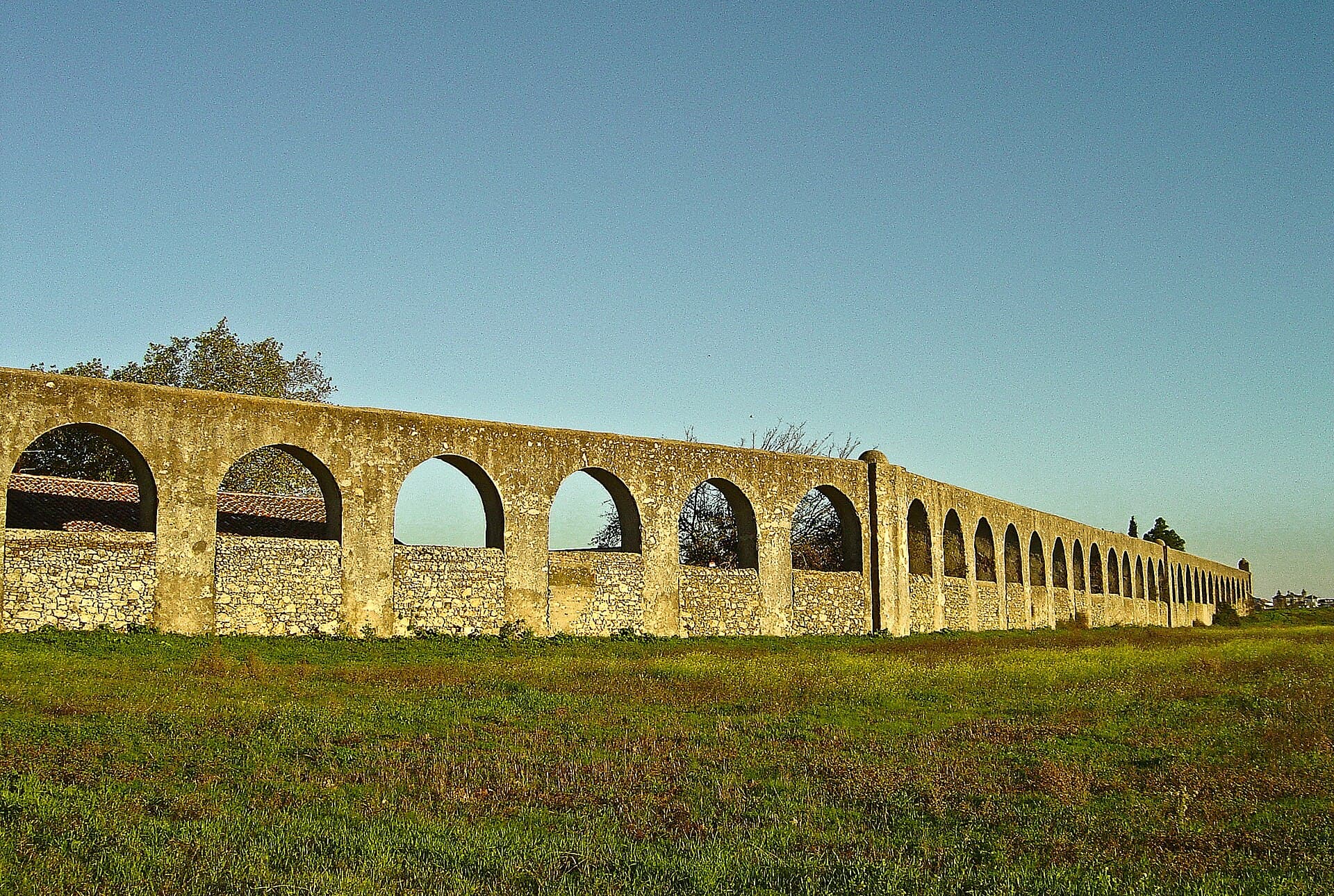
Follow a Renaissance king's aqueduct as it strides across the dry Alentejo plain into Evora, then watch ordinary people move their homes and shops right inside its granite arches. This is a city read through water, from imperial engineering above to human life underneath.
Start · Aqueduto da Agua de Prata: where the water announces itself
DirectionsStops
- 1
Aqueduto da Agua de Prata: where the water announces itself
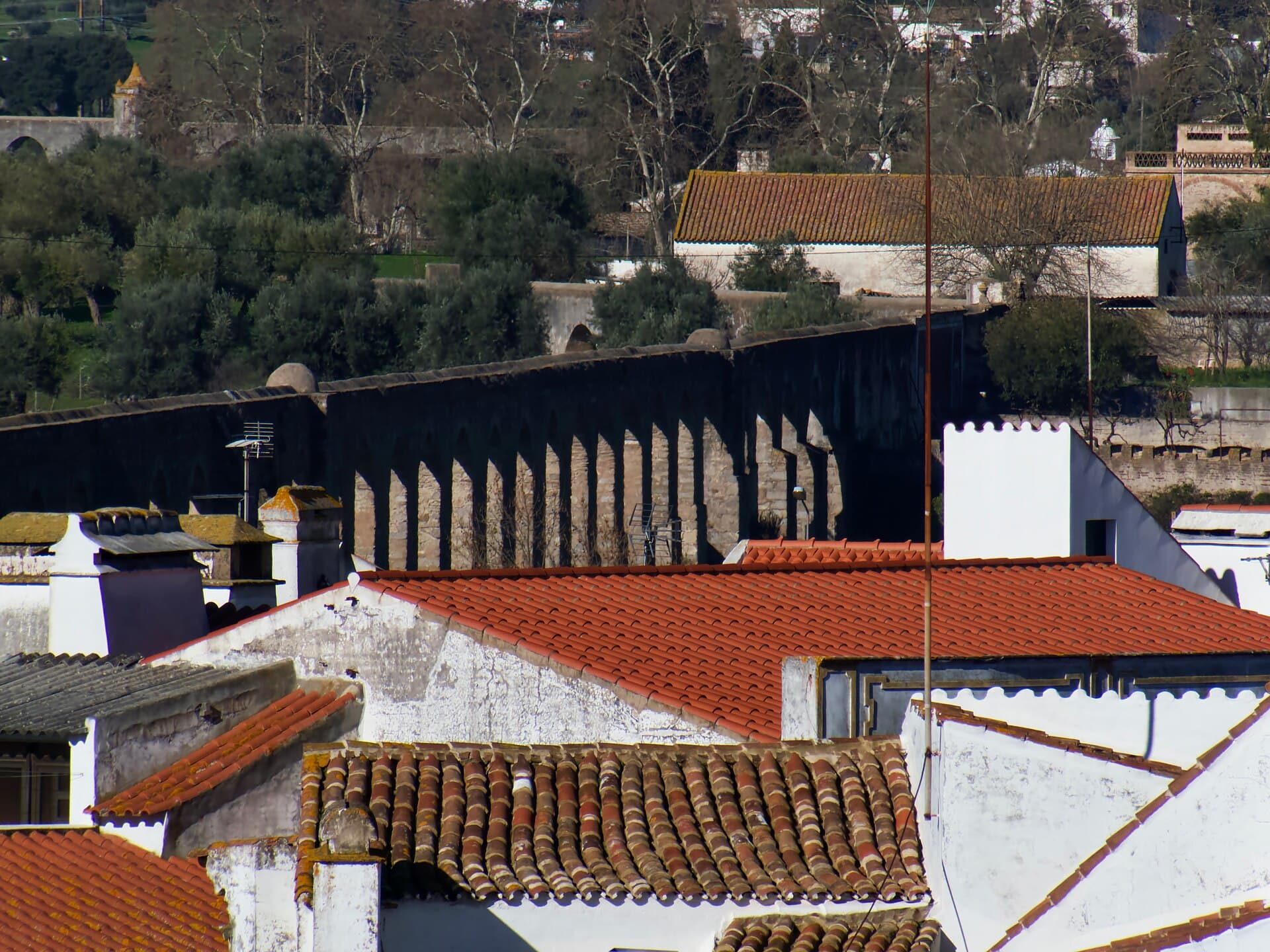
The Silver Water aqueduct, a Renaissance feat of granite arcades that carried fresh water roughly eighteen kilometres across the plain into Evora.
- 2
Rua do Cano: the houses inside the arches
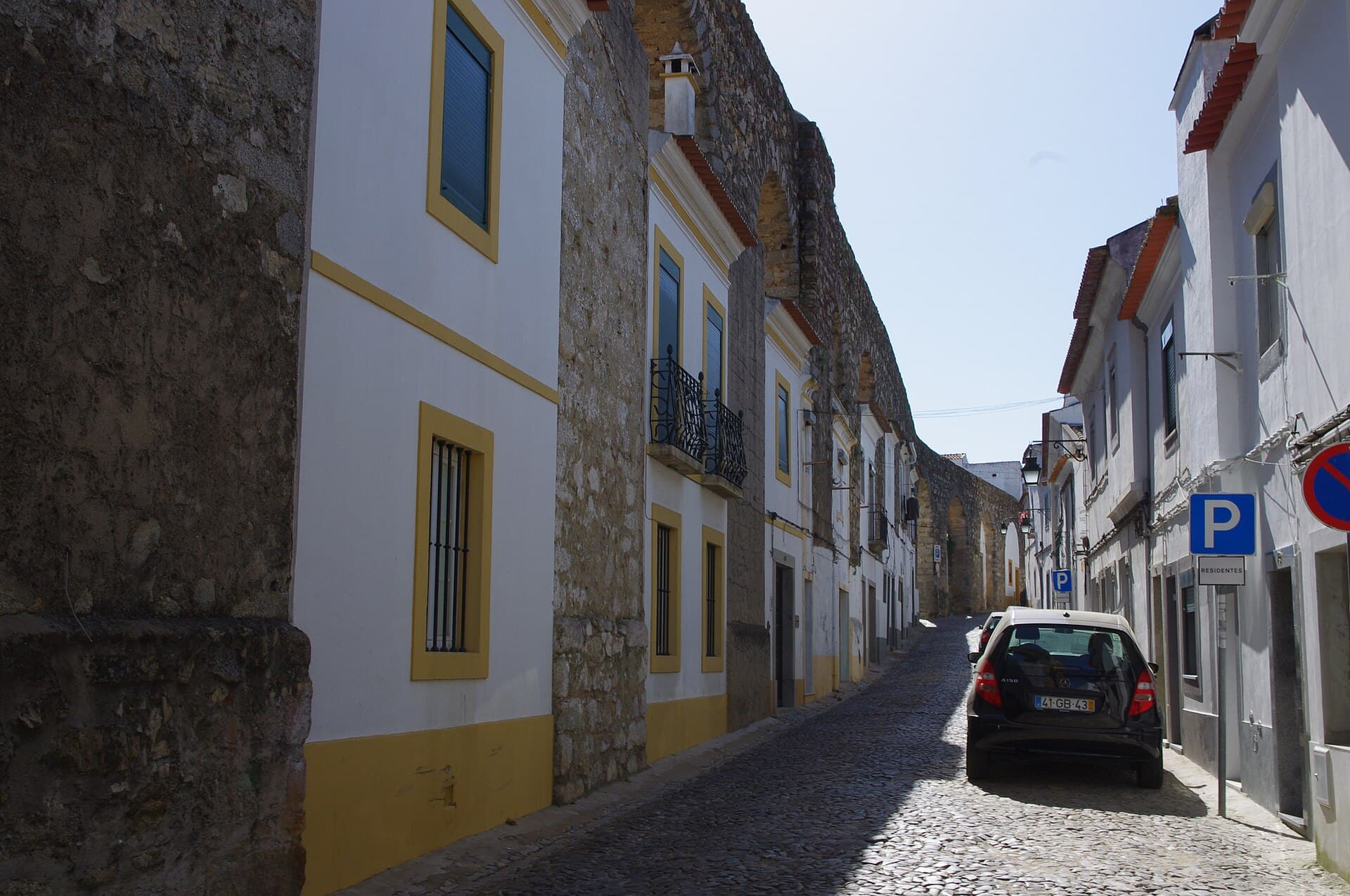
A street inside the old walls where townspeople built homes, shops, and workshops directly between and beneath the aqueduct's granite arches.
- 3
Praca do Giraldo: where the water arrived
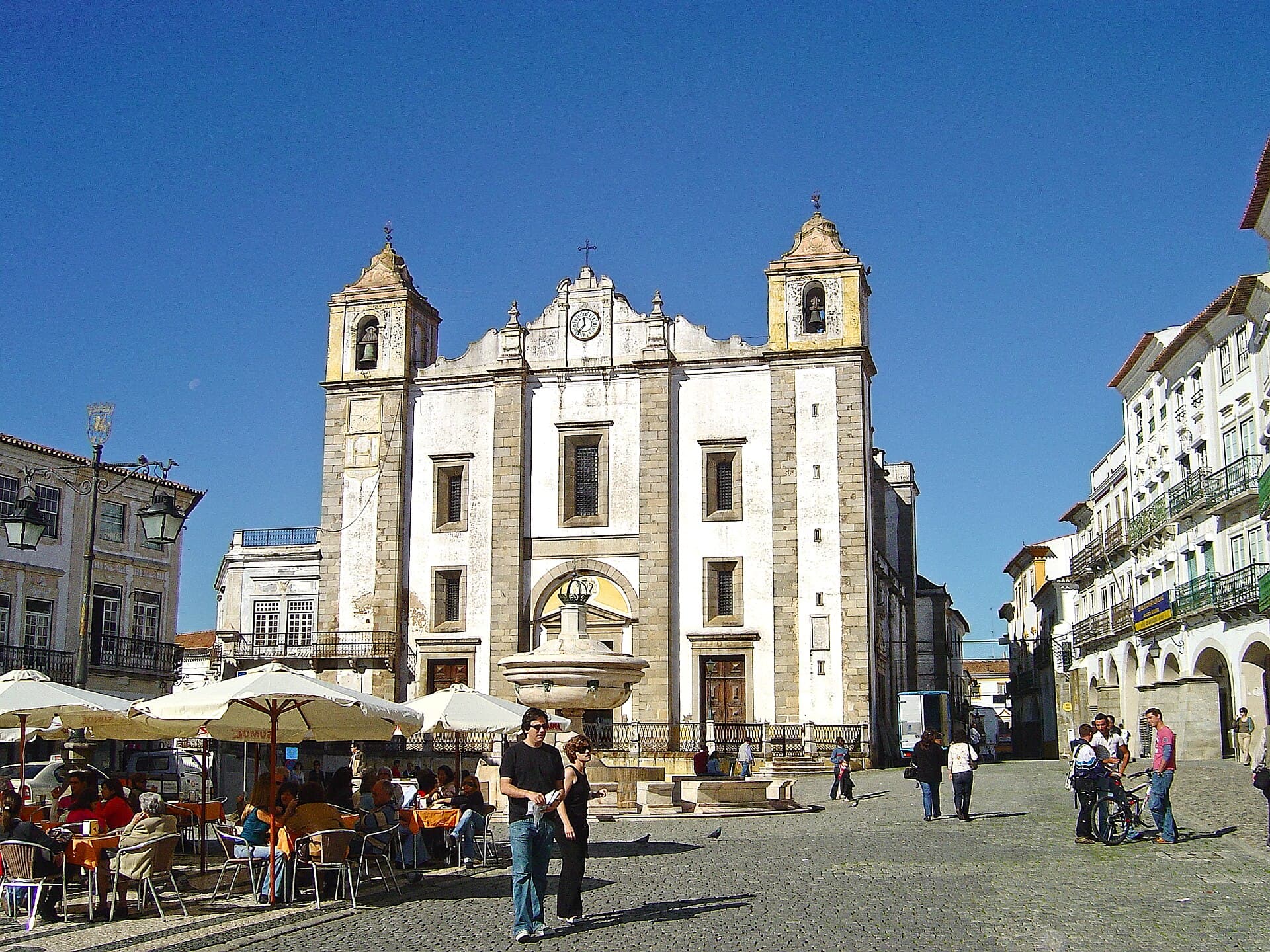
Evora's grand central square, named for a Reconquista warrior, where the aqueduct's water was ceremonially delivered and a marble fountain still runs.
- 4
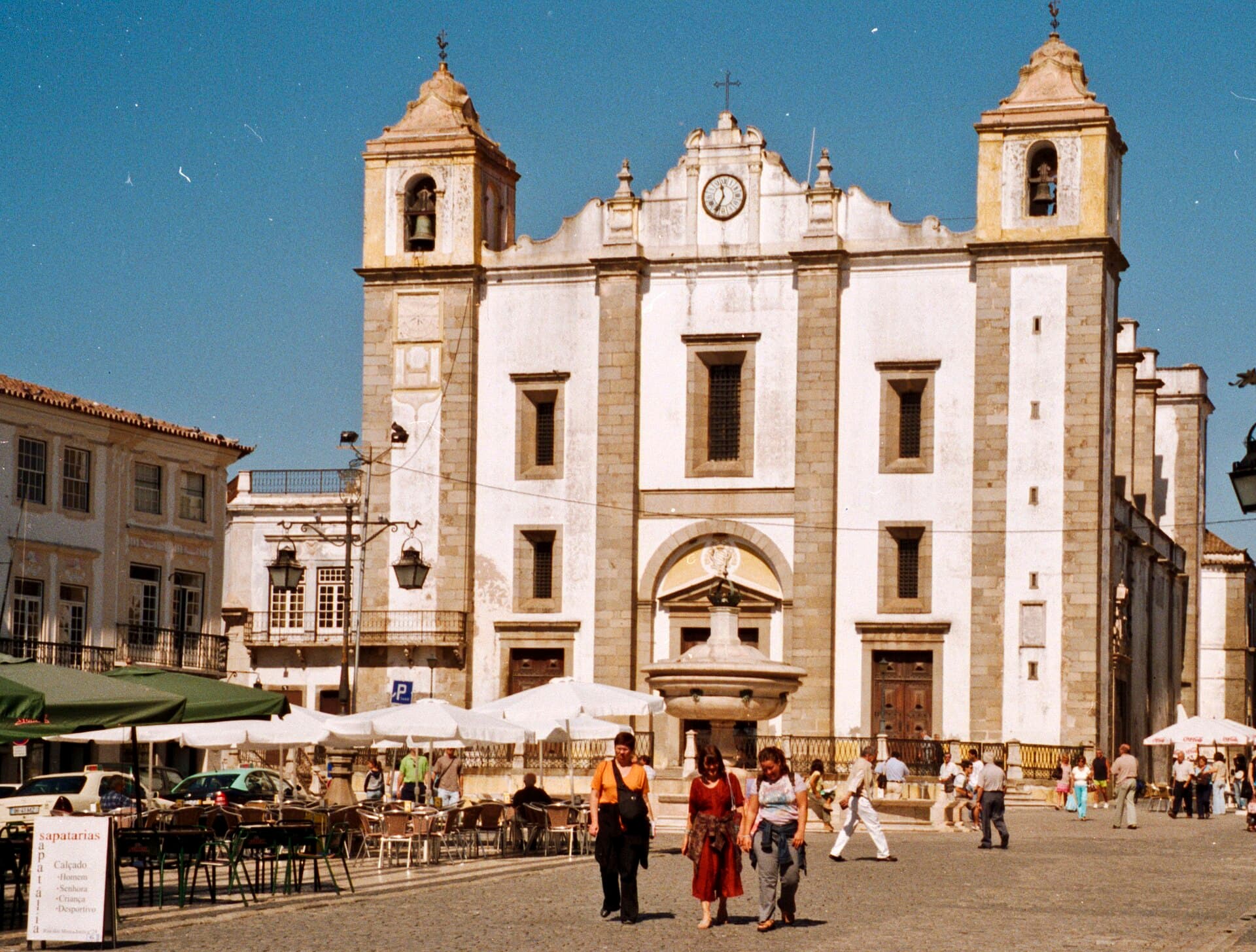
Igreja de Santo Antao: the cardinal's church
A late Renaissance hall-church on the main square, commissioned by the same cardinal who sponsored the fountain beside it, holding a rare medieval marble altar.
- 5
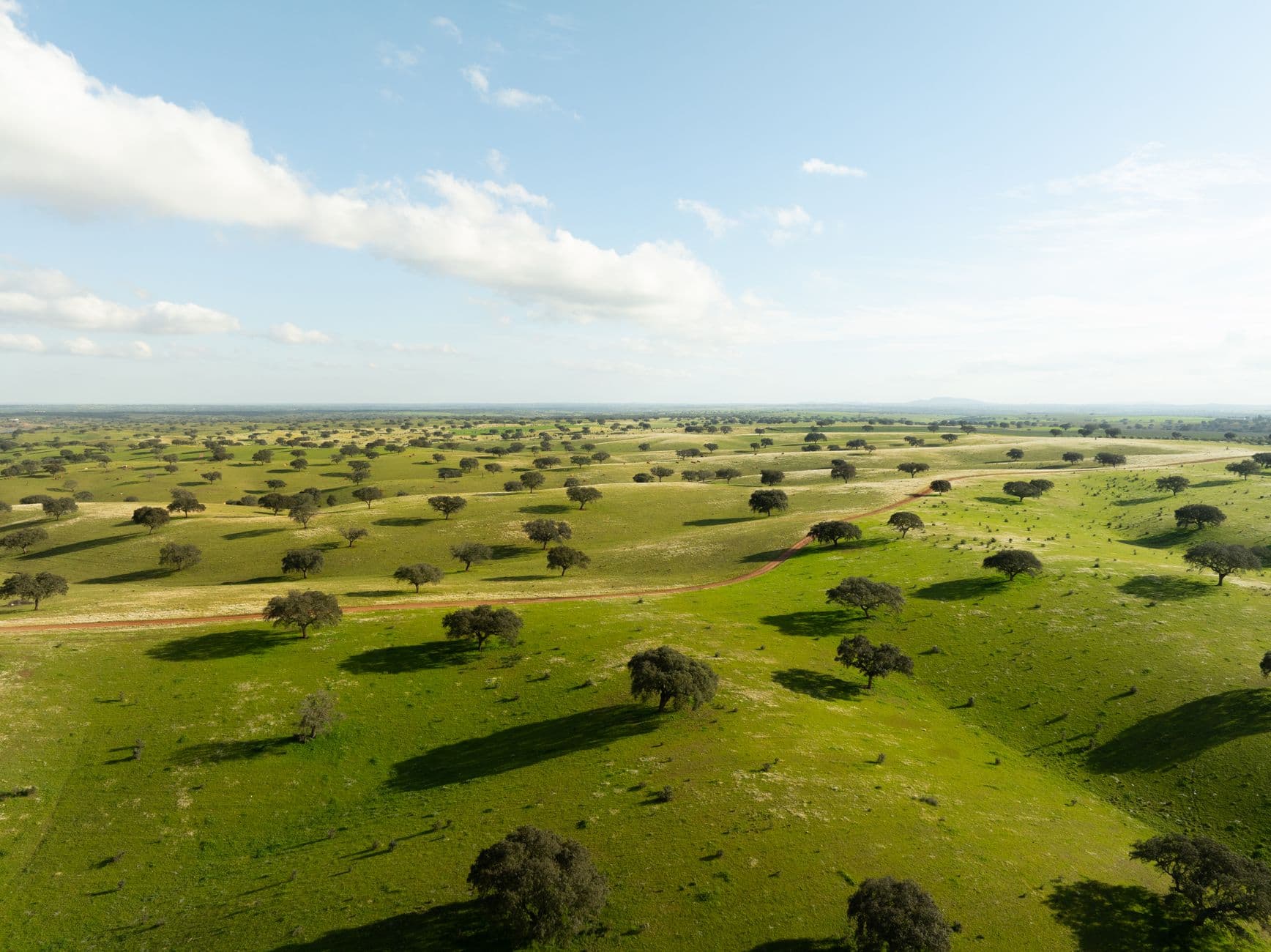
Alentejo cork and wine: the landscape the water crosses
A pause to read the cork-oak and vineyard country of the Alentejo, the same dry plain the aqueduct was built to cross and make livable.
- 6
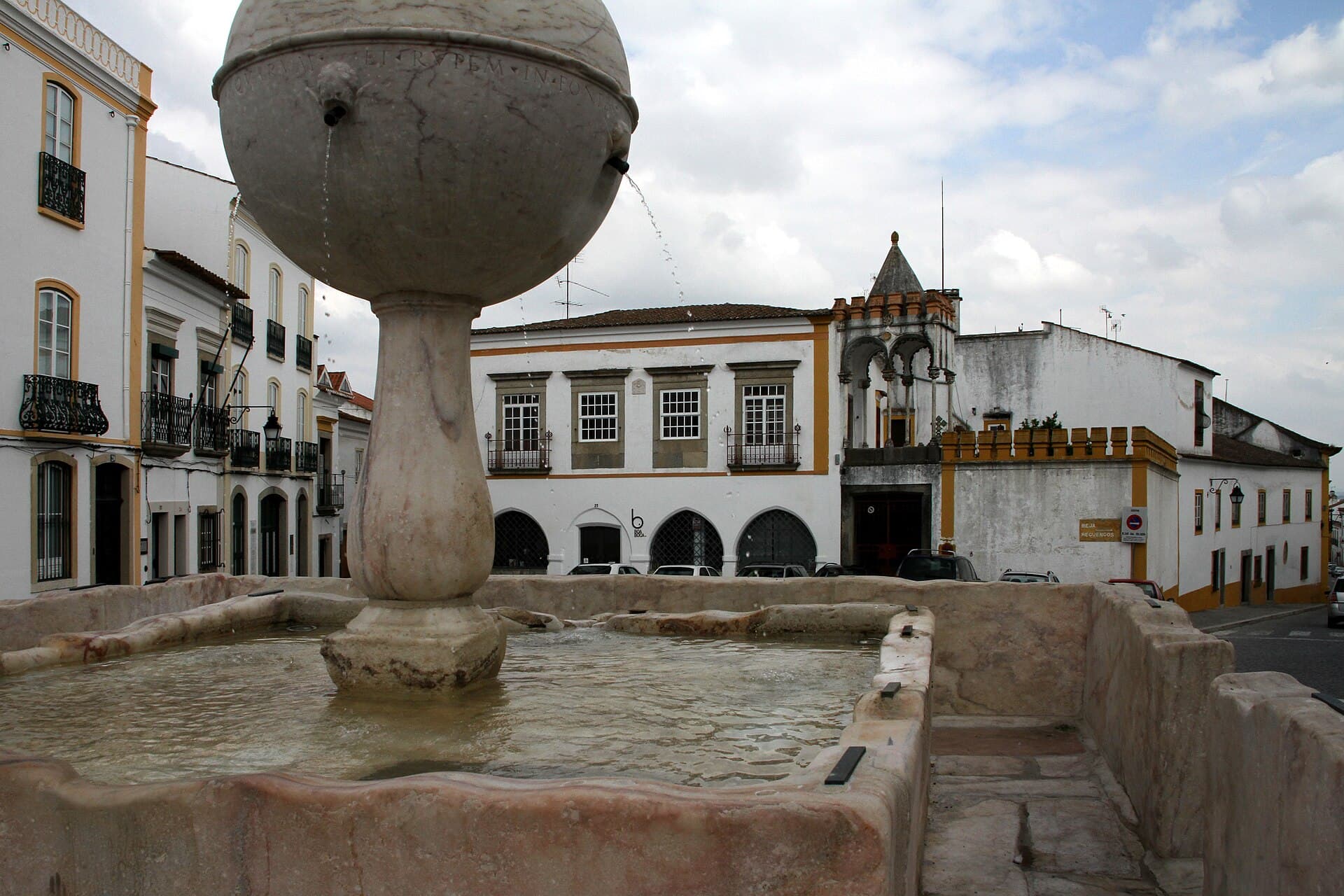
Portas de Moura: the water at rest in marble
A square just inside the old Moura gate, home to a marble globe fountain celebrating the Silver Water's arrival, facing a richly styled sixteenth-century house.
Details
Best Time to Visit
Late morning or the golden hour before sunset, when low light warms the granite arches and the marble fountains and the summer heat has eased. Spring and autumn are the most comfortable seasons in the Alentejo; midsummer midday is intense and best avoided on foot.
Pro Tips
- •Start at the high arches on the edge of the old town and walk inward with the aqueduct, so the story unfolds in the order the water once traveled.
- •Wear shoes with real grip: Evora's calcada, the polished stone cobbles, gets slick underfoot, especially on the sloping lanes.
- •Look up often along Rua do Cano to catch where private homes and shops meet the original granite arches; the best details are at the seams.
- •Carry water and a hat in warm months; the Alentejo sun is strong and shade is scarce in the open squares.
- •Time a stop at Praca do Giraldo for a sit-down break, since it is the social heart of the city and a natural midpoint to rest.
- •Peek inside the Igreja de Santo Antao during its open hours to see the medieval marble altar, and keep your voice low if a service is underway.
Safety & Precautions
- •Evora's streets are steep in places and paved in calcada cobblestones that turn slippery when wet or worn smooth; walk carefully and watch your footing on the slopes.
- •The Alentejo is hot and dry, especially inland in summer; carry water, wear sun protection, and pace yourself, since much of the walk is in open sun.
- •Churches such as the Igreja de Santo Antao ask for modest dress and quiet; cover shoulders and knees, silence your phone, and avoid visiting during services if you only want to sightsee.
- •The lanes are narrow and shared with cars and delivery traffic; stay alert at corners and step aside for vehicles, as sidewalks are minimal or absent.
Travel advisory: Exercise Normal Precautions (Level 1).
Gallery
Related Reading
Go deeper on what you'll see, hear, and walk through.
Overview
Best Self-Guided Walking Tours in Evora (2026)
4 min
Overview
Evora Travel Guide: Days, Transport, Best Time, Safety, and Budget
7 min
Overview
One Day in Evora: A Morning-to-Evening Walking Itinerary
11 min
Thematic
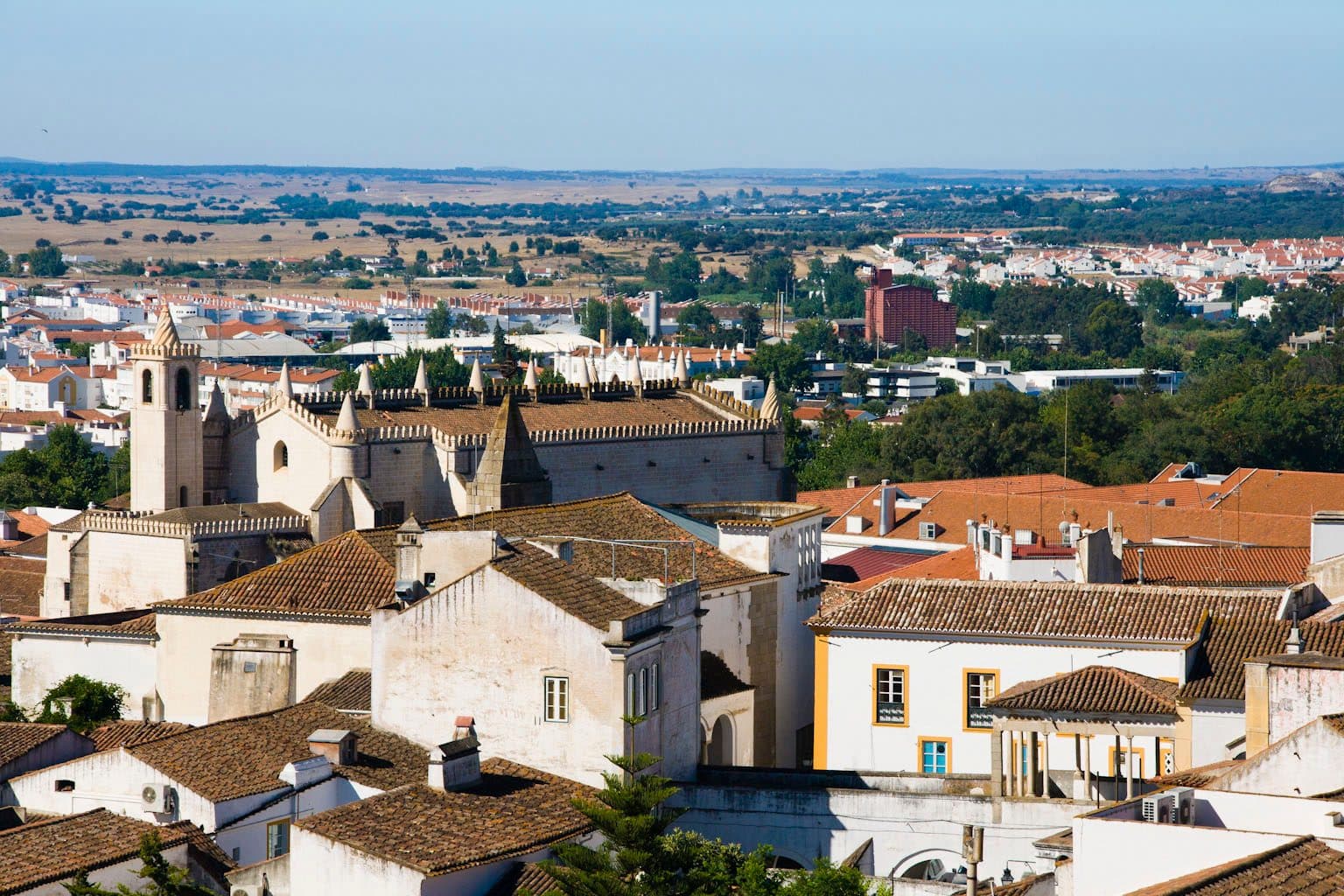
Evora: The Museum City That Never Stopped Being Lived In
7 min
Companion
Rua do Cano: How Evora Moved Into a King's Aqueduct
6 min
Read
What to Eat in Evora: The Alentejo Dishes and How to Order Them
7 min
Read the walk
The full story of Aqueduto da Água de Prata: The Water That Walks Into the City, in words. Prefer to listen? Play it narrated, from home or on location.
Introduction
In the fifteen thirties, a Renaissance king had fresh water carried roughly eighteen kilometres across the dry Alentejo plain and into this city on stone arches. The people of Evora, in Portugal, then did something the king never planned: they moved their houses, shops, and workshops directly inside and beneath those arches. This walk follows the water in. Six stops, about ninety minutes if you linger, covering somewhere near one and a half kilometres of the old town. You will start where the engineering announces itself on high arcades, then step into the neighborhood that grew inside the arches, reach the square where the water was ceremonially delivered, pass the church a cardinal built beside it, feel the cork and vineyard country the same plain produces, and finish at a marble sphere fountain where the Silver Water still runs. Evora is a small city you can hold in your feet, its historic centre honored by UNESCO as a World Heritage Site, and it rewards a slow pace. Everything here is outdoors and free to look at, so wander, sit, double back, and skip anything that does not call to you. The thread is water: grandeur at the top of the arches, human life underneath, and marble at the end where the two finally meet. Read the built city like a text, and let the arches lead. When you arrive at the Aqueduto da Agua de Prata, begin with stop one.
1. Aqueduto da Agua de Prata: where the water announces itself
Look up at these granite arches marching toward the city, and you are looking at an act of royal ambition. This is the Aqueduto da Agua de Prata, the Silver Water aqueduct. In the fifteen thirties, King Joao the Third of Portugal ordered fresh water carried into Evora, and the work reached across roughly eighteen kilometres of dry Alentejo plain, about eleven miles, from a source called the Herdade do Divor. The city of Evora's own records place the start of construction around the year fifteen thirty-two, with the water arriving about fifteen thirty-seven, roughly six years of labor in stone. The man who designed it was the royal architect Francisco de Arruda, and here is the detail that should make you look again. This is the same Francisco de Arruda who, years earlier, had built the Torre de Belem, the tower guarding the river at Lisbon, between fifteen fourteen and fifteen nineteen for King Manuel the First. He and his brother Diogo helped shape the ornate Portuguese style we call Manueline. So the mind that made one of Portugal's most famous river towers also made these arches. The engineers followed, and in places most probably overlaid, older Roman waterworks that had once served this same hilltop, which tells you the problem of watering Evora was ancient long before the Renaissance solved it again. Stand here for a moment and notice what this is meant to say. Clean canals, ordered arcades, water made to climb and cross on command. It is a monument to power and modernity, built to be admired. Hold that thought, because as you follow the arches inward, you will watch ordinary people quietly take this king's monument and make it home.
2. Rua do Cano: the houses inside the arches
Now watch what the people did with a king's monument. The word Rua means street, and cano means the water conduit, the pipe, so this is quite literally the street of the channel. Follow the arches here and you will see something that stops most travelers: houses, shops, and small workshops built directly between and beneath the aqueduct's granite arches. An arch becomes a doorway. A span becomes a wall. A kitchen tucks into the shadow of a pier that was cut to carry water for a court. Over the centuries, ordinary Evora simply moved in. One tradition holds that in the eighteenth century, after the flow was interrupted, the townspeople claimed the dry arches and built inside them, though that account is more folklore than proven record, so hold it lightly. What is not in doubt is what you can see with your own eyes: a working neighborhood woven into imperial engineering, with cafes and shops living beneath and beside the arcades. This is the heart of why we walked in from the edge. Up on the high arches, the aqueduct was a statement of royal power. Down here, it became something the king never designed, something warmer and more stubborn: a home. The grand thing was colonized from below. The monument was made domestic. Take your time along here and let your eye trace where the old stone ends and someone's plaster and paint begin. You are reading two intentions layered in the same wall. That tension, top-down grandeur and bottom-up life, is the whole city in miniature. And it all still flows on the same idea: bring the water in, then build a life around it.
3. Praca do Giraldo: where the water arrived
You have followed the water in, and here is where it arrived. Praca do Giraldo, the main square, has been Evora's social heart for centuries. Praca simply means square, and the name honors Geraldo Geraldes, called o Sem Pavor, Gerald the Fearless, a warrior of the Reconquista…
Full narration for this stop unlocks with the tour.
4. Igreja de Santo Antao: the cardinal's church
Rising over the same square, beside the fountain, stands the Igreja de Santo Antao. Igreja means church, and this one was built between the years fifteen fifty-seven and fifteen sixty-three, in the era just after the aqueduct changed the city. It is a late Renaissance and…
Full narration for this stop unlocks with the tour.
5. Alentejo cork and wine: the landscape the water crosses
Pause here and think about the land the aqueduct had to cross. Evora is the capital of the Alentejo, a wide, sun-hardened plain of cork-oak groves and vineyards. The engineers moved water across this country precisely because it is dry, and the same landscape produces two things…
Full narration for this stop unlocks with the tour.
6. Portas de Moura: the water at rest in marble
Here the water comes to rest in marble, and the walk finds its ending. This is the Largo da Porta de Moura, the square just inside the old Moura gate. At its center stands the Chafariz das Portas de Moura, a Renaissance fountain inaugurated in the year fifteen fifty-six. Look at…
Full narration for this stop unlocks with the tour.