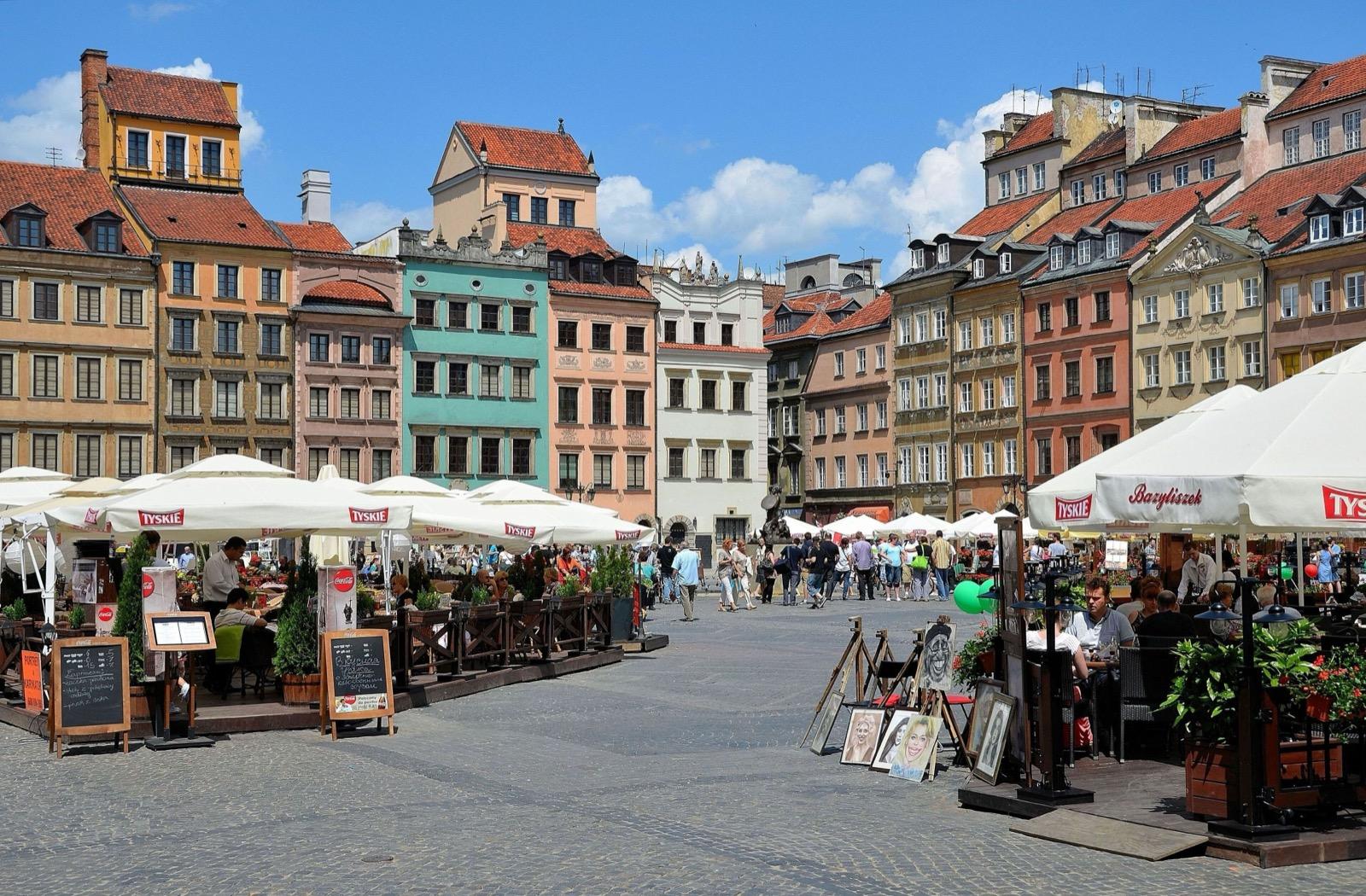
Warsaw's Old Town looks medieval, yet a living generation watched it fall to rubble and then rise again by hand. This self-paced walk reads the paradox of a UNESCO-listed quarter that a nation chose to rebuild rather than forget.
Start · Castle Square and Sigismund's Column: The King Who Moved the Capital
DirectionsStops
- 1
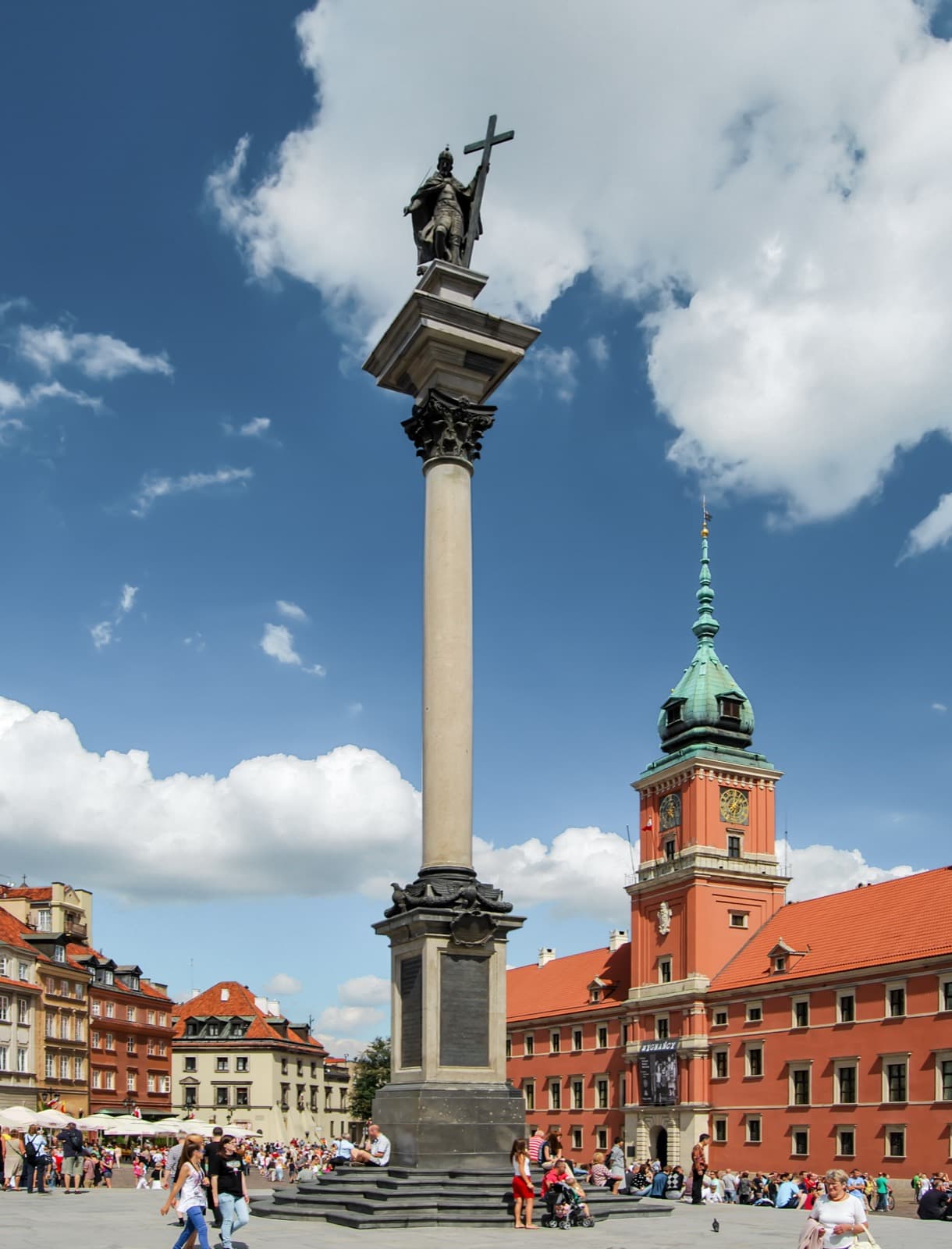
Castle Square and Sigismund's Column: The King Who Moved the Capital
A tall column to the king who made Warsaw the capital, toppled by the German army in the war and raised again on the plaza before the Royal Castle.
- 2
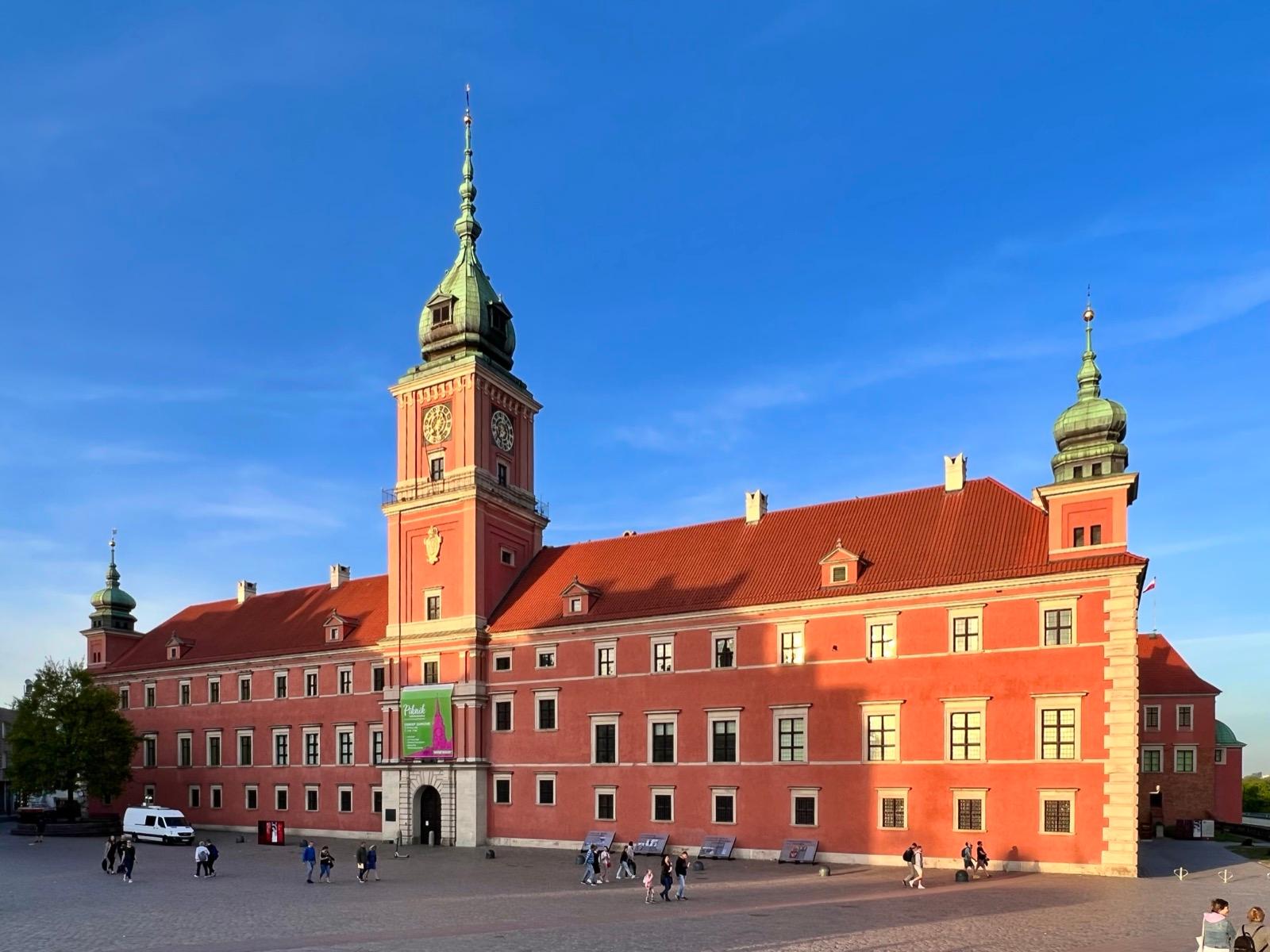
The Royal Castle: Raised Again by a Nation's Donations
The royal residence and seat of parliament, blown to rubble on Hitler's order after the uprising and rebuilt largely by public donations.
- 3
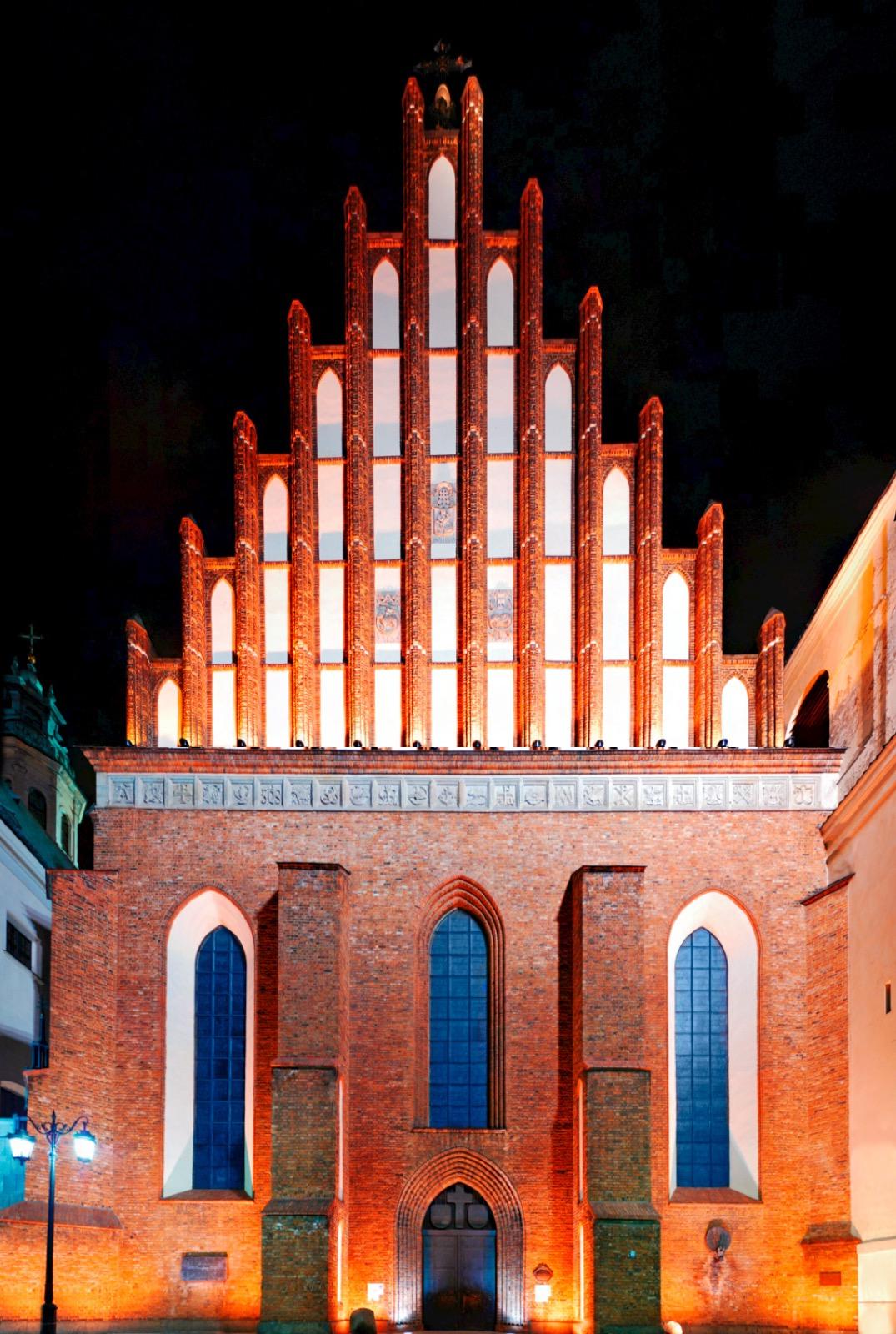
St John's Archcathedral: The Coronation Church Blown Apart
Warsaw's oldest church is where the last king was crowned. It was destroyed by a German mine in the uprising and rebuilt brick by brick in Gothic form.
- 4
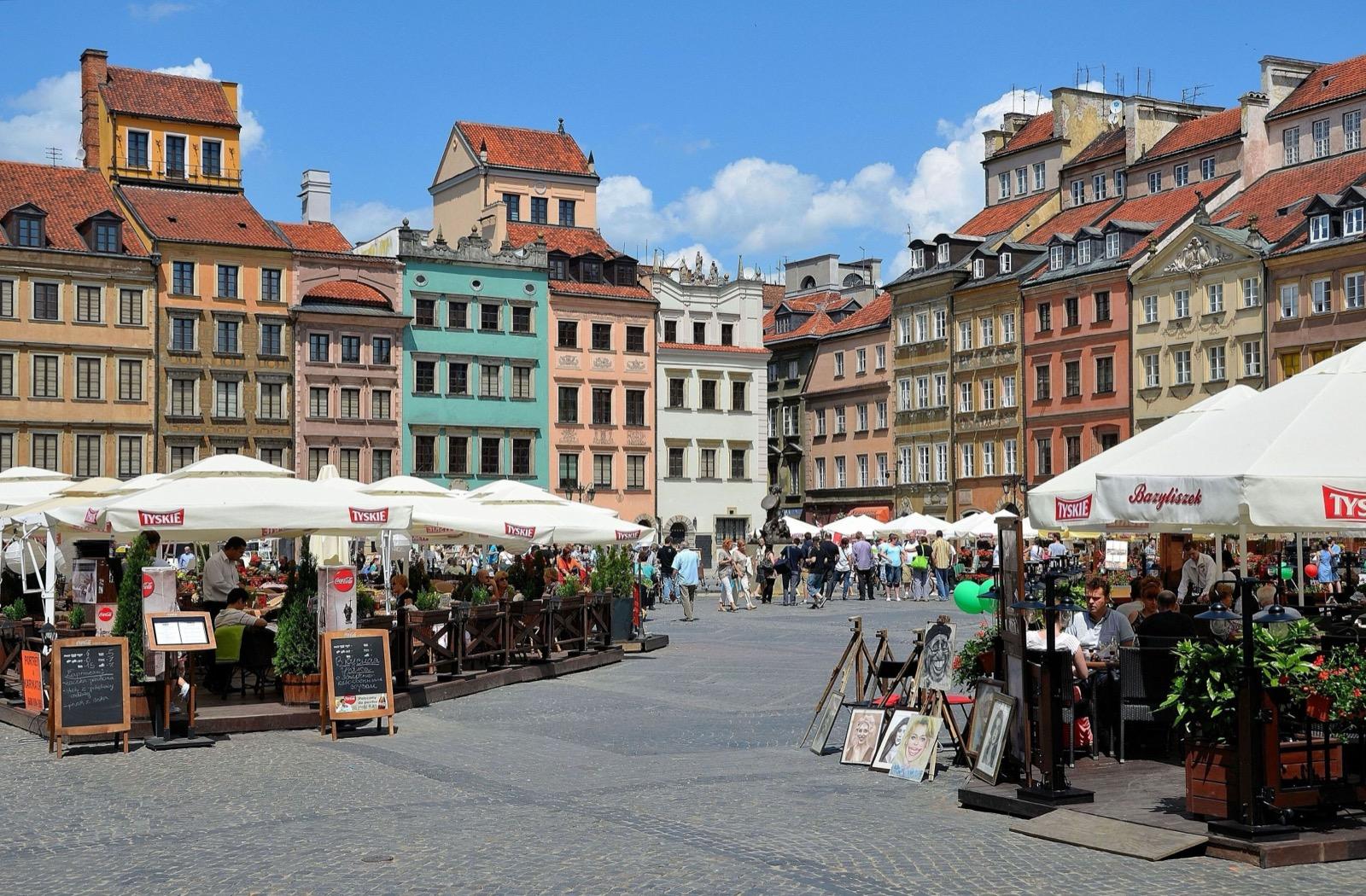
The Old Town Market Square and the Mermaid: A Square Rebuilt Whole
The colourful heart of the Old Town, blown up after the uprising and rebuilt to its seventeenth-century form, watched over by the sword-bearing Warsaw Mermaid.
- 5
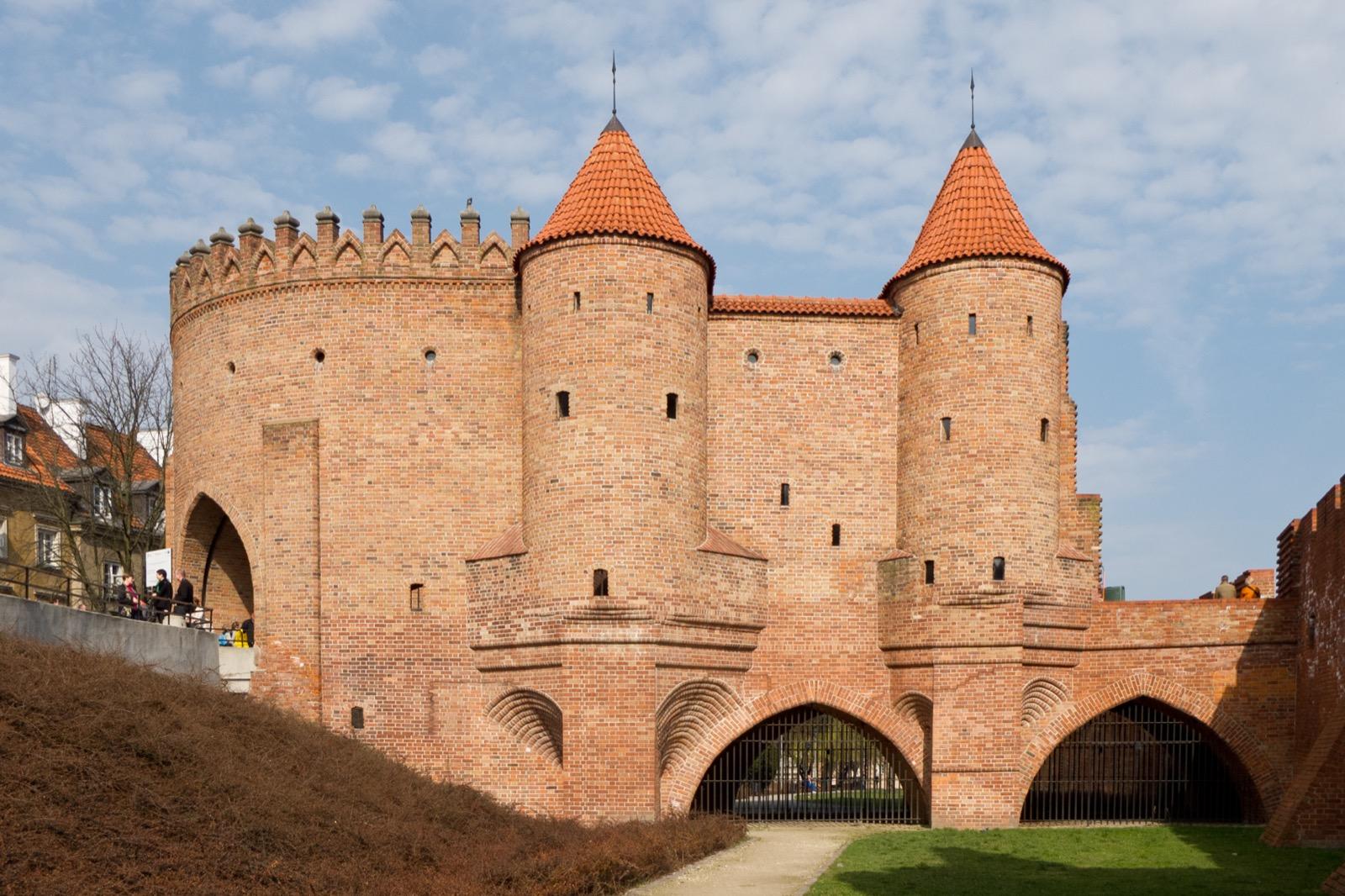
The Barbican: A Round Gate on the Line of the Old Walls
A semicircular brick gate built in fifteen forty on the city walls, destroyed in the war and rebuilt on the old line between the Old Town and the New Town.
- 6
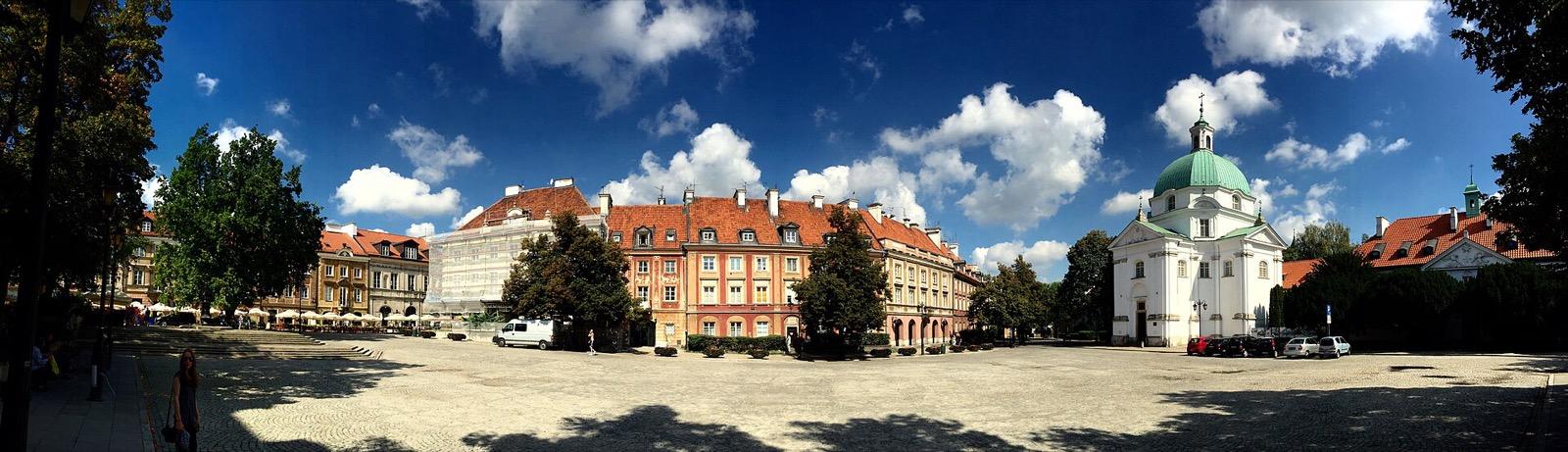
The New Town: Beyond the Walls, Where Marie Curie Was Born
A separate old town beyond the Barbican, with its own market square, where Marie Sklodowska-Curie was born on Freta Street in eighteen sixty-seven.
- 7
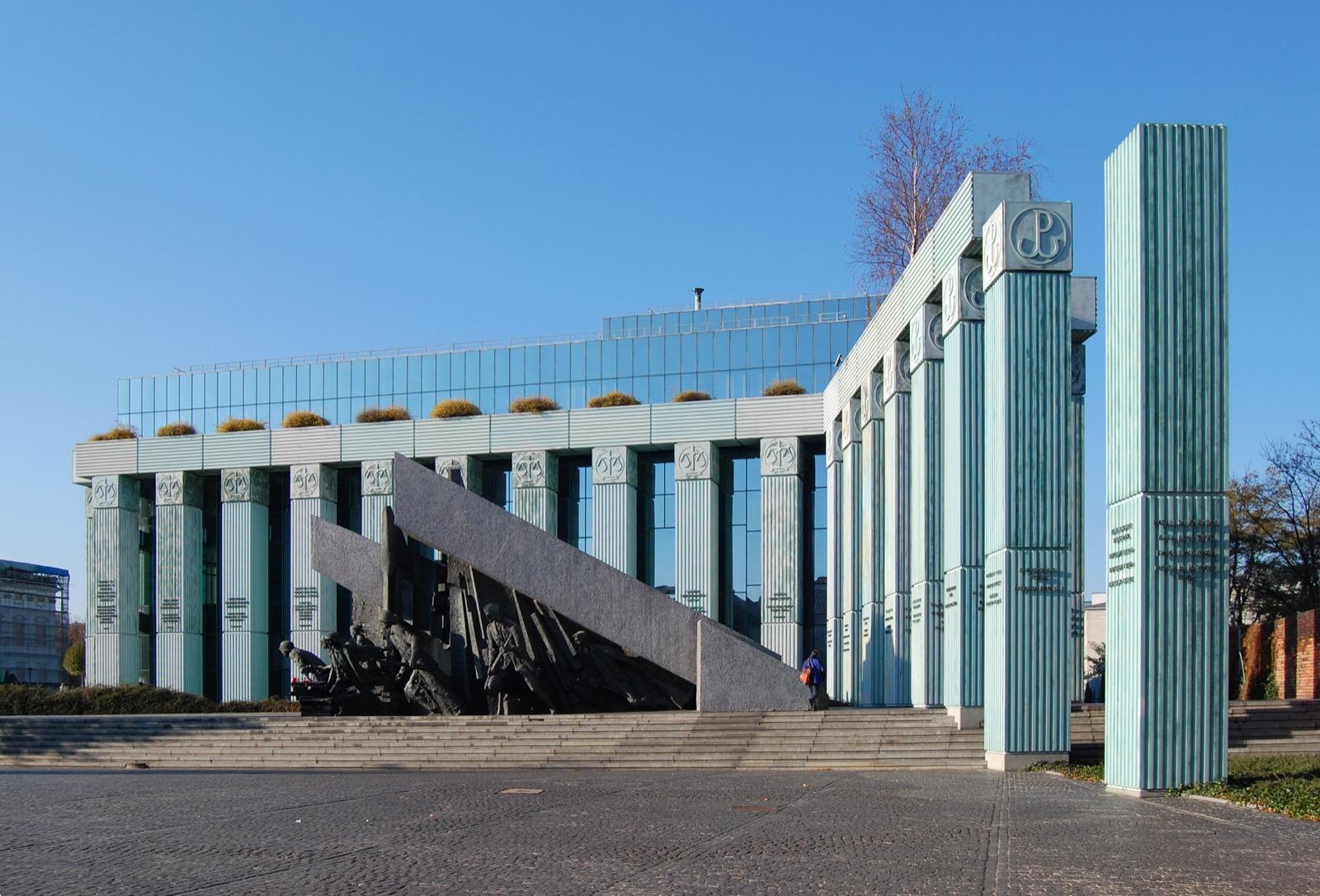
The Memory of the Warsaw Uprising: Sixty-Three Days
The Warsaw Uprising Monument on Krasinski Square, to the sixty-three days of nineteen forty-four that cost the city its old life.
Details
Best Time to Visit
Late spring through early autumn gives the longest daylight and the most life in the squares, though it also brings the largest crowds to the Old Town Market Square. For a calmer walk, arrive in the early morning when the squares are nearly empty and the light is soft on the rebuilt brick, or come in the last hours before dusk. The New Town and Krasinski Square stay quiet at almost any hour. Winter is cold but atmospheric, and the reconstruction reads powerfully under grey skies.
Pro Tips
- •Do the walk in order from Castle Square to Krasinski Square: it climbs gently from the Royal Castle up through the Old Town and out to the New Town, and it lets the story build toward the uprising memorial at the end.
- •Keep the reconstruction in mind as you go. Looking for seams where new brick meets salvaged old stone turns an ordinary stroll into a reading of the city's survival.
- •The Royal Castle interior and the Marie Curie birthplace on Freta Street are optional ticketed museums in zloty. You can skip both and still follow the whole thread of the walk from the outside.
- •Give the last stop time. Krasinski Square and the uprising monument reward standing still, so leave a margin at the end of your route rather than rushing off.
- •Carry a little water and wear comfortable shoes, since the Old Town streets are cobbled and the full route runs roughly two and a half kilometres on foot.
- •Early morning is the single best window for the Old Town Market Square: you can stand under the mermaid with the square almost to yourself before the day's crowds arrive.
Safety & Precautions
- •The Old Town and New Town are paved in cobblestones and old brick that can be uneven and slippery when wet, so walk with care and choose stable footwear.
- •In spring and summer the Old Town Market Square draws large crowds; keep your bag zipped and valuables discreet in busy spots and on public transport, as in any capital city.
- •St John's Archcathedral is an active place of worship. Dress modestly, keep your voice low, and be mindful of services when you step inside.
- •The uprising memory carries real emotional weight. Approach the cathedral's war history and the Warsaw Uprising Monument with quiet and respect, and give yourself space if you find it moving.
Travel advisory: Exercise Normal Precautions (Level 1).
Gallery
Related Reading
Go deeper on what you'll see, hear, and walk through.
Overview
Best Self-Guided Walking Tours in Warsaw (2026)
3 min
Overview
One Day in Warsaw: A Walkable Itinerary from the Old Town to Łazienki
6 min
Overview
Warsaw Travel Guide: Days, Transport, Cost, and Safety
7 min
Thematic
Best History Walking Tours in Warsaw (2026)
2 min
Thematic
Warsaw Rebuilt: Reading a Reconstructed Capital on Foot
8 min
Companion
The Royal Castle That Poland Rebuilt From Rubble
7 min
Deep dive
Warsaw's Old Town Market Square and the Mermaid: A Medieval Square Rebuilt by Hand
6 min
Read
What to Eat in Warsaw: Local Dishes and How to Order Them
6 min
Read the walk
The full story of Old Town: The City Rebuilt From Rubble, in words. Prefer to listen? Play it narrated, from home or on location.
Introduction
This is a self-guided walk through the Old Town and New Town of Warsaw, the capital of Poland, and it turns on a single strange fact: almost everything you will see is both ancient and new. During the Second World War the German army destroyed the overwhelming majority of this city, and after the crushing of the nineteen forty-four Warsaw Uprising they razed the historic centre nearly to the ground. What stands today is a meticulous post-war reconstruction, guided in places by eighteenth-century paintings, and UNESCO inscribed it precisely as an outstanding example of near-total rebuilding. Over seven stops, a little over two kilometres and about ninety minutes at an easy pace, you will read that paradox from Castle Square through the rebuilt Royal Castle, the coronation cathedral, the Old Town Market Square with its mermaid, the Barbican, the quieter New Town where Marie Curie was born, and finally the memory of the uprising itself. This is your own quiet map, so you can linger where you wish and move on where you like, with no group at your shoulder, no fixed timetable, and no one expecting a tip. Some stops carry great weight. The story of the war and the uprising deserves your unhurried attention, and here you can give it that in silence, on your own clock. When you arrive at Castle Square beneath Sigismund's Column, begin with stop one.
1. Castle Square and Sigismund's Column: The King Who Moved the Capital
You are standing on Castle Square, the open plaza at the mouth of the Old Town, and the tall figure lifted above you is Sigismund, or Zygmunt, on the column that carries his name. It was completed in sixteen forty-four, commissioned by King Wladyslaw the Fourth to honour his father, Sigismund the Third of the Vasa dynasty. Sigismund the Third is the reason there is a Warsaw to speak of, because in fifteen ninety-six he moved the royal residence from Krakow to Warsaw, and the capital followed the crown north. The column is often called the oldest secular monument in the city, and it is described as the first monument in modern history to raise a single figure on a column in this way, a king set above his people in bronze. The Corinthian shaft beneath him rises about eight and a half metres. Look at it now and it seems permanent, as if it had always been here. It was not. On the first of September nineteen forty-four, in the last savage weeks of the German occupation, the army toppled it. For a time the king lay broken on the ground of his own square. In nineteen forty-nine the column was raised again on new granite, and the old shattered shafts were kept nearby as a plain reminder of what happened. That is the pattern you will meet at nearly every stop on this walk. Something old, knocked down within living memory, and then deliberately made whole again. Behind the column stands the Royal Castle, itself rebuilt from rubble. Take your time here. The square is yours, at your own pace, before you step toward the castle for stop two.
2. The Royal Castle: Raised Again by a Nation's Donations
This great brick and stone facade before you is the Royal Castle, the official residence of Poland's monarchs and the seat of the Sejm, the parliament. It became the crown's chief seat when Sigismund the Third brought the royal household here from Krakow, and for centuries the business of the kingdom was done inside these walls. Then came the war. The castle was shelled in September nineteen thirty-nine, in the first weeks of the German invasion. Soon after, Hitler personally ordered it blown up. After the failure of the Warsaw Uprising in nineteen forty-four, German sappers packed the ruin with explosives and detonated it, and when the smoke cleared only fragments of two walls were left standing. A palace that had held kings and a parliament was reduced to a pile of stone. What happened next is the heart of this whole walk. The castle you see was rebuilt between nineteen seventy-one and nineteen eighty-four, and it was funded largely by public donations, money given by ordinary people across the country to raise their castle again. Inside, in the room now called the Canaletto Room, hang the eighteenth-century views of Warsaw painted by Bellotto, the nephew of the painter known as Canaletto. Those paintings had been rescued from the war, and their careful, almost photographic detail later helped guide the rebuilding of the streets and squares outside. The city was, in part, painted back into being. The interior is a ticketed museum if you wish to go in, but you need not. Standing here, knowing this was rubble and is now whole, is the point. When you are ready, walk on toward the cathedral for stop three.
3. St John's Archcathedral: The Coronation Church Blown Apart
The steep brick front rising beside you belongs to St John's Archcathedral, the oldest church in Warsaw. It was first built in the fourteenth century in the plain, tall, red-brick manner of Masovian Gothic, the local style of this region. Over the centuries it gathered the weight of the kingdom's ceremony. Most Polish kings were crowned far south at Krakow, but this cathedral was the coronation church of the last king of Poland, Stanislaw August Poniatowski, crowned here in seventeen sixty-four. And it was here, after the country adopted the constitution of the third of May, seventeen ninety-one, that the same king came to repeat his oath to that constitution before the altar. Hold that date for a moment. A little over a year later Poland's neighbours began to erase it from the map. In the Warsaw Uprising of nineteen forty-four the cathedral became a battlefield, fought over room by room. The Germans set explosives inside it, including a small tracked demolition machine, a Goliath mine driven in and detonated. About ninety percent of the walls came down. What stands today was rebuilt after the war in restored Gothic form, modelled on how the fourteenth-century church is believed to have looked, because so little of the original survived to copy. In the crypts below rest the last king, the pianist and statesman Ignacy Jan Paderewski, the writer Henryk Sienkiewicz, and others. If you step inside, keep your voice low and your movements quiet, as people come here to pray. When you are ready, the Market Square is just ahead, and that is stop four.
4. The Old Town Market Square and the Mermaid: A Square Rebuilt Whole
You have reached the Old Town Market Square, the heart of the whole quarter, ringed on all four sides by tall, narrow, brightly painted merchant houses. The square goes back to the late thirteenth century, and its measured proportions, roughly ninety by seventy-three metres,…
Full narration for this stop unlocks with the tour.
5. The Barbican: A Round Gate on the Line of the Old Walls
Ahead of you the walls curve outward into a rounded brick bastion. This is the Warsaw Barbican, a semicircular fortified gate that once guarded the way between the Old Town and the New Town. It was built in fifteen forty by an Italian architect known as Jan Baptist the Venetian,…
Full narration for this stop unlocks with the tour.
6. The New Town: Beyond the Walls, Where Marie Curie Was Born
You have crossed into the New Town, and the name is one of Warsaw's small jokes on the traveller, because this quarter is old too. It formed at the turn of the fourteenth century as an independent city with its own life, and it was formally separated from the Old Town by Duke…
Full narration for this stop unlocks with the tour.
7. The Memory of the Warsaw Uprising: Sixty-Three Days
This last stop asks for quiet. You have arrived at Krasinski Square, and before you stands the Warsaw Uprising Monument, cast in bronze, insurgents surging out of a collapsing building on one side, and on the other, fighters lowering themselves into a sewer manhole, because the…
Full narration for this stop unlocks with the tour.