Albanian food is one of the best-kept secrets in European cuisine, and the reason is the same reason it is so good: it was never industrialized. Four centuries of Ottoman rule left the techniques (the layered pastry, the grilled meatball, the pilaf), a Mediterranean larder supplied the olive oil, tomatoes, and wild herbs, and fifty years of communist isolation preserved the whole thing intact because it was built on humble local ingredients that no regime found worth modernizing. Eat in Tirana and you are tasting that fusion fresh, at prices that make Western capitals look absurd, and you are washing it down with an espresso culture that runs deeper than almost anywhere on the continent. This guide covers the dishes worth seeking out and where the food culture actually lives, and it pairs naturally with a slow walk on one of our Tirana self-guided tours.
The dishes to seek out
Tavë kosi. Albania's national dish, and the one to order first. Lamb, sometimes chicken, baked into a custard of yogurt, eggs, and a little flour until golden and just set. It originated in the Elbasan region, and its tangy richness is the clearest taste of what makes Albanian cooking distinct: a Mediterranean base, but turned toward yogurt and slow baking rather than the Greek or Italian template.
Byrek. The everyday staple, spread across the Balkans by the Ottomans and beloved in Albania above almost anywhere. Flaky, layered pastry filled with cheese, spinach, meat, or potato, sold from bakeries all day. It is the cheapest good meal in the city and the one locals actually eat on the move.
Fërgesë. A Tirana signature, so much so that the classic version is called fërgesë Tirane. Peppers, tomatoes, and onions cooked down and bound with local cottage cheese or feta into a rich, tangy baked dish, sometimes with liver added. Order it as a shared starter with bread.
Qofte. Albanian grilled meatballs, cousins of the kofta found across the region, seasoned and charred and served with the ubiquitous grilled peppers. They anchor the Balkan grill tradition that runs through most Tirana menus alongside grilled lamb and chicken.
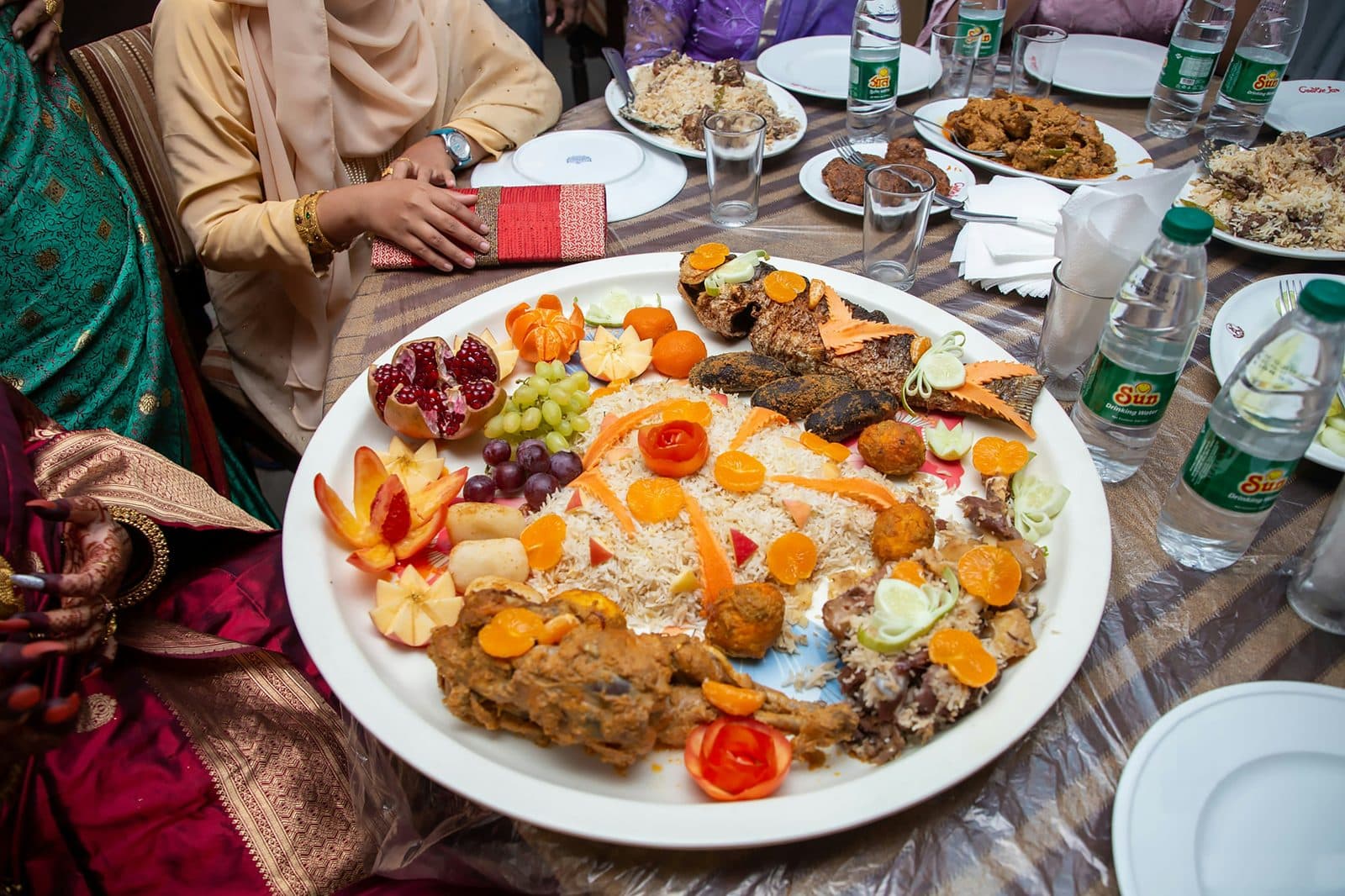
Pilaf and the grills. The Ottoman inheritance is plainest here: rice pilaf as a foundation, and a wide grill of meats that most traditional restaurants build their menus around. Simple, generous, and cheap.
Raki, and the coffee. Raki is the traditional Albanian spirit, a clear fruit brandy of roughly 40 to 50 percent, usually distilled from grapes, offered as a welcome and a toast. And coffee is not a detail here but the backbone of social life: by one count Albania has a cafe for every 154 people, and the day starts with a proper espresso taken slowly, not on the run.
Where the food culture lives
Hear a stop from this walk
Komiteti — Raki, the Albanian Handshake
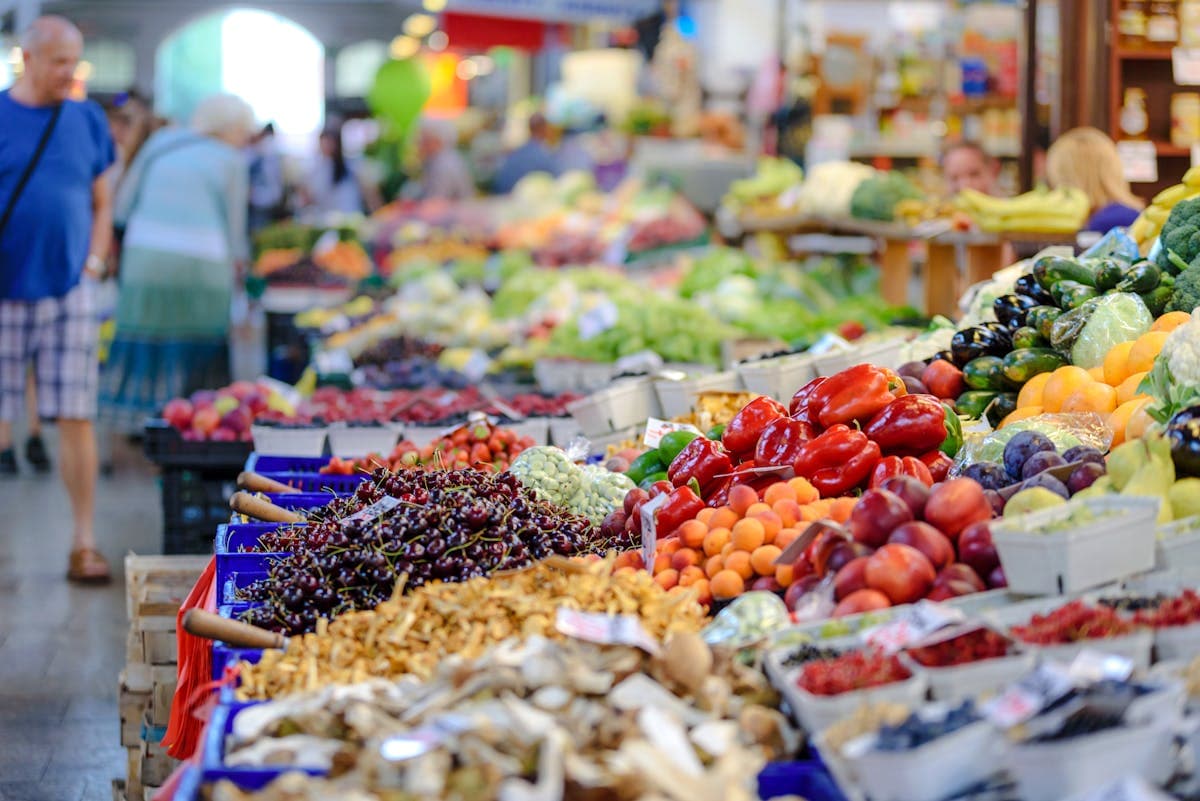
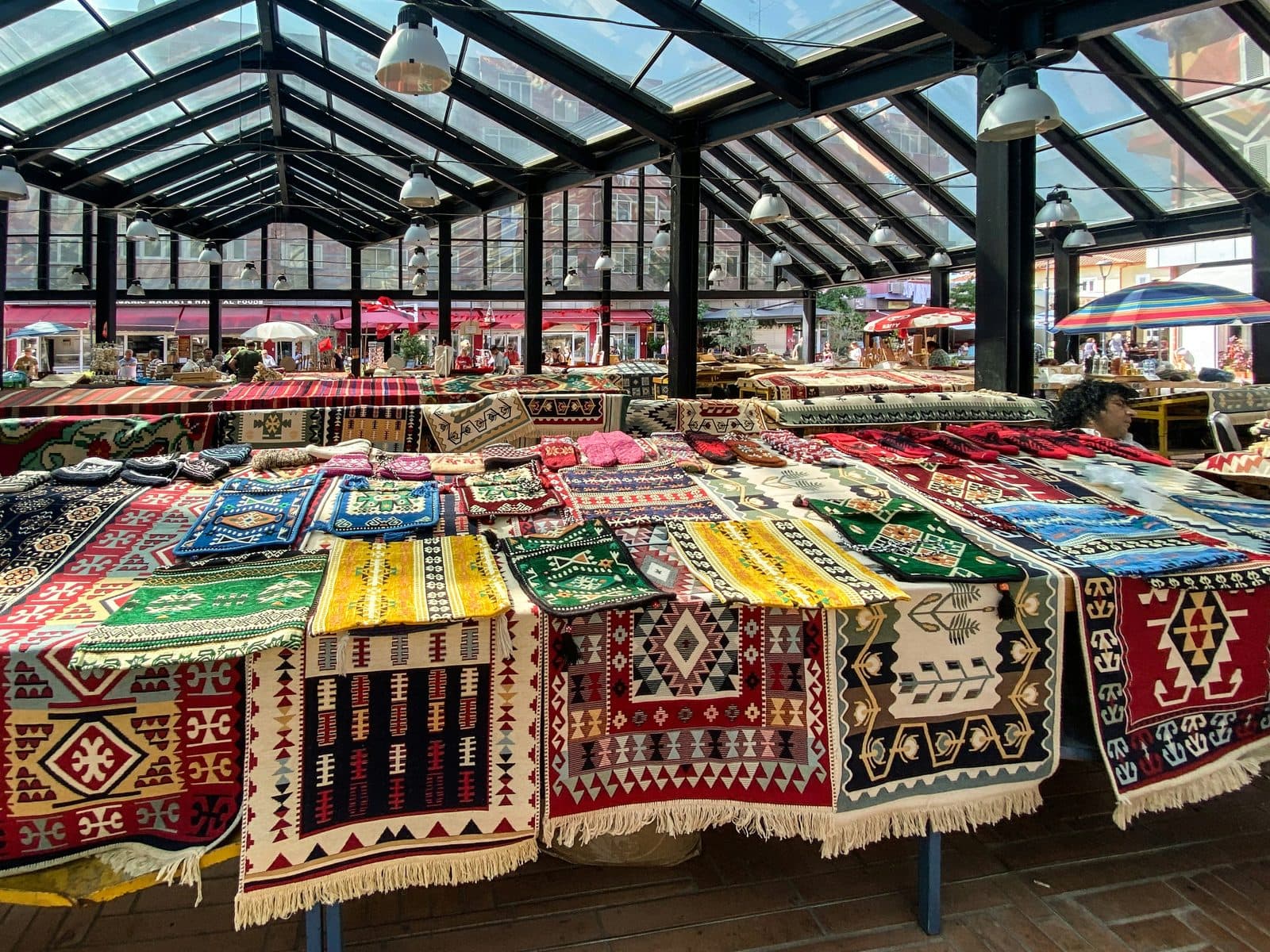
Pazari i Ri, the New Bazaar. The restored market district near the center is the best place to see the raw materials: cheeses, honey, olives, fresh produce, and cured meats, ringed by restaurants and grill stalls where you can eat what the market sells. It is the closest thing Tirana has to a food hub, and a natural stop on the Bite by Bite food-trail tour.
Blloku, for dinner. The former communist elite quarter is now the densest cluster of restaurants and bars in the country. It runs from traditional Albanian tavernas to modern kitchens and cocktail bars, and it is where the evening naturally lands. Walking from a museum of the old regime to a table in the neighborhood that regime kept fenced off is a fitting end to a day. The Grey to Great transformation tour reads exactly that arc.
The tavernas, for home cooking. For tavë kosi, fërgesë, and byrek done properly, look for the traditional tavernas scattered around the center and the bazaar. This is where Albanian home cooking sits on a menu, unfussy and generous, and where the fusion of Ottoman, Mediterranean, and mountain traditions is clearest on the plate. The companion piece on food too humble to ruin tells the story of why this cuisine survived intact.
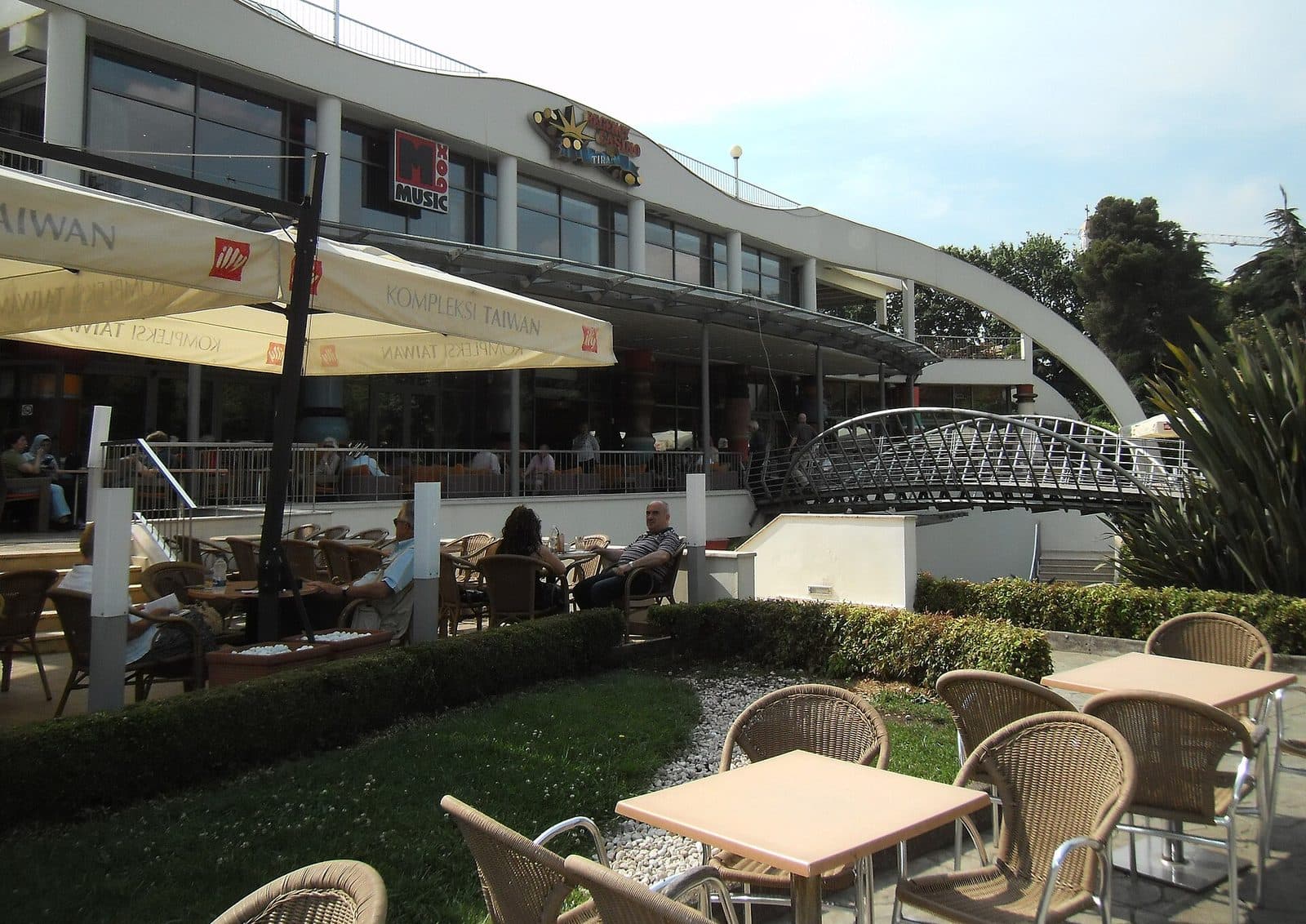
The cafes, all day. You cannot understand eating in Tirana without sitting in a cafe, because that is where the city spends its time. A single euro buys an espresso and a seat for as long as you like, and the sidewalk tables are the real social center of the capital.
Eat as you walk
The best way to work through this list is on foot, one district at a time. Pair a morning around Skanderbeg Square with a byrek from a bakery, an afternoon at Pazari i Ri with market snacks, and an evening in Blloku with tavë kosi and a glass of raki. Route your day with the one day in Tirana itinerary, plan the practical side with the Tirana travel guide, and browse all Tirana tours. Every tour is free to start: the introduction and first stop play in full, and every later stop plays a short preview before an optional purchase.
Frequently asked questions
- What food is Tirana known for?
- Tirana is known for Albanian home cooking that blends Ottoman technique with a Mediterranean larder. The headline dishes are tavë kosi (the national dish, baked lamb in a tangy yogurt-and-egg custard), byrek (flaky filled pastry), fërgesë (a baked dish of peppers, tomatoes, and cheese that carries the city's name as fërgesë Tirane), qofte (grilled Albanian meatballs), and the Balkan grills and pilaf that anchor most menus. Raki, a clear fruit brandy, and a serious espresso culture round it out.
- What is the national dish of Albania?
- The national dish is tavë kosi, a baked casserole of lamb (or sometimes chicken) set in a custard of yogurt, eggs, and a little flour, seasoned simply and baked until golden and just set. It originated in the Elbasan region and is tangy, rich, and comforting. You will find it on almost every traditional menu in Tirana, and it is the single dish most worth ordering to understand Albanian cooking.
- Where should you eat in Tirana?
- For market produce, cheese, and grilled snacks, head to Pazari i Ri, the restored New Bazaar, ringed by restaurants. For a sit-down dinner, the Blloku district holds the densest cluster of restaurants and bars in the country. For traditional Albanian home cooking, look for the tavernas around the center and the bazaar serving tavë kosi, fërgesë, and byrek. And everywhere, all day, the cafes, since coffee is the backbone of Tirana social life.
- What do people drink in Albania?
- Two things define drinking in Albania: coffee and raki. Albania has an extraordinary café density, by one count a cafe for roughly every 154 people, and the day begins with a strong espresso, not a rushed one. Raki is the traditional spirit, a clear brandy of about 40 to 50 percent usually distilled from grapes, though plum and mulberry versions exist, offered as a welcome and a toast. Albania also produces its own wines from indigenous grapes.
Ready to experience it?
Bite by Bite
105 min · 1.1 km · easy
More from Tirana
Explore more at your own pace.
Best Self-Guided Walking Tours in Tirana (2026)
One Day in Tirana: A Walkable Capital Itinerary (2026)
The City That Did Not Forget: How to See Tirana
Tirana Travel Guide: How Many Days, Getting Around, Is It Safe (2026)
Behind the Concrete Curtain: What Hoxha's Albania Actually Looked Like