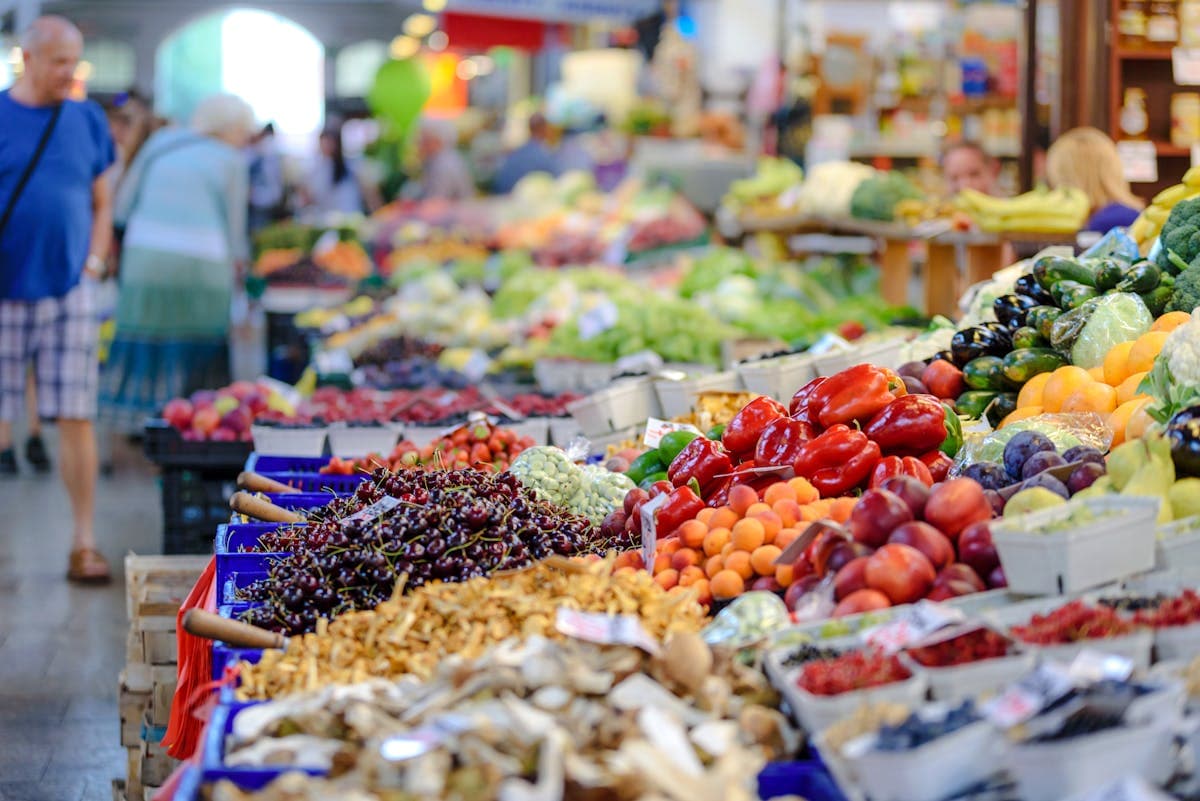
Albanian food is the best-kept secret in European cuisine — Ottoman techniques, Mediterranean ingredients, mountain traditions, and an obsession with freshness that puts most Western capitals to shame. This is a walking food trail through the streets where Tirana actually eats, with something to taste at every stop.
Start · Pazari i Ri (New Bazaar)
DirectionsStops
- 1
Pazari i Ri (New Bazaar)
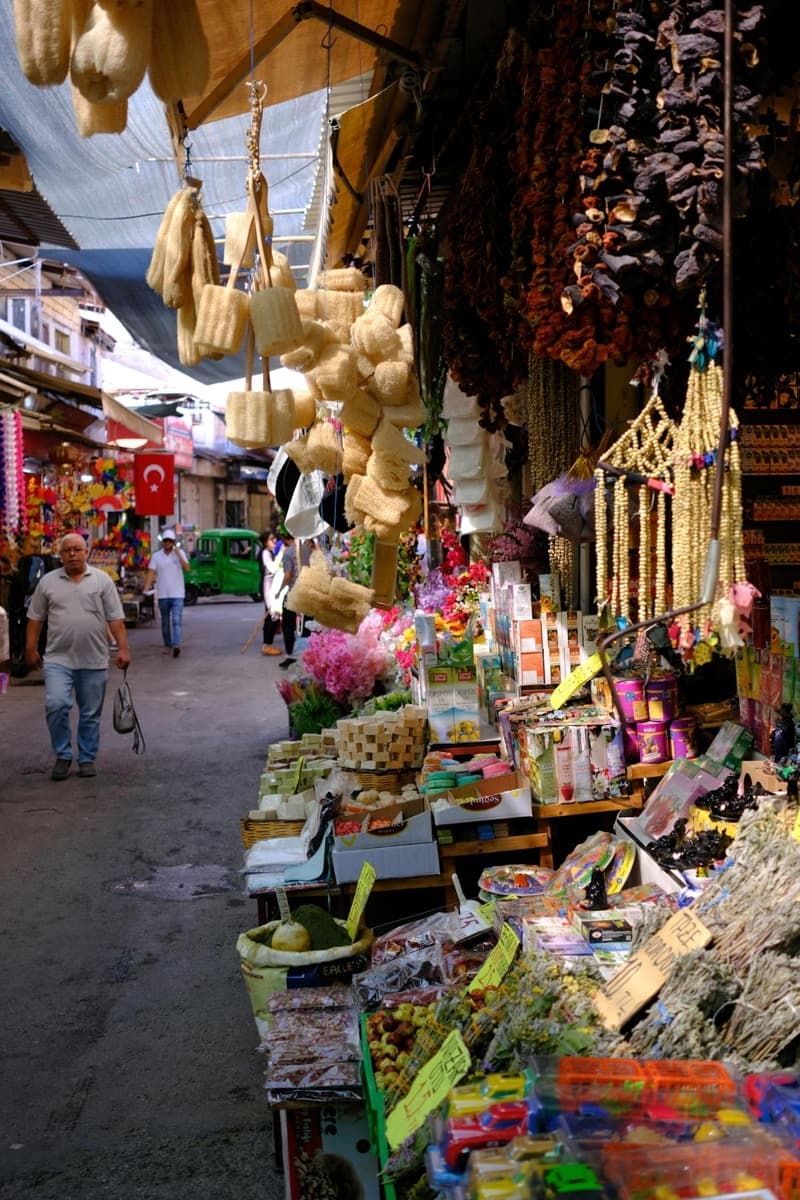
Tirana's vibrant food heart — 130 vendors under an elegant canopy, selling everything the Albanian earth produces.
- 2
The Byrektore — Albania's National Street Food
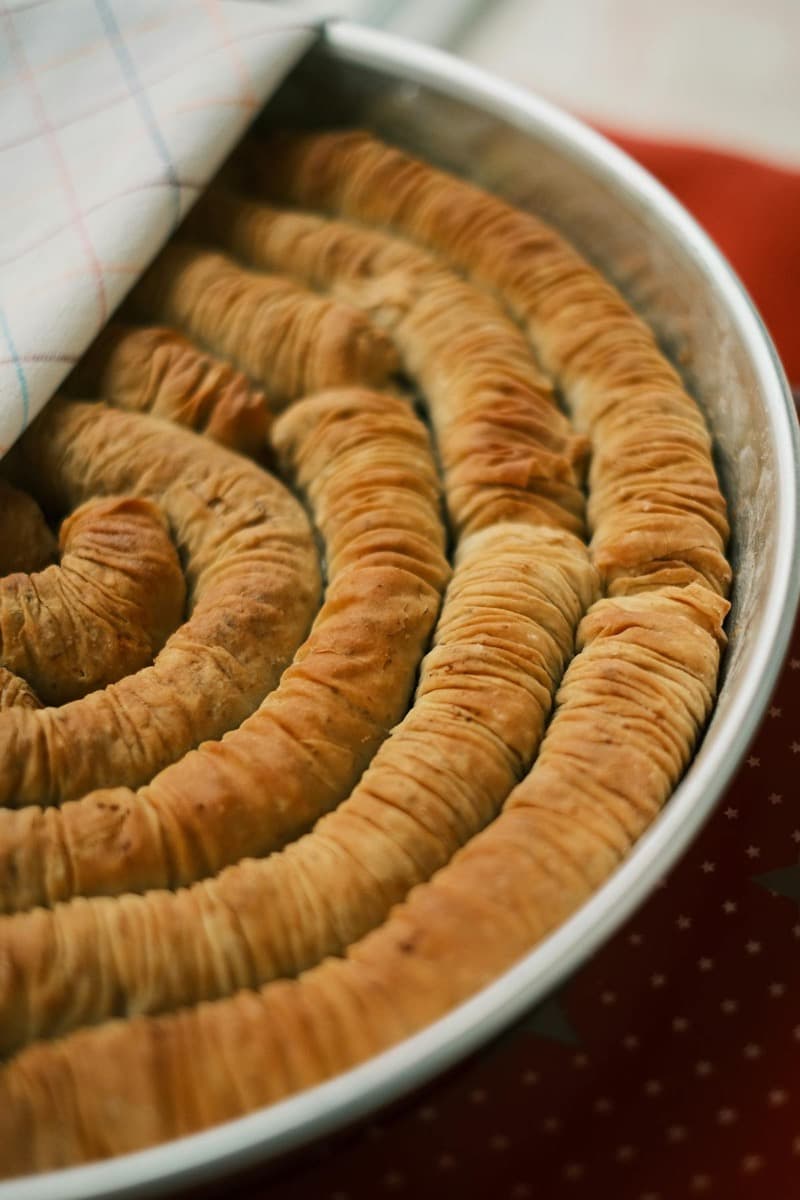
A hole-in-the-wall byrek shop serving Albania's most important street food — flaky pastry layered with salty cheese or earthy spinach.
- 3
Zgara Row — The Charcoal Grill Tradition
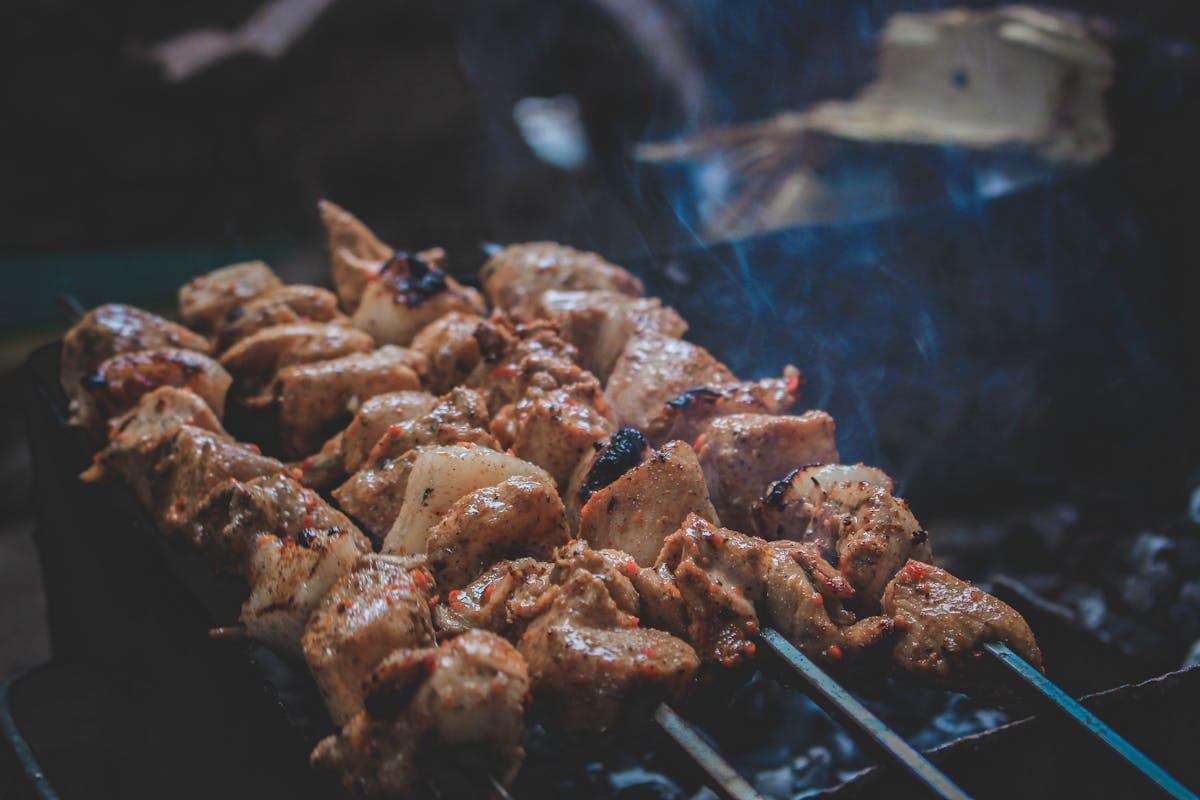
A row of traditional grill houses where meat meets hardwood charcoal the way the Ottoman Balkans intended.
- 4
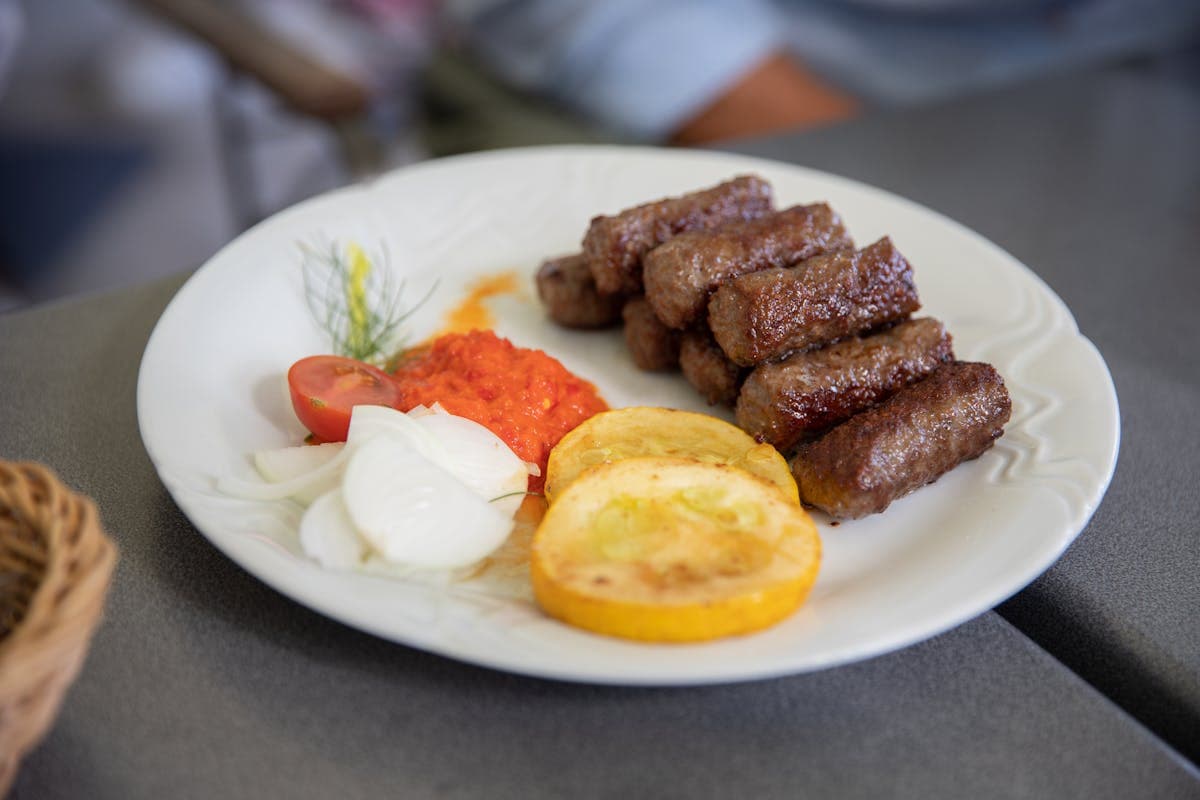
Oda Restaurant — Grandmother's Kitchen
Generational Albanian recipes served in a traditional sitting room — the best tave kosi and fergese in Tirana.
- 5
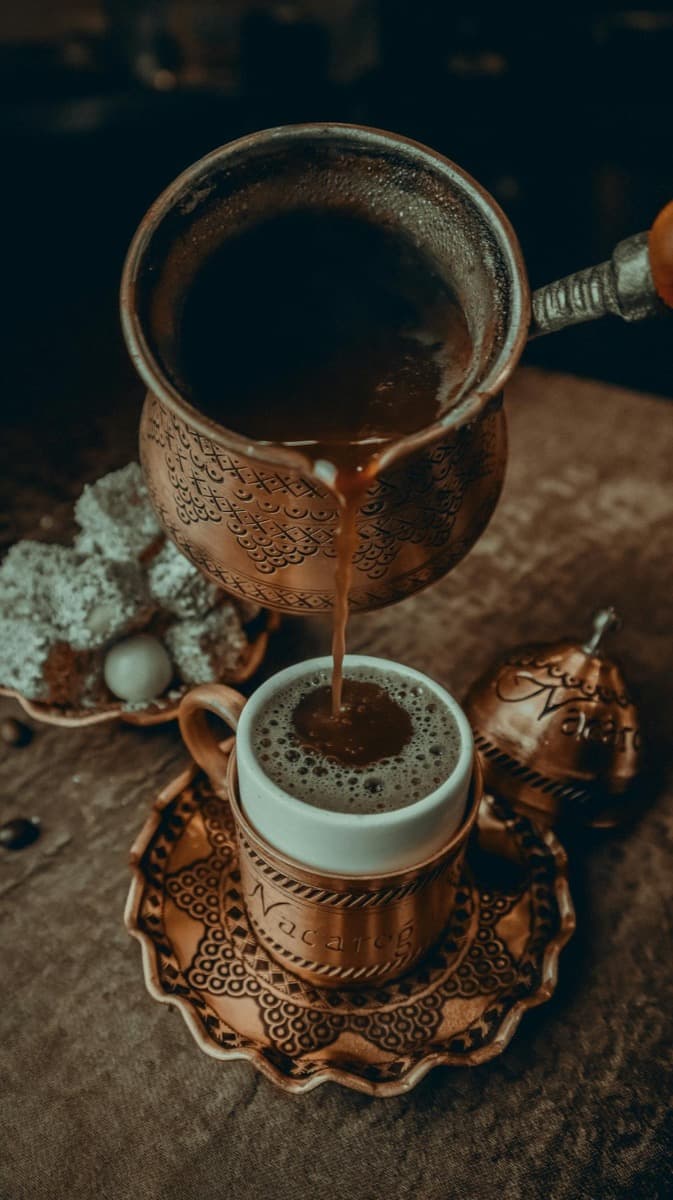
Turkish Coffee — The Kafene Ritual
Albania's coffee obsession explained over a tiny copper pot of kafe turke — slow, strong, and never rushed.
- 6
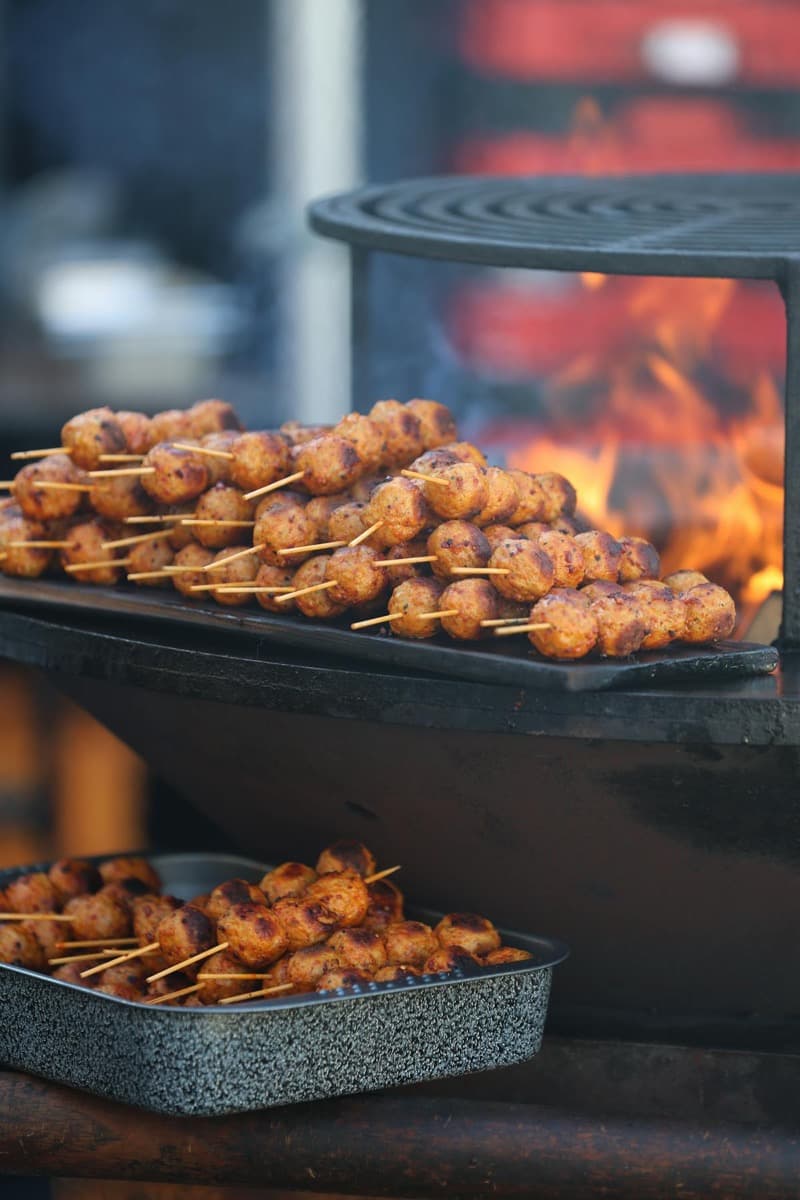
Te Met Kodra — Tirana's Qofte King
Two-item menu since 1957. Qofte and bread. That is it. And it is magnificent.
- 7
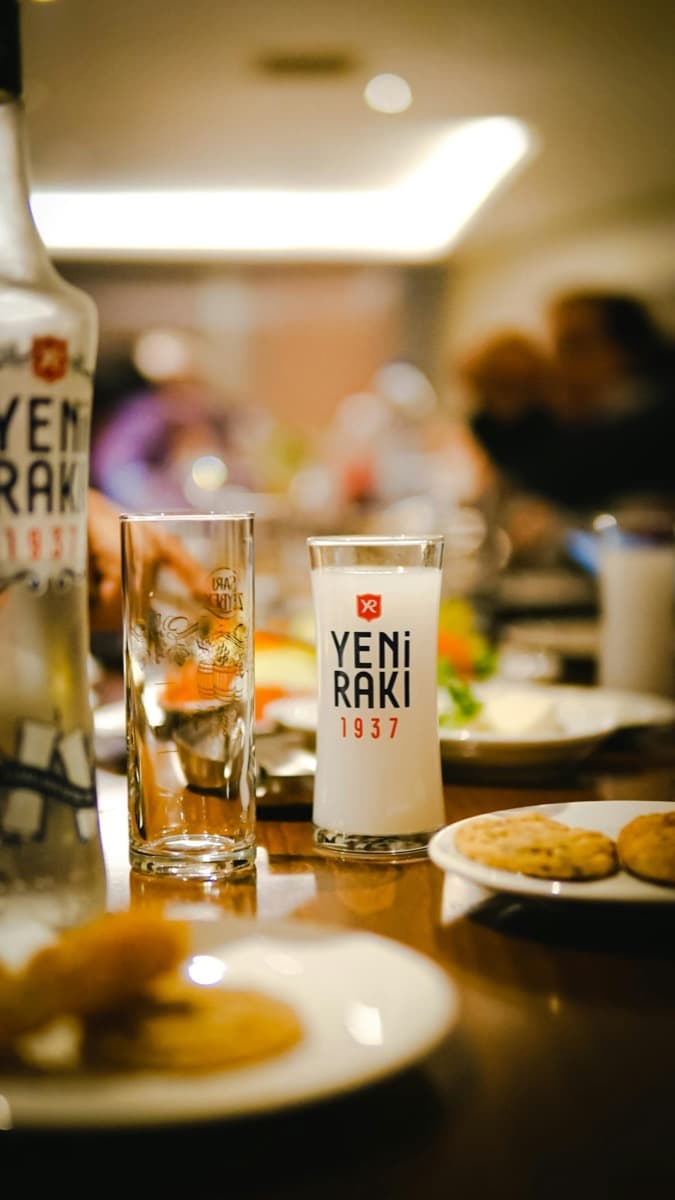
Komiteti — Raki, the Albanian Handshake
Seventeen thousand communist-era artifacts, a raki tasting flight, and the perfect ending to a tour through Tirana's food soul.
Details
Best Time to Visit
Early afternoon start (13:00-14:00) is ideal — the market is active, grill houses are at full power, and you finish at Komiteti in time for a relaxed late-afternoon raki. Late morning (11:00-12:00) also works well. Avoid starting before 10:00 or after 19:00.
Pro Tips
- •Bring cash — at least 2,000 lek (~18 EUR). The byrek shops, zgara houses, and Te Met Kodra are cash-only.
- •Pace yourself. There are seven stops with food or drink at each one. Take small portions at the first few stops so you have room for qofte and raki at the end.
- •If you are doing this tour after the communist history tour, your stomach and your soul will both thank you. Heavy history in the morning, food therapy in the afternoon.
- •End your evening in Blloku after Komiteti — a 5-minute walk south puts you in the heart of the xhiro, the Albanian evening promenade.
Safety & Precautions
- •This tour involves eating at multiple stops. Pace yourself, especially in summer heat. Carry water between stops.
- •Most small food vendors are cash-only. Check you have lek before starting. The nearest ATMs are around Skanderbeg Square.
- •Albanian raki is strong (40-50% ABV). The tasting flight at Komiteti contains multiple servings. Eat the meze, sip slowly.
Travel advisory: Exercise Increased Caution (Level 2).
Gallery
Related Reading
Go deeper on what you'll see, hear, and walk through.
Read the walk
The full story of Bite by Bite, in words. Prefer to listen? Play it narrated, from home or on location.
Introduction
Here is something almost nobody outside the Balkans knows: Albanian food is extraordinary. Not in a polished, Michelin-starred, needs-a-reservation kind of way. In a grandmothers-who-have-been-perfecting-the-same-recipe-for-sixty-years kind of way. In a the-best-meal-costs-three-euros kind of way.
Albanian cuisine sits at a crossroads. Four centuries of Ottoman rule brought the spices, the pastry techniques, the coffee ritual. The Mediterranean brought olive oil, tomatoes, peppers, fresh herbs. The Albanian mountains brought lamb, yogurt, wild greens, and a fierce insistence on whatever is local and in season. And then communism happened. For forty-six years, Albania was sealed off, the most isolated country in Europe. No imports. No fast food chains. No outside influence. Albanians ate what they grew, cooked what their grandmothers cooked, and preserved food traditions the rest of the Balkans was busy modernising away. When the borders opened in nineteen ninety-one, those traditions were still intact. That is what you are about to taste.
The walk is seven stops, about one point one kilometres around the New Bazaar, roughly one hour forty-five minutes. Every stop has something to eat. Flaky byrek from a hole-in-the-wall, grilled meat over real charcoal, spiced qofte from a place whose entire menu is two items, Turkish coffee in a tiny copper pot the way the Ottomans taught Albanians four hundred years ago, and raki at the end, the national spirit that starts every friendship and closes every deal. A byrek runs about eighty lek, roughly seventy euro cents. A plate of qofte with bread is three to four hundred lek. Most small stalls are cash only; the sit-down restaurants take cards. When you arrive at the New Bazaar, begin with stop one.
1. Pazari i Ri (New Bazaar)
Welcome to Pazari i Ri, the New Bazaar and your first stop on this tour. You are about to walk into the living room of Tirana. Pazari i Ri, that is pah-ZAH-ree ee REE, "the New Bazaar", has been the food soul of this city for nearly a century, and the market you see today is one of the most beautiful in the Balkans.
Look at the structure above you as you enter. That elegant black glass canopy covering the produce section is modern, the bazaar was renovated in 2017 and transformed from a half-neglected, grey, post-communist market into this. But the bones are old. A bazaar has stood on or near this spot since the Ottoman era, when Tirana was a market town built around trade routes. The Ottomans established the original bazaar in the 1600s. The communists nearly killed it, under Hoxha's regime, the state controlled food production and distribution, and open markets were ideologically suspect. Private selling was restricted. The bazaar survived, barely, as a shadow of itself.
After communism fell in 1991, the market roared back. And the 2017 renovation gave it the architecture it deserved, 130 vendors under the canopy and in the surrounding buildings, selling everything the Albanian earth produces.
Here is what to look for as you walk through. The cheese stalls, wheels of djath i bardhe, Albanian white cheese, salty and crumbly, similar to feta but with its own character. Mountain honey from the south, thick and dark, sometimes still in the comb. Barrels of olives in brine, Albania produces outstanding olive oil, and the table olives are fat and briny. Piles of dried mountain herbs, Albanians drink caj mali, mountain tea, the way the British drink builder's tea. Bundles of fresh dill, parsley, and mint, these are the backbone of Albanian cooking. And everywhere, peppers. Red, green, roasted, pickled, stuffed, dried. Peppers are to Albanian food what tomatoes are to Italian.
Do not buy anything yet. Just walk, smell, absorb. Your eating starts at the next stop, and you want to arrive hungry.
When you are ready, exit the bazaar from the south-west corner and look for Rruga Qemal Stafa, the street with the byrek shops. You will know it by the smell of hot pastry.
2. The Byrektore — Albania's National Street Food
Welcome to the byrektore. That smell. Butter, hot pastry, and something salty and sharp underneath. That is byrek, BEW-rek, and it is the single most important street food in Albania. You are standing in front of a byrektore, which is simply an Albanian word meaning "the place that makes byrek." Every neighborhood has one. Every Albanian has an opinion about which one is best. Arguments about byrek are essentially a national sport.
So what is it? Byrek is a layered pastry, think of it as a cousin of Turkish borek, Greek spanakopita, and Balkan burek, all of which descend from the same Ottoman pastry tradition. Thin sheets of filo dough, brushed with oil or butter, layered with a filling, and baked until golden and flaky. The Albanian version is distinctive: the pastry is thinner, the fillings are simpler, and the portions are more generous.
Here is what to order. Ask for byrek me djath, that is BEW-rek meh JAHTh, byrek with cheese. This is the classic, the one every Albanian grows up eating. The cheese is a soft, salty white cheese similar to feta but creamier. If you want to try two, add byrek me spinaq, BEW-rek meh spee-NAHK, spinach byrek. The combination of salty cheese or earthy spinach with crispy, flaky pastry is simple and perfect.
A single portion costs about 70 to 100 lek, that is around 70 cents to one euro. This is cash only. Point at what you want, hold up one finger or two, and hand over a 100-lek coin. No Albanian will be confused by this transaction.
The best byrek is the one that just came out of the oven. If you see the baker pulling a fresh tray from the back, point at that one. The pastry should shatter slightly when you bite into it. The cheese should be hot and just starting to run. If the outside is golden-brown and the inside is molten, that is it. That is the one.
Eat it standing up, the way Albanians do. Breakfast, lunch, midnight snack, byrek respects no schedule.
When you have finished, walk back toward the bazaar and head north along the main street. Follow the smoke.
3. Zgara Row — The Charcoal Grill Tradition
Welcome to Zgara Row. Follow the smoke. That is not a suggestion, it is a navigation instruction. The charcoal grill houses along this street announce themselves in the most primal way possible: a wall of smoke, the sizzle of meat hitting iron, and an aroma that makes your stomach growl whether you just ate or not.
Welcome to zgara row. Zgara, ZGAH-rah, simply means "grill" in Albanian, and these restaurants practice a tradition that is older than the country itself. Charcoal grilling was the heart of communal eating across the Ottoman Balkans, and in Albania it survived everything, the empire's collapse, two world wars, and forty-six years of communism when meat was rationed and the state decided how much you could eat.
Zgara Korcare, the grill house with the Korca name, is one of the anchor restaurants here. Korca is a city in south-eastern Albania famous for its food and beer, and "Korcare-style" grilling is considered a badge of quality. The menu is short: grilled chicken, lamb, sausages, qofte, Albanian meatballs you will try properly at the next stop, served with fresh bread, a simple salad of tomatoes and onions, and sometimes fries or grilled peppers.
Here is what to order if you want to keep it light. Ask for a mixed grill plate, "nje shuqet te zgares" (nyeh shoo-KEHT teh ZGAH-ress), or simply point at the counter where the grilled items are displayed. A plate of grilled chicken with bread and salad runs about 400 to 600 lek, roughly 4 to 6 euros. If you want just a sausage in bread, that is about 200 lek. Cash is safest here, though some zgara places have started taking cards.
Watch how the meat is cooked. Real zgara uses hardwood charcoal, not gas. The grill master stands over the flames, turning the meat by hand, timing everything by instinct. There is no thermometer, no timer. Just decades of practice. The chicken should have char marks on the outside and juices running clear inside. The sausages, look for the ones that have split slightly from the heat, revealing the spiced meat inside. That is the sign of a properly grilled sausage.
Sit down, eat slowly, and watch the lunch crowd. When you are ready, head east into the side streets behind the bazaar, Oda is tucked away there.
4. Oda Restaurant — Grandmother's Kitchen
Welcome to Oda Restaurant. You have left the bustle of the bazaar and entered something quieter. Oda is the Albanian word for the traditional sitting room, the most important room in an Albanian house, where guests are received, coffee is served, and the family gathers. This…
Full narration for this stop unlocks with the tour.
5. Turkish Coffee — The Kafene Ritual
Welcome to your coffee stop. Find a seat. This stop is not about walking, it is about sitting still, which is the entire point of Albanian coffee culture. You are about to order a kafe turke, KAH-feh TOOR-keh, Turkish coffee. And before you drink it, you need to understand what…
Full narration for this stop unlocks with the tour.
6. Te Met Kodra — Tirana's Qofte King
Welcome to Te Met Kodra. Look for the queue. It is not long, maybe five or six people, but it is constant. That is Te Met Kodra, and it has been serving qofte, CHOF-teh, Albanian meatballs, from this spot since 1957. The menu has two items: qofte, and bread to put the qofte in.…
Full narration for this stop unlocks with the tour.
7. Komiteti — Raki, the Albanian Handshake
Welcome to Komiteti, your final stop on this tour. You have walked from the bazaar down toward the Pyramid, and the neighborhood has changed around you. The old market streets gave way to wider boulevards, and now you are in front of Komiteti, Kafe Muzeum. This is where the tour…
Full narration for this stop unlocks with the tour.