Saigon's French Quarter: The Empire Left, the Buildings Stayed
75 min · 1.8 km · moderate
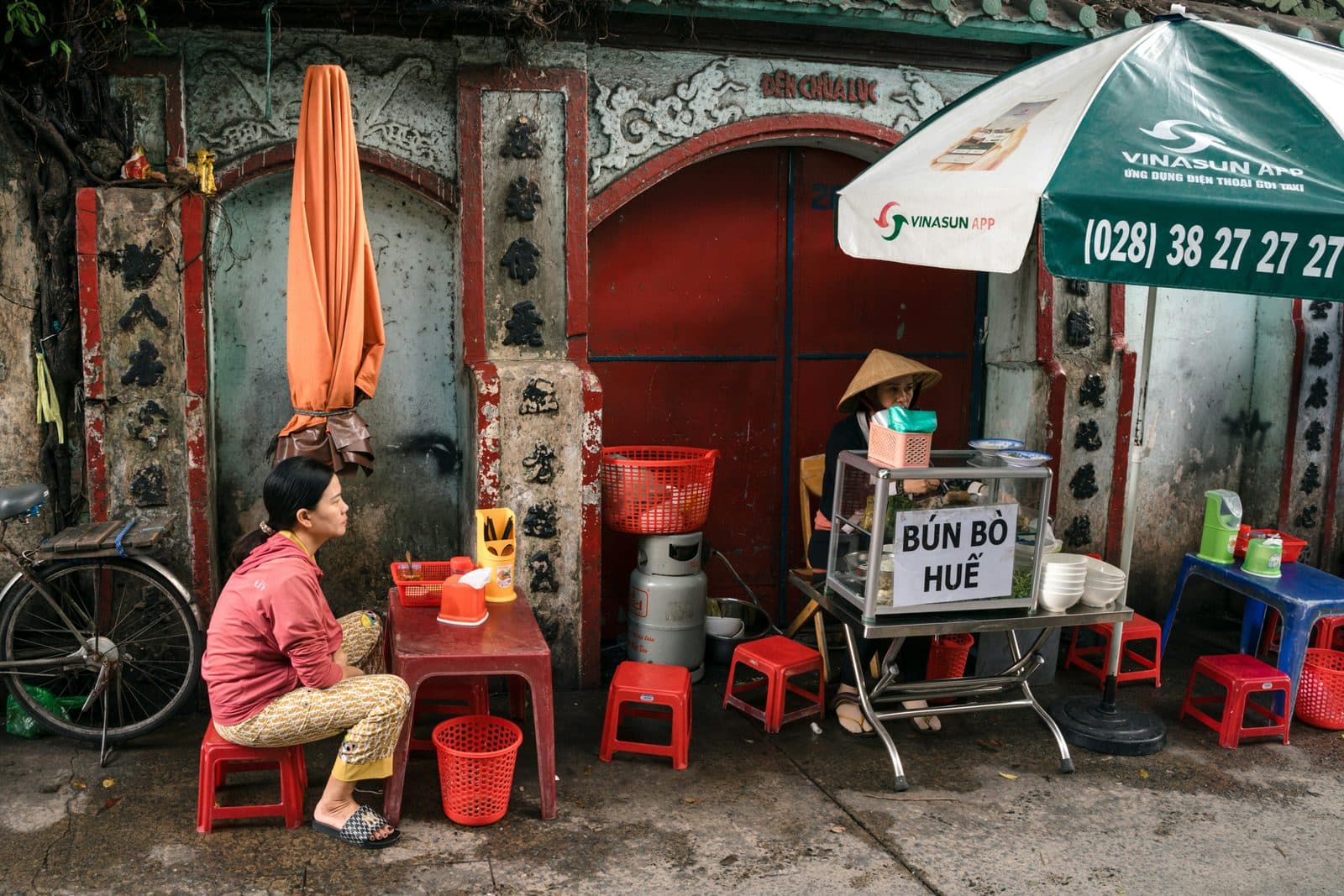
Saigon food is street food first. This is a southern cuisine built for the sidewalk: sweeter and more generous than the north, piled with fresh herbs you add yourself, and shaped by a deep Chinese influence that arrived with Cholon, one of the world great Chinatowns, and gave the city much of its noodle culture. Eat well in Saigon and you will do it on a plastic stool, one specialist stall at a time, because the best cooks here make one dish and make it perfectly. This guide covers the dishes worth seeking out and where the food culture actually lives, and it pairs naturally with a slow walk on one of our Saigon self-guided tours.
The dishes to seek out
Com tam. Perhaps the most representative Saigon dish: broken rice, once the cheap fractured grains left over from milling, now a proud plate in its own right, served with grilled pork chop, a savory steamed egg-and-pork cake, shredded pork skin, and a bowl of sweet-tangy fish sauce to pour over. A whole meal, and a classic Saigon breakfast.
Banh mi. The world most famous fusion sandwich, born from the French baguette and Vietnamese ingredients: a crisp, airy roll split and stuffed with pate, cold cuts or grilled meat, pickled carrot and daikon, cucumber, cilantro, chili, and a smear of mayonnaise. Grab one from a cart for a couple of dollars.
Pho, southern style. The national beef-noodle soup, in its Saigon form, which runs a little sweeter and comes with a big plate of accompaniments, bean sprouts, Thai basil, lime, sawtooth herb, and fresh chili, that you tear in and add to taste. Eaten at any hour, from early morning to late at night.
Hu tieu. A Saigon noodle soup with roots in the Chinese kitchens of Cholon and the wider Mekong region. It comes in endless variations, wet or dry, over clear pork broth, topped with pork, shrimp, or offal and a tangle of herbs. This is the dish that most shows the city Chinese heritage.
Banh xeo. A big, crackling turmeric-yellow crepe made from rice flour and coconut milk, folded over shrimp, pork, and bean sprouts. Its name imitates the sizzle it makes hitting the hot pan. You tear off pieces, wrap them in lettuce and herbs, and dip in fish sauce.
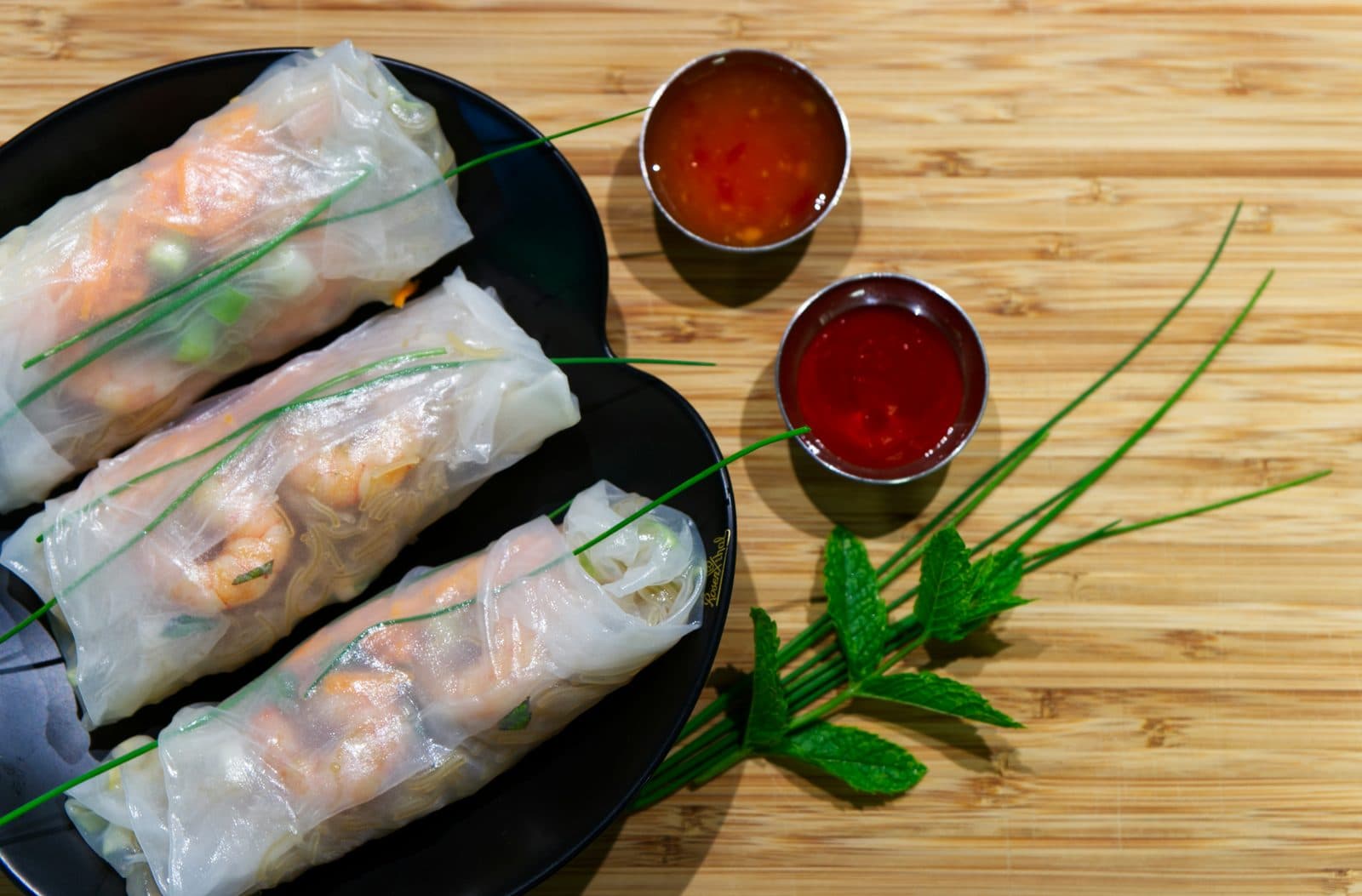
Goi cuon. Fresh, unfried spring rolls: shrimp, pork, rice noodles, and herbs rolled in translucent rice paper, served with a peanut or fish-sauce dip. Light, cool, and a perfect foil to the heat, they are regularly named among the world great dishes.
Ca phe sua da. The essential Saigon drink: dark-roast robusta coffee dripped through a small metal phin filter onto a layer of sweetened condensed milk, stirred, and poured over ice. Strong, sweet, and cold, it is the fuel of the city and a legacy of the same French era that built its boulevards.
Where the food culture lives
Hear a stop from this walk
The Majestic and the River: Where the Quarter Ends
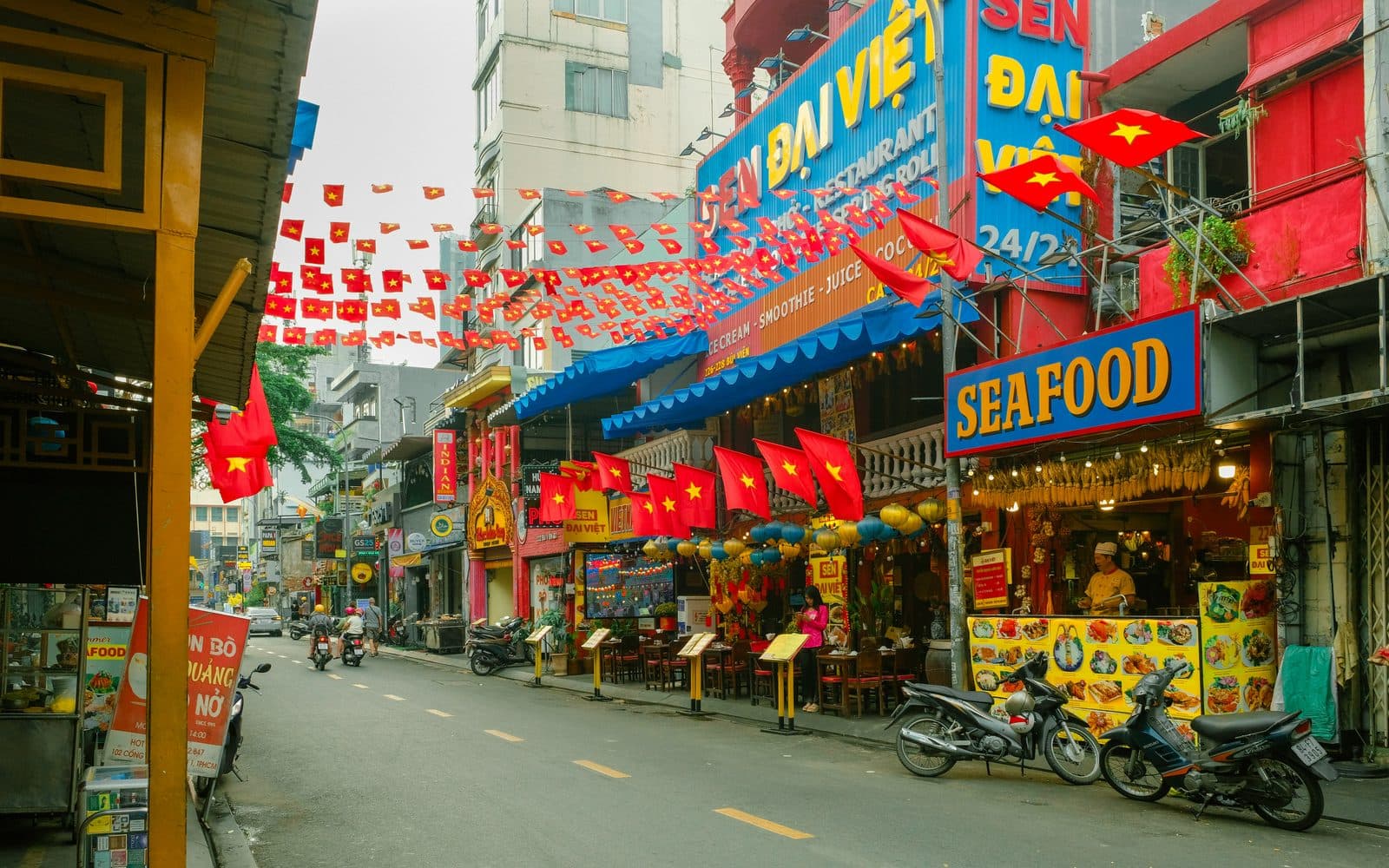
The sidewalks of District 1. Saigon street food is a one-dish specialist culture: the woman on the corner makes only com tam, the next cart only banh mi, and each is better for it. Follow the busy stalls, especially at local lunch hour, and pull up a plastic stool. These are the streets you walk on Saigon's French Quarter: The Empire Left, the Buildings Stayed, our self-guided tour through the colonial center.
Ben Thanh Market. The covered central market is a good place to graze across many dishes at once, from hu tieu and pho to fresh fruit and coffee. Prices skew to tourists, so it is more a sampler than a bargain, but it is convenient and lively.
Cholon, the Chinatown. Two miles west, the city Chinese quarter is where the deepest Chinese-Vietnamese cooking lives: hu tieu shops, roast-meat counters, herbal soups, and dim sum. It is the source of much of Saigon noodle culture. Walk it with the The Other City: Cholon tour, which reads the quarter through its sea-goddess temples and merchant halls, and eat your way through it as you go.
The cafes, for coffee. Saigon coffee culture is a scene of its own, from tiny sidewalk stools to design-forward cafes, all built on the same strong robusta and condensed milk. A slow ca phe sua da in the mid-afternoon heat is a Saigon ritual worth keeping. The French Quarter tour stops opposite one of the city's oddest coffee addresses, 42 Nguyen Hue, a nine-storey apartment block from 1960 whose flats have been turned, one at a time, into dozens of independent cafes and shops since the boulevard became a pedestrian street in 2015. People still live there, so keep your voice down on the walkways, and expect the lift to charge a few thousand dong, which most cafes credit against your order.
Eat as you walk
The best way to work through this list is on foot, one district at a time. Pair a morning of colonial landmarks in District 1 with a com tam breakfast and a banh mi lunch, an afternoon in Cholon with a bowl of hu tieu, and the sizzling heat of the day with an iced coffee. Route your day with the one day in Ho Chi Minh City itinerary, plan the practical side with the Ho Chi Minh City travel guide, and browse all Ho Chi Minh City tours. Every tour is free to start: the introduction and first stop play in full, and every later stop plays a short preview before an optional purchase.
Frequently asked questions
- What food is Ho Chi Minh City known for?
- Saigon is known for southern Vietnamese street food. The signature dishes are com tam (broken rice with grilled pork), banh mi (the baguette sandwich), a southern, slightly sweeter style of pho, hu tieu (a Chinese-influenced noodle soup), banh xeo (a sizzling crepe), and goi cuon (fresh spring rolls). Wash it all down with ca phe sua da, the strong iced coffee with sweetened condensed milk. The city is also home to Cholon, one of the world great Chinatowns, which shapes much of its noodle culture.
- What is the difference between Saigon pho and Hanoi pho?
- Both are the same beef-noodle soup at heart, but the southern Saigon style is generally sweeter and served with a bigger plate of fresh accompaniments, bean sprouts, Thai basil, lime, sawtooth herb, and chili, that you add yourself. Northern Hanoi pho keeps its broth more austere and its garnishes minimal. Neither is more authentic; they are two regional expressions of the national dish, and the southern version is the one you will meet in Saigon.
- Is Saigon street food safe to eat?
- Generally yes, and it is where the best food is. The safest bet is a busy stall with high turnover, where the ingredients are fresh and the cooking happens in front of you. Follow the crowds, especially locals on their lunch break, eat food that is cooked hot to order, and be a little more cautious with pre-cut fruit or anything sitting out in the heat. A plastic stool on a busy corner is often a better meal than a quiet restaurant.
- Where should you eat in Ho Chi Minh City?
- For street food and specialist stalls, the sidewalks of District 1 and the surrounding districts, where each vendor often makes just one dish. For a covered market grazing session, Ben Thanh Market. For the deepest Chinese-Vietnamese cooking, the noodle shops and dim sum kitchens of Cholon, the city Chinatown. For coffee, the independent cafes are everywhere and are a culture unto themselves.
Ready to experience it?
Saigon's French Quarter: The Empire Left, the Buildings Stayed
75 min · 1.8 km · moderate
More from Ho Chi Minh City
Explore more at your own pace.
Ho Chi Minh City Travel Guide: How Many Days, Getting Around, When to Go (2026)
One Day in Ho Chi Minh City: A Walkable Saigon Itinerary (2026)
Empire in Stone: How Saigon Kept the Buildings and Changed Their Meaning
The City Beside the City: Reading Cho Lon's Assembly Halls
The City That Did Not Burn: Saigon on the Last Day