The Palace People Never Left
90 min · 0.7 km · easy
Plan two to three days in Split to see the old town properly, walk Marjan hill, and fit one day trip. Split rewards slow walking more than a packed checklist. The historic core is compact, car-free, and built inside a Roman palace, so your feet do most of the work. Below is the practical planning: how long to stay, how to get around, when to come, an honest word on safety, and roughly what it costs.
How many days in Split
Give Split two full days if the city is your focus, three if you want a day trip. One day is enough to walk Diocletian's Palace and the waterfront, but it leaves no room for the hill or the water. Travel planners consistently land on three days as the sweet spot for a first visit: one day for the old town and palace, one for the beaches and Marjan viewpoints, and one for an excursion.
A workable rhythm:
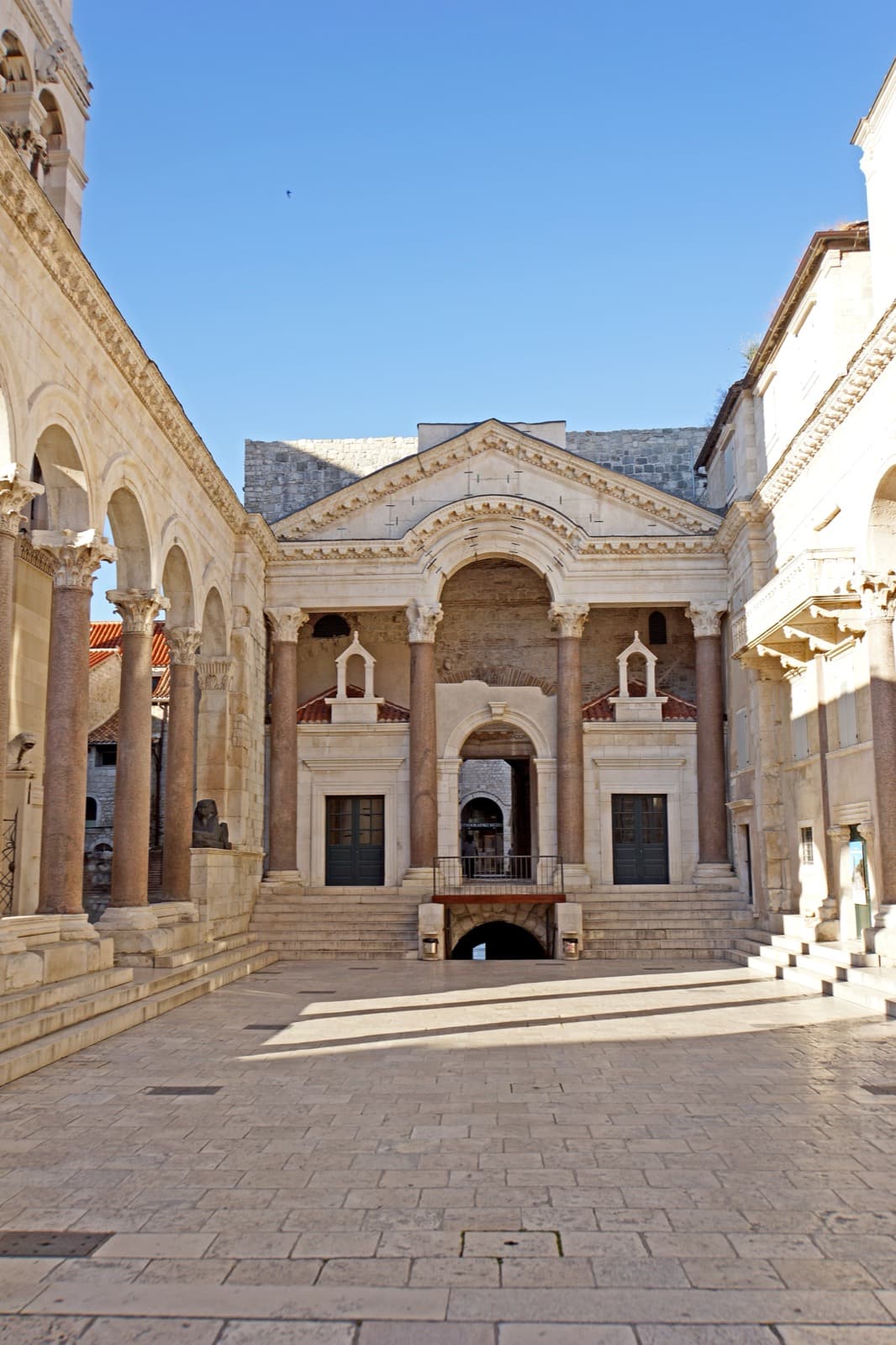
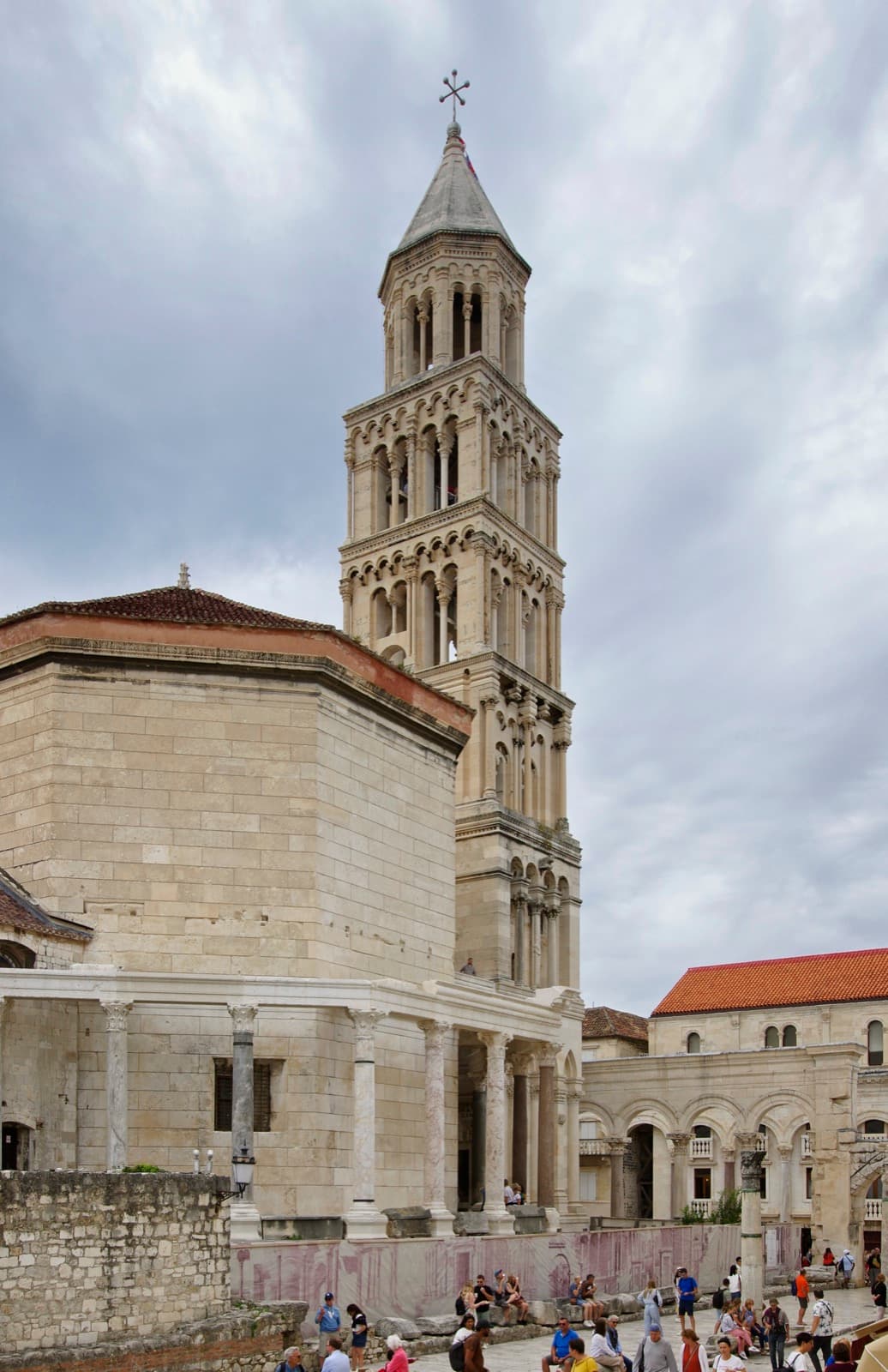
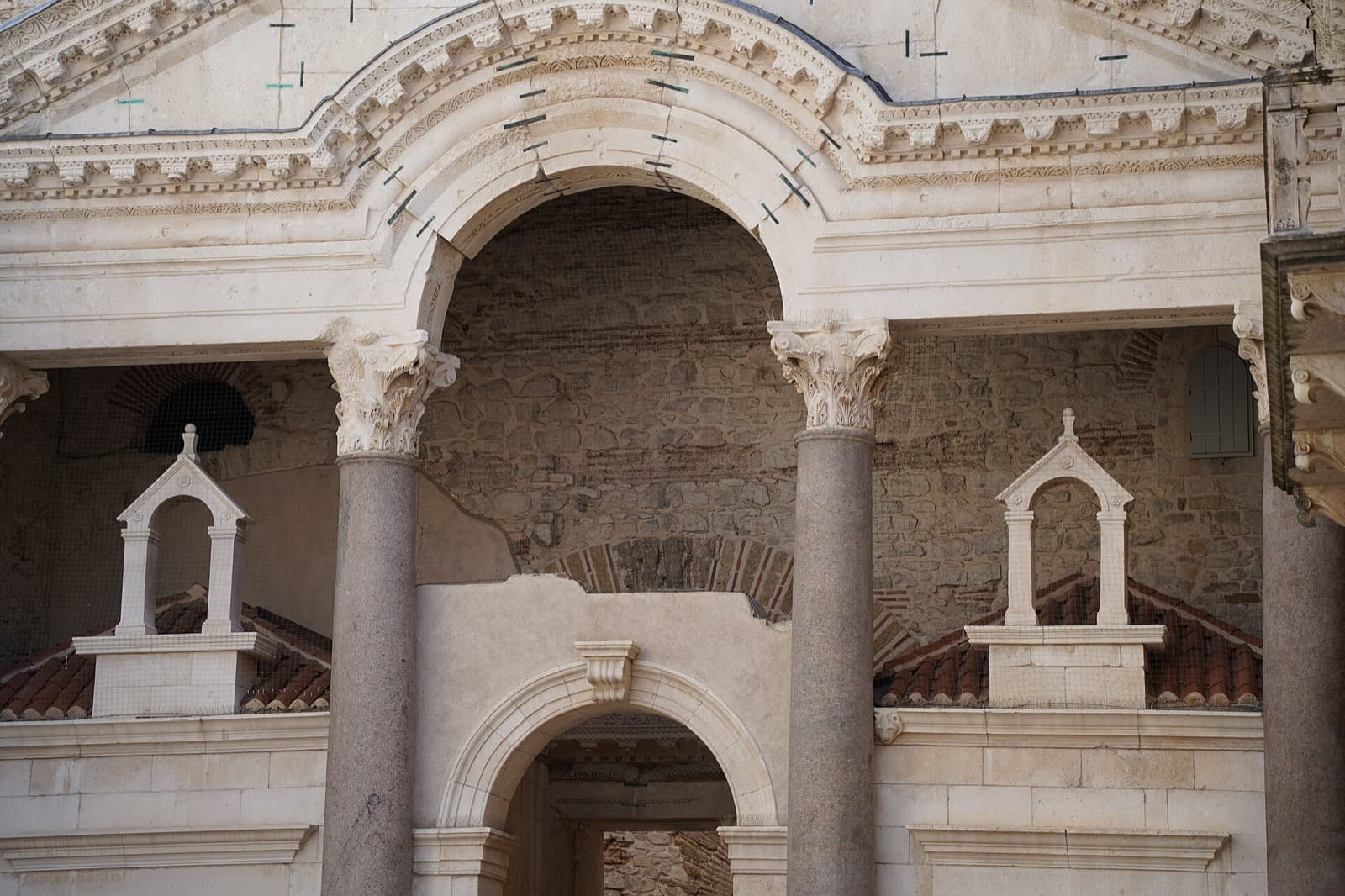
- Day one: the Roman core. Enter through the Golden Gate, cross the Peristyle, climb the cathedral bell tower, and descend into the cellars. Our Diocletian's Palace walk covers exactly this ground in about ninety minutes, and the point of the palace is that people never moved out of it, so you are walking a lived-in neighborhood, not a ruin behind a rope.
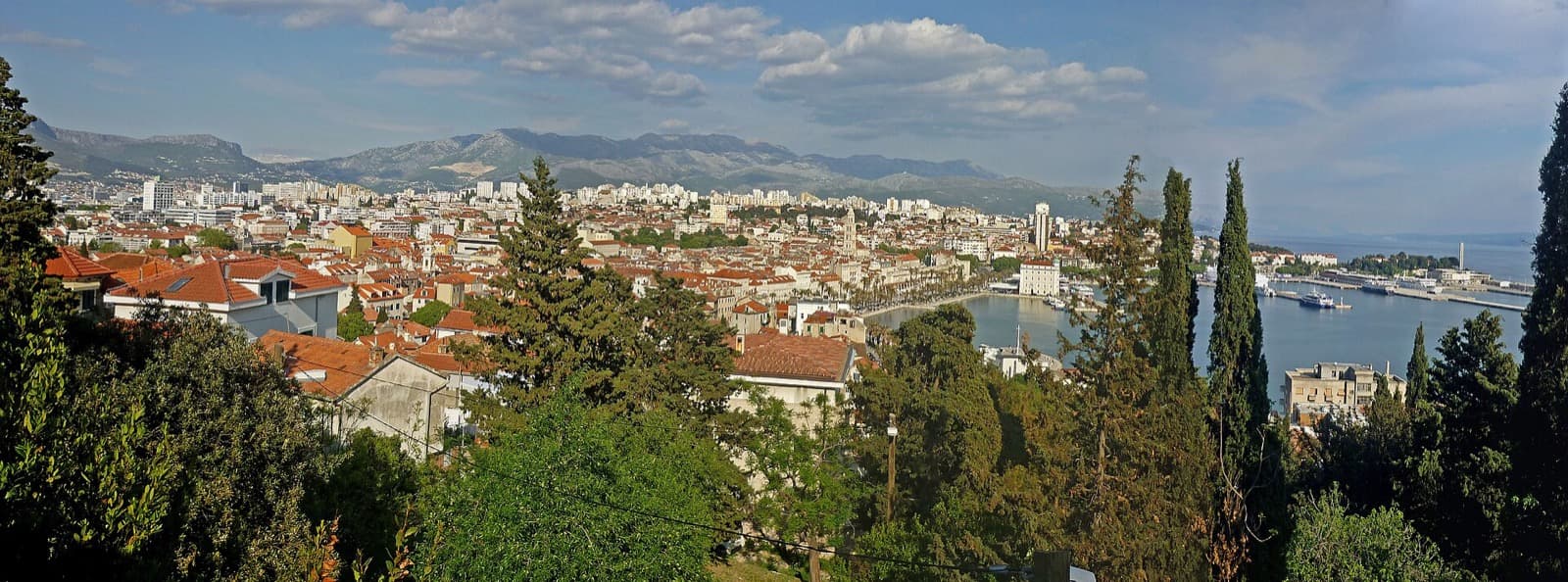
- Day two: the other Split. The Varos fishermen's lanes and the green hill of Marjan, ending with a swim. Marjan tops out at Telegrin, 178 meters, with the whole coast below you.
- Day three: a day trip (see below) or the markets, Matejuska fishermen's port, and Bacvice beach, where locals still play picigin, a shallow-water ball game, most afternoons.
If you have more time, add Trogir or an island. If you have less, the palace plus the Riva promenade is the irreducible core.
Getting around Split
Hear a stop from this walk
The Golden Gate: The Emperor's Threshold and the Bishop of the Common Tongue
Split's old town is entirely walkable and mostly car-free, so plan on your feet for anything inside the historic center. The palace, the Riva waterfront, the markets, and Bacvice beach are all within a fifteen to twenty minute walk of each other. Streets are smooth stone polished by centuries of footsteps, so pack shoes with grip; they get slippery in rain.
From the airport, you have three sensible options:
- Airport shuttle bus: as of early 2026 the operator is Platanus, one way around €10, roughly a 30 to 40 minute ride, dropping you next to the ferry port and train station about a 5 minute walk from the palace. Buses run after flight arrivals.
- Local bus 37 (Trogir to Split, passing the airport): about €3 paid to the driver, roughly 40 minutes, frequent on weekdays and Saturdays. Cheapest, a little slower.
- Taxi or rideshare: official taxis run around €50 to €55; Bolt and Uber operate here and are usually cheaper, often €25 to €50 depending on demand.
Inside the city you rarely need a bus. For Split's walking tours the whole appeal is that you can string the palace, Varos, Marjan, and the beaches together on foot at your own pace.
For day trips, Split is a natural base. Krka National Park is about ninety minutes away, closer than Plitvice, though note that swimming at the base of the main Skradinski Buk waterfall has been banned since 2021; designated swimming spots elsewhere in the park remain open in summer. Hvar Town is a compact, walkable island day trip reached by catamaran; take an early sailing and swim before you return. Trogir, a small Venetian old town, is a short bus or boat ride up the coast.
Best time to visit Split
Come in May, June, September, or early October for the best balance of warm weather and manageable crowds. These shoulder months give you sea warm enough to swim (from late May onward), daytime highs in the low to mid 20s Celsius, and prices roughly 20 to 30 percent below the July and August peak.
July and August are hot, busy, and expensive. The palace alleys fill, beaches crowd, and accommodation climbs. If summer is your only window, start your walking early in the day before the heat and the cruise crowds arrive, and save the beach for late afternoon. April and late October are quieter and cheaper still, with mild, occasionally rainy weather and a calmer old town, though some boat excursions run less often. Winter is low season: shorter attraction hours, a quiet city, and the lowest prices.
Is Split safe
Split is very safe for travelers, and the main thing to watch is pickpocketing in summer crowds, not violent crime. A 2025 survey ranked Croatia as the safest country in Europe for walking alone at night, and violent crime against visitors here is extremely rare. The old town and the Riva are well lit, busy late into summer evenings, and regularly patrolled.
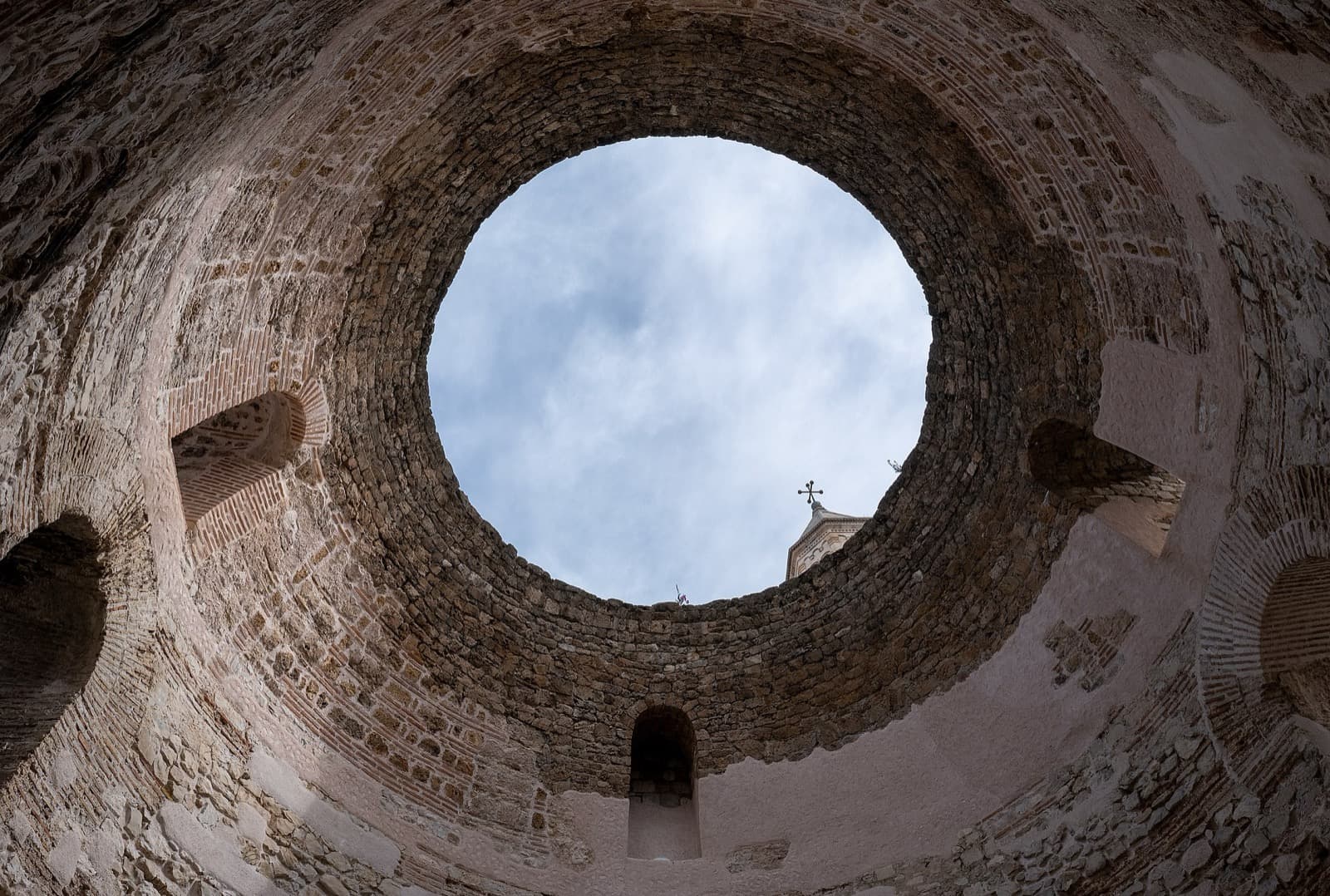
The realistic risk is petty theft in dense crowds: the palace alleys around the Peristyle and Vestibule, the ferry terminal, the Riva, and the beaches in July and August. Keep your phone and wallet in a front pocket or a zipped bag, and stay aware in tight, slow-moving crowds. As anywhere, favor places that display clear prices, and use metered official taxis or a rideshare app rather than an unmarked car. None of this should make you anxious. Split is a city where solo travelers walk home comfortably at night.
Budget: what Split costs
Split spans a wide range, and you can enjoy the city cheaply because the best of it is free to walk. The palace gates, the Peristyle, the markets, the Riva, Marjan hill, and the beaches cost nothing to visit.
Where money goes:
- Entries are small. The Cathedral of Saint Domnius sells a tiered ticket: roughly €7 for the cathedral, crypt, and baptistery, up to about €11 for a combined ticket that adds the treasury and the bell tower. The bell tower is around 200 narrow, steep steps, and the view over the red roofs pays for the climb. The Temple of Jupiter (used as a baptistery) charges a small entry fee, sometimes included in the combined ticket.
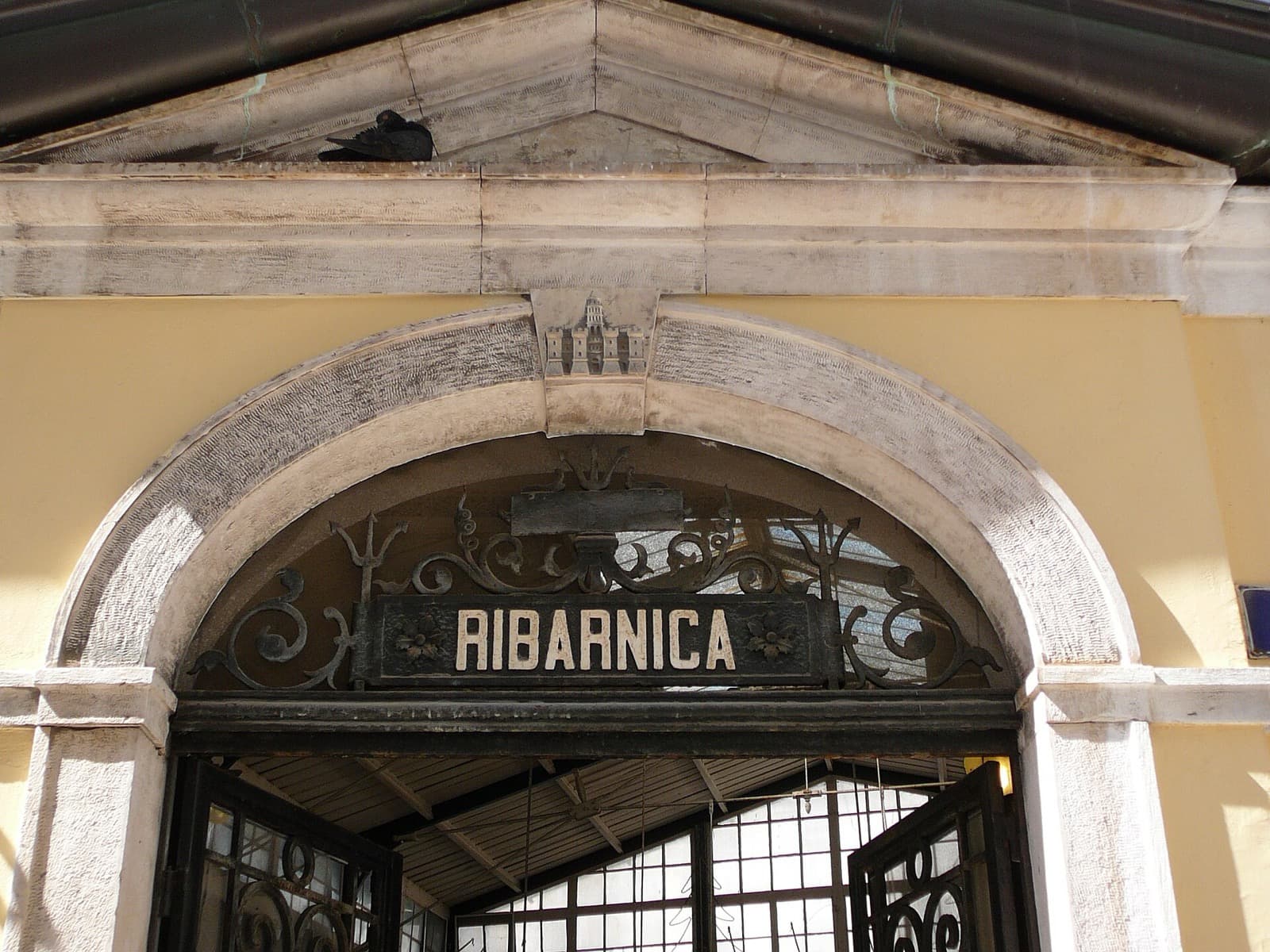
- Food ranges from a bakery burek or market fruit for a couple of euros to a full seafood dinner. The green market (Pazar) and the fish market (Ribarnica) are the cheapest, freshest way to eat, and they cost nothing to wander.
- Day trips are the bigger line item: island catamarans and Krka tours typically run tens of euros per person depending on season and operator.
A frugal traveler can see the essential Split on very little by leaning on free public spaces and self-guided walks; a mid-range visitor should budget for a couple of paid attractions, sit-down meals, and one excursion. If you cannot confirm a current price at the door, treat posted rates as approximate; entry fees and tour prices shift by season.
When you arrive, the fastest way to understand Split is to walk it in the right order, gate by gate and lane by lane. That is what our self-guided Split tours are built for: the palace, the fishermen's Split of Varos and Marjan, and the market-and-beach Split, each a separate walk you can take at your own pace.
Sources
- Getting to and from Split Airport, Croatia (Expat in Croatia)
- How to Get from Split Airport to the City Centre, 2026 Guide (Time Walk Split)
- Cathedral of St Domnius tickets and hours (Split Curated)
- Best time to visit Split, seasonal guide (GetYourGuide)
- Is Split safe? Safety tips and scams to avoid (Nomado Travel)
- Best day trips from Split: Krka, Hvar and more (Absolute Croatia)
Frequently asked questions
- How many days do you need in Split?
- Two full days cover the old town, Diocletian's Palace, Marjan hill, and the beaches at a relaxed pace. Add a third day if you want a day trip to Krka, Hvar, or Trogir. One day is enough only for the palace and the waterfront.
- How do you get from Split Airport to the old town?
- The airport shuttle bus (operated by Platanus as of early 2026) costs around €10 one way and takes 30 to 40 minutes, dropping you a 5 minute walk from the palace. Local bus 37 costs about €3 paid to the driver. Official taxis run €50 to €55, while Bolt and Uber are usually cheaper.
- What is the best time to visit Split?
- May, June, September, and early October offer warm weather, swimmable sea, and prices roughly 20 to 30 percent below the July and August peak. Summer is hot and crowded; winter is quiet with shorter attraction hours and the lowest prices.
- Is Split safe for tourists?
- Yes. A 2025 survey ranked Croatia the safest country in Europe for walking alone at night, and violent crime against visitors is extremely rare. The realistic risk is pickpocketing in summer crowds around the palace alleys, the ferry terminal, the Riva, and the beaches, so keep valuables secured.
- How much does it cost to visit Split?
- The palace gates, Peristyle, markets, Riva, Marjan hill, and beaches are all free to walk. The Cathedral of Saint Domnius charges a tiered ticket from about €7 (cathedral, crypt, baptistery) up to about €11 with the treasury and bell tower. Meals and day trips are the larger costs.
- Is Split's old town walkable?
- Yes. The historic core is compact and largely car-free, and the palace, waterfront, markets, and Bacvice beach are all within a 15 to 20 minute walk. Wear shoes with grip because the polished stone streets get slippery when wet.
Ready to experience it?
The Palace People Never Left
90 min · 0.7 km · easy
More from Split
Explore more at your own pace.
One Day in Split: A Walkable Morning-to-Evening Itinerary
Split: The City That Moved Into an Emperor's Palace
Marjan Summit: Why Split's Green Hill Is the Walk That Turns Its Back on the Palace
The Cathedral of Saint Domnius: How a Persecutor's Tomb Became His Victim's Church
The Peristyle in Split: The Roman Court Where an Emperor Played God