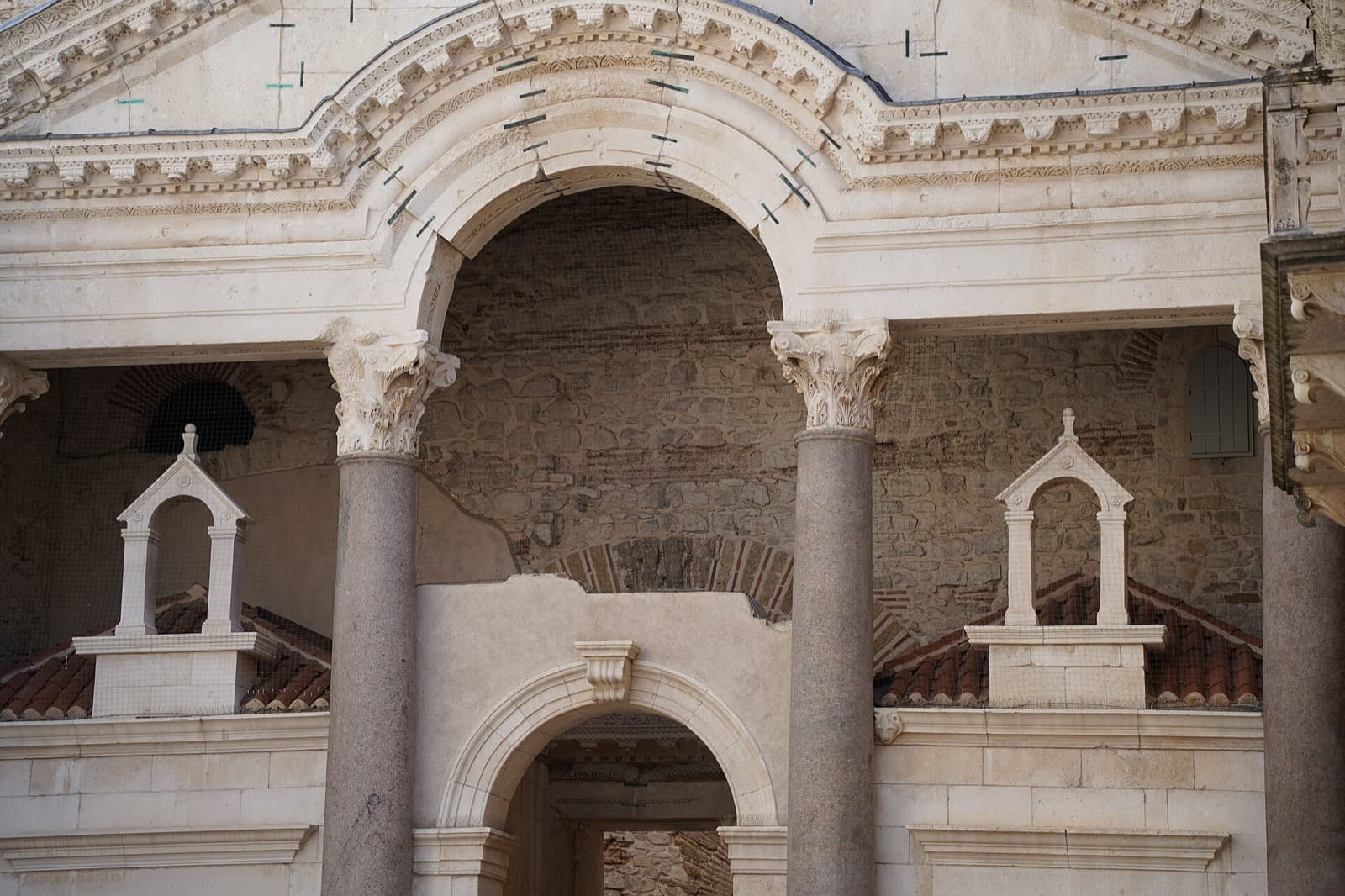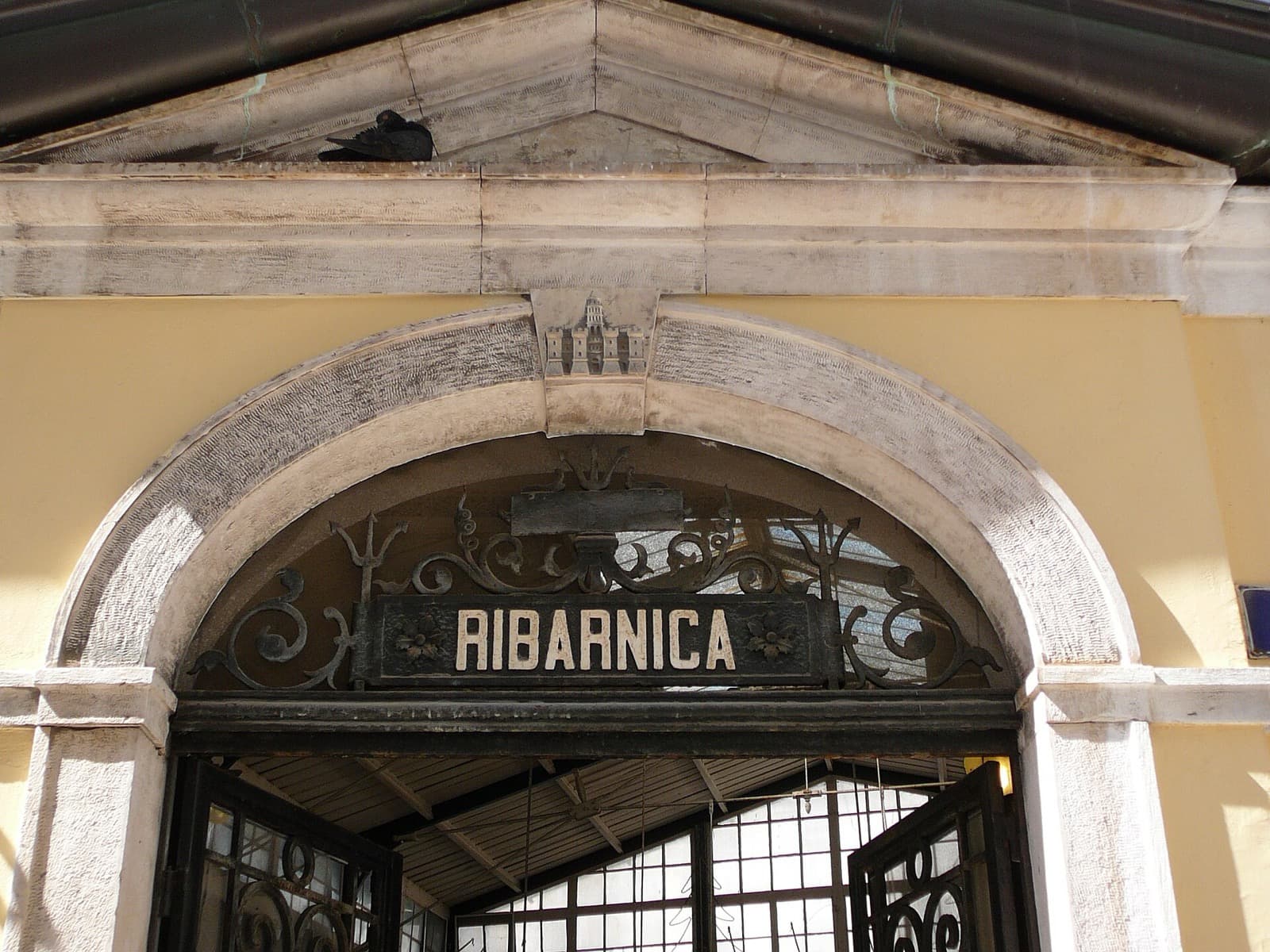
Split's Fish Market, the Ribarnica, is a working Art Nouveau hall where the morning Adriatic catch lands on cold marble under iron beams, and where the city insists, with a straight face, that no fly ever enters. Walk in off Marmontova street and the light changes, the noise softens, and the sea arrives all at once. This is not a curated attraction dressed up for visitors. It is a piece of everyday machinery that has fed Split for well over a century, and the one thing to understand standing in front of it is that the building, the fish, and the folklore are all doing real work at the same time.
A hall built for one job
The Ribarnica sits just west of Diocletian's Palace, a short step from the green market that leans against the eastern wall. Where that open-air Pazar is all sun and shouting, the fish hall is covered, shaded, and cooler, built deliberately to keep the catch out of the heat.
The building went up in 1889 and 1890, designed and supervised by a municipal technician named Ante Bezic, who came from Grohote on the island of Solta. It opened to the public on March 31, 1890, and it was one of the first public buildings raised by Split's own Croatian municipal administration, which is part of why locals treat it as more than a shed for fish. In 2020 the city marked its 130th anniversary, a reminder that this ordinary-feeling place has quietly outlasted empires, wars, and every fashion in shopping.
The style is Secession, the Central European strand of Art Nouveau, and you can read it in the details if you look up from the slabs. There is the glazed roof, the cast-iron columns, the decorative ironwork framing a space whose only purpose is to display dead fish beautifully. It is a genuinely graceful piece of architecture built for an entirely unglamorous task, and that tension is the whole point of the building.
What lands on the marble
Hear a stop from this walk
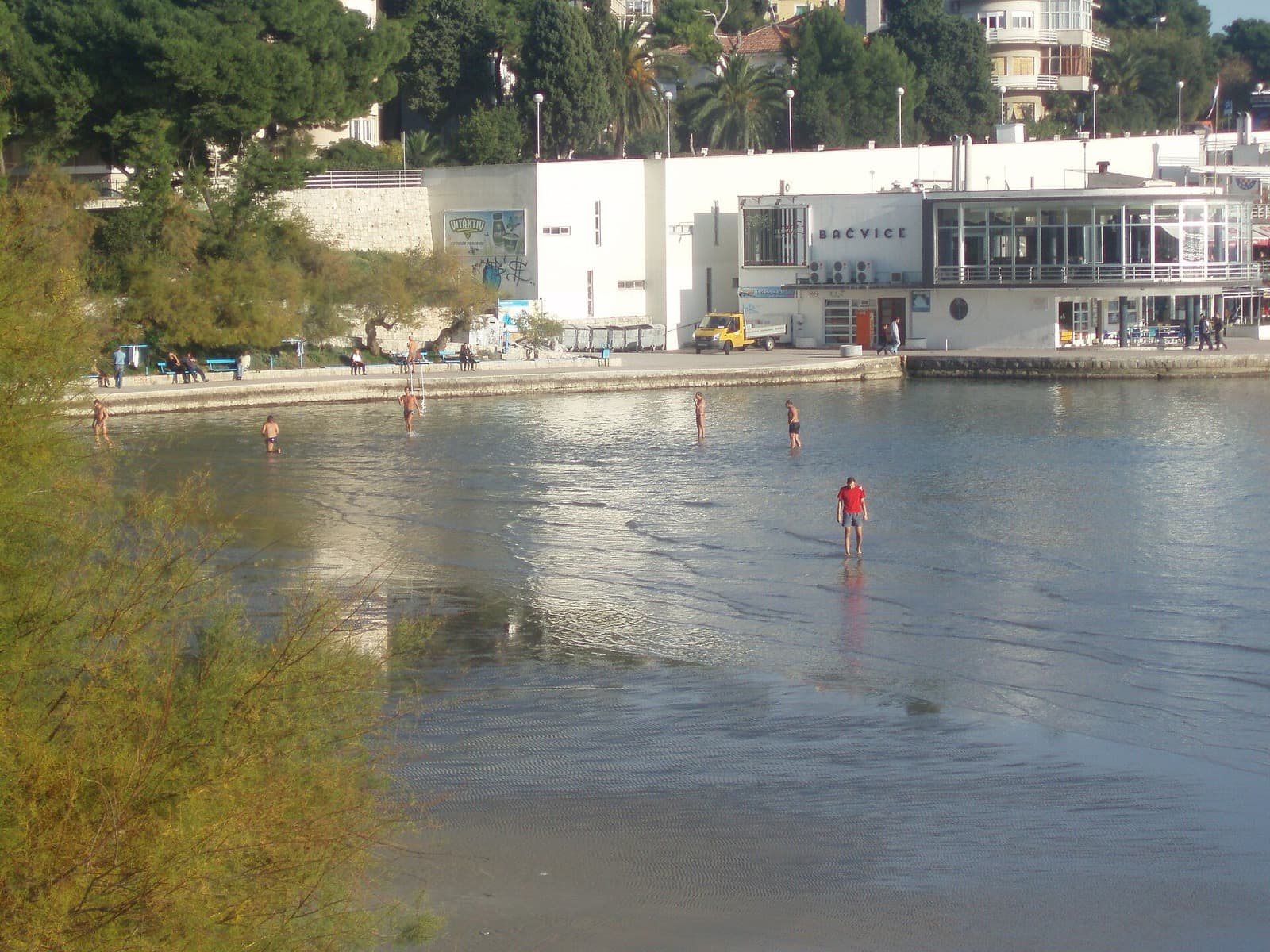
Bacvice and the game of picigin
The pleasure of the Ribarnica is that it holds two kinds of fish at once. There are the humble everyday ones that actually feed the city: the sprats and picarels, the sardines and mackerels, silvery and cheap, the backbone of Dalmatian home cooking. And beside them lie the prized ones, the fish you order in a good konoba and pay for: scorpionfish, dentex, red porgy, sea bass, along with lobsters and shellfish packed on ice.
The catch is laid out on marble slabs, cold stone that keeps the fish fresh and clean, and the whole scene runs on the fishmongers' practiced choreography. Watch them a while: the quick knives, the shovelling of ice, the call to a passing customer, the weighing by the kilo. Nobody is performing for you. This is the sea's half of the Dalmatian larder, the counterpart to the tomatoes and figs a few streets east, and it moves at the brisk, unsentimental pace of people who have done this every morning of their lives.
If you want the hall at its fullest, come early. The market is a morning creature, and by the time the cruise-ship crowds thicken toward midday, the best of the catch has already been carried home in shopping bags by people who know exactly what they came for.
The legend of the missing flies
Now the story worth telling, and worth telling honestly as a story rather than a fact. Splitcani, the people of Split, will assure you that no fly ever enters the Ribarnica. In a hall full of fresh fish in a hot Mediterranean summer, that should be impossible, and yet the claim is repeated so widely it has become part of the building's identity.
The popular explanation is a smell. There was once a thermal spring nearby, an old sulphur spa, and the tradition holds that the sulphur odour drifting through the area keeps the flies away. The same folklore stretches the spring even further back in time: it claims those very sulphur waters were among the reasons the emperor Diocletian, said to have been troubled by rheumatism, chose to settle in this exact corner of the coast seventeen centuries ago.
Whether a single fly has genuinely ever slipped past is not something anyone can prove, and it is not really the point. What the legend tells you is something true about Split: even the fish market comes wrapped in seventeen centuries of tale. A city that has lived inside a Roman palace for that long does not draw a hard line between history and the here and now. The fishmongers, the sulphur, the emperor, and the day's sardines all share the same block, and the story is how the place makes sense of itself. Notice how comfortably the myth and the marble sit side by side. That comfort is the local temperament in miniature: unhurried, a little wry, quietly proud of the ordinary.
How to stand in front of it
Treat the Ribarnica as a living workplace, because that is exactly what it is. Step aside to let regulars through. Ask before you photograph a fishmonger up close. If you want to linger, buy something small, a handful of sardines or a piece of fish for later, and you will have earned your place at the marble. Bring small cash, since the hall runs cash-first and sells by the kilo. Go in the morning, when the catch is freshest and the air coolest, and give yourself a few unhurried minutes to just watch the work.
The Fish Market is one stop on a walk built entirely around this everyday Split, the one that lives just beyond the emperor's walls. The route threads from the Silver Gate and the green market through the fish hall to Fruit Square, the working fishermen's slip at Matejuska, the century-old ball game played in the shallows at Bacvice, and the quiet pine headland of Sustipan. If the Ribarnica sharpens your appetite for the ordinary, sensory city, that is precisely the thread to pull. You can walk the full loop at your own pace with the self-guided split-pazar-market-bacvice audio tour, and read more about the city's other routes in our guide to Split walking tours. Start early, follow your nose, and let the hall with no flies show you how a city keeps its most useful places beautiful.
For the rest of what waits beyond the palace walls, see Split.
Sources
- Visit Split tourist office, "The Fish Market": the official listing describing the Secession-style hall, the Adriatic catch on marble, and the sulphur-spring-and-flies tradition.
- Total Croatia News, "Split Fish Market Celebrates 130 Years": documents the 1889 to 1890 construction, the March 31, 1890 opening, architect Ante Bezic of Grohote on Solta, and the 130th anniversary in 2020.
- Total Croatia News, "Sites in Split: Marmontova": confirms the Secession architecture with ironwork and white stone slabs, and the local belief that the sulphur springs keep flies away.
- Roamer tour "The Everyday City" (split-pazar-market-bacvice), fact-audited: primary source for the fish market's everyday and prized species, the no-flies legend, and its place in the wider market-and-water's-edge walk.
Ready to experience it?
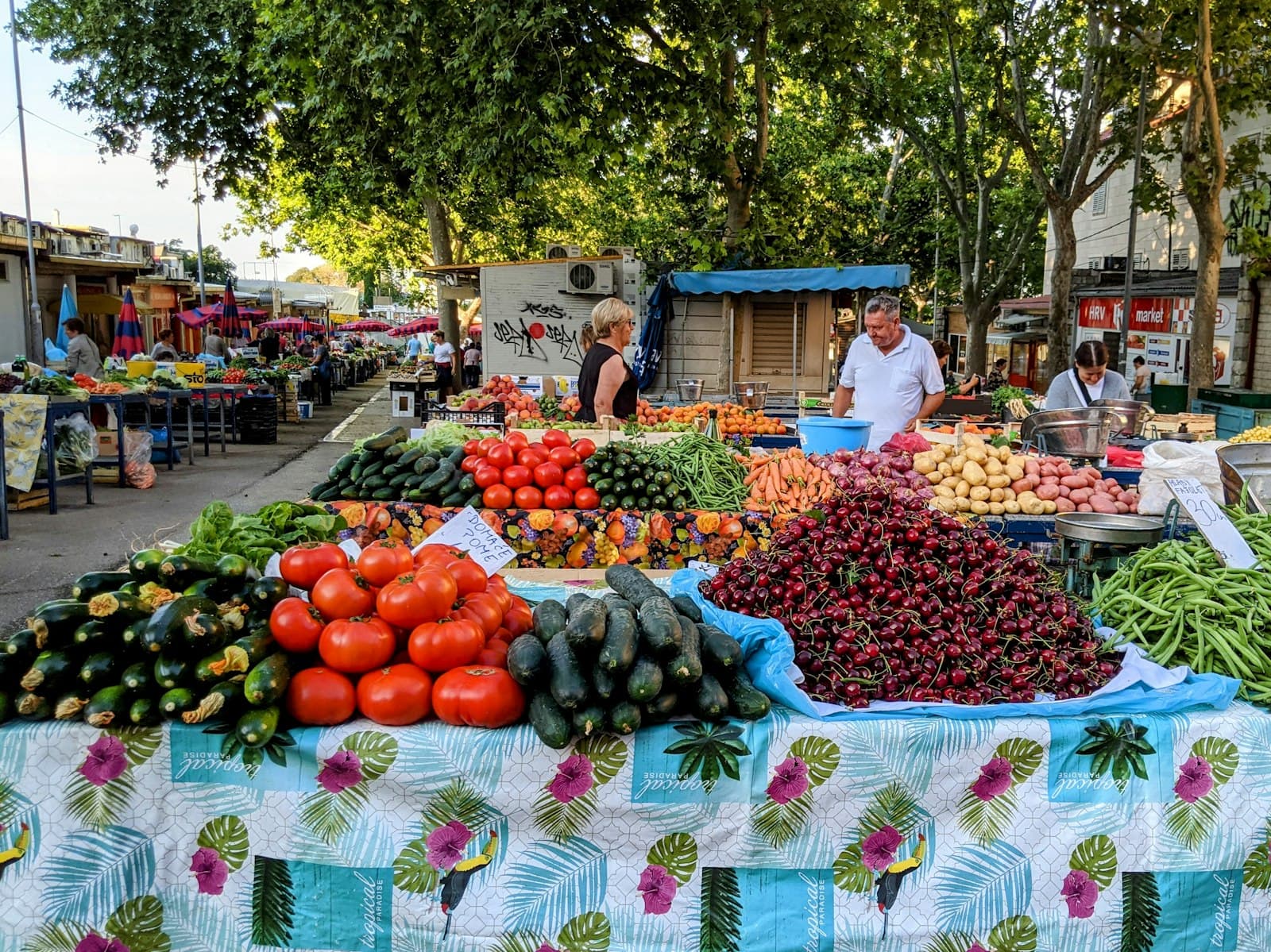
Pazar Market and Bacvice: The Everyday City
120 min · 4.1 km · moderate
More from Split
Explore more at your own pace.
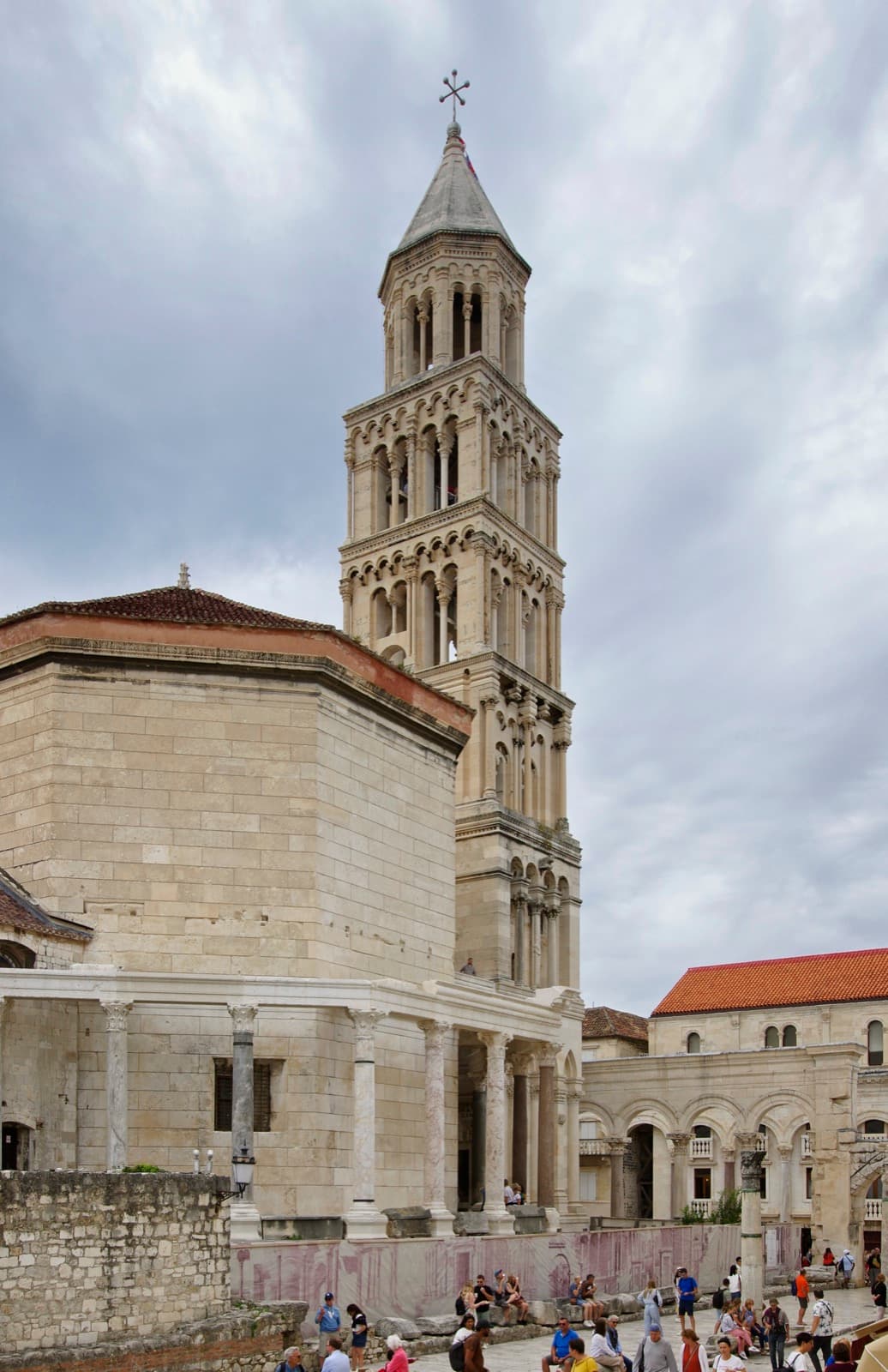
One Day in Split: A Walkable Morning-to-Evening Itinerary
Split: The City That Moved Into an Emperor's Palace
Marjan Summit: Why Split's Green Hill Is the Walk That Turns Its Back on the Palace
Picigin at Bacvice: The Shin-Deep Game That Explains Split
The Cathedral of Saint Domnius: How a Persecutor's Tomb Became His Victim's Church