The Palais Garnier is the Paris Opera, and it is not on any current Roamer walk. We have not checked its dates, costs or competition figures against primary sources, so this piece gives none. What we can describe is what you see, and what its architect did elsewhere.
A building built around its audience
The Palais Garnier was designed at least as much for the audience to perform to each other as for the performance on stage. Its most lavish spaces are not the auditorium. They are the circulation spaces: the Grand Staircase, a double sweep of marble under a painted vault, and the Grand Foyer, a hall of mirrors, chandeliers and ceiling paintings. These were the stage for the real event, which was arriving, ascending and being seen ascending. A large share of the building is given over to the choreography of the crowd rather than the show.
That is why the plan reads like a diagram of a social ritual. You enter, you are funnelled to the base of the great staircase, you climb in full view of everyone above and below, you promenade the foyer at the interval. The architecture stages the audience, and the marble and gilt make the function look like magnificence.
The style with a name
Hear a stop from this walk
Place de la Concorde: The End of the Line
Charles Garnier's manner is often called Napoleon III style or Second Empire style, an eclectic synthesis of Greek clarity, Baroque theatricality and Renaissance ornament in one confident, over-full language. It is the architecture of a regime that wanted to look established as fast as possible.
The man who signed against the tower
Charles Garnier is on the list of signatories of the protest that was published in Le Temps on 14 February 1887 against the Eiffel Tower, alongside Gounod, Maupassant, Dumas fils, Bouguereau and Meissonier. The Opera's architect and the tower's critics were, in other words, the same establishment. You can read what happened next on the Eiffel Tower walk and in the story of the tower.
Reading it next to the rest
For the nineteenth-century rebuild that surrounds the Opera, read Reading Haussmann's Paris; we do not repeat the popular story that the Avenue de l'Opéra was kept treeless to frame it, because we could not source it. For the street the Louvre and Tuileries walk follows, see the walk itself. And compare the Second Empire's marble machine with the Grand Louvre in glass, where a later regime chose transparency.
Ready to experience it?
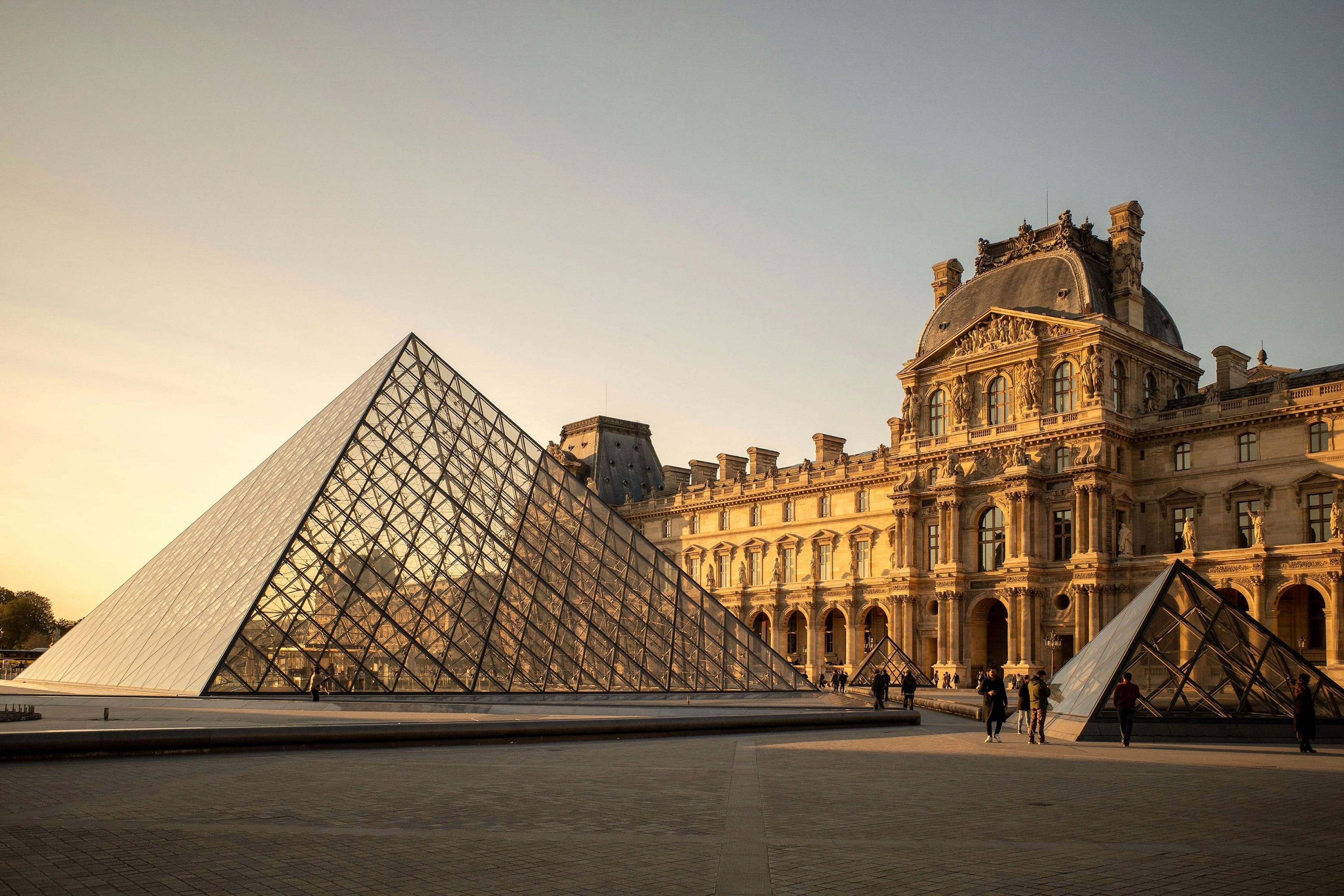
Louvre and Tuileries: The Line That Never Lined Up
75 min · 2 km · easy
More from Paris
Explore more at your own pace.
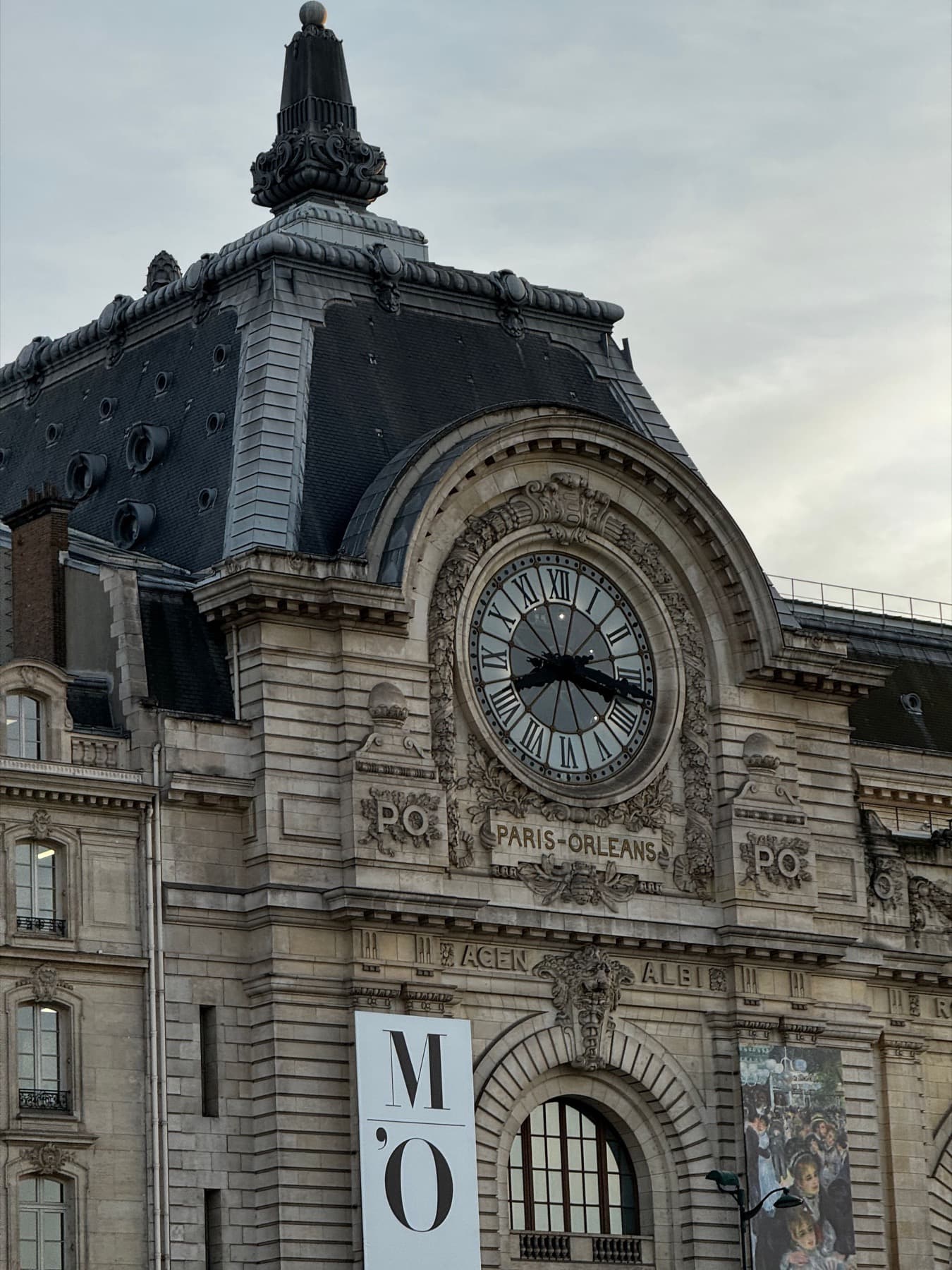
Musée d'Orsay: What to See, Floor by Floor
The Code of Hammurabi at the Louvre: Which Room, and the Story of the Stone
The Louvre: What to See, by Wing and Room Number, and a Two-Hour Route
The Mona Lisa: Which Room It Is In and What to Know
The Raft of the Medusa at the Louvre: Where It Hangs and the True Story