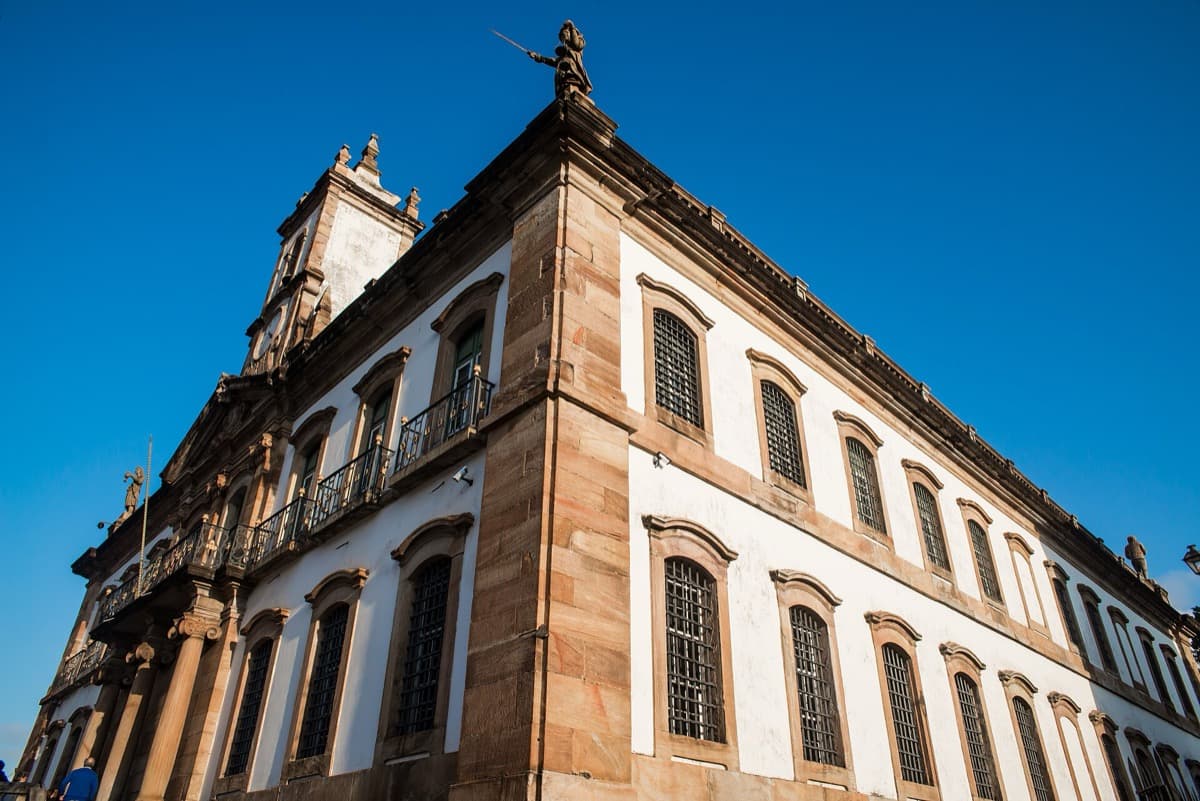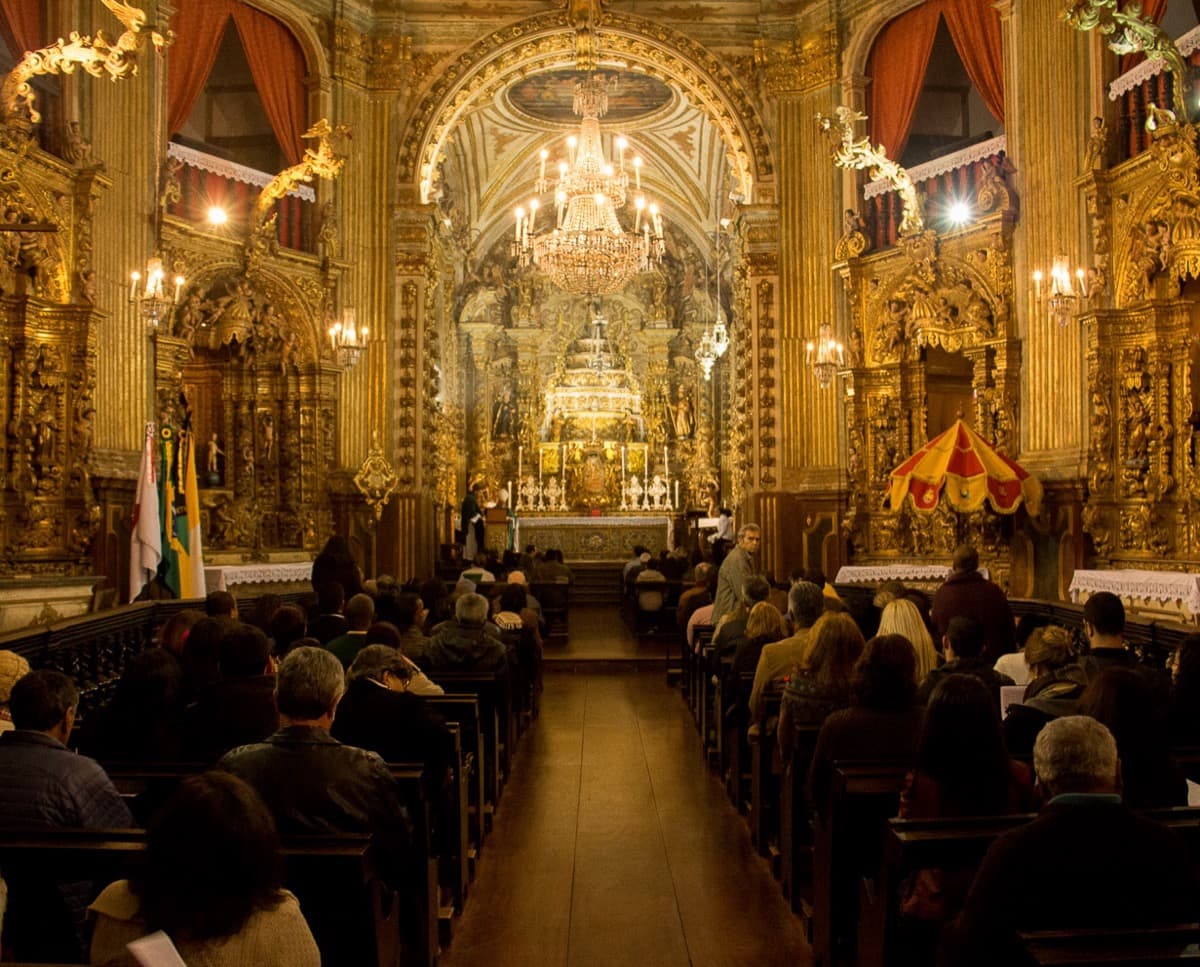
Ouro Preto means black gold, and no building explains the name faster than the Basilica do Pilar. Step inside and the interior detonates into gold: altars, columns, and carved ornament covered in gilding until there is almost no bare surface left. This is one of the most heavily gilded church interiors in Brazil, and the gold is not a metaphor. It came out of the ground beneath the town, from the same rush that built the whole city. Read the Pilar as the gold rush made visible, poured into a single room, and both the church and Ouro Preto snap into focus.
Built from a chapel, on gold-rush money
The church grew the way the town did, from a rough beginning into sudden wealth. The present church was built around a chapel first erected in 1696, in the earliest years of the Minas Gerais gold rush, when prospectors were pouring into these hills. As the gold came, so did money to build, and the church was enlarged in 1712 with resources from its devotees, with the major work continuing through the eighteenth century. That timeline matters: the Pilar is a direct product of the boom. Every stage of its construction tracks the arrival of gold, and its opulence is the boom's confidence set in stone.
The Basilica do Pilar is one of the best-known churches raised during the Brazilian gold rush, and it is the parish church at the heart of the historic center, the ceremonial anchor of the town.
The gold, and the hands that carved it
Hear a stop from this walk
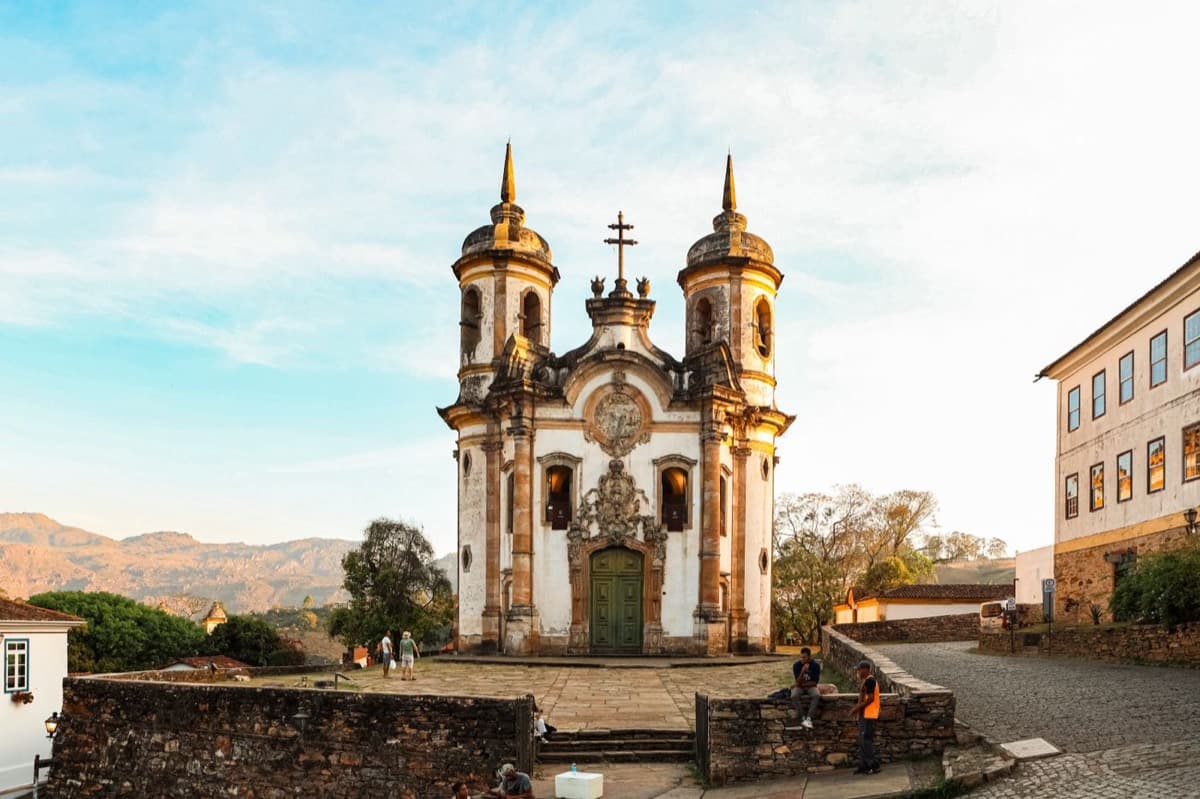
Igreja de São Francisco de Assis: The Masterpiece
The interior is the point. It is worked in the Portuguese colonial baroque, flowing into rococo, and it is famous for the sheer quantity of gold leaf covering its carved woodwork, an amount widely reported at over four hundred kilograms across the interior. Whether or not any single figure is exact, the effect in the room is undeniable: a dense field of gilded carving that reads as one continuous glow, among the richest church interiors anywhere in Brazil.
The gold has authors. The carving of the chancel, considered a masterpiece of its kind for the period, was executed by Francisco Xavier de Brito from 1746 until his death in 1751. Brito is a crucial name, because he brought the mature Portuguese baroque to Minas Gerais and helped train the generation that followed, including the sculptors whose work defines Ouro Preto's greatest churches. The nave ceiling carries a rococo painted ensemble from 1768 attributed to Joao de Carvalhais. So the Pilar is not just gilded, it is the work of the finest colonial craftsmen the gold could summon.
What the gold really means
It is worth standing in the Pilar and holding two facts together. The gold on these walls is genuinely beautiful, the summit of a colonial baroque that Minas Gerais raised to a level found almost nowhere else. And the gold came from mines worked overwhelmingly by enslaved Africans, whose labor pulled the wealth out of the ground that gilds this room. Ouro Preto never lets those two truths separate for long. The same rush that filled the Pilar with gold is read from the other side in Roamer's Black Gold: The Enslaved City tour and in the legend of the Mina do Chico Rei, the enslaved man said to have bought his freedom with gold smuggled from the mines. To see the Pilar fully is to see both the glory and the cost.
Reading it in place
Let the Pilar overwhelm you first, then look closer. Notice how completely the gilding covers the surfaces, then find the chancel and remember it is Francisco Xavier de Brito's masterpiece, carved in the years before his death. Look up at the 1768 painted ceiling. And then carry the question of where the gold came from with you as you walk the rest of the town. The church keeps visiting hours around services; dress modestly and keep your voice low, since it remains an active parish.
The Pilar opens Roamer's Aleijadinho's Ouro Preto, which traces the gilded world the great sculptor was born into and closes at his masterpiece church of Sao Francisco de Assis. For the town-wide story of the rush, see Ouro Preto, the town gold built and broke.
Sources
- Wikipedia, Our Lady of the Pillar Mother Church (Ouro Preto): the chapel erected in 1696, the enlargement in 1712 with devotees' resources and work continuing through the century, the baroque and rococo styles, the gilded altars and pulpits, the chancel carving by Francisco Xavier de Brito from 1746 to his death in 1751 described as a masterpiece of the period, and the 1768 nave ceiling attributed to Joao de Carvalhais.
- Tourism and heritage sources for Ouro Preto (Minas Gerais tourism, Google Arts and Culture): the church as one of the most heavily gilded in Brazil, with the interior gold leaf widely reported at over four hundred kilograms.
- Roamer tour transcript, Aleijadinho's Ouro Preto (ouro-preto-aleijadinho-baroque), fact-audited: the Pilar as the gilded world the sculptor was born into.
Brazil eSIM· 10% off with ROAMER10
Ready to experience it?
Historic Center: Aleijadinho's Ouro Preto
90 min · 1.2 km · hard
More from Ouro Preto
Explore more at your own pace.
One Day in Ouro Preto: A Walkable Baroque Itinerary (2026)
Ouro Preto Travel Guide: How Many Days, Getting There, When to Go (2026)
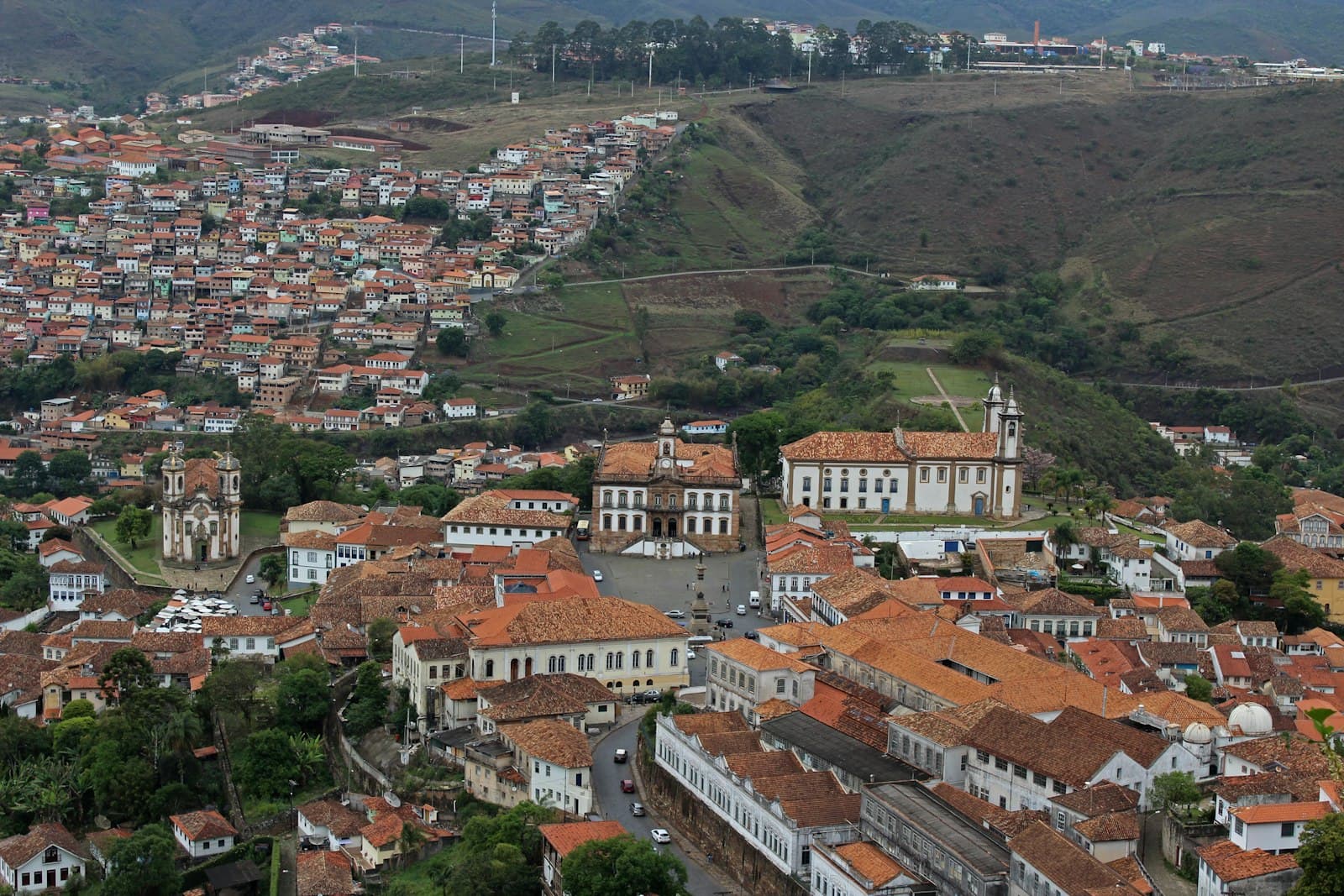
The Town Gold Built and Broke: How to Read Ouro Preto
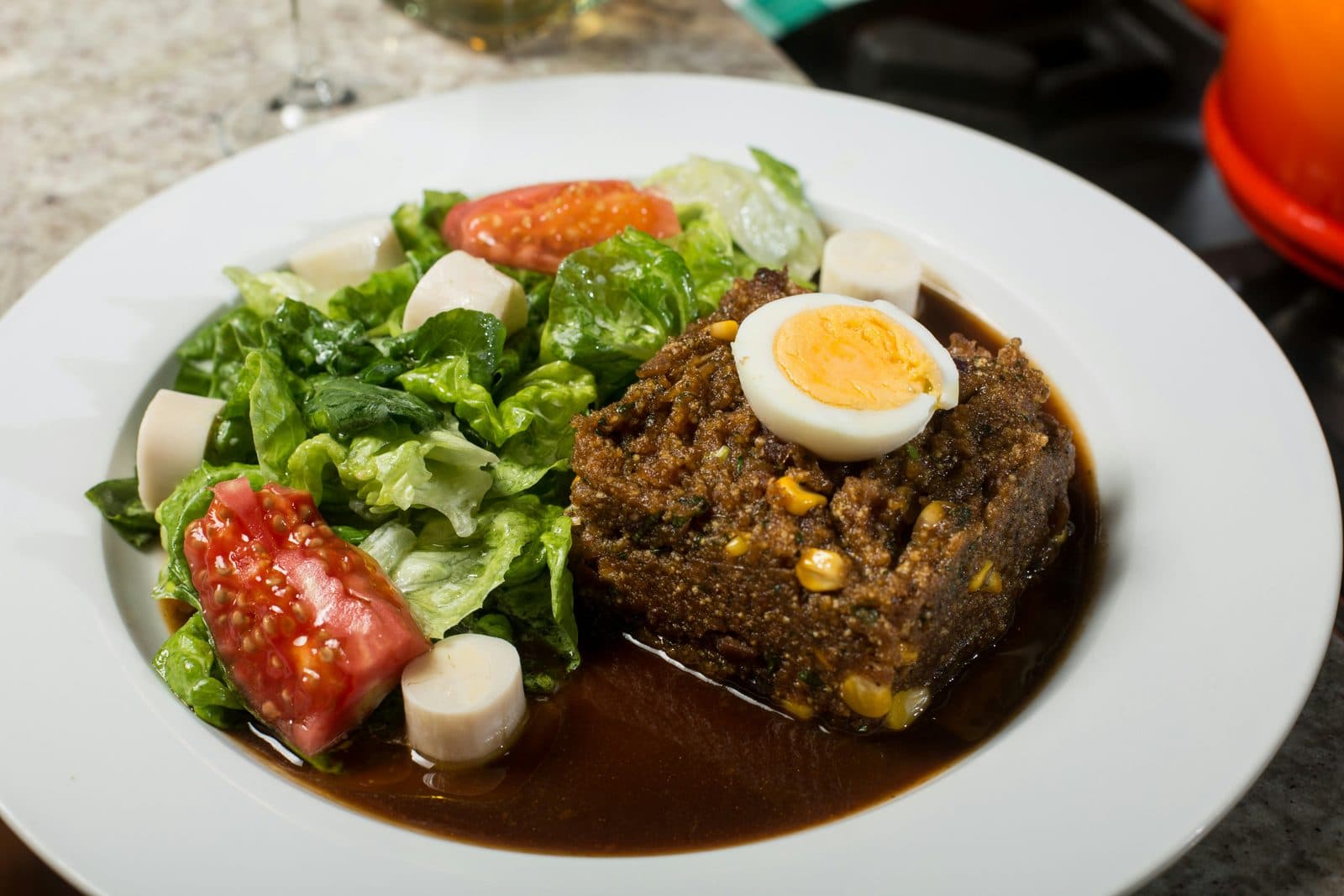
What to Eat in Ouro Preto: A Minas Gerais Food Guide (2026)
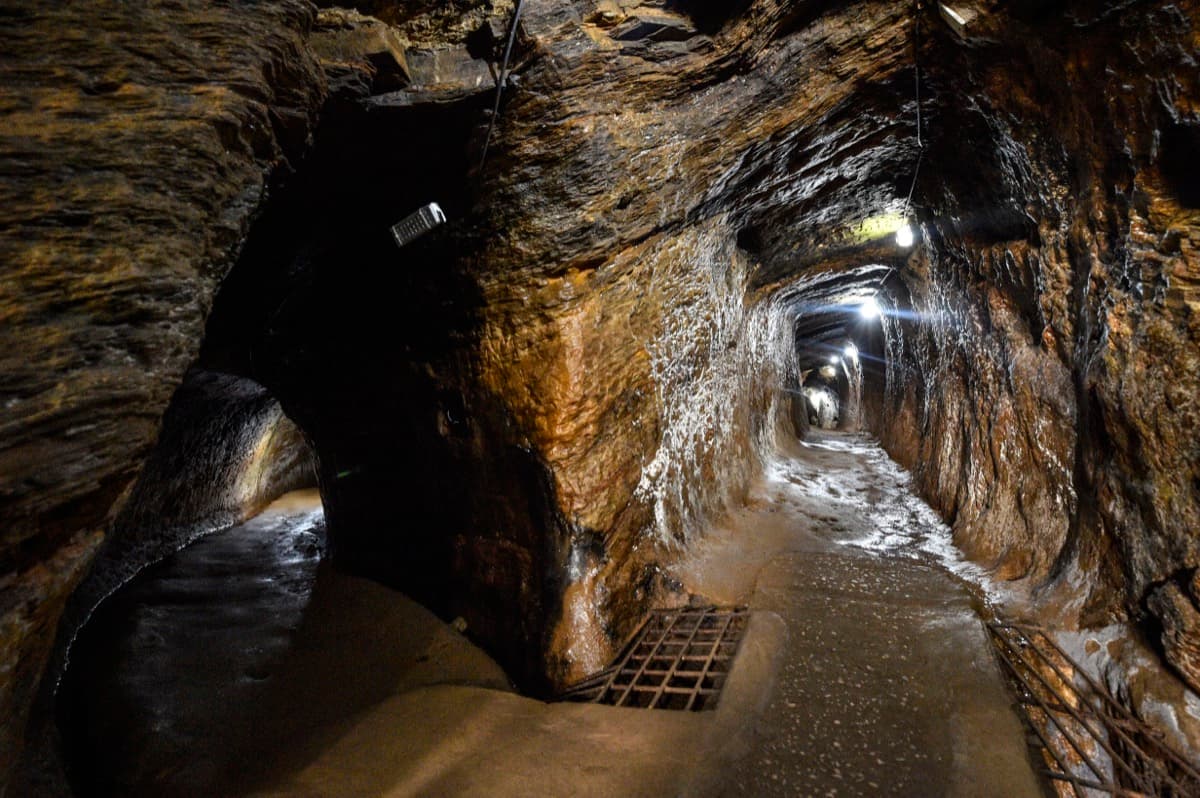
The Mina do Chico Rei: The Legend of the Enslaved King Who Bought His People's Freedom