Ouro Preto's gold has a legend attached to it, and it is one of the most powerful stories in Brazilian memory. It is the story of Chico Rei, said to have been an African king enslaved and shipped to the mines of these hills, who smuggled gold hidden in his hair, bought his own freedom, then bought a mine, and then used its gold to free his own people one by one. You can visit the mine that carries his name. What you cannot fully do is separate the history from the myth, and that tension is exactly what makes the site matter. This is where Ouro Preto reckons with the enslaved labor that dug its wealth from the ground.
The legend
The story, as it is told, runs like this. A man later called Chico, originally named Galanga, was said to be a king born in the early eighteenth century in west-central Africa, in the kingdom of Kongo. Captured with his family and people, he was sold into slavery and brought to work as a gold miner in Vila Rica, the town later renamed Ouro Preto, in Minas Gerais. In the mines, the story goes, he smuggled gold out by hiding grains of it in his thick hair, washing it out later, until he had accumulated enough to purchase his own freedom. Once free, he prospered, bought a gold mine of his own, and used its wealth to buy the freedom of his family and his fellow villagers, becoming a leader of the free Black community, a king again in a new land. In another version, his former master gave him the mine in gratitude for his service.
It is a story of resistance, dignity, and community reassembled out of bondage, and it has become central to Afro-Brazilian memory in Minas Gerais.
What is real, and why the uncertainty matters
Hear a stop from this walk
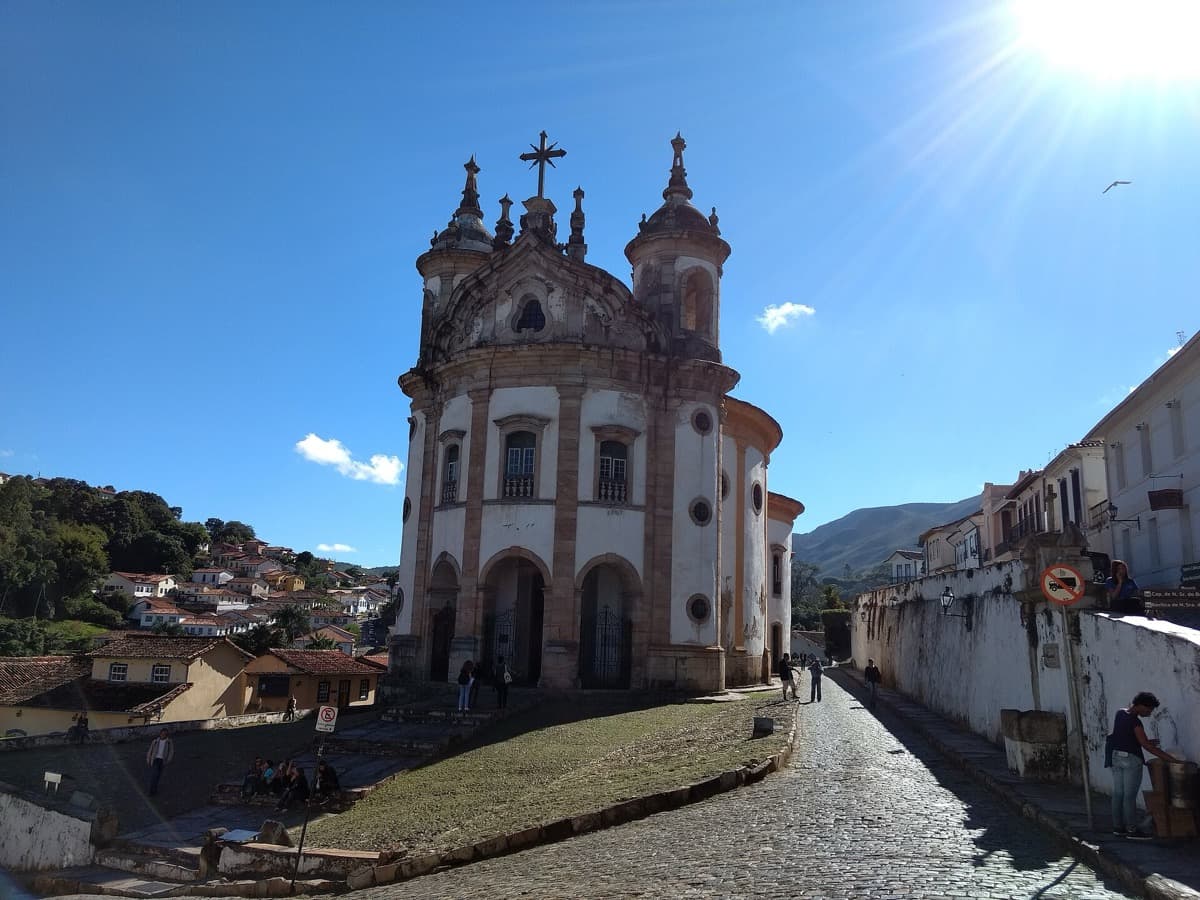
Igreja de Santa Efigenia dos Pretos: The Church They Built for Themselves
Honesty requires a clear statement: the historical basis of the Chico Rei legend is uncertain. No primary sources from the era confirm the story, and historians cannot even establish whether the legend emerged during the period of slavery itself or was assembled much later. The first known written reference to Chico Rei appears in a book of 1904, Historia antiga de Minas, by the Brazilian historian Diogo Luiz de Almeida Pereira de Vasconcelos, nearly two centuries after the events it describes. So Chico Rei may be a real person whose deeds were embroidered, a composite of several lives, or a legend that crystallized the experience of many into one memorable figure.
That uncertainty does not diminish the site. It sharpens it. A town whose gold was dug overwhelmingly by enslaved Africans has, in Chico Rei, given itself a story in which one of those Africans wins, buys freedom, and lifts others out with him. Whether or not the details are historical, the legend carries a truth the archives often erased: that the enslaved were kings, leaders, and agents of their own liberation, not only labor. Roamer's Black Gold: The Enslaved City reads the whole town through that lens, from the church the enslaved built for themselves to this mine.
The mine you can visit
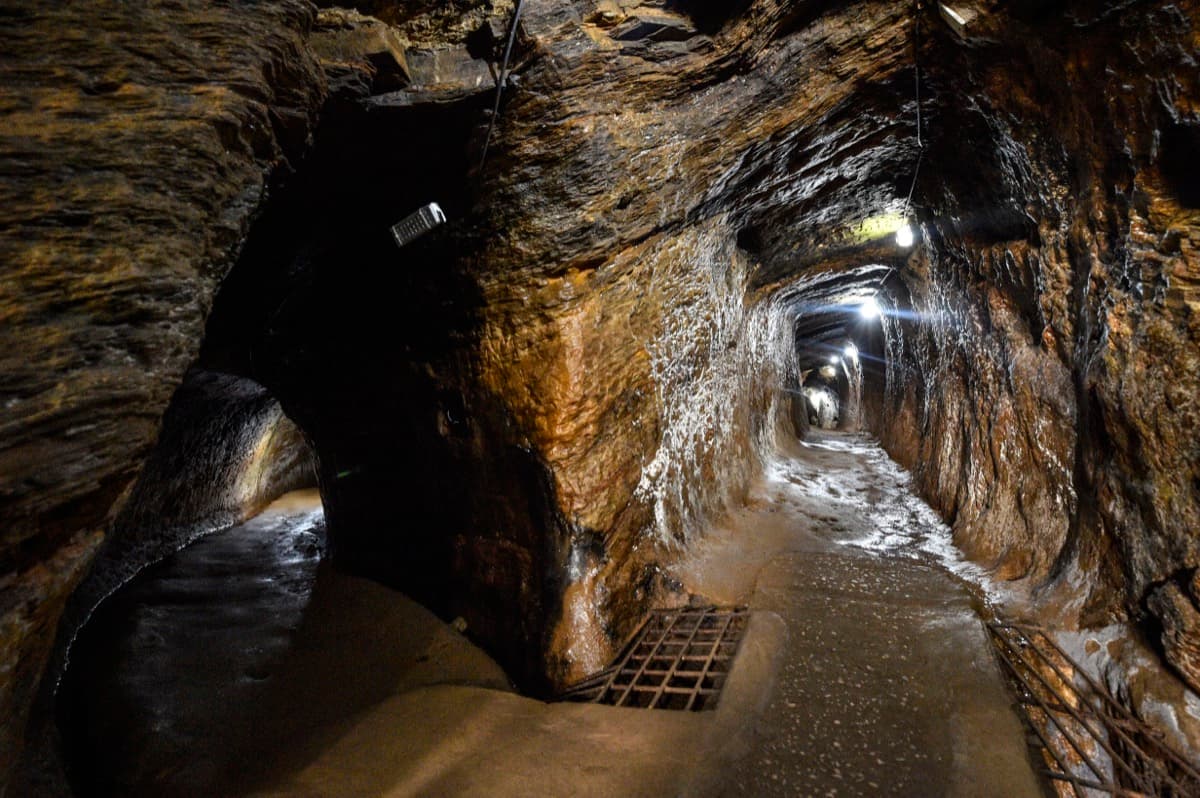
The Mina do Chico Rei that visitors enter today has its own modern story. In 1946 a boy playing in the courtyard of his mother's house in Ouro Preto discovered a mine entrance blocked with stones. His mother, Maria Barbara de Lima, convinced it was a historic gold mine tied to the legend, named it Chico Rei's Mine and opened it, installing lighting along its deep shafts. So the visitable mine is a real colonial gold working, rediscovered in the twentieth century and given the legend's name. Walking into it, you pass through cramped, low tunnels hacked out of the rock, and the abstraction of the gold rush becomes physical. This is where the gold that gilds the Basilica do Pilar came from, and this is the kind of space in which enslaved people spent their lives to extract it.
Reading it in place
Enter the mine ready to feel the labor, not just hear the legend. The tunnels are narrow and low, and moving through them tells you more about the cost of Ouro Preto's gold than any gilded altar can. Hold the two things together: the story of Chico Rei as a legend of freedom, and the physical reality of the mine as a place of enslaved work. Bring the honest frame with you, that the legend's facts are uncertain but its meaning is not, and the site becomes one of the most affecting in the town.
The mine anchors Roamer's Black Gold: The Enslaved City. For the wider arc of the rush that built and broke the town, see Ouro Preto, the town gold built and broke, and to plan a day, see one day in Ouro Preto.
Sources
- Wikipedia, Chico Rei: the legend of Galanga, a king from the kingdom of Kongo enslaved and brought to work in the mines of Vila Rica (Ouro Preto), the smuggling of gold in his hair to buy his freedom and then a mine, the freeing of his family and village, the alternate version of the master gifting the mine, the absence of primary sources confirming the story, the uncertainty over when the legend emerged, the first written reference in Historia antiga de Minas (1904) by Diogo Luiz de Almeida Pereira de Vasconcelos, and the 1946 rediscovery of the mine by a boy and its opening by Maria Barbara de Lima.
- Roamer tour transcript, Black Gold: The Enslaved City (ouro-preto-black-gold-enslaved-city), fact-audited: the Mina do Chico Rei and the enslaved labor behind Ouro Preto's gold.
Brazil eSIM· 10% off with ROAMER10
Ready to experience it?
Black Gold: The Enslaved City
85 min · 2.4 km · hard
More from Ouro Preto
Explore more at your own pace.
One Day in Ouro Preto: A Walkable Baroque Itinerary (2026)
Ouro Preto Travel Guide: How Many Days, Getting There, When to Go (2026)
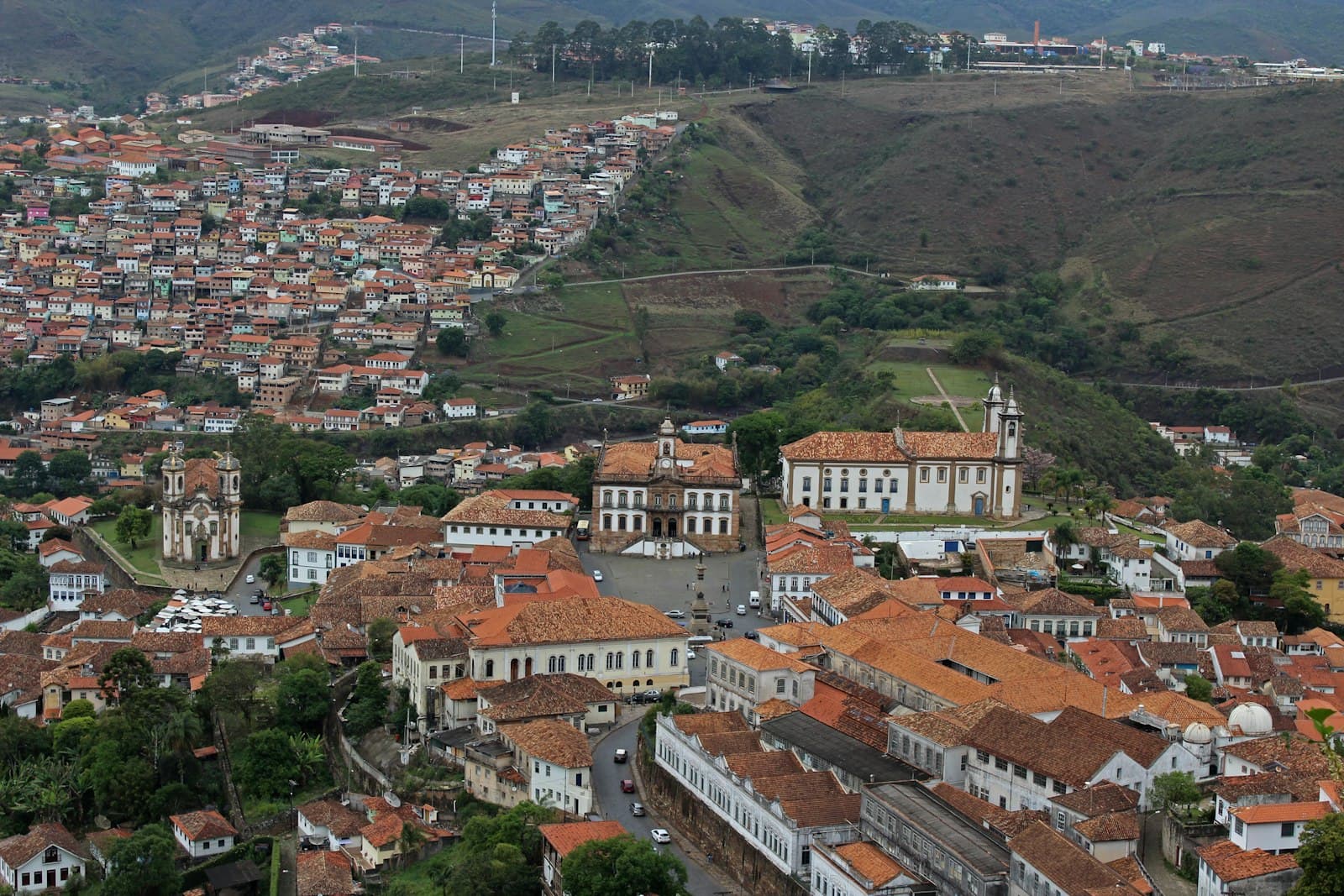
The Town Gold Built and Broke: How to Read Ouro Preto

What to Eat in Ouro Preto: A Minas Gerais Food Guide (2026)
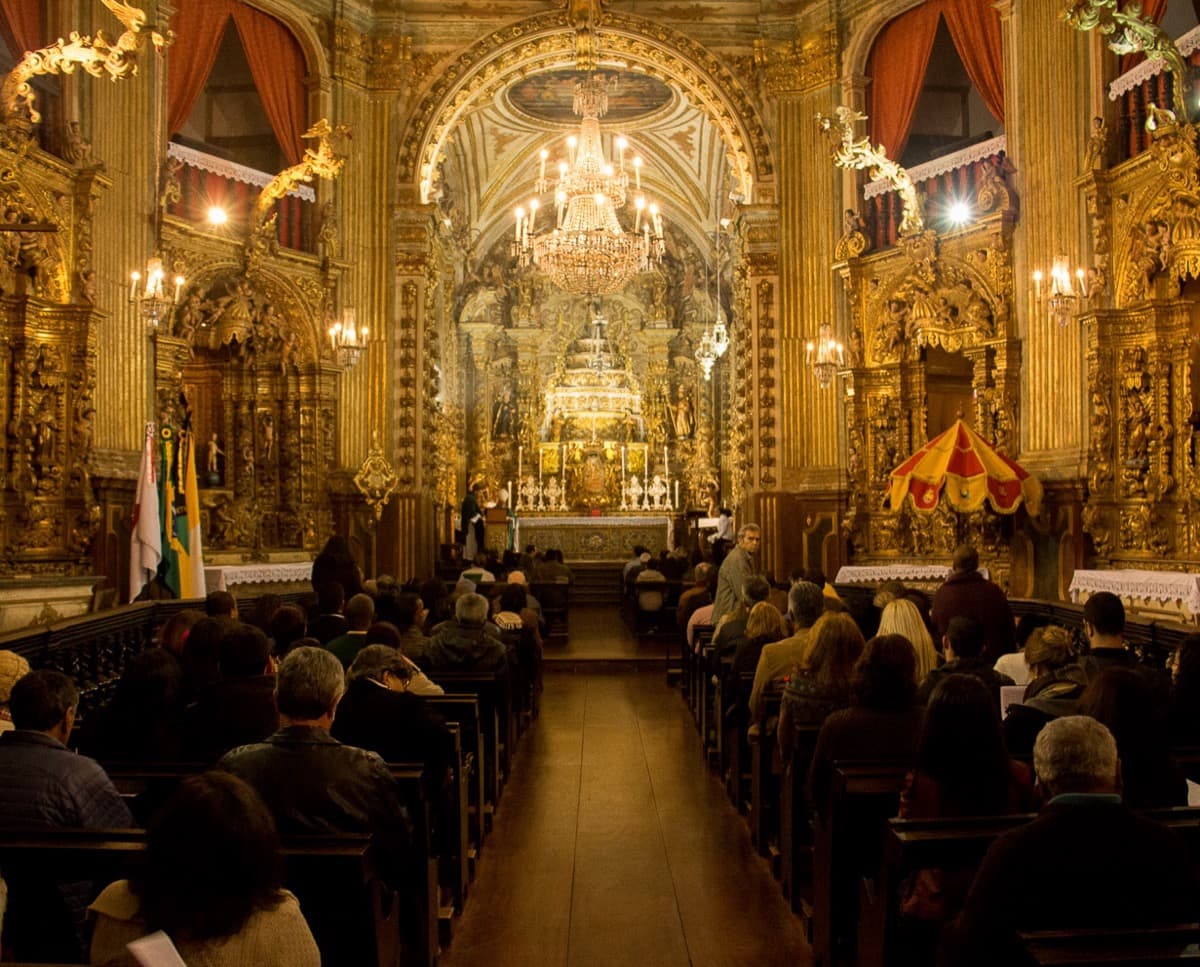
Basilica do Pilar: The Gold-Drenched Church at the Heart of Ouro Preto