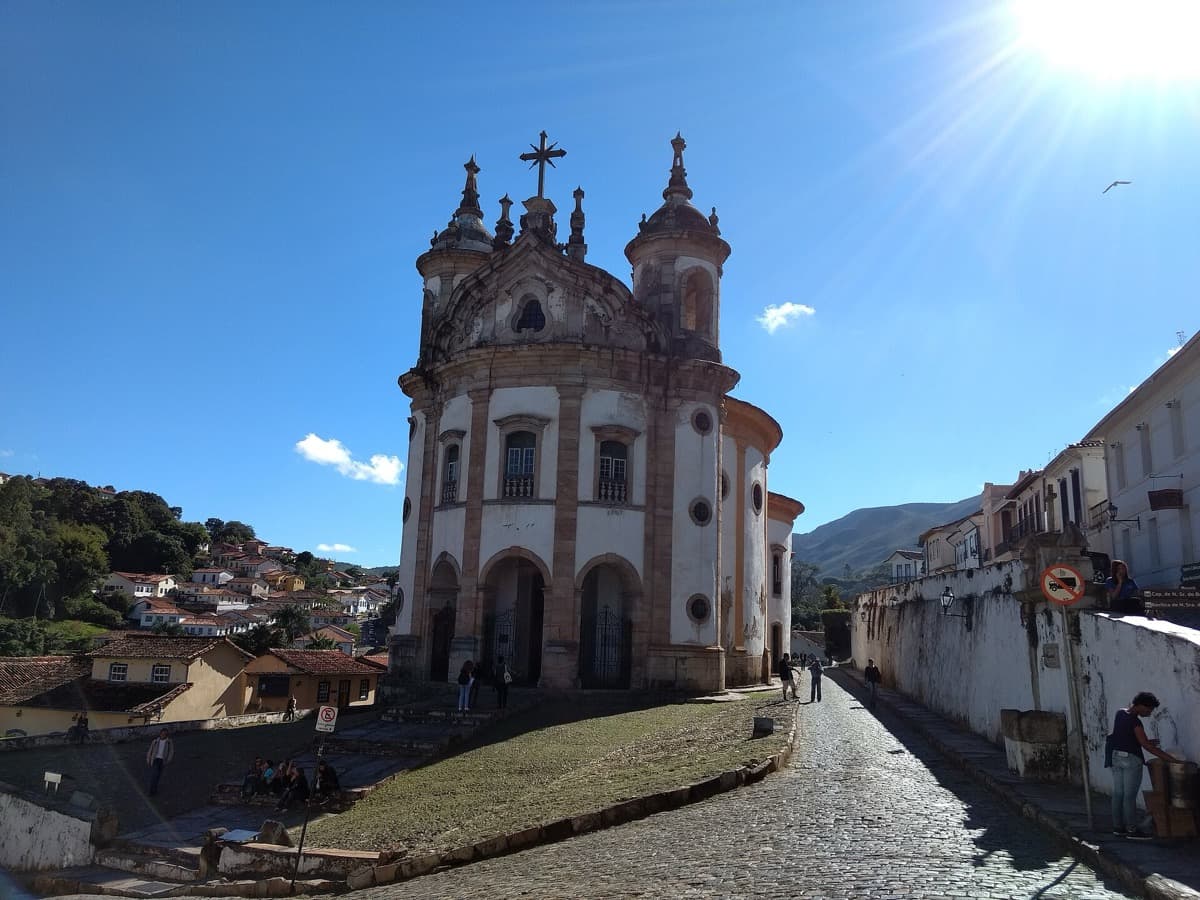
The gold that gilded Ouro Preto financed a Portuguese king, and it was dug, hauled, and washed by enslaved Africans. This climb through the eastern hills follows the town's Black founders to the churches they built for themselves.
Start · Igreja de Nossa Senhora do Rosario dos Pretos: The Separate Church
DirectionsStops
- 1
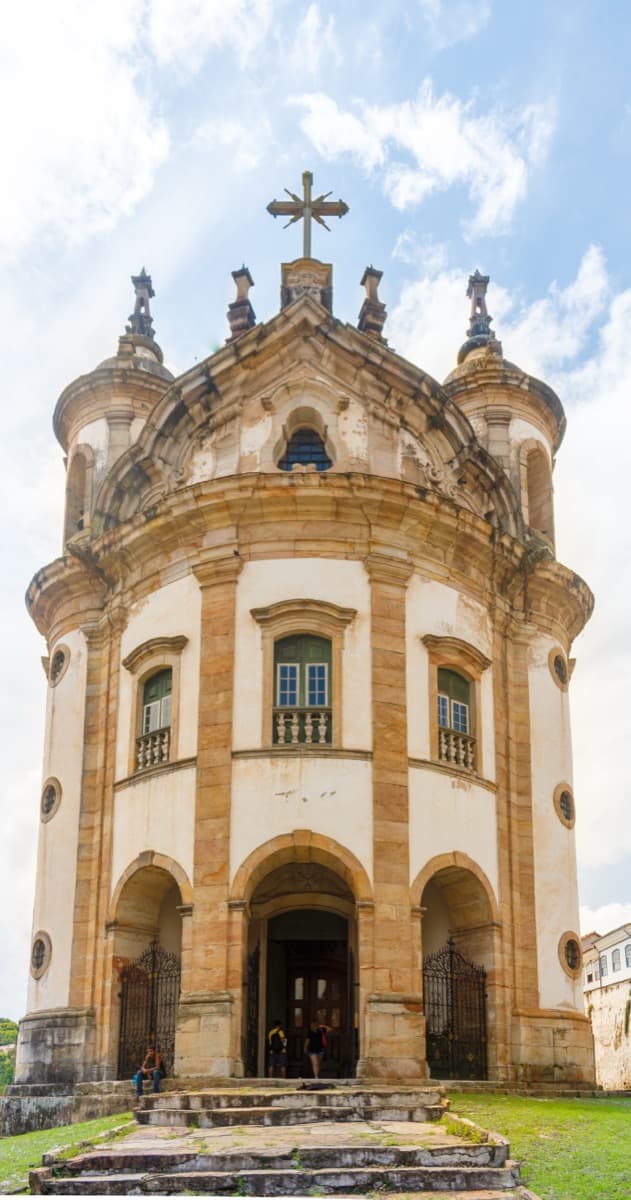
Igreja de Nossa Senhora do Rosario dos Pretos: The Separate Church
The oval brotherhood church that the enslaved and freed Black population built for itself after being barred from the town's main confraternities.
- 2
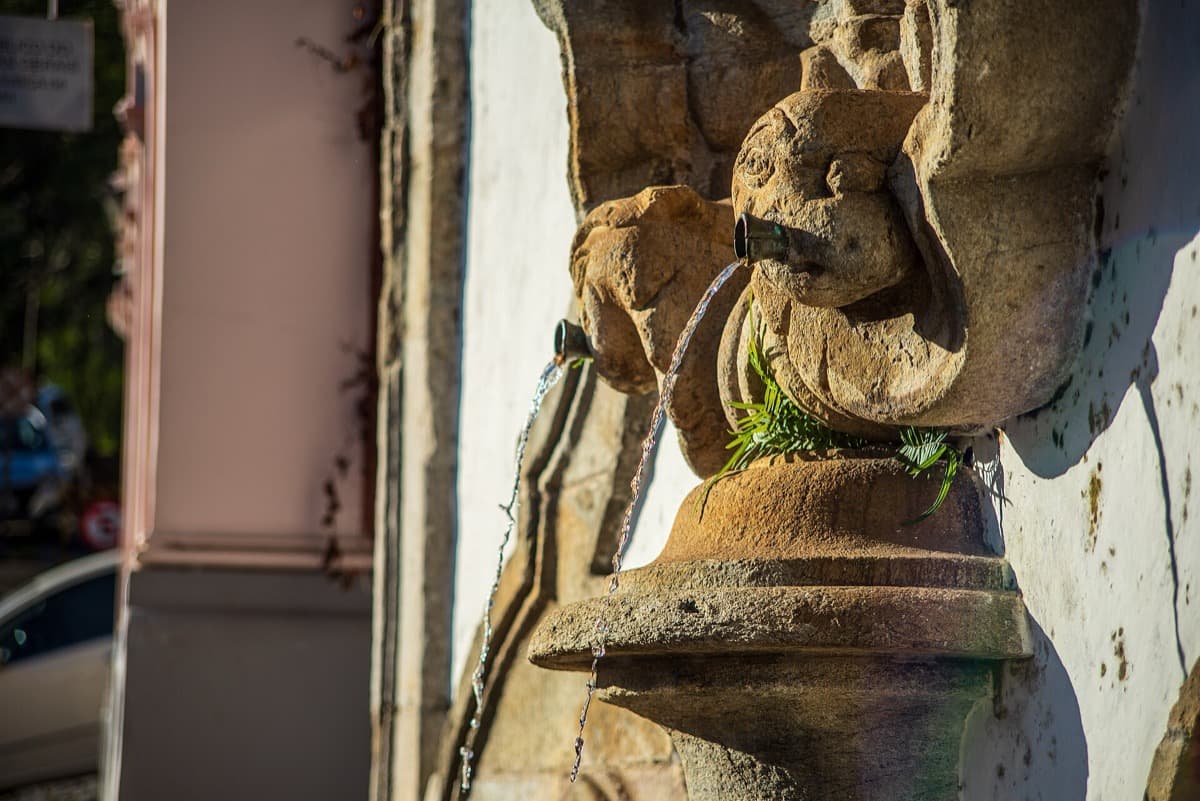
Chafariz dos Contos: The Water They Carried
A baroque public fountain beside the colonial treasury, marking where the enslaved and the poor filled and carried water up the vertical town.
- 3
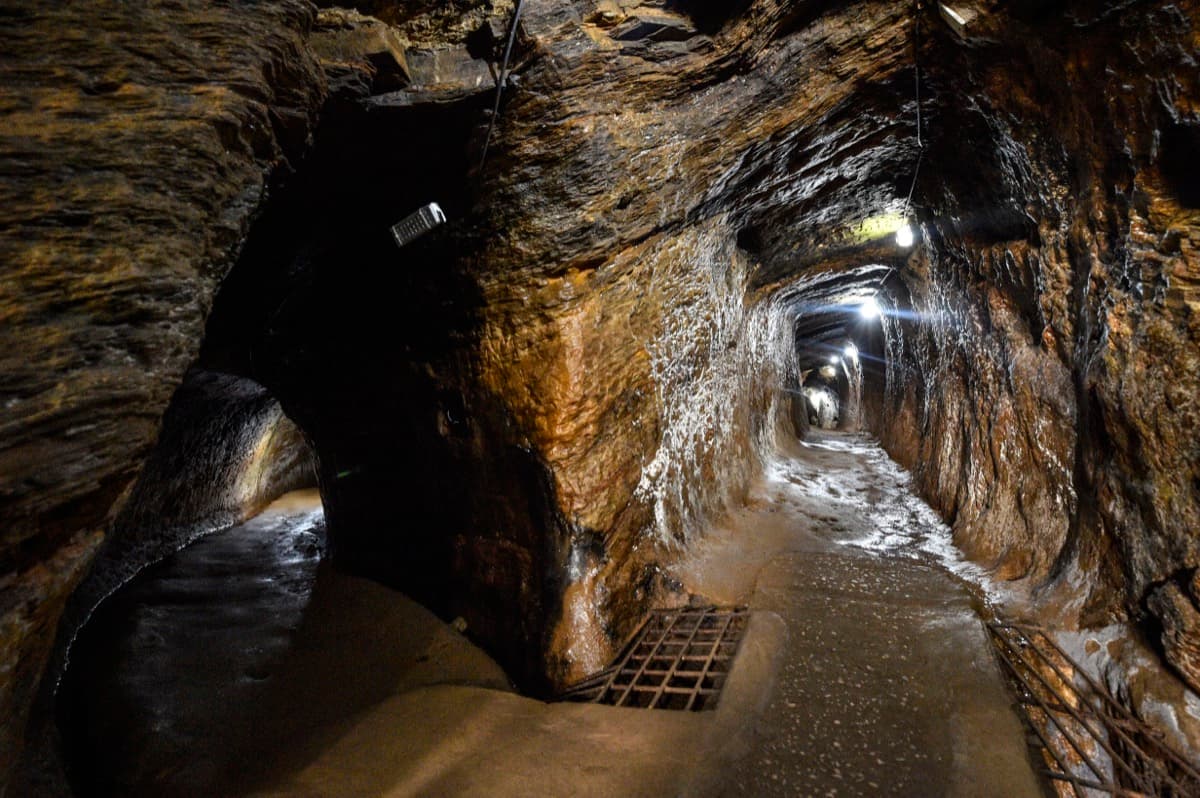
Mina do Chico Rei: The Gold and the Legend
A real colonial gold mine, worked by enslaved hands, and the source of Ouro Preto's most beloved legend of an enslaved king who bought his people's freedom.
- 4
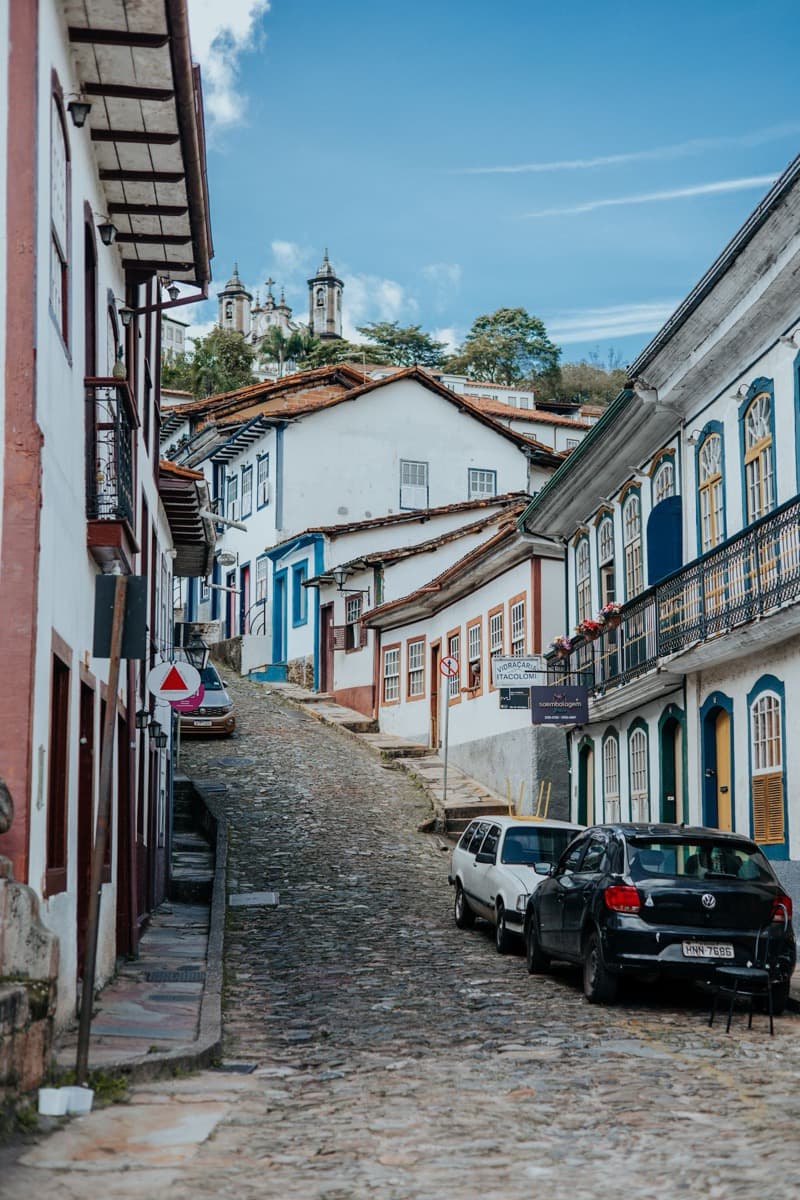
Ladeira de Santa Efigenia: The Slope They Paved
The steep cobbled slope climbing to the hilltop church, and the physical proof of a vertical town whose infrastructure was built by enslaved labor.
- 5
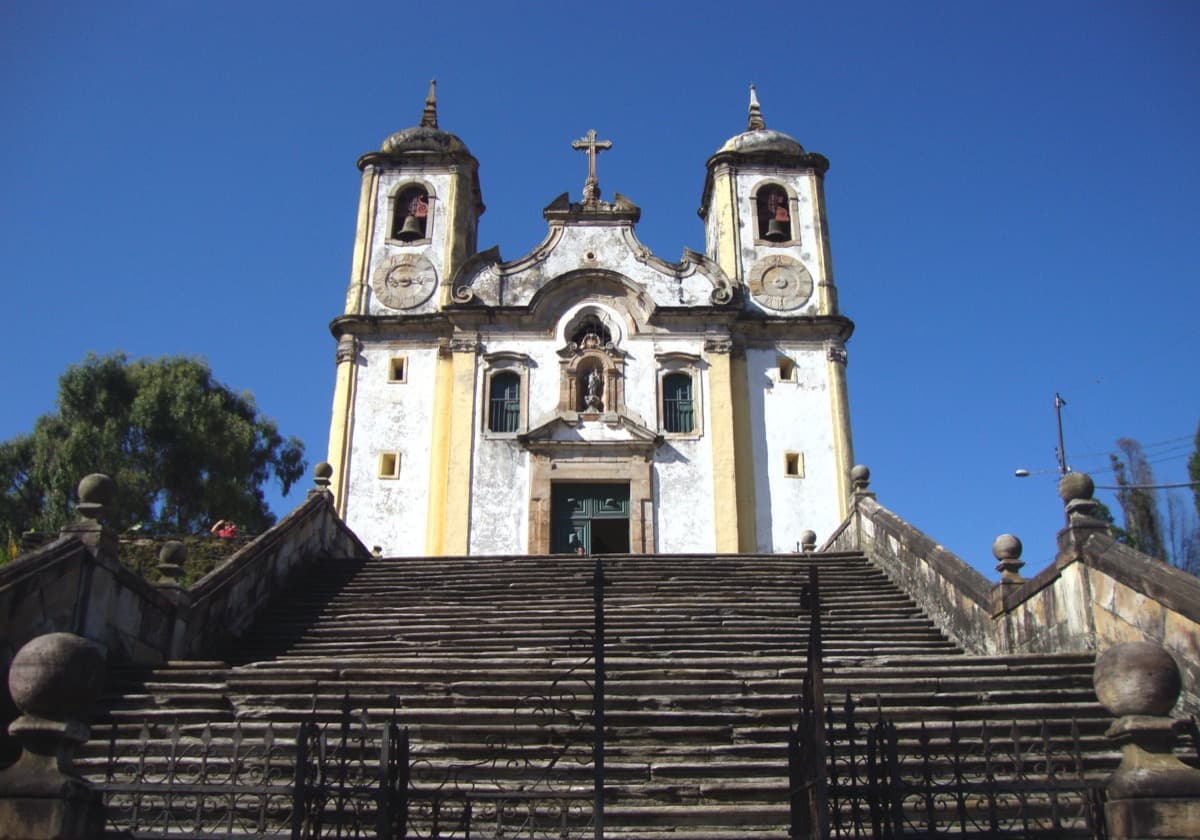
Igreja de Santa Efigenia dos Pretos: The Church They Built for Themselves
The hilltop church raised over roughly five decades by the Rosary brotherhood of enslaved and freed Black residents, dedicated to a Black saint.
- 6
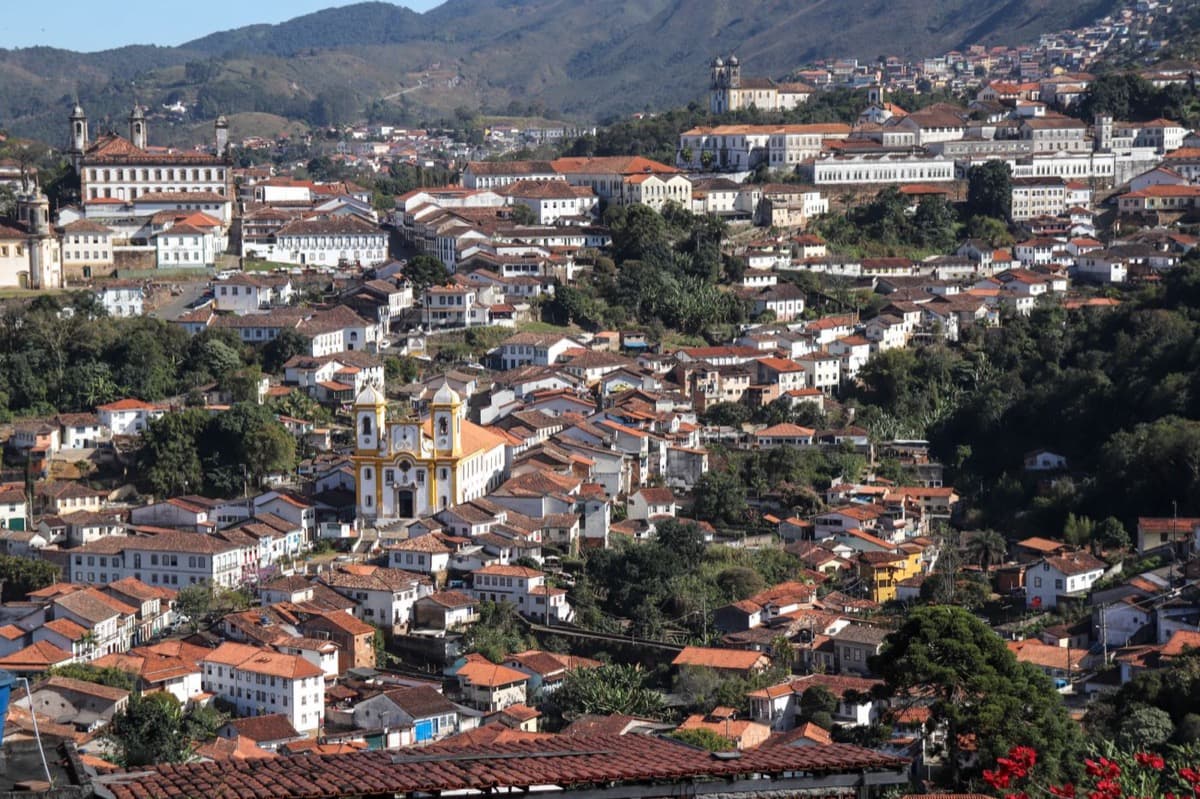
Adro de Santa Efigenia: Looking Back Over the Town
The church's terrace, one of Ouro Preto's highest viewpoints, where the whole town the enslaved built opens out below.
Details
Best Time to Visit
Ouro Preto sits high in the mountains of Minas Gerais, so mornings are cool and clear while afternoons can cloud over. Aim to start mid-morning on a weekday, when the churches are open and the light falls well on the eastern hills. The drier months, roughly April through September, give the most reliable footing on the cobbles, while the wetter season from October through March can leave the slopes slick. Several churches close for a midday break and some close on Mondays, so confirm hours before you climb.
Pro Tips
- •Wear real walking shoes with good grip. The cobbled ladeiras are steep and uneven, and the climb to Santa Efigenia is a genuine workout.
- •Carry water and go at your own pace. The town sits high in the mountains and the slopes add up quickly.
- •Bring some cash in Brazilian reais. The mine and the hilltop church charge small entry fees, and some sites take Pix or cash rather than cards.
- •Check church opening hours before you set out. Several close at midday or on Mondays, and this walk is built around going inside them.
- •The tunnel at the mine is narrow and low. If tight spaces are difficult for you, you can still take in the site from the entrance.
- •Give yourself unhurried time at the top. The terrace view and the church interior reward slowing down, not rushing.
Safety & Precautions
- •Sun and altitude: the mountain light is strong even when the air feels cool. Use sunscreen, a hat, and water, and rest on the climbs when you need to.
- •Rain makes the cobbles slippery. In the wet months the stone slopes can be treacherous, so step carefully, use handrails where they exist, and consider skipping the steepest stretches after heavy rain.
- •These churches are active places of worship and sacred heritage, not just monuments. Dress modestly, keep your voice low, follow any photography restrictions, and step aside during services.
- •Use ordinary city street sense in the historic center. Keep valuables out of sight, stay on well-traveled streets, and take a taxi or ride rather than walking the quiet upper slopes alone after dark.
Travel advisory: Exercise Increased Caution (Level 2).
Gallery
Related Reading
Go deeper on what you'll see, hear, and walk through.
Overview
Best Self-Guided Walking Tours in Ouro Preto (2026)
3 min
Overview
One Day in Ouro Preto: A Walkable Baroque Itinerary (2026)
5 min
Overview
Ouro Preto Travel Guide: How Many Days, Getting There, When to Go (2026)
5 min
Thematic
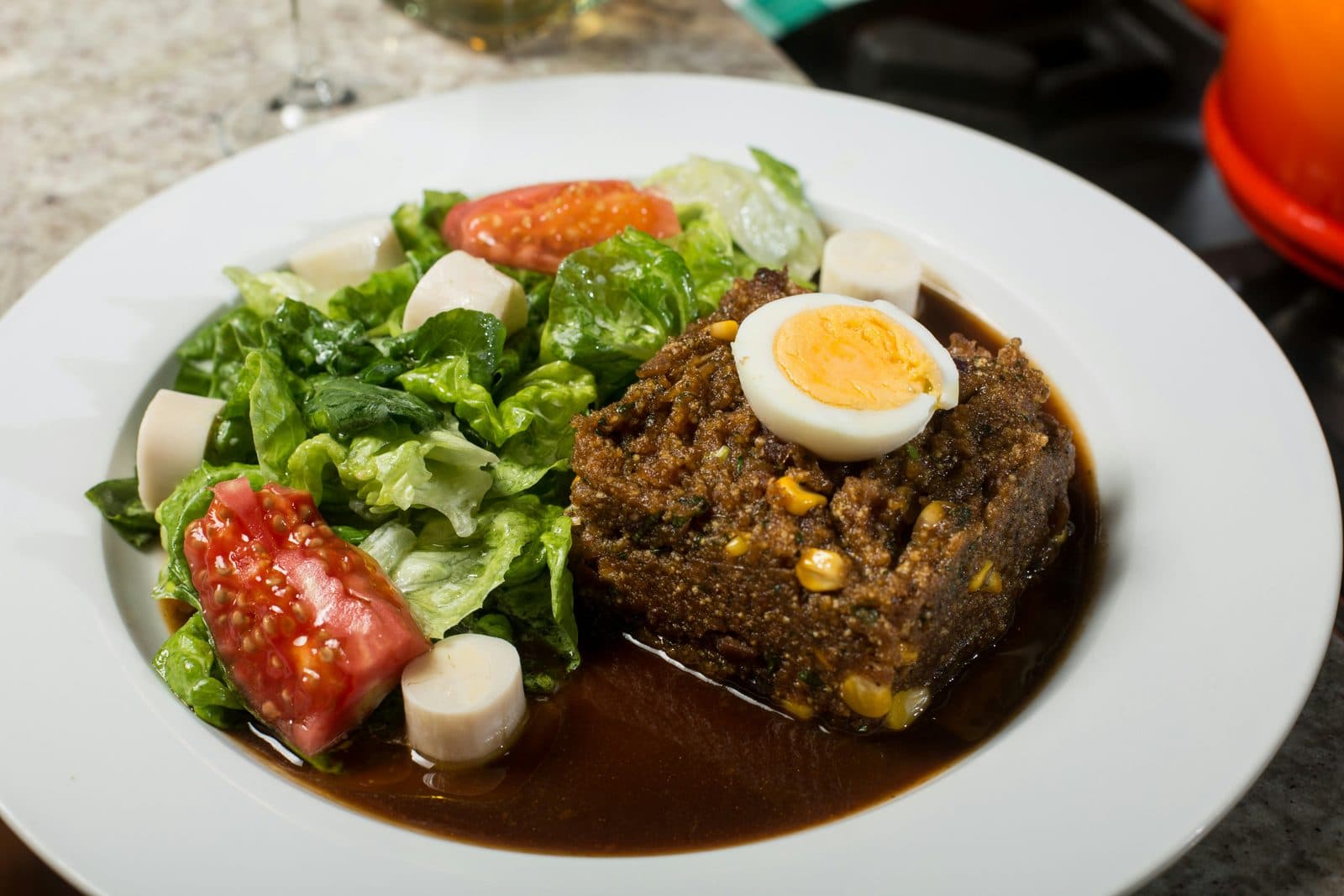
What to Eat in Ouro Preto: A Minas Gerais Food Guide (2026)
4 min
Deep dive
Santa Efigenia dos Pretos: The Ouro Preto Church a Barred Community Built for Itself
6 min
Deep dive
The Mina do Chico Rei: The Legend of the Enslaved King Who Bought His People's Freedom
5 min
Read the walk
The full story of Black Gold: The Enslaved City, in words. Prefer to listen? Play it narrated, from home or on location.
Introduction
This is Ouro Preto, in the state of Minas Gerais, Brazil, and this walk follows the people whose labor built it and whose names the records mostly erased. Ouro Preto means black gold. In the early seventeen hundreds this was Vila Rica, one of the richest towns in the Portuguese empire, and the gold that gilded its churches and financed a king was dug, hauled, and washed by enslaved Africans. This route has six stops and takes about ninety minutes at an easy pace, covering roughly two and a half kilometres. It climbs east into the Antonio Dias hills, so expect steep cobbled slopes and a real climb near the end. Wear shoes you trust. We begin at the oval church the enslaved and freed Black brotherhood built for itself, then drop to a public fountain where water was carried up the vertical town by hand. We enter a colonial gold mine tied to the town's most repeated legend, climb the steep slope named for a Black saint, and reach the hilltop church that congregation raised over roughly five decades. We finish on its terrace, looking back across the whole town. One promise for this walk. The chronicle keeps careful custody of what is documented and what is legend. Where a story is oral tradition, it will say so, honoring it as living memory without dressing it up as fact. The beauty here and the cruelty here are the same object, and both deserve to be seen clearly. When you arrive at the Igreja de Nossa Senhora do Rosario dos Pretos, begin with stop one.
1. Igreja de Nossa Senhora do Rosario dos Pretos: The Separate Church
Look at the front of this church and notice what is missing: the flat wall. Almost every church in Ouro Preto presents a straight facade to the street. This one curves. The whole building follows an oval floor plan, an ellipse ringed inside by six altars, and that single decision makes it one of the most original colonial churches in all of Brazil. It was built by people the town tried to keep separate. In colonial Vila Rica, the main religious brotherhoods, the powerful lay confraternities that ran social life, were closed to Black members. So the enslaved and freed Black population formed their own: the Brotherhood of Our Lady of the Rosary of Black Men, constituted in seventeen fifteen. They were granted this land in seventeen sixty-one. Construction began the following year, and the church was not finished until the eighteen twenties, roughly eighteen twenty-two to eighteen twenty-three. That is about sixty years of a barred community building beauty on its own terms. The attributions here are debated, and honest history says so. Scholars name more than one possible designer and fix on none. What is not debated is the ambition. The architectural historian Paulo Ferreira Santos linked these curves to a church in Porto and to a Borromini chapel in Rome, work at the frontier of the baroque imagination, raised here by a congregation the empire wanted invisible. Ouro Preto became a UNESCO World Heritage Site in nineteen eighty, and buildings like this one are why. Stand a moment with the paradox. Separation was the rule imposed on these founders. The oval in front of you is their answer, and it outlasted the rule.
2. Chafariz dos Contos: The Water They Carried
Water in Ouro Preto never came easily. The town has no gentle ground. It is a place of near vertical streets, and in colonial times there was no plumbing in the houses. Every drop that a household used had to be carried, uphill, by hand. Public fountains like this one were where that daily labor began. This is the Chafariz dos Contos, a baroque fountain of rendered stone. The building contract was awarded in April of seventeen forty-five, and the stone carries the date seventeen sixty, most likely the year it was finished. Read the design: scrolling volutes, a large central shell, and two spouts where the water still runs. It was commissioned through public bidding by the Senate of Vila Rica, the colonial name for Ouro Preto. Its first name was the Chafariz de Sao Jose. It took the name Contos later, from the Casa dos Contos, the colonial treasury and mint built beside it, the house where the Crown counted its share of the gold. So the geography here is blunt. On one side, the building where gold was tallied for the king. On this side, the fountain where enslaved and poor residents filled heavy vessels and hauled them up the slopes. The same wealth, two very different daily lives. Fetching and carrying water was among the countless unrecorded tasks that fell to the enslaved. No names survive for the people who did it. What survives is this, still flowing, at the exact spot where the vertical town met its most basic need.
3. Mina do Chico Rei: The Gold and the Legend
This is the emotional center of the walk, and it asks for care. You are standing at the mouth of a real colonial gold mine, known in colonial times as the Mina da Encardideira. It was rediscovered in nineteen fifty and opened to visitors, who can walk the first fifty meters or…
Full narration for this stop unlocks with the tour.
4. Ladeira de Santa Efigenia: The Slope They Paved
Take this climb slowly. You are on the Ladeira de Santa Efigenia, the steep cobbled slope that rises to the hilltop church at its top. It is tiring, and in a way that is the point. Ouro Preto is famously vertical, a town of ladeiras, and the irregular stones under your feet are…
Full narration for this stop unlocks with the tour.
5. Igreja de Santa Efigenia dos Pretos: The Church They Built for Themselves
Here it is, at the top: the church the founders built for themselves. Its full name is the Igreja Matriz de Santa Efigenia, and people simply call it Santa Efigenia dos Pretos. It grew out of the Brotherhood of Our Lady of the Rosary of Black Men, the confraternity of enslaved…
Full narration for this stop unlocks with the tour.
6. Adro de Santa Efigenia: Looking Back Over the Town
Step out onto the terrace, the adro in front of the church, and turn around. You are near the highest point in Ouro Preto, and the whole town opens below you. This is the closing view, and it is worth standing still for. Down in the valley lies the Antonio Dias parish, dense…
Full narration for this stop unlocks with the tour.