Historic Center: Aleijadinho's Ouro Preto
90 min · 1.2 km · hard
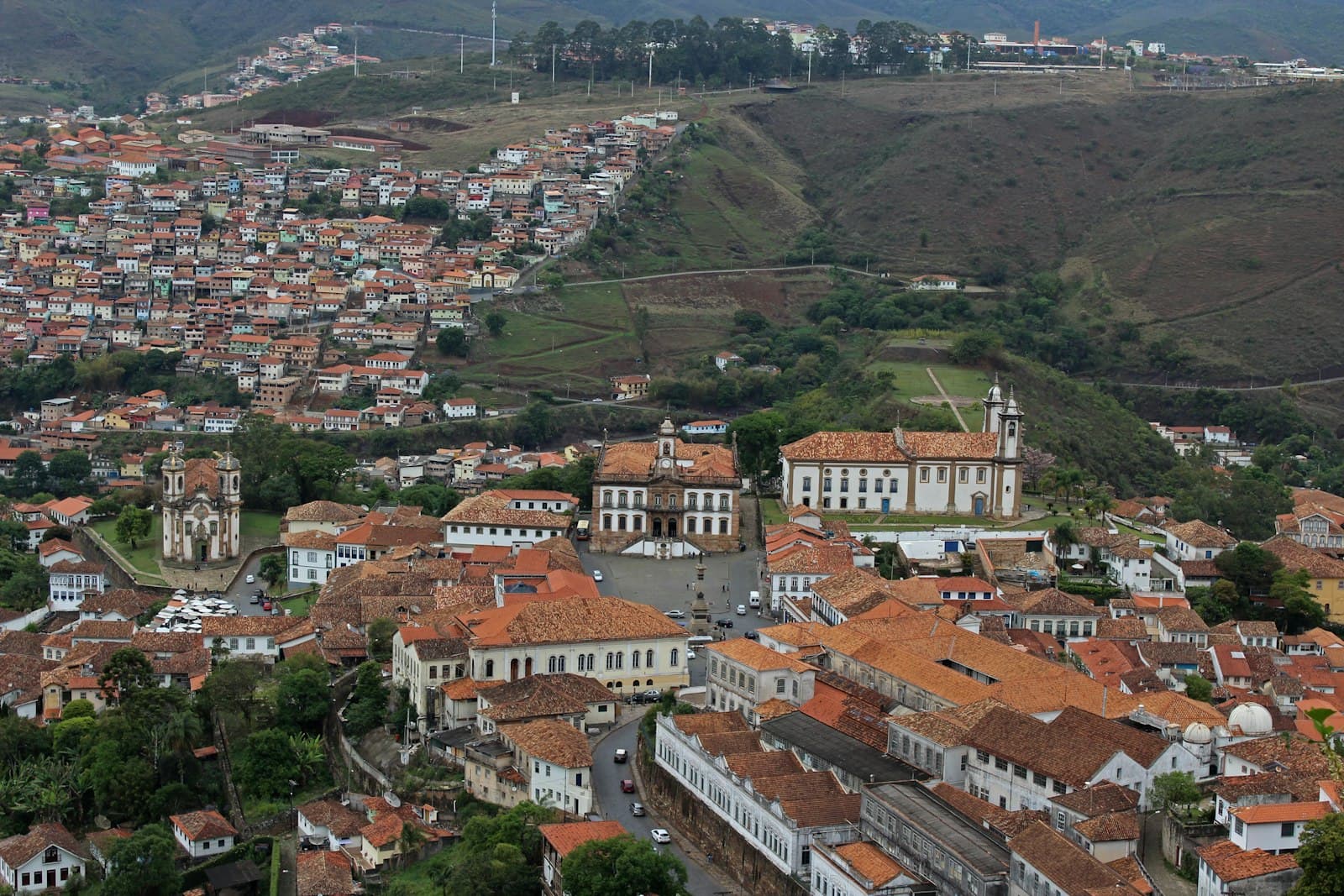
Ouro Preto is one of the most complete colonial towns in the Americas, and the reason is a single hard arc: gold built it, then gold ran out and broke it. At its peak this was the largest city in Brazil, extravagantly rich, financing an empire. Then the mines emptied, the money left, and the town froze. That is why it survives so perfectly. Ouro Preto is preserved because it was left behind. Hold the rise and the fall together and every gilded church and empty fountain in the town starts to speak.
The richest town in Brazil
The story begins at the end of the seventeenth century, when prospectors struck gold in these mountains and set off the great Brazilian gold rush. Settlements sprang up in the hills, and in 1711 several were united into a municipality called Vila Rica, the rich town, later renamed Ouro Preto, black gold. The wealth was staggering. In 1720 Vila Rica was made capital of the newly created captaincy of Minas Gerais, and at its height it was the largest city in Brazil, its population swollen by the rush.
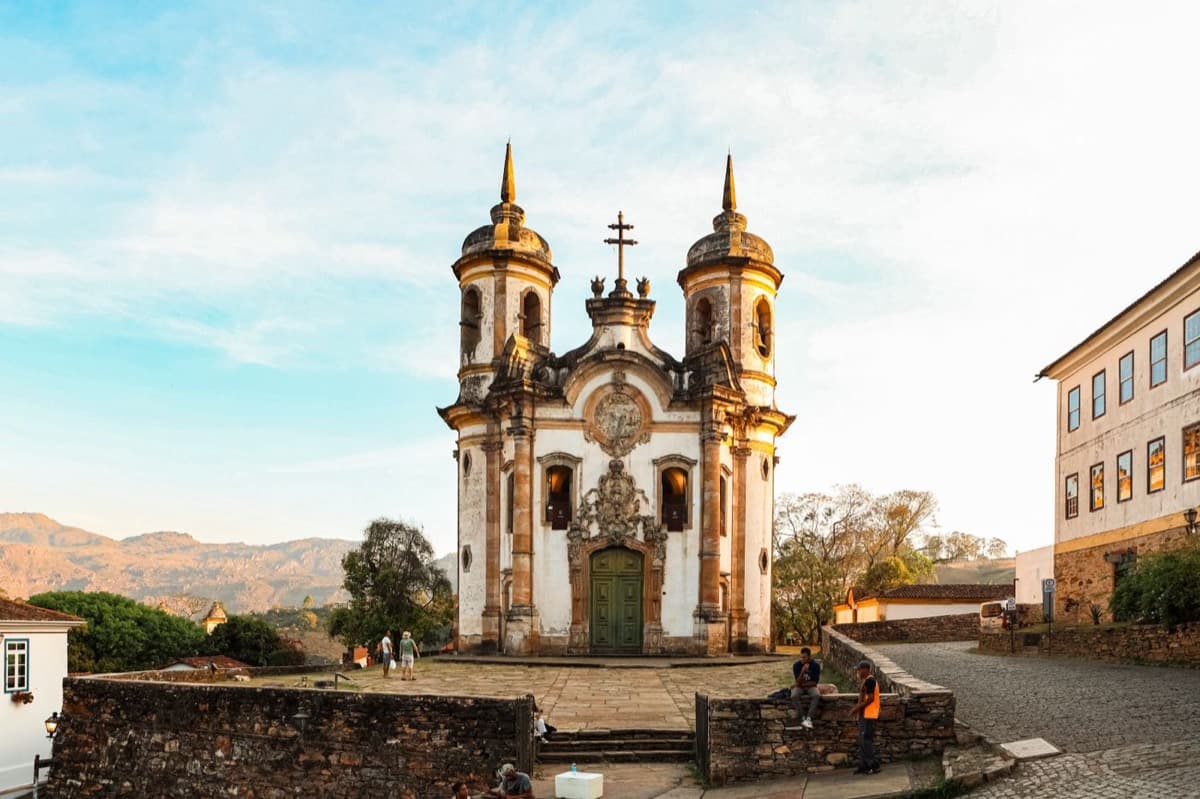
The gold poured into building. This is the money that gilded the Basilica do Pilar and raised the town's extraordinary churches, and that summoned the finest colonial craftsmen in Brazil to decorate them, above all the sculptor Aleijadinho, whose work culminates in the church of Sao Francisco de Assis. Roamer's Aleijadinho's Ouro Preto reads the town through the gilded world his gold created.
The gold that was dug by the enslaved
Hear a stop from this walk
Igreja de São Francisco de Assis: The Masterpiece
There is no honest account of Ouro Preto's gold that leaves out who dug it. The mines were worked overwhelmingly by enslaved Africans, whose labor pulled the wealth from the ground that gilds the town's altars. Ouro Preto holds this history more openly than most Brazilian towns, in the churches the enslaved built for themselves and in the legend of the Mina do Chico Rei, the enslaved man said to have bought his freedom and his people's with smuggled gold. Roamer's Black Gold: The Enslaved City reads the town entirely through the people who made its wealth possible. The glory and the cost are the same gold.
Rebellion, then collapse
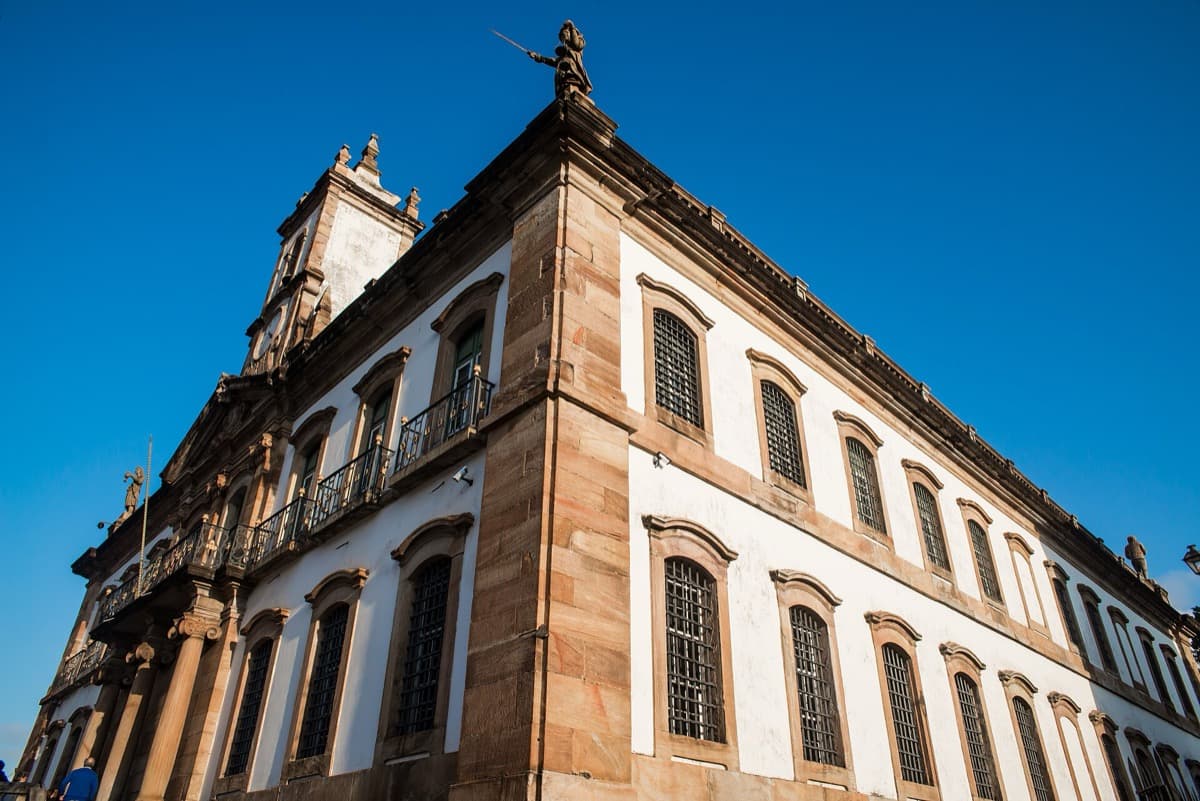
Wealth bred resentment. The Portuguese crown taxed the gold heavily, and in 1789 Vila Rica became the birthplace of the Inconfidencia Mineira, a conspiracy to break from Portugal. It failed, and its most famous figure, Joaquim Jose da Silva Xavier, known as Tiradentes, was hanged as a warning to future rebels. He became, in time, a national hero, and the town's Museu da Inconfidencia, housed in the old jail, tells the story. Roamer's Gold and the Inconfidencia reads this political layer, from the treasury to the square where the rebellion ended.
Then the gold gave out. As the mines were exhausted through the nineteenth century, the town's wealth and influence drained away. In 1897, partly because the mountain town was hard to reach, the state capital was moved to the new city of Belo Horizonte, sealing the decline. Ouro Preto stopped growing. And because it stopped growing, it stopped tearing itself down and rebuilding, which is exactly why its eighteenth-century fabric survived.
Why the fall preserved it
Most historic towns lose their old buildings to prosperity, replaced by whatever comes next. Ouro Preto was spared that fate by poverty. Once the gold and the capital were gone, there was neither money nor reason to modernize, so the churches, bridges, and fountains that testify to the golden age simply remained. A restoration effort began in the late 1970s, and in 1980 the town was inscribed as a UNESCO World Heritage Site, recognized as a near-complete colonial ensemble. The perfection you walk through is the fossil of a boom, kept intact by the bust that followed.
How to see it
Read Ouro Preto as a single rise and fall. Start with the gold, in the gilded churches, then read who dug it, in the enslaved city, then the rebellion it bred, and finally understand that the whole town survives because the gold ran out. Wear good shoes: the streets are steep cobbles, exactly as the gold rush laid them. For the full set of routes, browse Ouro Preto walking tours, and to plan the climb, see one day in Ouro Preto.
Sources
- Britannica and Wikipedia, Ouro Preto: the late-seventeenth-century gold rush, the union of settlements into Vila Rica in 1711, the town made capital of Minas Gerais in 1720 and being the largest city in Brazil at its peak, the exhaustion of the mines in the nineteenth century, the transfer of the capital to Belo Horizonte in 1897, the late-1970s restoration, and the UNESCO World Heritage designation in 1980.
- Britannica and Wikipedia, Ouro Preto: the 1789 Inconfidencia Mineira, the heavy crown taxation of gold, and the hanging of Joaquim Jose da Silva Xavier (Tiradentes).
- Roamer tour transcripts, Aleijadinho's Ouro Preto (ouro-preto-aleijadinho-baroque), Gold and the Inconfidencia (ouro-preto-praca-tiradentes-inconfidencia), and Black Gold: The Enslaved City (ouro-preto-black-gold-enslaved-city), fact-audited: the gilded churches, the rebellion, and the enslaved labor behind the gold.
Frequently asked questions
- Why was Ouro Preto so important?
- Ouro Preto, originally called Vila Rica, was the center of the eighteenth-century Brazilian gold rush and, at its peak, the largest city in Brazil. It was made capital of the Minas Gerais captaincy in 1720, and its gold financed much of the Portuguese empire. It was also the birthplace of the Inconfidencia Mineira in 1789, an early independence conspiracy, and it is now a UNESCO World Heritage colonial town.
- Why is Ouro Preto so well preserved?
- Because it got rich fast, then poor. When the gold mines were exhausted in the nineteenth century, the city's wealth and influence collapsed, and in 1897 the state capital was moved to Belo Horizonte. Ouro Preto stopped growing and largely stopped rebuilding, so its baroque churches, bridges, and fountains survived almost intact. It is preserved because it was left behind, and it was made a UNESCO World Heritage Site in 1980.
- What was the Inconfidencia Mineira?
- The Inconfidencia Mineira was a 1789 conspiracy in Ouro Preto (then Vila Rica) that aimed to gain independence from Portugal, driven partly by resentment of the heavy crown taxes on gold. It failed, and its most famous figure, Joaquim Jose da Silva Xavier, known as Tiradentes, was hanged. He is now remembered as a national hero, and the events are told in Ouro Preto's Museu da Inconfidencia.
Brazil eSIM· 10% off with ROAMER10
Ready to experience it?
Historic Center: Aleijadinho's Ouro Preto
90 min · 1.2 km · hard
More from Ouro Preto
Explore more at your own pace.
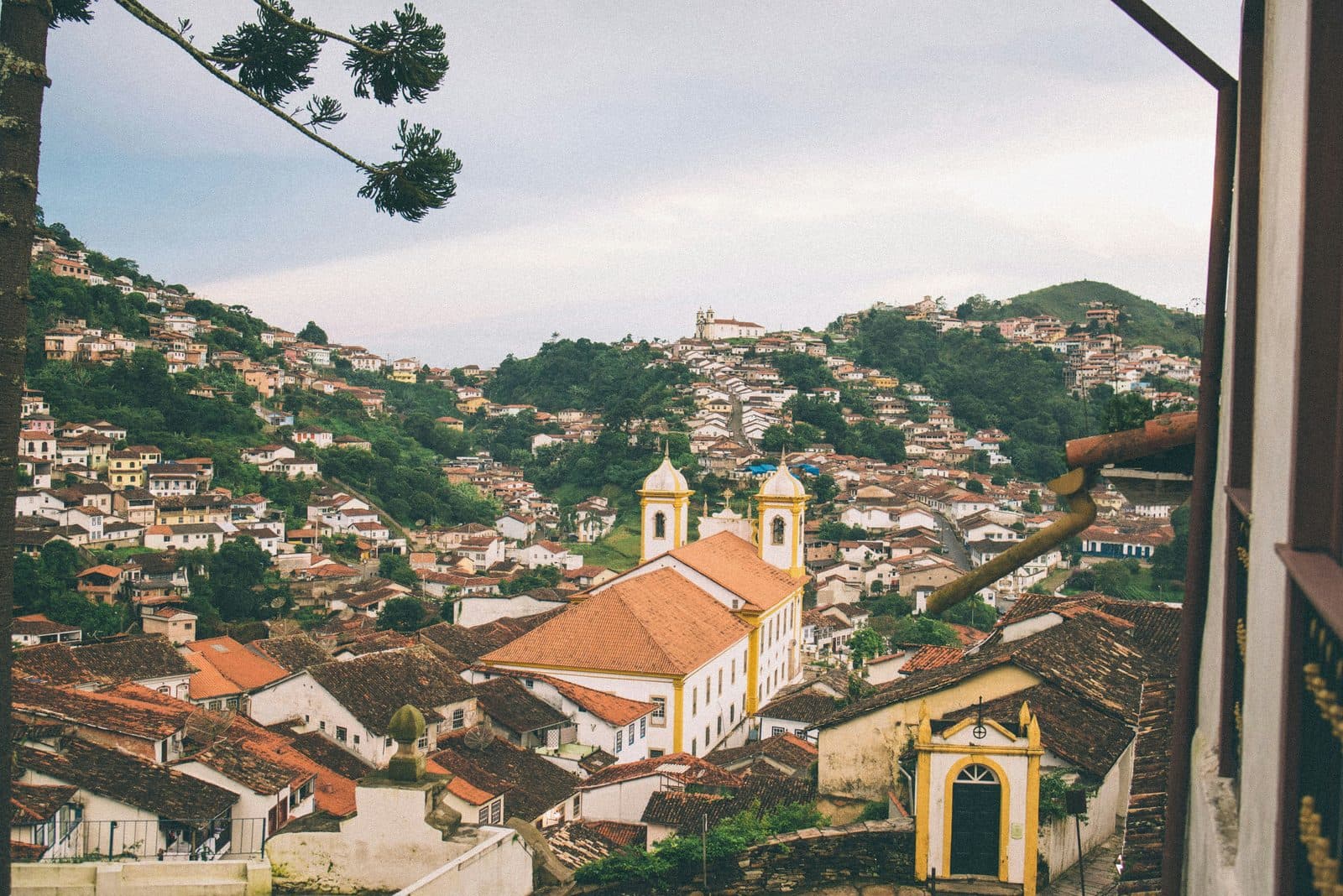
One Day in Ouro Preto: A Walkable Baroque Itinerary (2026)
Ouro Preto Travel Guide: How Many Days, Getting There, When to Go (2026)
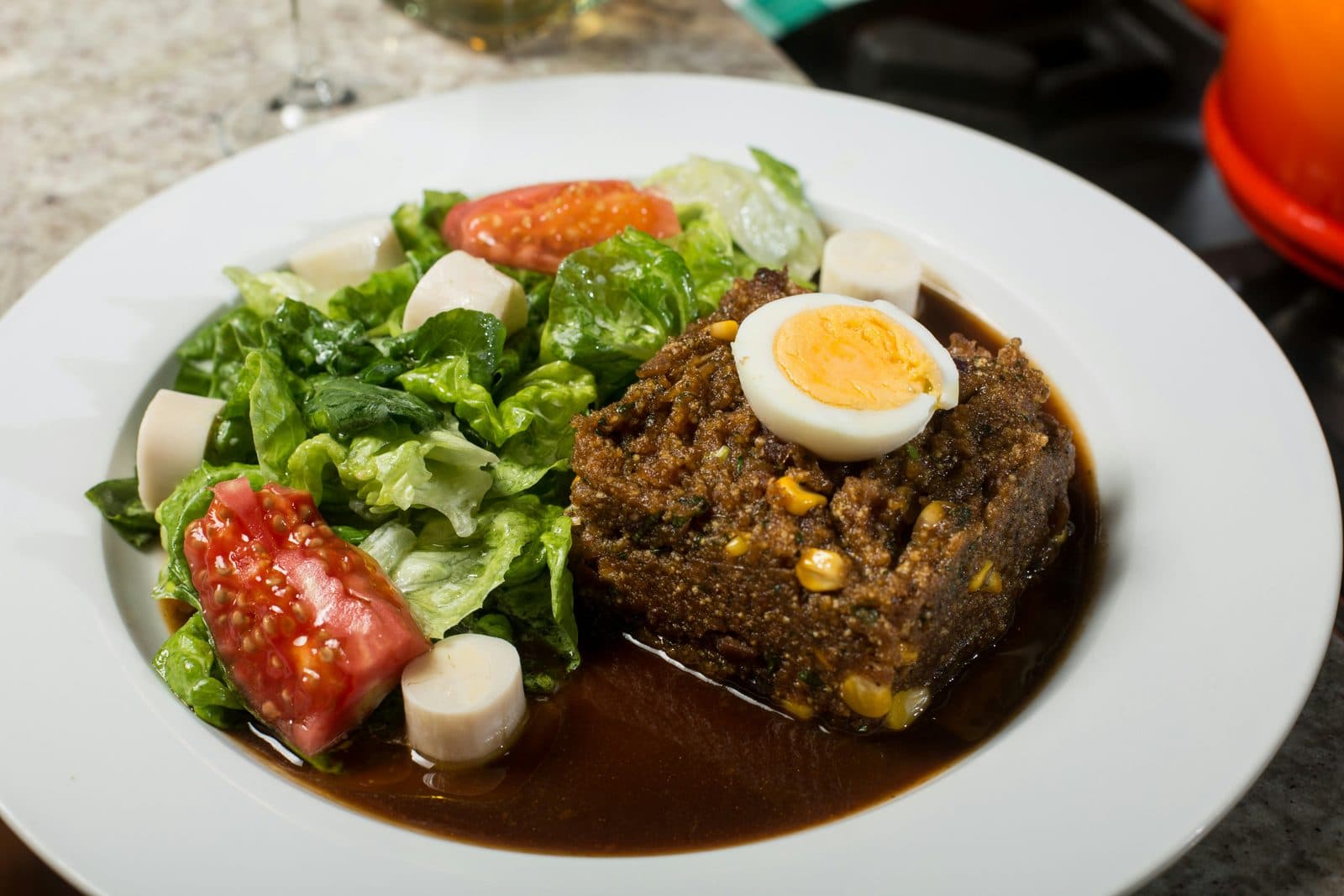
What to Eat in Ouro Preto: A Minas Gerais Food Guide (2026)
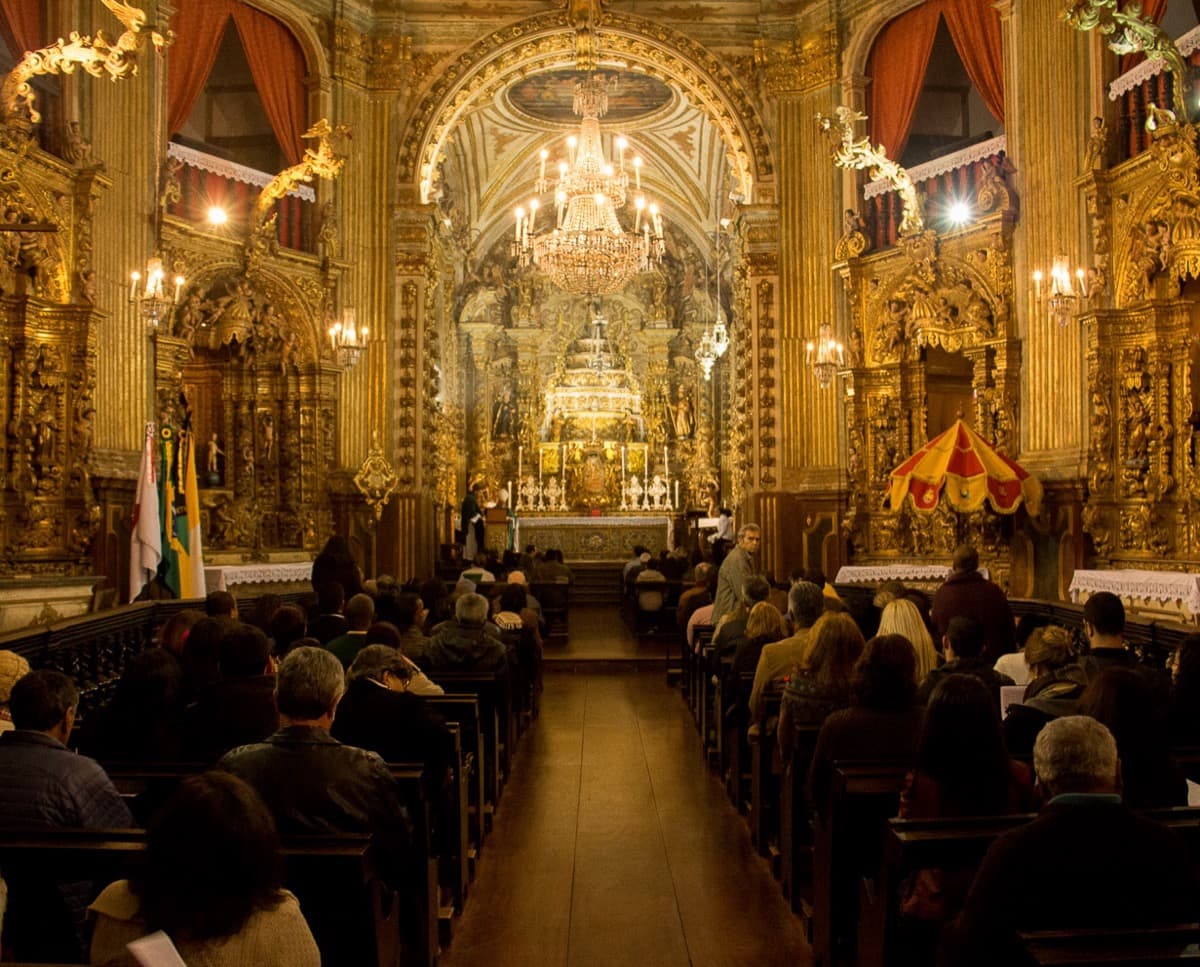
Basilica do Pilar: The Gold-Drenched Church at the Heart of Ouro Preto
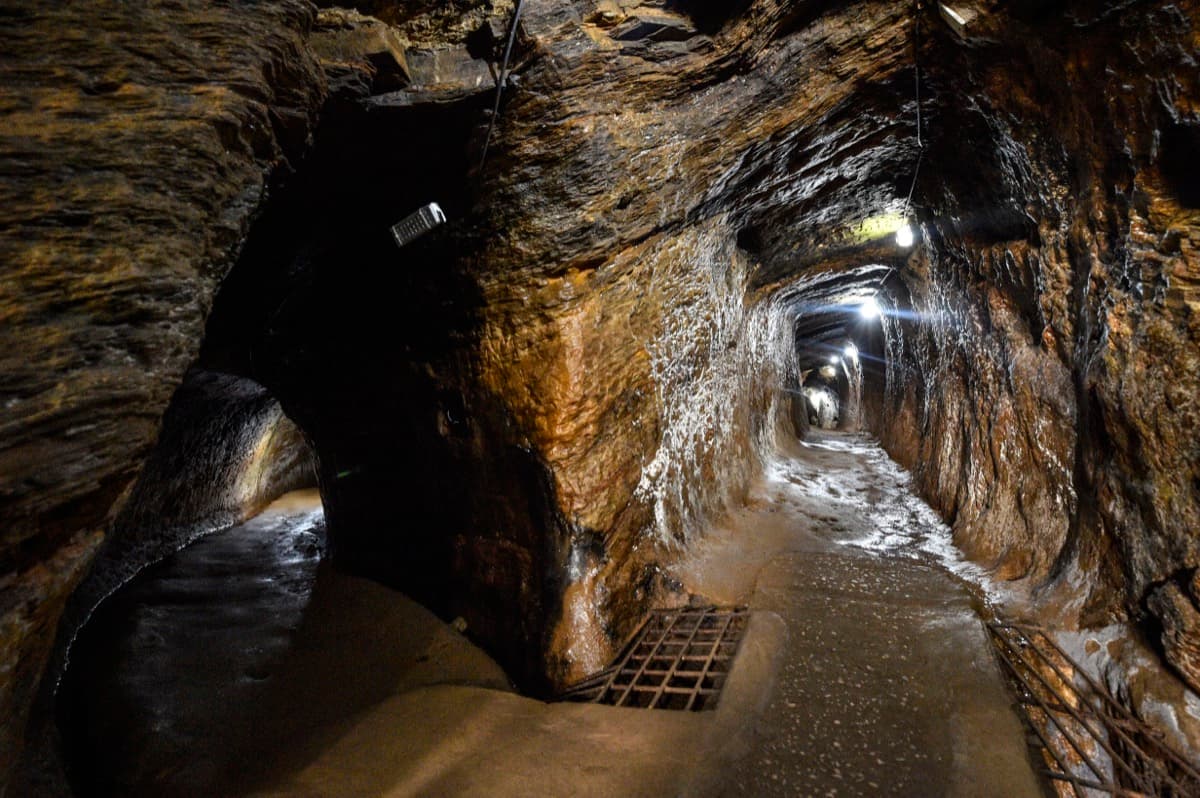
The Mina do Chico Rei: The Legend of the Enslaved King Who Bought His People's Freedom