Heart of Sharjah: The Restored Old Town
65 min · 1.4 km · easy
You can see the best of Sharjah on foot in a single day by pairing two compact walks: a cool-morning circuit through the restored old town called the Heart of Sharjah, then a late-afternoon walk around the Khalid Lagoon that ends at the musical fountain after dark. The old town is flat and roughly 1.4 kilometers end to end, its coral-and-gypsum houses now holding heritage museums; the lagoon loop adds an easy evening promenade past the blue-tiled souk, an Ottoman-style mosque, and the corniche. Both walks are self-guided, both start free to enter, and the museum entries cost only a few dirhams each. This guide sets the order, the verified hours and prices, and where the audio tours pick up.
The short answer: how to spend one day in Sharjah on foot
Do the heritage walk in the morning while the air is coolest, break for lunch and the midday heat, then do the waterfront walk into the evening.
- Morning (about 2 to 3 hours): Walk the Heart of Sharjah, starting at Al Hisn (the white fort) and looping through Souq Al Arsah, Bait Al Naboodah, the Sharjah Heritage Museum, the Calligraphy Museum, and out to the Sharjah Art Museum. The core route is roughly 1.4 kilometers.
- Midday: Lunch, then rest through the hottest hours. This is the right time to sit inside an air-conditioned museum rather than walk open lanes.
- Late afternoon to evening (about 2 hours of walking, more with stops): Start at the Blue Souk, walk the corniche around Khalid Lagoon, and time your arrival at Al Majaz Waterfront for the fountain show after dark. The full lagoon loop runs about 6.5 to 7 kilometers, but you can walk a shorter there-and-back segment.
Sharjah sits directly beside Dubai, so many visitors come for the day. A taxi from Dubai takes about 35 to 50 minutes and costs roughly 80 to 120 dirhams; public buses (routes such as the E303, E306, and E307 from Al Ghubaiba or Union stations) run around 10 to 12 dirhams and take a little over an hour. Note that a Dubai taxi cannot pick you up in Sharjah for the return, so you take a Sharjah taxi or bus back.
Morning: the Heart of Sharjah heritage walk
Hear a stop from this walk
The Sharjah Art Museum: A Capital of Culture, Not Height
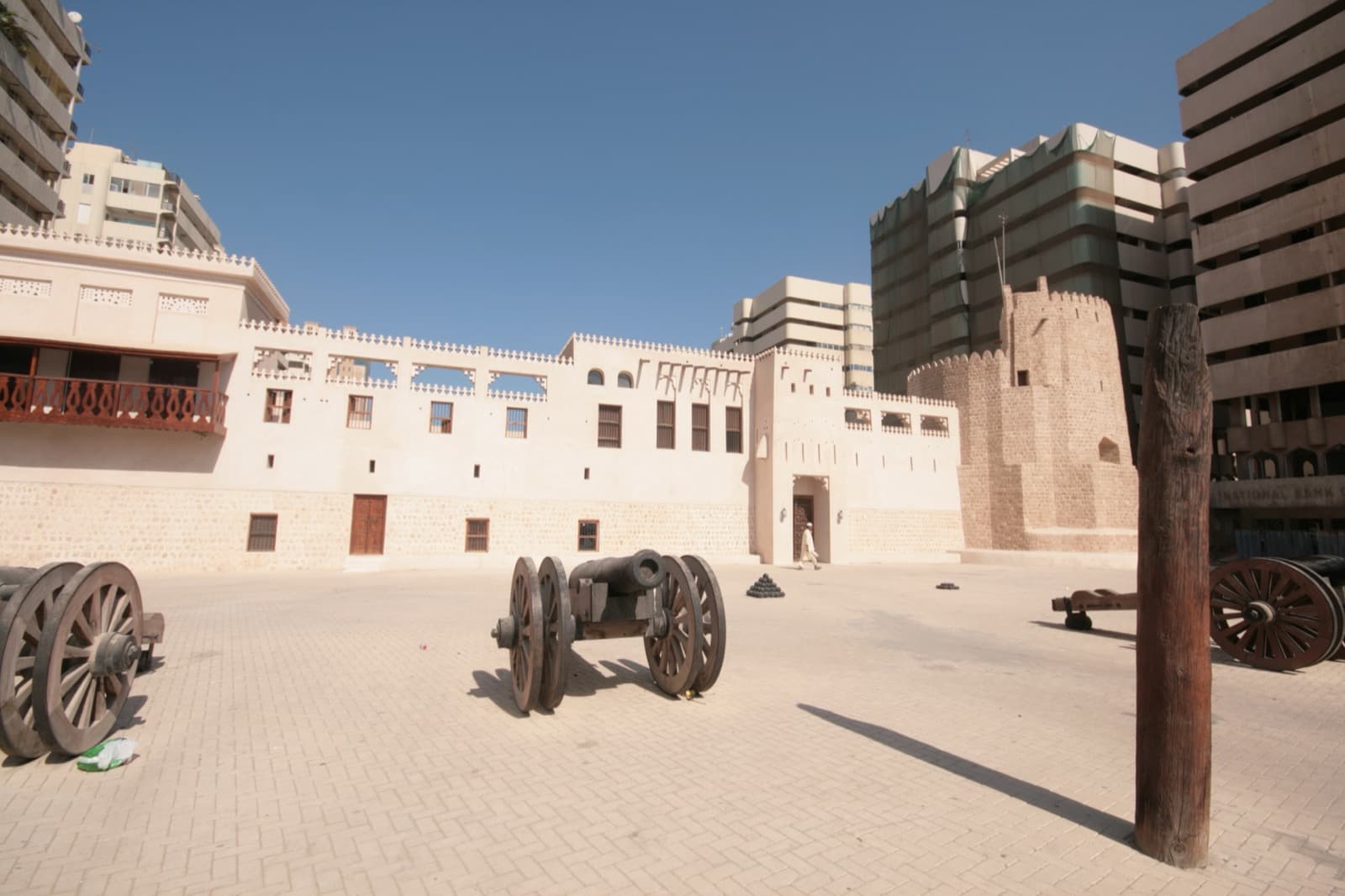
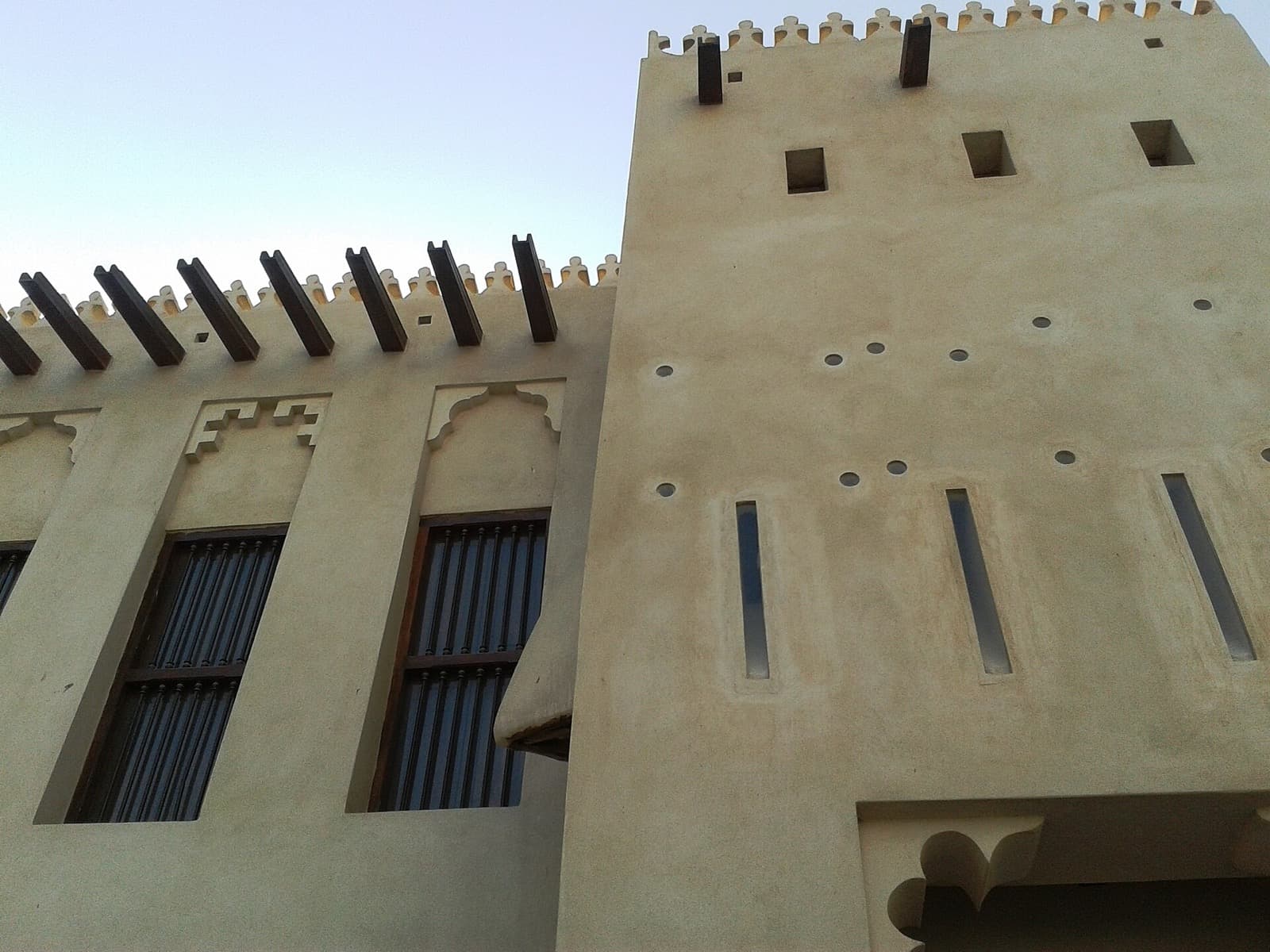
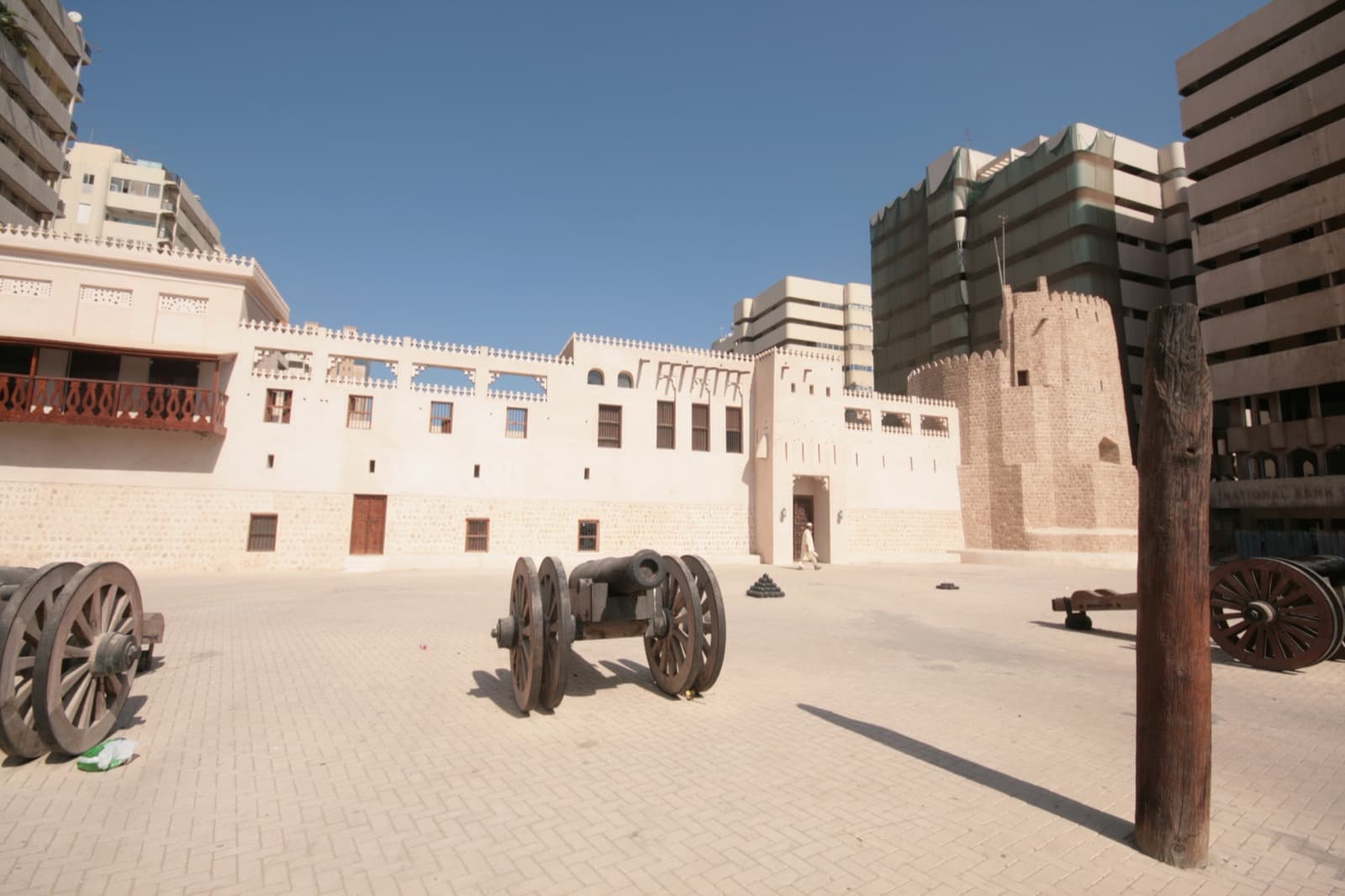
The old town is the reason to come early. Sharjah demolished its original fort in 1970, then rebuilt Al Hisn decades later from the ruler's own notes and saved fittings, and the surrounding quarter was recreated in its 1950s form in coral and gypsum. Walking it before the sun climbs means shaded lanes and quiet courtyards instead of glare.
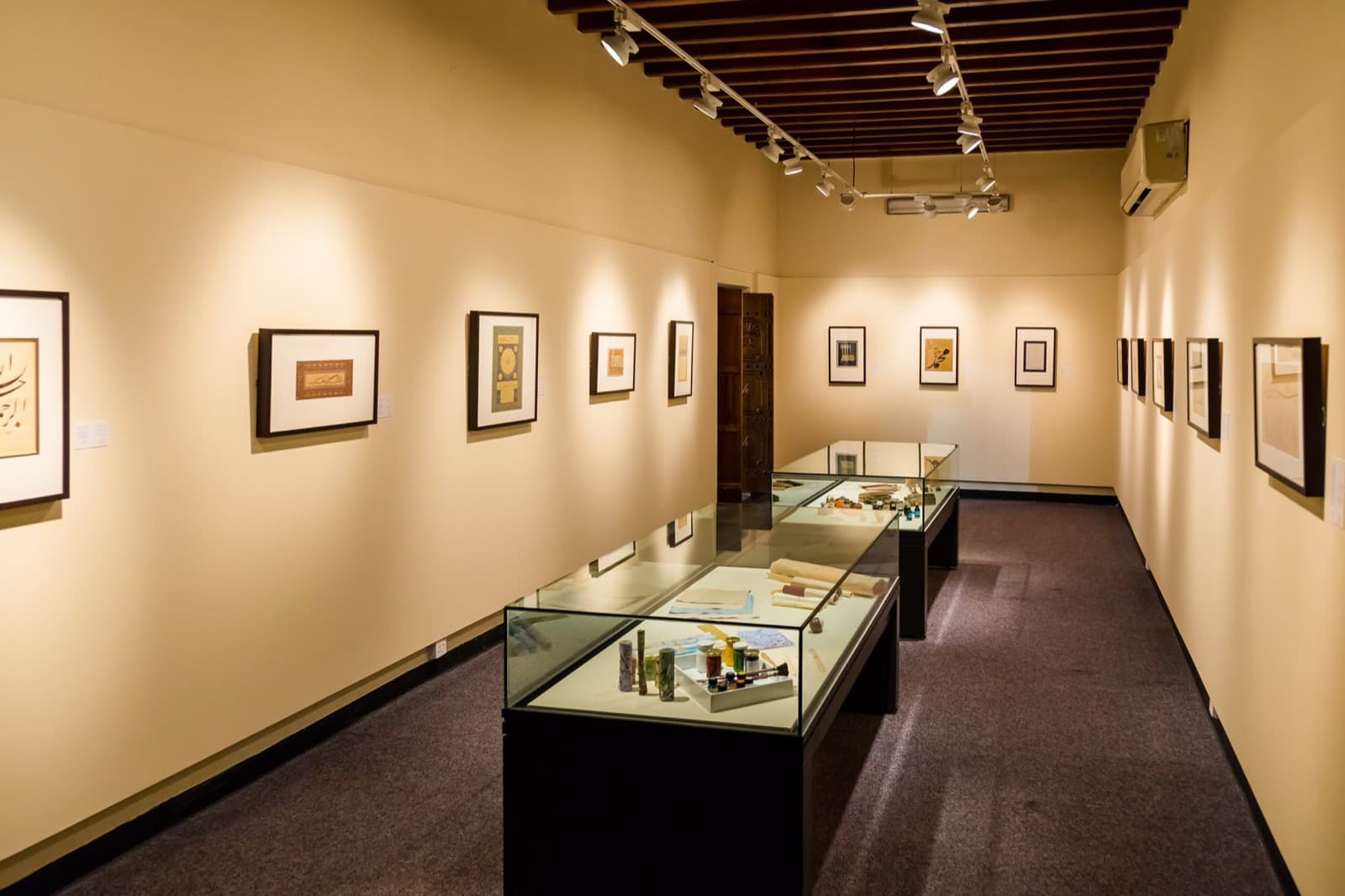
Follow the route in roughly this order: Al Hisn Sharjah (the fort), the lanes of the Heart of Sharjah quarter, Souq Al Arsah (a covered coral-stone market with a traditional coffee house at its center), Bait Al Naboodah (a merchant's courtyard house with wind towers), the Sharjah Heritage Museum, the Sharjah Calligraphy Museum, and finally the Sharjah Art Museum, which anchors the Arts Area a few minutes north.
Hours and tickets (verify before you go): The Heart of Sharjah museums run Saturday to Thursday, 8am to 8pm, and Friday 4pm to 8pm, with a shorter Ramadan schedule (Saturday to Thursday, roughly 9am to 2pm, closed Friday). A Joint Heritage Ticket covers the cluster of heritage museums for about 20 dirhams for adults and 10 dirhams for children aged 2 to 12; Bait Al Naboodah on its own is about 10 dirhams. The Sharjah Art Museum is free, and Souq Al Arsah is free to enter (you pay only for goods and refreshments). Carry small dirham notes, since some vendors and the coffee house prefer cash.
This is exactly the ground the Heart of Sharjah: The Restored Old Town audio walk covers, stop by stop, so you can let the narration handle the history while you look up at the wind towers and teak columns.
Midday: eat, rest, and wait out the heat
Sharjah is hot, and honestly so: from about June to September, midday walking on the coast can be dangerous, and even in the mild winter the open promenade catches strong sun off the water. Use the middle of the day to eat and stay indoors. If you visit in summer, treat the outdoor legs as early-morning or after-dark activities only, and move between air-conditioned museums in between. Sun protection (hat, sunglasses, sunscreen) matters year-round.
A note on dress and custom: Sharjah is the most conservative of the coastal emirates. Dress modestly in the old quarters and especially near any working mosque, keep shoulders and knees covered, and women should carry a scarf for mosque visits. English is widely spoken, so shopping, directions, and mosque tours are all easy to arrange.
Evening: the corniche, the Blue Souk, and the fountain
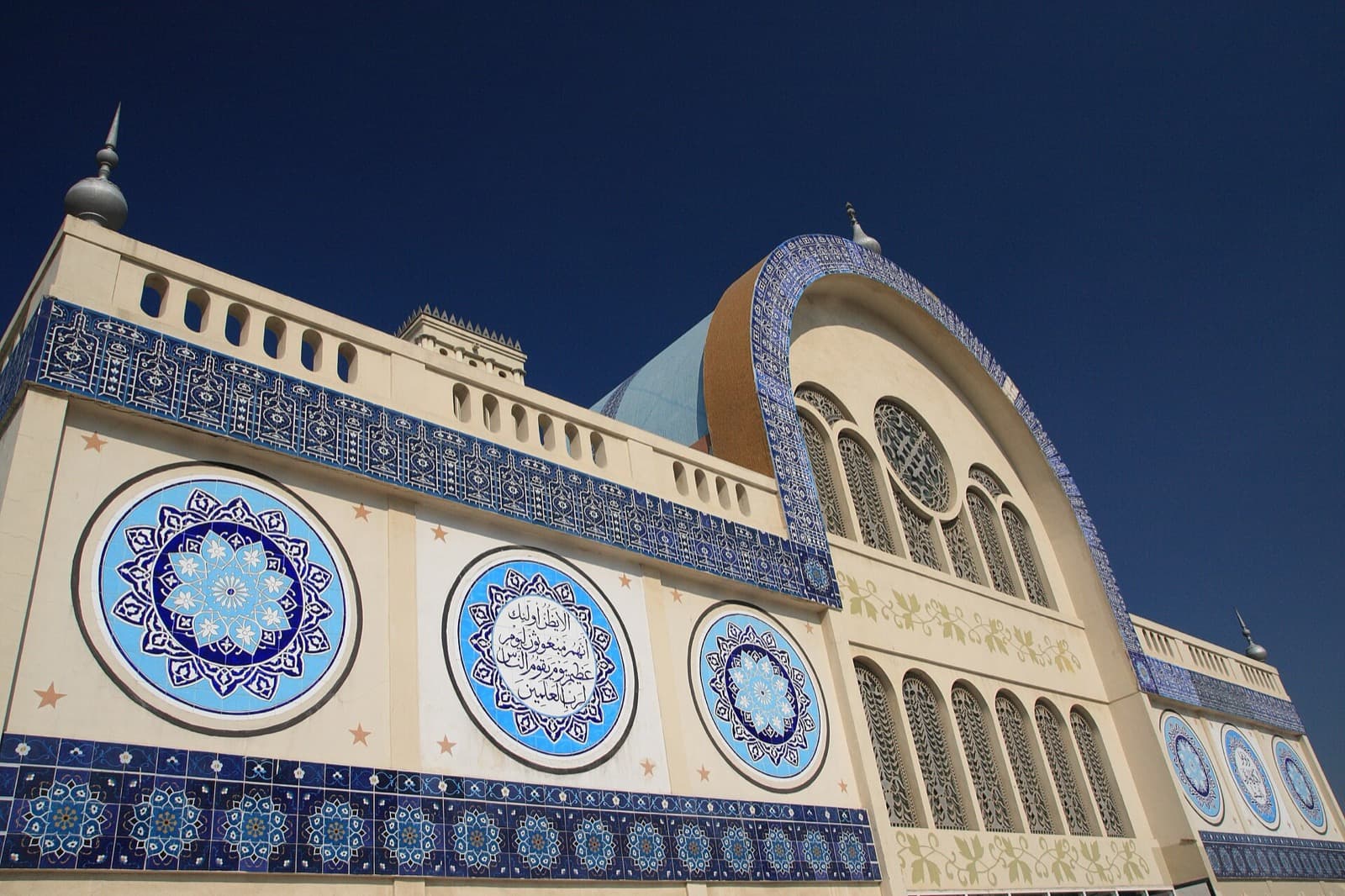
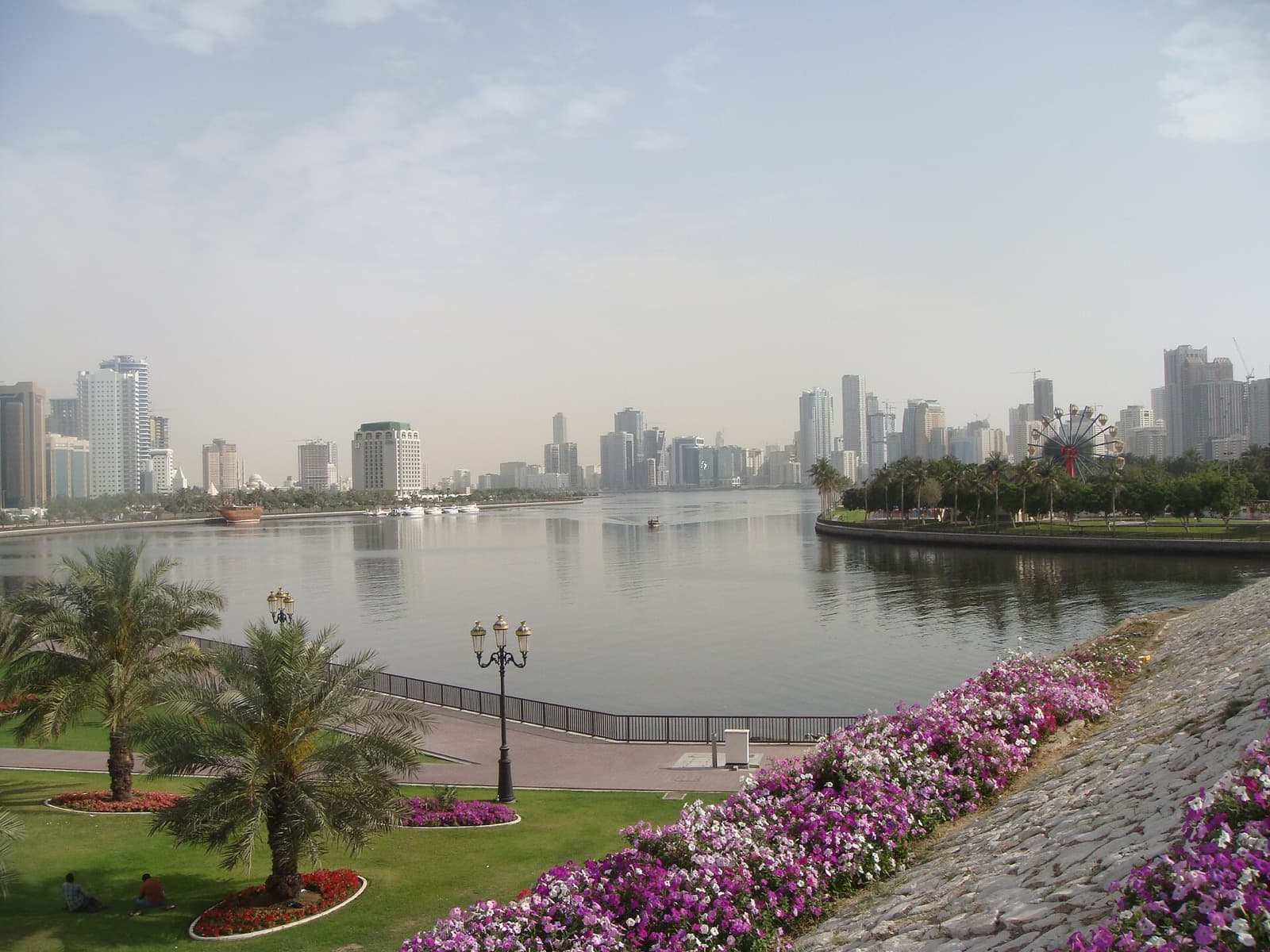
The waterfront comes alive at dusk, which is the point of doing it second. Start at the Blue Souk (the Central Souq), two blue-tiled market halls crowned with wind towers, then walk the corniche along Khalid Lagoon. The Ottoman-style Al Noor Mosque sits on the water; it is the first mosque in Sharjah to open its doors to visitors of every faith, and non-Muslim visitors can join free guided tours run by the Sharjah Centre for Cultural Communication (women cover hair, arms, and legs; the tour lasts about 45 minutes to an hour and ends with Arabic coffee). Continue to Al Majaz Waterfront, a landscaped lagoon-side park of gardens, cafes, and family attractions, and time your arrival for the Sharjah Fountain, whose jets rank among the largest of their kind in the region.
Free and paid: The corniche, the souk halls, the mosque exterior, and the fountain shows are all free to see. Budget dirhams only for purchases, boat trips, mini-golf, or rides. Fountain shows run in the evening (commonly around 8pm and 10pm, with laser shows at other slots), and the fountains are typically closed on Sundays, so check the current schedule and arrive with a buffer, since timings can shift around prayer times. This dusk loop is the route of the Sharjah Corniche & the Blue Souk: The Cultural Capital walk, which is built to be walked into the evening and ends at the fountain.
Practical planning notes
- Best months: November to March for comfortable walking. Summer is for early morning and after dark only.
- What costs money: Heritage museum entries (a few dirhams each, or a joint ticket) and anything you buy or ride. The souks, the corniche, the mosque exterior and its guided tour, and the fountain are free.
- Cash: Carry small dirham notes for museums, the Souq Al Arsah coffee house, and heritage vendors.
- Ramadan: Museum hours shorten, daytime eating and drinking in public are restricted, and the waterfront livens up after sunset.
- Getting oriented: Both self-guided walks trigger audio at each stop as you arrive, so you can keep your eyes on the buildings, not a screen. Browse the city's routes on the Sharjah walking tours hub or the Sharjah city page.
Sources
Frequently asked questions
- Can you visit Sharjah in one day on foot?
- Yes. Sharjah's two most walkable sights sit close together and pair well in a single day. The Heart of Sharjah old town is flat and roughly 1.4 kilometers of walking, best done in the cool morning, and the Khalid Lagoon corniche loop is about 6.5 to 7 kilometers, best walked in the late afternoon and evening. You can shorten the lagoon walk to a there-and-back segment if you tire.
- How much do the Heart of Sharjah museums cost?
- A Joint Heritage Ticket covers the cluster of heritage museums for about 20 dirhams for adults and 10 dirhams for children aged 2 to 12, with under-2s free. Bait Al Naboodah on its own is about 10 dirhams. The Sharjah Art Museum is free, and Souq Al Arsah is free to enter. Carry small dirham notes, as some vendors prefer cash.
- What are the opening hours in the Heart of Sharjah?
- The heritage museums generally open Saturday to Thursday from 8am to 8pm and Friday from 4pm to 8pm. During Ramadan they run a shorter schedule, roughly Saturday to Thursday 9am to 2pm and closed Friday. Hours can shift for holidays, so confirm on the Sharjah Museums Authority site before you go.
- Can non-Muslims visit Al Noor Mosque in Sharjah?
- Yes. Al Noor Mosque was the first in Sharjah to open its doors to visitors of every faith. The Sharjah Centre for Cultural Communication runs free guided tours for non-Muslim visitors that last about 45 minutes to an hour and end with Arabic coffee. Women must cover their hair, arms, and legs, and men should wear long trousers and sleeves.
- When does the Sharjah Fountain show run?
- The fountain at Al Majaz Waterfront runs evening shows that are free to watch, commonly around 8pm and 10pm, with laser shows in other evening slots. The fountains are typically closed on Sundays, and timings can shift around prayer times, so check the current schedule and arrive a little early.
- How do you get from Dubai to Sharjah?
- Sharjah borders Dubai, so a day trip is easy. A taxi takes about 35 to 50 minutes and costs roughly 80 to 120 dirhams; Careem and Uber also operate. Public buses such as the E303, E306, and E307 from Al Ghubaiba or Union stations cost around 10 to 12 dirhams and take a little over an hour. A Dubai taxi cannot pick you up in Sharjah for the return, so take a Sharjah taxi or bus back.
Ready to experience it?
Heart of Sharjah: The Restored Old Town
65 min · 1.4 km · easy
More from Sharjah
Explore more at your own pace.
Sharjah Travel Guide: Days, Transport, Best Time, Safety, Budget
Sharjah: The Emirate That Banked on Culture Instead of Height
Heart of Sharjah: The Old Town That Was Rebuilt on Purpose
The Buhaira Corniche: Reading All of Sharjah From One Dusk View
Al Hisn Sharjah: The Fort Rebuilt From Memory